Sweep of a broom in dust
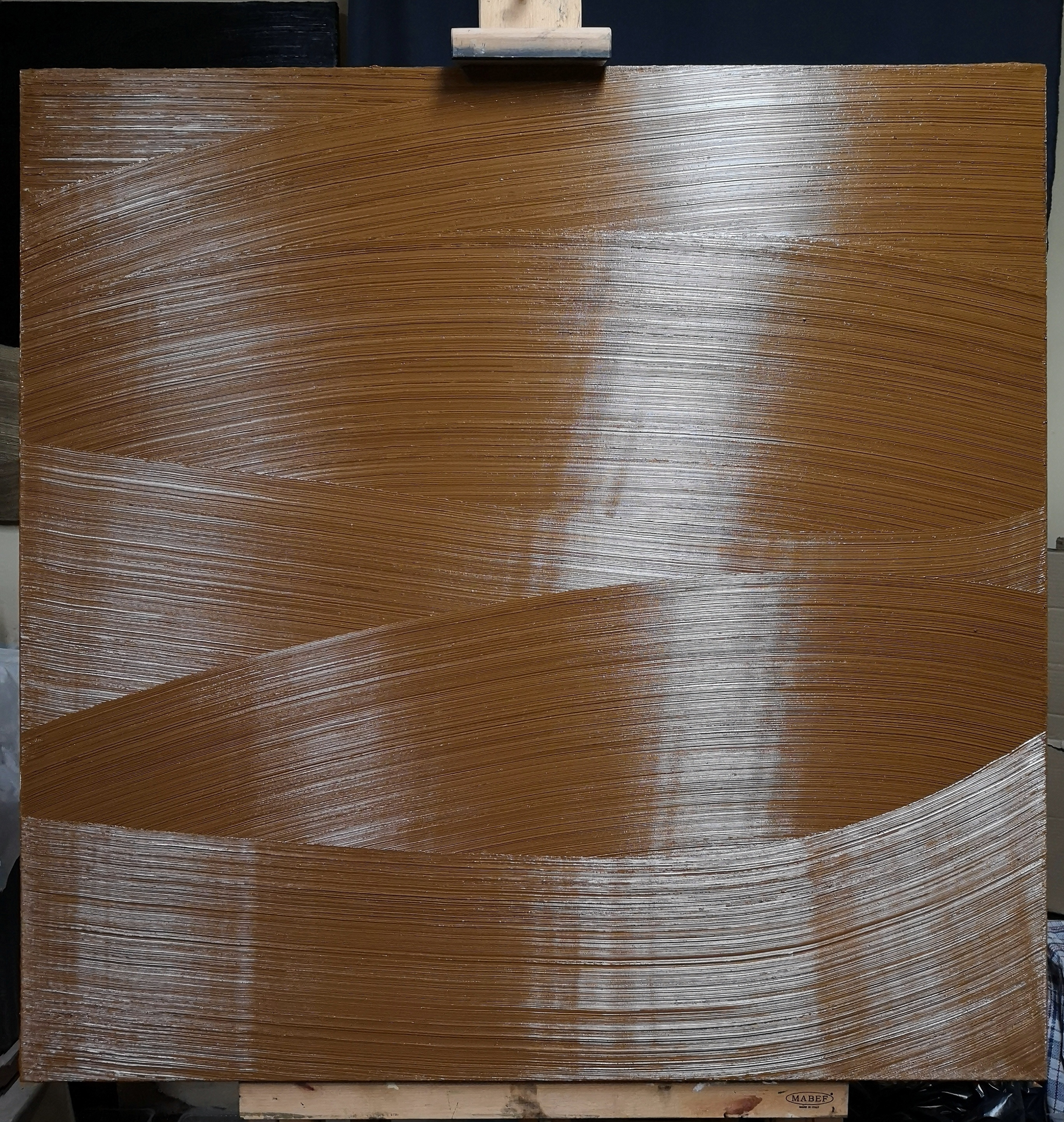
Oil on canvas, 100×100 cm
Sweep of a broom in dust,
on Siena’s ancient earth —
all traces vanish…
Oil on canvas, 100×100 cm
Sweep of a broom in dust,
on Siena’s ancient earth —
all traces vanish…
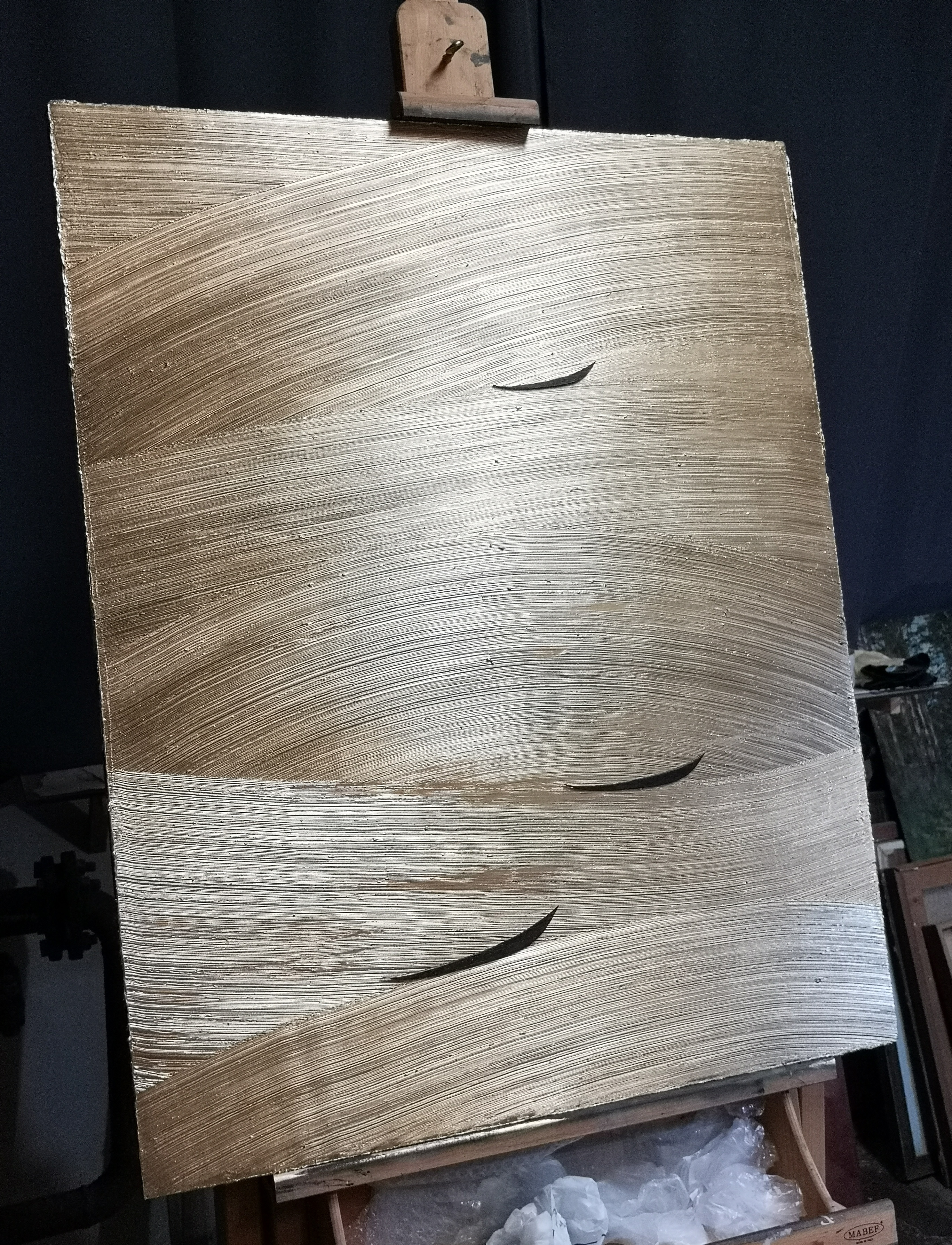
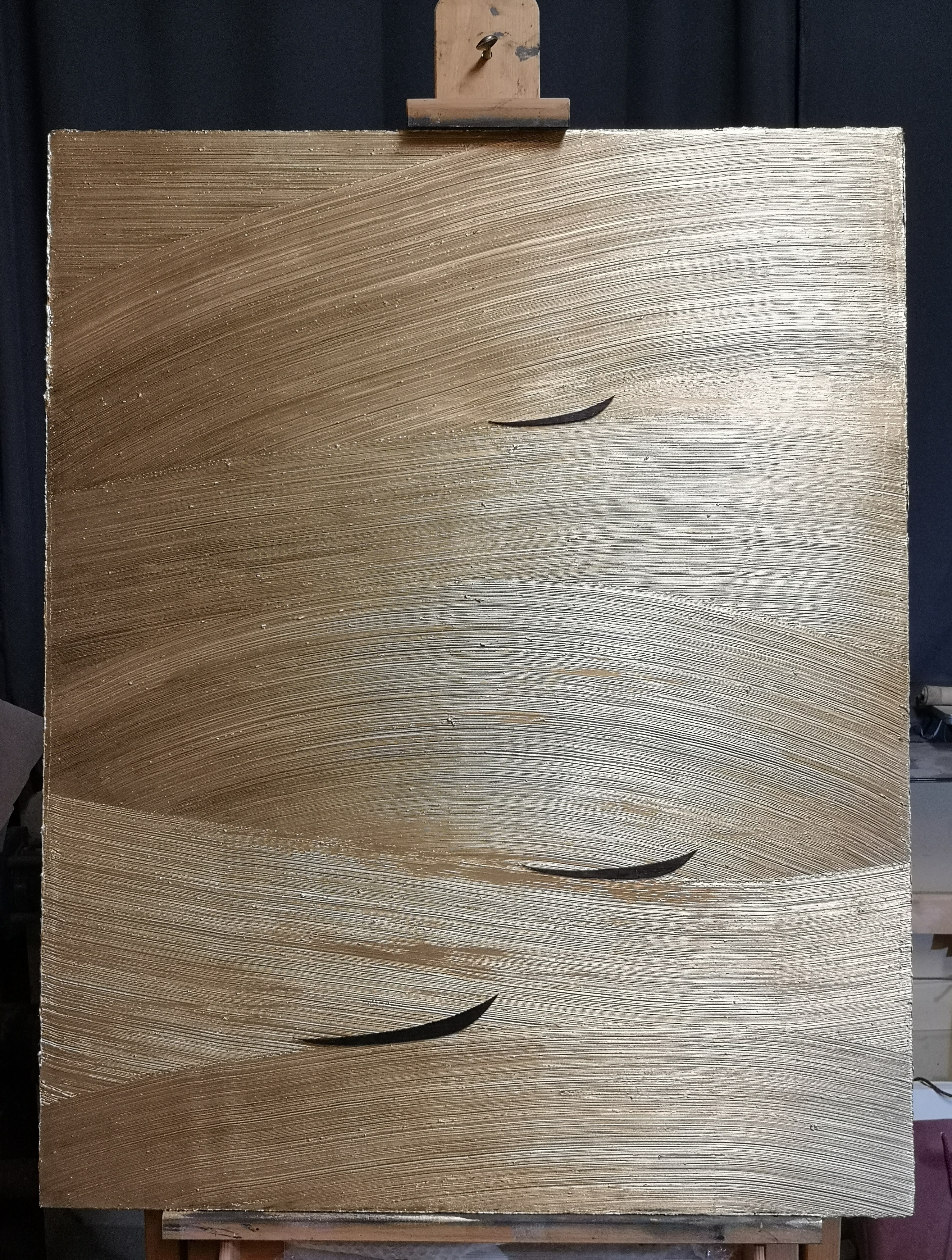
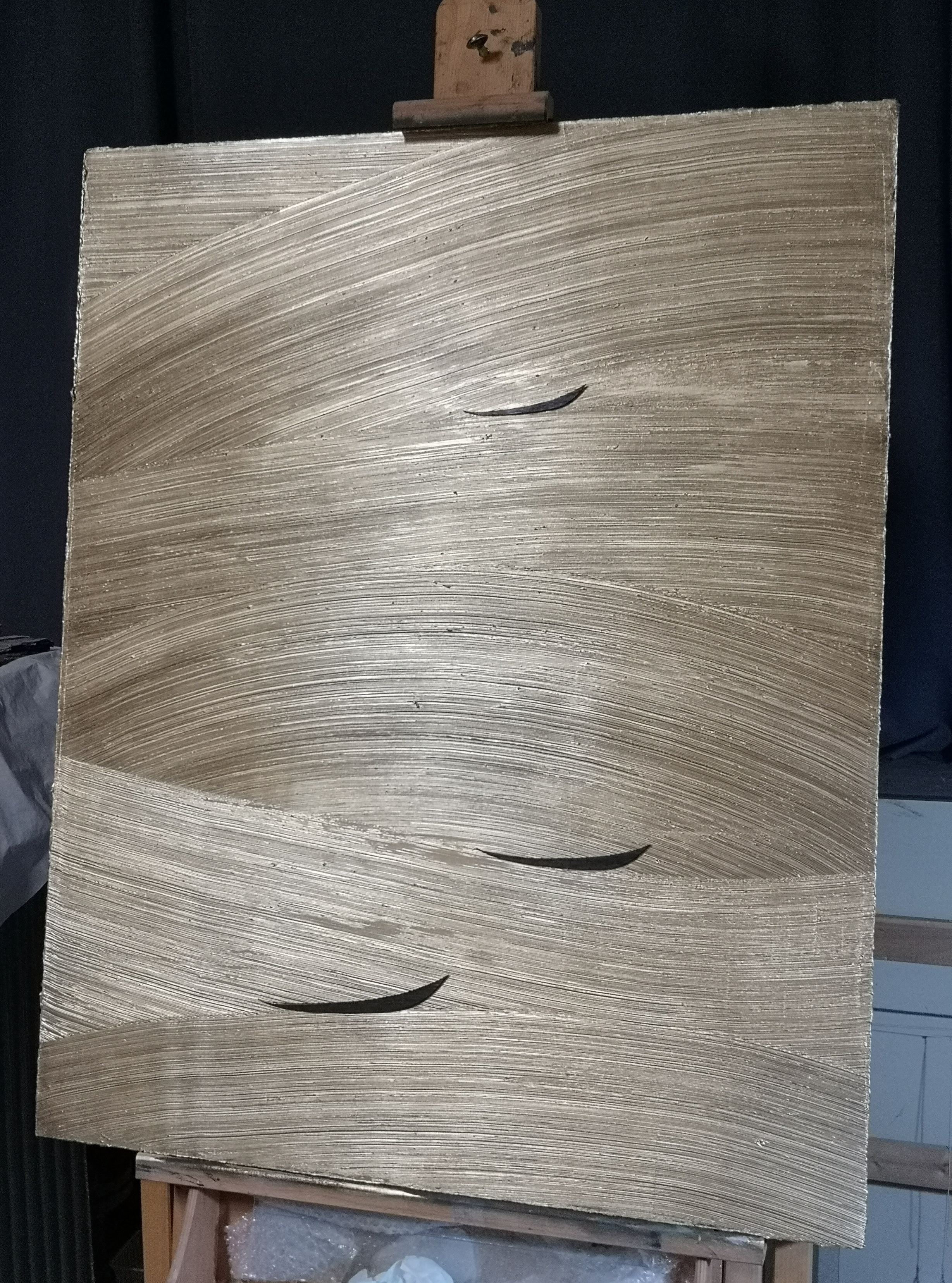
“Yellow Sea”, Oil on canvas, 100 × 80 cm
The canvas unfolds as a space where light itself turns into living matter. Sweeping, wave-like strokes create a shimmering surface that evokes the sea filled with sunlight. Here, yellow and gold are not decorative, but the very substance of light stretched into infinity.
Against this luminous field, three black lines — boats — become strikingly clear. They appear both fragile and resolute, like shadows drifting into the distance. These boats transform the abstract expanse into a seascape: the sea gains dimension, and the light acquires a human scale.
The painting balances between abstraction and figuration. There is no conventional horizon, yet there is the feeling of a journey. The boats seem suspended in the golden swell — in boundlessness, where movement and stillness are one.
Yellow Sea resonates as a meditation on human presence within the elements: not confrontation, not fusion, but a subtle equilibrium. The sea and the light are no backdrop, but a space where the boat becomes a sign of the path unfolding through radiance.


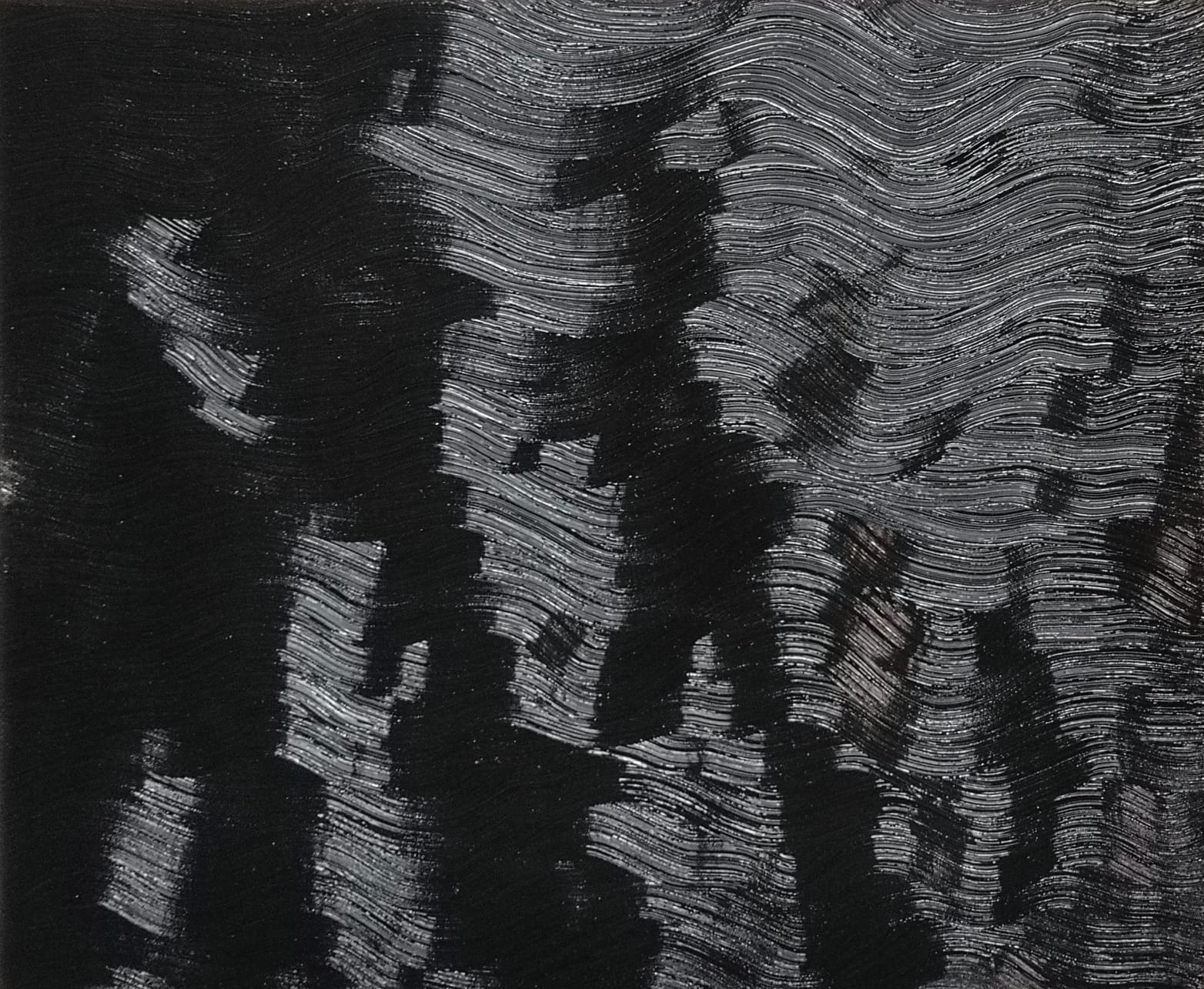

Oil on canvas, 70 x 90 cm, summa 140 x x180 cm
Wave in Black
Before us lies a work that appears at once monochrome and infinitely multicolored. Black paint — gas soot — has been laid flat on the canvas, without the slightest hint of relief. And yet, it is precisely within this flatness that optical depth emerges: lines and gestures of the brush, layered upon one another, form a fabric where light plays as if on water or silk.
The scale of the piece — 140 × 180 cm — makes it almost a wall, a membrane through which the viewer encounters the phenomenon of light itself. As the angle of vision shifts, the surface comes alive: the threads reflect light differently, transforming black into a space of continuous oscillations.
This is painting without color in the usual sense, yet full of a whole spectrum of states. There is no subject, no image to “hold on to”; instead, the viewer is confronted with the pure energy of perception. The work breathes like a wave — at times contracting into darkness, at times opening into a brilliance reminiscent of metal, glass, or the shimmer of a nocturnal sea.
This black optics is both an experiment and a meditation. It takes painting beyond the conventional role of carrying color and form, turning it into a field where vision travels, splits, lingers — and it is precisely this tension between the stillness of the surface and its shifting radiance that generates the true experience.
Ultimately, the work feels like a meditation on the nature of light and darkness: how black becomes luminous if one looks long enough; how simplicity proves more complex than illusion; how a surface devoid of depth suddenly reveals an abyss.
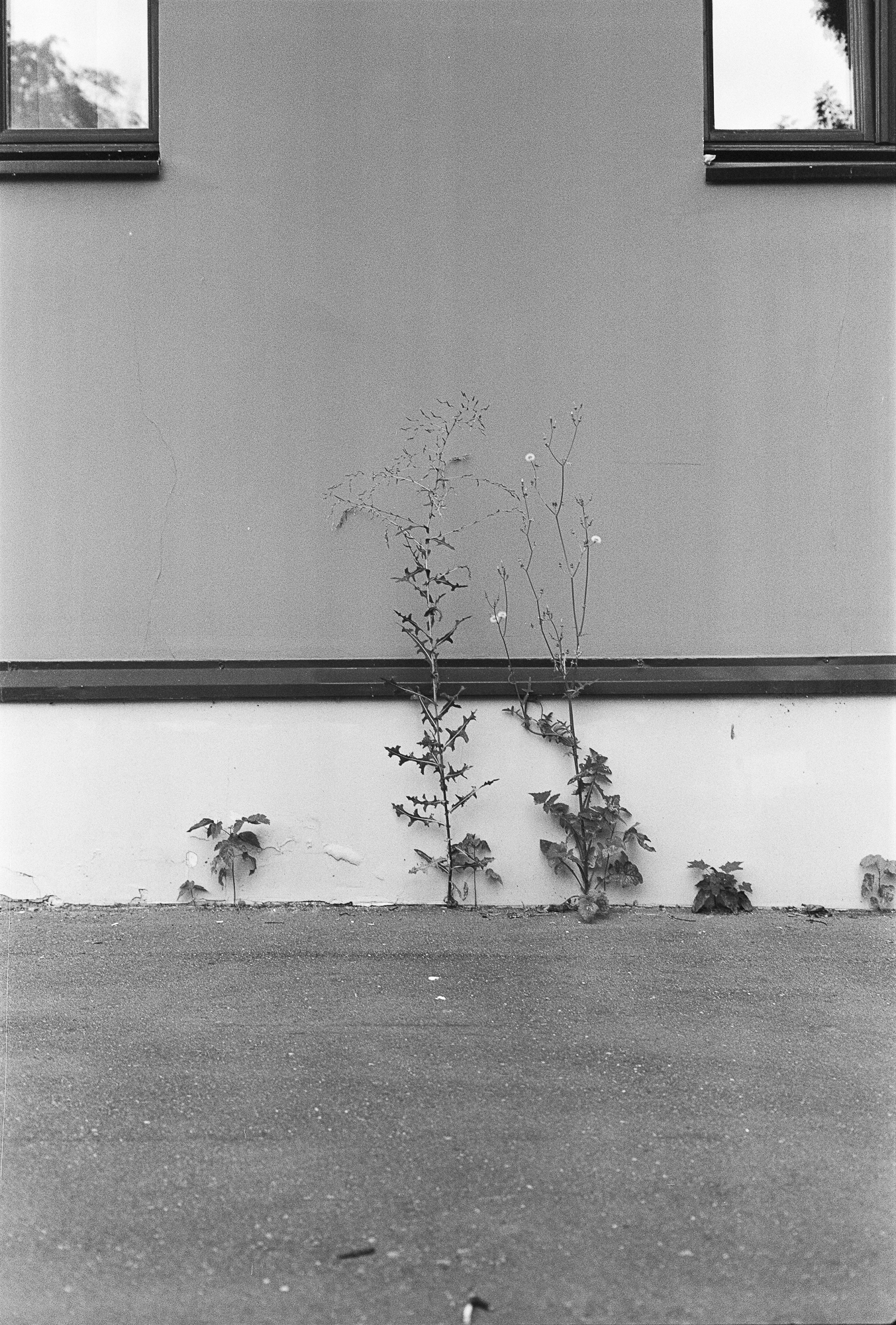
The Modesty of Form as a Challenge to Dominant Taste
By Pierre Bourdieu
At first glance, this photograph may seem banal: a plant pushing through the asphalt by a building wall, two windows cut off by the frame, the smooth texture of the plaster. But, as is often the case within the fields of cultural production, banality itself becomes a form of resistance.
We must ask the central question: why does such an image deserve aesthetic recognition? Who has the authority to assign meaning to something so “insignificant”? This is not merely a photograph of a plant — it is a manifesto of taste, rejecting the preferences of the dominant classes, for whom “beauty” consists of Tuscan landscapes, nude bodies, or architecture worthy of Architectural Digest.
This image refuses to participate in the spectacle. It presents what has been neutralized by everyday life, what lacks recognized status. And in doing so, it performs a gesture — a gesture of reflexive aesthetics, an aesthetics that is distanced, almost ascetic. It positions itself within the space of “high culture,” but does so by inverting its codes — by showing the insignificant, by focusing on details the elite are trained to ignore.
Look at the two window frames, mirrored in their distance from the center but offset toward the top. Their symmetry is asymmetrical. This is the very structure of social space: it appears logical, but in reality, it is a field of struggle. Just like here — aesthetic symmetry is disrupted, as the balance between cultural capital and access to it is always unequal.
But there is a more subtle point. The plant pushing through the crack is a metaphor for habitus, the embodied carrier of structure. It does not grow just anywhere, but where conditions permit. It does not choose freedom — it acts within the realm of the possible. And yet it exists. Its form is the form of forced adaptation.
Perhaps the photographer did not intend this kind of social deconstruction, but in the field of art, intention is not always key. What matters is the work’s position within the structure of the field. And here, in this photograph, I see a work that rejects ornamentation, refuses to display technique, and instead elevates the ordinary to the level of the worthy.
It is precisely this kind of photograph that challenges not only academic taste but the entire system of its production and legitimation.
Pandit Pran Nath was one of the last great masters of the Kirana gharana, a North Indian vocal tradition rooted in deep spirituality and microtonal precision.
Born in 1918 in India, he was a disciple of the legendary Abdul Wahid Khan.
In the 1970s, he became a guru and spiritual teacher to Western minimalist composers such as La Monte Young, Terry Riley, and Marian Zazeela.
His music is not a performance in the Western sense — it is sādhanā, a spiritual practice of sound as a path to transcendence.
(Released in 1986 on Gramavision Records)
This album features two traditional ragas, ancient Indian musical forms designed to evoke specific moods and states of consciousness, each associated with a particular time of day.
This album — and Pandit Pran Nath himself — had a profound impact on American minimalist music.
Artists like La Monte Young, Terry Riley, Jon Hassell, and even Brian Eno either studied with him or drew inspiration from his approach to extended duration and microtonality.
These ragas are more than music — they’re a transmission of inner states and meditative stillness through the human voice.
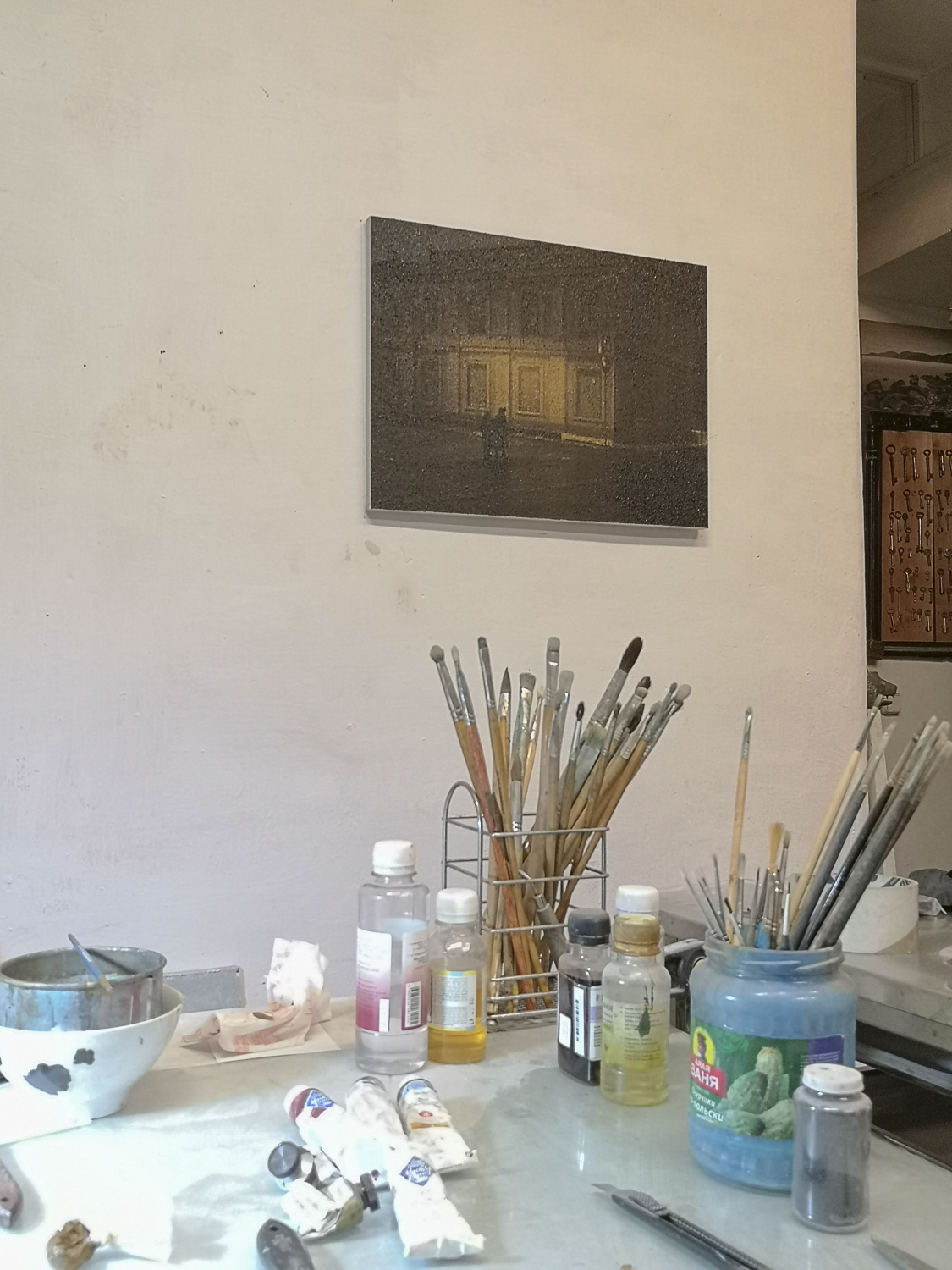
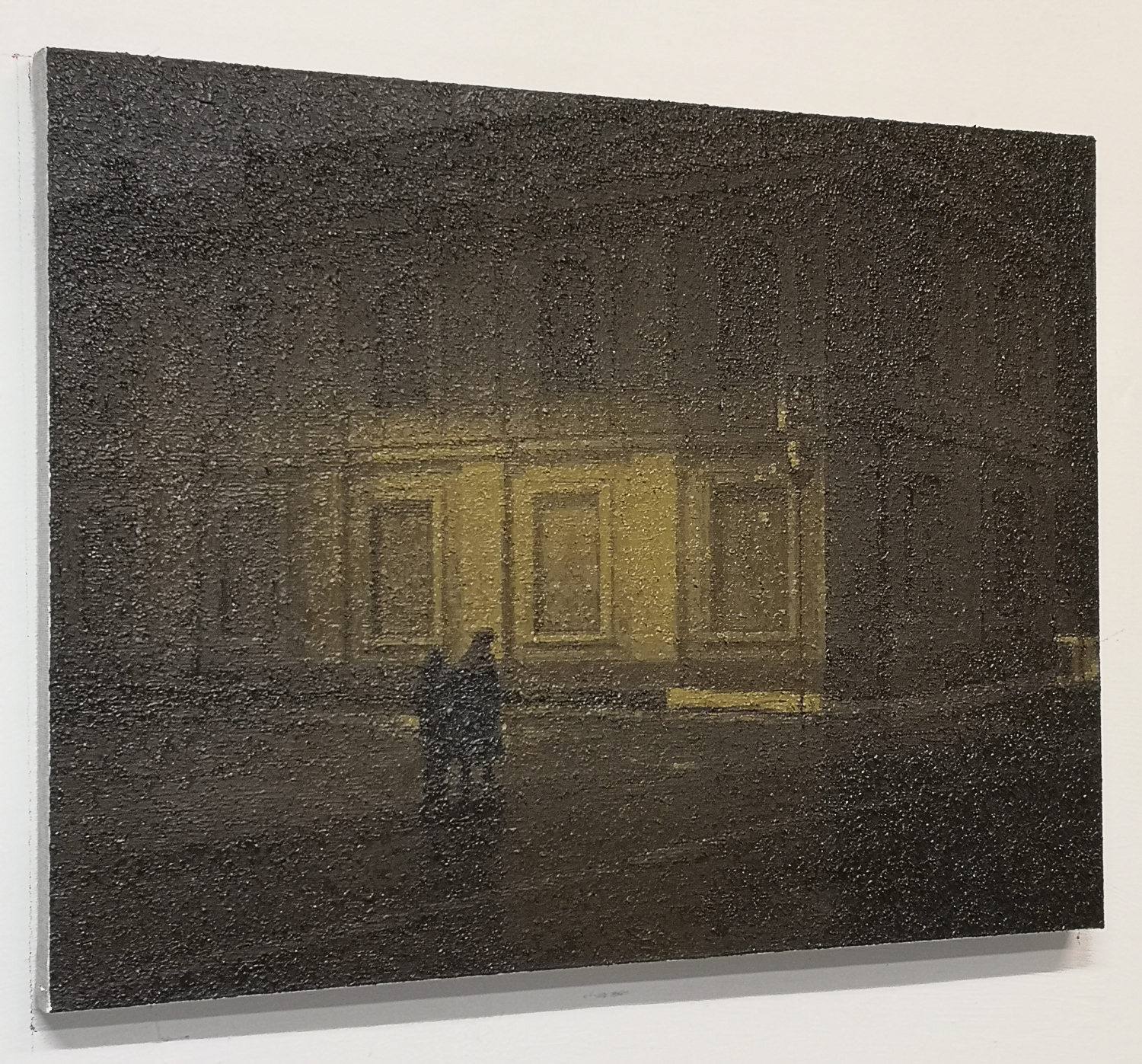
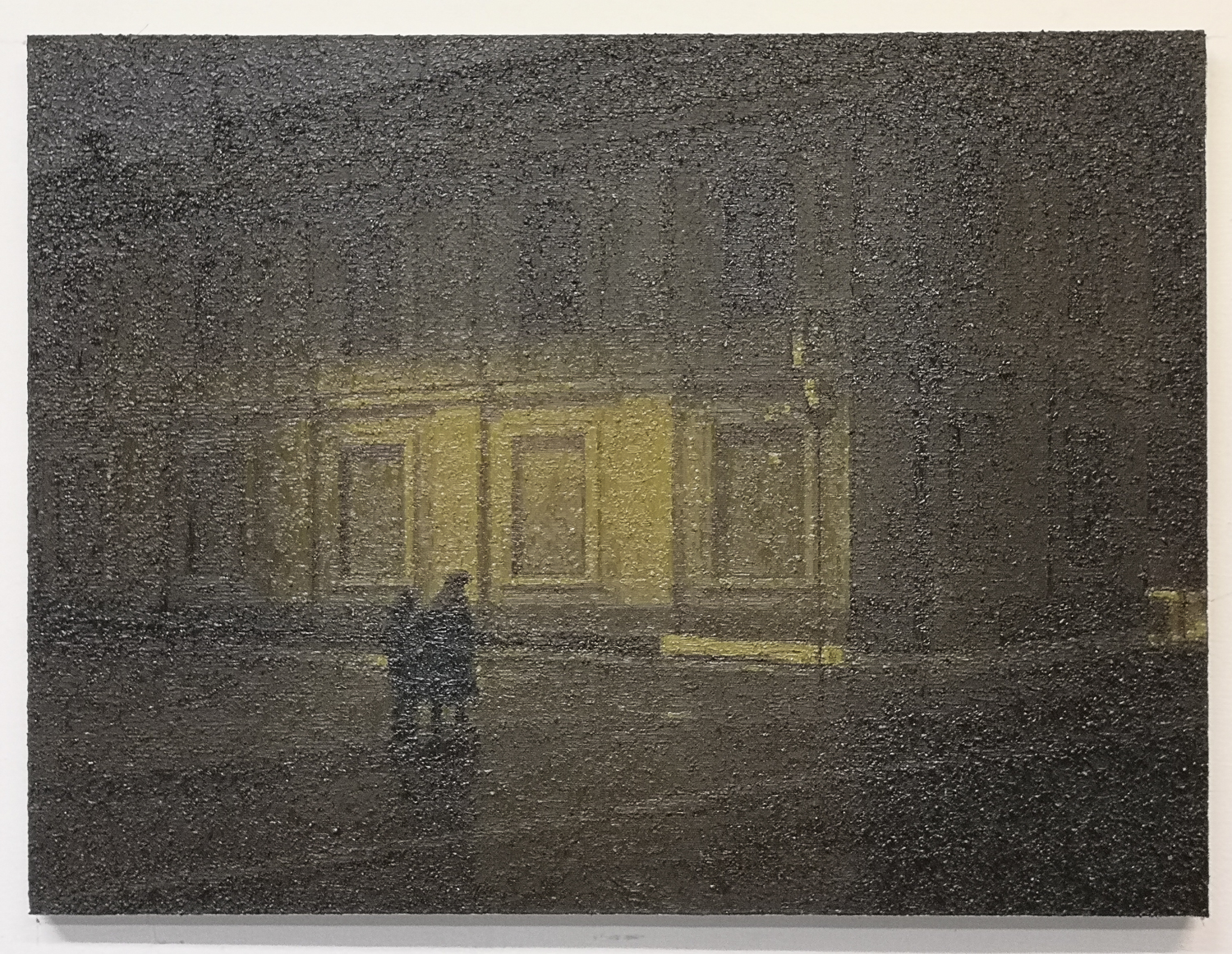
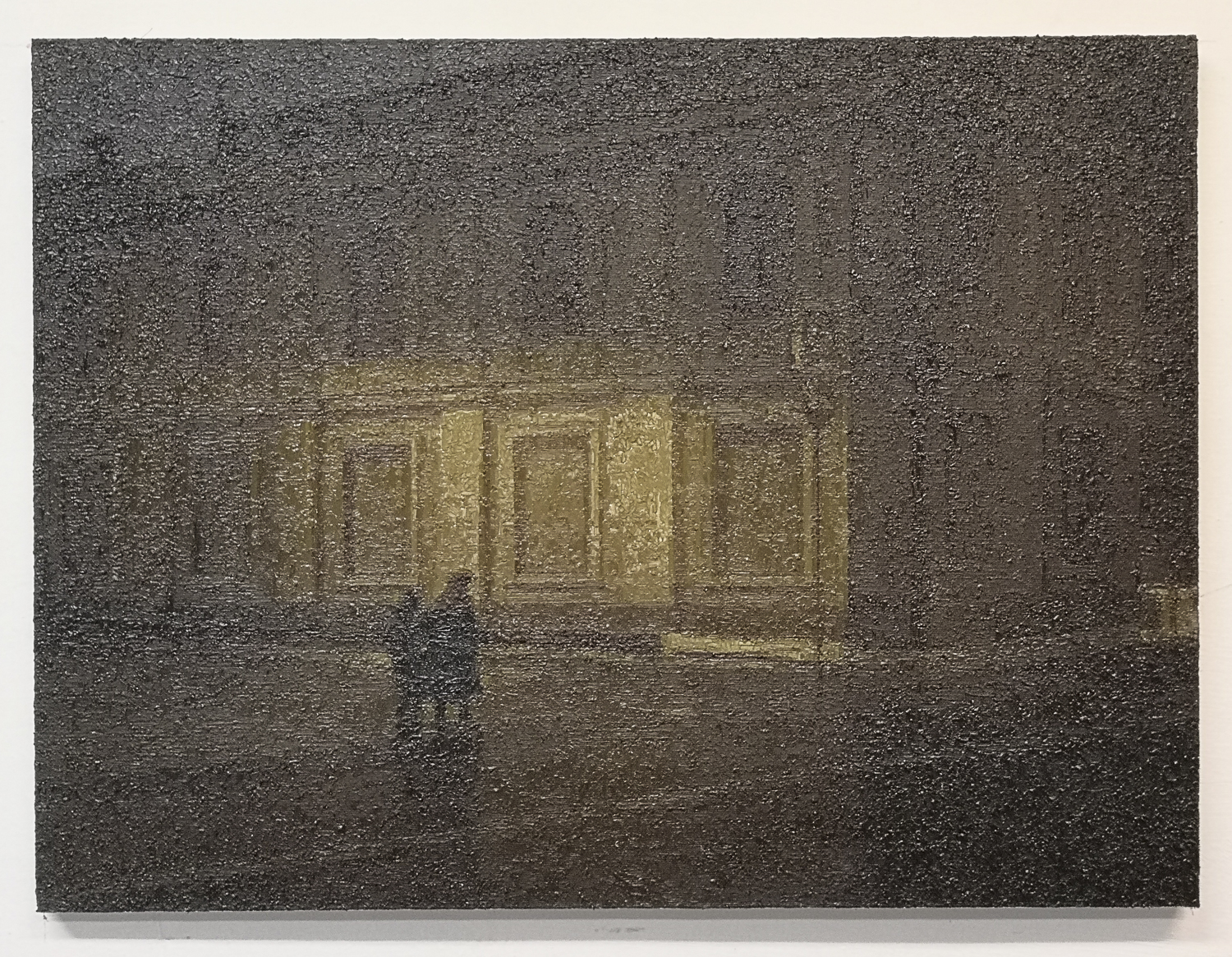
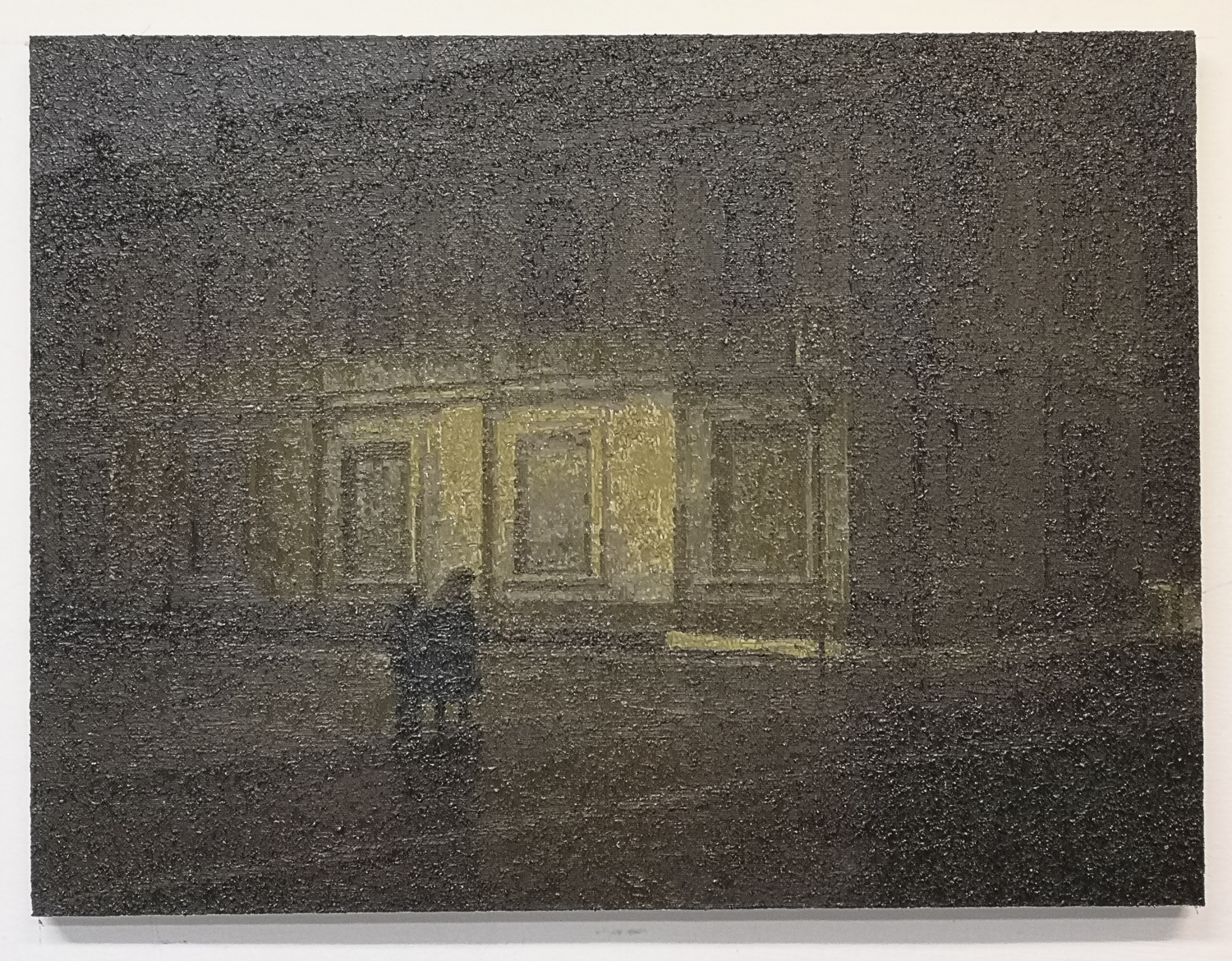
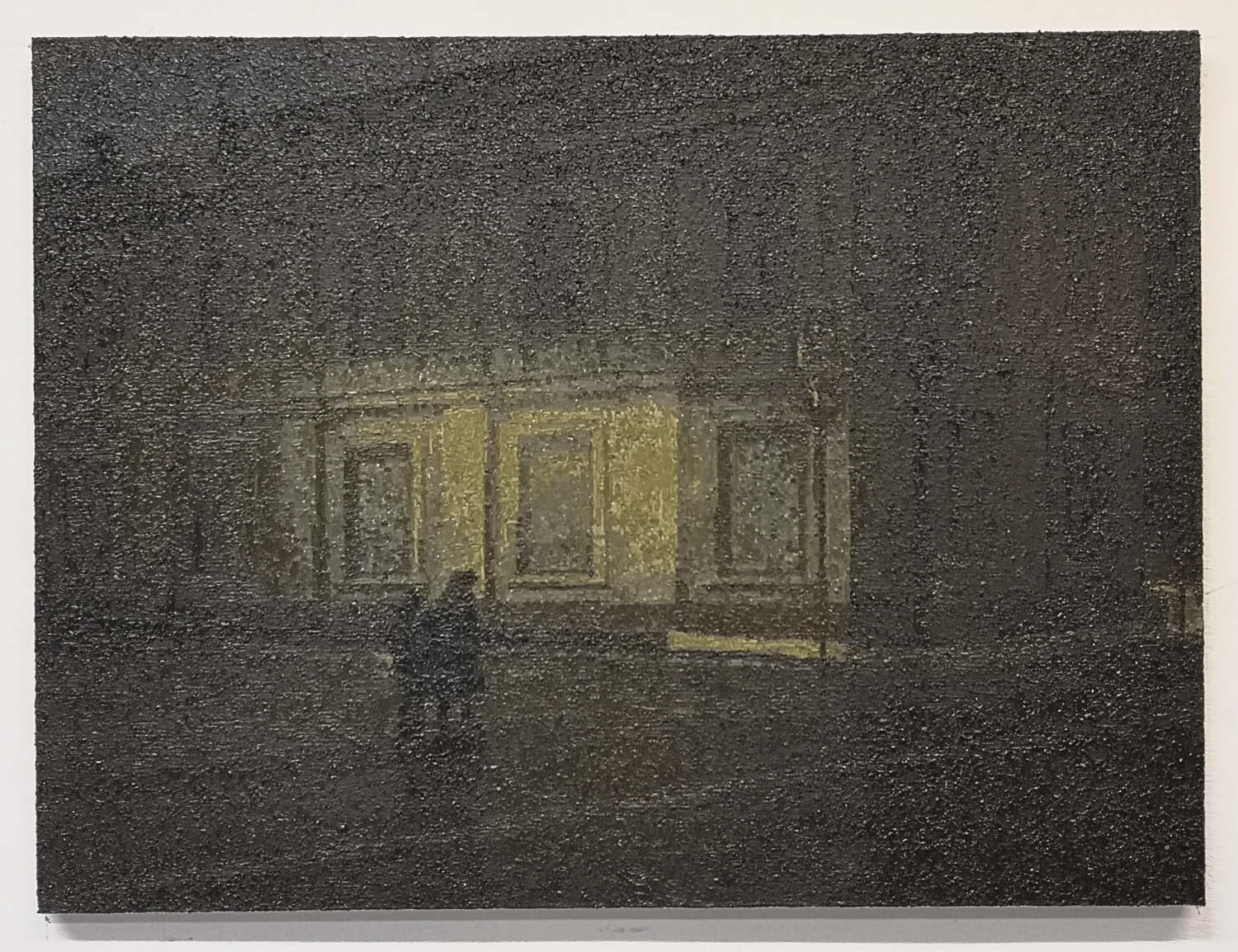
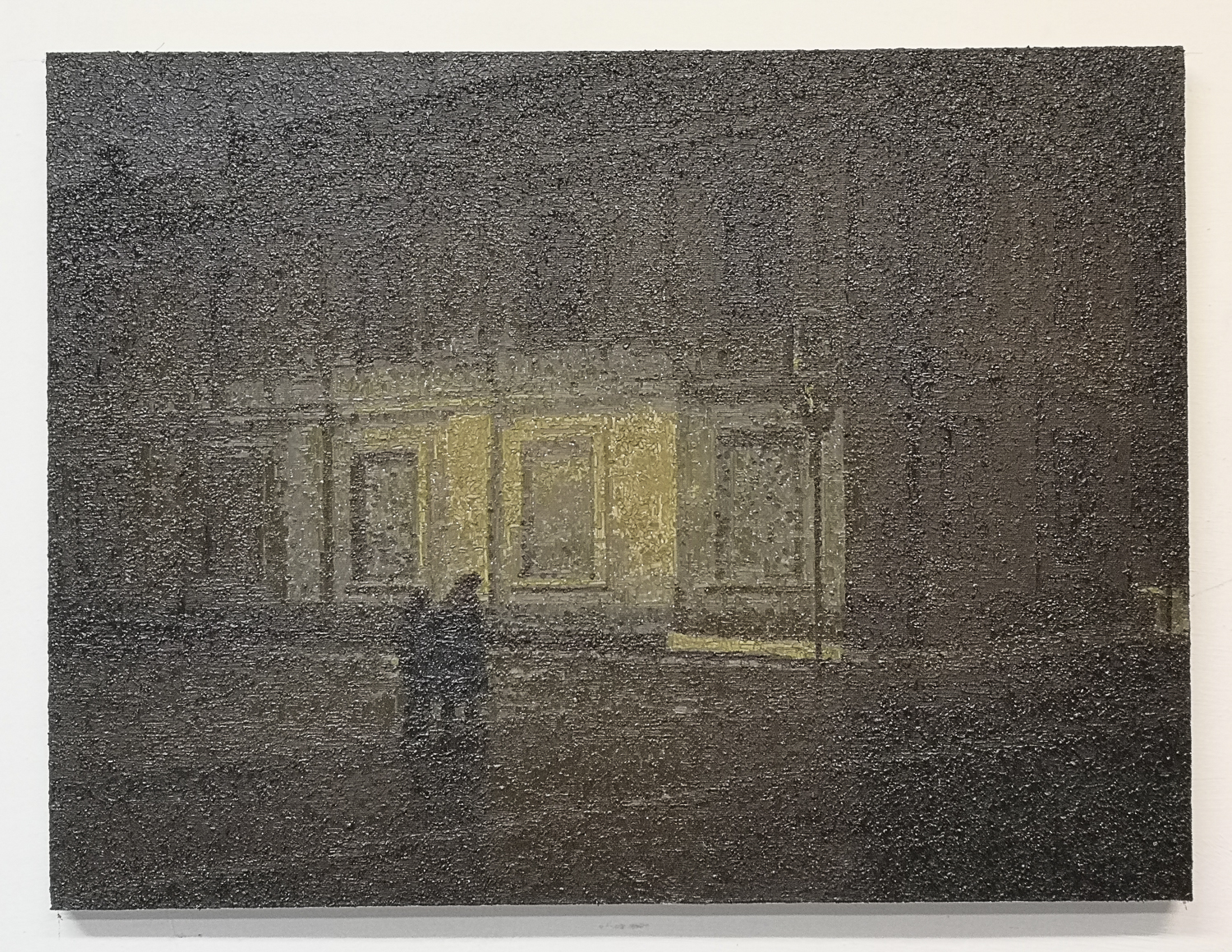
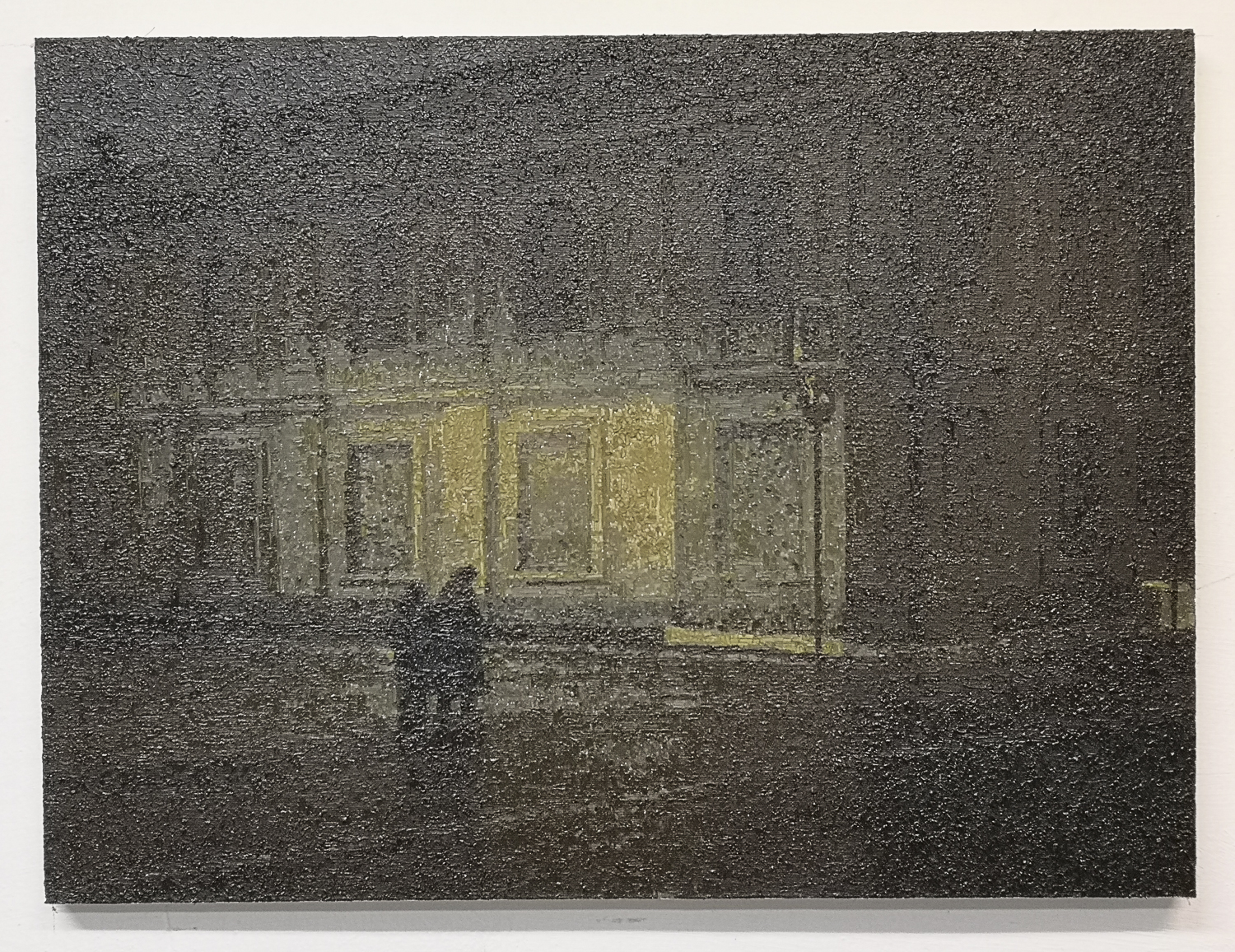
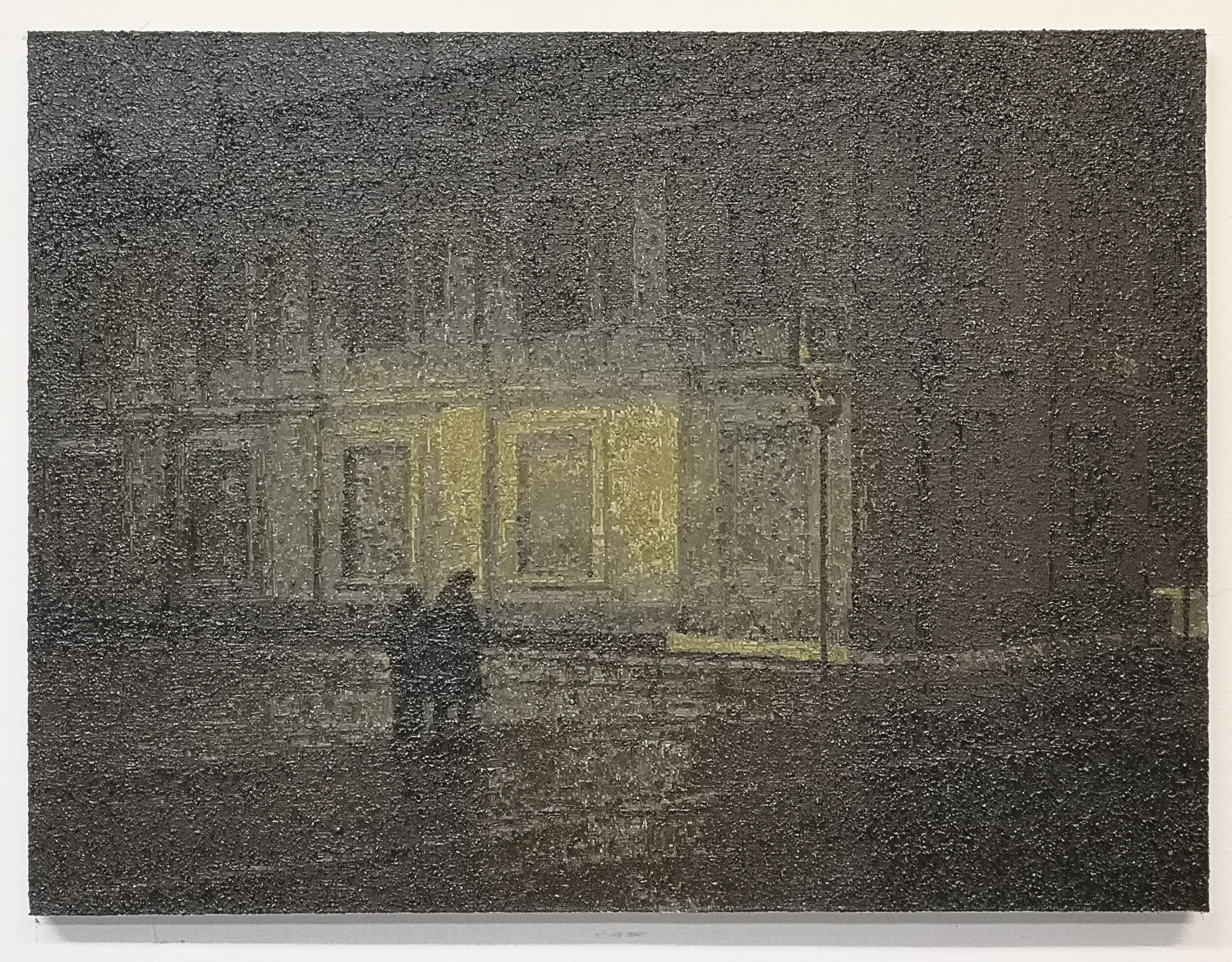
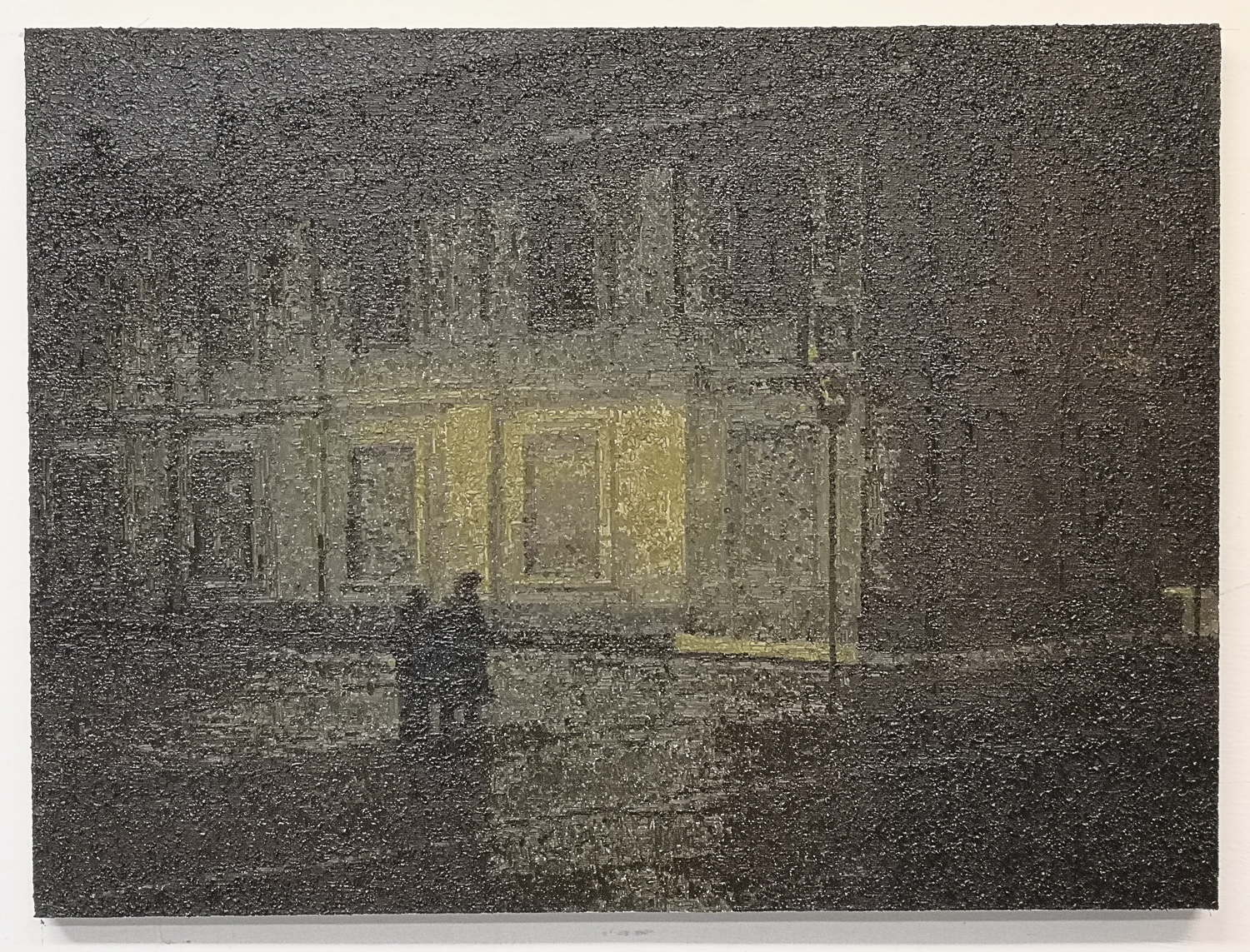
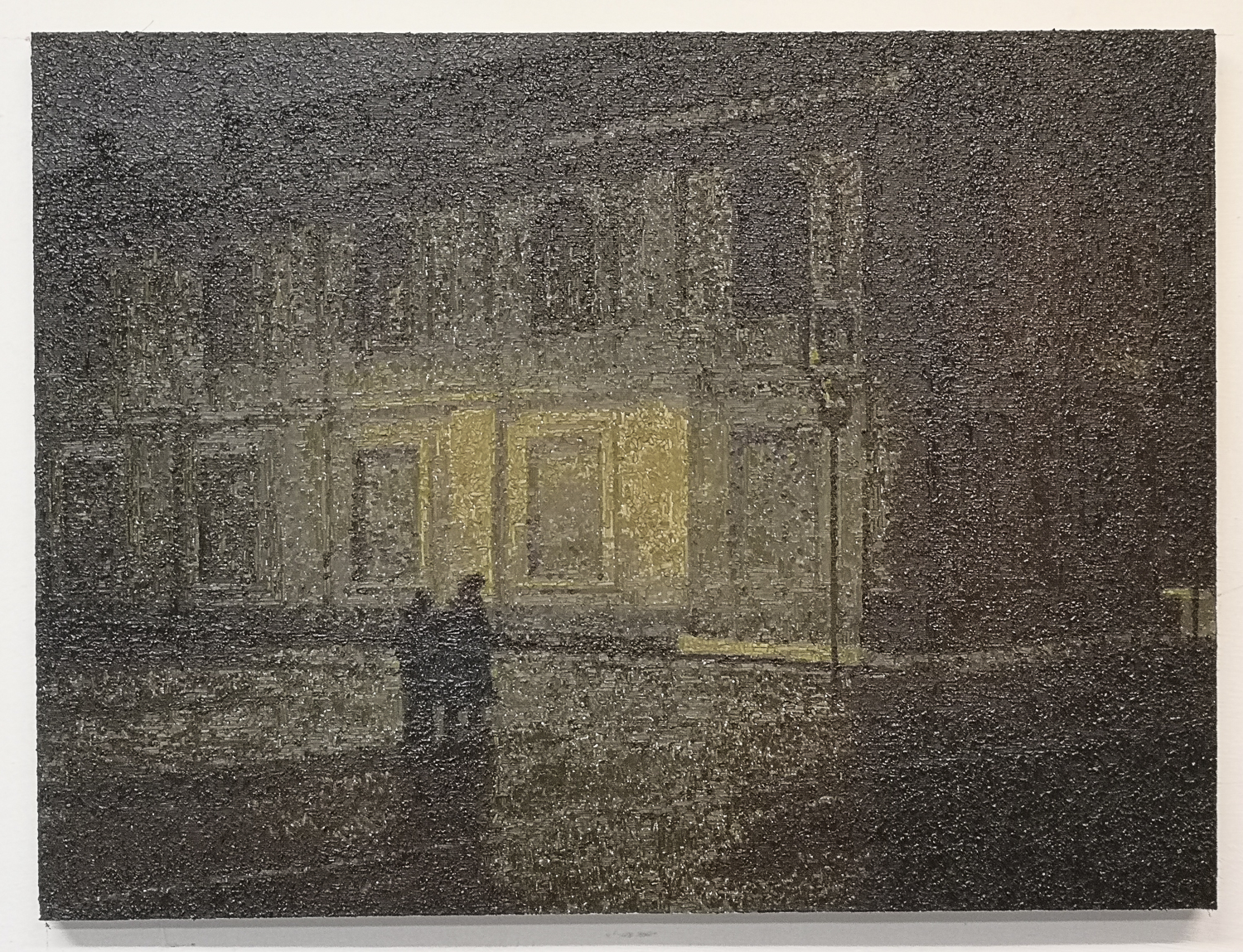
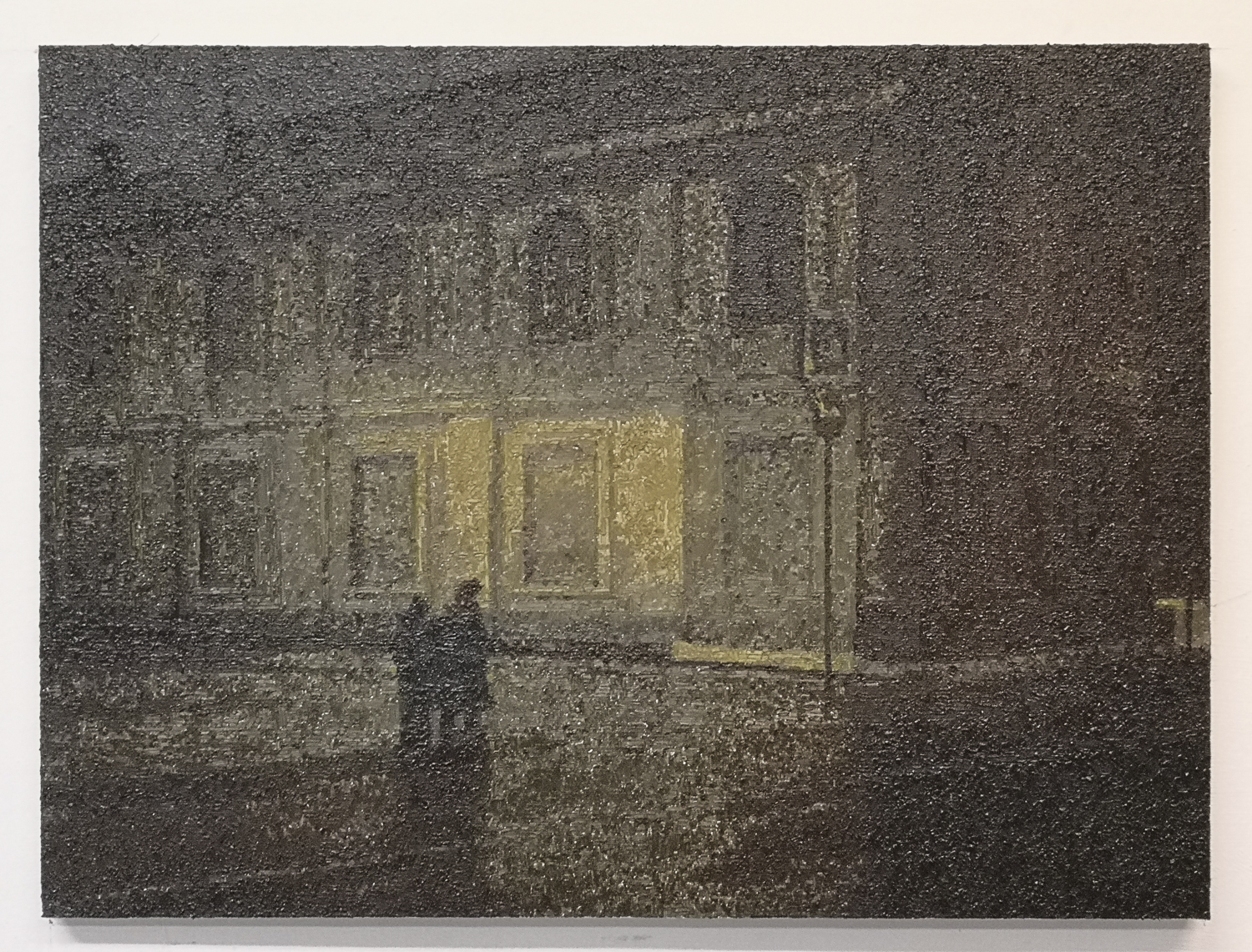


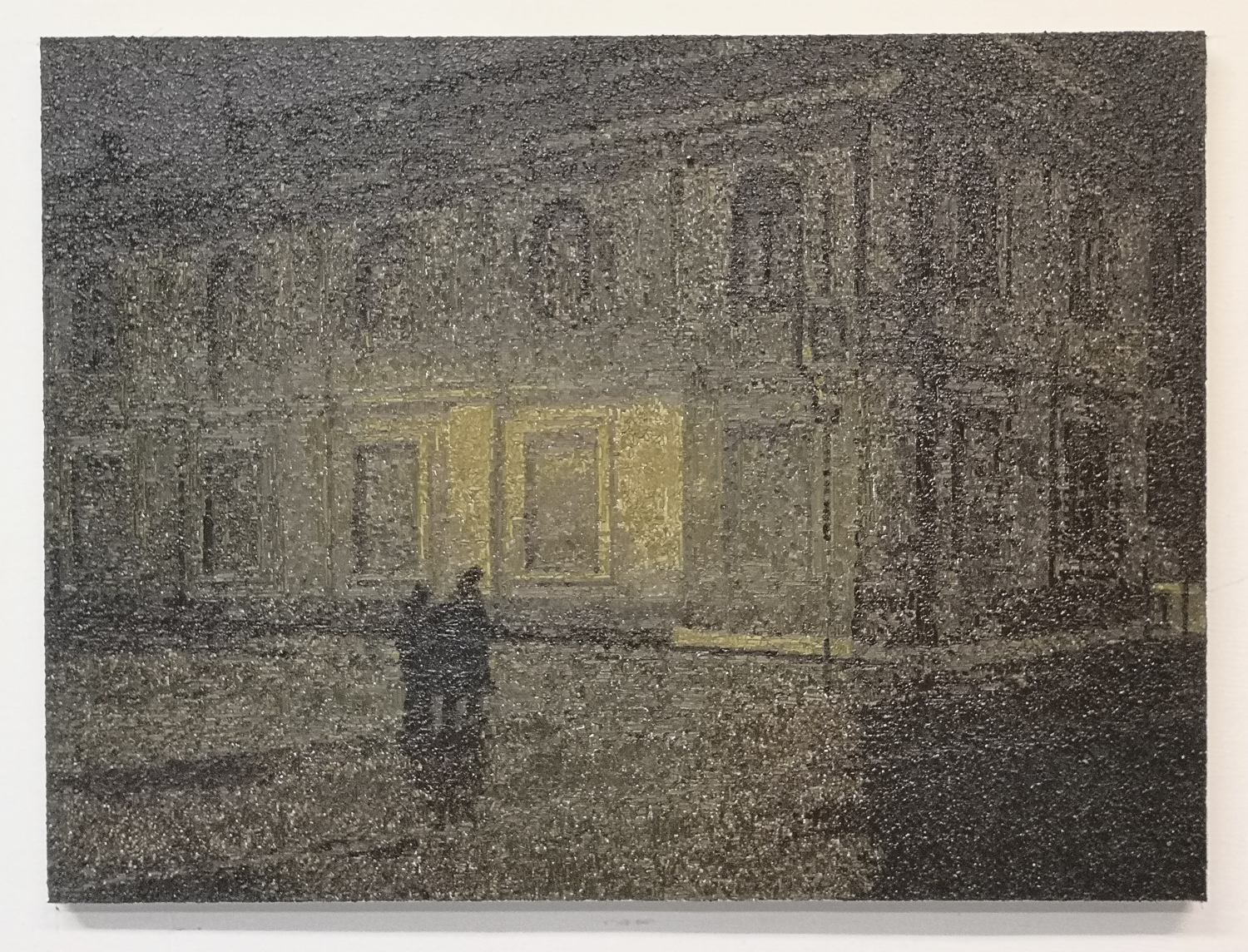
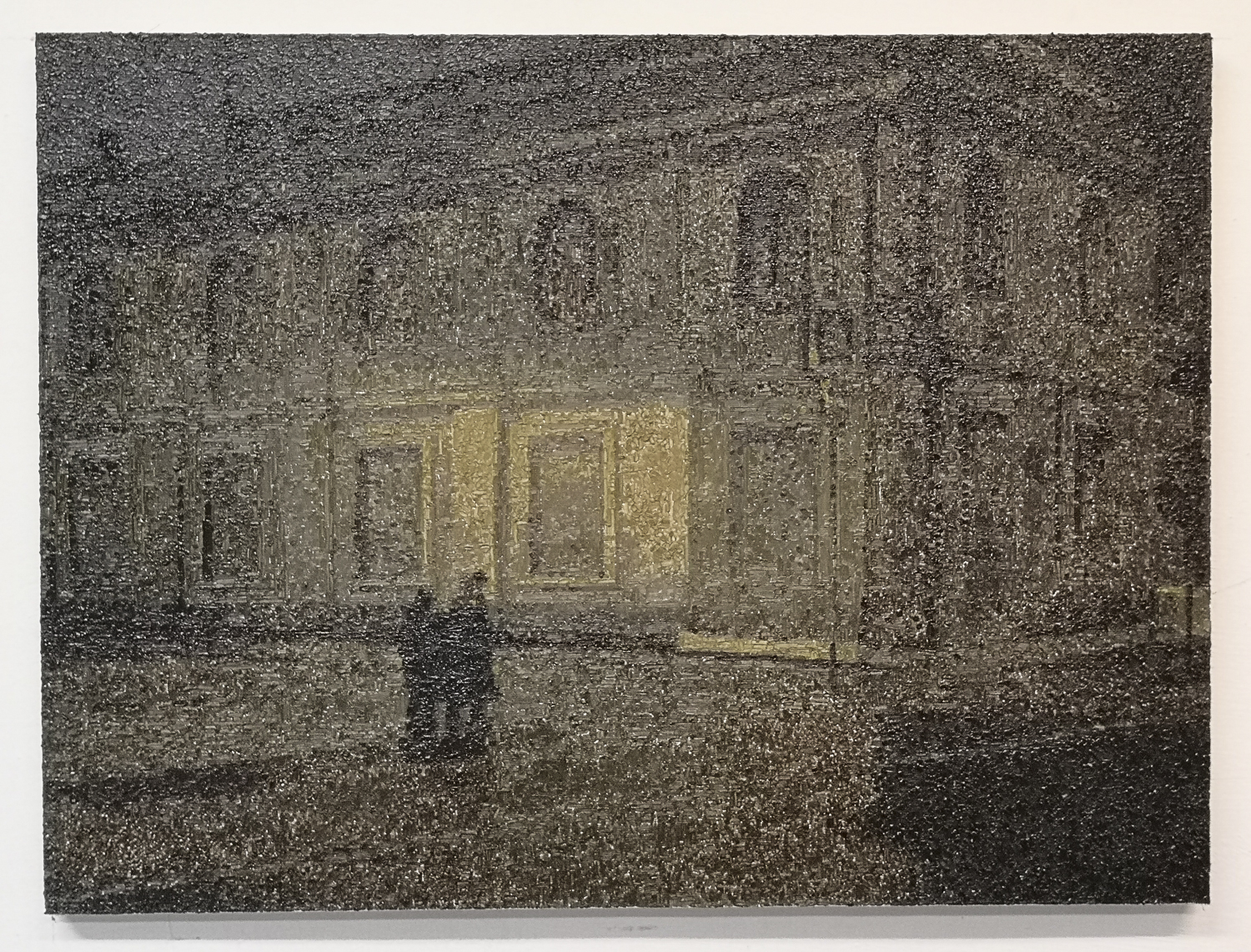
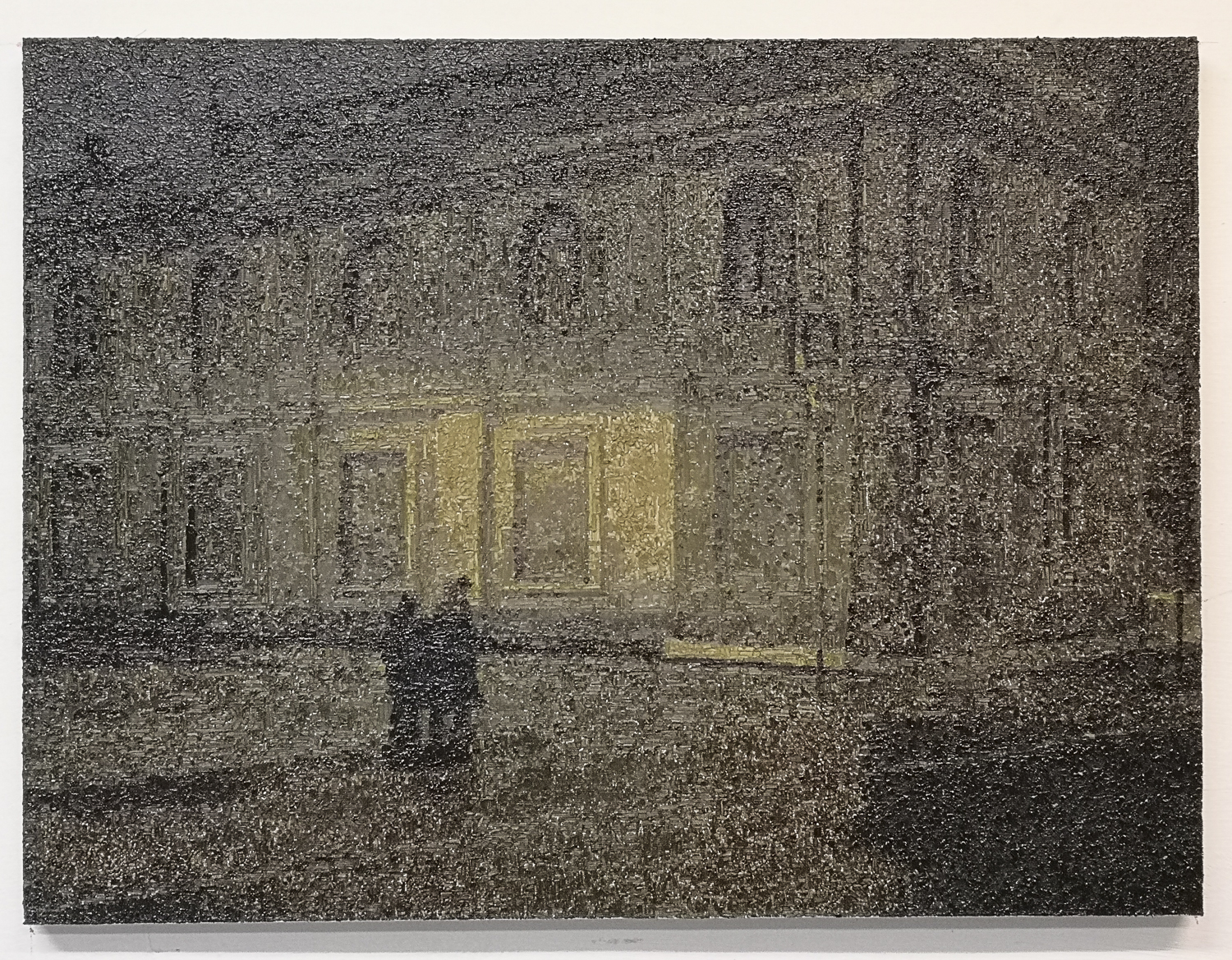
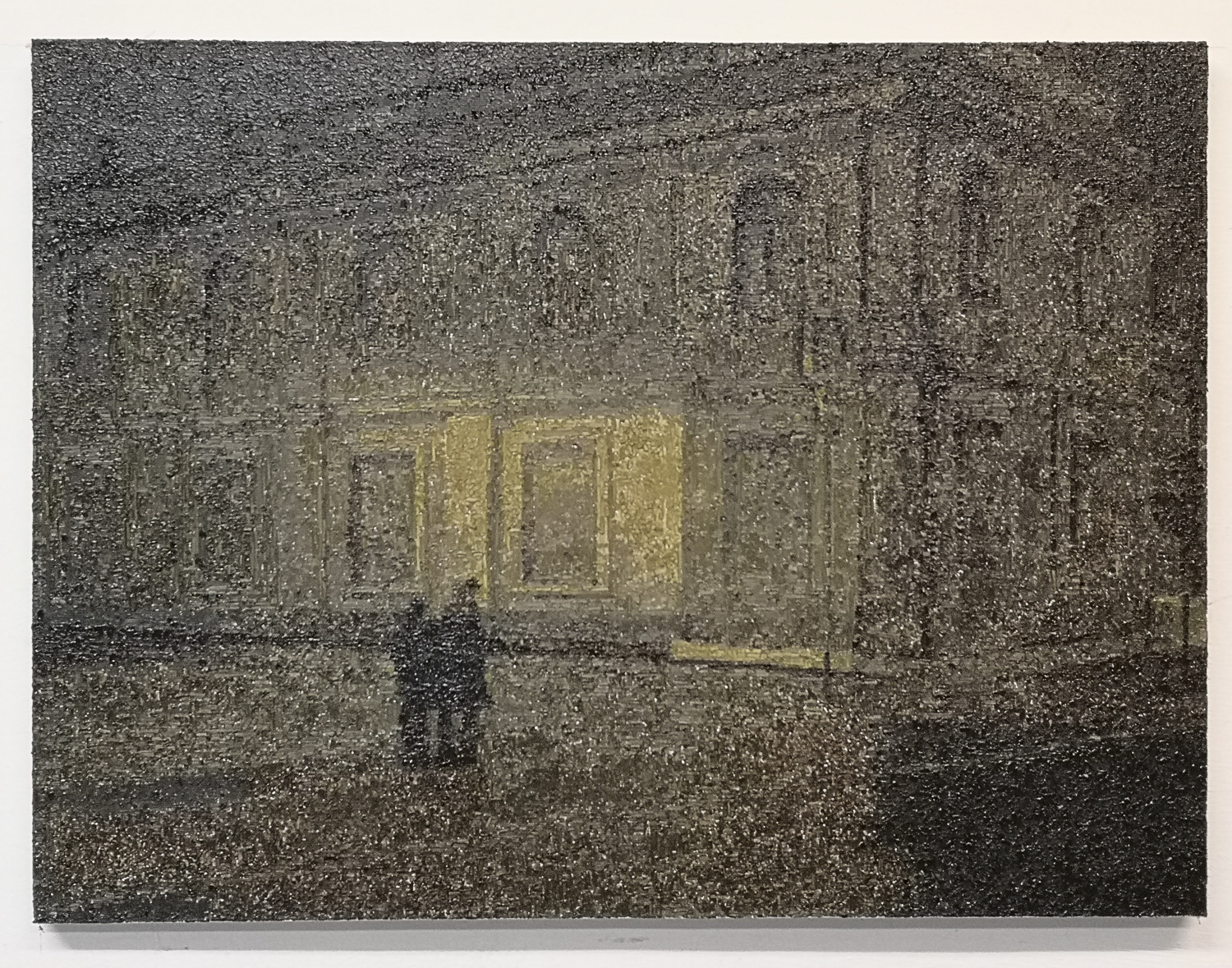
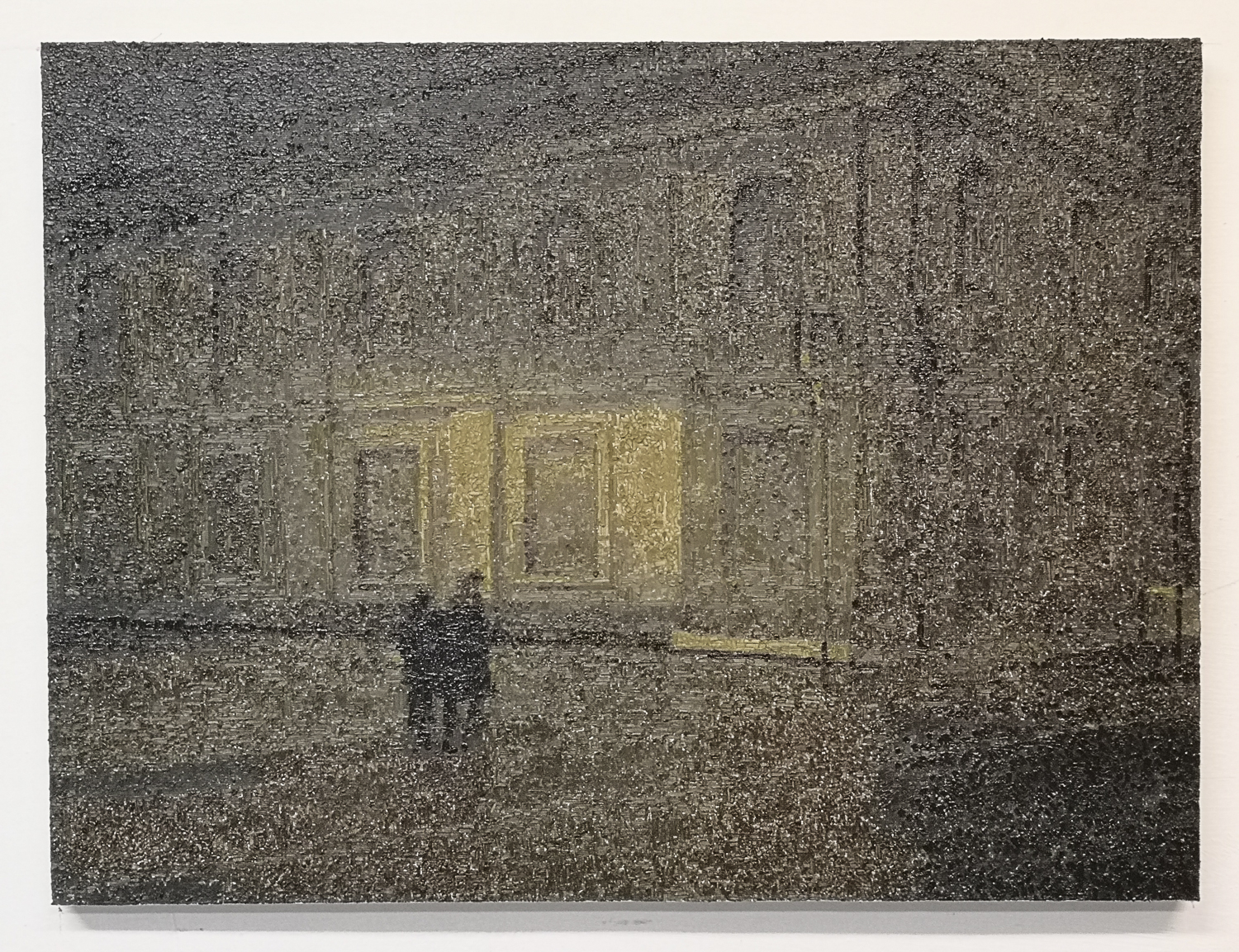
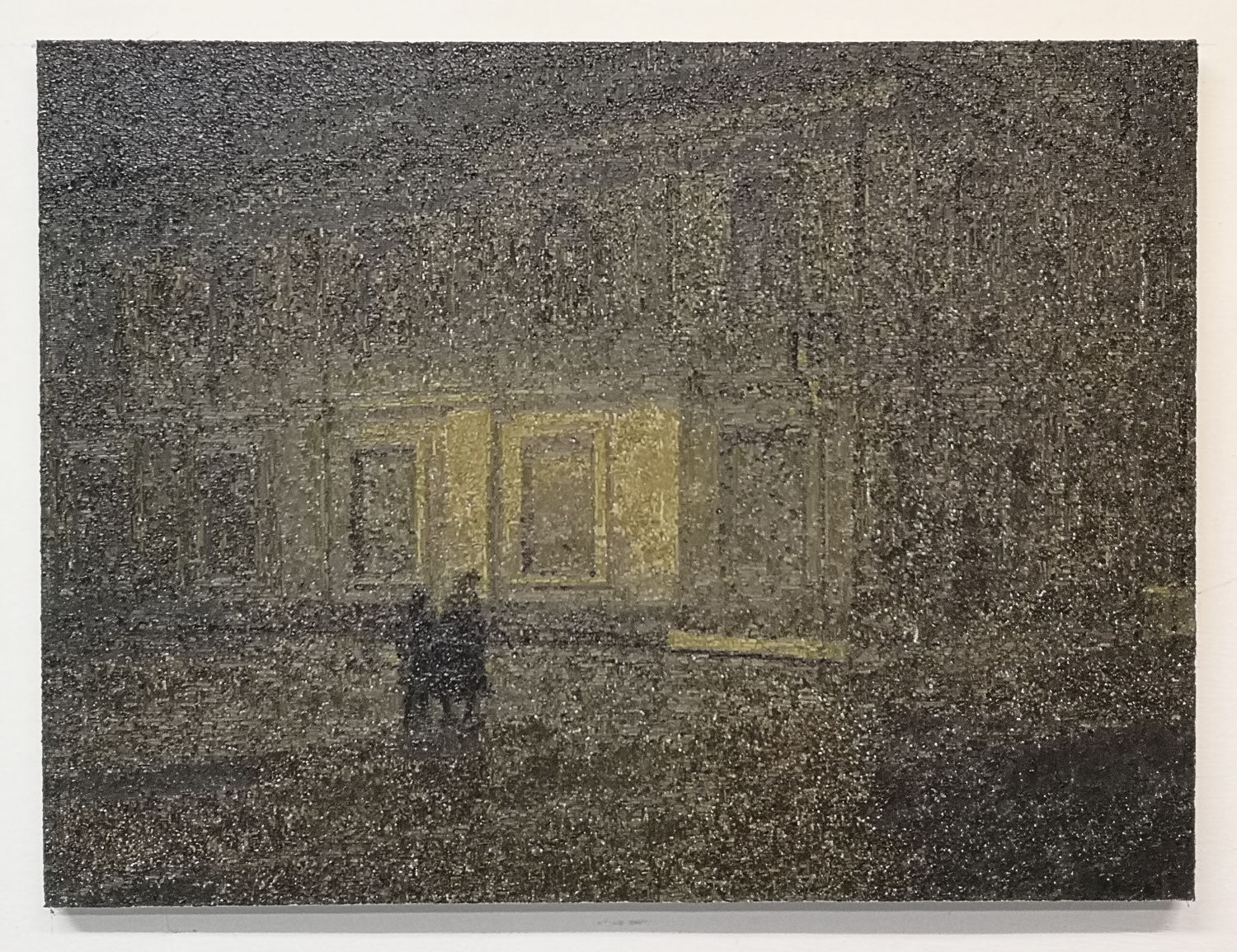
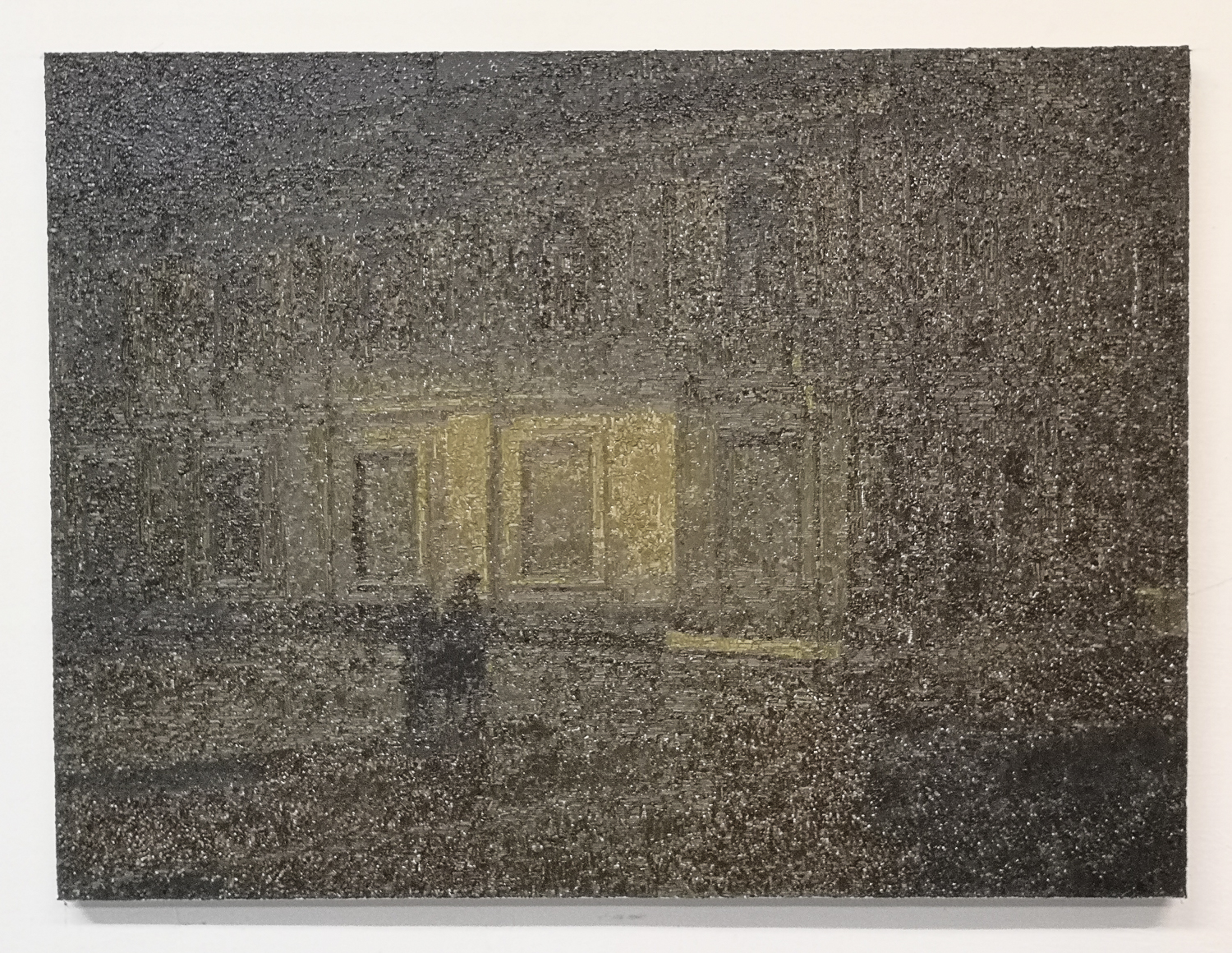
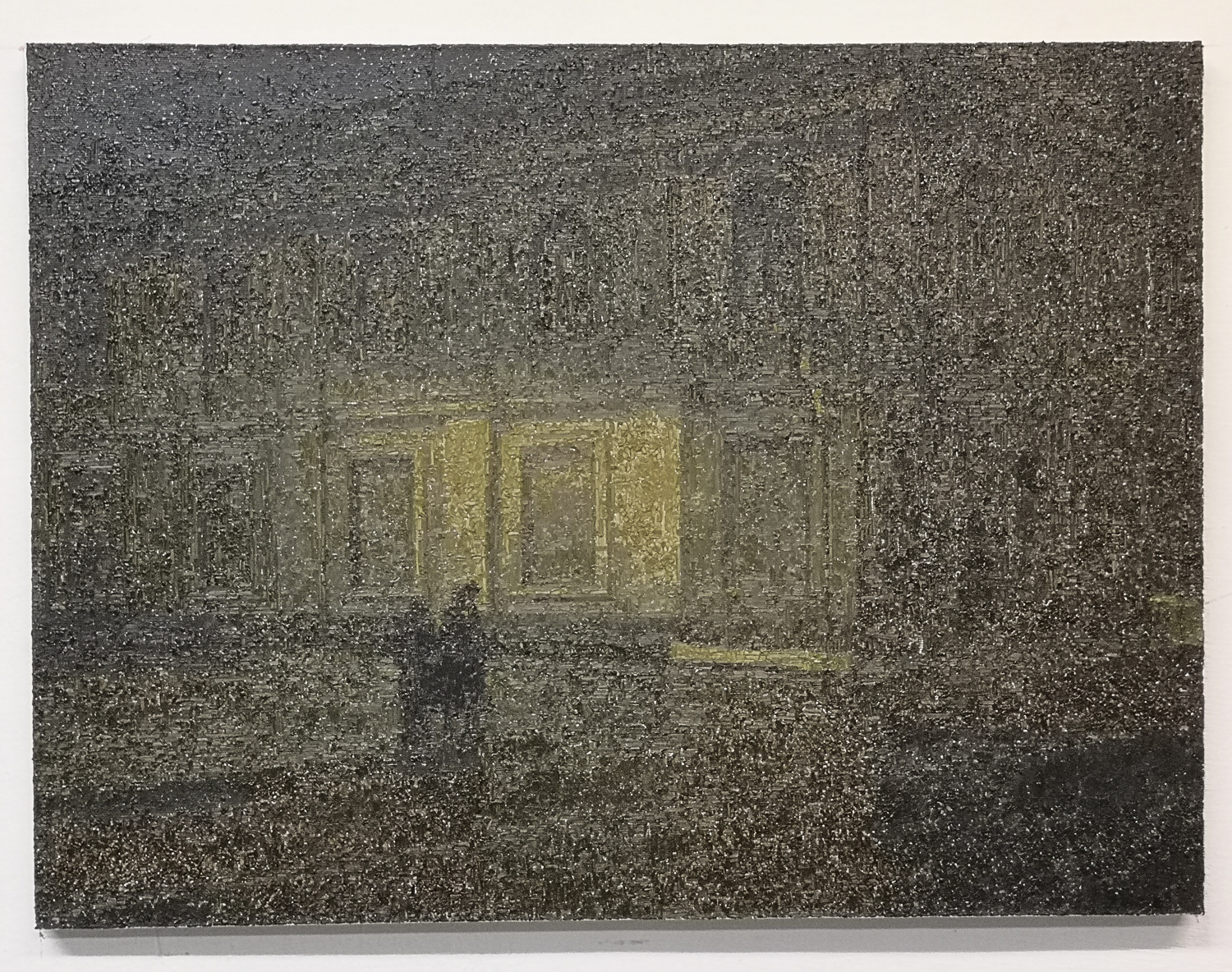
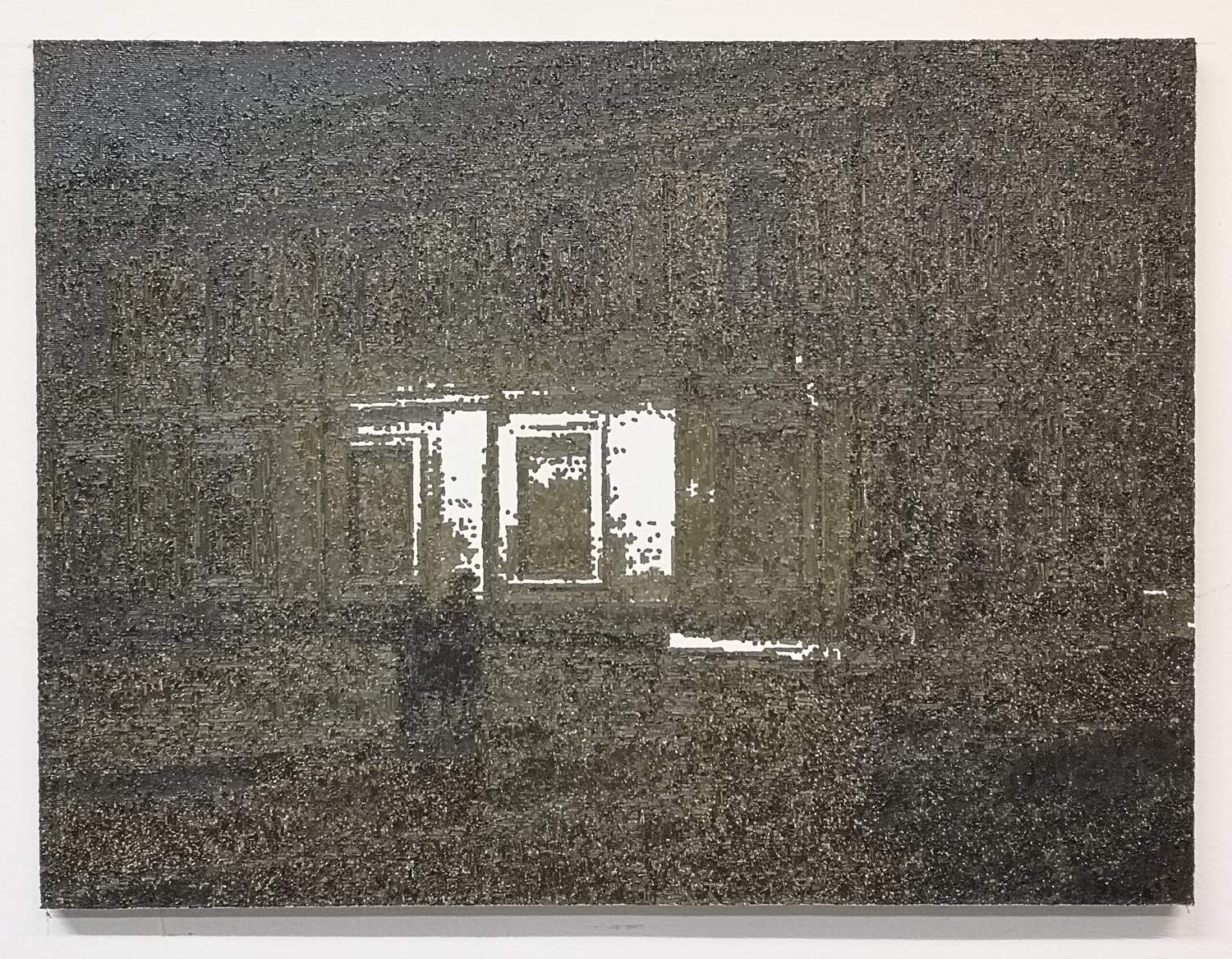
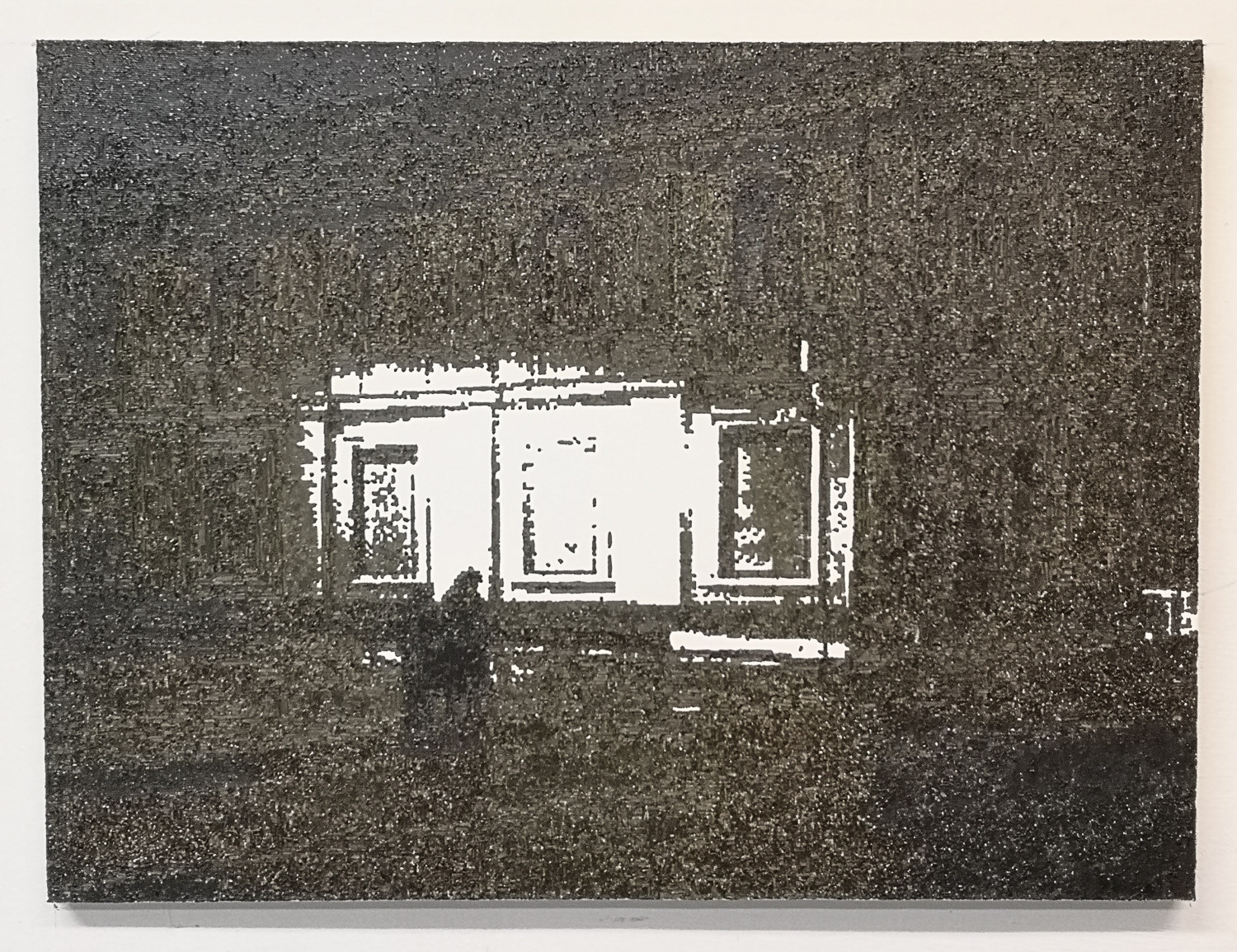
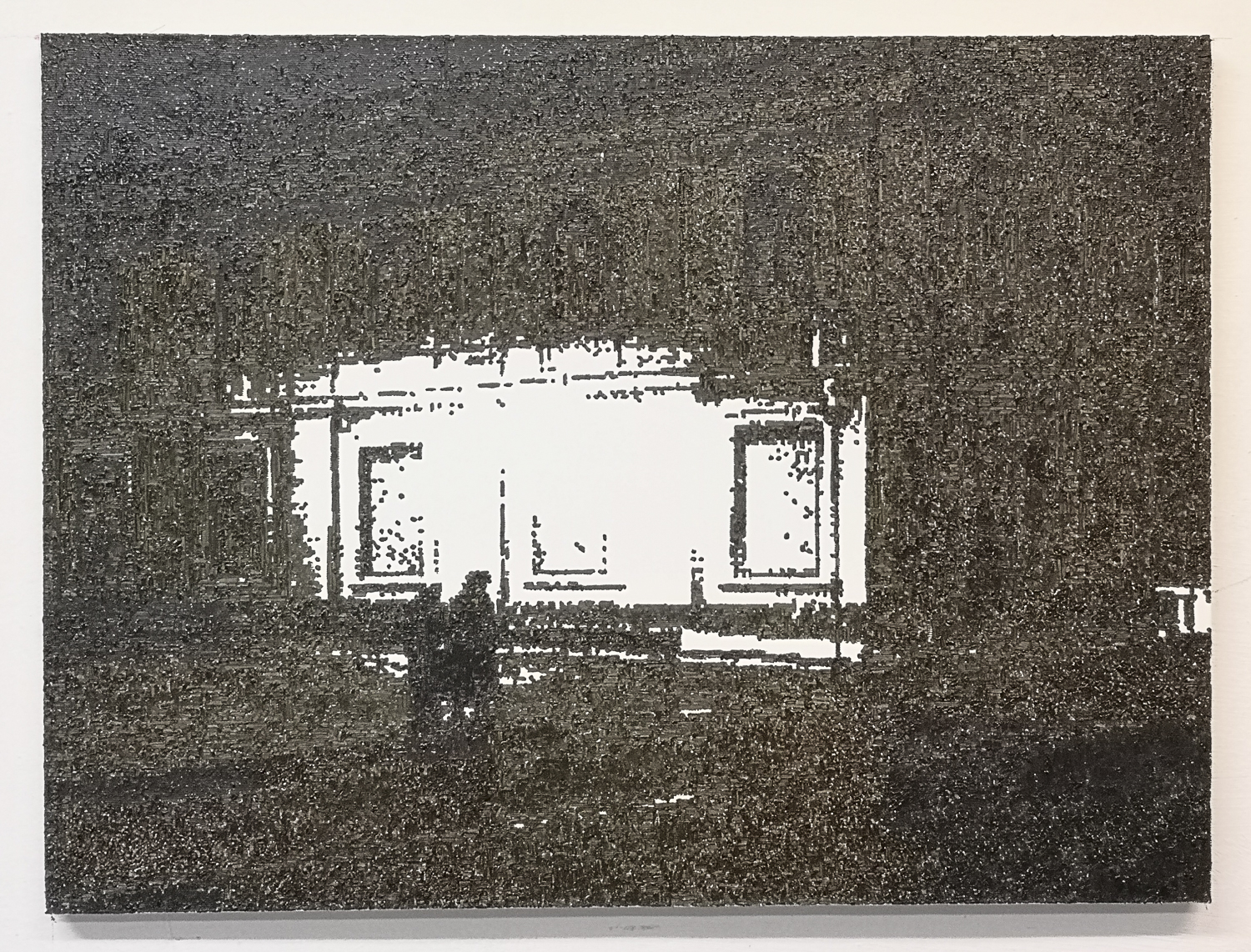
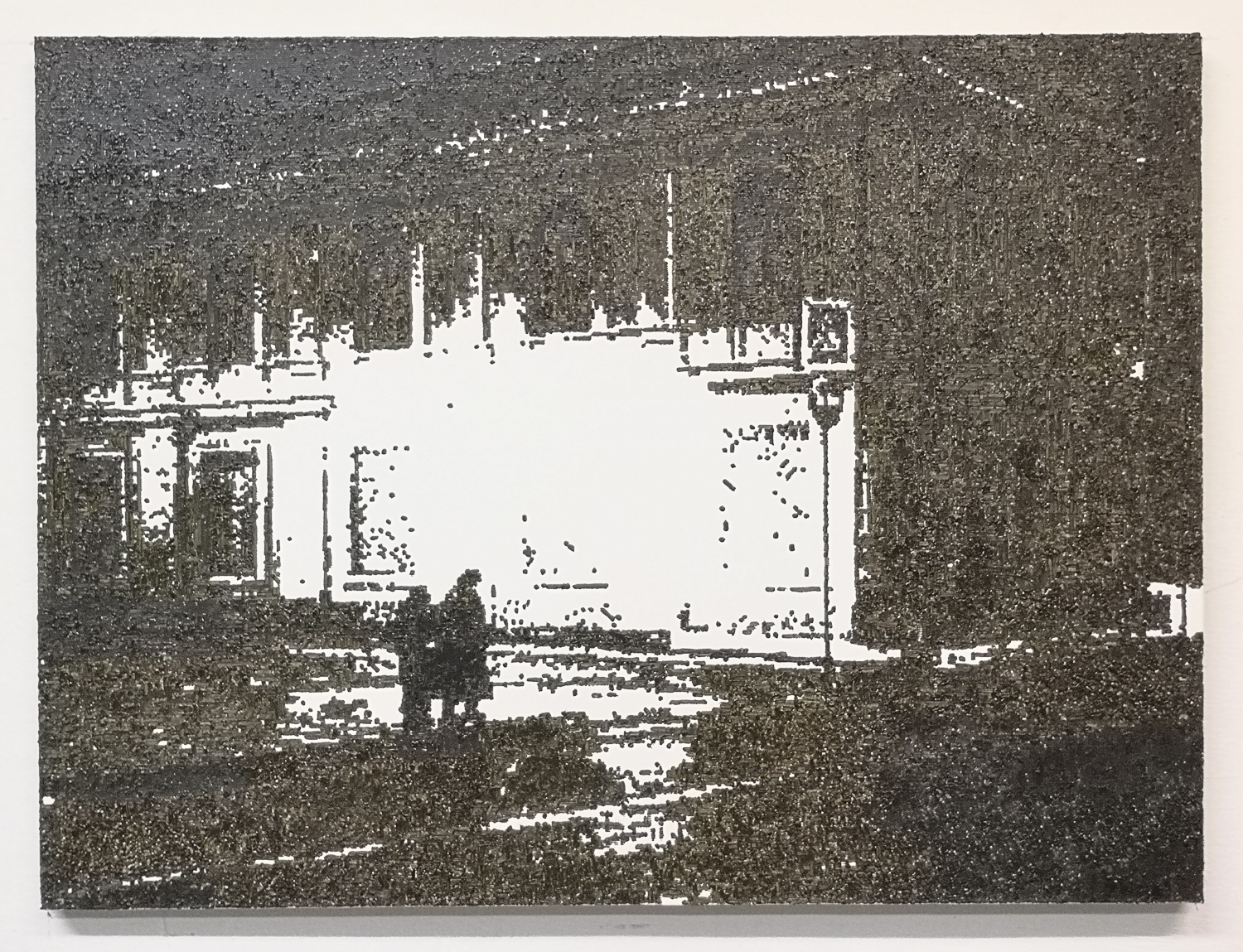
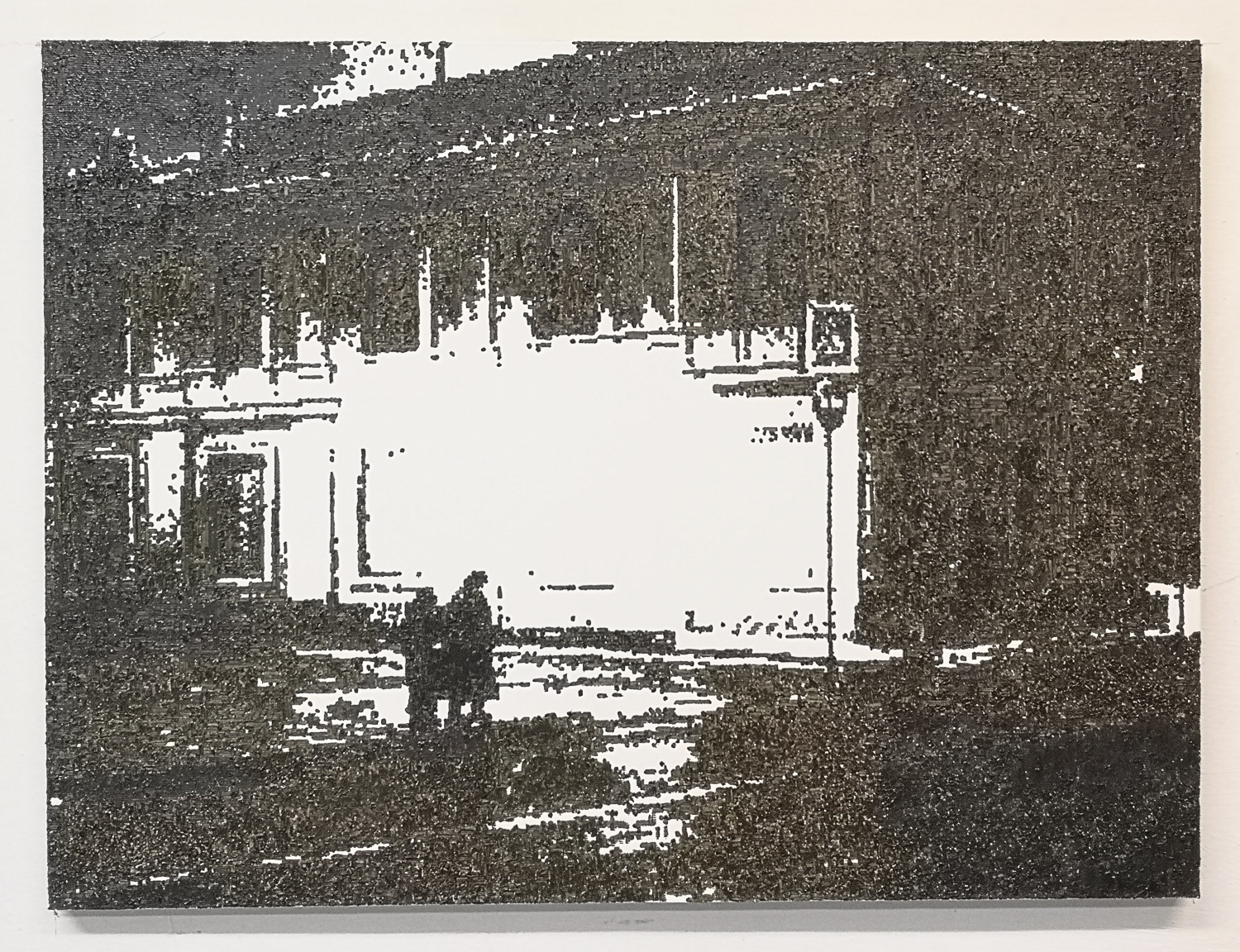
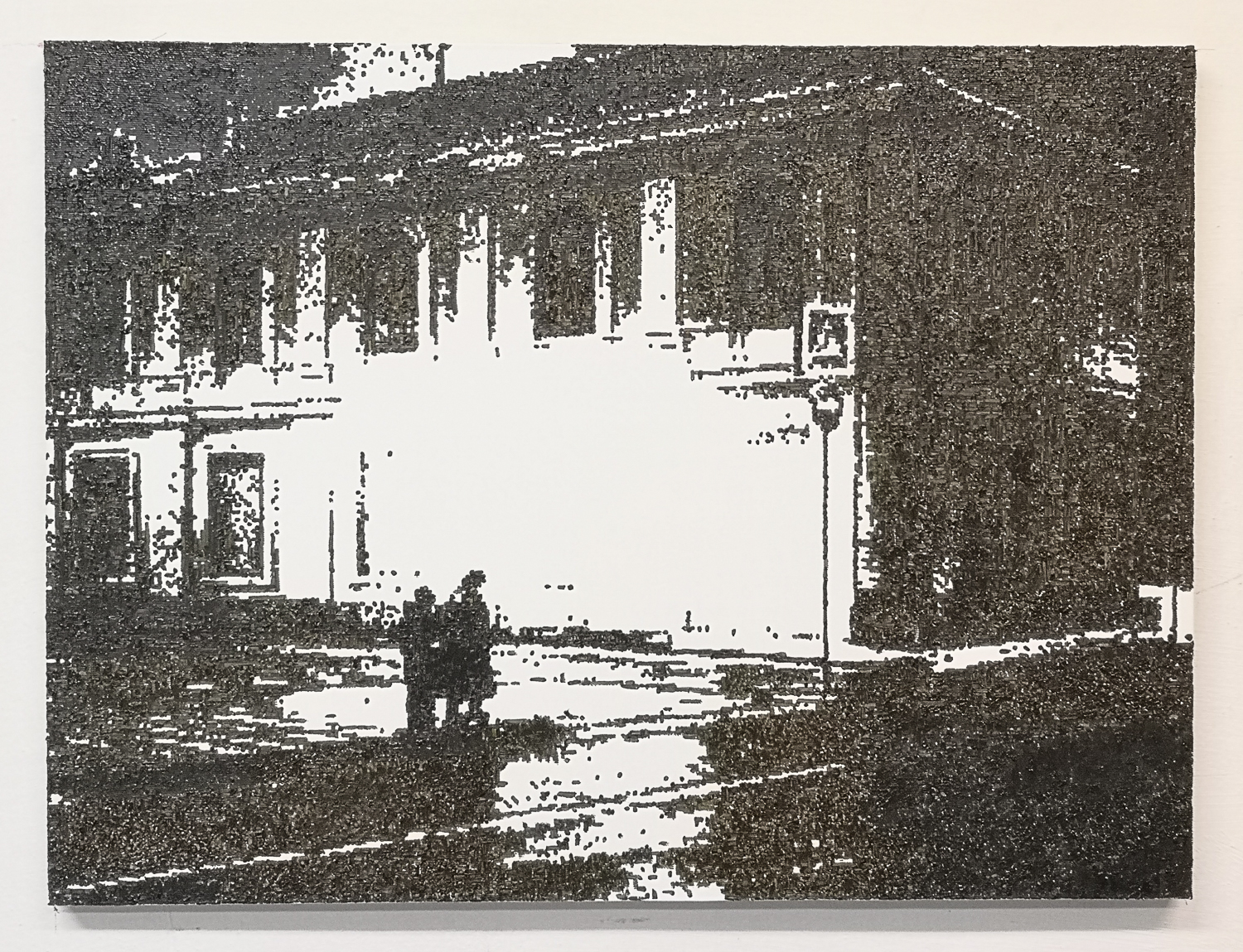
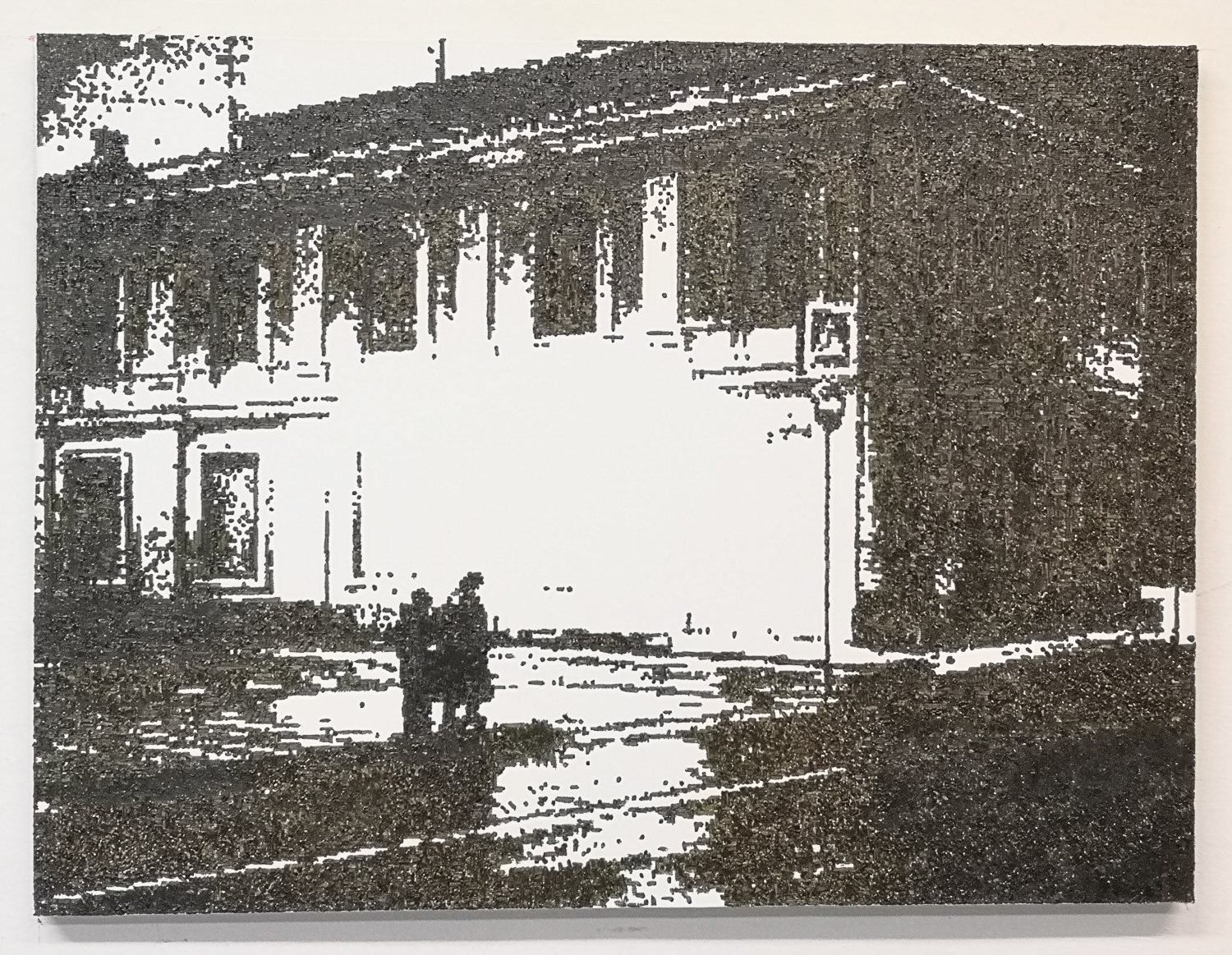
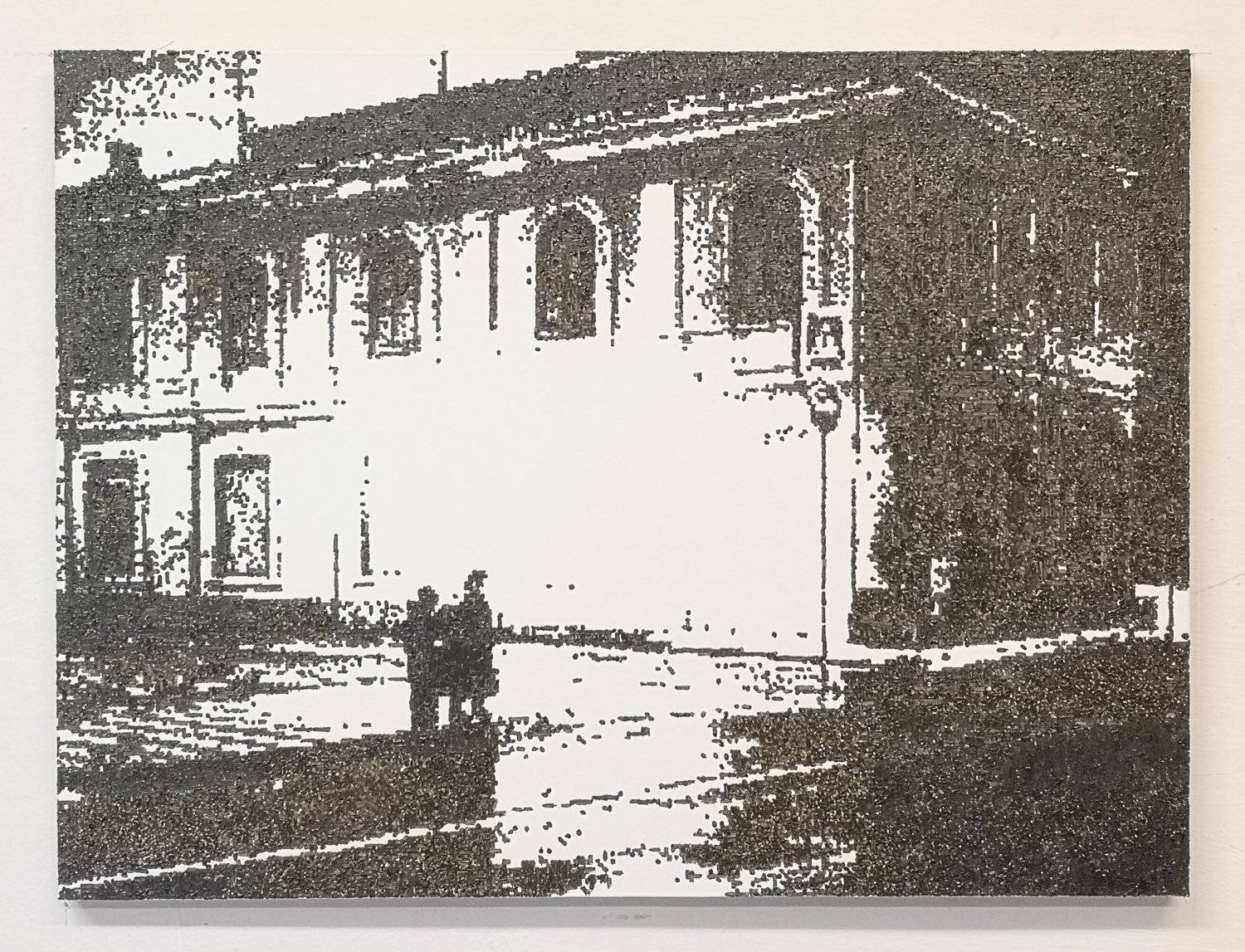

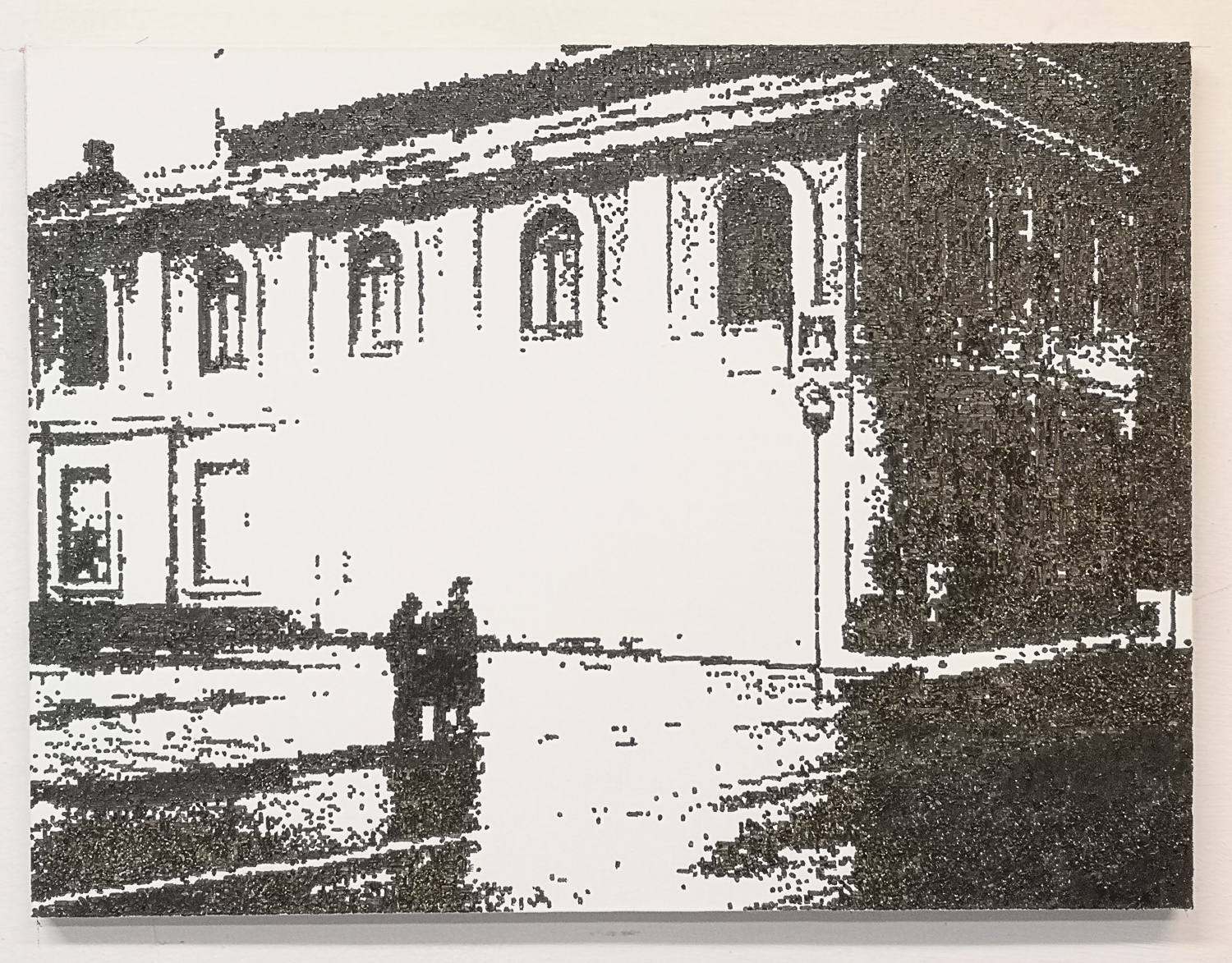
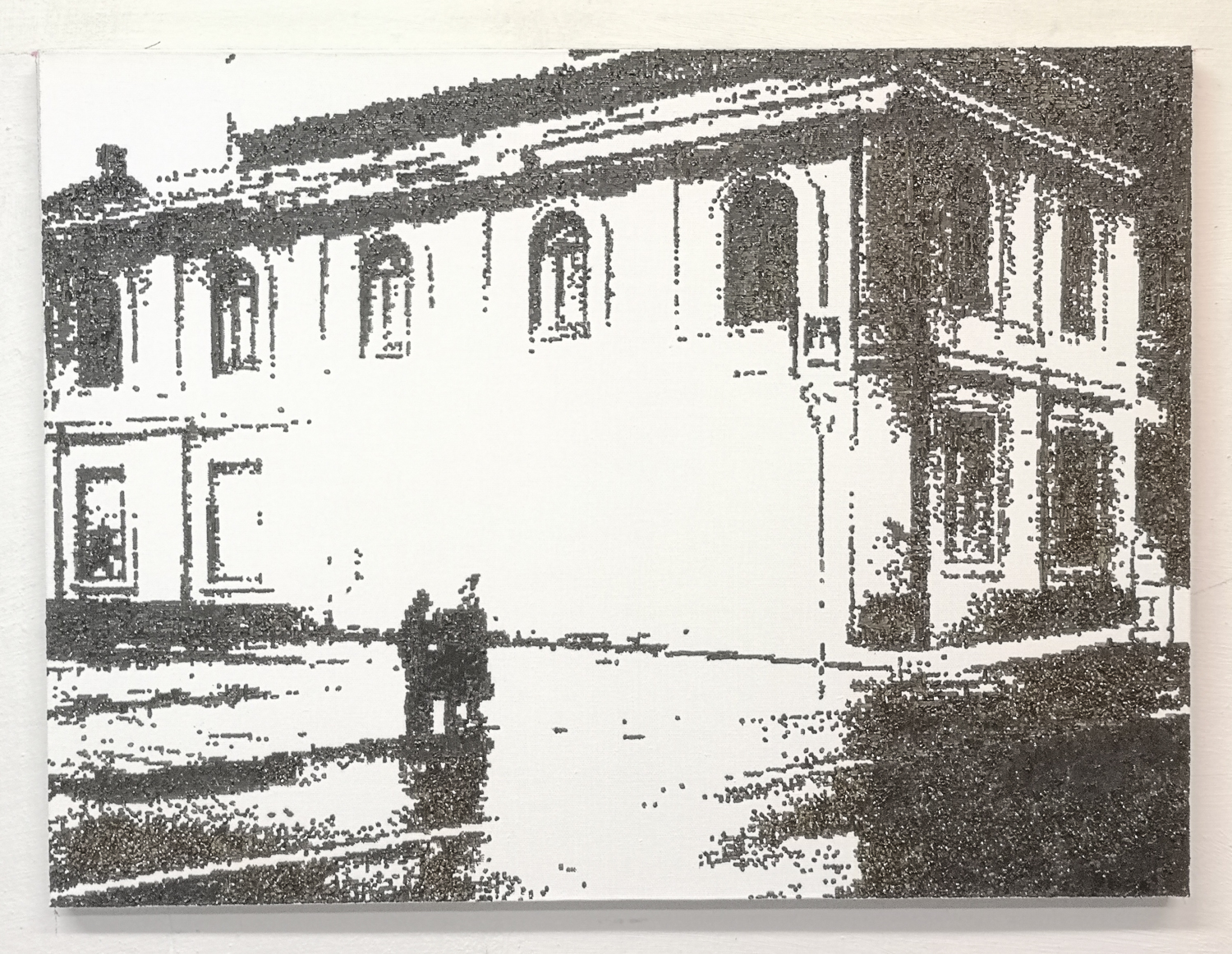
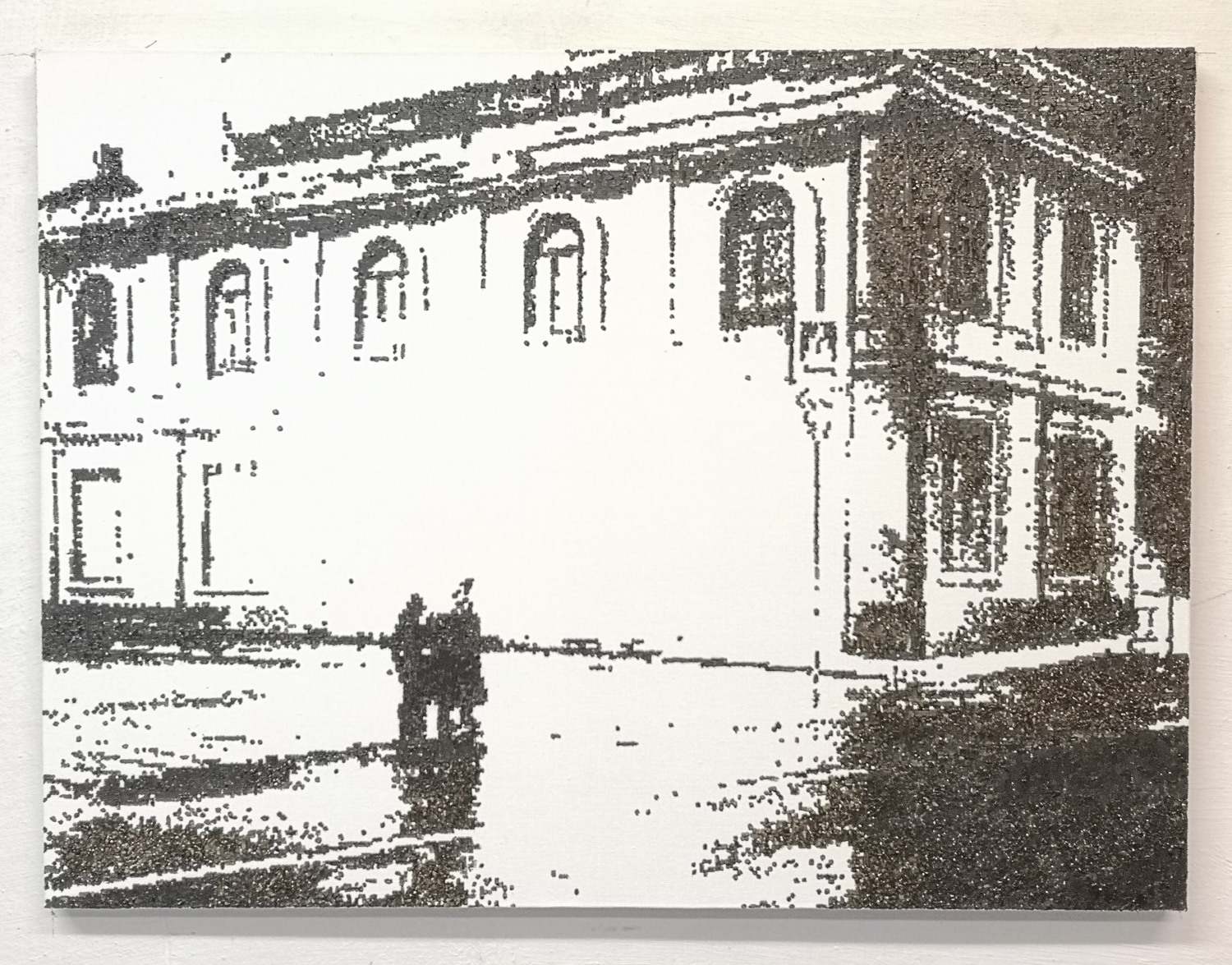
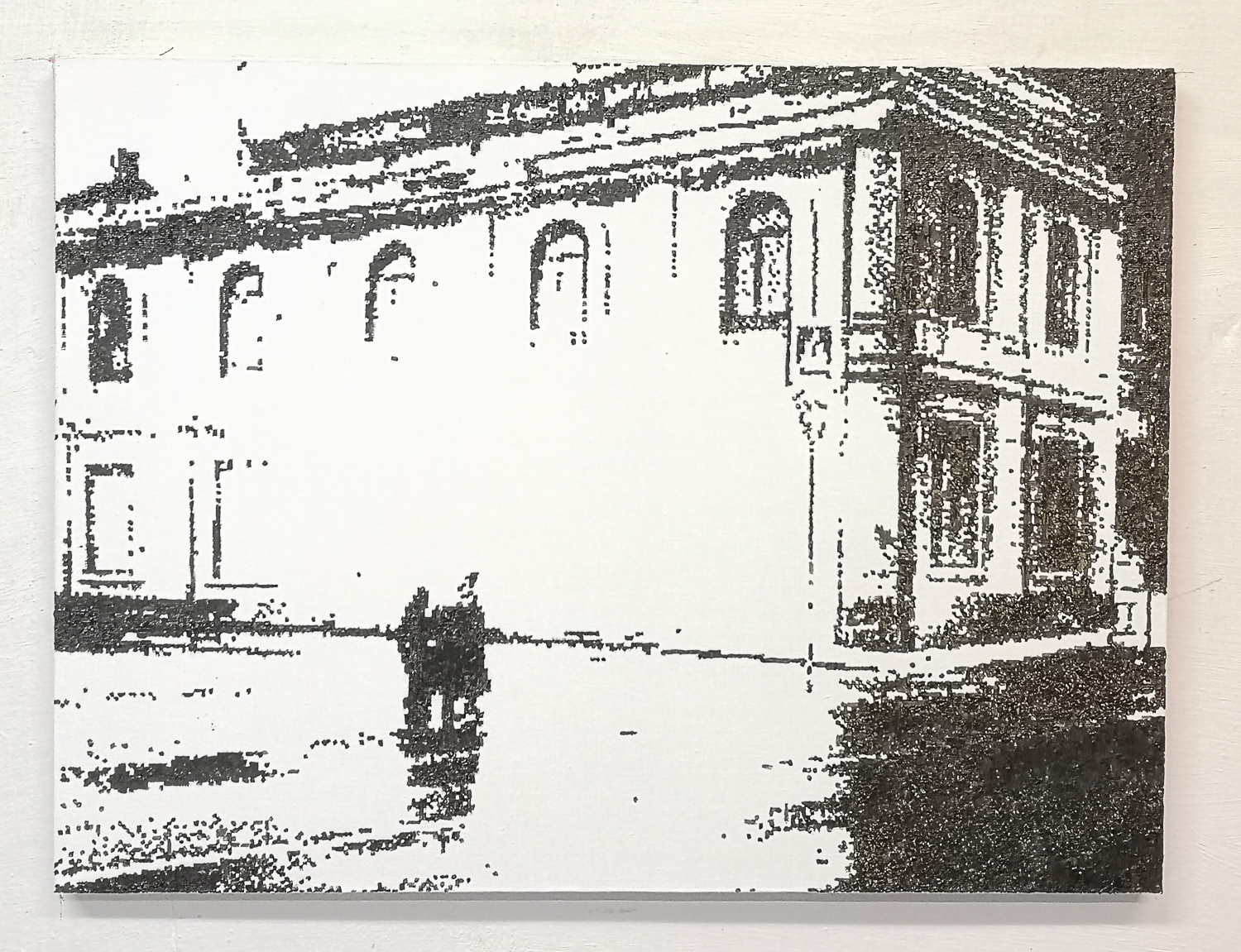
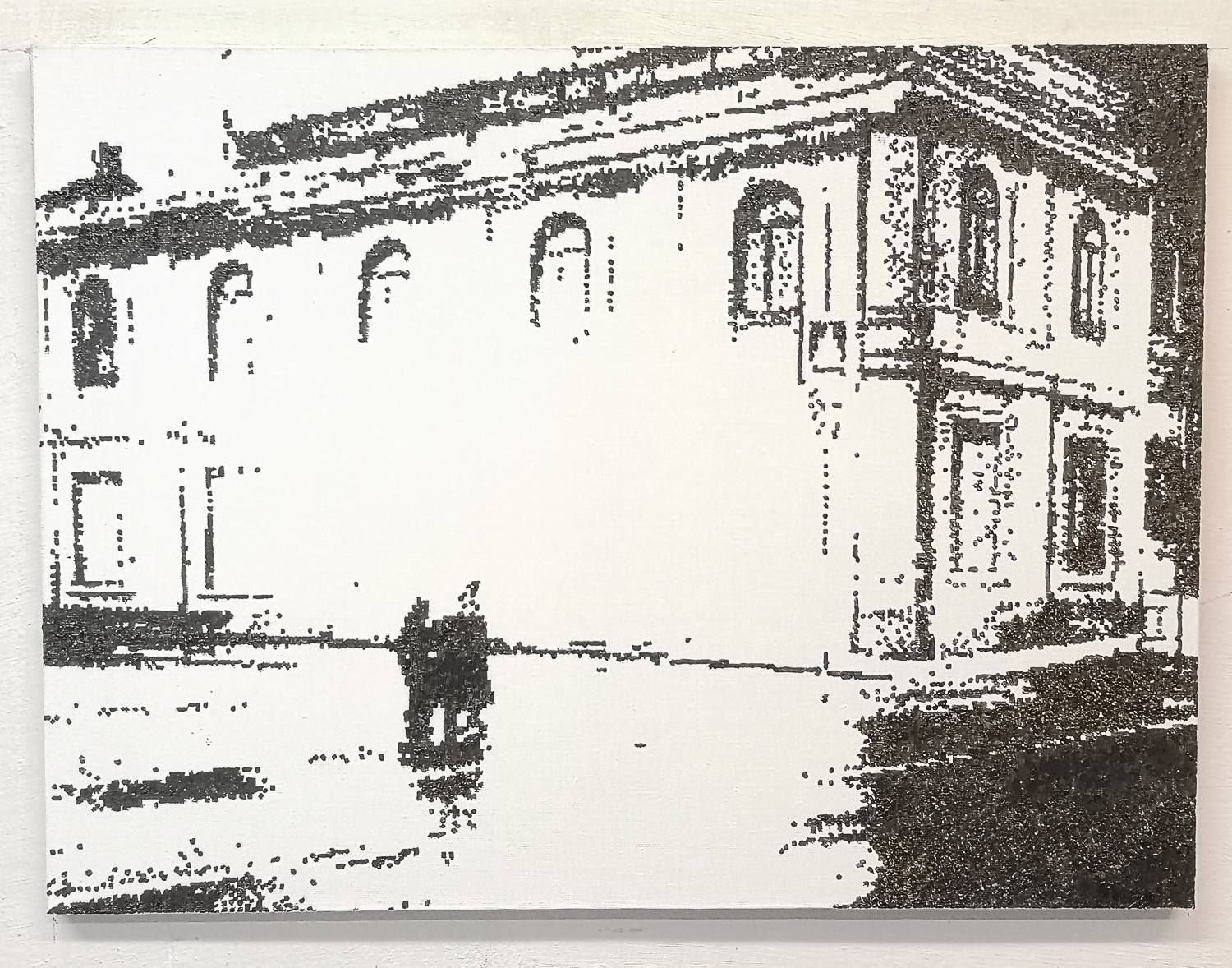


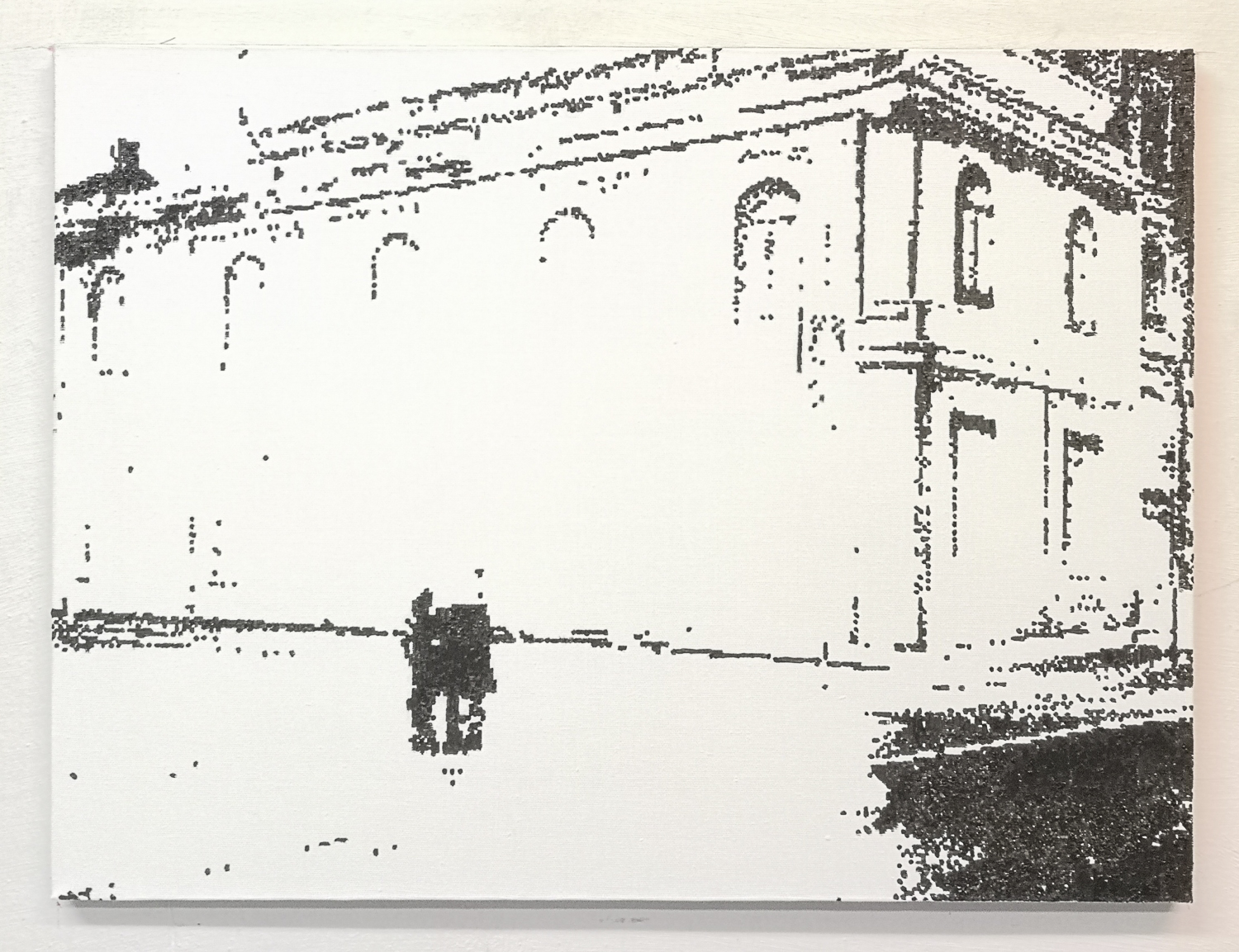
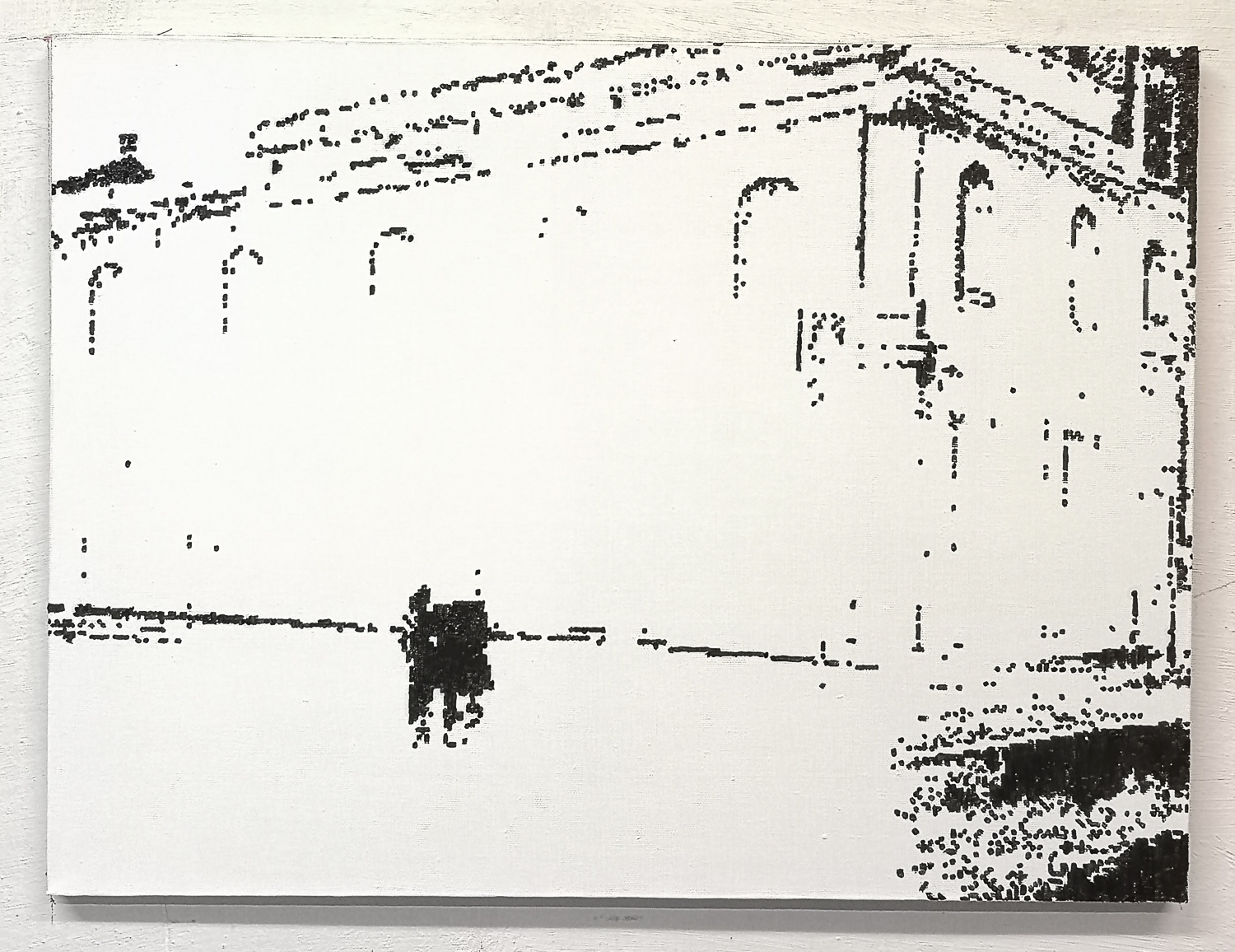

The presented artwork is part of the series “Quantum Project,” which combines the artist’s meticulous technique and conceptual depth. The painting, created entirely with a No. 2 brush, draws inspiration from the intricate beauty of Roman micro-mosaics. Each brushstroke becomes a fragment of a greater whole, forming a cohesive image with a tactile, mosaic-like texture.
The artist has meticulously developed a custom palette, based on the principles of index color. This approach allows the artwork to achieve a harmonious balance of hues and a systematic structure, reminiscent of digital pixelation yet maintaining the organic essence of traditional painting. The deliberate selection and application of color transform each element into a symbol of precision, suggesting the interconnectivity of the micro and macro.
“Quantum Painting,” as a technique, bridges the worlds of science and art. The title “Quantum Project” encapsulates the conceptual underpinning of this series. Each painting reflects the complexity of quantum processes, where order and chaos coexist, and the smallest particles form the fabric of the universe. This innovative approach encourages viewers to delve into the relationship between structure, randomness, and perception.
The series invites contemplation of time and space, offering a meditative experience akin to observing the infinite detail in nature or the cosmos. It is a celebration of the intricate and the monumental, achieved through the smallest gestures of the brush, echoing the timeless traditions of ancient mosaic craftsmanship while pushing the boundaries of contemporary art.
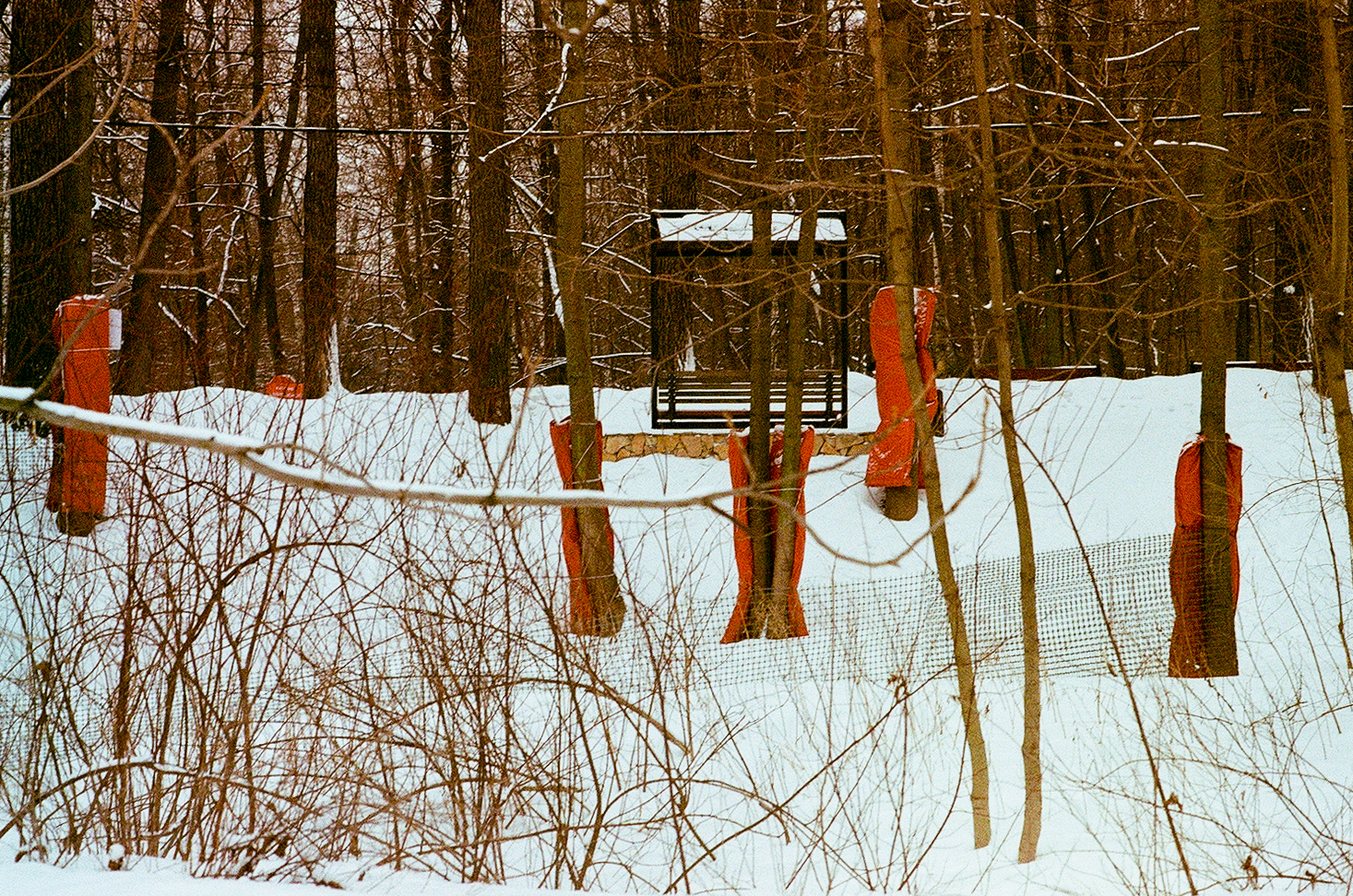
Essay by Clive Scott:
“The Photographic Poetics of Fragmentation”
This photograph operates not only through its imagery but through perception itself, compelling us to see through its language—a language of disjointedness, fragmentation, and texture. A distinct approach to framing is at work here: rather than offering the viewer a complete picture, it invites us to see the world as a collection of visual elements, each carrying an underlying tension.
In the foreground, a tangle of branches forms a natural chaos, partially obscuring the scene and leaving it on the verge of revelation. Beyond this layer, a differently structured space emerges: the strict verticals of trees stand like columns, supporting the rhythm of the composition. Their trunks are wrapped in red protective coverings—a striking visual accent that disrupts the monochromatic harmony of the winter forest. The red here is a gesture, a statement—perhaps one of protection, yet it may also be read as a sign of intrusion, alteration, or violence.
The photograph explores the boundary between the visible and the hidden. What lies beyond these trees? What role does this scene play in the space of the real world? The presence of a grid on the snow and a wooden pavilion suggests a place of human intervention—but in what context? We do not know, and the image offers no answers, only deepening our engagement in the act of interpretation.
Here, photography reveals its essence as a fragmentary art form: it extracts a piece of reality but does not enclose it within itself. Instead, it offers it as the starting point for an infinite narrative. This work exists not only in its visual plane but also in the viewer’s consciousness, where, following the pathways of its composition, one fills in the gaps with personal assumptions and sensations.
This is not just an image—it is an act of visual thinking. It speaks in the language of signs, suggestions, and omissions, and therein lies its poetic power.
#NikonFM2
#PosthumousGaze
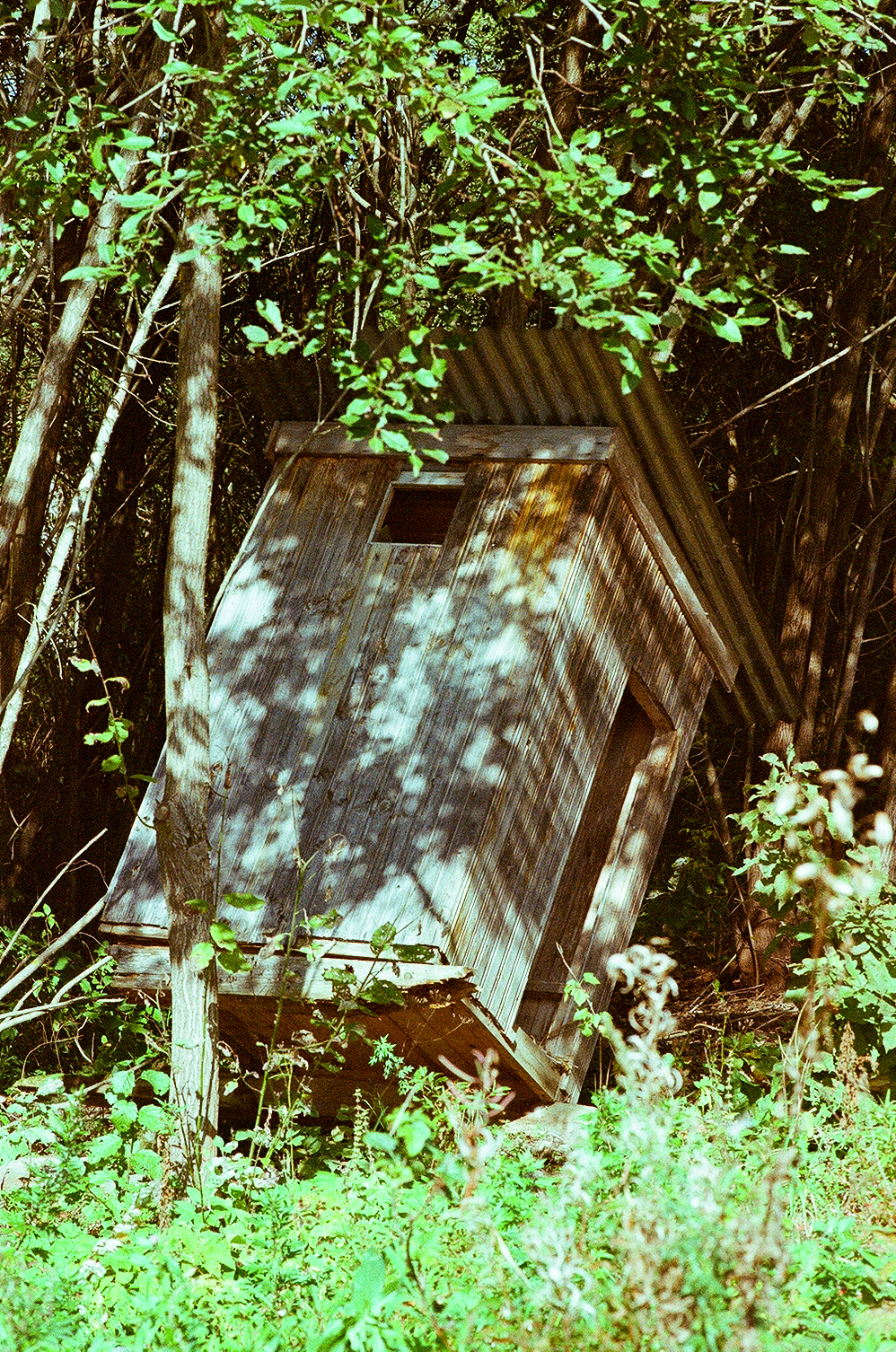
Photography as a Witness to Time and Space (in the Spirit of John Szarkowski)
Photography has always been not just a means of capturing reality but also a way of revealing the invisible structures within the ordinary. This image is proof of that. At first glance, we see nothing more than an abandoned rural outhouse, leaning and engulfed by the green chaos of vegetation. Yet the photographer’s gaze transforms it into something more: a symbol, a story, a testament to time.
I have always believed that one of photography’s most essential functions is not merely to document but to interpret. Here, composition plays with the tension between the man-made object and the nature reclaiming it. The vertical lines of the trees engage in a dialogue with the slanted geometry of the wooden structure, creating a sense of movement—as if nature is gradually reclaiming what was once part of human daily life.
This object, once serving a utilitarian purpose, has now been discarded beyond the boundaries of the homestead, standing at the threshold between civilization and wilderness. There is a strange poetry in this: an object that was once an essential part of everyday life has become obsolete, stripped of its function, awaiting its final dissolution into the surrounding landscape.
Photography captures the moment of this transformation, simultaneously reminding us of the impermanence of all things and their inevitable return to primordial chaos. This image brings to mind the works of William Eggleston and his ability to uncover beauty and meaning in the most unexpected, even banal, subjects. In the end, a great photograph does not merely show—it allows us to see.
#NikonFM2
#PosthumousGaze
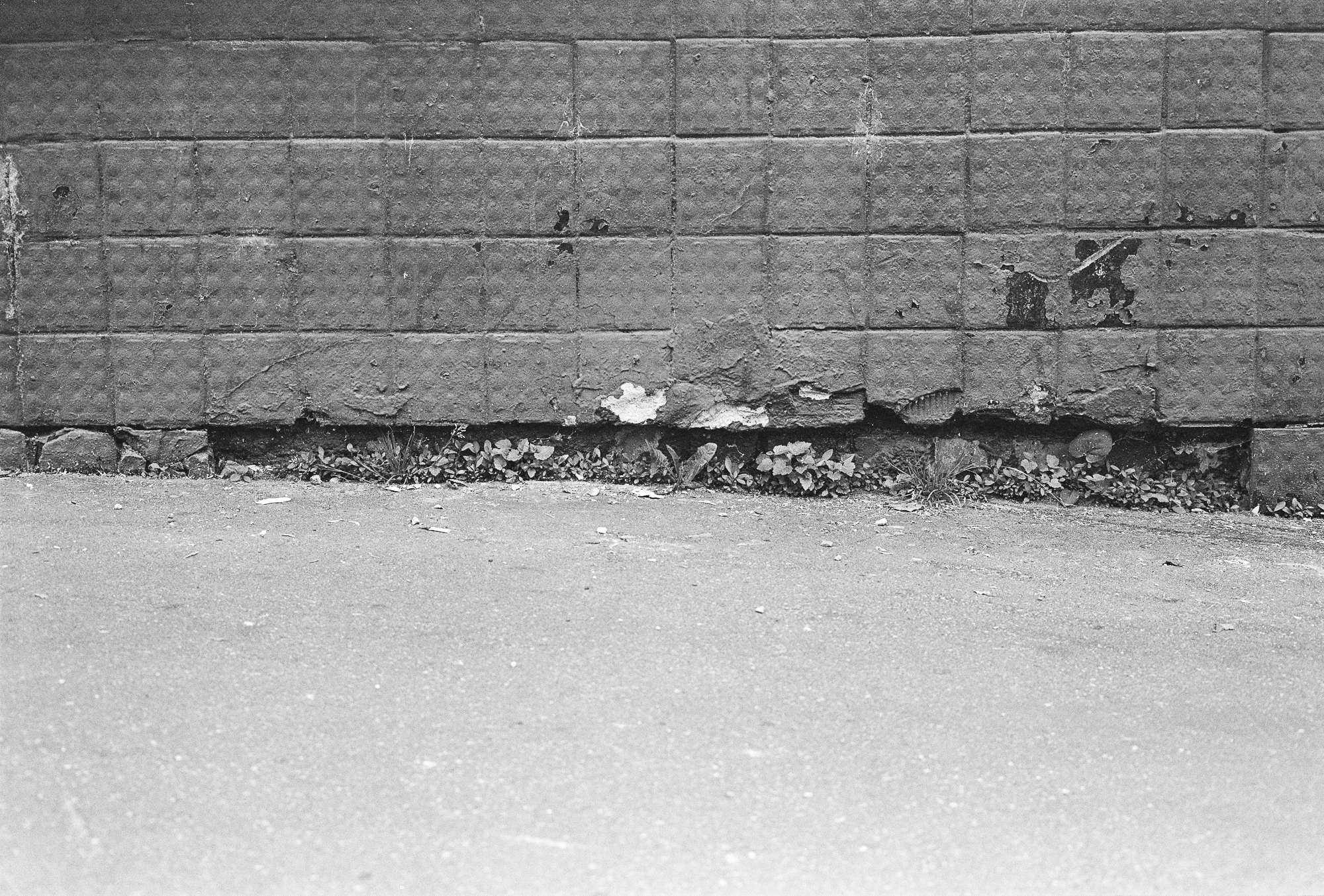
“The Architecture of Ruin and Tamed Entropy”
This photograph is a rare testament to architectural entropy, frozen in a moment where decay and renewal exist in fragile equilibrium. Here, an urban wall—once designed as a strictly rational surface, clad in geometrically ordered panels—enters into dialogue with nature, which is reclaiming the space.
This scene is not one of dramatic catastrophe but rather an illustration of slow disintegration, where the boundaries between the architectural and the organic dissolve. The damaged cladding exposes the inner layers of the structure, revealing the hidden vulnerability of the urban fabric. In the cracks left by the crumbling plaster, grass begins to grow—a modest yet resolute act of resistance.
The photograph rejects the conventional hierarchy of objects: there is no intact building, no expansive view of the street or its surroundings. Instead, the frame captures a fragment—details that typically remain outside the scope of architectural photography yet bear crucial evidence of the processes unfolding within space. In this sense, the image recalls the practice of architectural critics who examine not only completed forms but also their unstable states, the transformations that occur beyond the architect’s control.
This image can be seen as part of a broader discussion on post-Anthropocene architecture—one that does not fight against nature but coexists with it, allowing it to modify and reinterpret the urban environment. There is no nostalgia here for the lost wholeness of a building, only a careful observation of its new life—a life in ruins, a life among weeds, a life that continues even when architecture ceases to serve its original function.
#Fujica6x9
#PosthumousGaze

Essay by Alain Badiou: “Form, Event, Truth”
This photograph does not ask us what we see but rather how seeing itself is structured. Here, at the center of an open landscape, stands an empty frame—devoid of its own content, yet transformed into a site for truth. It is not merely a frame but an event, one that organizes space and compels us to question its naturalness.
In the tradition of Platonic philosophy, truth is never given to us directly—it requires construction, mediation. This frame is a structure that marks an absence, yet through this very absence, it reveals the process of distinction itself: what is inside, and what is outside? Does the field within the frame differ from what surrounds it? No, and yet we begin to see it differently.
This is how an event is born—a sudden rupture in the order of the visible. We find ourselves in a situation where the artificial creates the conditions for a new perception of the real. The field, which has always been a field, is now transformed into a sign. The boundary between landscape and its representation becomes unstable, and we find ourselves inside this duality, unable to determine where exactly the line between art and the world is drawn.
What matters here is not only what is depicted but also the very act of framing. This is not a gesture of authority, not an ordering of chaos, but rather a challenge—an invitation for the viewer to recognize that all vision is a choice, that truth is never given to us directly but always emerges through rupture, through an event that reorganizes our structures of perception.
In this sense, photography does not merely document reality; it plays with it, revealing what would otherwise remain unnoticed in everyday life. It becomes an act of thought and, therefore, a space for truth.
#NikonFM2
#PosthumousGaze
 Maxim Ksuta