Maxim Ksuta

russian artist, contemporary art, sculpture, installation, photography

Category: graphics

New group exhibition – Artist and text

New group exhibition – “Artist and text”, Exhibition halls Rosizo

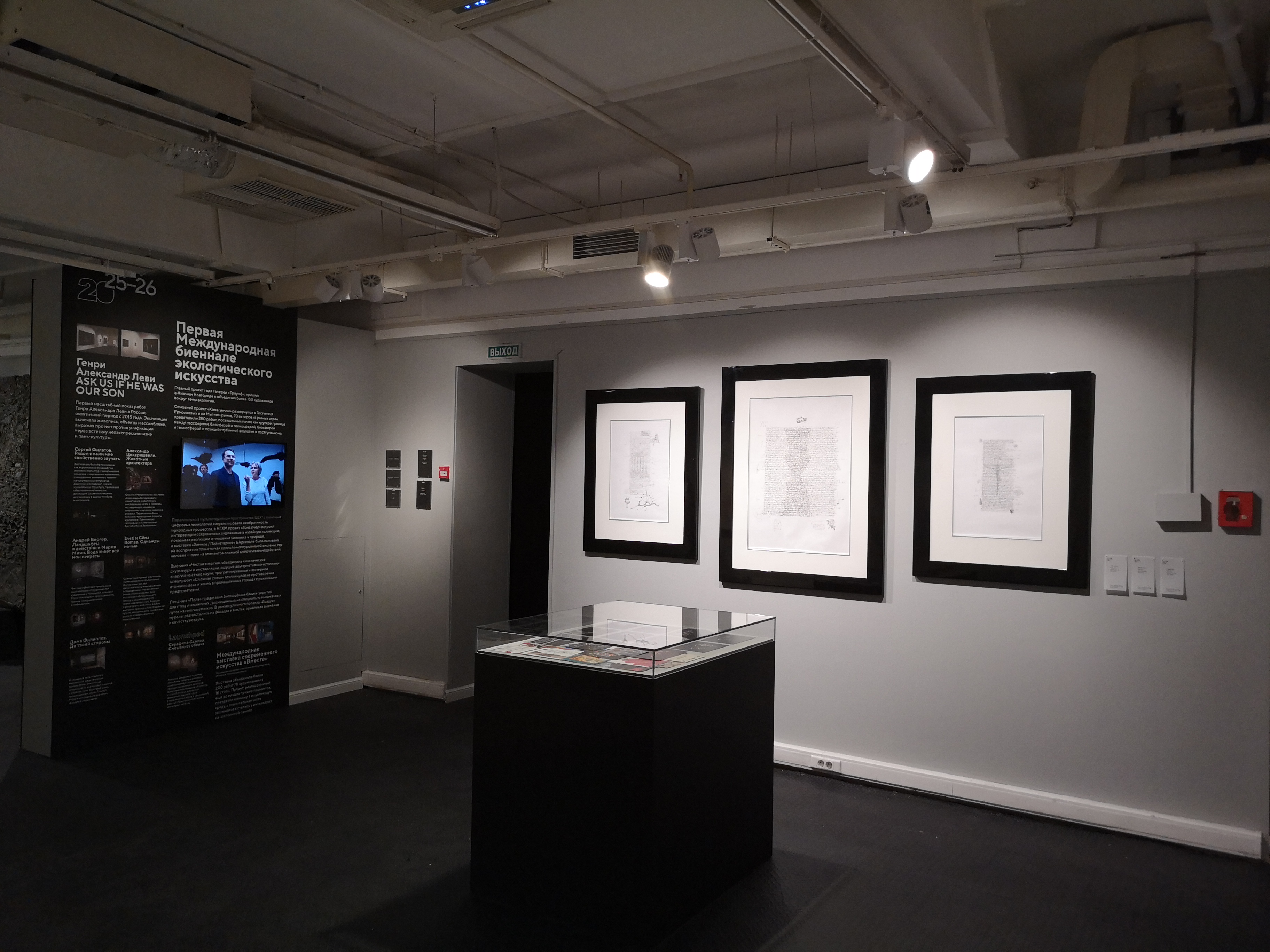
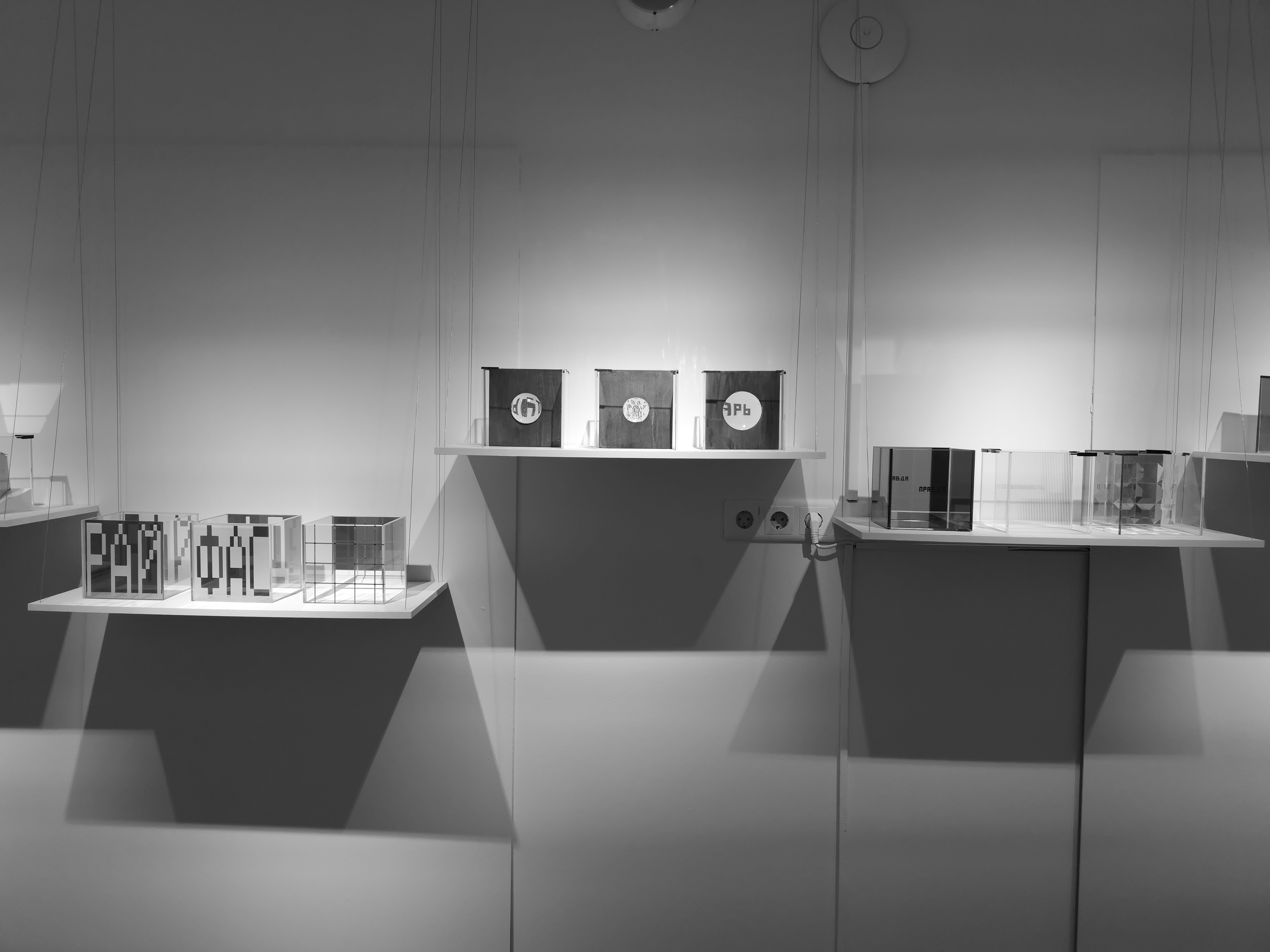
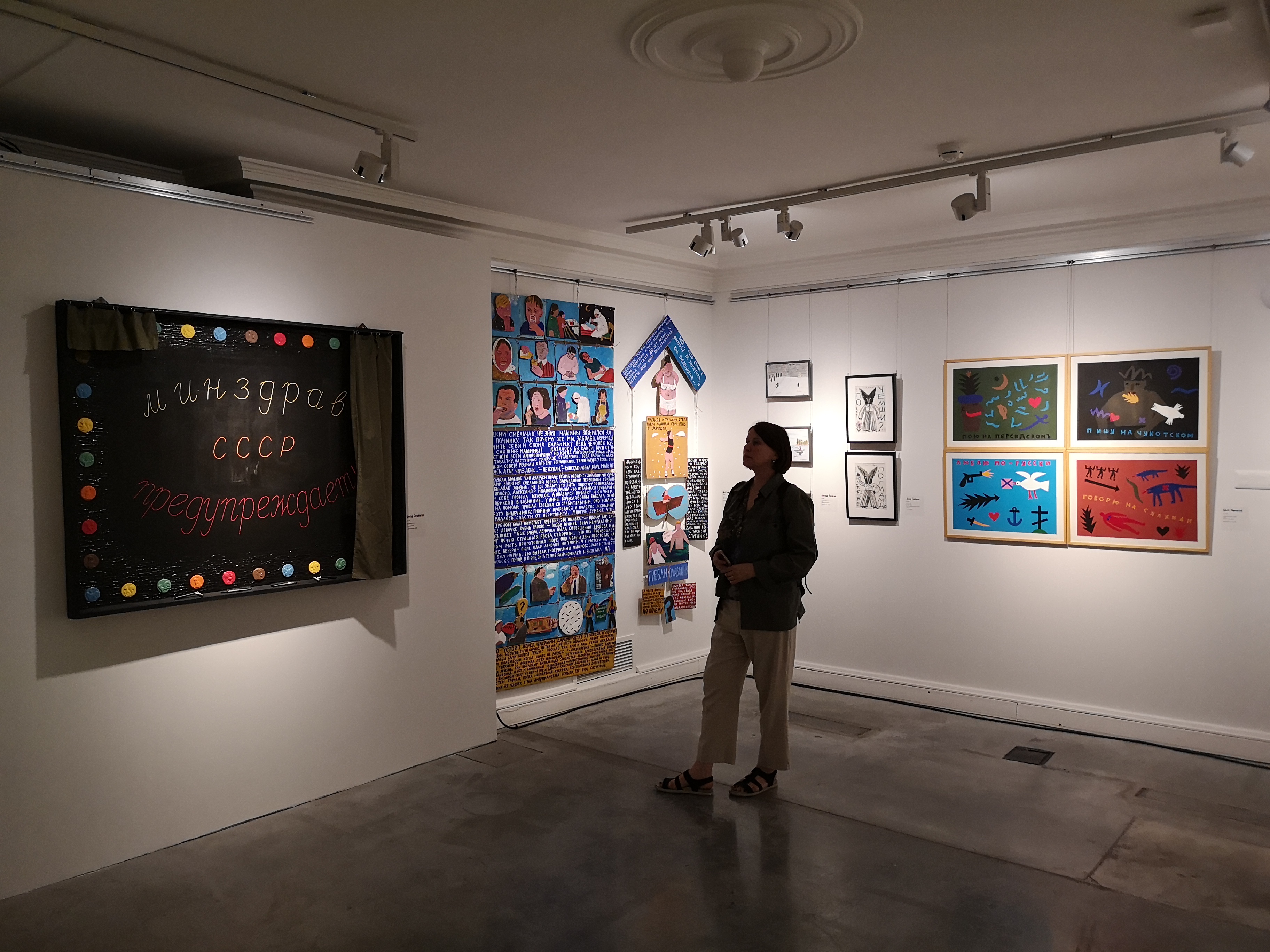
“Intertext” / “Интертекст”. Group exhibition

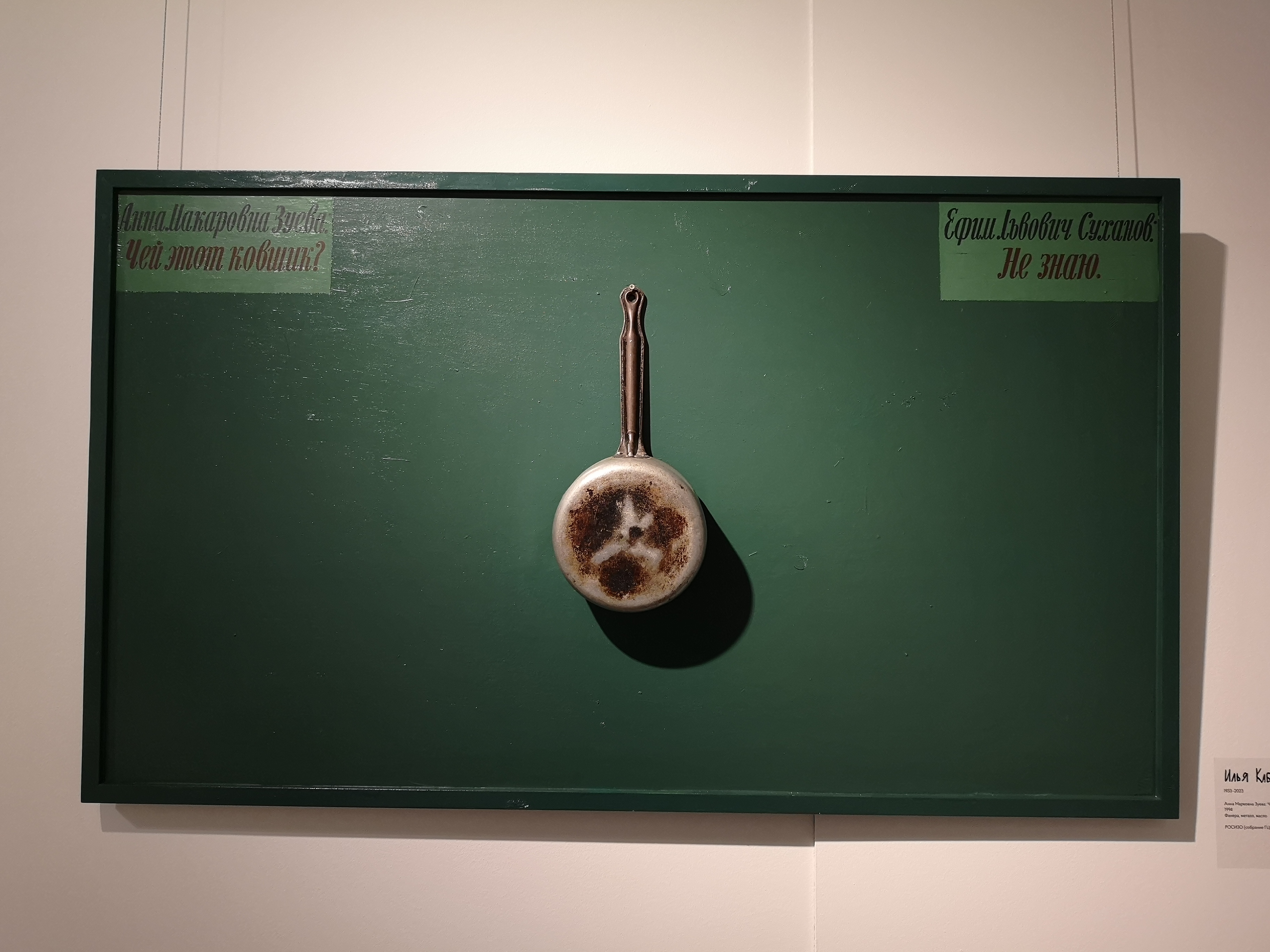
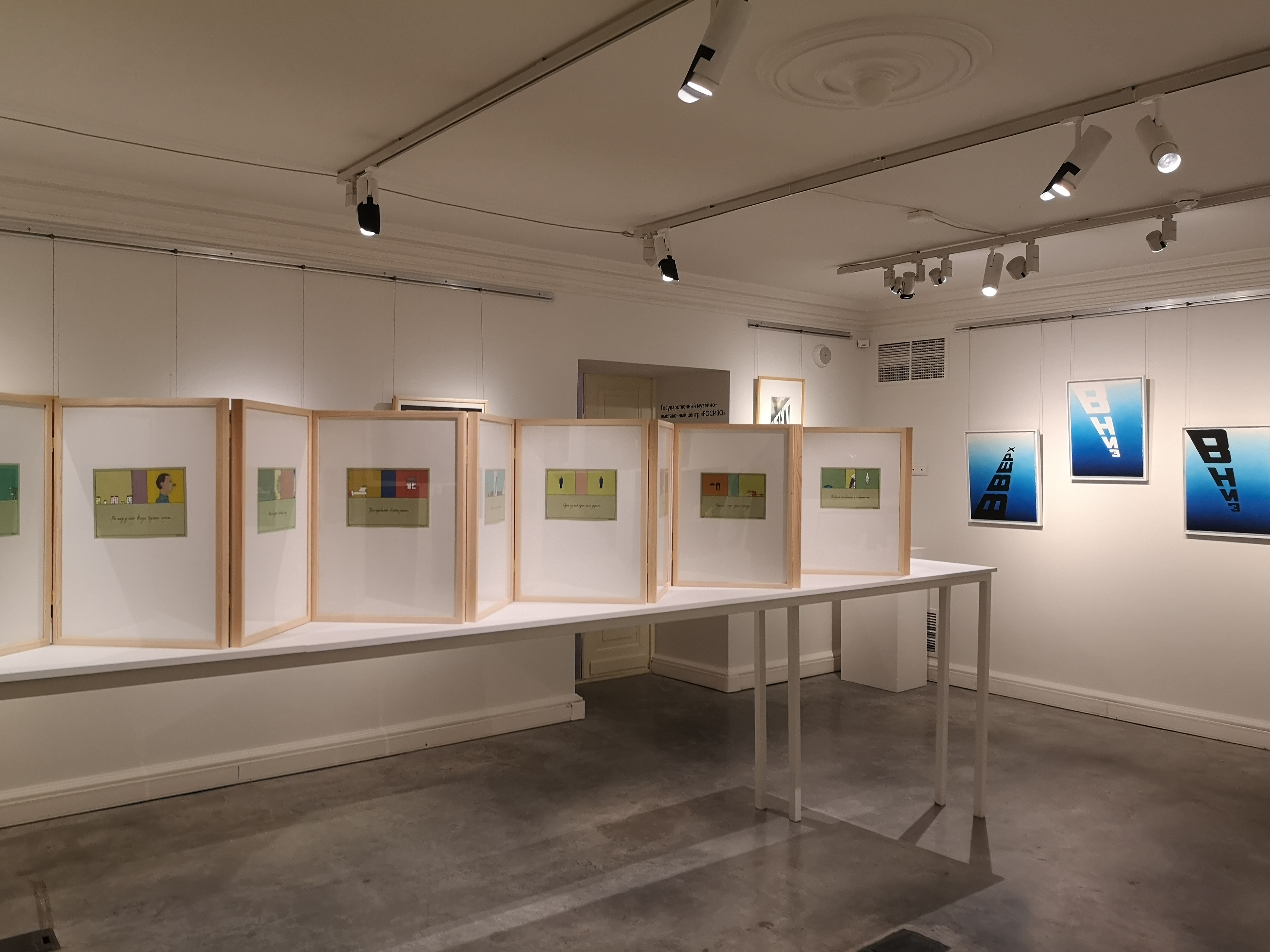
Групповой проект «Интертекст» исследует вопрос взаимопроникновения текста и изображения. Экспозиция объединяет как классиков московского концептуализма (Дмитрия Пригова, Юрия Альберта, Андрея Филиппова), так и современных европейских и российских художников, работающих в рамках заданной проблематики.

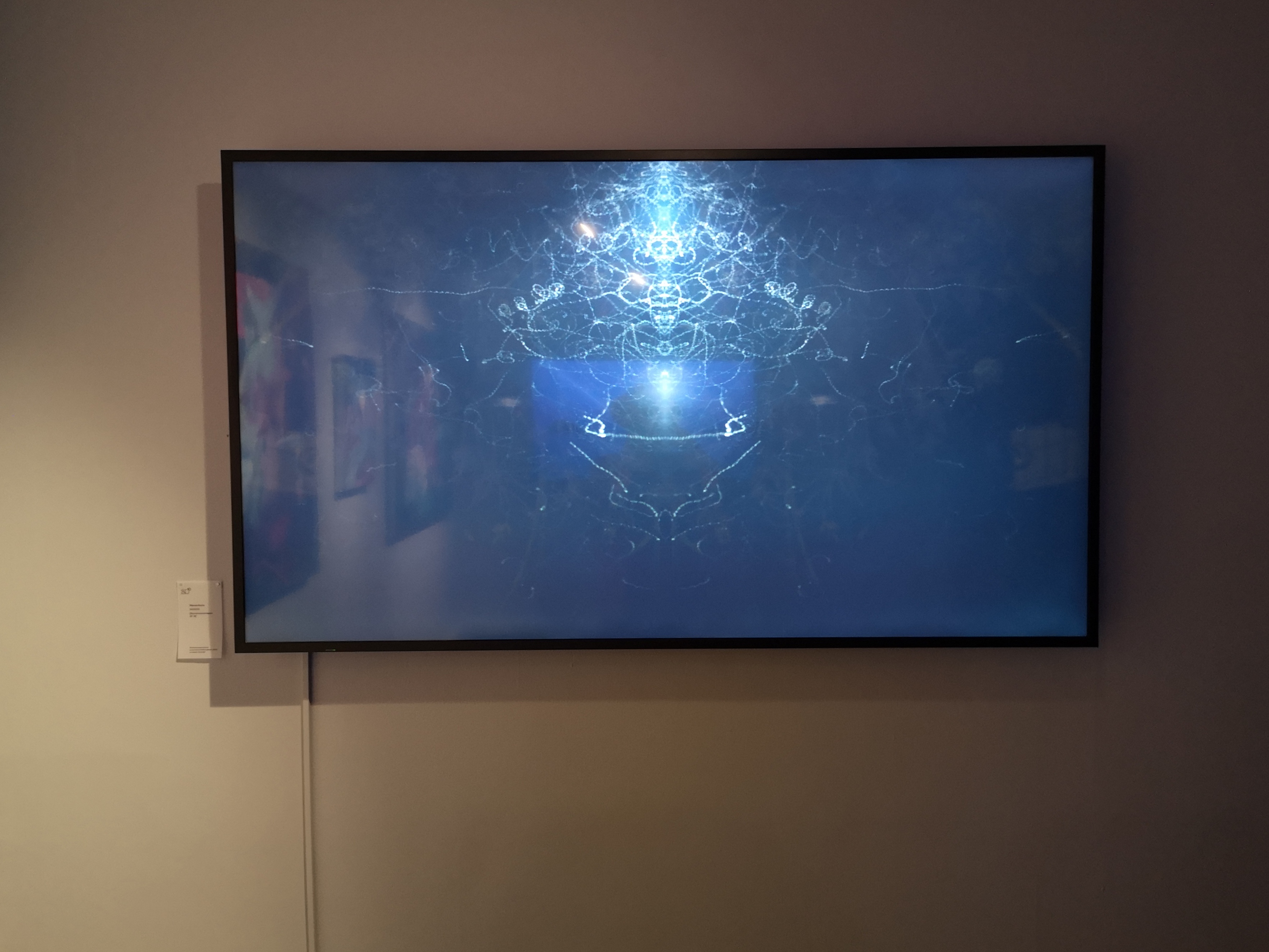
Некоторых участников, таких как Леонид Тишков, Никита Алексеев, Виктор Умнов и Баби Бадалов, можно в равной степени считать литераторами, поскольку их визуальные образы дополняют их же текстовые произведения. Современный текст в форме цифровой или фигурной поэзии часто создается с помощью компьютерных технологий. Генерируя изображение через различные цифровые коды, медиапоэты и видеохудожники — Наталия Федорова, Анна Толкачева и Чарльз Сэндисон — частично делегируют свою роль машине.

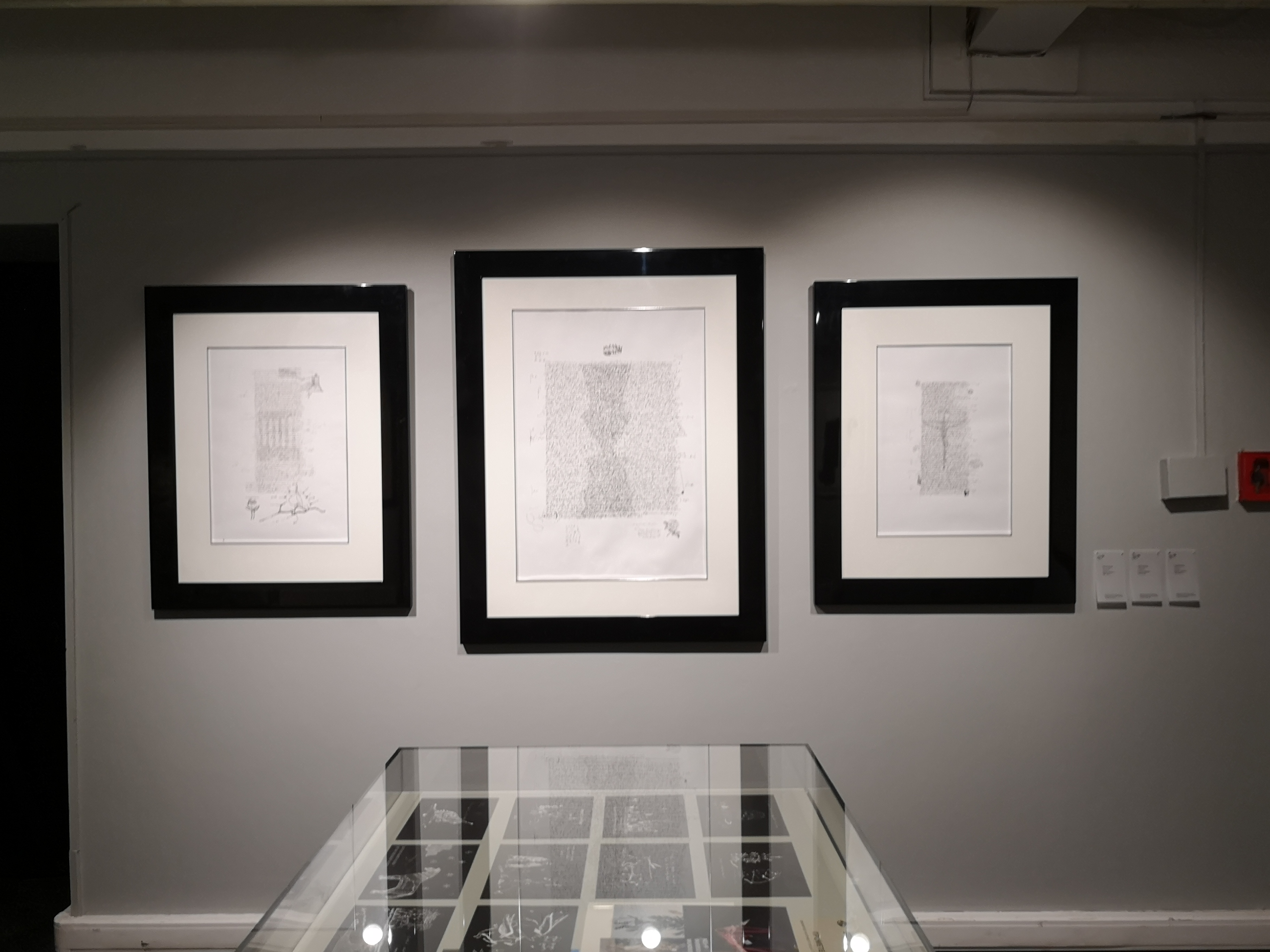
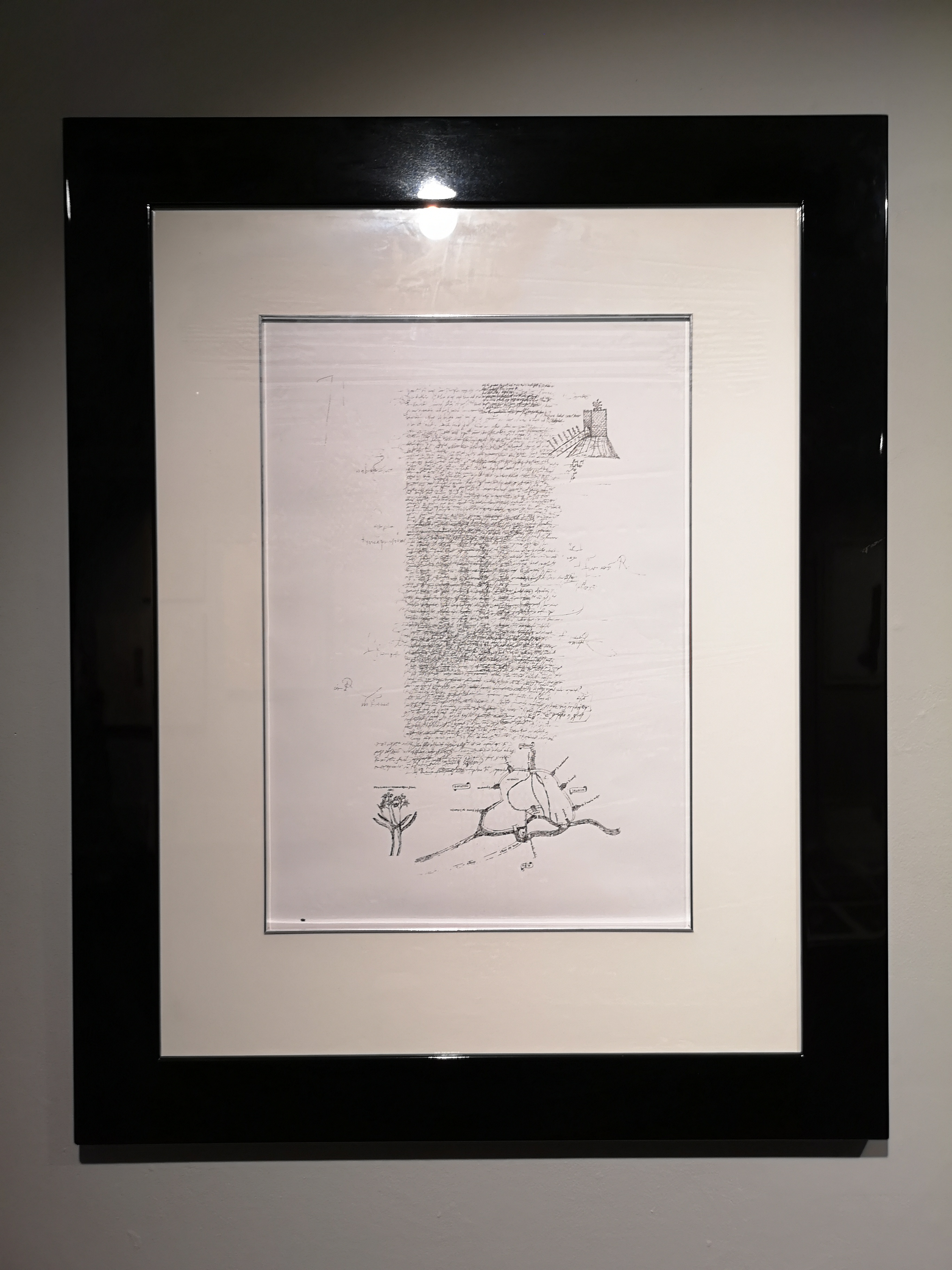
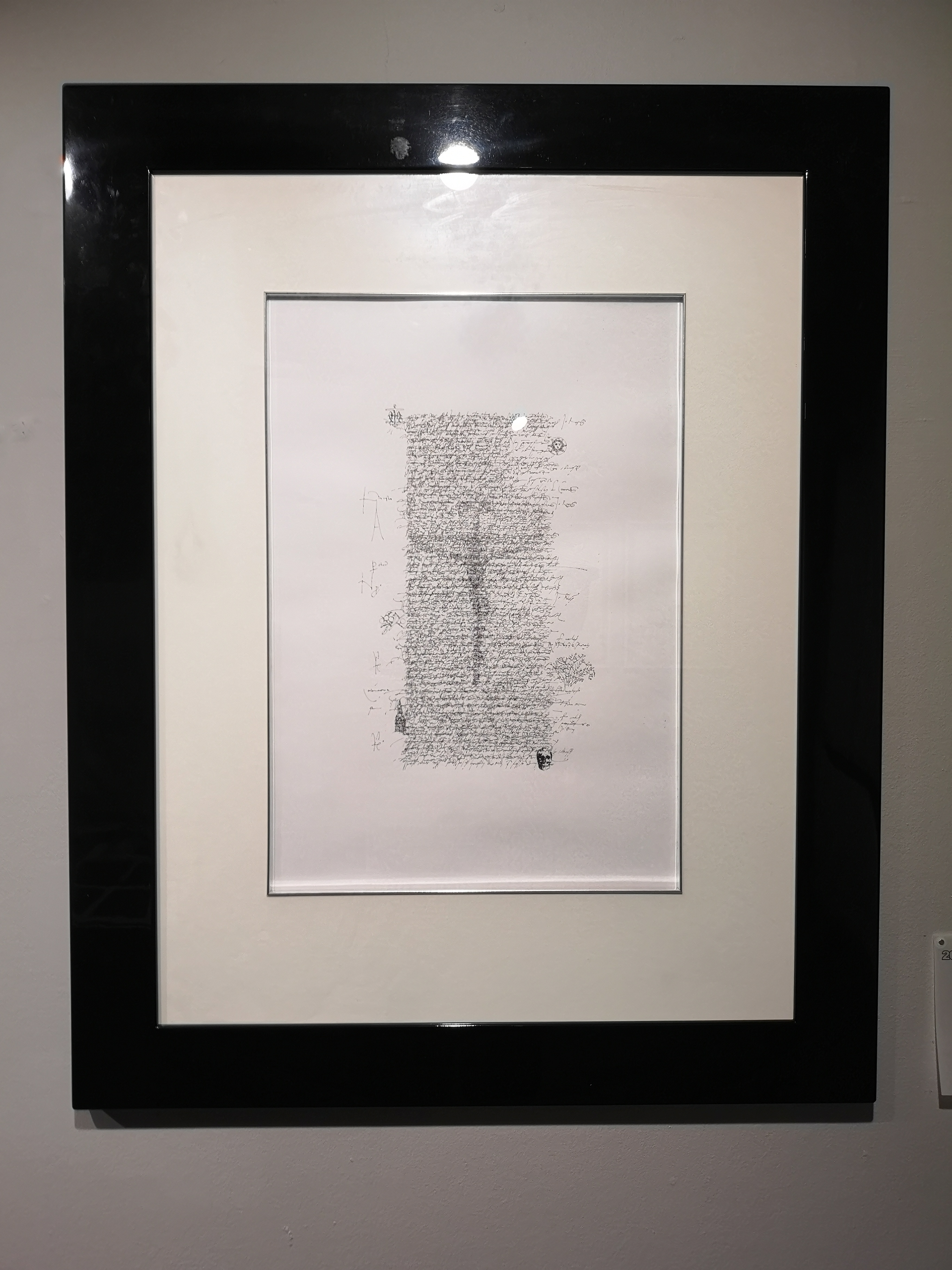
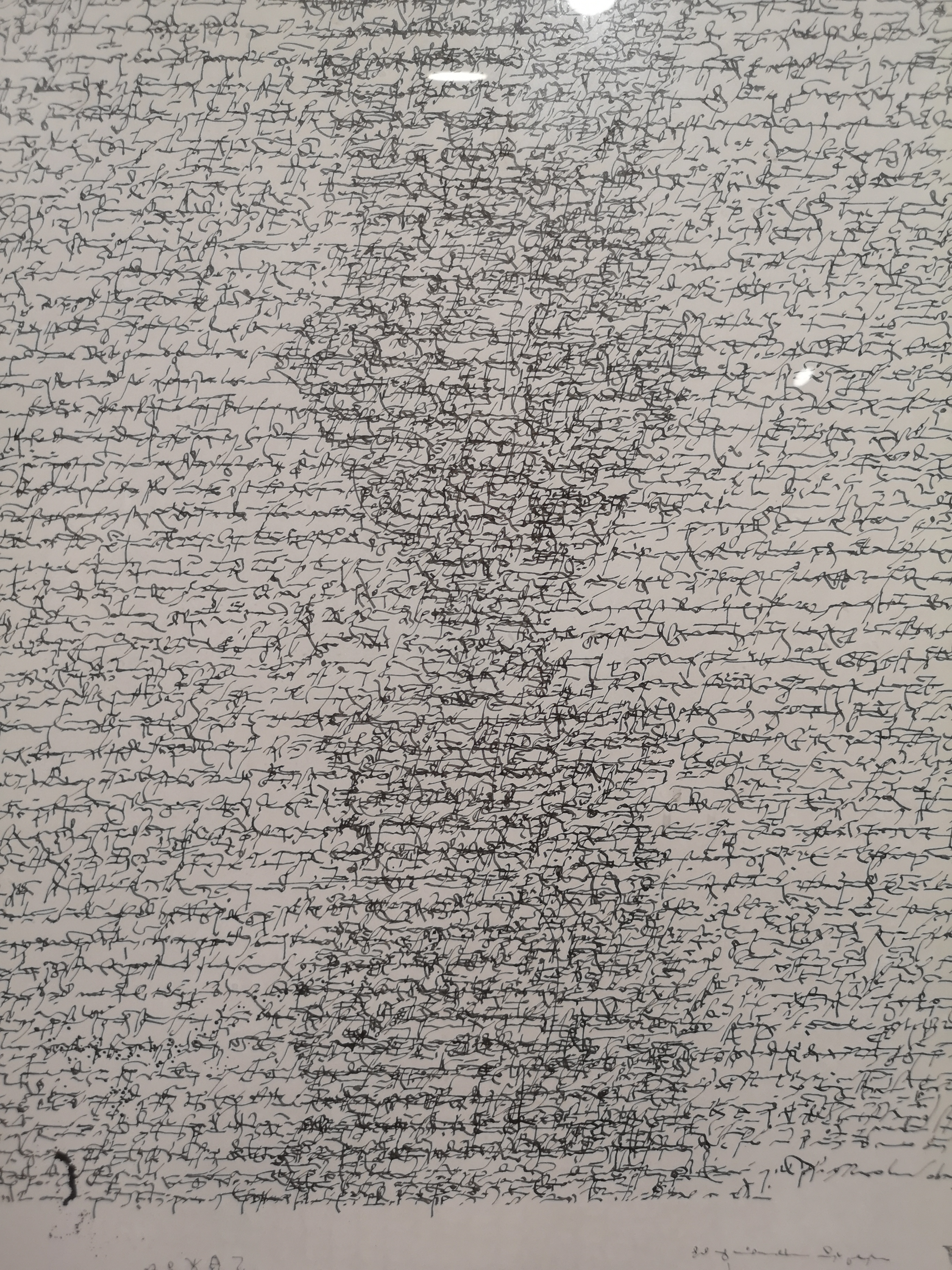
Часть выставки, представленная работами Тани Муро, Виктора Панова, Максима Ксуты, Евгения Добровинского и Ильи Гришаева, посвящена символическому образу как графическому элементу, автоматическому письму и каллиграфическим практикам. Средством художественной выразительности здесь становятся не только знаки, но и пробелы между ними, а также намеренное сокрытие или недосказанность.

Такие художники, как Семен Мотолянец, Георгий Острецов и Валерий Чтак, используют текст в виде слоганов, тегов или символов, связанных с популярной культурой, политикой и социальным взаимодействием. Текстовые лозунги подчеркивают саму природу социальной коммуникации, основанной на единой знаковой системе.

Каждый текст, представленный на выставке, является не отдельным высказыванием, а лишь фрагментом всеобщей вербально-текстовой структуры. Работы художников не всегда требуют буквального прочтения; зачастую они служат лишь напоминанием или ссылкой на другие тексты за пределами выставочного пространства. Экспозиция не предполагает немедленного и последовательного чтения; она скорее служит отправной точкой для множества нарративов. Интертекстуальность здесь становится не просто вектором исследования, а самой художественной практикой.


The group project “Intertext” explores the interpenetration of text and image. The exhibition brings together both Moscow Conceptualists (Dmitry Prigov, Yuri Albert, Andrey Filippov) and contemporary European and Russian artists working within this thematic framework.

Some artists, such as Leonid Tishkov, Nikita Alexeev, Victor Umnov, and Babi Badalov, can equally be considered writers, as their visual imagery complements their textual creations. Contemporary text in the form of digital or visual poetry is often created using computer technology. By generating images through various digital codes, media poets and video artists such as Natalia Fedorova, Anna Tolkacheva, and Charles Sandison partially delegate their creative role to the machine.

A section of the exhibition, featuring works by Tania Mouraud, Victor Panov, Maxim Ksuta, Evgeniy Dobrovinskiy, and Ilya Grishaev, is dedicated to the symbolic image as a graphic element, automatic writing, and calligraphic practice. Not only the signs themselves, but also the gaps between them—intentional concealment or understatement—become a means of artistic expression.

Artists such as Semen Motolyanets, Georgy Ostretsov, and Valery Chtak use texts as slogans, tags, or symbols associated with popular culture, politics, and social interaction. These textual slogans highlight the very nature of social communication, which is based on shared sign systems.

Each text featured in the exhibition is not an isolated statement, but rather a fragment of a universal verbal-textual structure. The texts presented by the artists do not always require literal reading; they often serve as reminders or links to other texts outside the exhibition space. The exposition does not imply a linear or immediate reading; instead, it serves as a starting point for numerous narratives. Intertextuality thus becomes not just a research vector, but the practice itself.

Monumentalgraphics

2011 (с)

“Монументальная графика”

Авторское высказывание

Этот проект родился из боли и бессилия. Я смотрел, как мой город теряет свою память -небольшие особняки XIX века, доходные дома с лепниной, деревянные флигели исчезали один за другим под напором коммерческой застройки. Сначала приходили бульдозеры, потом вырастали стеклянные коробки торговых центров и офисов. Москва пожирала саму себя.

Я не мог остановить это разрушение. Но я мог его зафиксировать, превратить в высказывание.

“Монументальная графика”,это портрет умирающего здания. Я взял швеллер и двутавр, сварил из них буквы и вставил в пустые оконные проемы. Каждое окно стало рамой для одного знака. Вместе они складываются в слово “Москва” – имя города, который разрушает свою историю собственными руками.

Геометрия букв жестка, конструктивна, это язык промышленности, которая пришла на смену старой архитектуре. Металл в окнах выглядит одновременно как протез, который пытается удержать здание от распада, и как клеймо, знак приговора. Буквы не украшают фасад, они его вскрывают, делают видимым то, что обычно скрыто за красивыми словами о “развитии” и “прогрессе”.

Черно-белая съемка была неизбежна. Цвет отвлекал бы, делал бы композицию живописной. А здесь нужна была графика – чистая, резкая, как гравюра. Осыпающаяся штукатура, текстура разрушения стали фоном для ясных линий металла. Контраст между хрупкостью стены и брутальностью конструкций усиливает ощущение насилия.

Это монументально не по размеру,это монументально по смыслу. Целый фасад превращается в носитель одного слова, одного имени. Москва, вписанная в собственные руины.

Я не знаю, можно ли назвать это протестом. Скорее, это фиксация. Свидетельство. Я ставлю буквы в пустые проемы, как ставят памятник на могиле -чтобы было что вспомнить, когда здание окончательно исчезнет.

Конструктивисты верили, что новая форма создаст новый мир. Я использую их язык, чтобы показать, как этот мир пожирает свое прошлое. Мои буквы, это алфавит утраты. Это то, что остается, когда город забывает, как выглядела его собственная память.


“Monumental Graphics”
Artist Statement

This project was born out of pain and helplessness. I watched my city lose its memory—small 19th-century mansions, income houses with stucco ornament, wooden outbuildings disappearing one after another under the pressure of commercial development. First came the bulldozers, then the glass boxes of shopping malls and office centers rose in their place. Moscow was devouring itself.

I couldn’t stop this destruction. But I could document it, turn it into a statement.

“Monumental Graphics” is a portrait of a dying building. I took channel steel and I-beams, welded them into letters, and inserted them into empty window openings. Each window became a frame for a single sign. Together, they form the word “Moscow”—the name of a city that is destroying its own history with its own hands.

The geometry of the letters is rigid, structural—it is the language of industry that has replaced old architecture. The metal in the windows looks both like a prosthesis trying to hold the building together and like a brand, a mark of condemnation. The letters do not decorate the façade; they expose it, making visible what is usually hidden behind beautiful words like “development” and “progress.”

Black-and-white photography was inevitable. Color would distract, make the composition painterly. What was needed here was graphics—pure, sharp, like an engraving. The crumbling plaster, the textures of decay became the background for the clarity of metal lines. The contrast between the fragility of the wall and the brutality of the structures intensifies the sense of violence.

This is monumental not in scale, but in meaning. An entire façade becomes the carrier of a single word, a single name. Moscow inscribed into its own ruins.

I don’t know if this can be called a protest. It is more a fixation. A testimony. I place letters into empty openings the way a monument is placed on a grave—so that there is something to remember when the building finally disappears.

The Constructivists believed that a new form would create a new world. I use their language to show how that world devours its past. My letters are an alphabet of loss. It is what remains when a city forgets what its own memory once looked like.

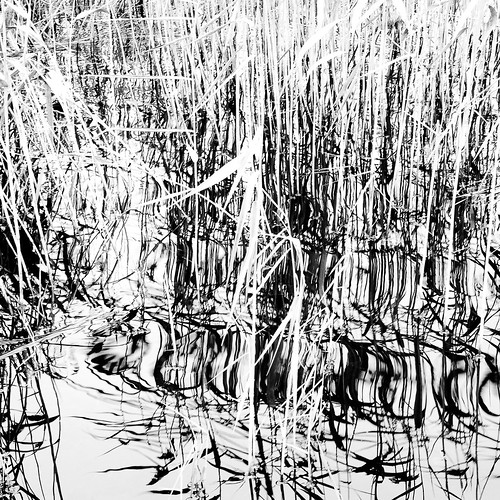
embrace the boundless

embrace the boundless

Embrace the boundless

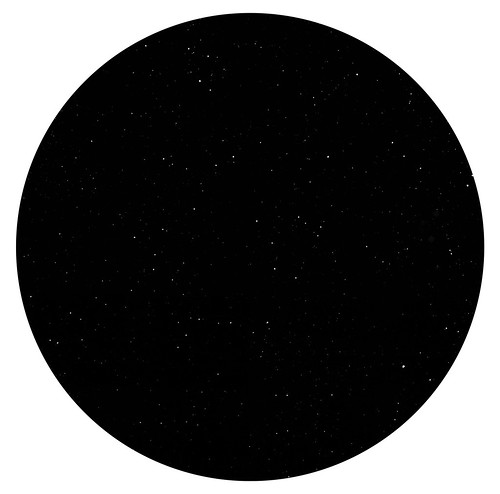
Impossible picture of the night sky
160х160 см

“The new nothing”

"The new nothing"

New series – “Polaroid Dreams”

Polaroid-II

China ink on Polaroid 2014


Polaroid-I

China ink on Polaroid 2014


China ink on Polaroid 2014


Polaroid-IV

China ink on Polaroid 2014

Horizon

Horizon

Whitey album … … … …

СONTEMPORARY DRAWING (Marble Palace)

Главная цель выставки — показать специфику функционирования рисунка в современном российском искусстве.

Основной раздел экспозиции объединяет произведения 1990–2000-х годов, однако представлены и более ранние материалы, преимущественно связанные с концептуализмом советского периода. Выставка демонстрирует различные способы актуализации искусства рисунка и его технической стороны.

Сегодня рисунок уже не ограничивается карандашом и бумагой, он выходит за рамки привычных норм — осваивает новые территории и экспериментирует с нетрадиционными материалами. Рисунок преодолевает узкие рамки традиционного понимания и, подобно новым медиа — фотографии и видео, — становится одним из универсальных языков современной культуры.

Экспозиция представляет следующие направления актуального рисунка:

  • Традиционный рисунок, связанный с новыми формами, выразительными средствами и ситуациями; манипуляции с выразительными приёмами академического учебного рисунка, увеличение до масштаба холста, включение в инсталляции.
  • Концептуальный рисунок, включая период становления этого направления (проект «Медицинская герменевтика», Д. Пригов, Н. Алексеев).
  • Постконцептуальный рисунок как реакция на виртуальную реальность (И. Разумов, Ю. Застава, М. Ша).
  • Расширение рисунка на территорию фотографии и активное взаимодействие с этим видом искусства (М. Ксута, Е. Гор, Г. Майофис, В. Мамышев-Монро).
  • Так называемый «другой рисунок», где карандаш и перо заменены ацетиленовой горелкой, лазером и точкой, линия — металлическим прутом, проволокой, иглами и ватой, а лист бумаги — стеной или реальным пространством (Д. Гутов, Т. Ахметгалиева, М. Арендт).
  • Рисунок, использующий традиции комикса (Ю. Александров, Г. Литичевский).
  • Современный социально-ориентированный рисунок — репортажи с митингов и судебных заседаний, граффити (В. Ломаско, В. Сальников, Паша 183).
  • Рисунок на чужеродных поверхностях (человеческое тело) (Танатос Банионис, программа ESCAPE, В. Айзенберг).
  • Рисунок, видео и компьютер: формы взаимодействия (Д. Тер-Оганян, В. Пушницкий).

Выставка поддержана Фондом Петра и Ирены Людвиг.


The main goal of the exhibition is to present the specific role and functioning of drawing in contemporary Russian art.

The core section of the show brings together works from the 1990s–2000s, while also including earlier materials, primarily connected with Soviet-era conceptualism. The exposition demonstrates various ways in which the art of drawing is being actualized today, as well as its technical aspects.

Nowadays, drawing is no longer limited to pencil and paper. It breaks free from conventional norms, conquers new territories and experiments with non-traditional materials. Drawing overcomes the narrow frameworks of traditional understanding and, like new media such as photography and video, becomes one of the universal languages of contemporary culture.

The exhibition presents the following approaches to contemporary drawing:

  • Traditional drawing connected with new forms, expressive means and situations; manipulation with the expressive techniques of academic drawing, scaling up to the size of a canvas, and inclusion in installations.
  • Conceptual drawing, including the period of the formation of this trend (Medical Hermeneutics Inspection project, D. Prigov, N. Alexeev).
  • Post-conceptual drawing as a reaction to virtual reality (I. Razumov, Yu. Zastava, M. Sha).
  • Expansion of drawing into the territory of photography and active interaction with this medium (M. Ksuta, E. Gor, G. Mayofis, V. Mamyshev-Monro).
  • So-called “Another Drawing”, where the pencil and quill are replaced by an acetylene welding torch, laser and point; the line — by a metal rod, wire, needles and cotton wool; and the sheet of paper — by a wall or real space (D. Gutov, T. Akhmetgalieva, M. Arendt).
  • Drawing that uses the traditions of the comic strip (Yu. Alexandrov, G. Litichevsky).
  • Contemporary socio-political drawing — reportages from rallies and court sessions, graffiti (V. Lomasko, V. Salnikov, Pasha 183).
  • Drawing on alien surfaces (the human body) (Tanatos Banionis, ESCAPE program, V. Aizenberg).
  • Drawing, video and computer: forms of interaction (D. Ter-Oganian, V. Pushnitsky).

The exhibition is supported by the Peter and Irene Ludwig Foundation.

Via … … … …

“The Decline of Europe”

Pen, ink, paper, 140x100cm

“Phantom-III” Pen, ink, paper, 140×100 cm


detail


Pen, ink, paper, 100x60cm

“Phantom-I” Pen, ink, paper, 100×60 cm


detail


Pen, ink, paper, 140x100cm

 “Phantom-II” Pen, ink, paper, 140×100 cm


detail

Series – “The Decline of Europe” is made based on engravings 17-18 ages.