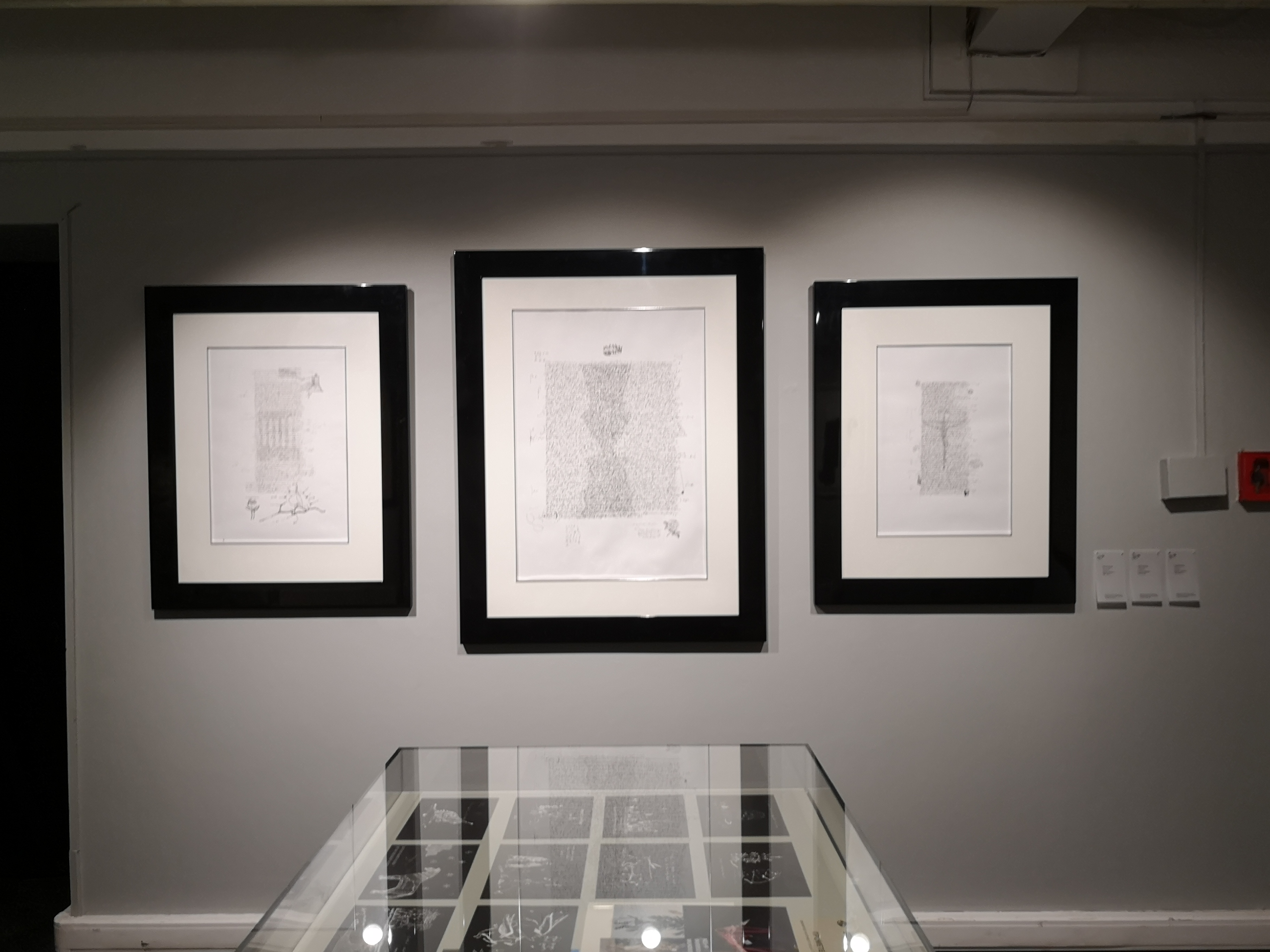
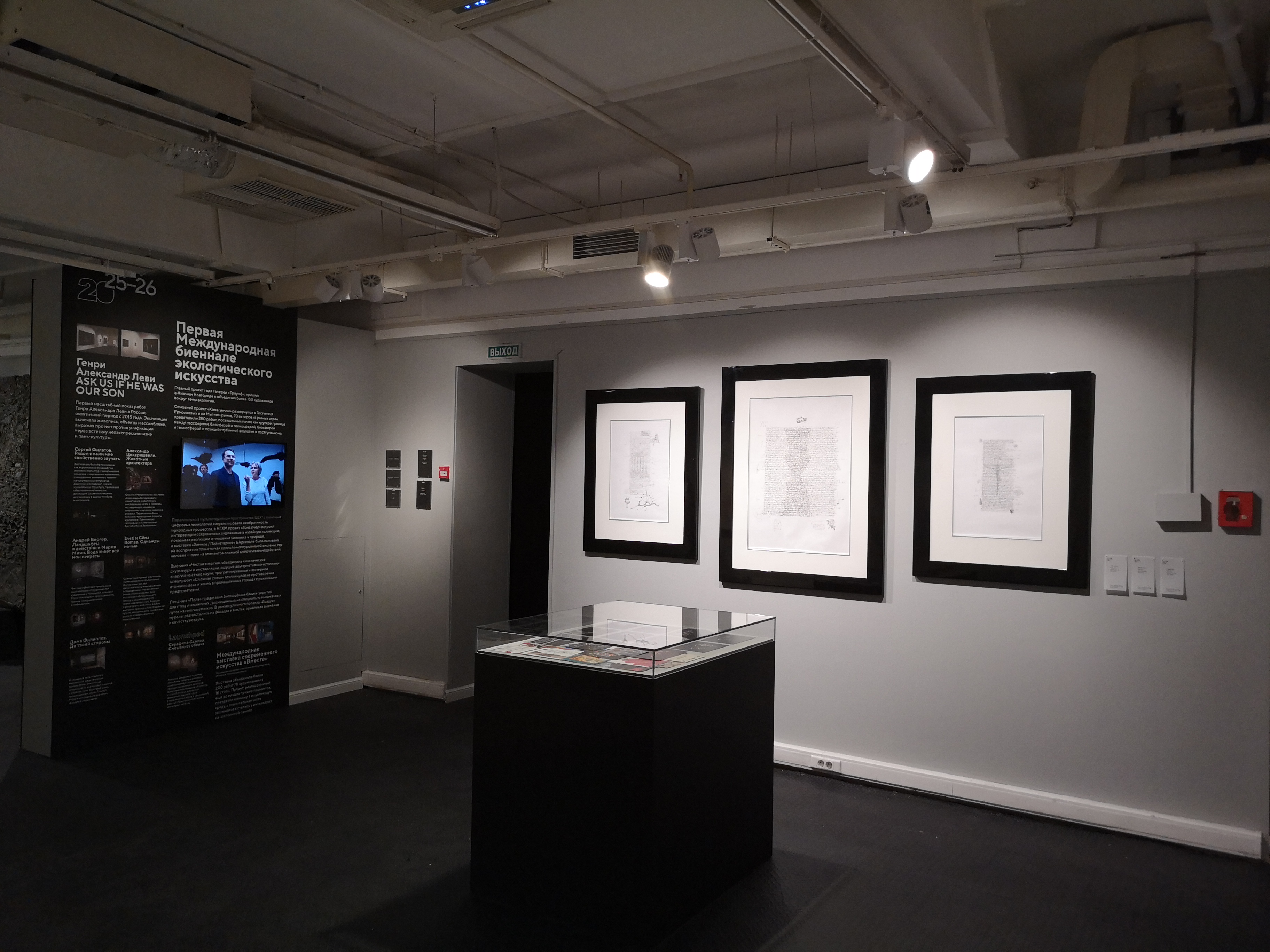
Галерея «Триумф» отмечает 20-летие масштабным выставочным проектом «Триумф. Избранное».
Проект состоит из двух частей. Первый «том», открывающий юбилейный цикл, посвящён художникам, сформировавшим образ галереи. Экспозиция выстраивается как нелинейное повествование, пространство которого собрано из множества индивидуальных творческих судеб.
Экспозиция исследует путь институции от классической частной галереи до гибридной платформы, которая объединяет выставочные, музейные и исследовательские проекты.
Отдельный блок посвящён проектам, реализованным в рамках программ Launchpad, «Отцы и дети», «Молодые львы» и «Большие надежды»
Выставка предоставляет возможность увидеть работы в контексте их первого появления на публике — через архивные материалы, реконструкции инсталляций и авторские парафразы знаковых проектов.
Triumph Gallery marks its 20th anniversary with the large-scale exhibition project “Triumph. Selected Works.”
The project consists of two parts. The first “volume,” opening the anniversary cycle, is dedicated to the artists who shaped the gallery’s identity. The exhibition is built as a non-linear narrative, its space assembled from a multitude of individual creative trajectories.
The exhibition traces the institution’s path from a classical private gallery to a hybrid platform that brings together exhibition, museum, and research projects.
A separate section is devoted to projects realized within the Launchpad, “Fathers and Sons,” “Young Lions,” and “Great Expectations” programs.
The exhibition offers an opportunity to see the works in the context of their first public appearance — through archival materials, reconstructions of installations, and the artists’ own paraphrases of landmark projects.
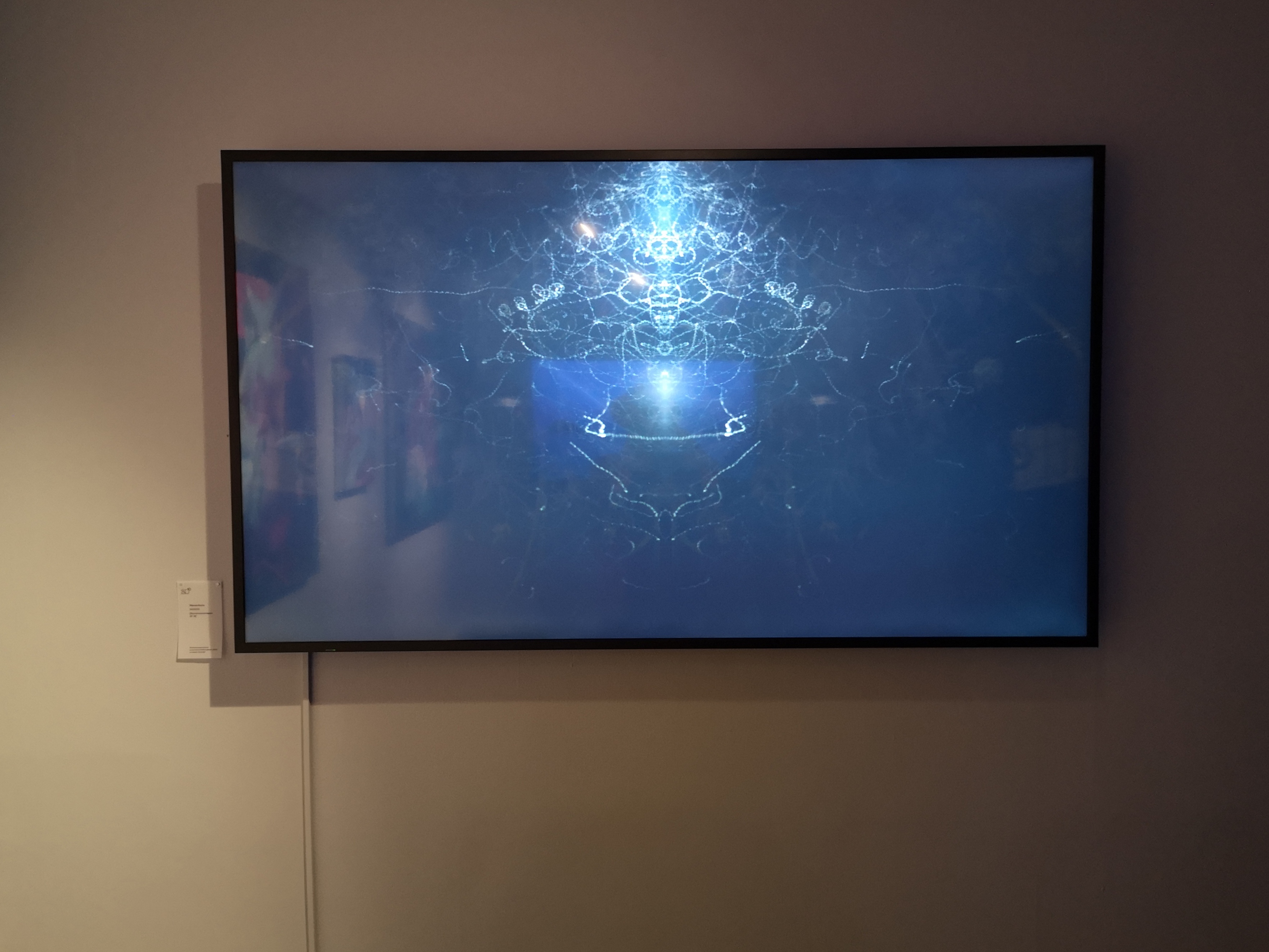
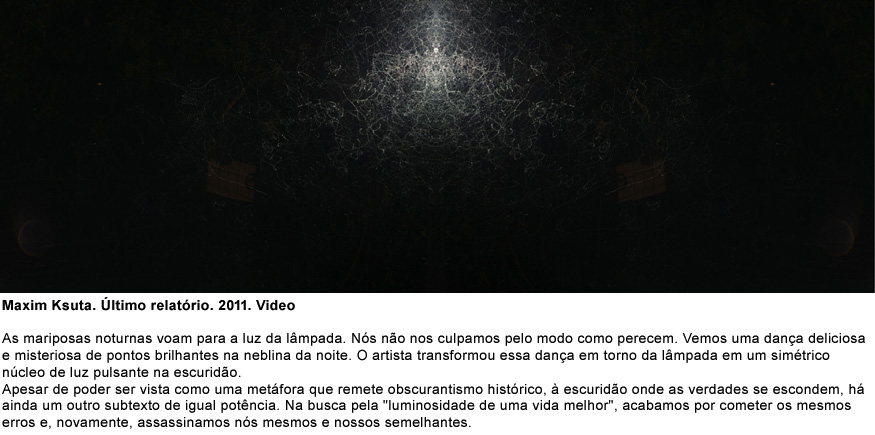
Этот проект — чистое художественное выражение в том смысле, что моё вмешательство в процесс было минимальным. В данном случае художник — как автор — лишь стал свидетелем странного и редкого природного явления: причудливого танца тысяч крошечных мотыльков в световом поле уличного фонаря.
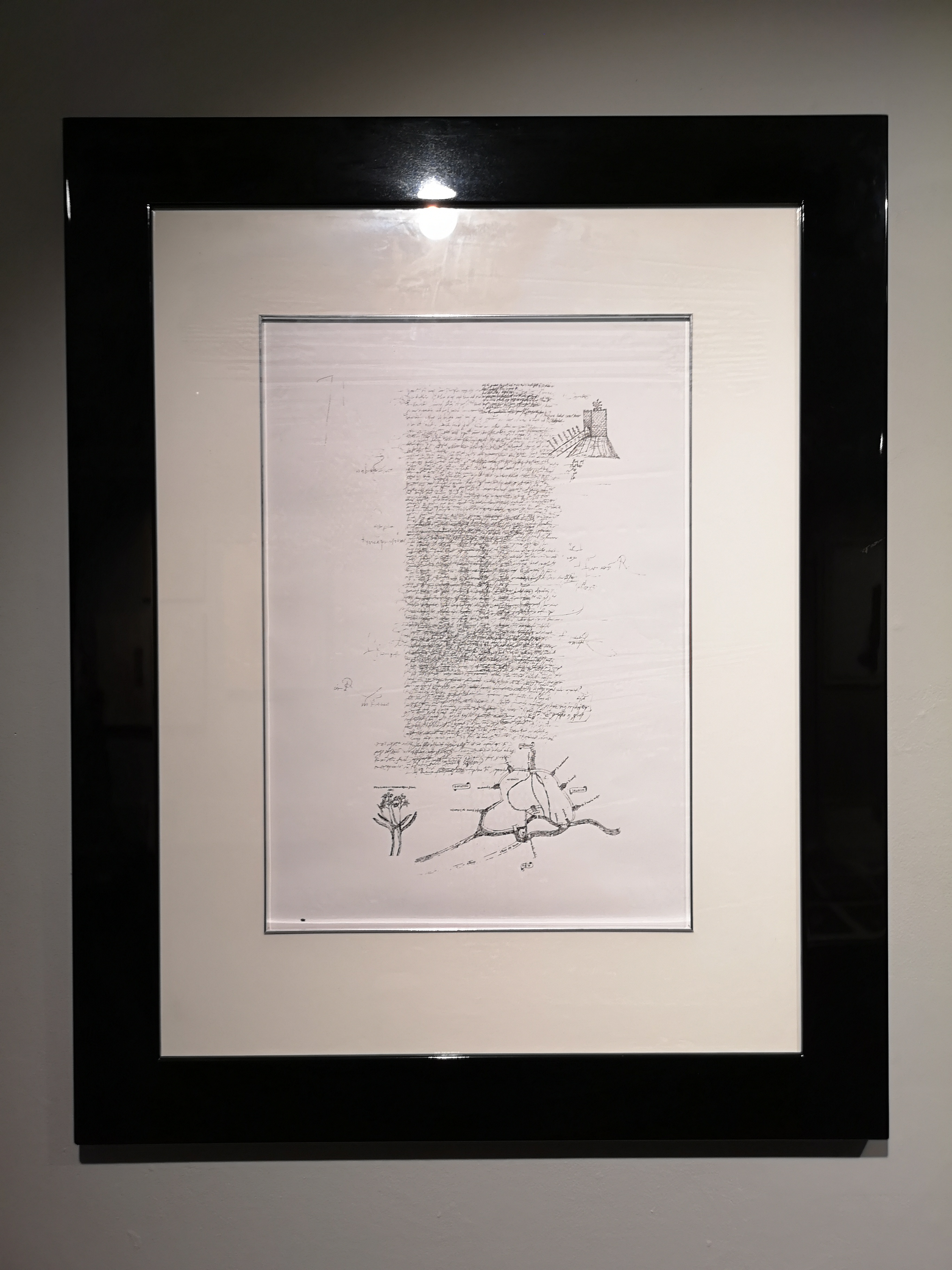
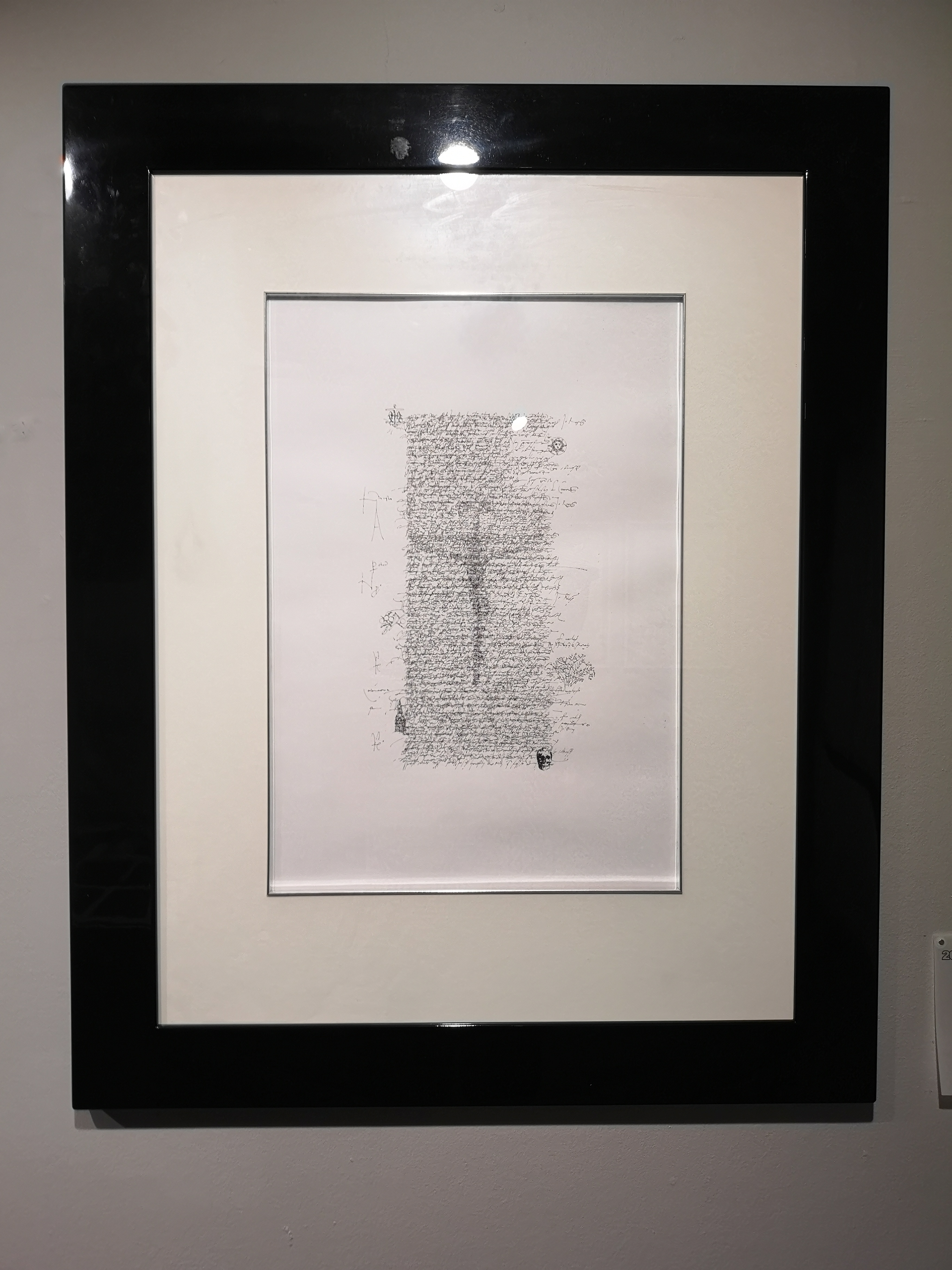
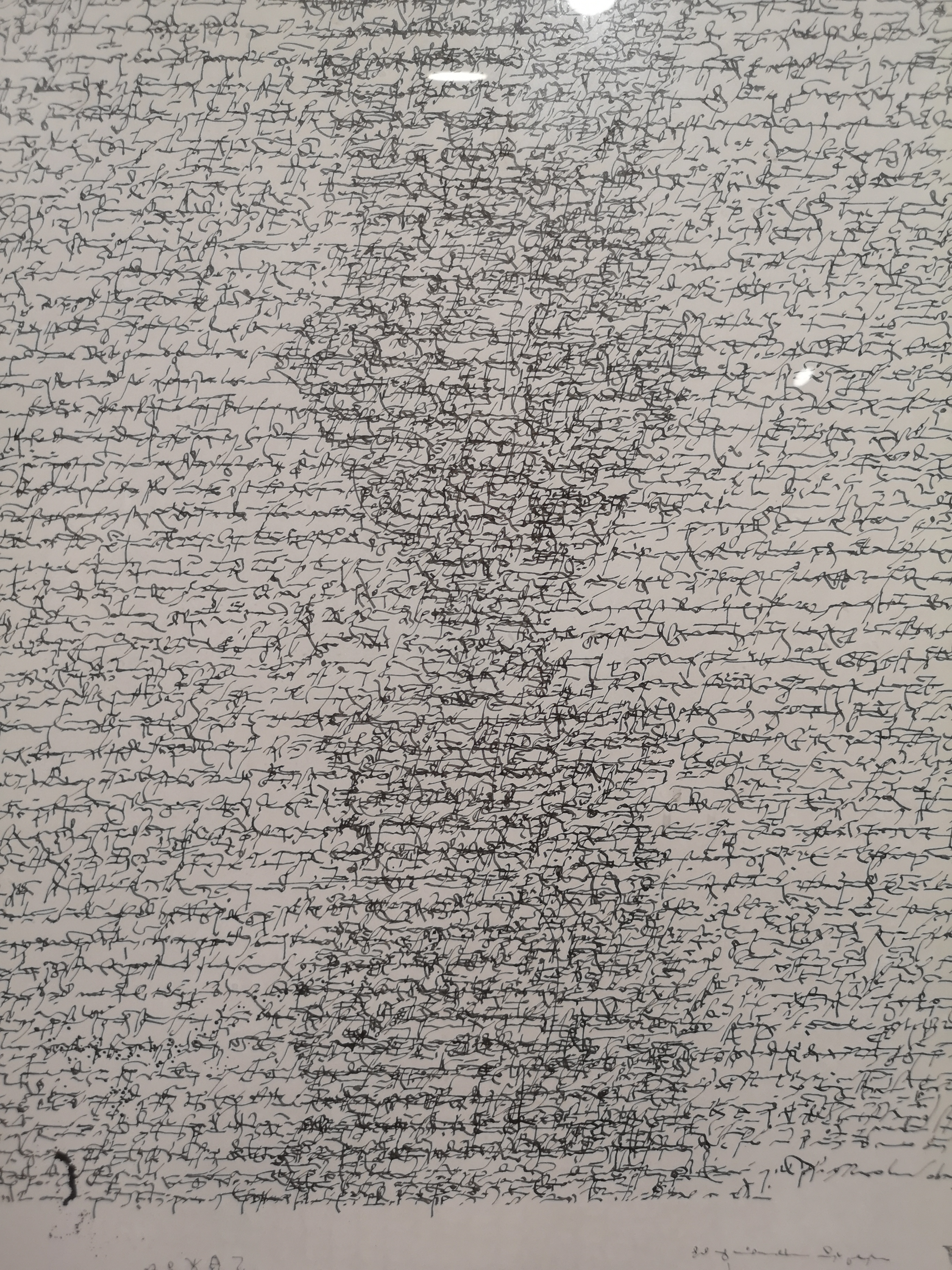
Я установил камеру, чтобы запечатлеть сцену в течение определённого периода времени с определённым интервалом между кадрами. Результатом этой экспериментальной съёмки стало около 1200 фотографий, поразительно напоминающих необычные каллиграфические техники с элементами криптографии.
Чтобы отразить динамическую природу этого явления, я решил создать видео на основе этого материала, которое теперь представляю вашему вниманию.
Учёные уже давно пытаются понять, почему так много ночных мотыльков неудержимо тянет к свету. И по сей день нет окончательного ответа. Исследователи наблюдали, что чем ярче источник света, тем сильнее он привлекает насекомых.
Например, если в тёмной местности — скажем, в поле, на лесной поляне или в саду на даче — установить две лампочки: одну мощностью 250 ватт, а другую 1000 ватт, больше мотыльков соберётся вокруг более яркой, 1000-ваттной лампы. Интересно, что видовой состав мотыльков, похоже, не влияет на это поведение.
Но почему мотыльки начинают быстро кружиться вокруг горящей лампы, приближаясь к ней? Оказывается, что во время полёта эти насекомые ориентируются, удерживая источник света под постоянным углом — в частности, они пытаются поддерживать световой луч перпендикулярно оси своего тела. Поскольку искусственные источники света являются точечными, их лучи распространяются радиально. Когда мотыльки приближаются к такому свету, они пытаются держать себя перпендикулярно лучам, которые расположены по кругу — и мы, в свою очередь, очарованы их стремительным спиральным танцем вокруг светящихся фонарей.
Maxim Ksuta, Full HD Video Installation
This project is a pure artistic expression, in the sense that my intervention in the process was minimal. In this case, the artist—as the author—merely witnessed a strange and rare natural phenomenon: the bizarre dance of thousands of tiny moths within the light field of a streetlamp.
I set up the camera to capture the scene over a certain period of time with a specific interval between shots. The result of this experimental recording was around 1,200 photographs that strikingly resemble unusual calligraphic techniques, with elements of cryptography.
To reflect the dynamic nature of this phenomenon, I decided to create a video based on this footage, which I now present to your attention.
Scientists have long been trying to understand why so many nocturnal moths are irresistibly drawn to light. And to this day, there is no definitive answer. Researchers have observed that the brighter the light source, the more strongly it attracts insects.
For instance, if two lightbulbs are set up in a dark area—say, in a field, a forest clearing, or a garden at a summer cottage—one with 250 watts and the other with 1,000 watts, more moths will gather around the brighter, 1,000-watt bulb. Interestingly, the species composition of the moths doesn’t seem to influence this behavior.
But why do moths begin to circle rapidly around a lit lamp as they approach it? It turns out that during flight, these insects navigate by keeping a light source at a constant angle—specifically, they try to maintain the light beam perpendicular to the axis of their bodies. Since artificial lights are point sources, their rays spread out radially. As moths approach such a light, they attempt to keep themselves perpendicular to the rays, which are arranged in a circular pattern—and we, in turn, are captivated by their swift, spiraling dance around glowing lanterns.
Pandit Pran Nath was one of the last great masters of the Kirana gharana, a North Indian vocal tradition rooted in deep spirituality and microtonal precision. Born in 1918 in India, he was a disciple of the legendary Abdul Wahid Khan. In the 1970s, he became a guru and spiritual teacher to Western minimalist composers such as La Monte Young, Terry Riley, and Marian Zazeela. His music is not a performance in the Western sense — it is sādhanā, a spiritual practice of sound as a path to transcendence.
🎶 About the Album: Ragas of Morning and Night
(Released in 1986 on Gramavision Records)
This album features two traditional ragas, ancient Indian musical forms designed to evoke specific moods and states of consciousness, each associated with a particular time of day.
1. Raga Todi(Morning Raga)
Performed at sunrise.
Mood: introspective, delicate, meditative.
It reflects the awakening of nature, the unfolding of light.
The vocal line slowly develops over a drone, dwelling in microtones — it feels as if each note trembles gently like a petal in the mist.
2. Raga Darbari(Night Raga)
Meant to be performed at night.
Mood: deep, mysterious, hypnotic.
Darbari is one of the most majestic and emotionally intense ragas in Indian music.
Pran Nath’s voice resonates like a mantra — not with words, but with pure emotional truth through sound.
🔊 The Sound
No melodic instruments are used, only tanpura (drone) and tabla (rhythm).
The development is very slow and contemplative, nearly a form of sonic meditation.
There’s no linear melody — instead, it explores the depth of a single tone, a single vibration.
🌀 Influence on Western Music
This album — and Pandit Pran Nath himself — had a profound impact on American minimalist music. Artists like La Monte Young, Terry Riley, Jon Hassell, and even Brian Eno either studied with him or drew inspiration from his approach to extended duration and microtonality. These ragas are more than music — they’re a transmission of inner states and meditative stillness through the human voice.
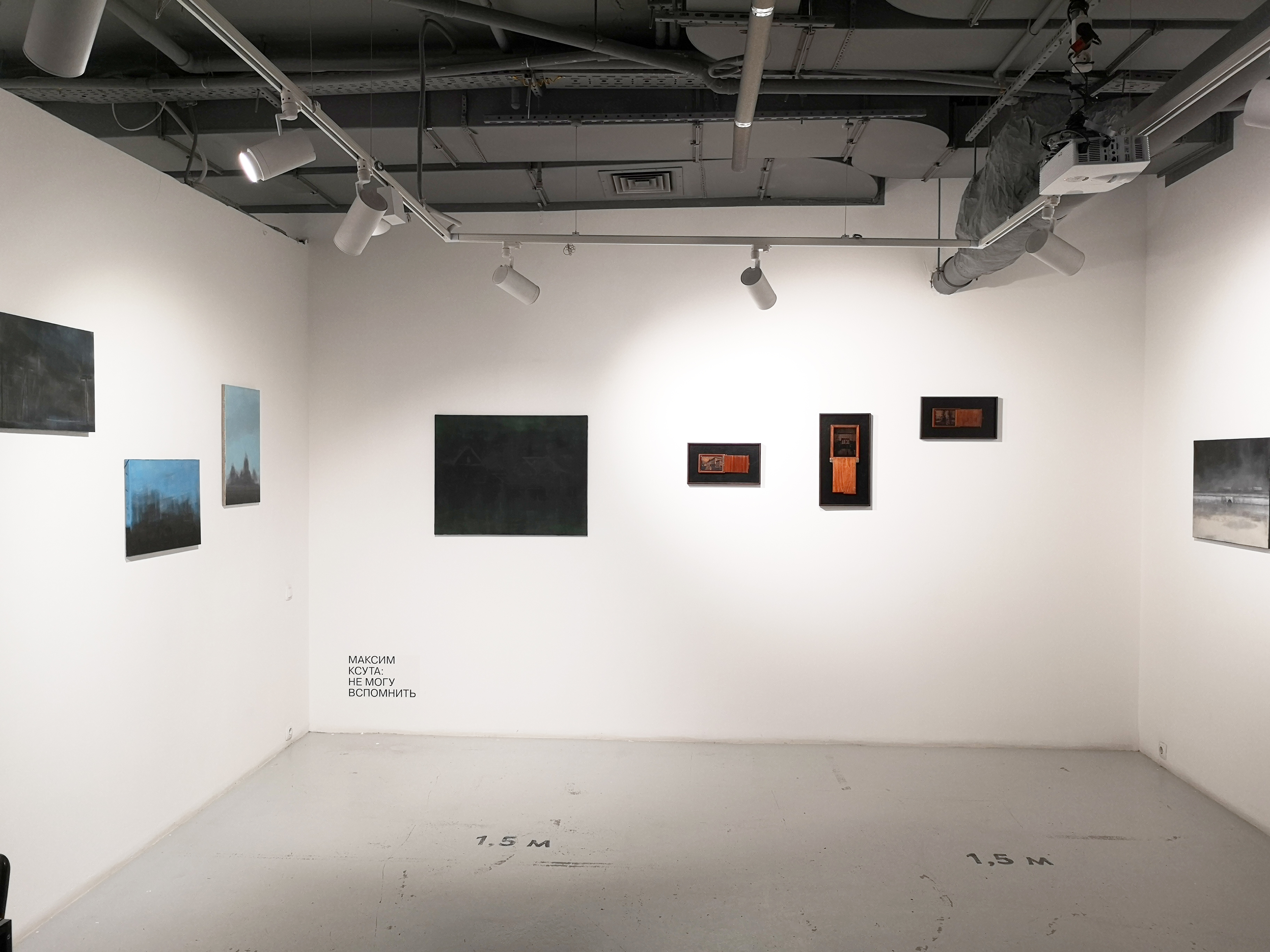
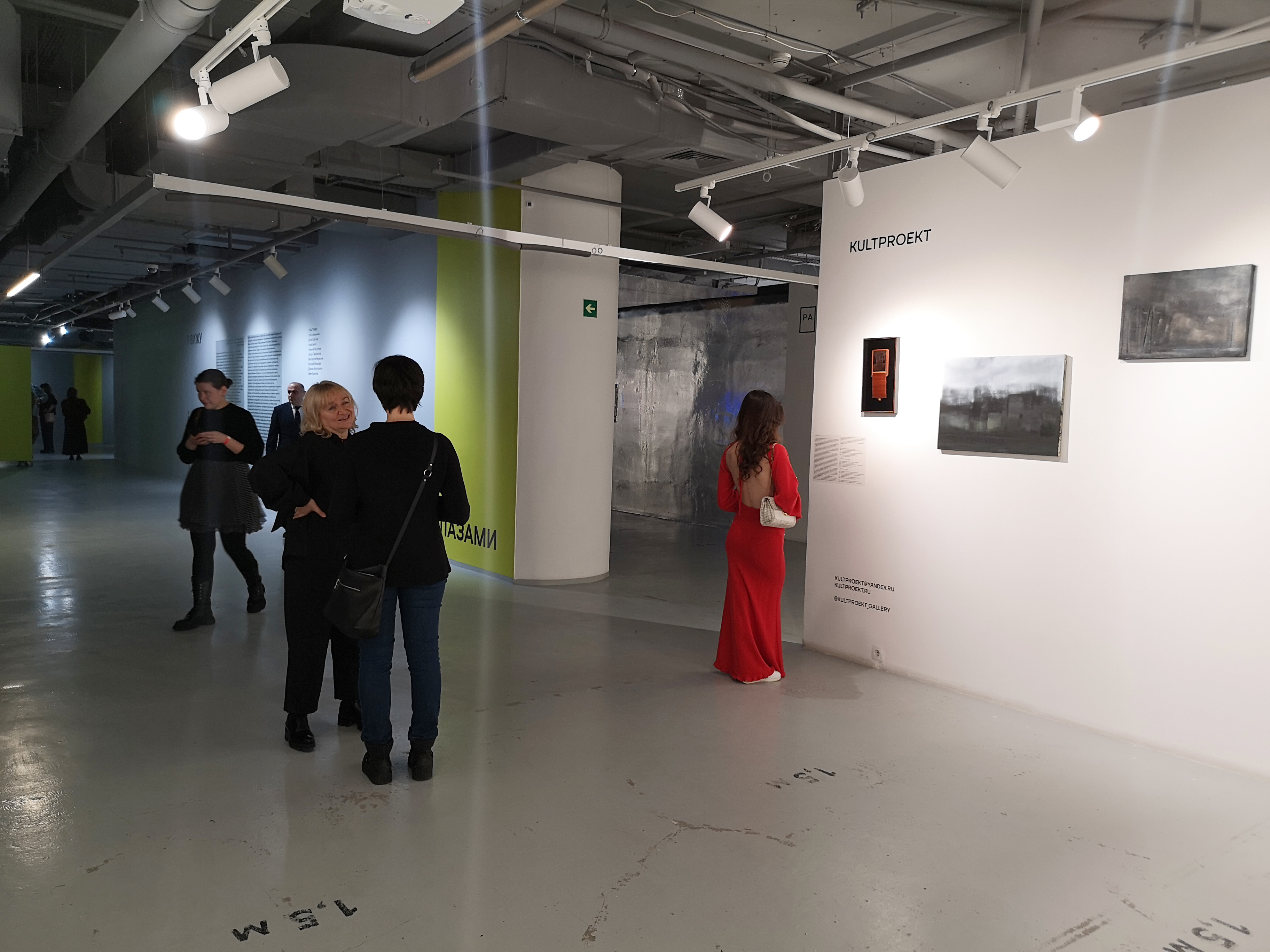
“Не могу вспомнить”, галерея Культпроект, Куб, Москва
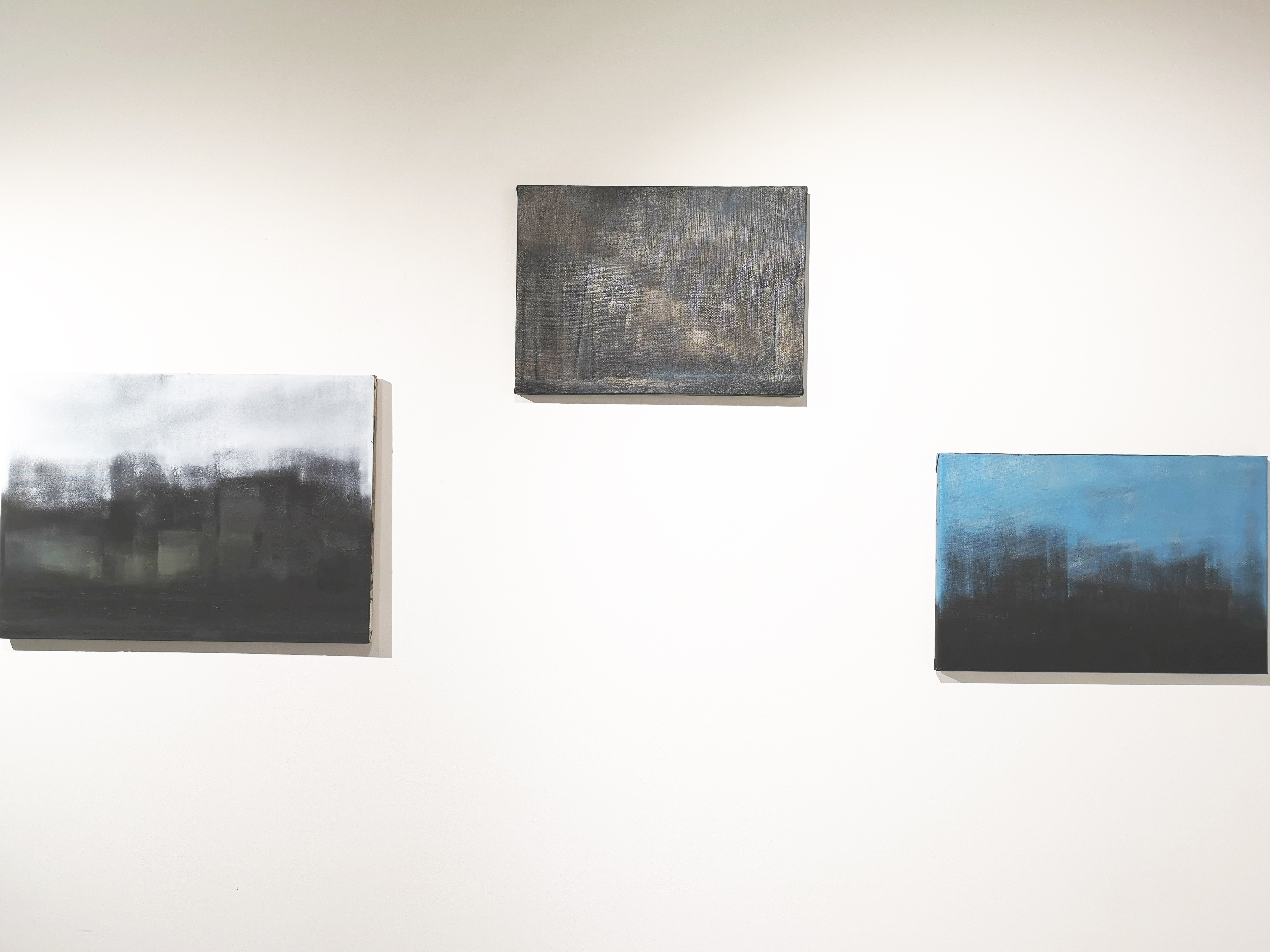
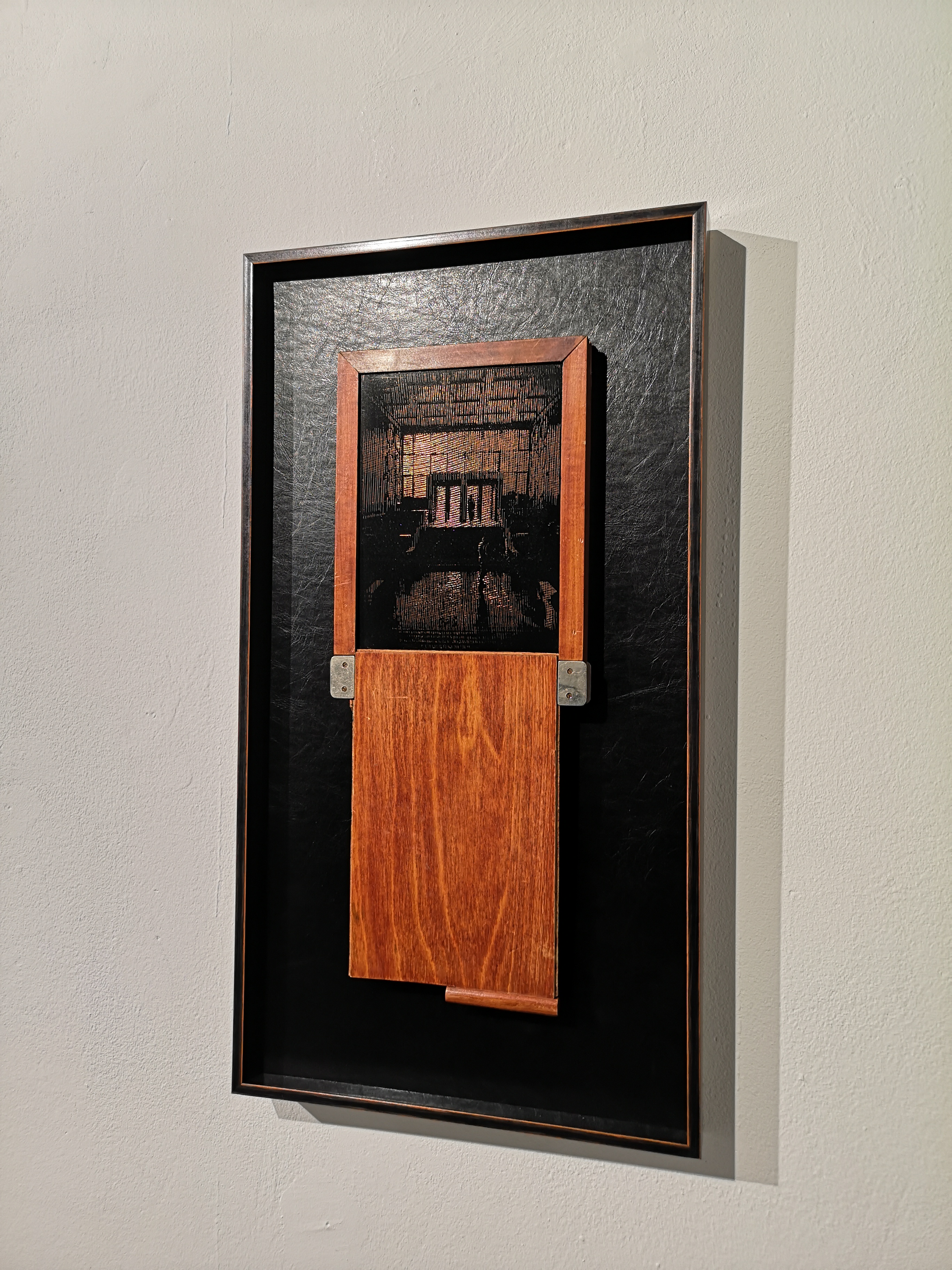
Вдохновение можно найти в самых неожиданных местах. Для меня оно пришло в виде цветных композиций, которые остаются на стенах и заборах после того, как анонимные маляры, работающие на коммунальные службы, закрашивают нежелательный граффити.
Вместо того чтобы полностью стереть следы уличного искусства, они всегда оставляют странные пятна, которые иногда напоминают пейзажи. Это явление заставило меня задуматься о природе памяти — её неустойчивости, хрупкости и абстрактности.
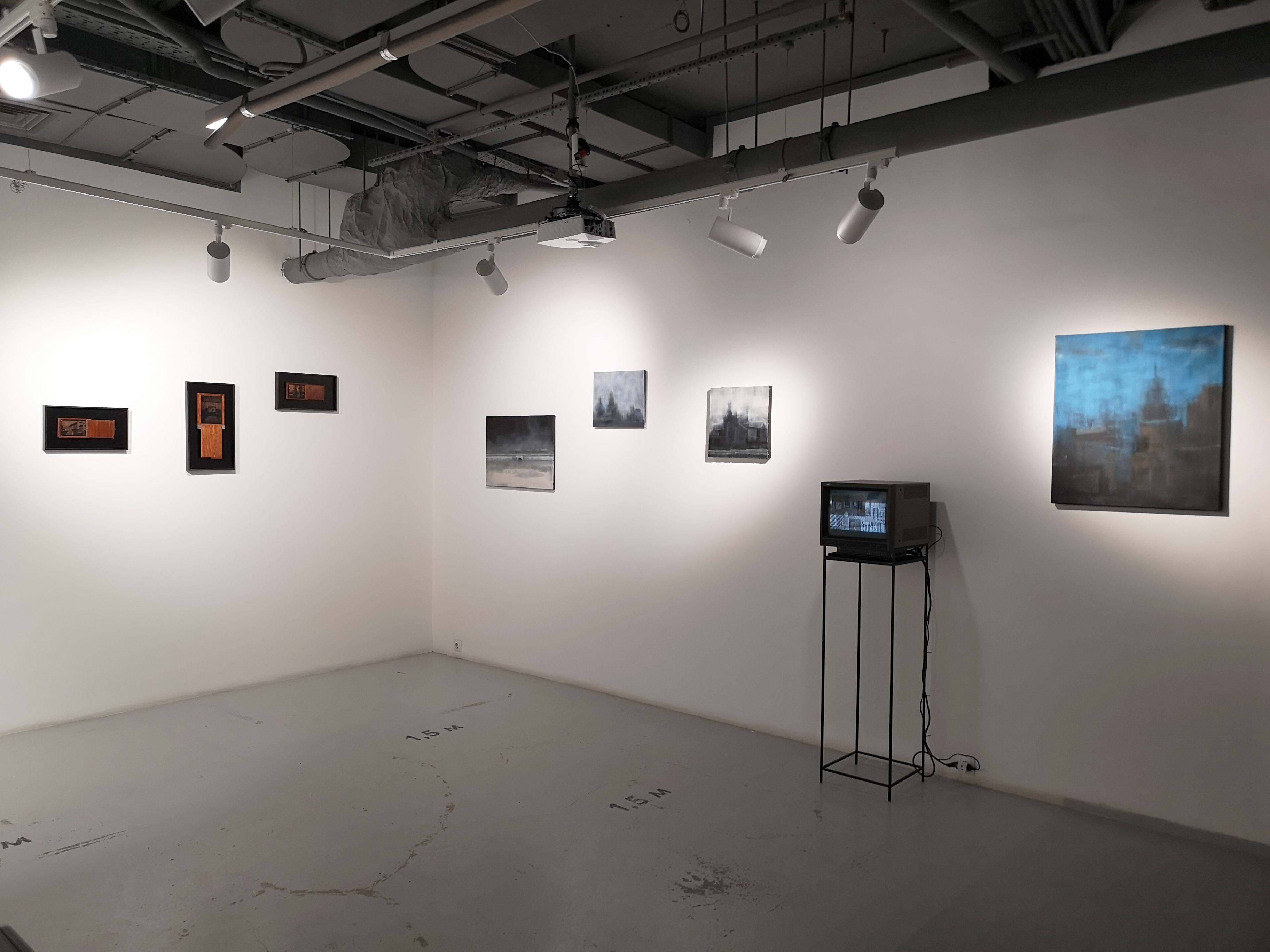
В своих работах я попытался воплотить эту идею визуально, создавая абстрактные образы, которые вызывают ощущение узнавания, но при этом оставляют пространство для свободной интерпретации. Каждая картина — это сочетание размытых форм и цветов, которые могут напоминать что-то знакомое, но так и не становятся полностью различимыми.
Работая с фактурой и многослойной живописью, я стремился передать сложность процесса воспоминания. Ведь эти картины — не точное изображение конкретного момента или места, а скорее абстрактное отражение состояния сознания в момент попытки вспомнить что-то утраченное. Зрителю предоставляется полная свобода индивидуальной интерпретации.
Видео, представленное на выставке, — это слайд-шоу из моих фотографий, загруженных в социальную сеть Instagram за последние 12 лет (сеть сейчас запрещена в России). Каждый кадр из этого фотоархива становится звеном во времени и мелькает так быстро, что невозможно разглядеть все детали. Этот эффект очень похож на то, как наша память иногда искажает и неточно воспроизводит старые моменты.
Inspiration can be found in the most unexpected places. For me, it came from the colorful compositions left on walls and fences after municipal workers paint over graffiti deemed undesirable by the city authorities.
Instead of completely erasing the traces of street art, they often leave behind strange, blurred stains — sometimes resembling mysterious landscapes. This phenomenon made me reflect on the nature of memory: its fragility, instability, and abstract quality.
In my works, I have tried to visually embody this idea by creating abstract images that evoke a sense of familiarity while remaining open to interpretation. Each painting consists of blurred shapes and colors that seem to hint at something recognizable, yet never fully reveal themselves.
Through working with texture and multiple layers of paint, I sought to convey the complex and elusive process of remembering. These paintings are not precise depictions of a specific moment or place, but rather abstract reflections of the mind’s state while trying to recall something lost. The viewer is invited to interpret them freely.
The video presented at the exhibition is a slideshow of photographs I uploaded to Instagram over the past 12 years (a social network now banned in Russia). Each frame from this personal archive flashes by so quickly that it is impossible to catch all the details. This effect mirrors how our memory often distorts and inaccurately reconstructs past moments.
Галерея «Триумф» (Москва) представит своих ключевых художников на выставке «Другие берега» в Манеже. Этот проект исследует возможности сохранения и передачи опыта и знаний через личные заметки, карты и маршруты. В основе выставки лежит идея «психогеографического дрейфа» — изучения городской среды через личный эстетический и эмоциональный опыт (термин, введенный Ги Дебором).
В своих работах художники осмысляют перемены в современном мире. Реальность, которую они воссоздают в инсталляциях, видео, живописи и скульптуре, превращается в подлинную мозаику наблюдений, фрагментов коллективной памяти и фантазий о возможном будущем.
Название выставки отсылает к ряду культурных контекстов. Один из них — автобиография Владимира Набокова, которая возвращает нас к эпизодам его детства и юности, а также к его переезду с одного континента на другой.
Triumph Gallery (Moscow) will present its key artists at the Other Shores exhibition at the Manege. This project explores the ways in which experience and knowledge are preserved and transmitted through personal notes, maps, and routes. The exhibition is rooted in the concept of psychogeographical “drifting” (dérive)—the study of the urban environment through one’s own aesthetic and emotional experience (a term introduced by Guy Debord).
In their works, the artists conceptualize the shifts occurring in today’s world. The reality they reconstruct through installations, videos, paintings, and sculptures becomes a true mosaic of observations, fragments of collective memory, and visions of a potential future.
The exhibition’s title alludes to several cultural narratives. Primary among them is Vladimir Nabokov’s autobiography, which revisits episodes of his childhood and adolescence, as well as his migration from one continent to another.