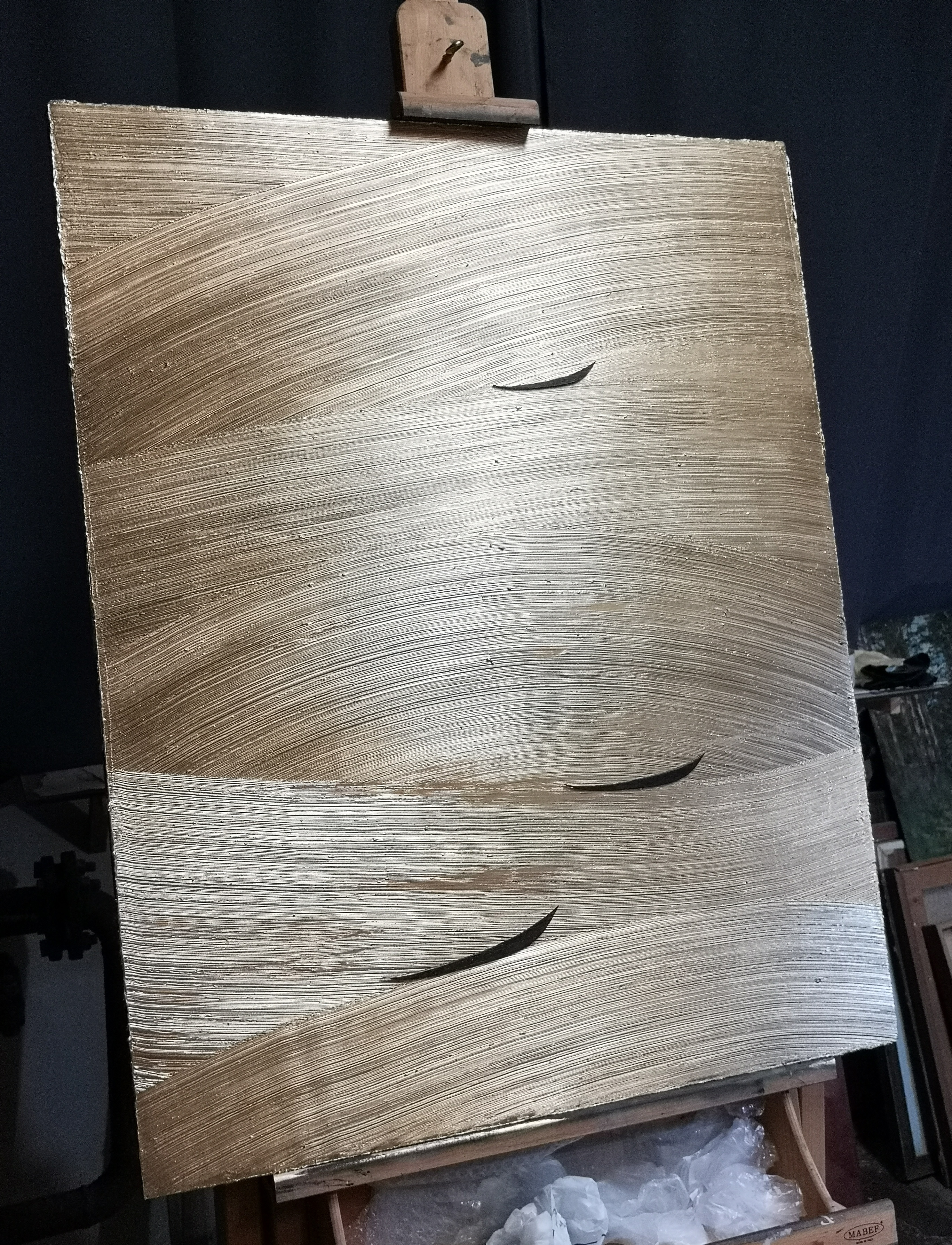
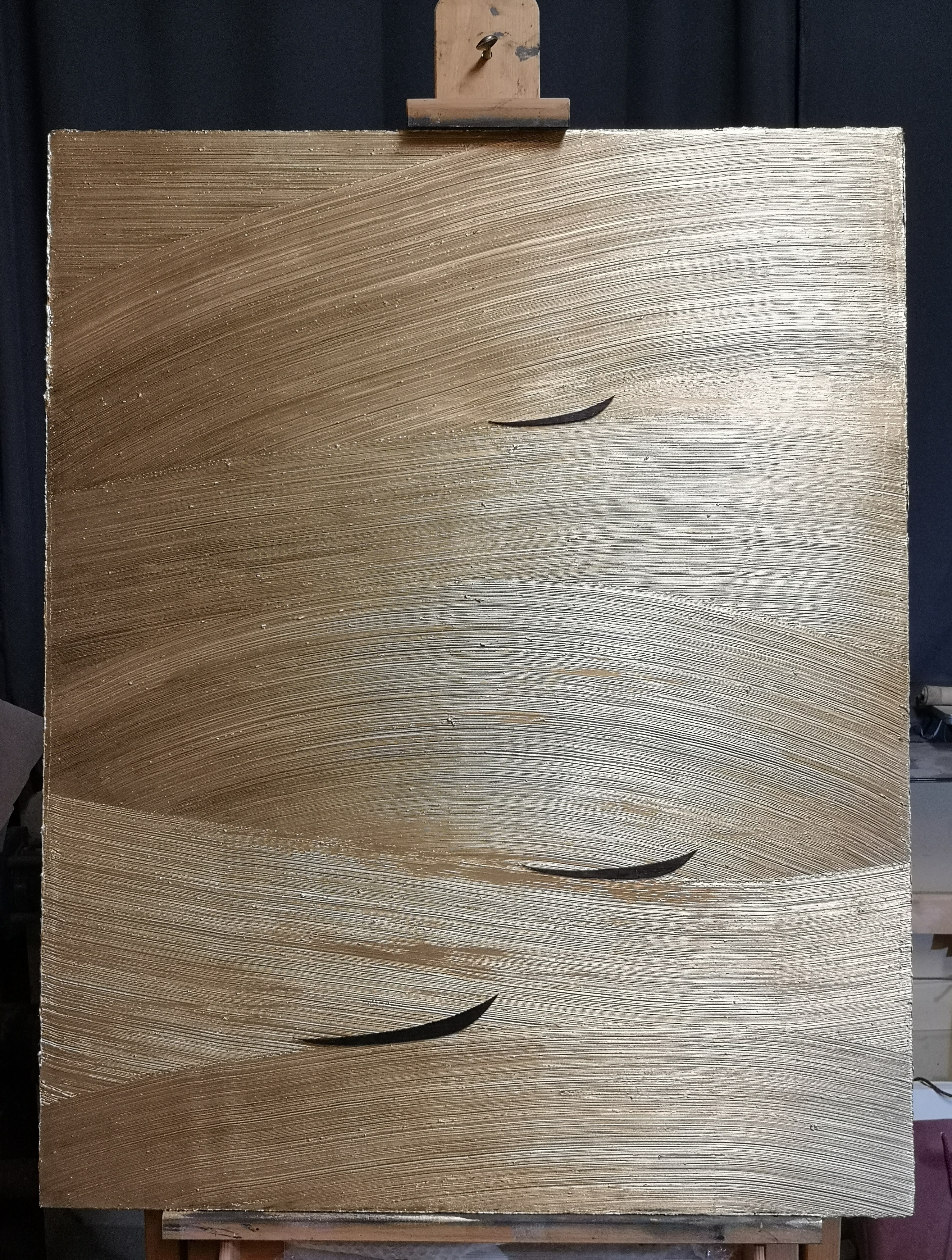
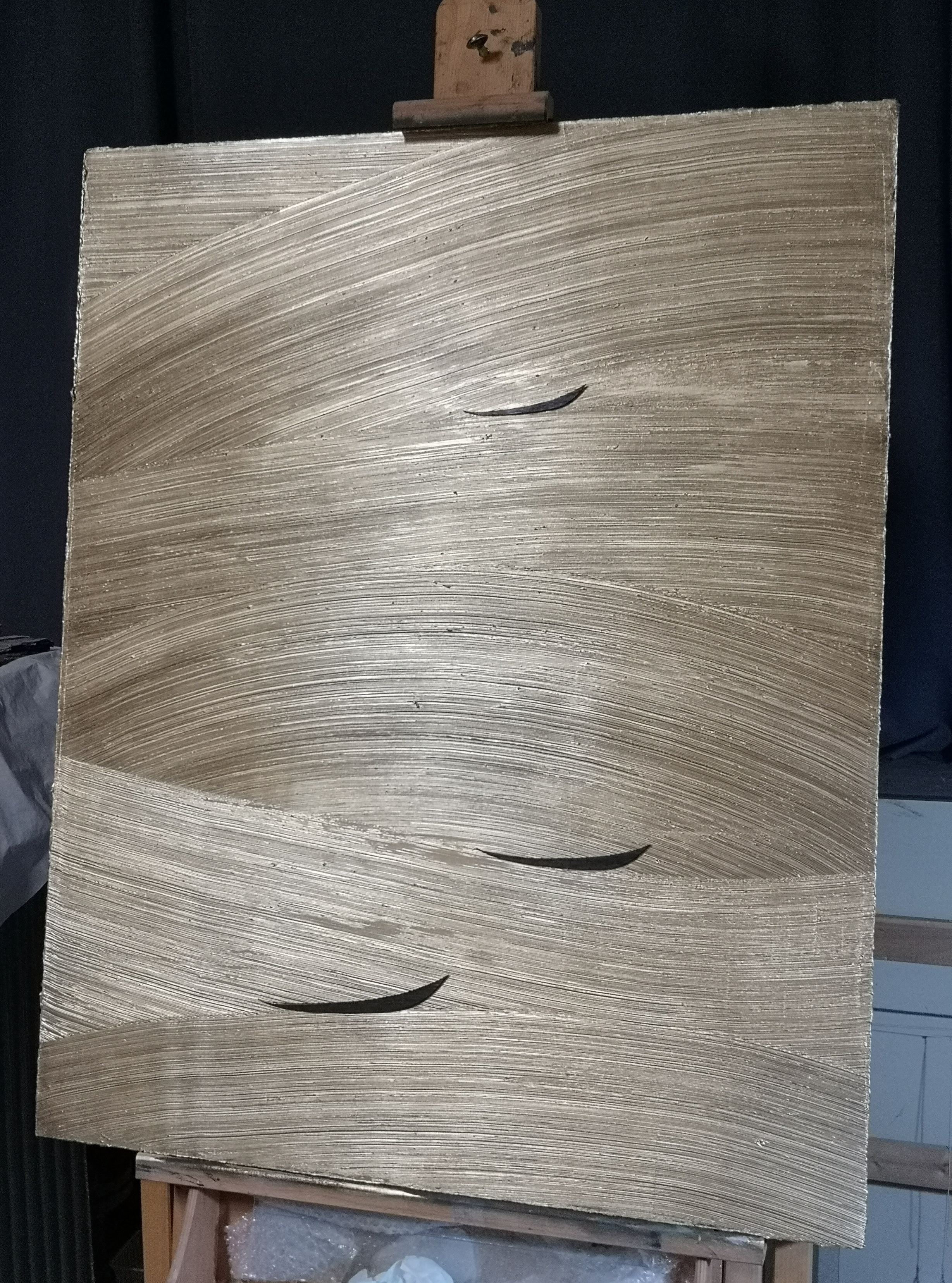
The canvas unfolds as a space where light itself turns into living matter. Sweeping, wave-like strokes create a shimmering surface that evokes the sea filled with sunlight. Here, yellow and gold are not decorative, but the very substance of light stretched into infinity.
Against this luminous field, three black lines — boats — become strikingly clear. They appear both fragile and resolute, like shadows drifting into the distance. These boats transform the abstract expanse into a seascape: the sea gains dimension, and the light acquires a human scale.
The painting balances between abstraction and figuration. There is no conventional horizon, yet there is the feeling of a journey. The boats seem suspended in the golden swell — in boundlessness, where movement and stillness are one.
Yellow Sea resonates as a meditation on human presence within the elements: not confrontation, not fusion, but a subtle equilibrium. The sea and the light are no backdrop, but a space where the boat becomes a sign of the path unfolding through radiance.
The Modesty of Form as a Challenge to Dominant Taste By Pierre Bourdieu
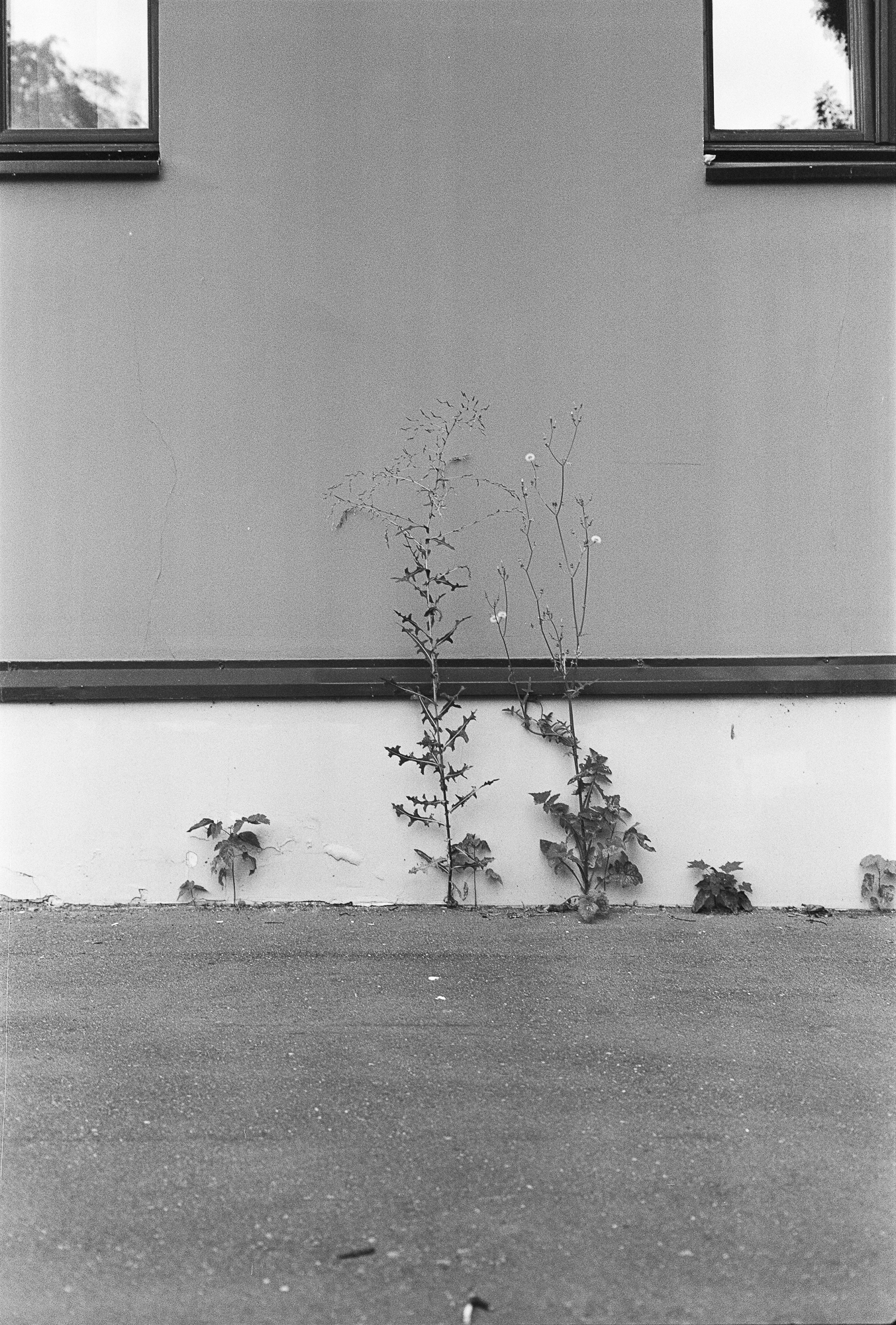
At first glance, this photograph may seem banal: a plant pushing through the asphalt by a building wall, two windows cut off by the frame, the smooth texture of the plaster. But, as is often the case within the fields of cultural production, banality itself becomes a form of resistance.
We must ask the central question: why does such an image deserve aesthetic recognition? Who has the authority to assign meaning to something so “insignificant”? This is not merely a photograph of a plant — it is a manifesto of taste, rejecting the preferences of the dominant classes, for whom “beauty” consists of Tuscan landscapes, nude bodies, or architecture worthy of Architectural Digest.
This image refuses to participate in the spectacle. It presents what has been neutralized by everyday life, what lacks recognized status. And in doing so, it performs a gesture — a gesture of reflexive aesthetics, an aesthetics that is distanced, almost ascetic. It positions itself within the space of “high culture,” but does so by inverting its codes — by showing the insignificant, by focusing on details the elite are trained to ignore.
Look at the two window frames, mirrored in their distance from the center but offset toward the top. Their symmetry is asymmetrical. This is the very structure of social space: it appears logical, but in reality, it is a field of struggle. Just like here — aesthetic symmetry is disrupted, as the balance between cultural capital and access to it is always unequal.
But there is a more subtle point. The plant pushing through the crack is a metaphor for habitus, the embodied carrier of structure. It does not grow just anywhere, but where conditions permit. It does not choose freedom — it acts within the realm of the possible. And yet it exists. Its form is the form of forced adaptation.
Perhaps the photographer did not intend this kind of social deconstruction, but in the field of art, intention is not always key. What matters is the work’s position within the structure of the field. And here, in this photograph, I see a work that rejects ornamentation, refuses to display technique, and instead elevates the ordinary to the level of the worthy.
It is precisely this kind of photograph that challenges not only academic taste but the entire system of its production and legitimation.
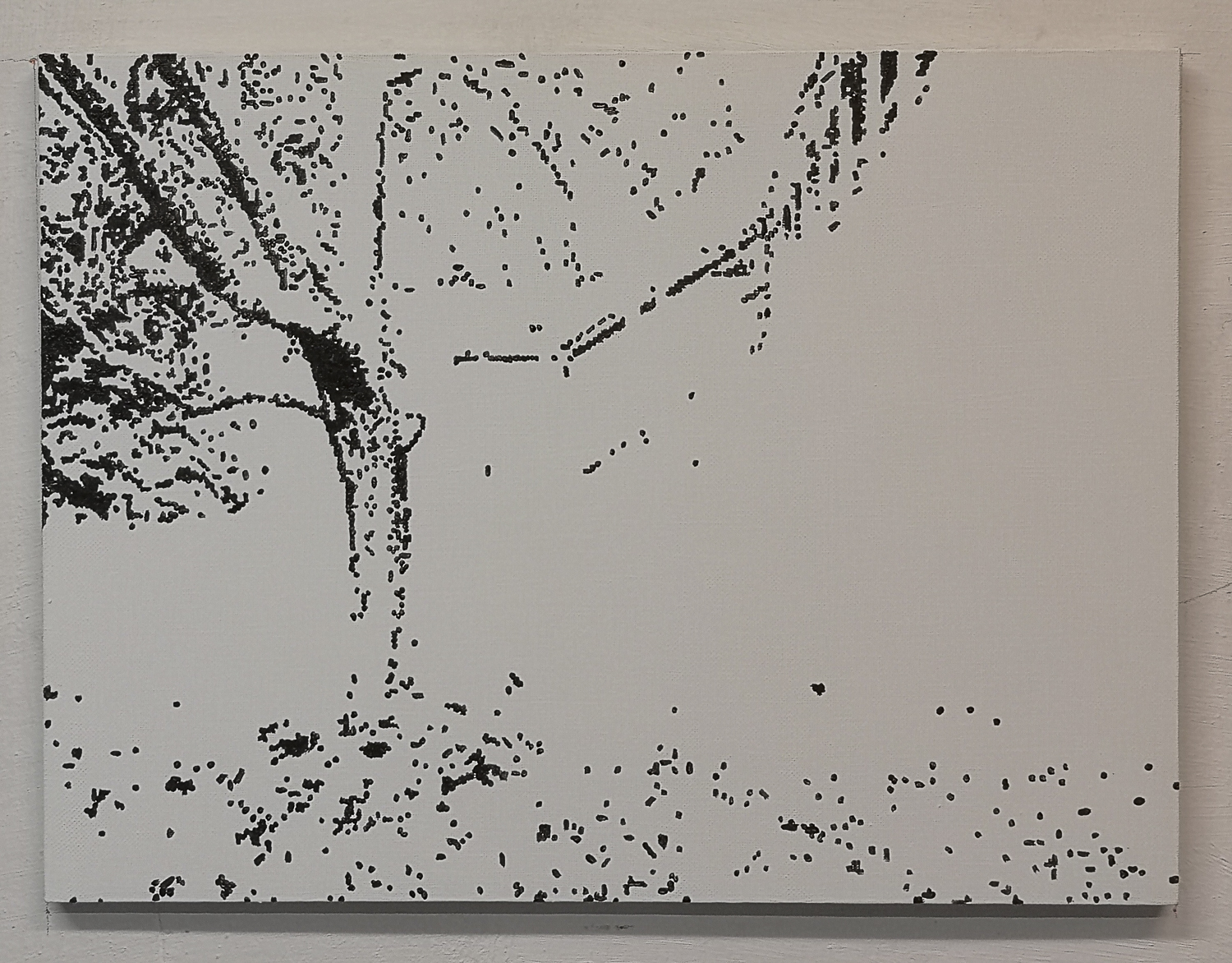
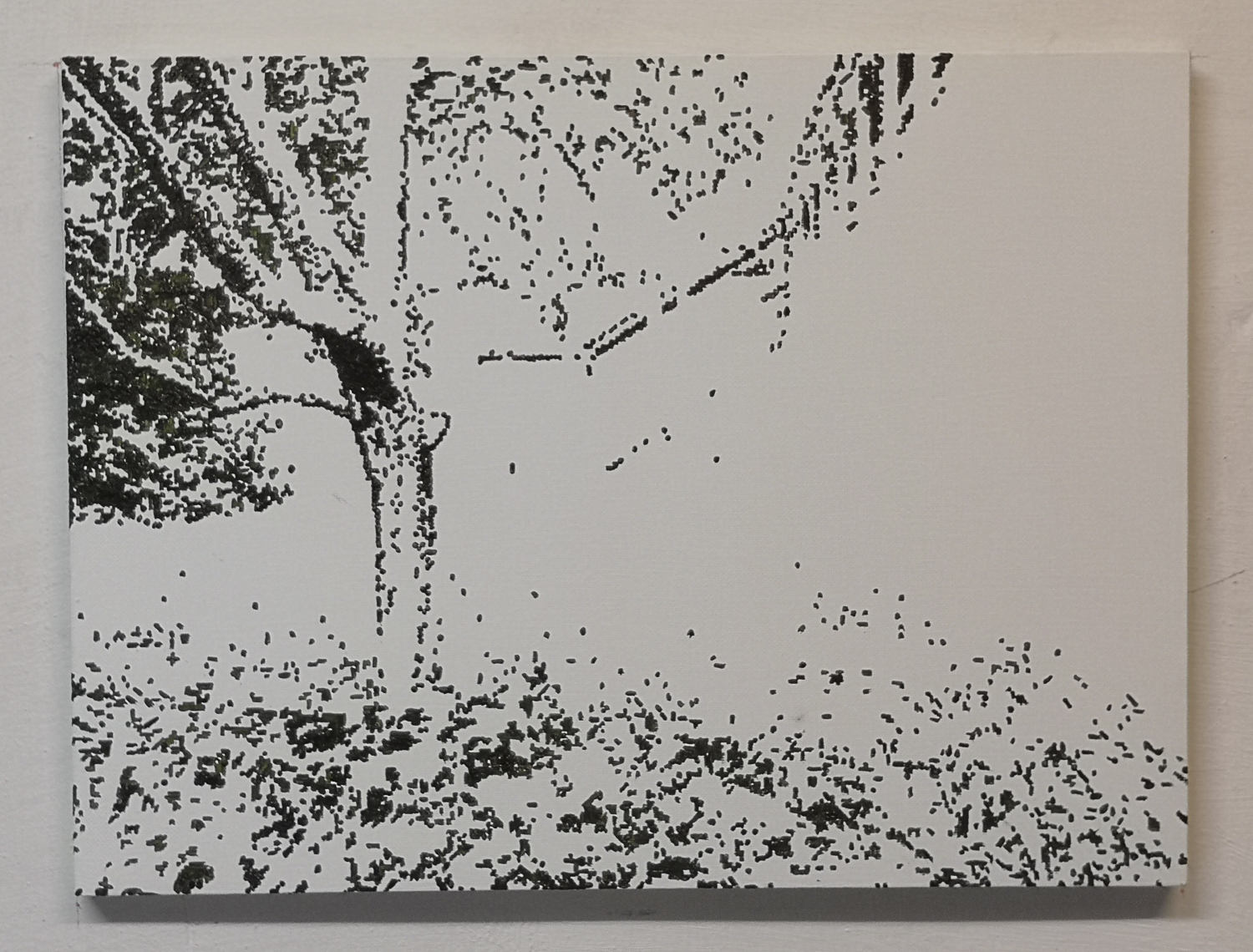
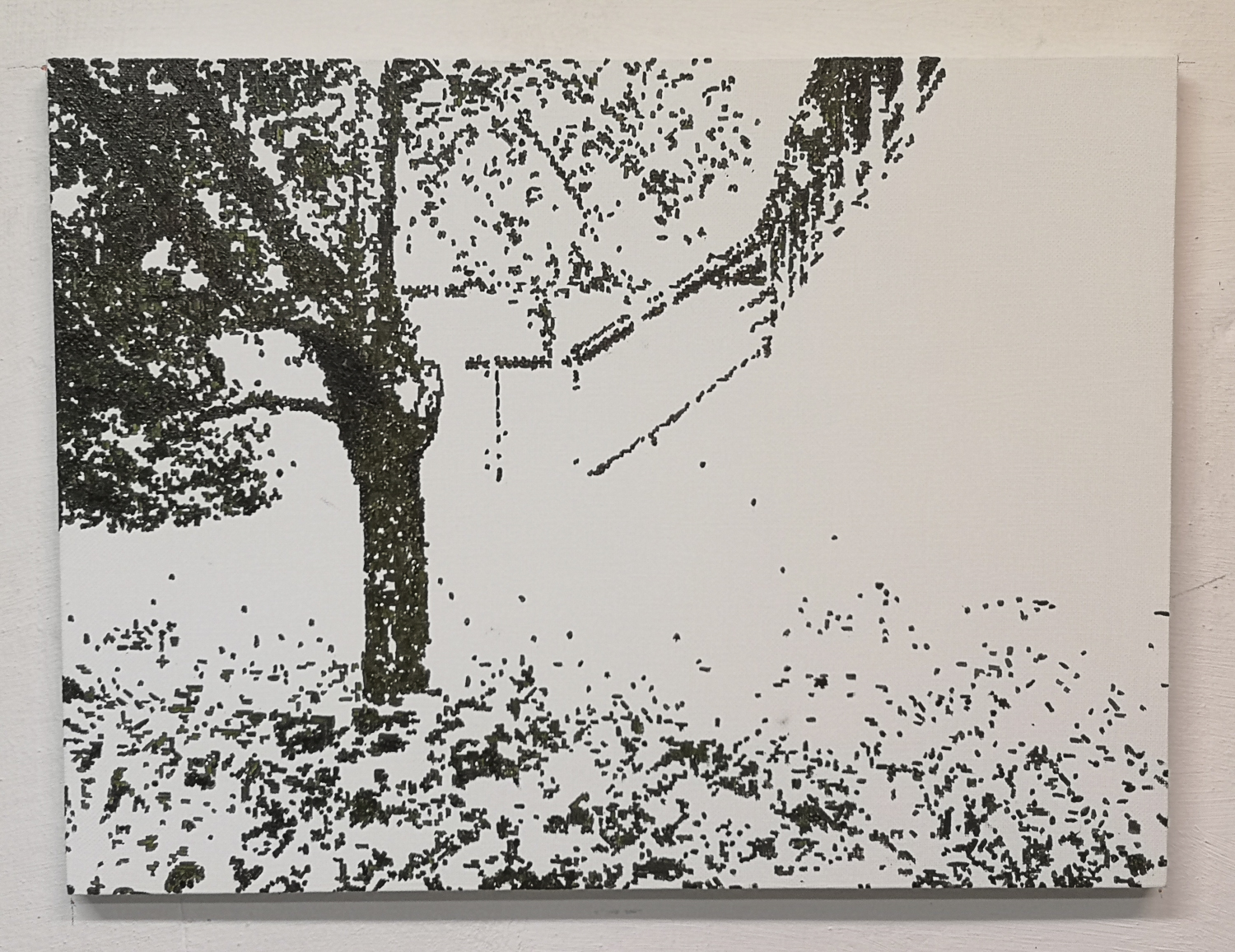
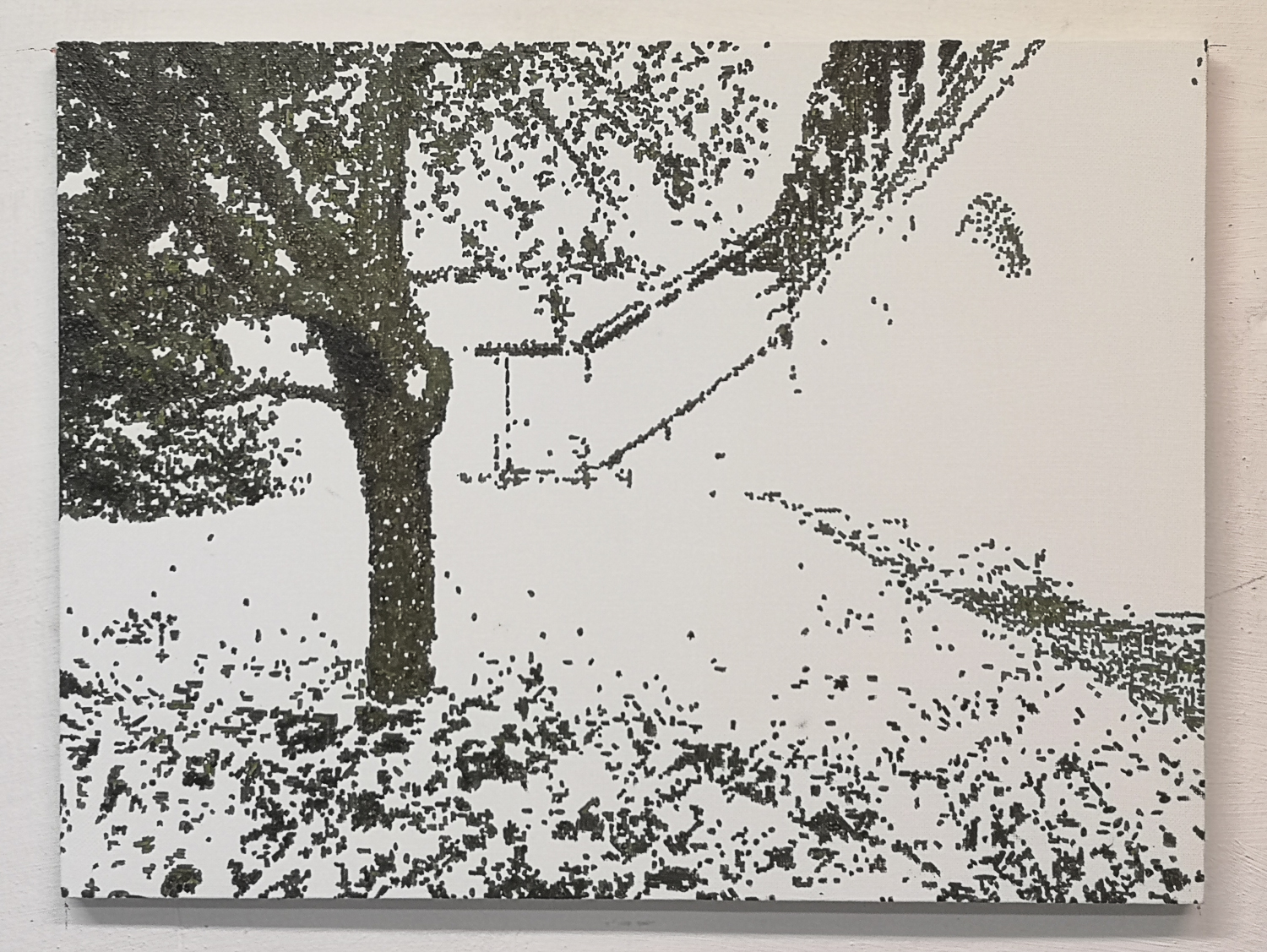
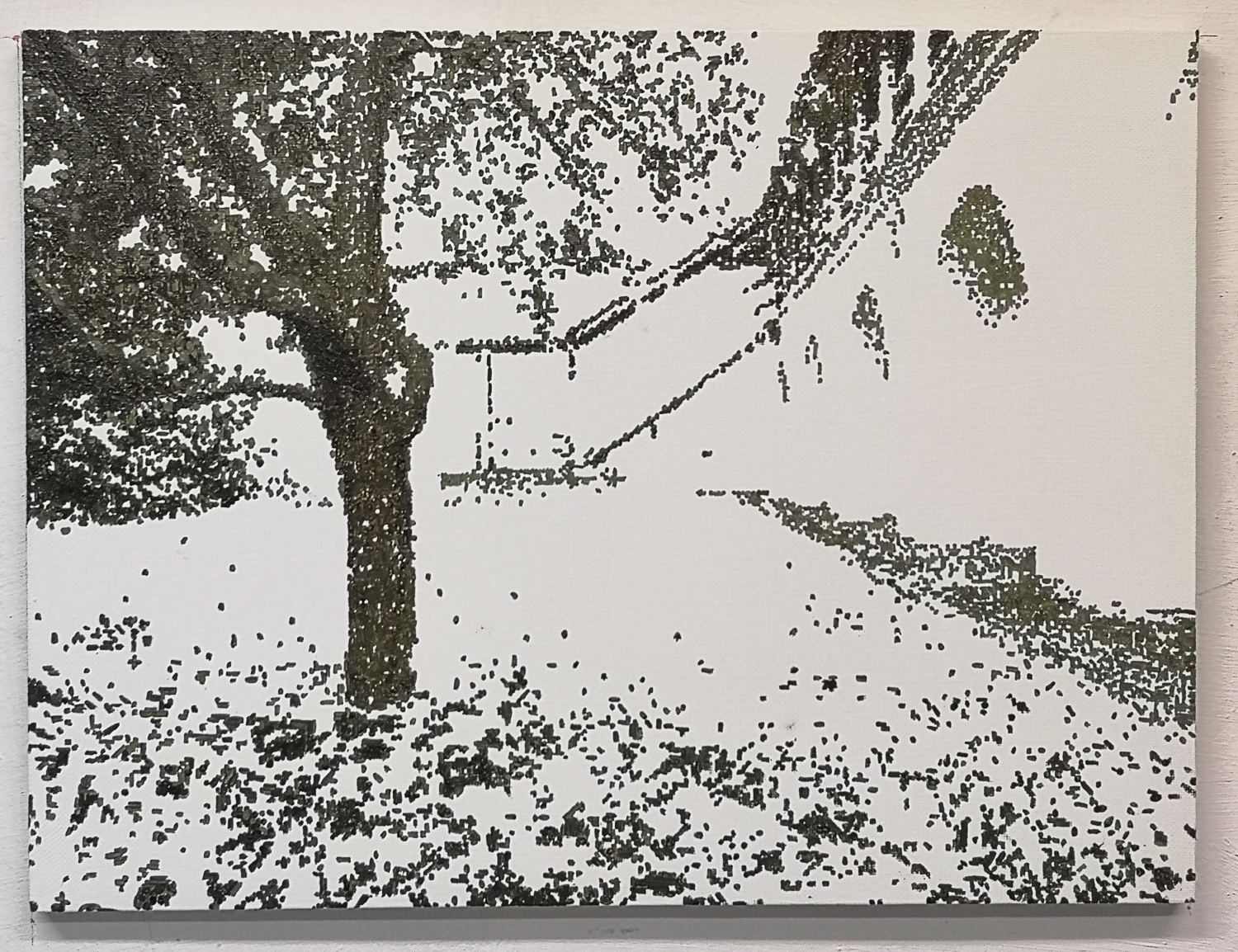
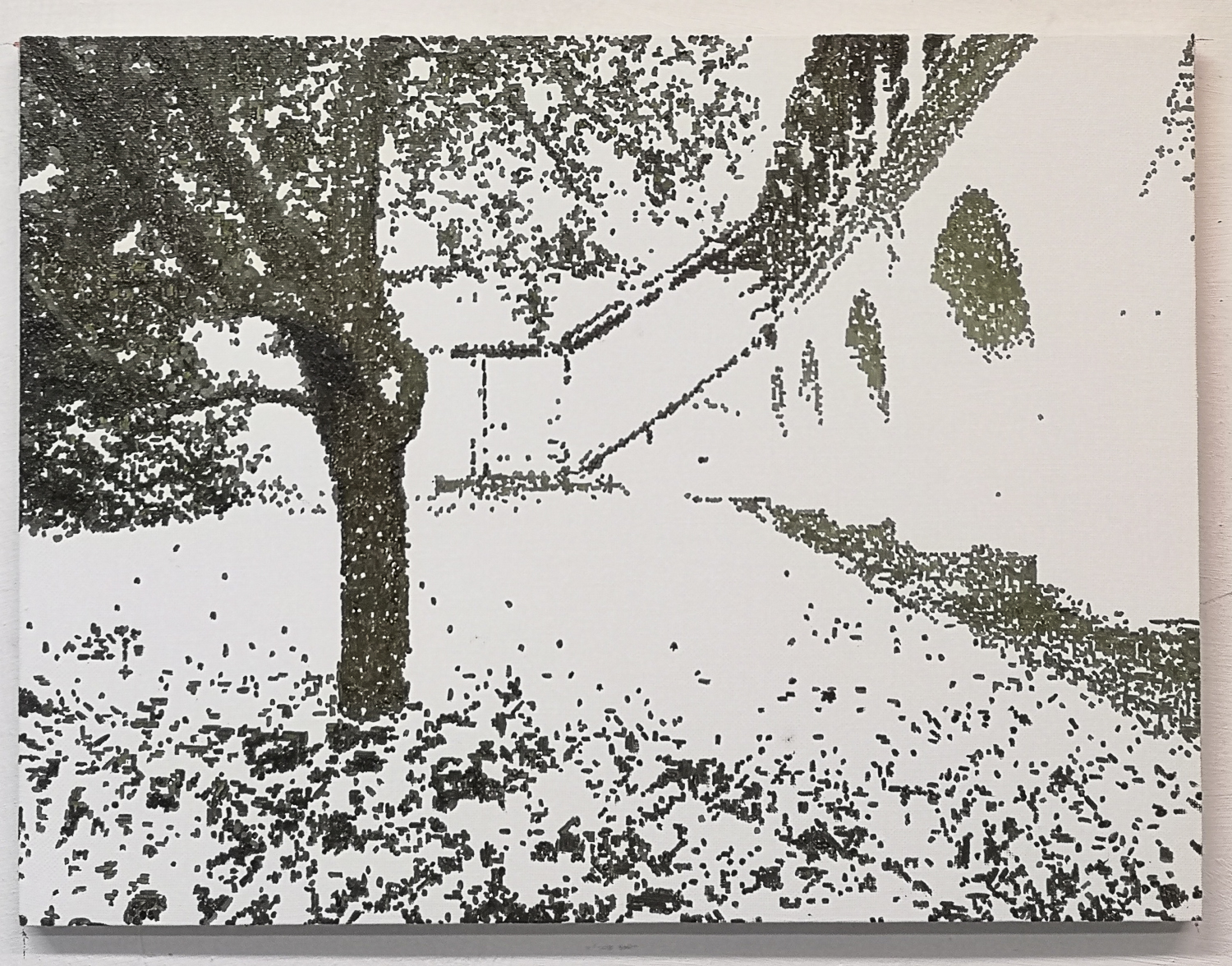
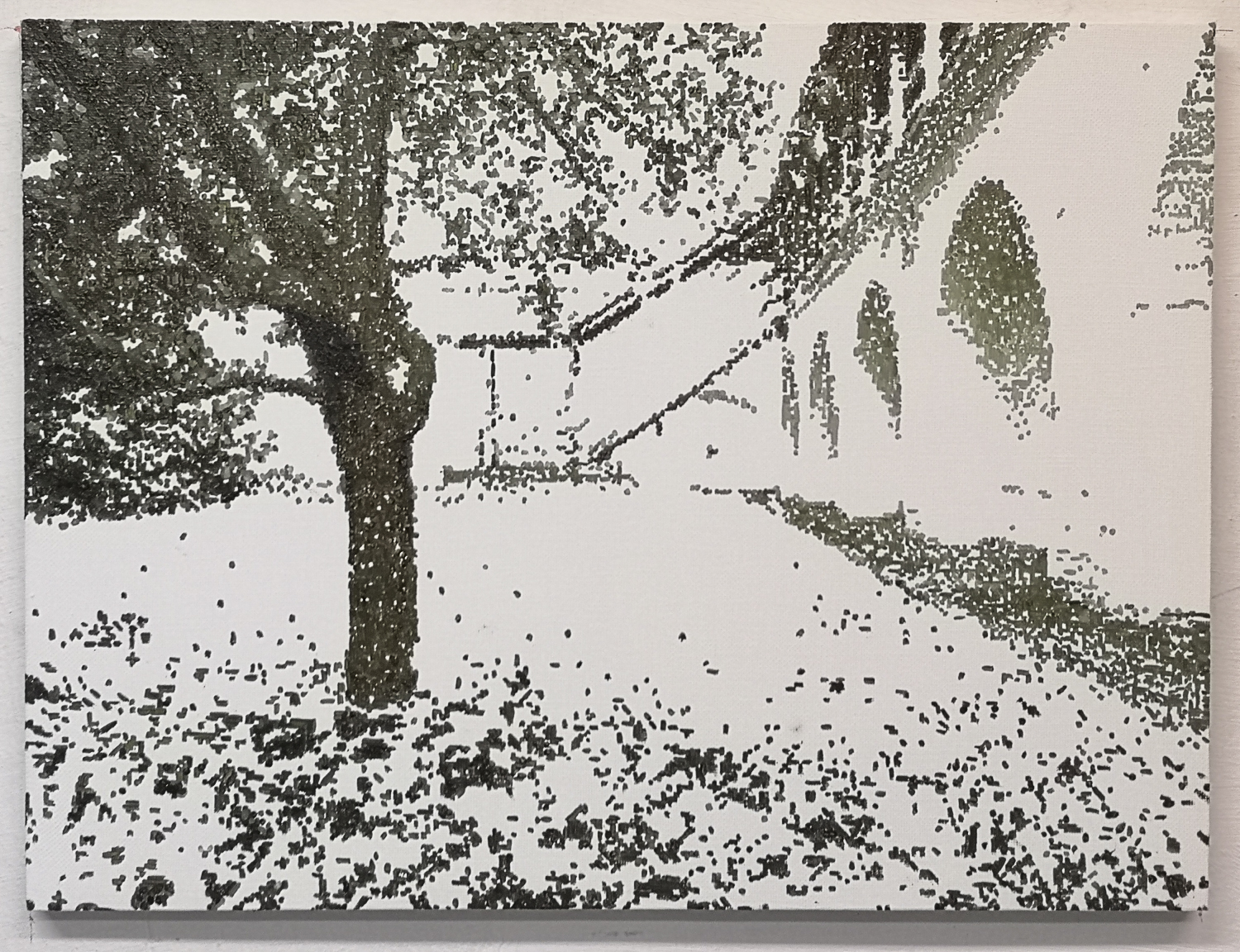
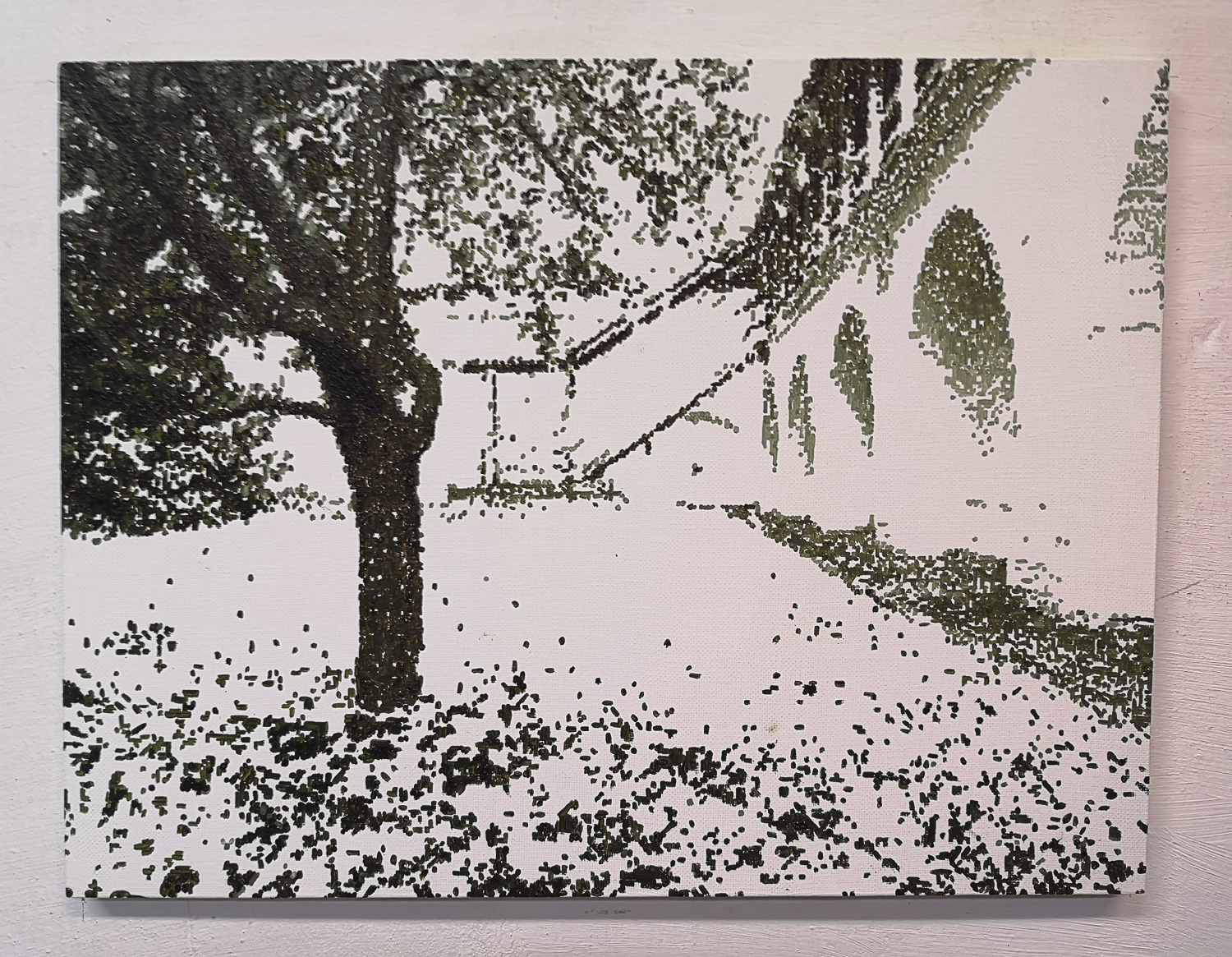
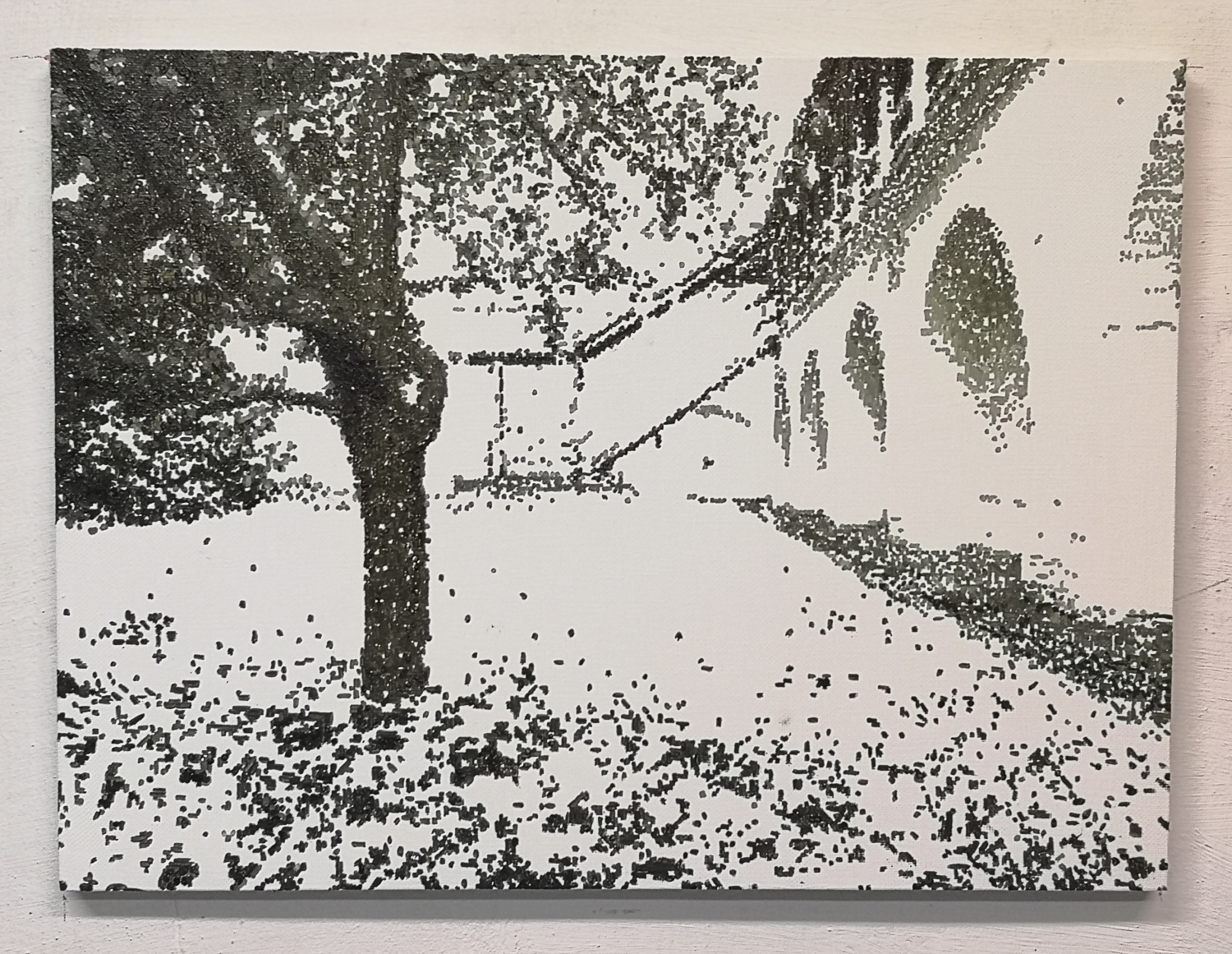
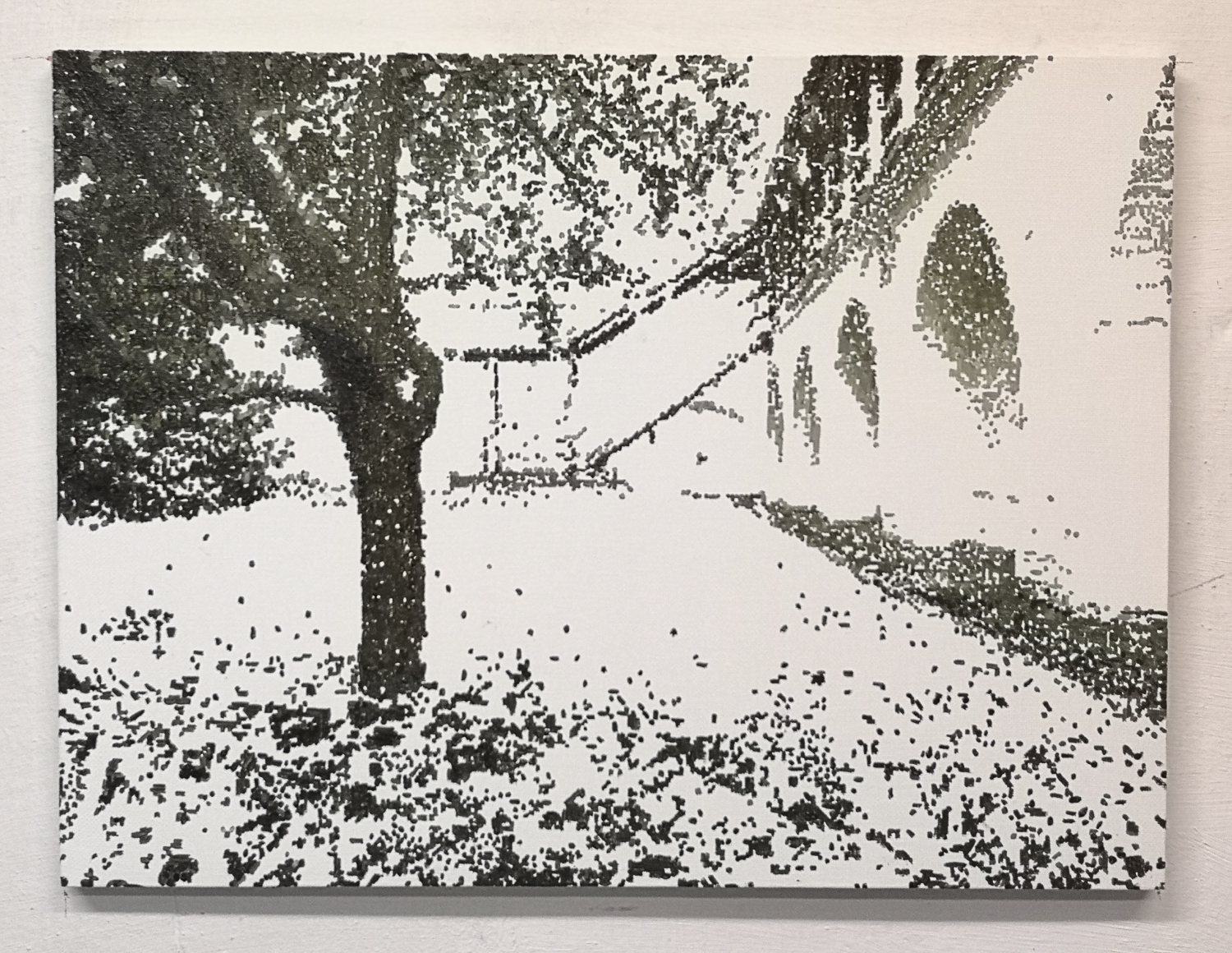
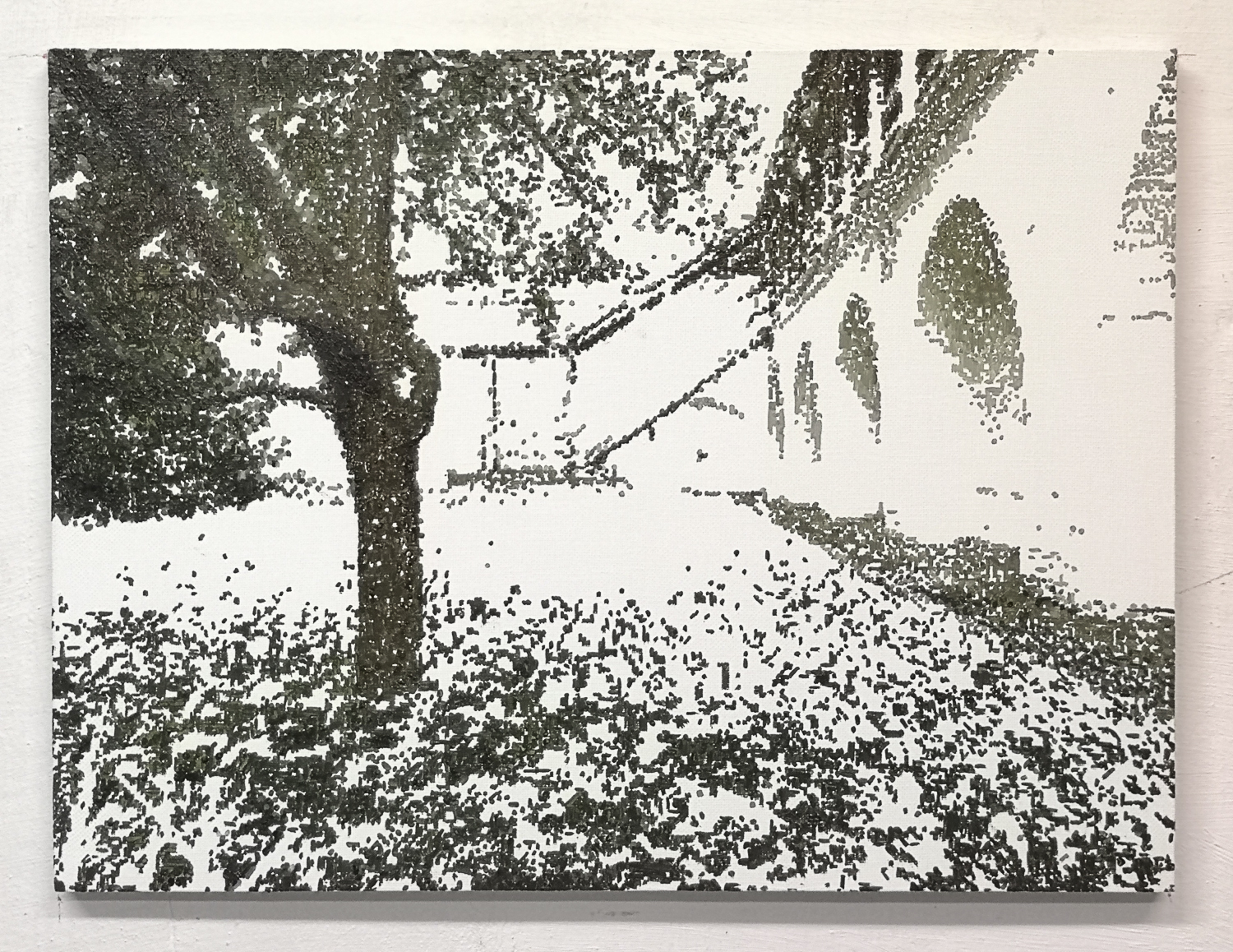
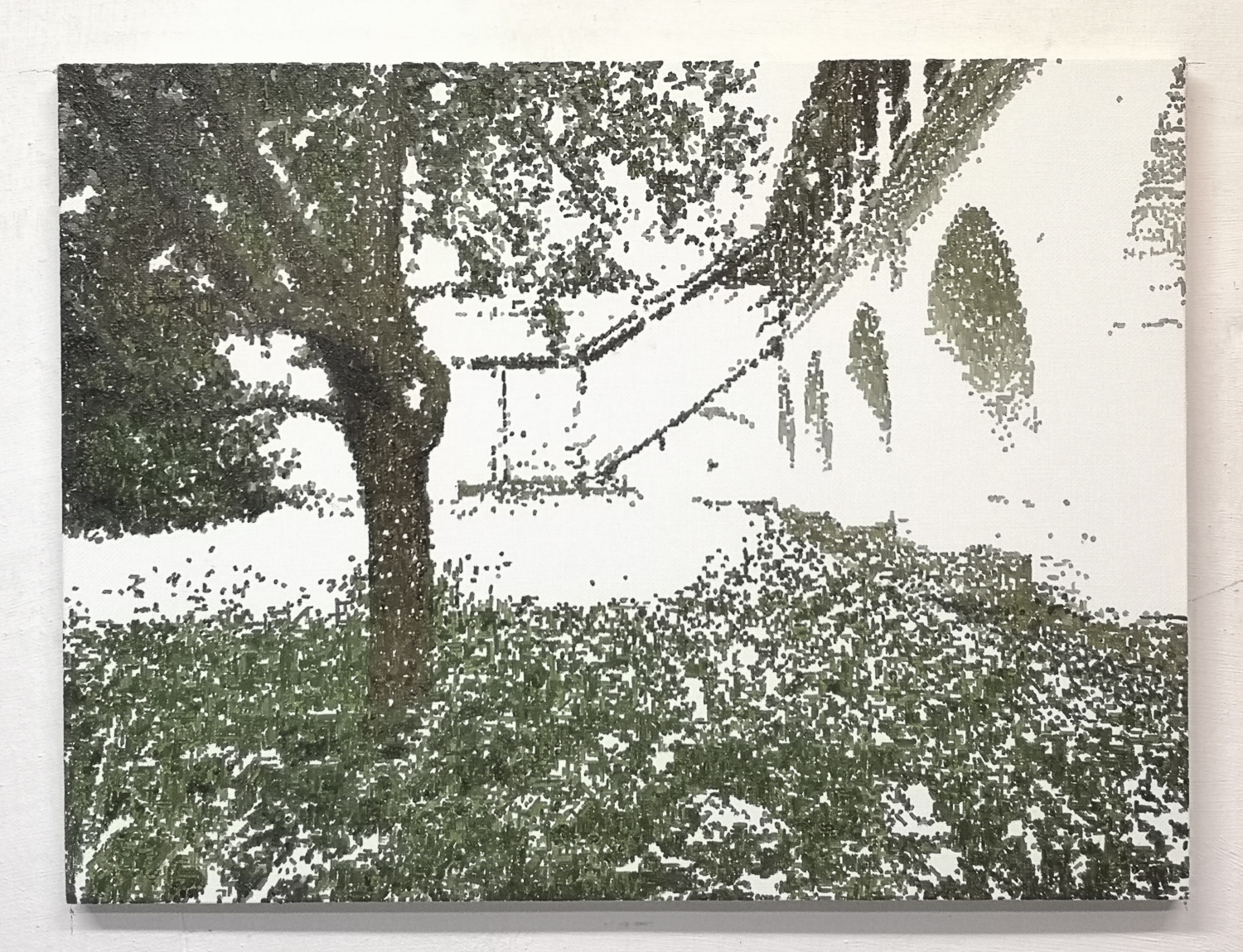
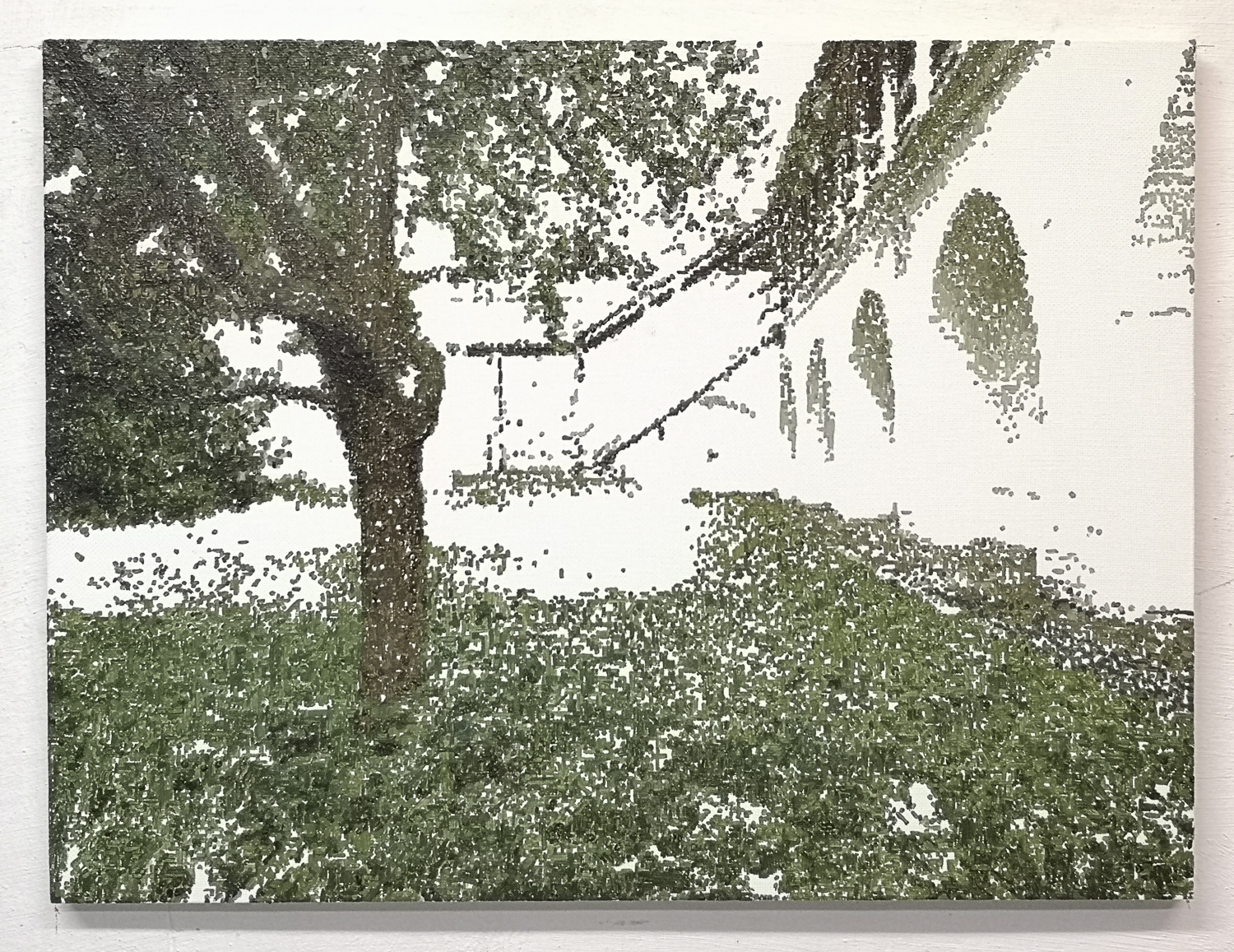
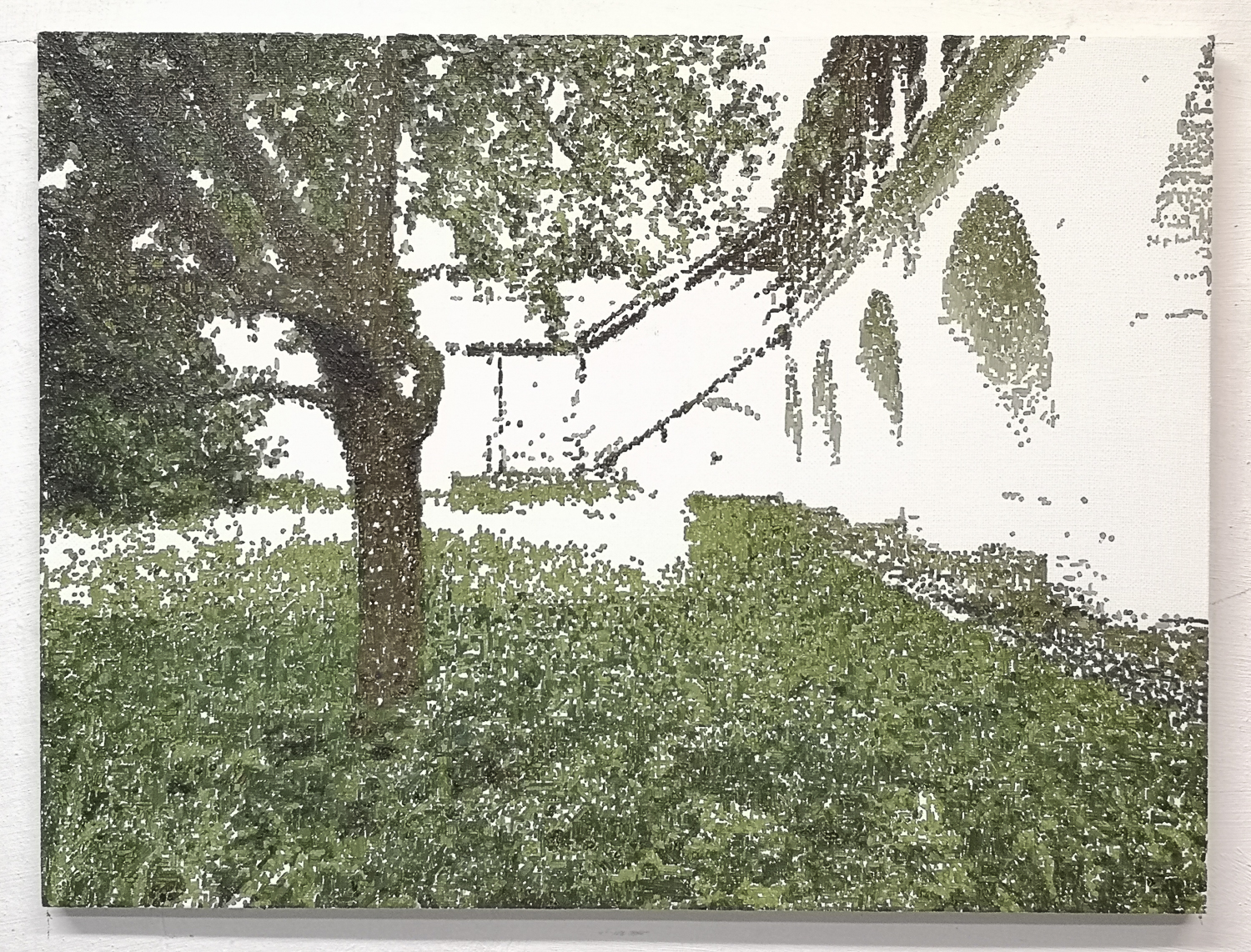
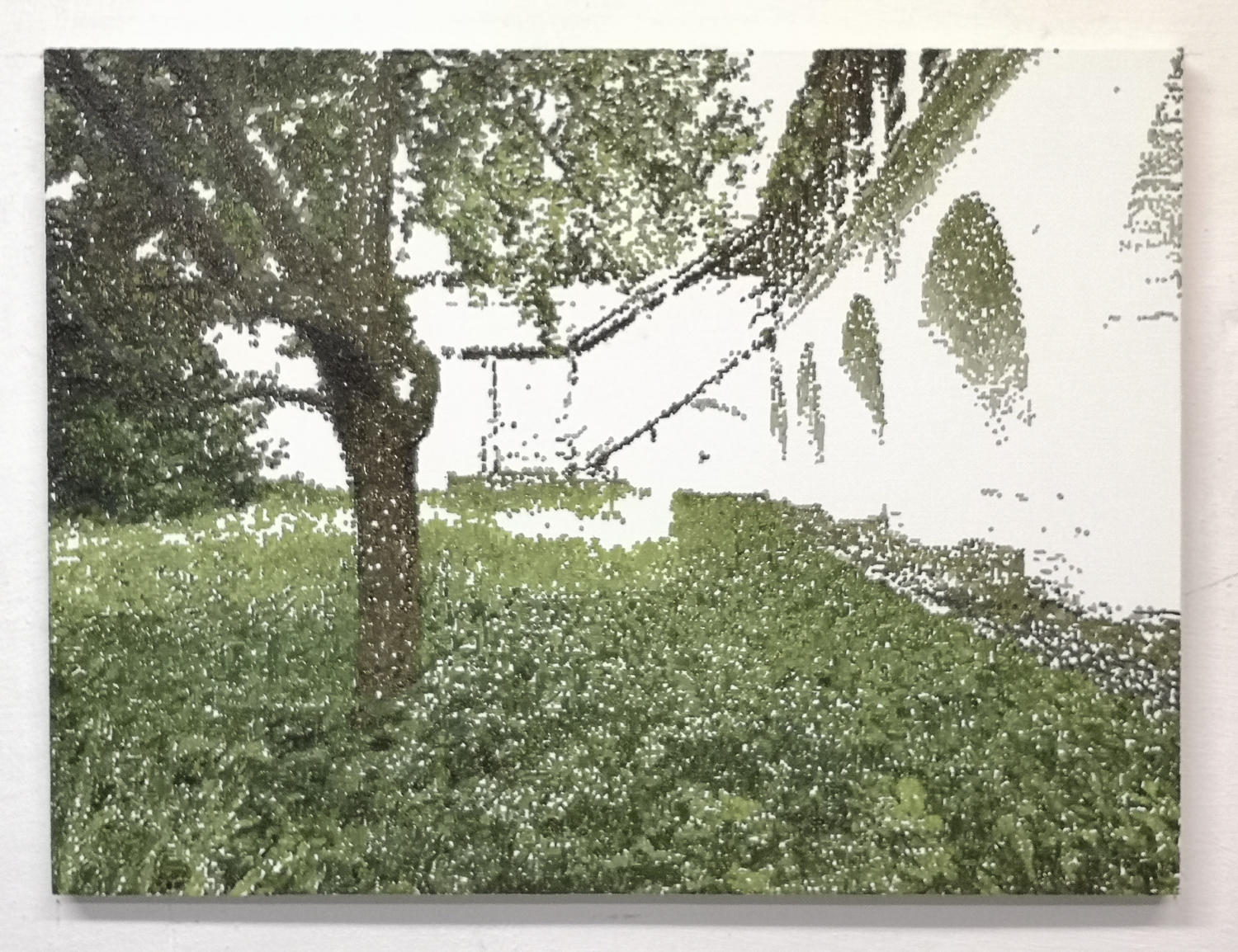
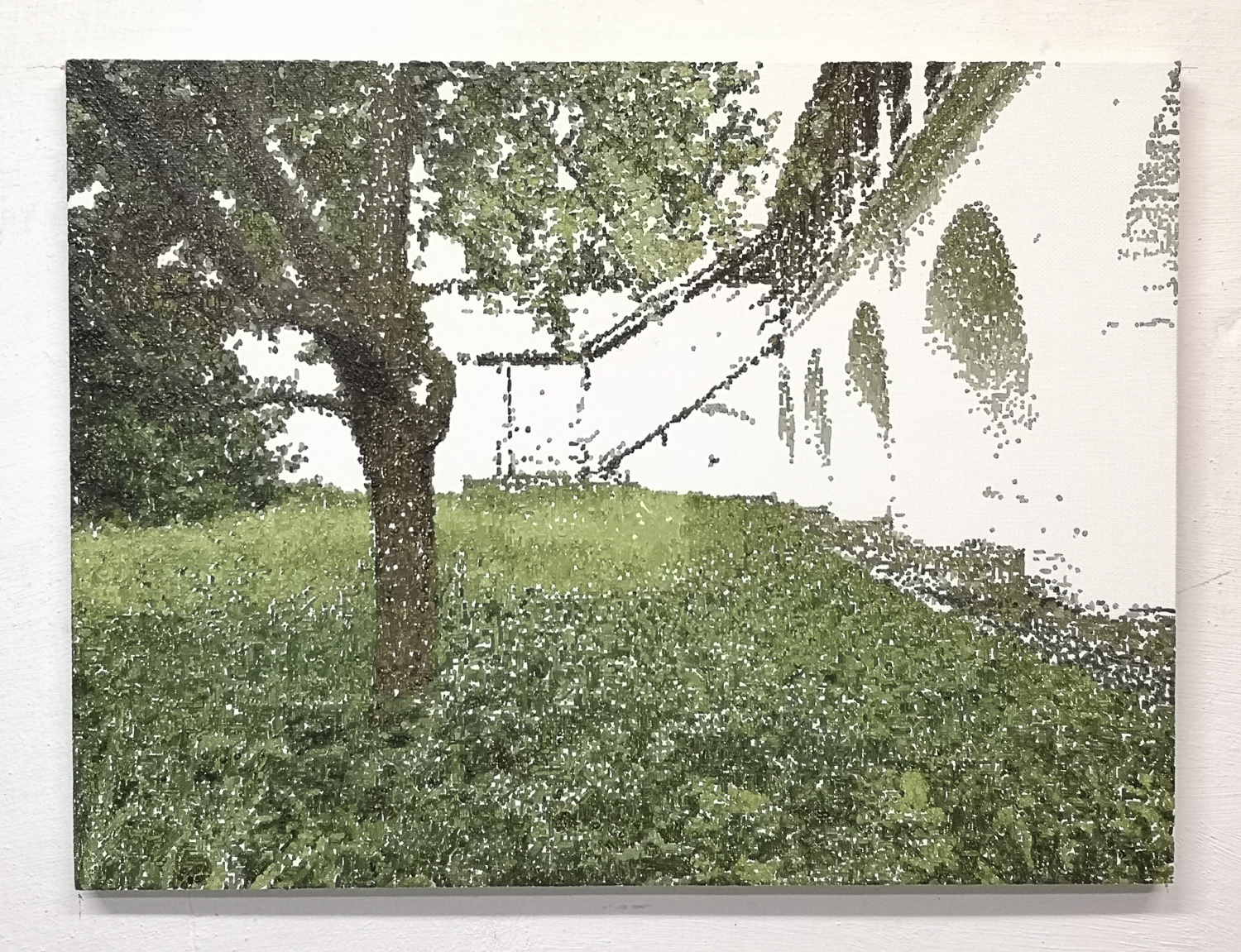
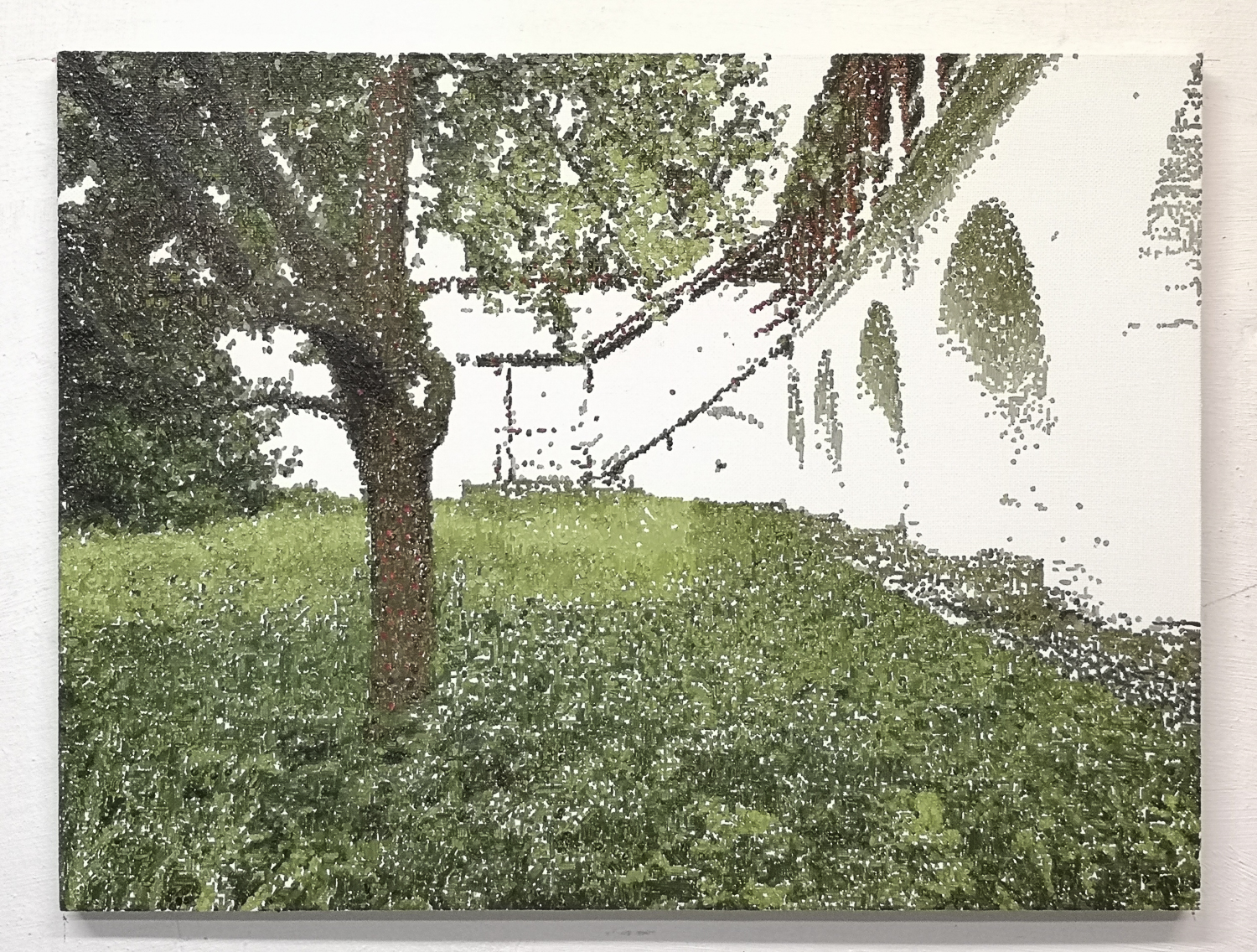
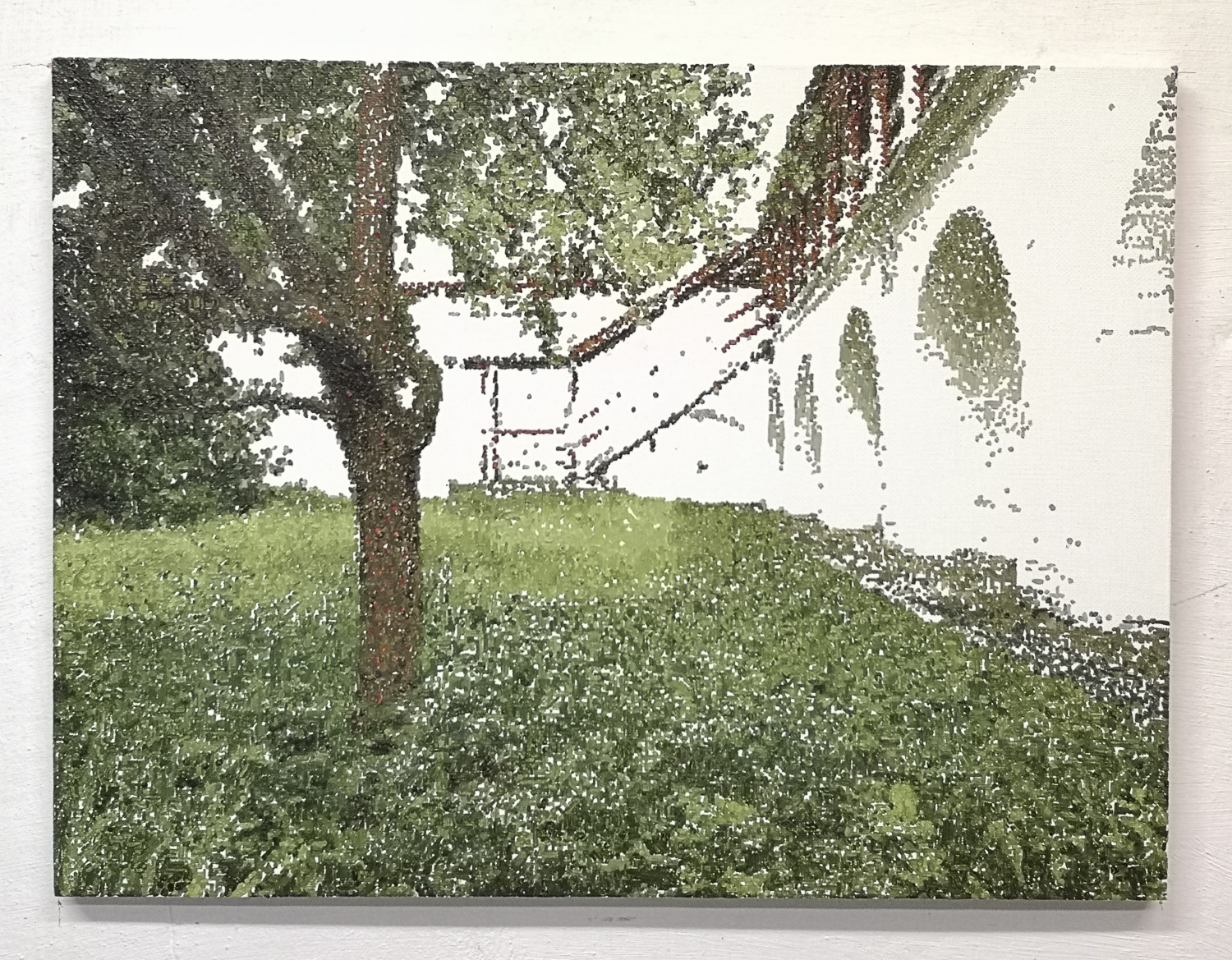
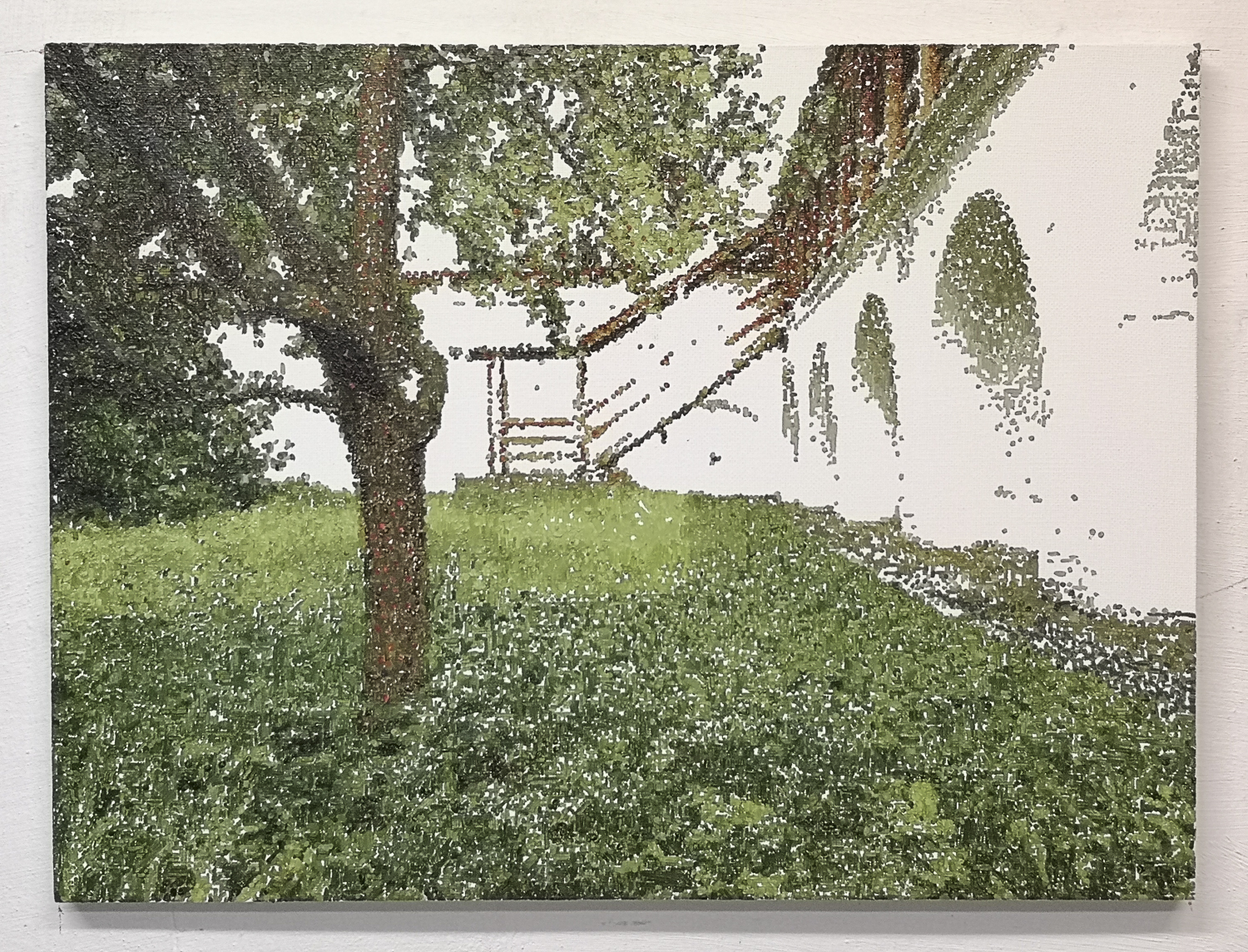
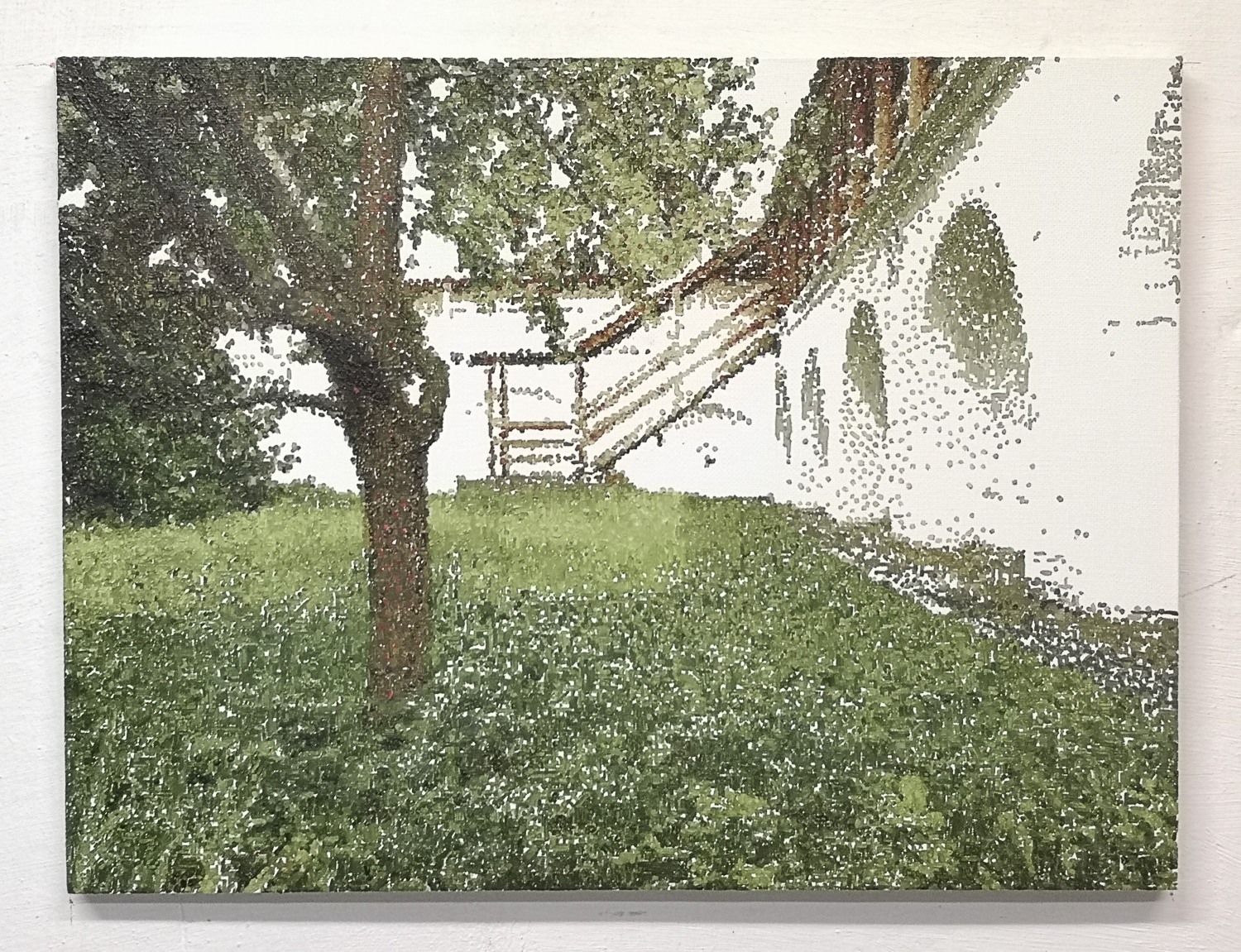
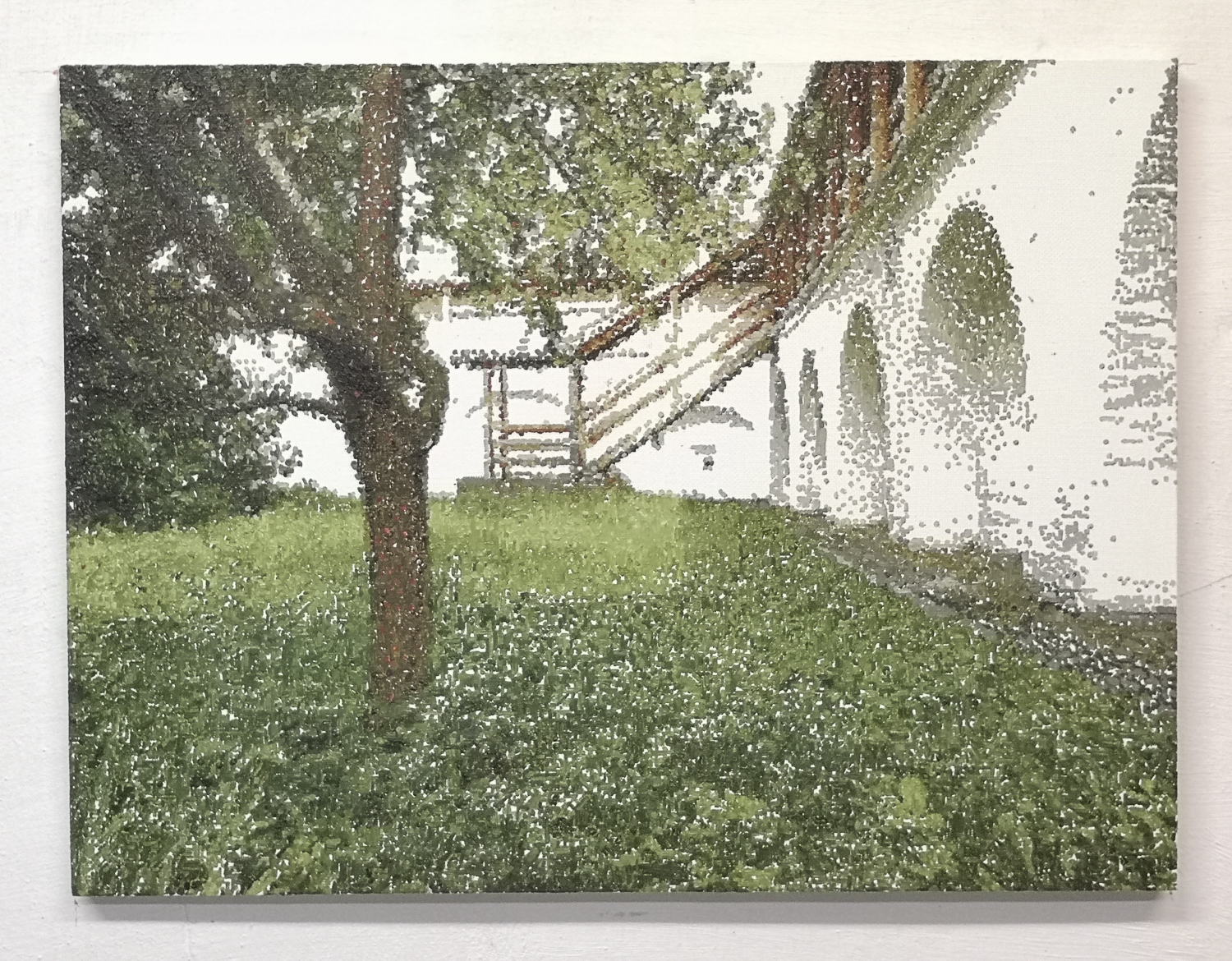
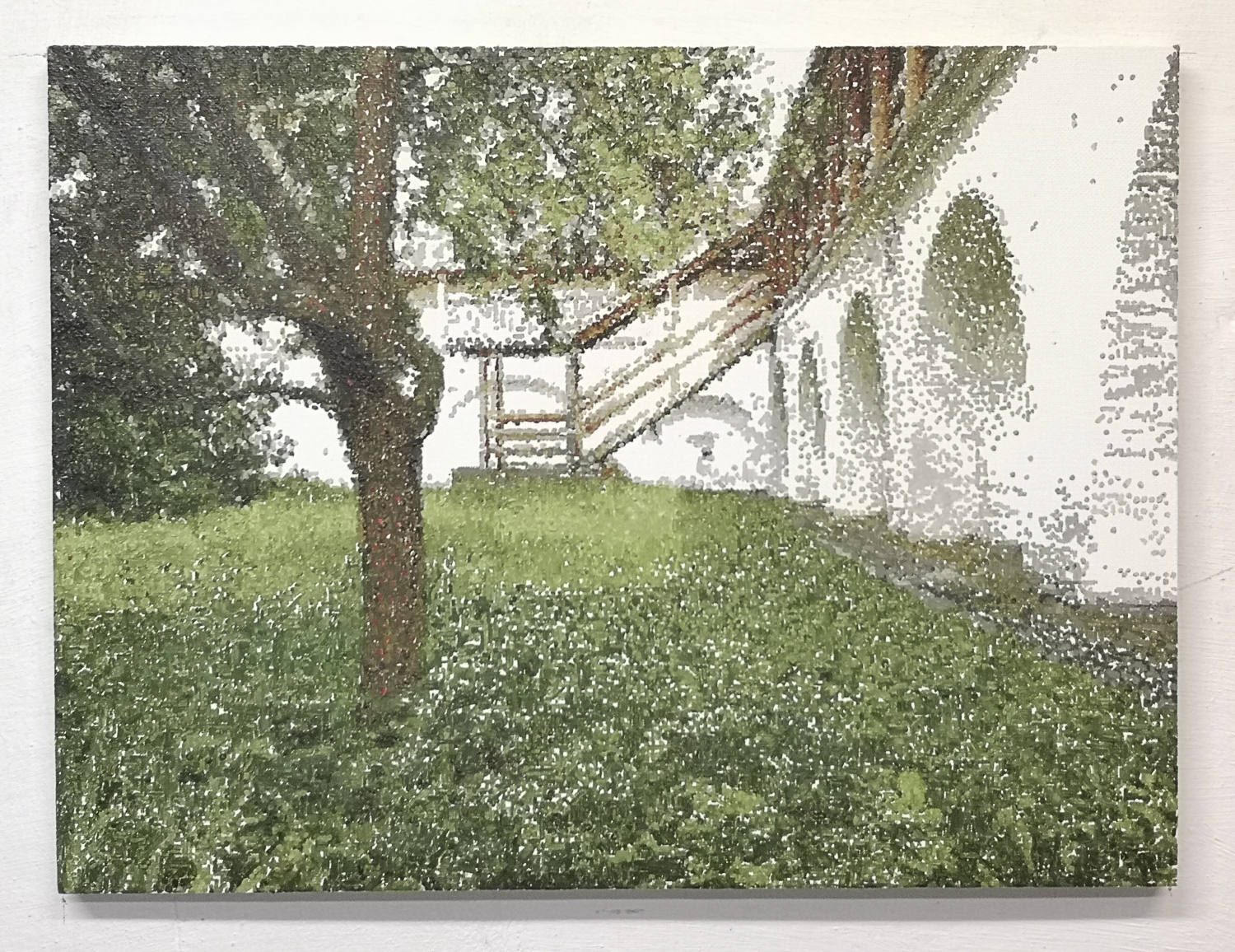
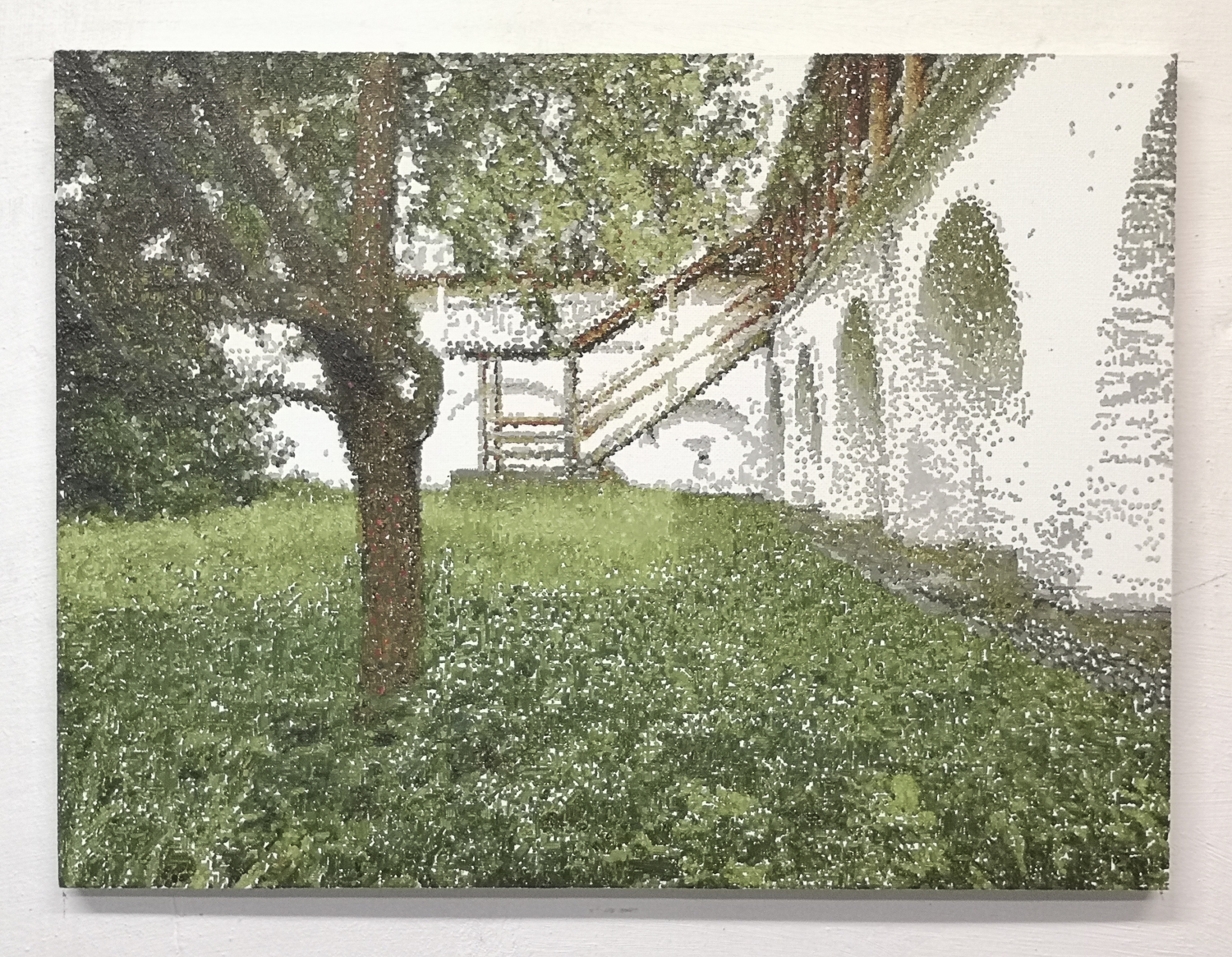
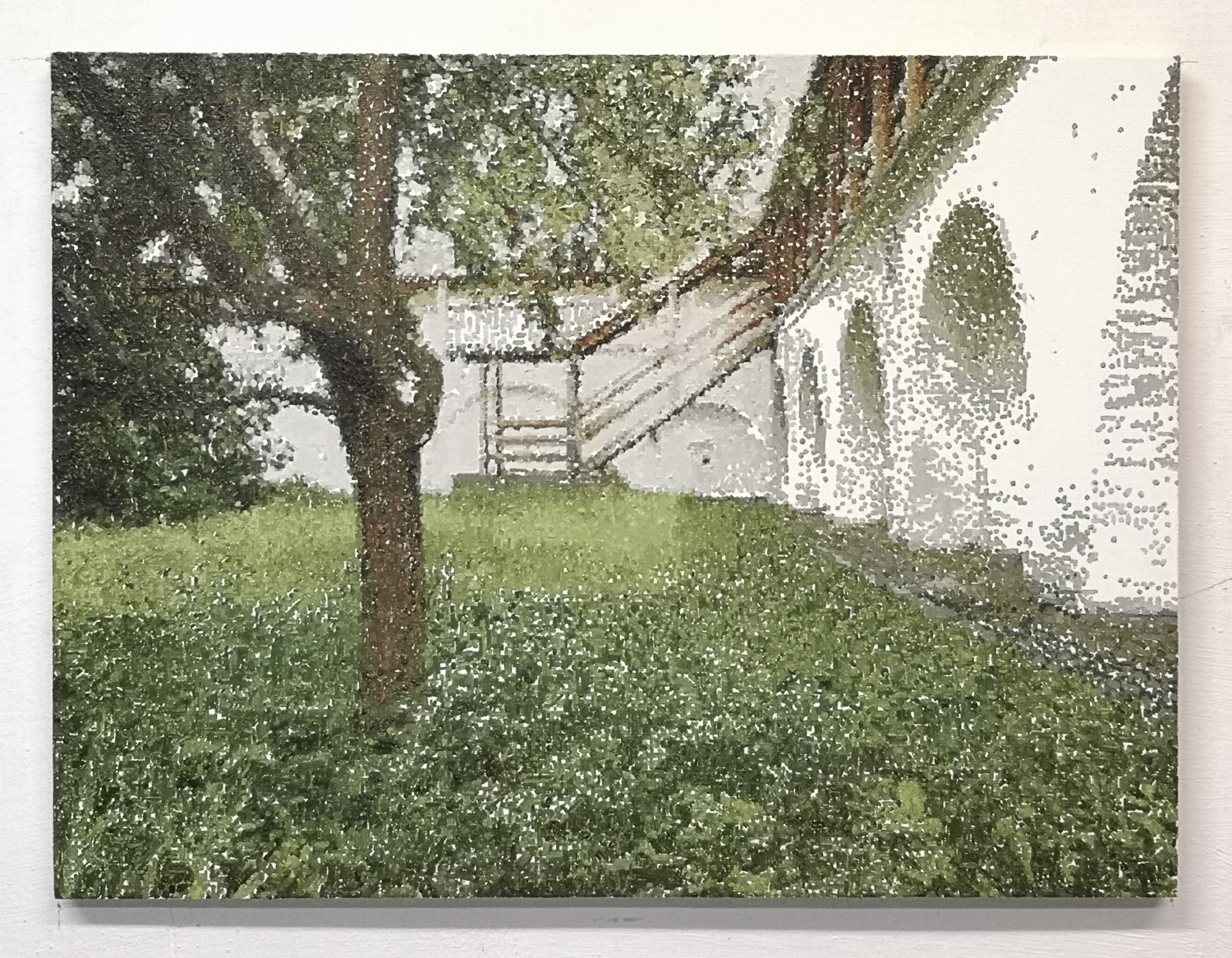
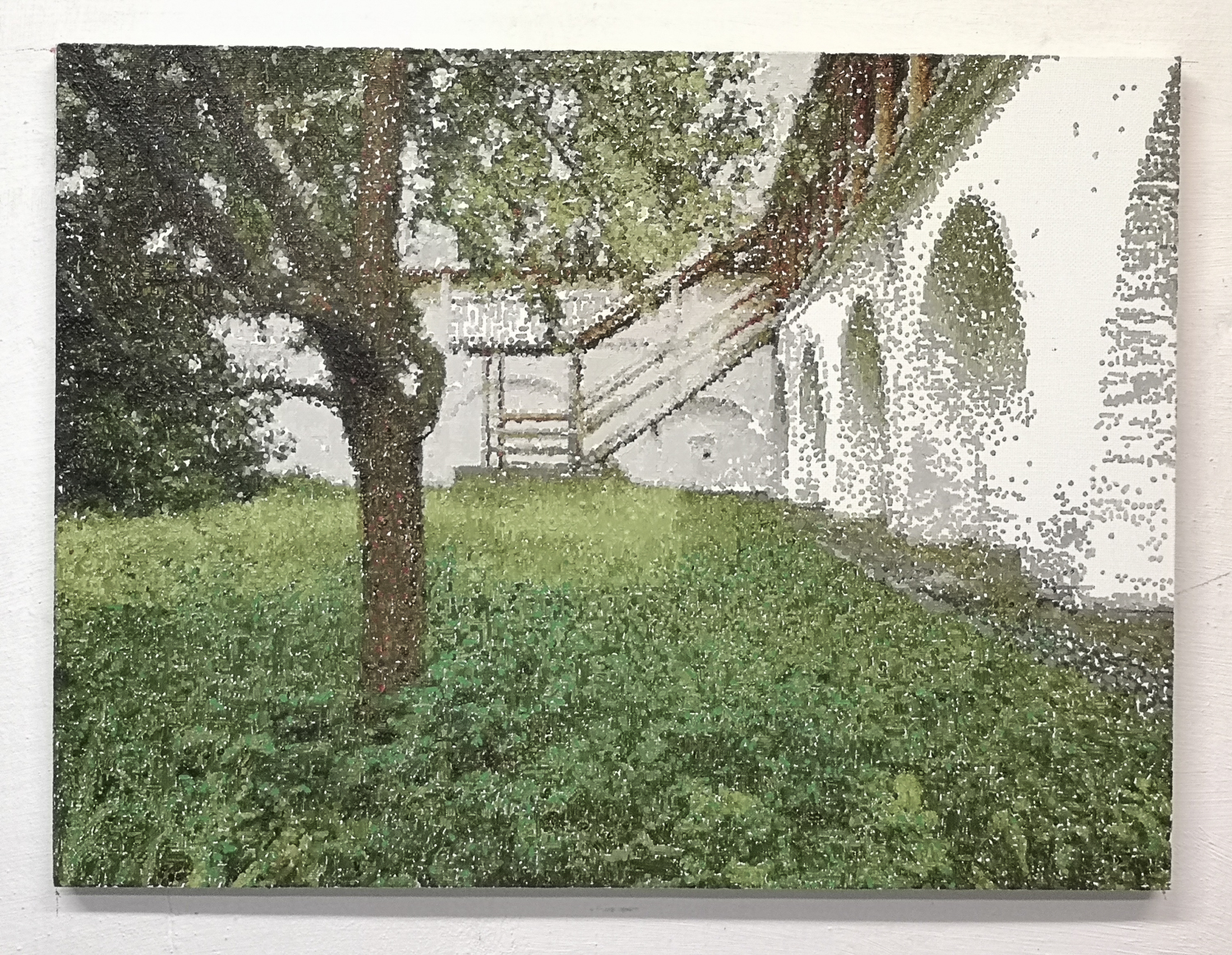
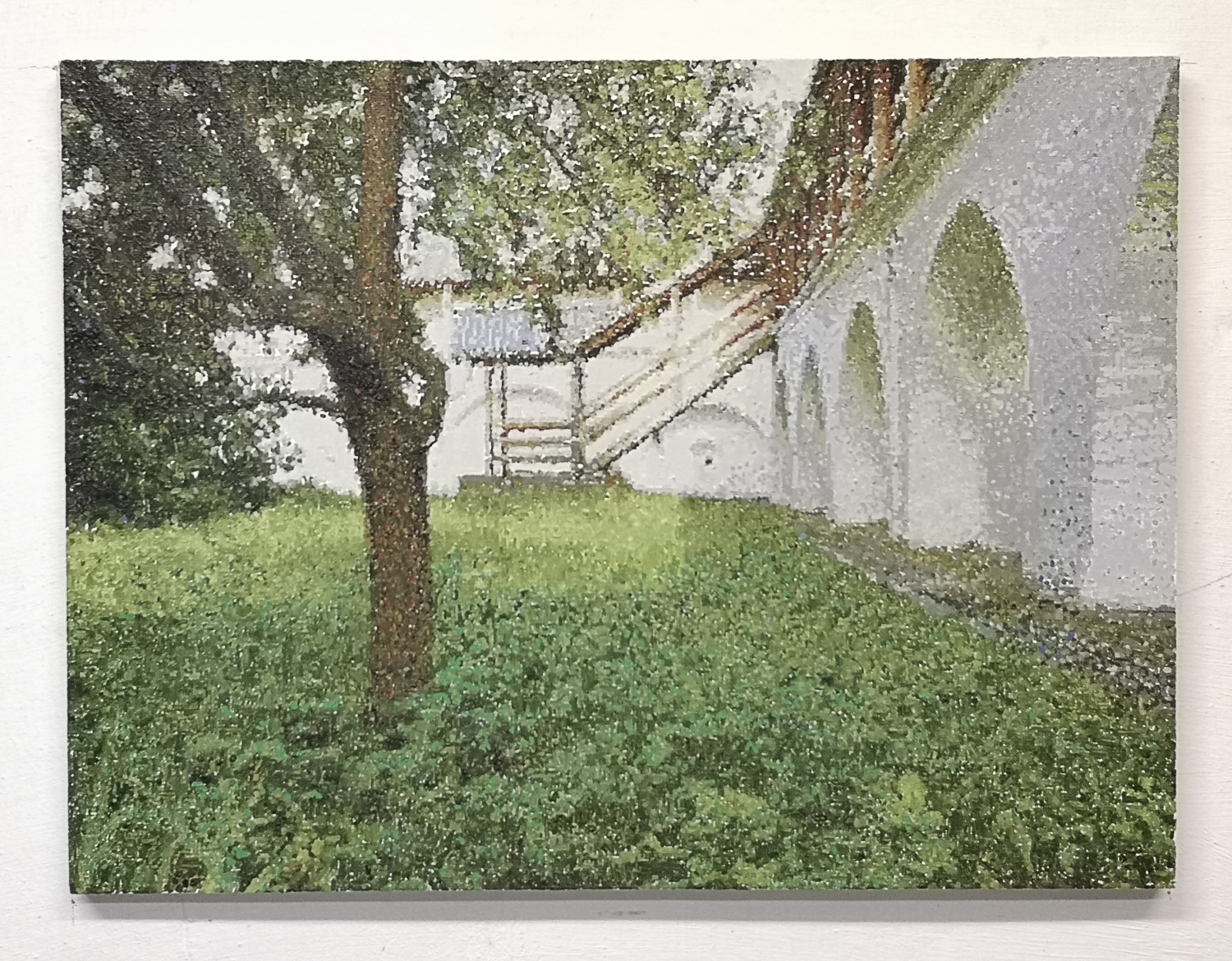
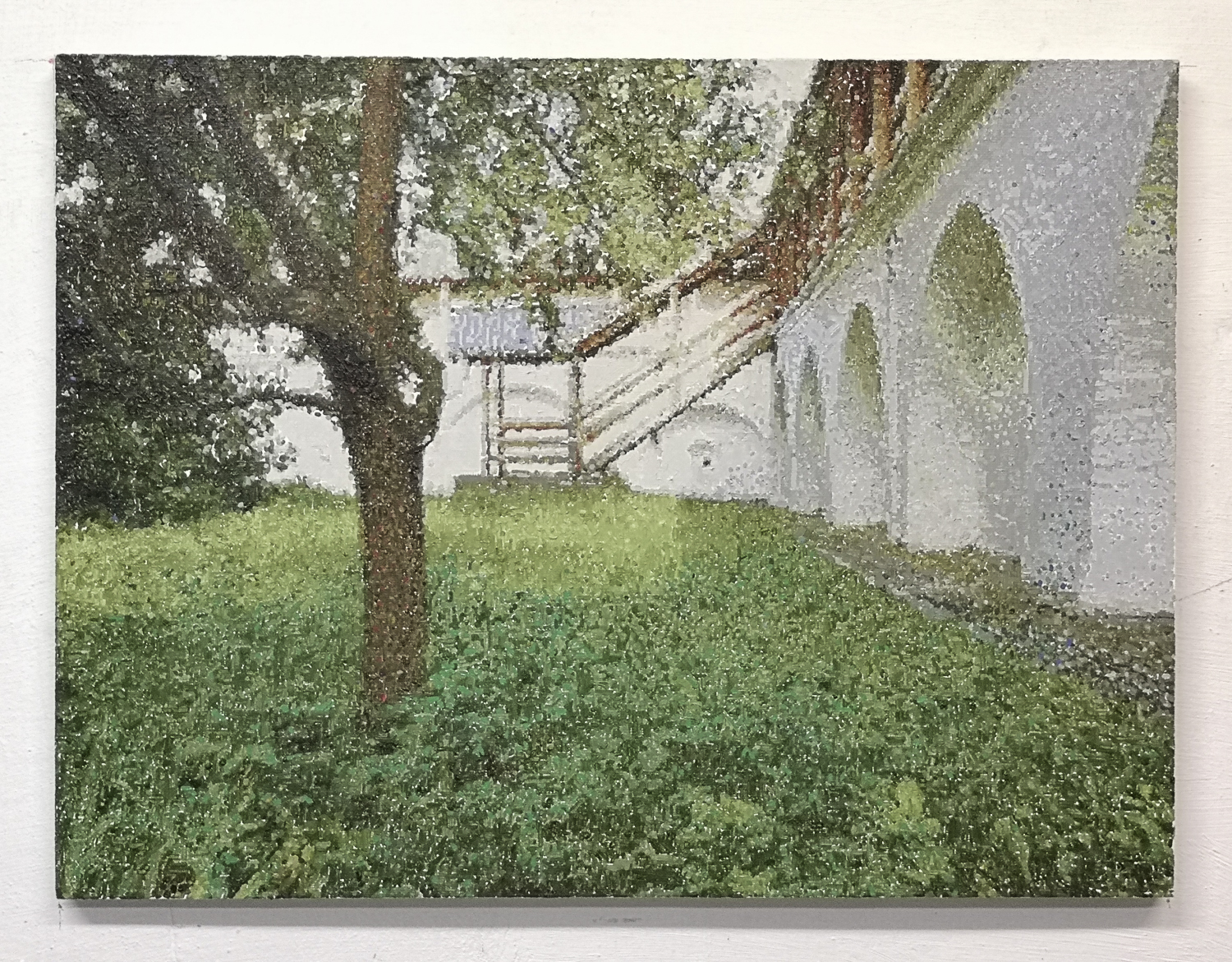
The presented artwork is part of the series “Quantum Project,” which combines the artist’s meticulous technique and conceptual depth. The painting, created entirely with a No. 2 brush, draws inspiration from the intricate beauty of Roman micro-mosaics. Each brushstroke becomes a fragment of a greater whole, forming a cohesive image with a tactile, mosaic-like texture.
The artist has meticulously developed a custom palette, based on the principles of index color. This approach allows the artwork to achieve a harmonious balance of hues and a systematic structure, reminiscent of digital pixelation yet maintaining the organic essence of traditional painting. The deliberate selection and application of color transform each element into a symbol of precision, suggesting the interconnectivity of the micro and macro.
“Quantum Painting,” as a technique, bridges the worlds of science and art. The title “Quantum Project” encapsulates the conceptual underpinning of this series. Each painting reflects the complexity of quantum processes, where order and chaos coexist, and the smallest particles form the fabric of the universe. This innovative approach encourages viewers to delve into the relationship between structure, randomness, and perception.
The series invites contemplation of time and space, offering a meditative experience akin to observing the infinite detail in nature or the cosmos. It is a celebration of the intricate and the monumental, achieved through the smallest gestures of the brush, echoing the timeless traditions of ancient mosaic craftsmanship while pushing the boundaries of contemporary art.








 Maxim Ksuta