New group exhibition – Artist and text


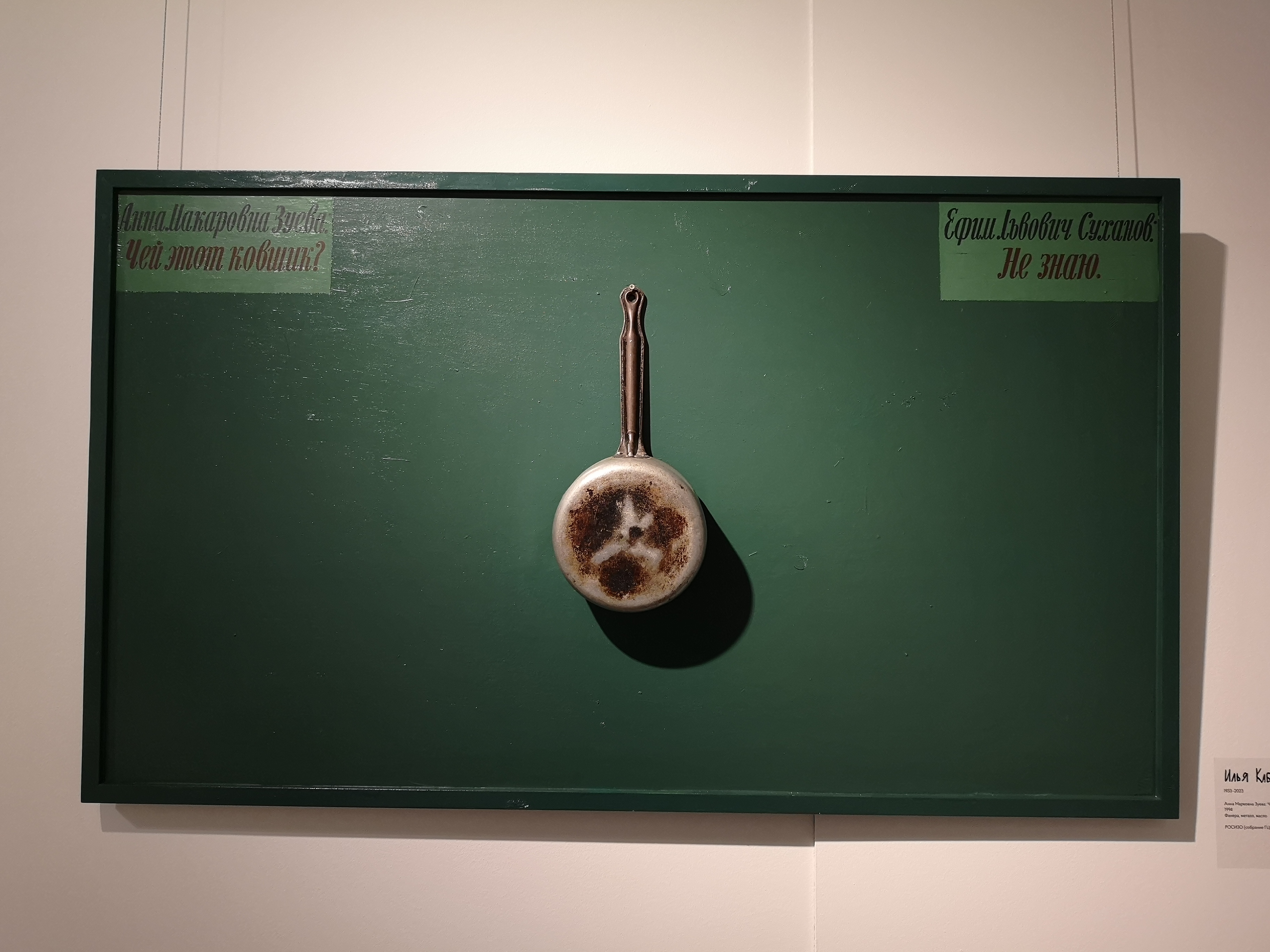


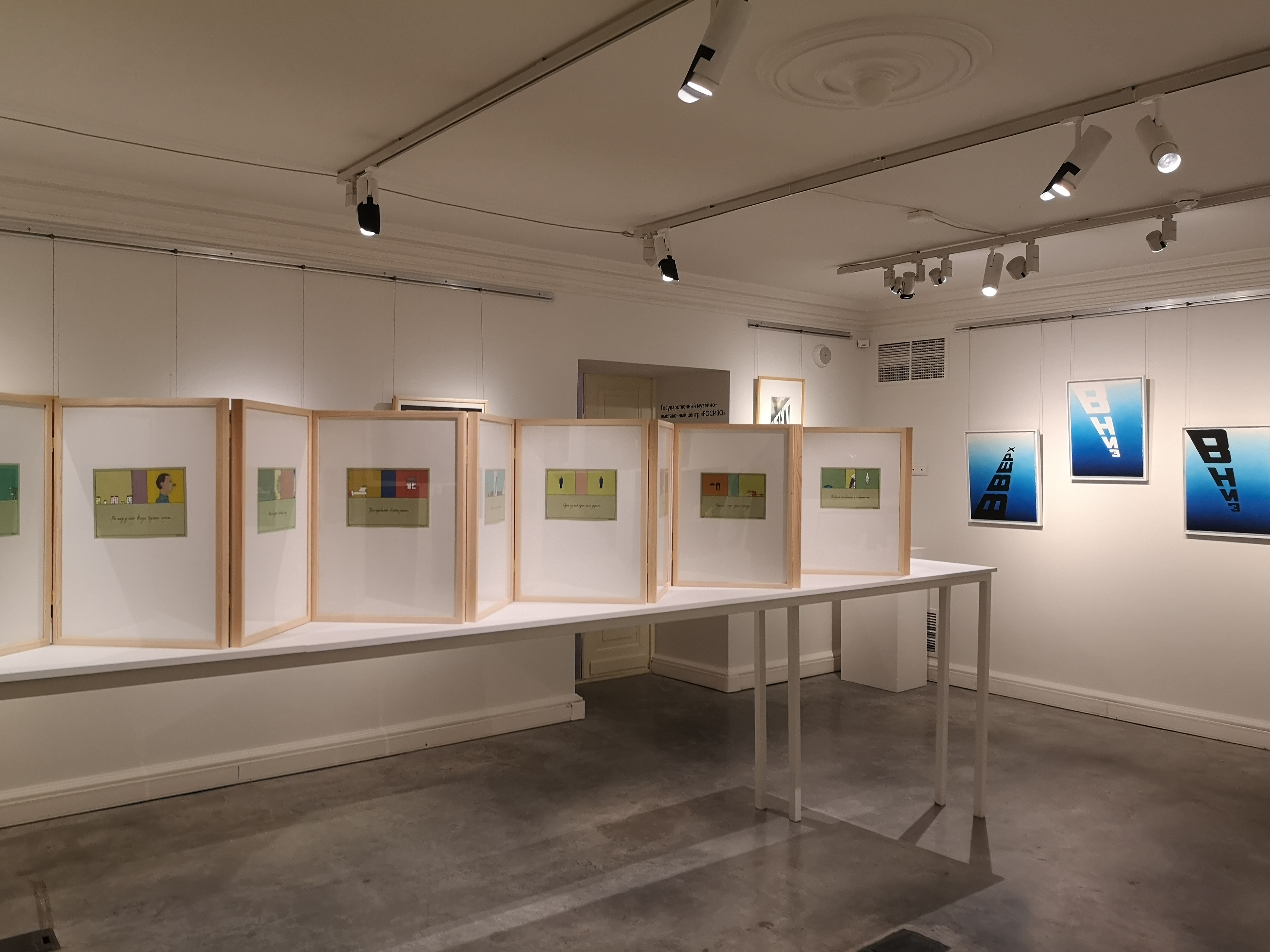
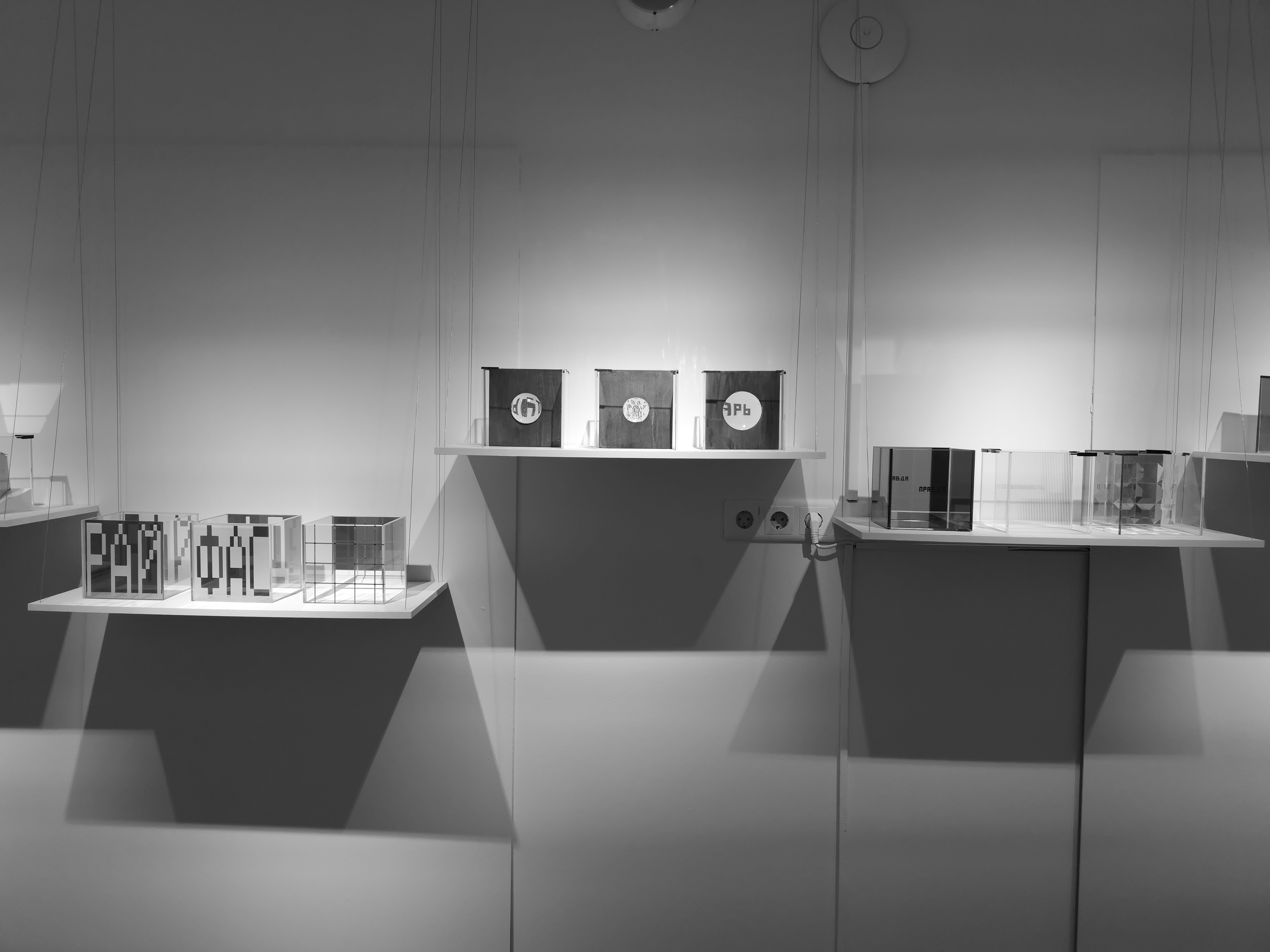
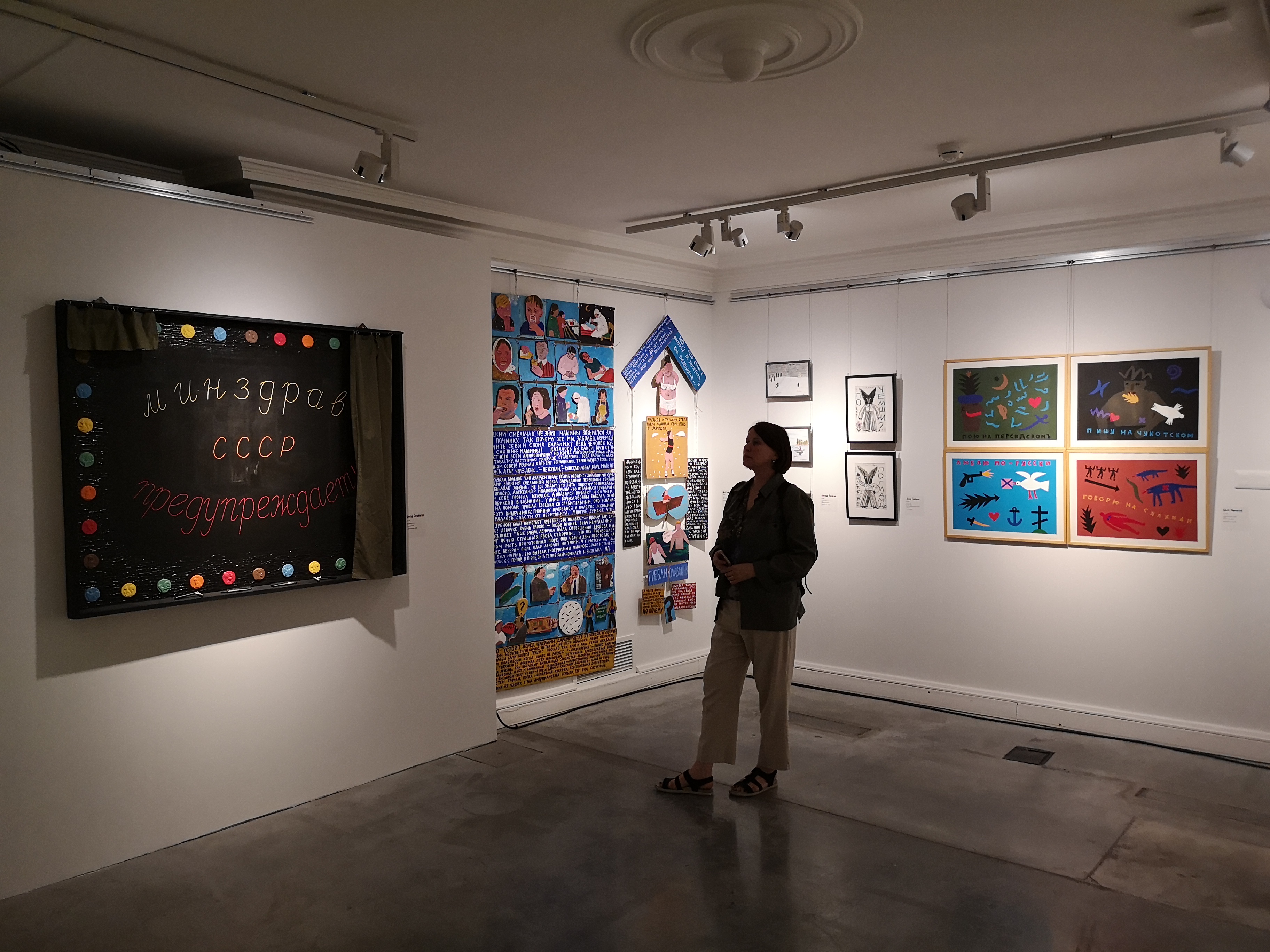


New group exhibition – “Artist and text”, Exhibition halls Rosizo
New group exhibition – “Artist and text”, Exhibition halls Rosizo
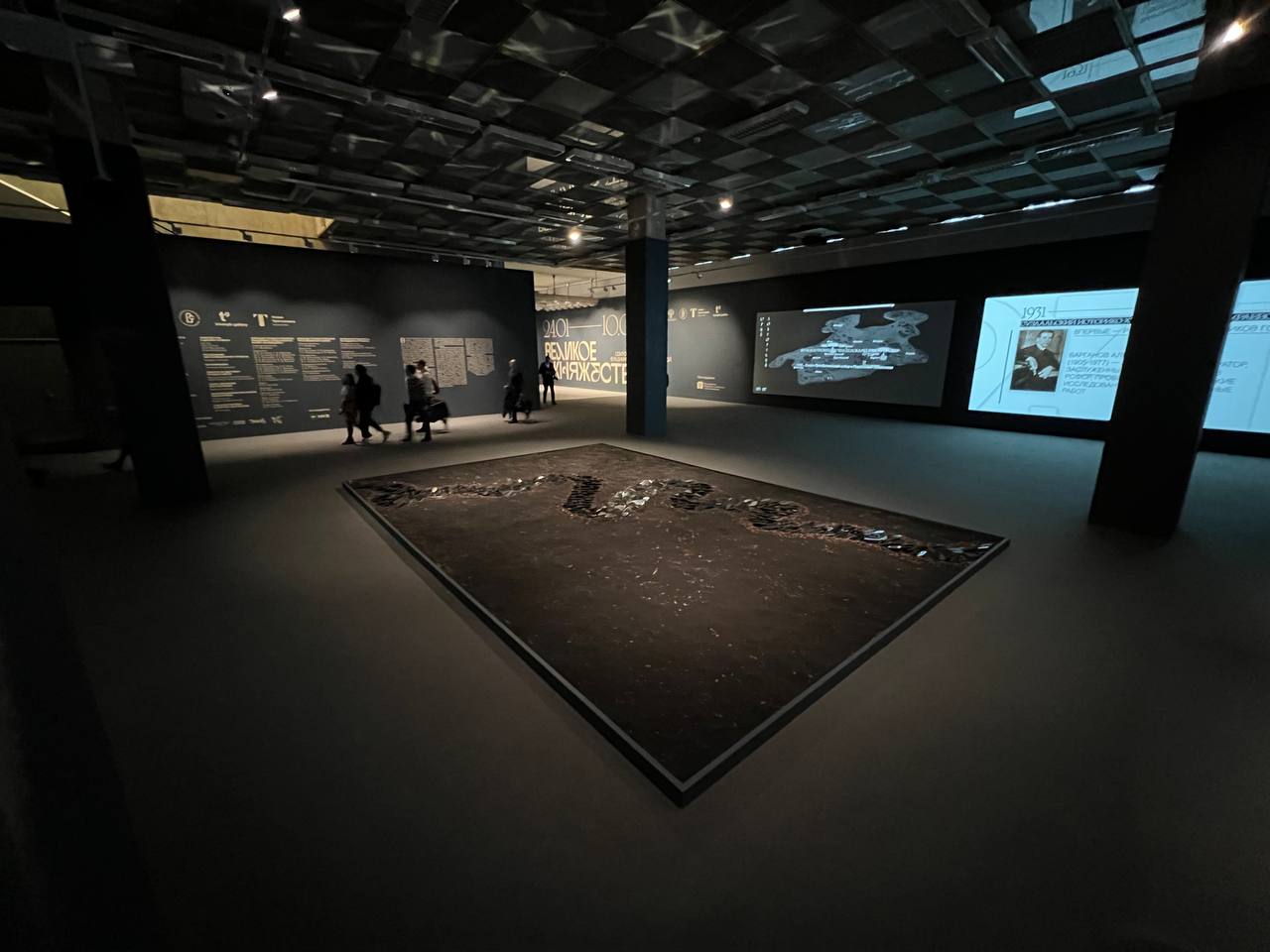
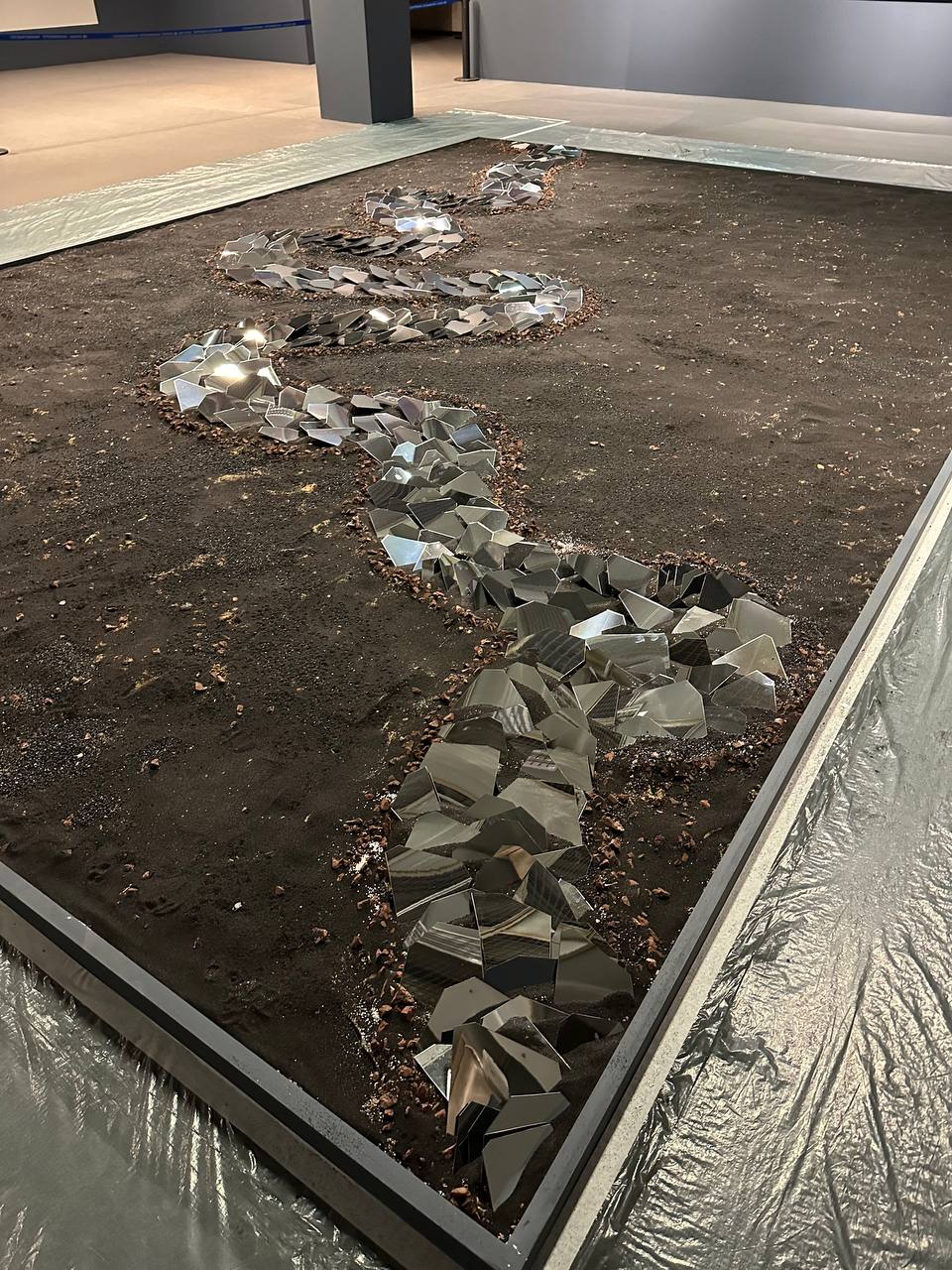
Exhibition “The Grand Duchy. Treasures of the Vladimir-Suzdal Land” is dedicated to the millennium anniversary of the first annalistic mention of the city of Suzdal, which will be celebrated in 2024.


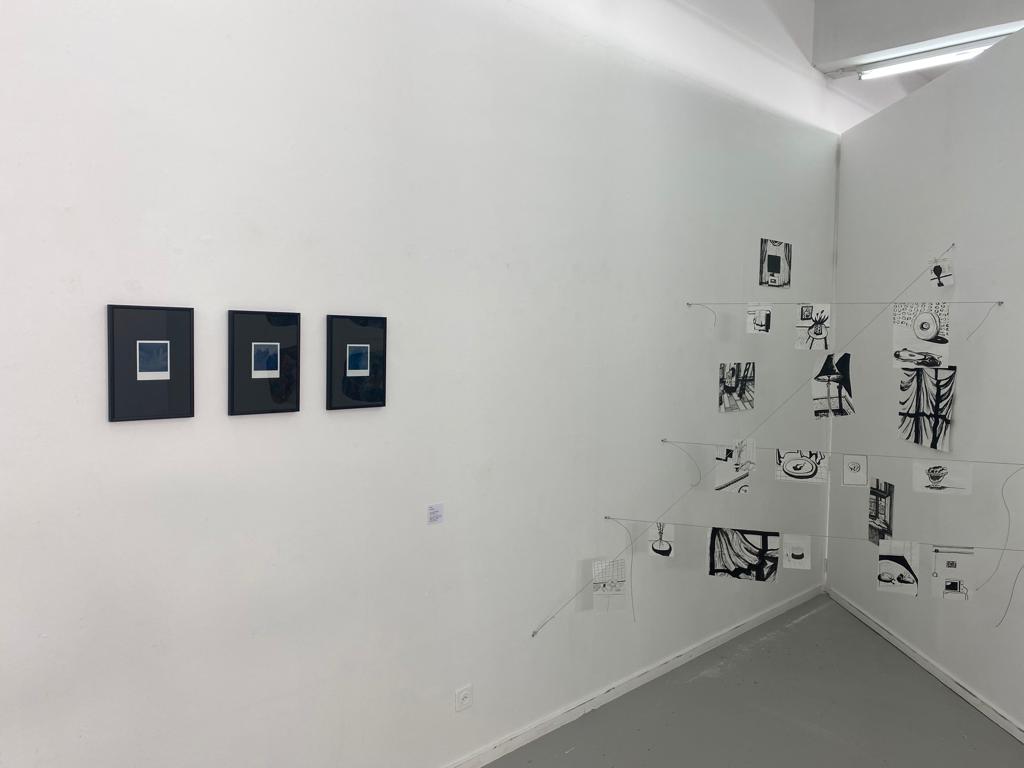


From the series – “Polaroid Dreams”
Photo by Yana Tibben
Voskhod Gallery, OBDN Gallery and Art Catch Gallery present ‘X-Nowness’, a collective exhibition supported by Voices of Culture, which opens at Basel Art Center on June 16th.
The project brings together 38 contemporary artists and art groups, and offers a vision on the concept of time and the so-called ‘nowness’ — the quality or state of existing or occurring in or belonging to the present time.
‘Time is not linear and doesn’t consist of discrete physical points. Rather, it is perceived as a frightening shift, chasing itself, at times running faster or on the contrary falling behind. Nowness itself is followed by its own ghost, some x-unknown. X-nowness can be represented as an innumerable diversity of variations of reality, an area inhabited by ghosts and not linked to any time. This invisible schism is actually a dynamic link between the past and the present, that is felt and exposed by the artists in the physical world. Their artworks exist temporally, as a glimmer between the past and the future, between the reality and the allegories for the reality’ (by Dasha Yartseva)
@voskhod_gallery @obdnnie @artcatch.art
16 — 22 June 2022
Basel Art Center
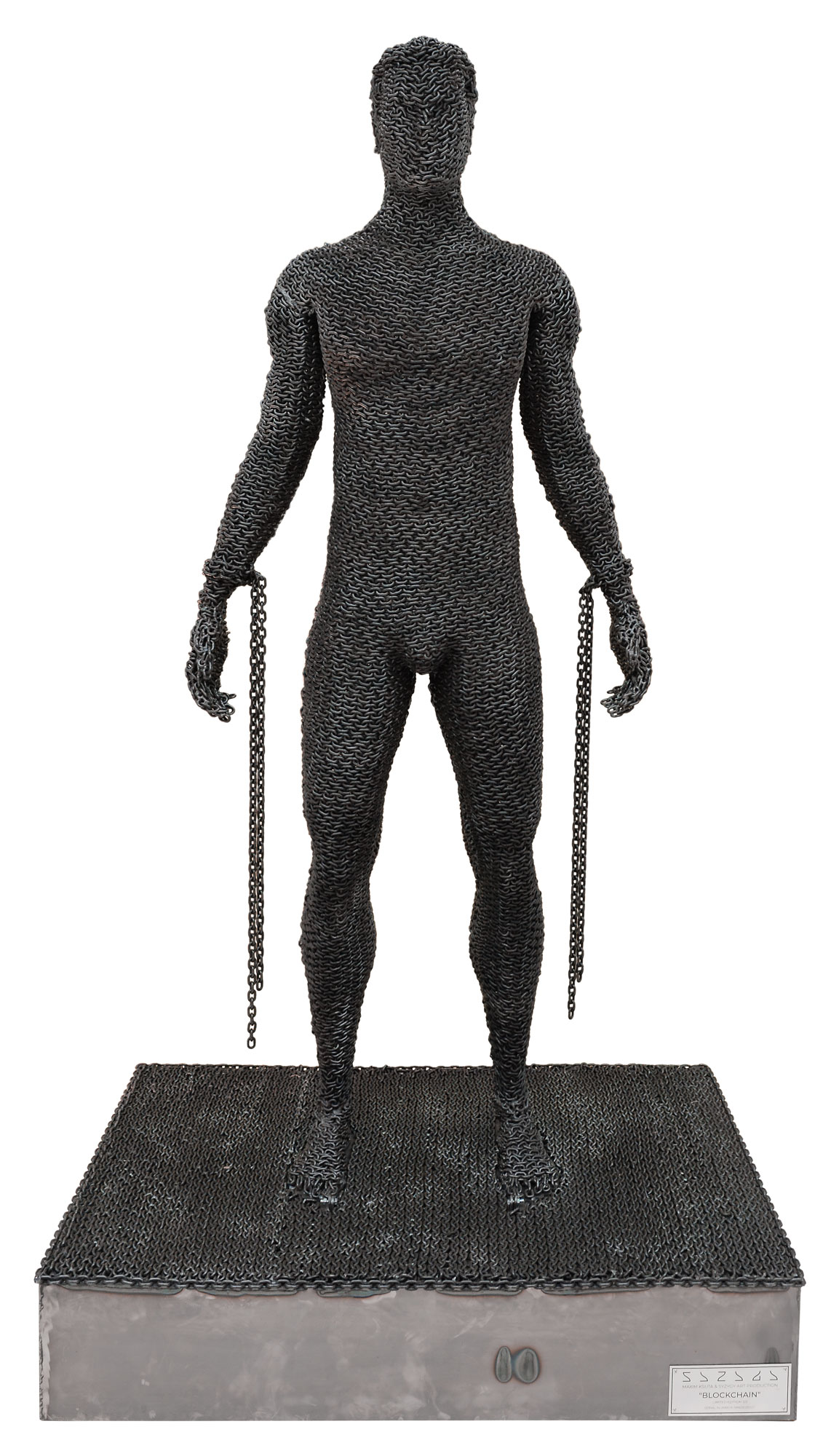
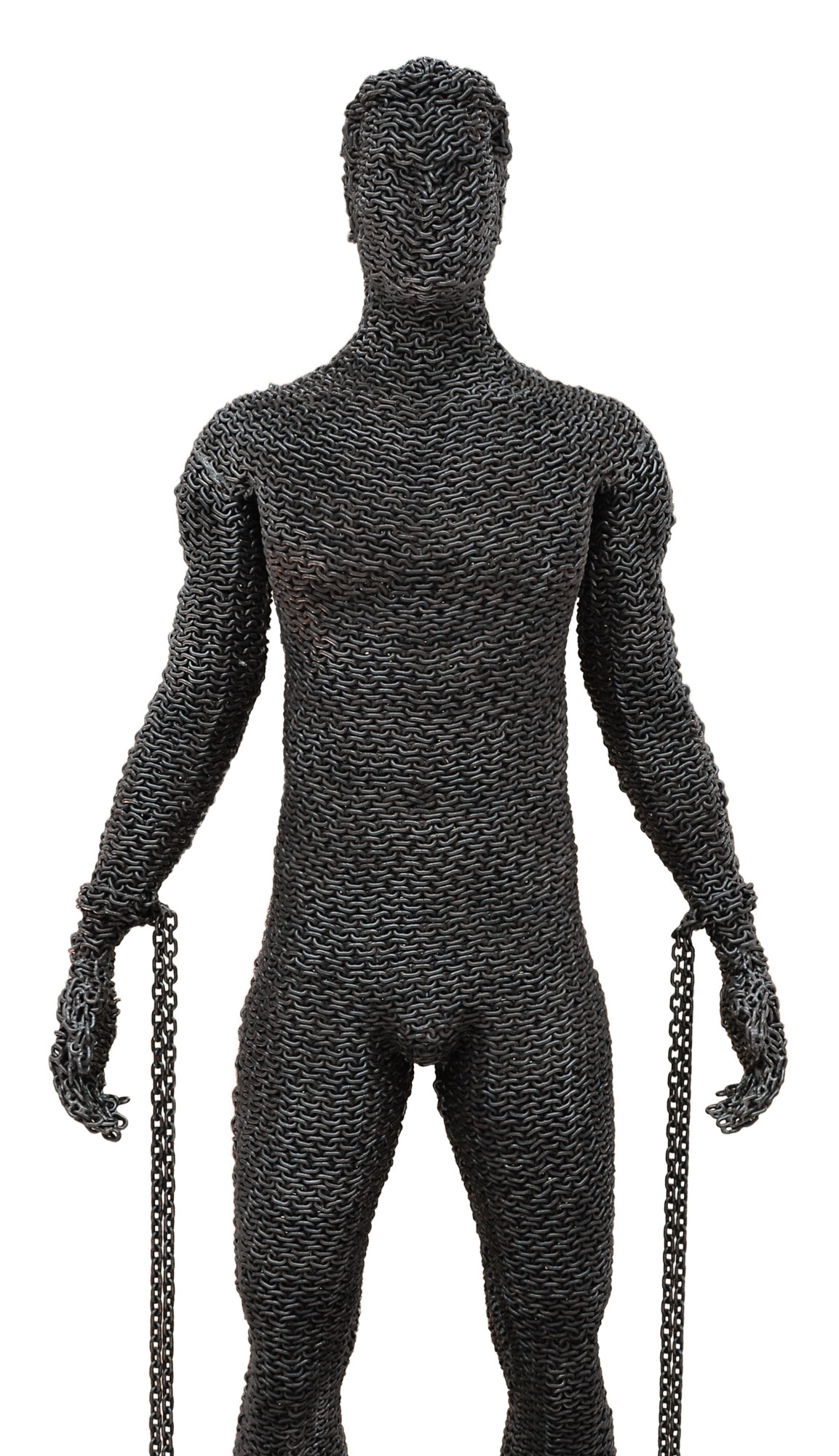
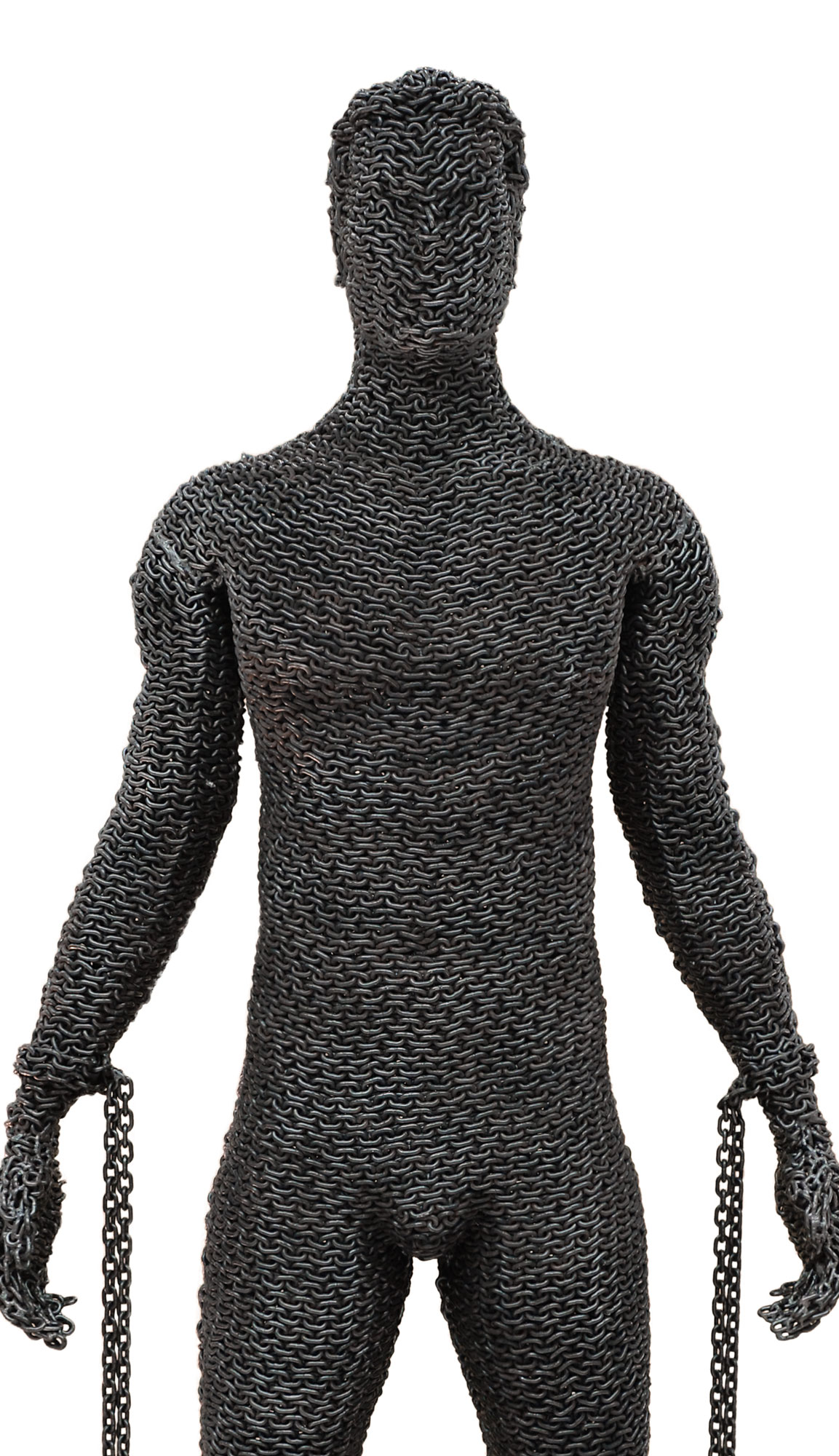
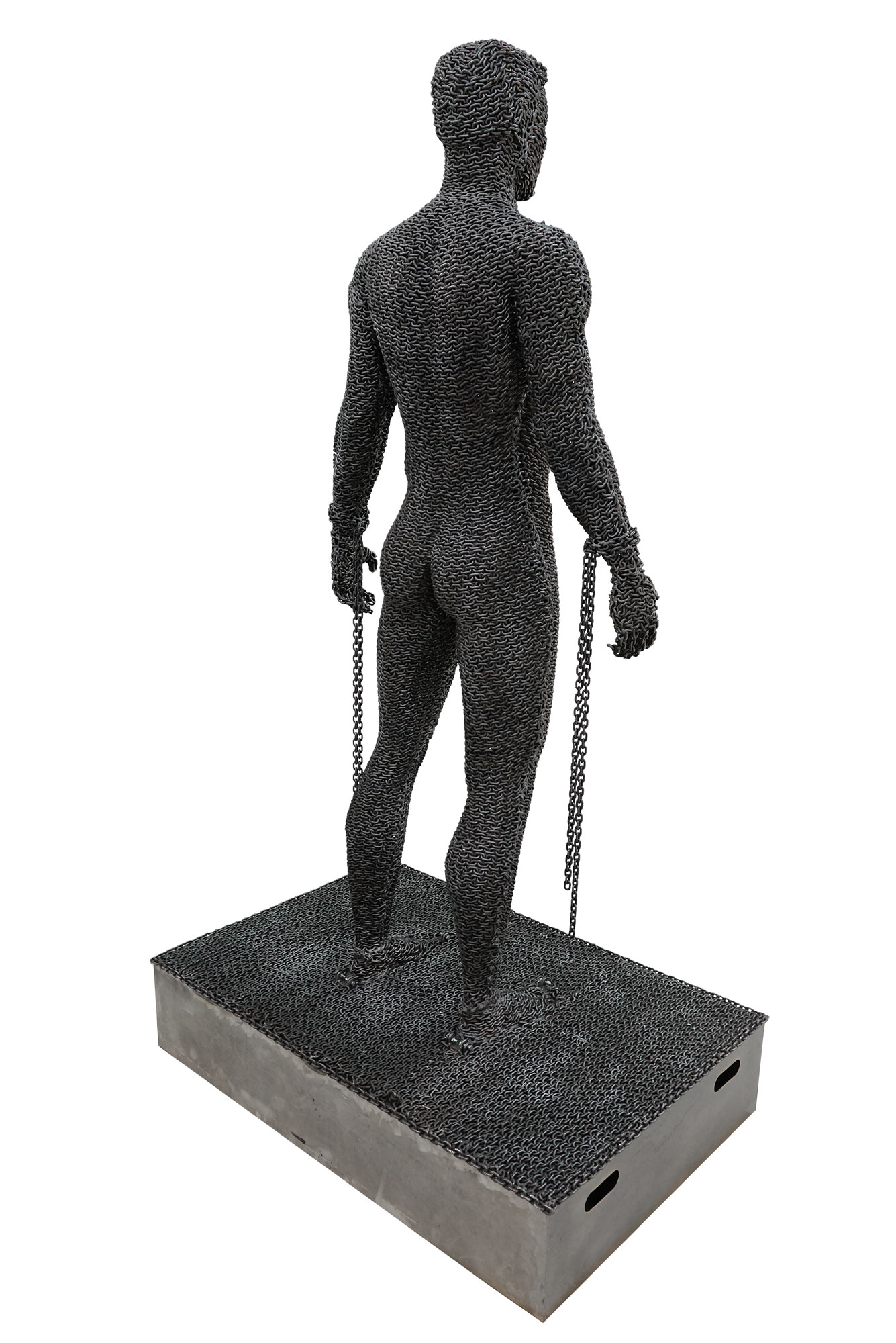
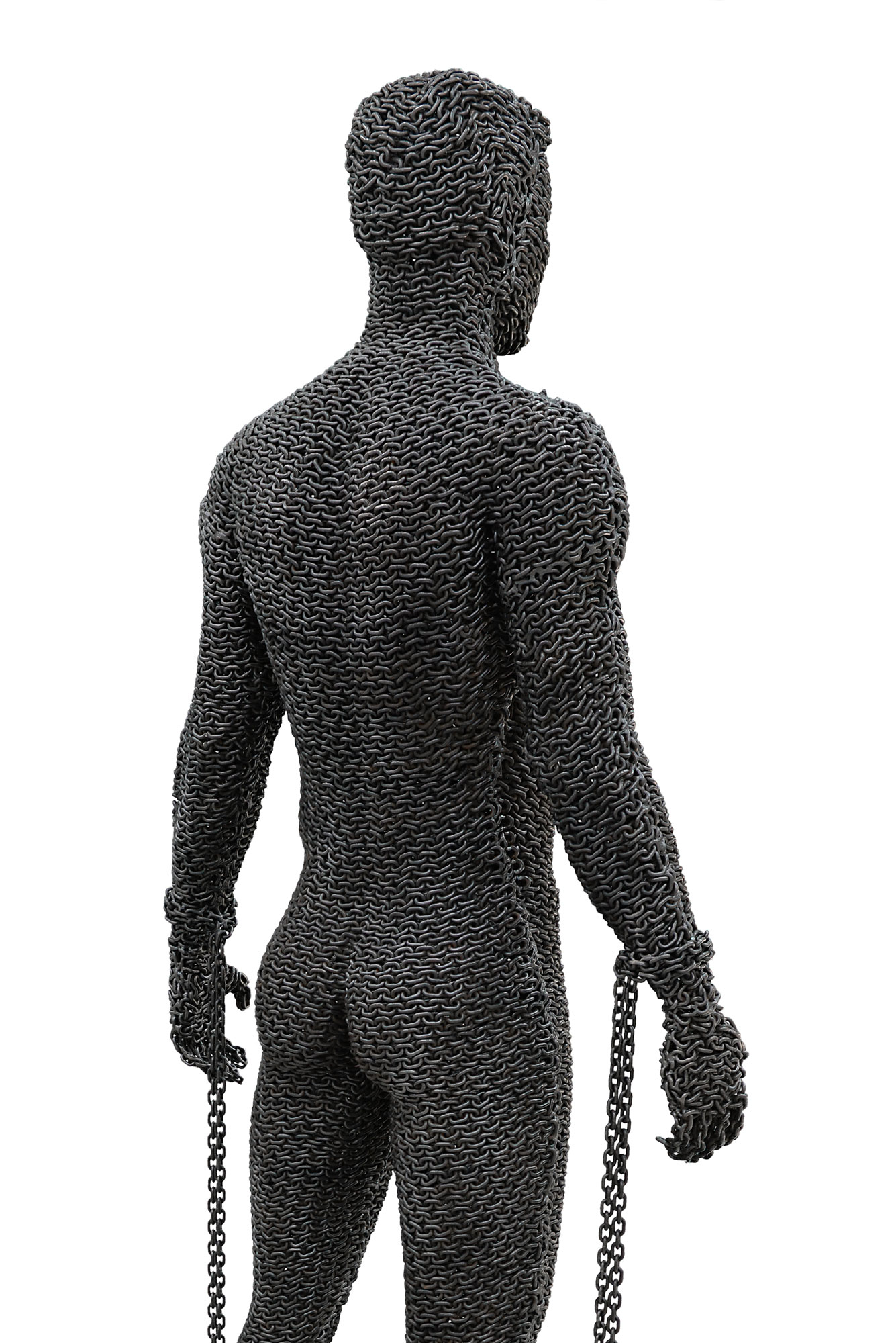
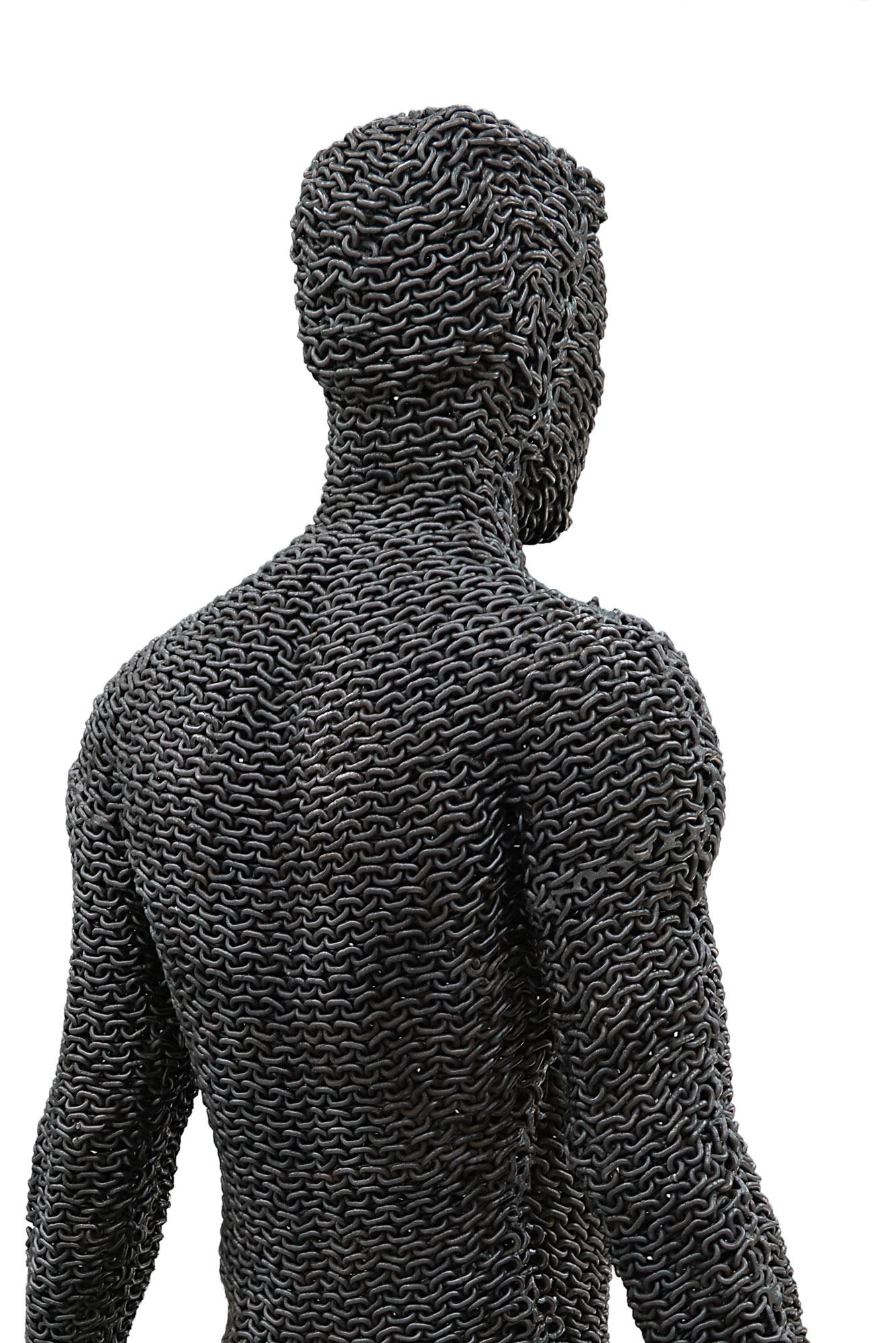
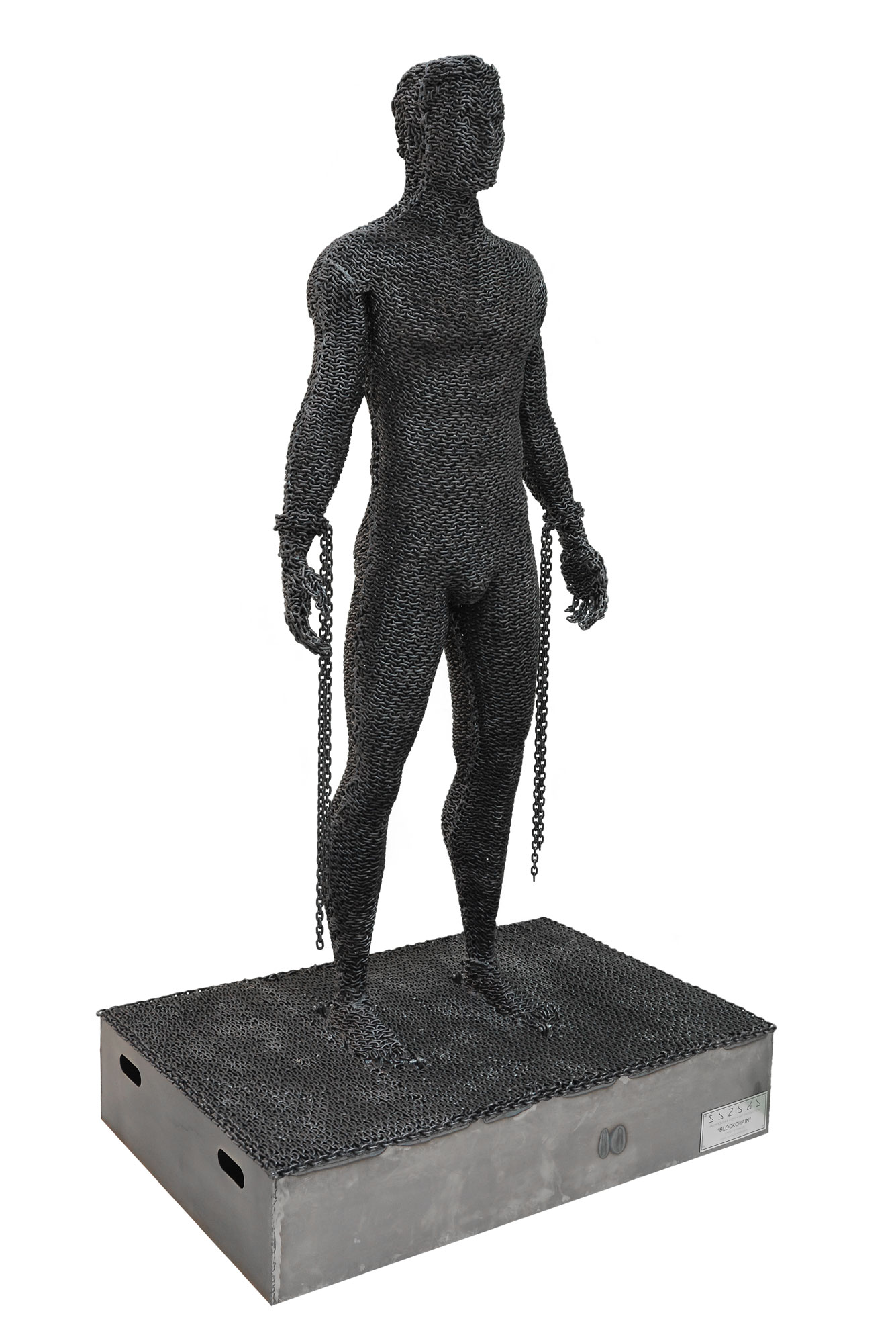
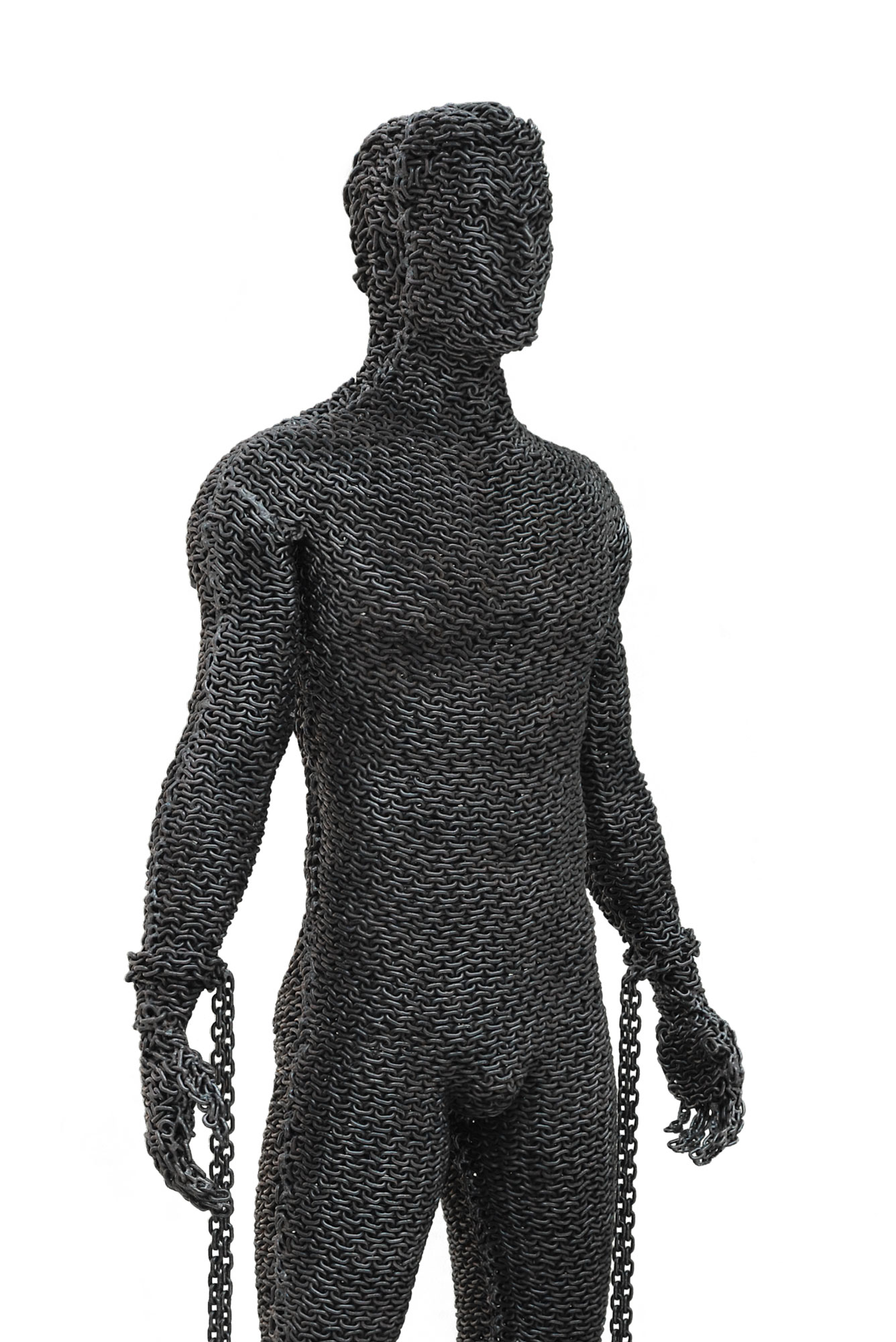
320 см, Steel chain
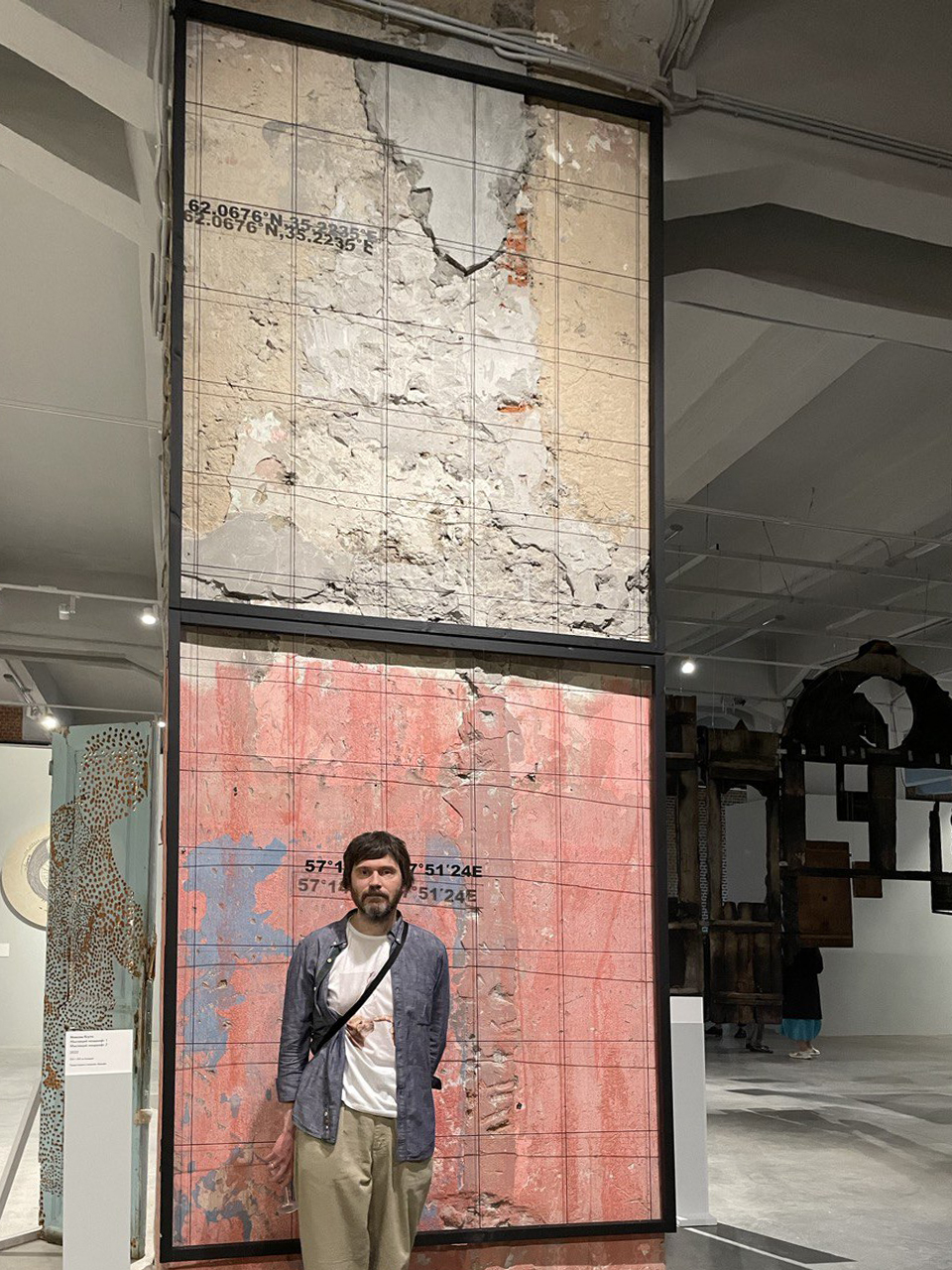
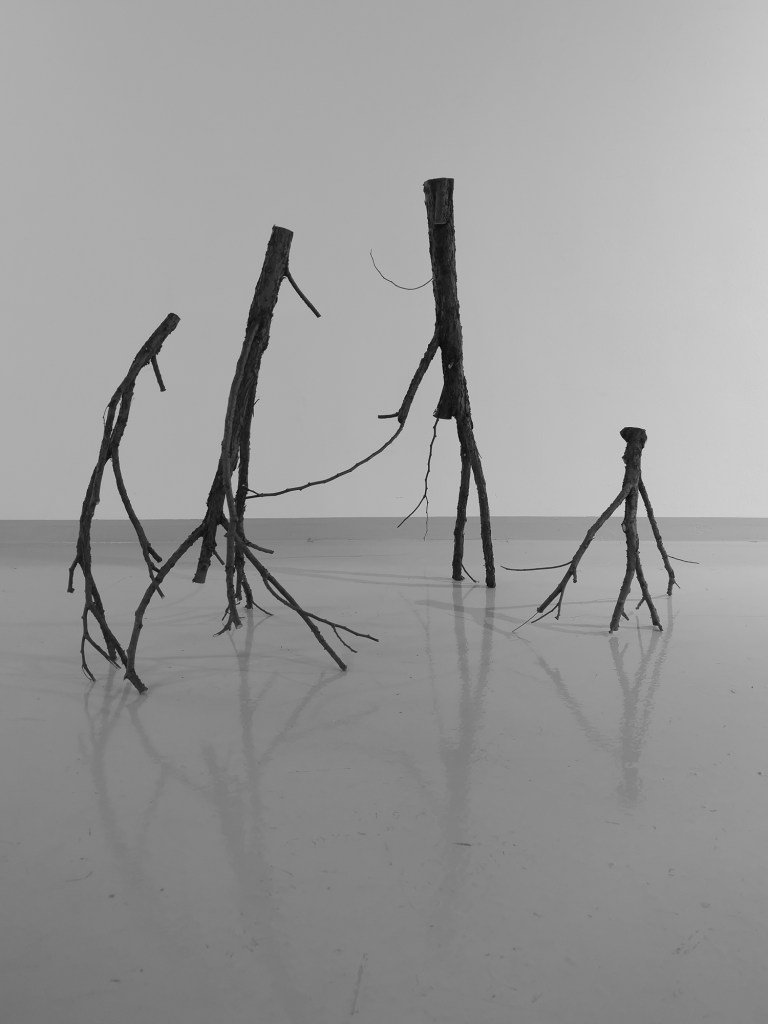
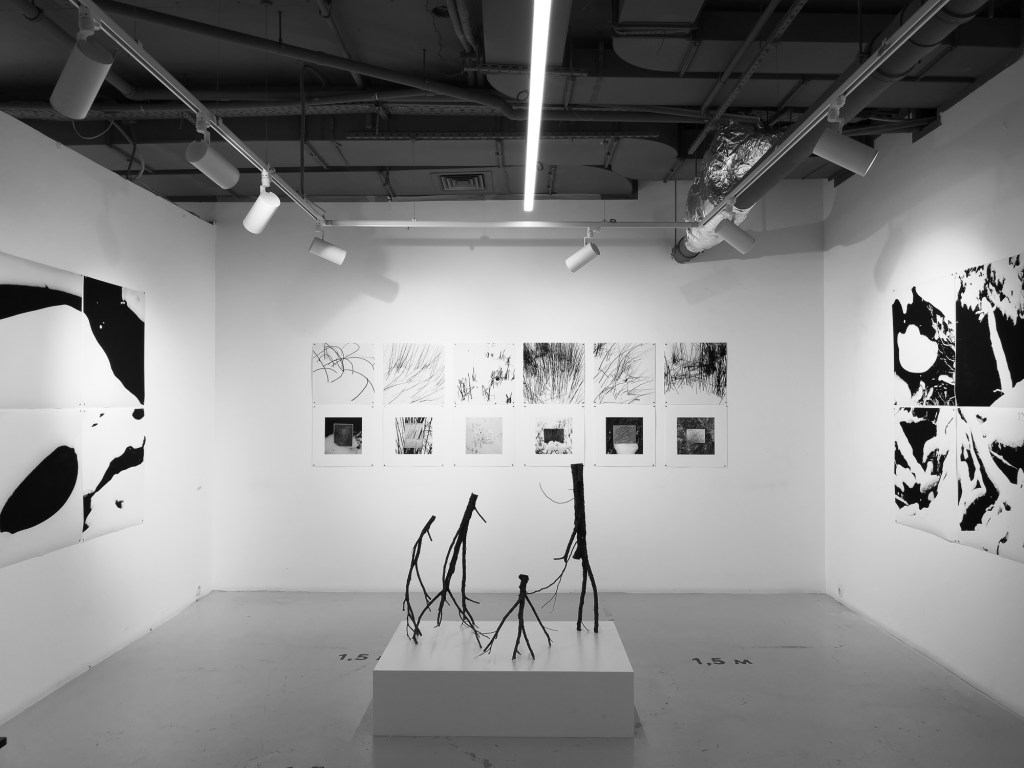
Site-specific installation – The Thinking Landscape vol-I, The Thinking Landscape vol-II.
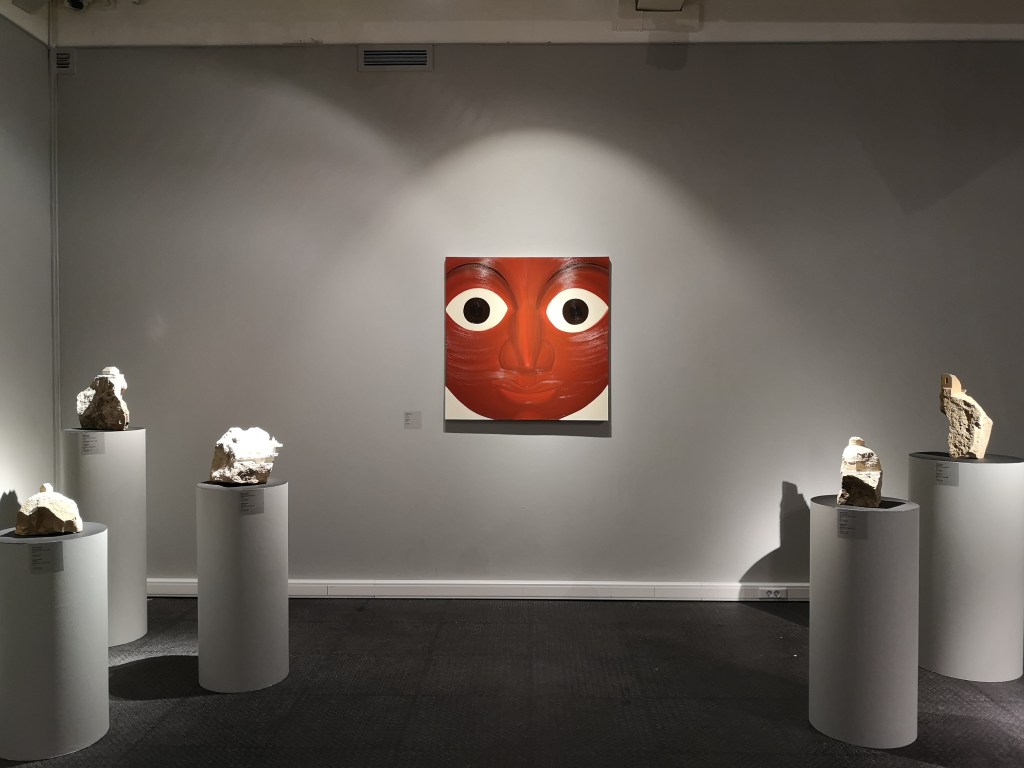
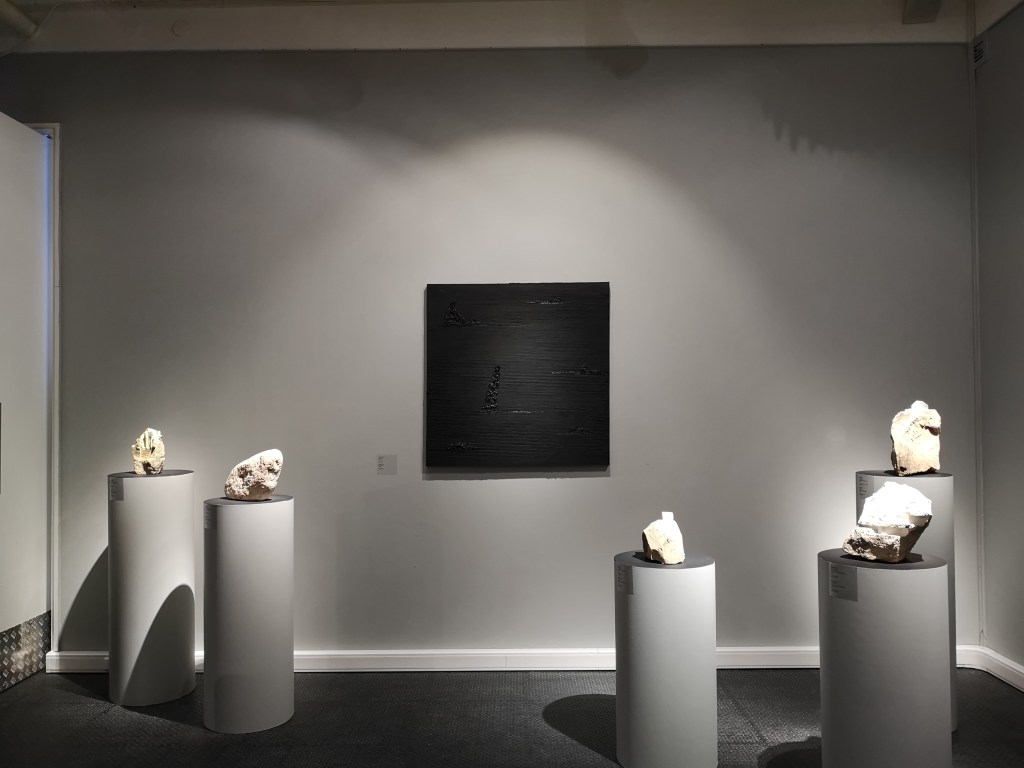
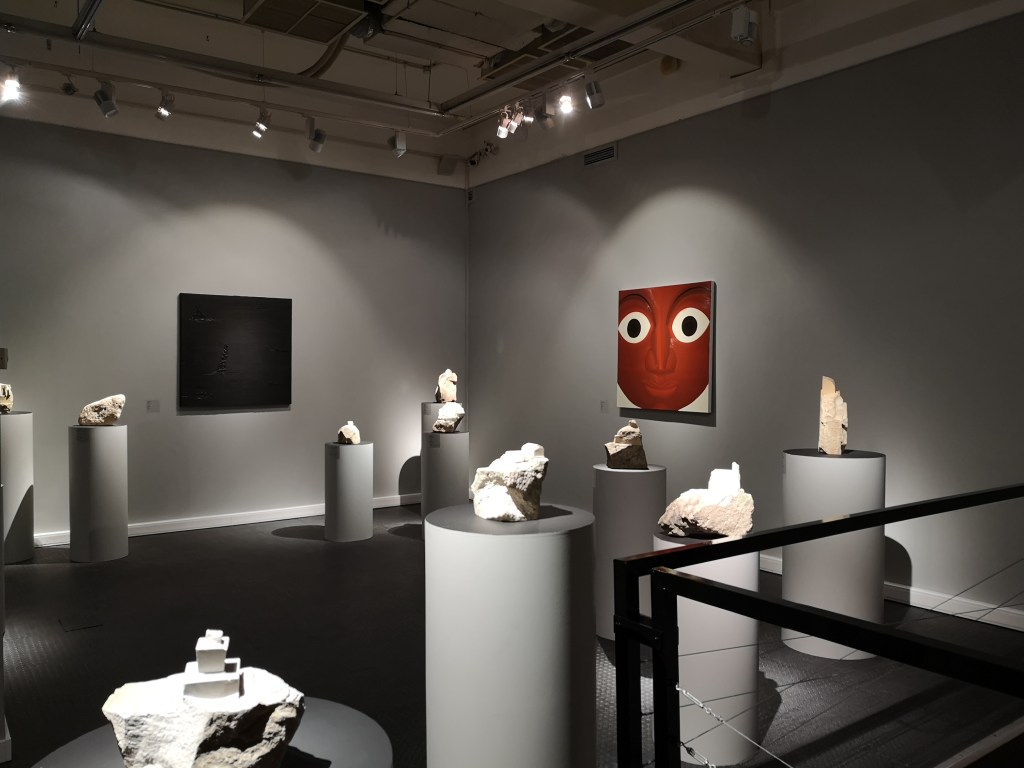




Zen Garden
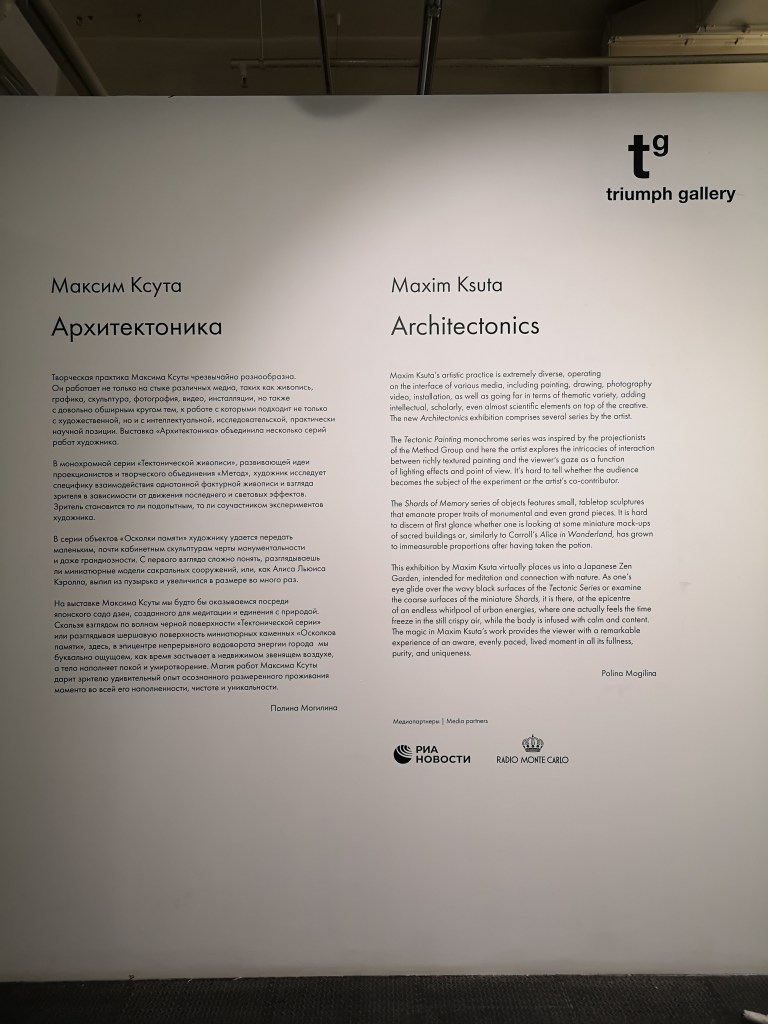
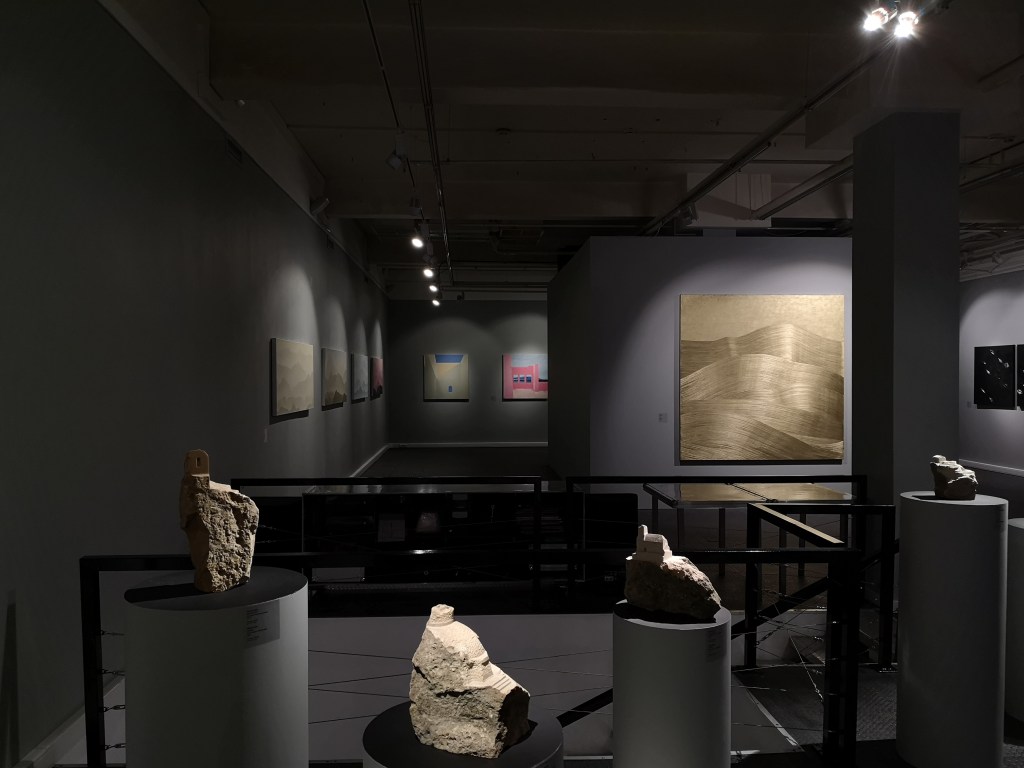
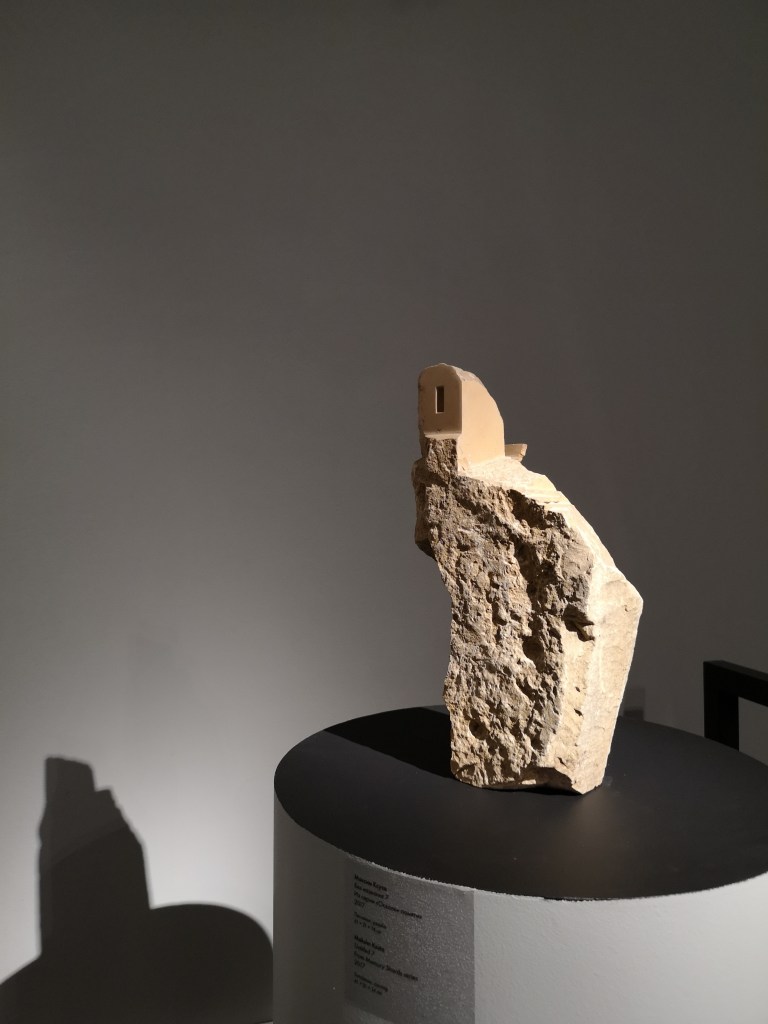
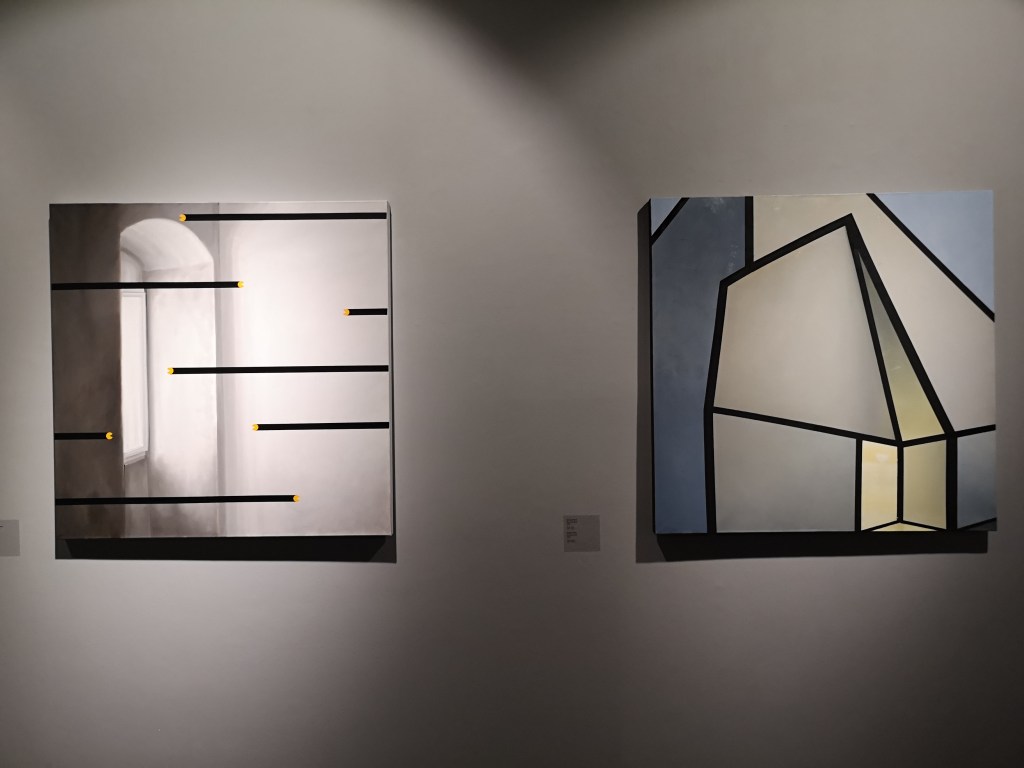
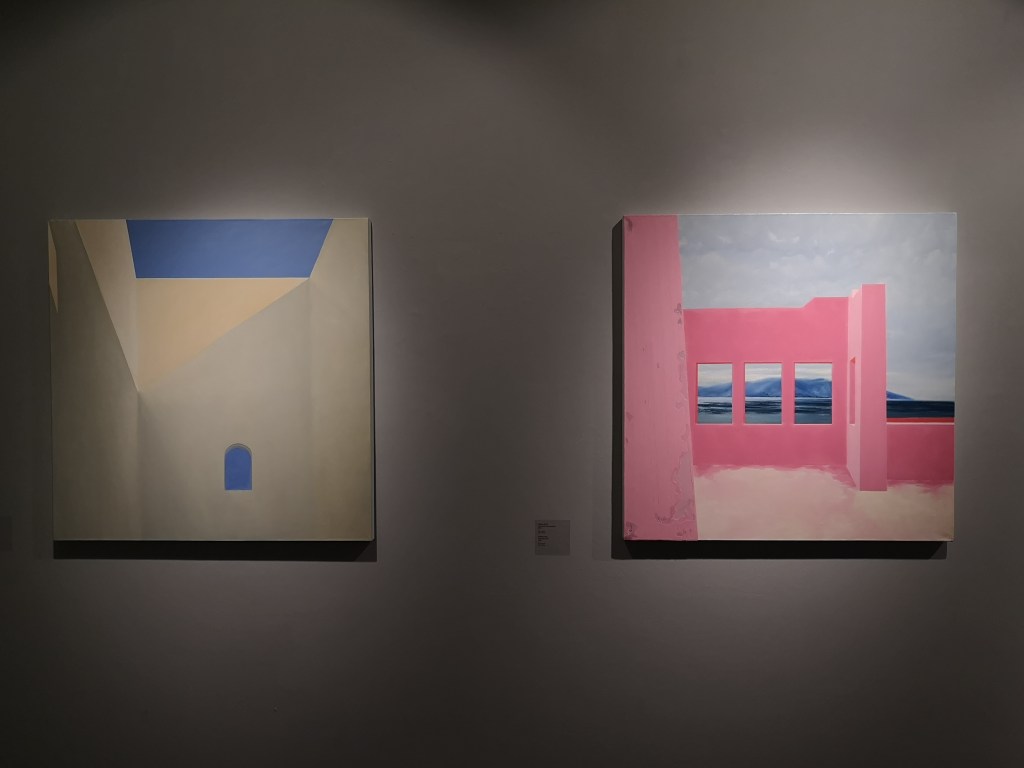
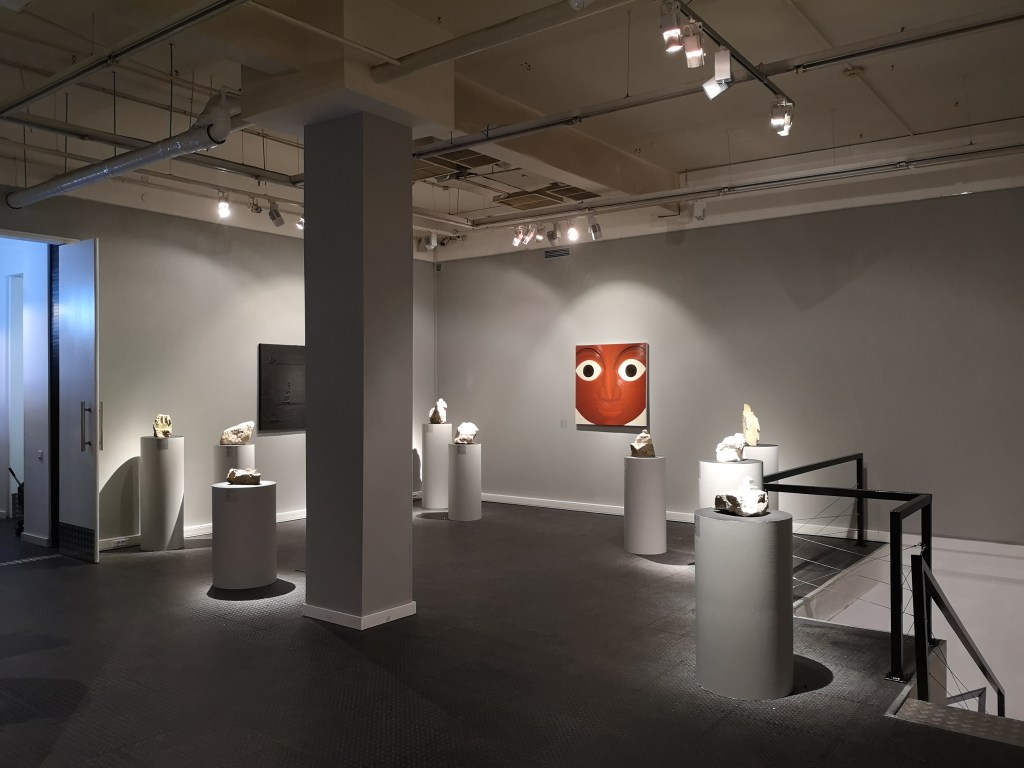
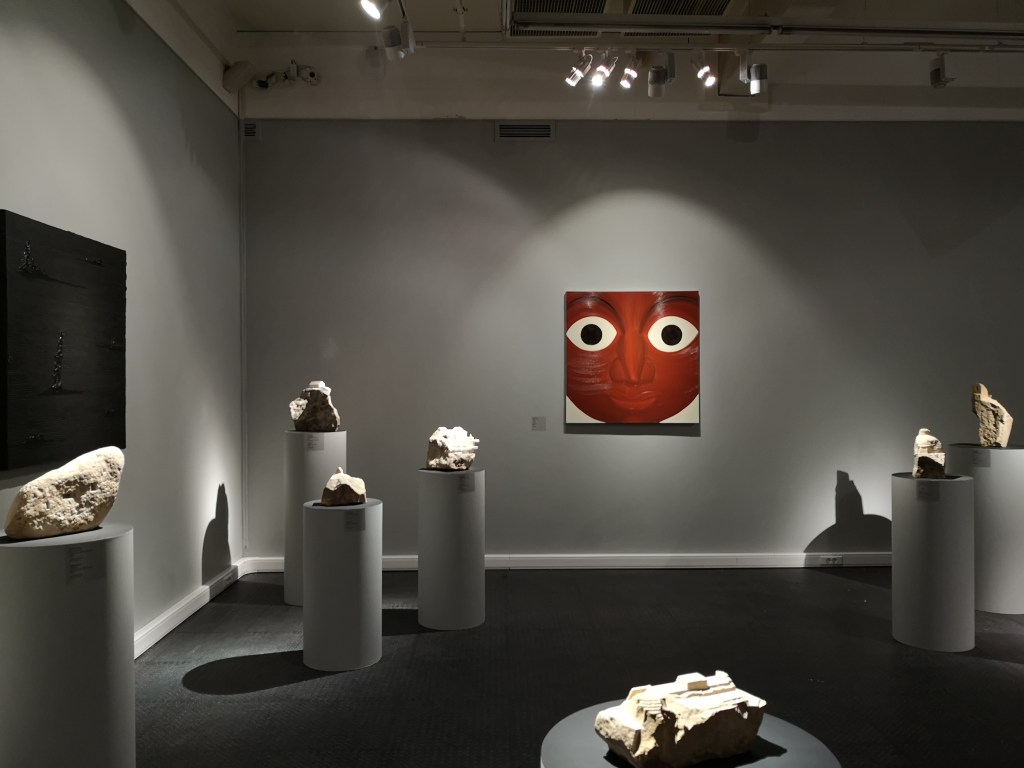
Maxim Ksuta’s artistic practice is extremely diverse, operating on the iterface of various media, including painting, drawing, photography, video, installation, as well as going far in terms of thematic variety, adding intellectual, scholarly, even almost scientific elements on top of the creative. The new project remains faithful to Maxim’s knack for serialised production, which enables a contemplative and consistent, almost lablike deep dives into the techniques and effects that are of interest to the artist. The new Architectonics exhibition comprises several series by the artist.
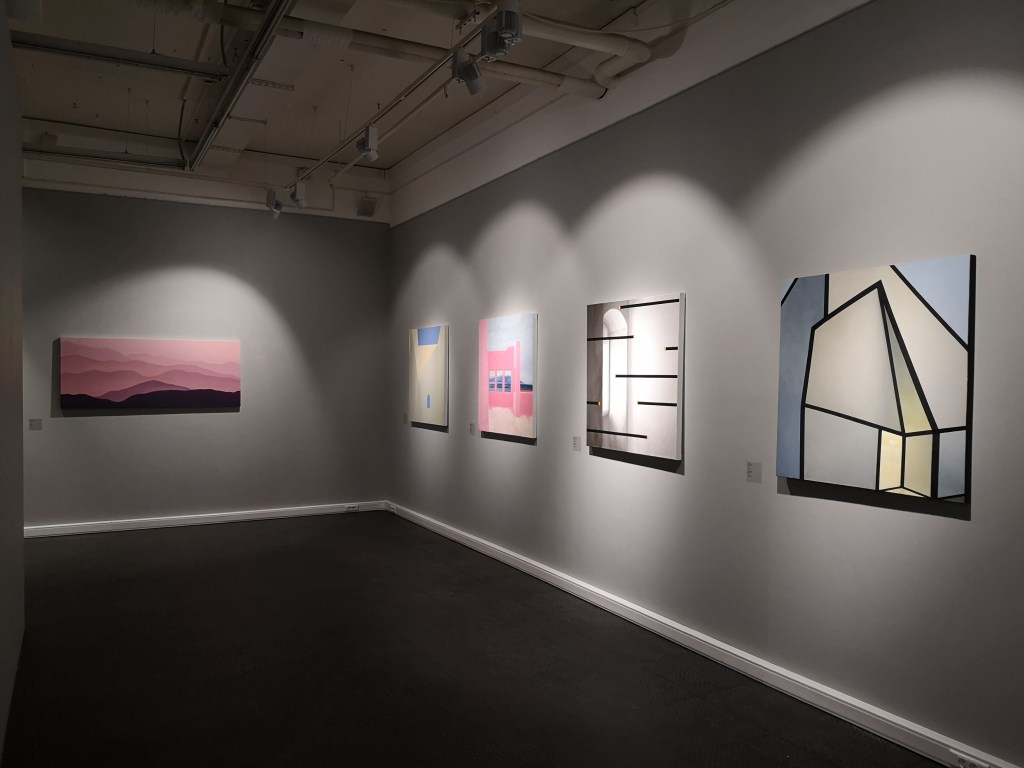
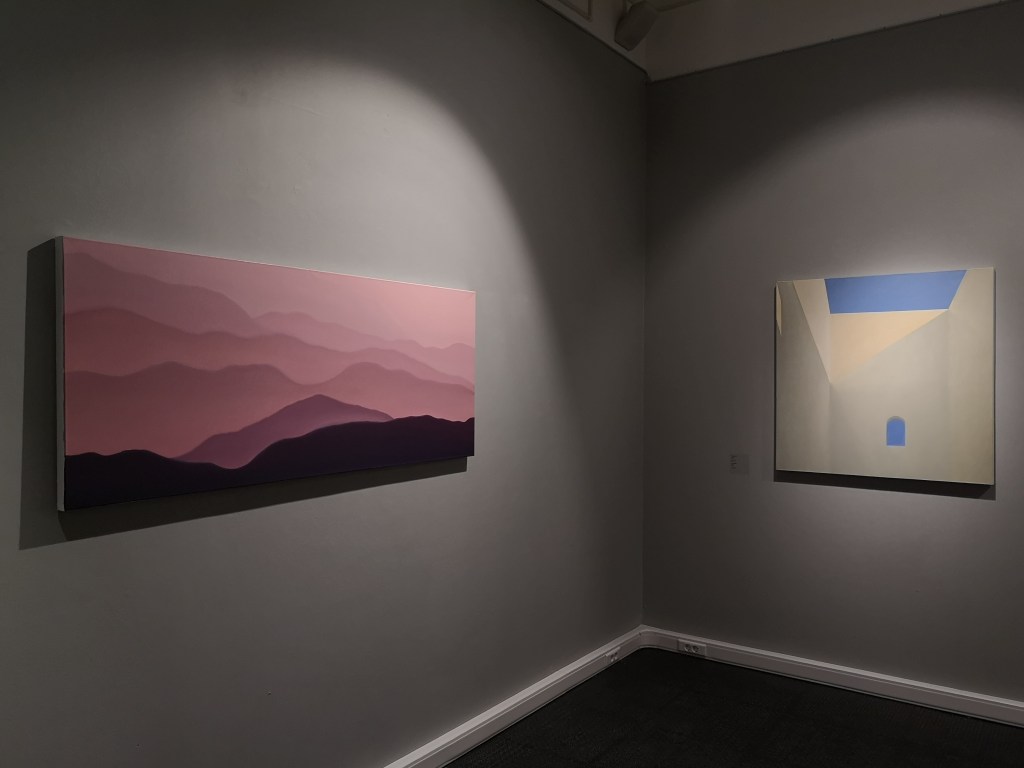
Projects by Ksuta have repeatedly addressed the links between the particular and the abstract. In his project The Expulsion dating back to 2007, the dense calligraphy and lettering produced emergent anthropomorphic figures, whereas the 2013 photo series CY, which was inspired by the art of Cy Twombly, had pictures of natural objects that were freely combined into natural abstractions. The Horizons series of canvases, based on EEG readings of the brain, transforms the brain waves into mountainscapes, whereby the outlines of mountain peaks are gradually dissolved in the pastel-coloured atmospheric fog.
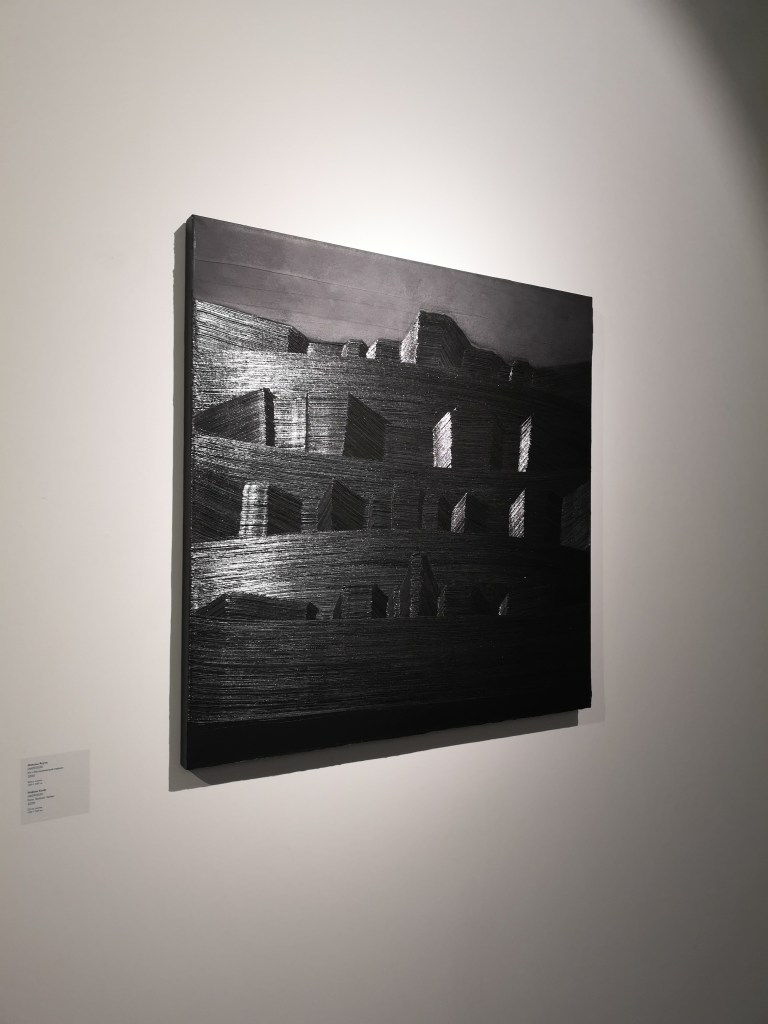
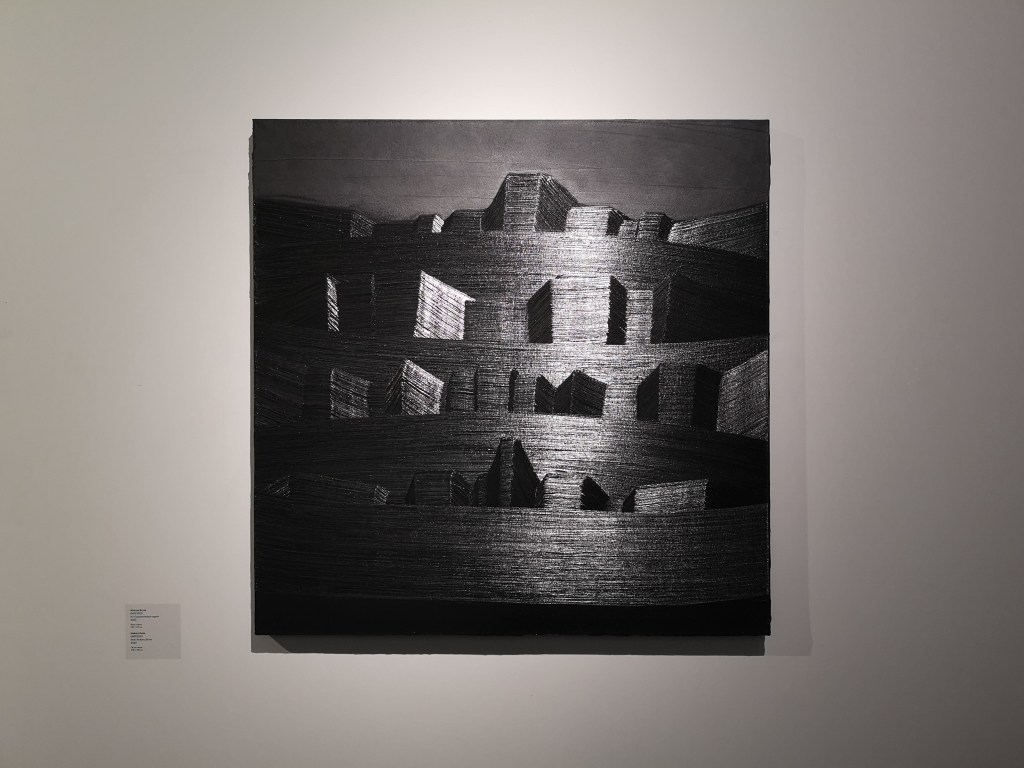
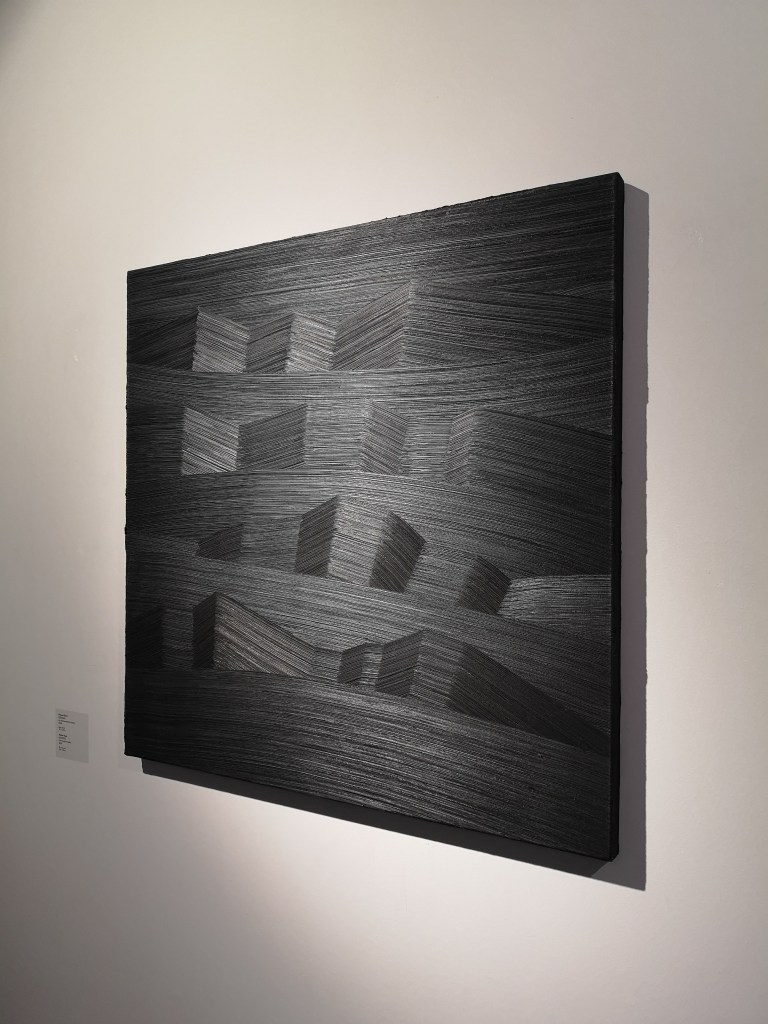
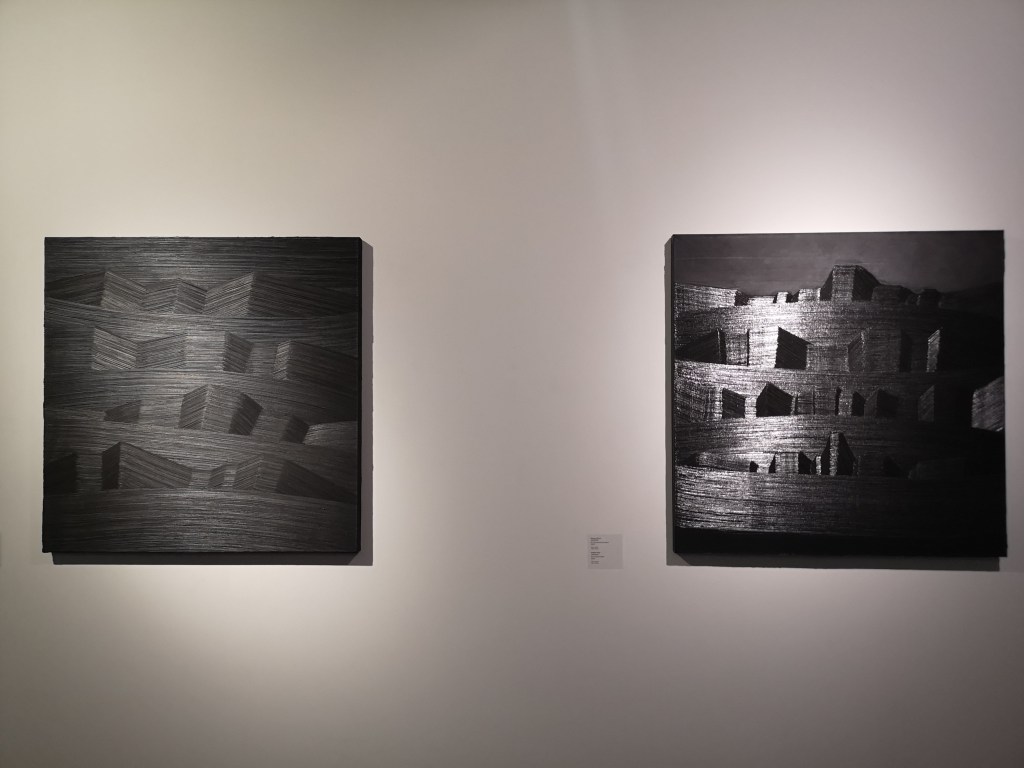
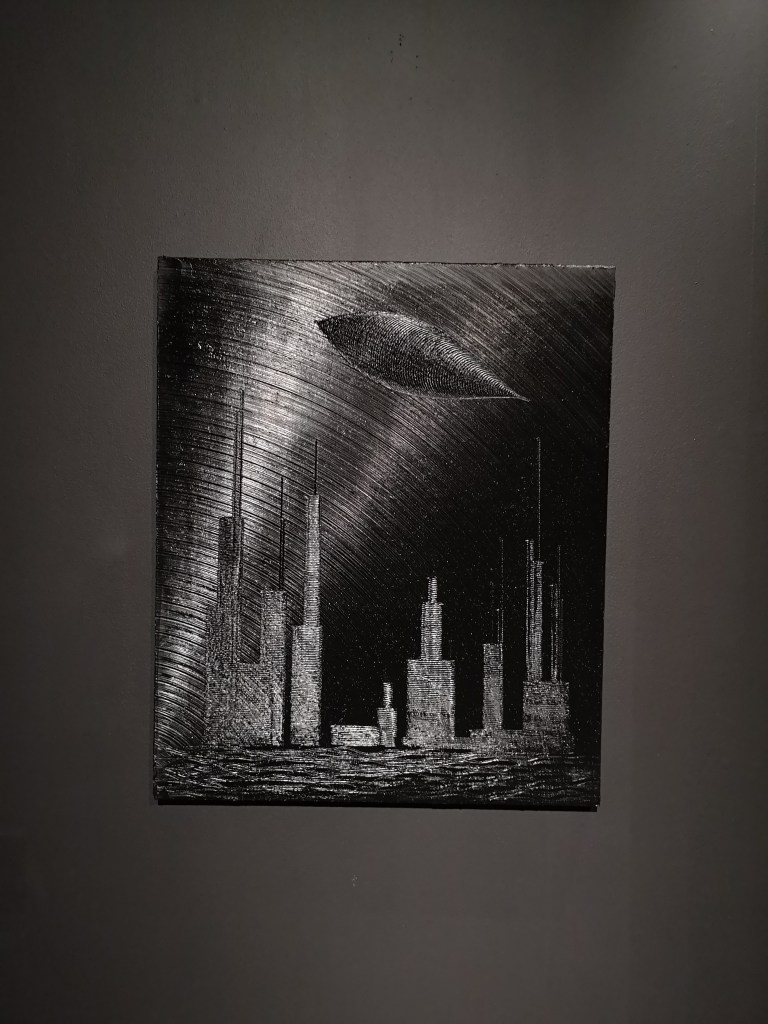
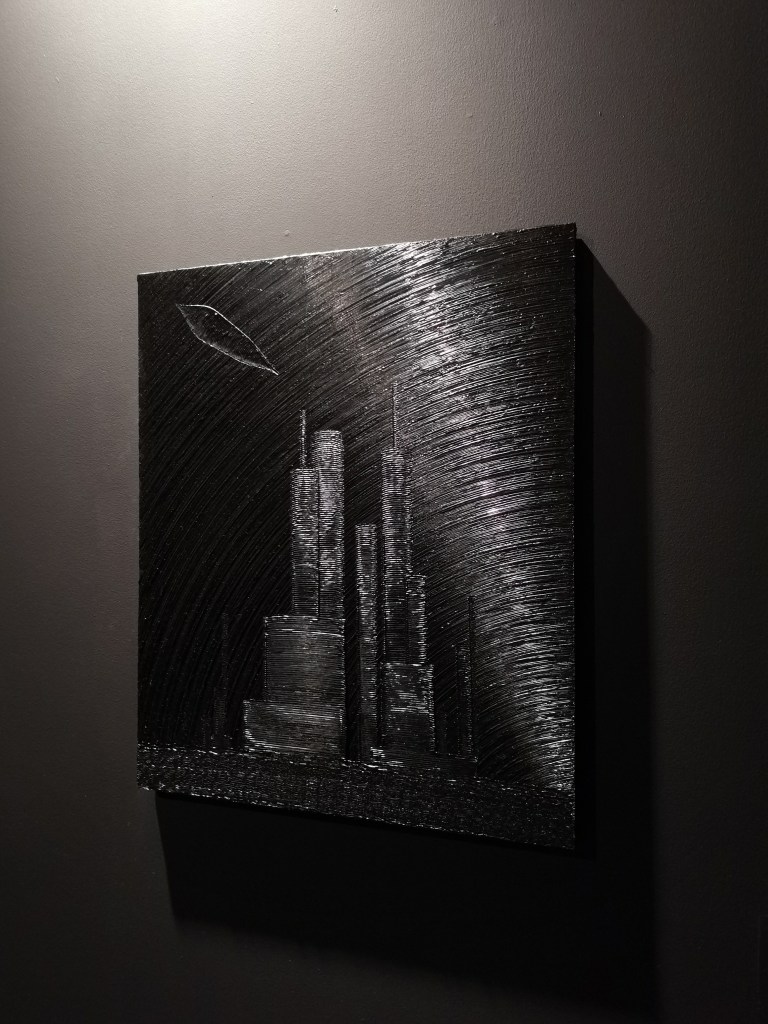
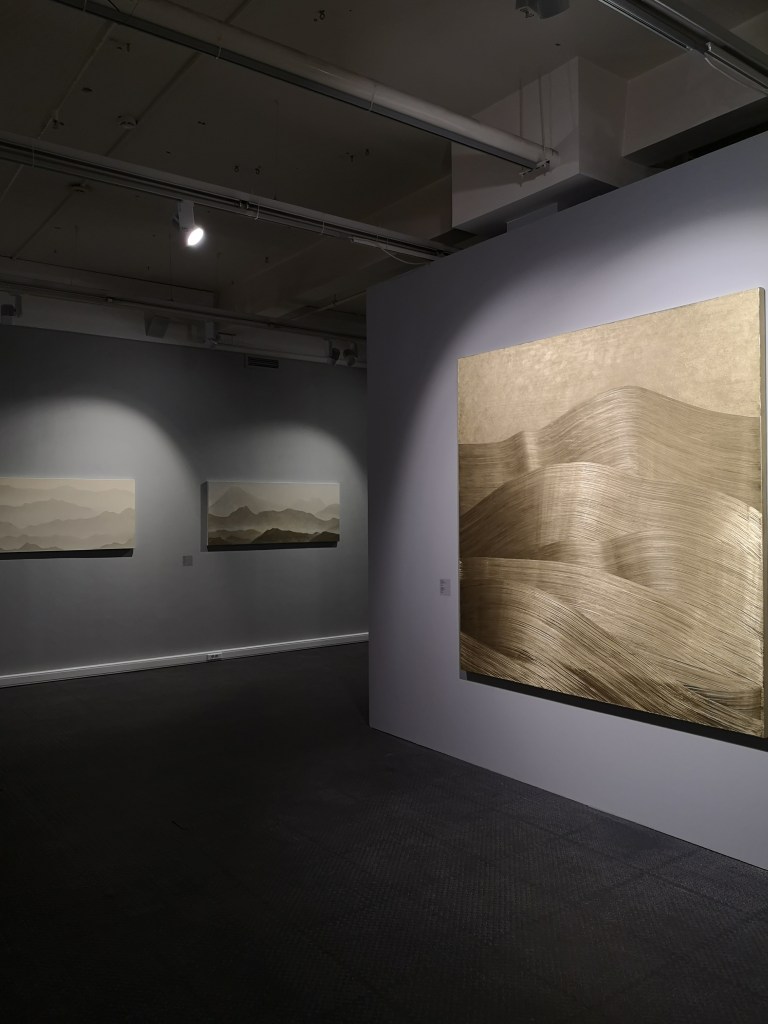
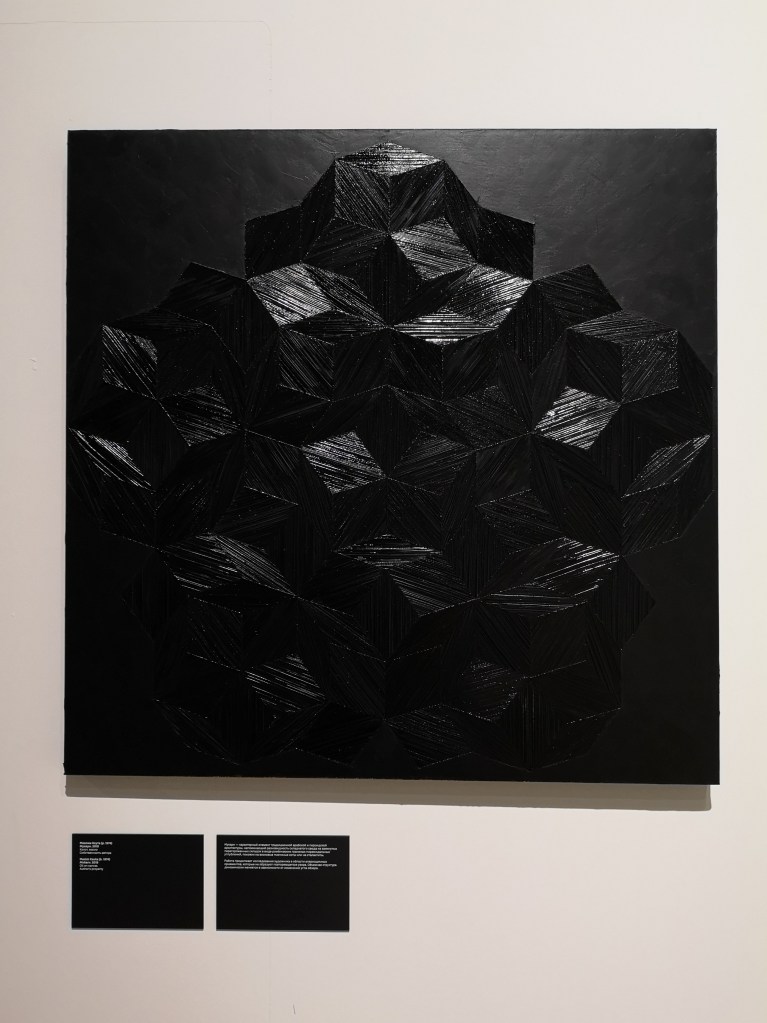
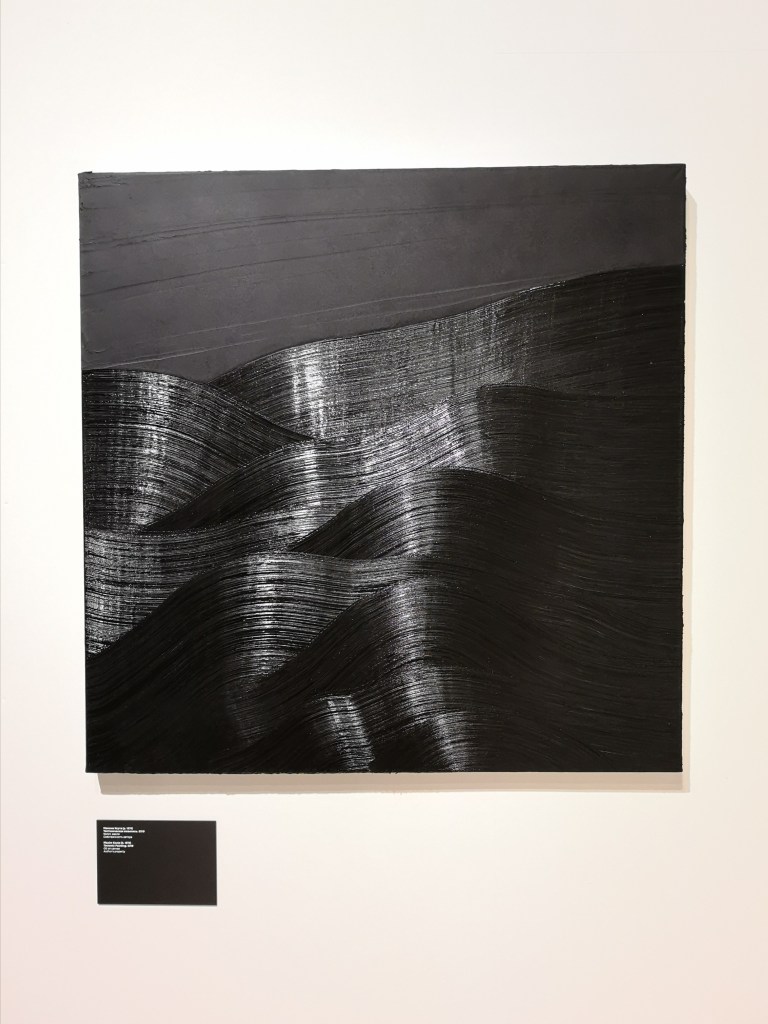
The Tectonic Painting monochrome series was inspired by the projectionists of the Method Group and here the artist explores the intricacies of interaction between richly textured painting and the viewer’s gaze as a function of lighting effects and point of view. It’s hard to tell whether the audience becomes the subject of the experiment or the artist’s co-contributor. These works by Ksuta are much closer to canvases by Pierre Soulages who is obsessed with the idea of manifesting the substance of light than, for example, the sculpture-like canvas planes of Jason Martin’s black series. Unlike Soulages, however, Ksuta’s uninterrupted brushwork generates mirages of abstracted landscapes that depict sand dunes and futuristic cities.
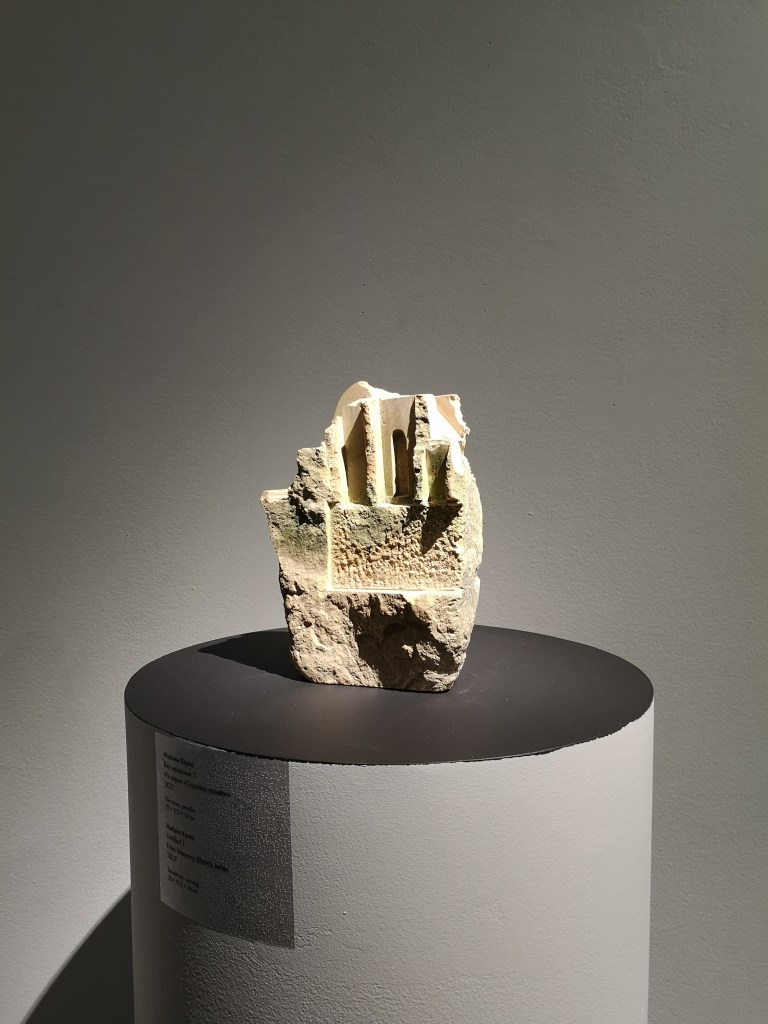
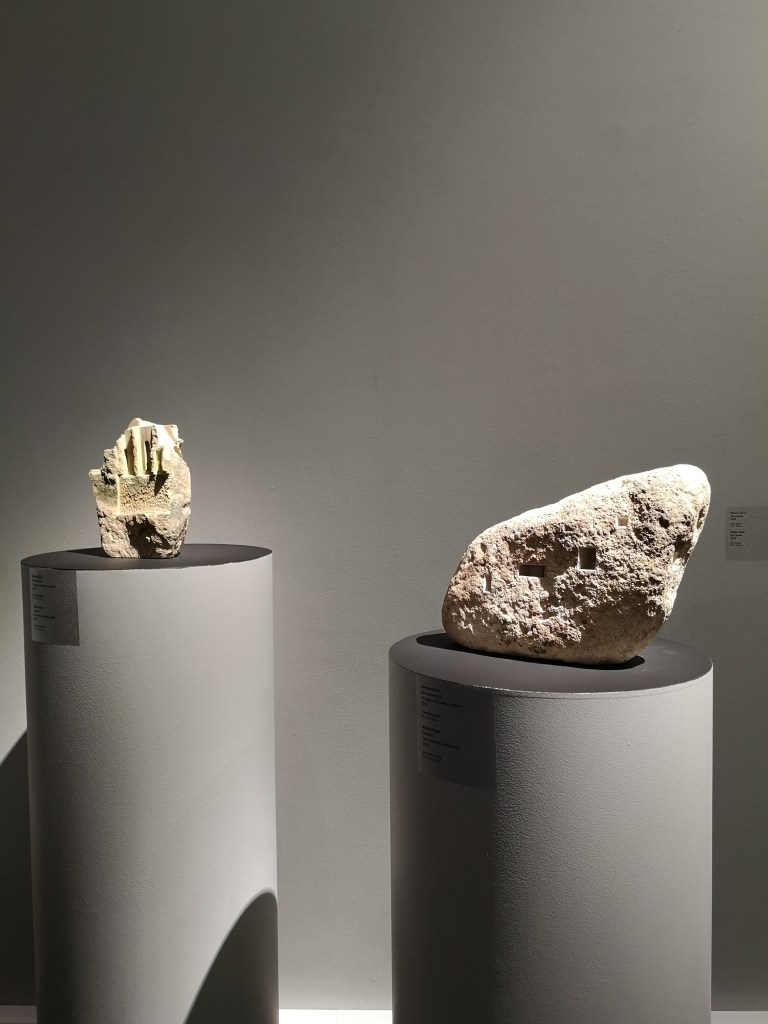
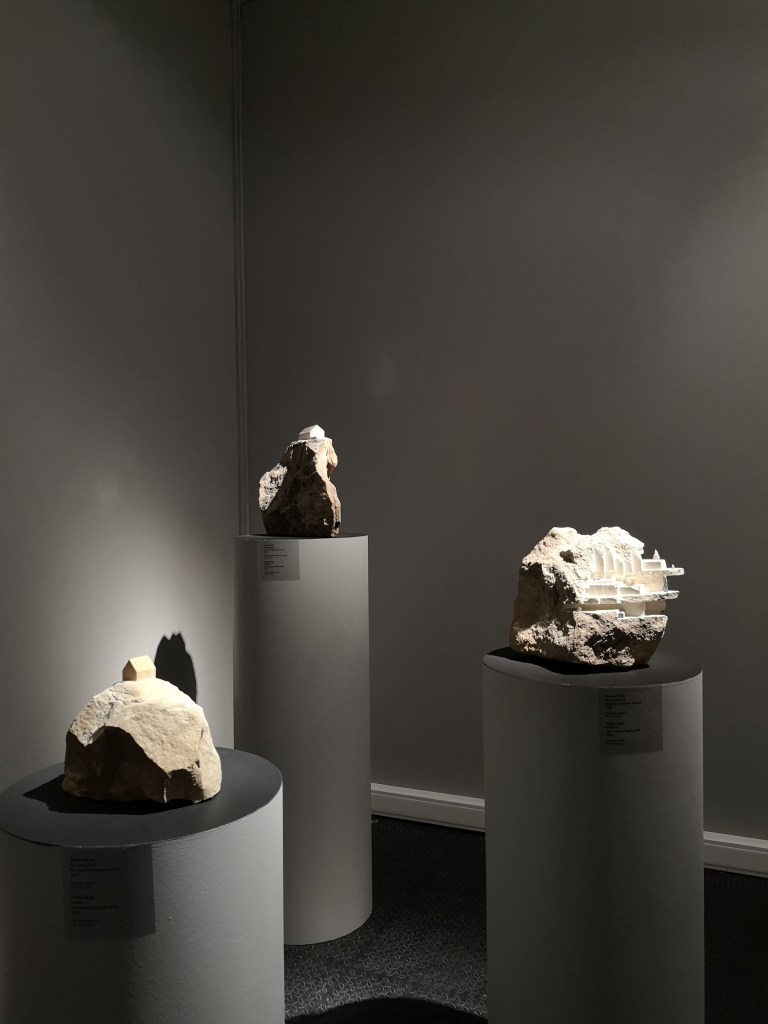
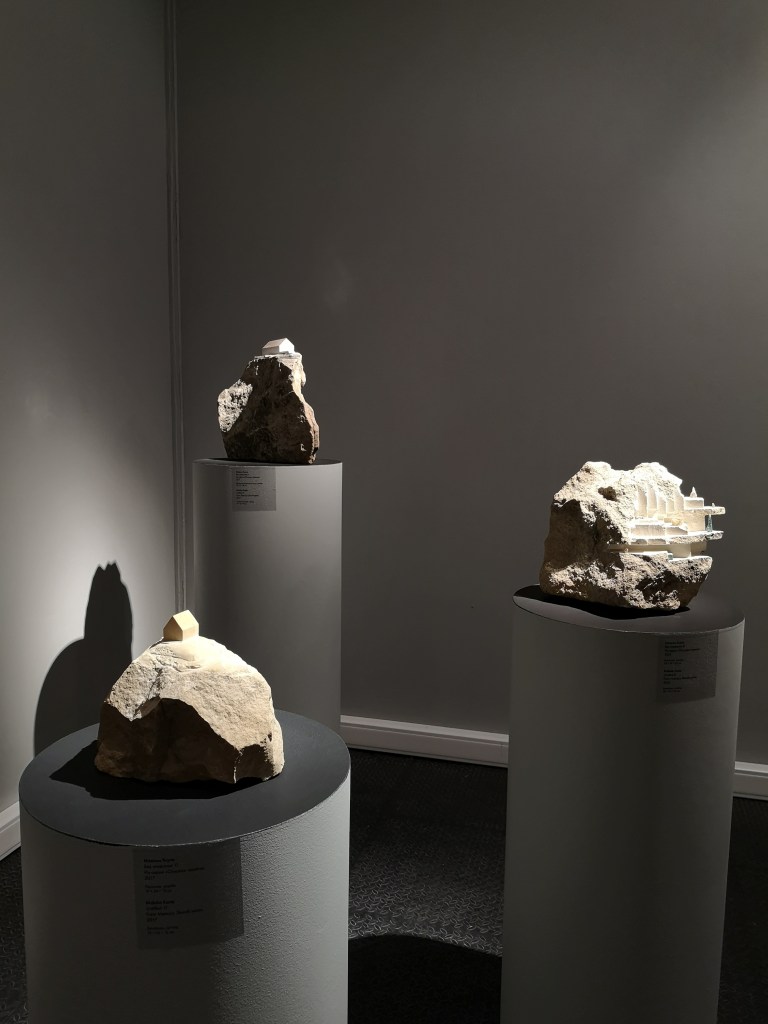
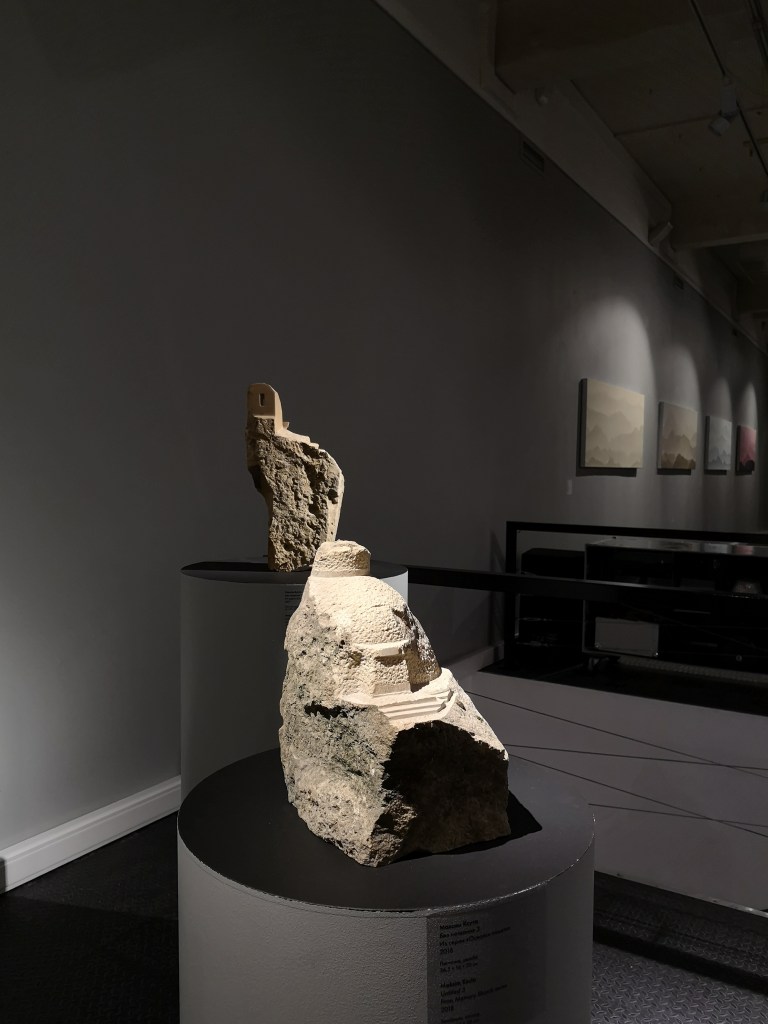
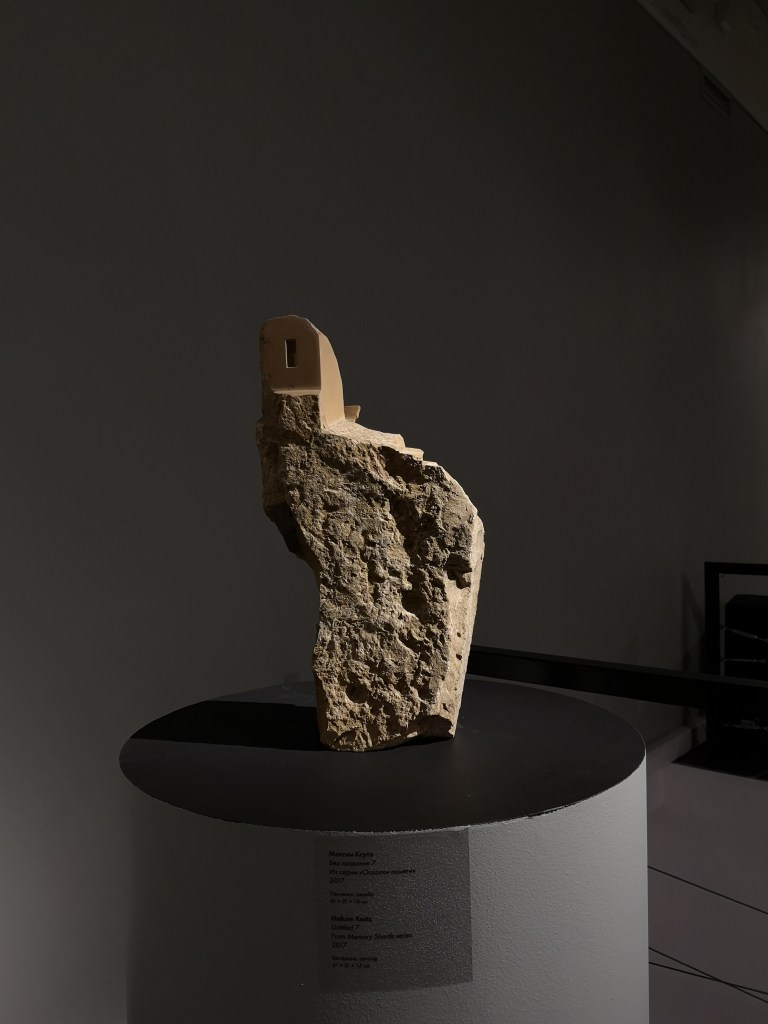
The Shards of Memory series of objects features small, tabletop sculptures that emanate proper traits of monumental and even grand pieces. Carved in different stone varieties, these are almost like uncovered ancient artefacts, partially submersed in sand and partially washed out by time. It is hard to discern at first glance whether one is looking at some miniature mock-ups of sacred buildings or, similarly to Carroll’s Alice in Wonderland, has grown to immeasurable proportions after having taken the potion. This exhibition by Maxim Ksuta virtually places us into a Japanese Zen Garden, intended for meditation and connection with nature. As one’s eye glide over the wavy black surfaces of the Tectonic Series or examine the coarse surfaces of the miniature Shards, it is there, at the epicentre of an endless whirlpool of urban energies, where one actually feels the time freeze in the still crispy air, while the body is infused with calm and content. The magic in Maxim Ksuta’s work provides the viewer with a remarkable experience of an aware, evenly paced, lived moment in all its fullness, purity, and uniqueness.
Polina Mogilina
Tectonic painting
My current practice focuses on paintings that interact actively with the ambient lighting due to their execution: monochrome (soot black) and textured uninterrupted brushwork. The brushwork structure is such that the painting plane interferes with and diffracts the light. This produces a visual effect of a fluid flow whenever the viewing angle is altered. Grouped ogether, these works are dedicated to the Method Group, an early-20th century members of the rojectionism movement.
‘The theme should be given such autistic expression and such mode of presentation that the viewer, when he perceives it, not only receives new knowledge of the system of modernity, but also undergoes new biomorphic processes, develops new mental systems, new systems for perception of the world’, the projectionists claimed. The idea that this completely different functional purpose for a painting is possible
inspired me to make the Tectonic Series.
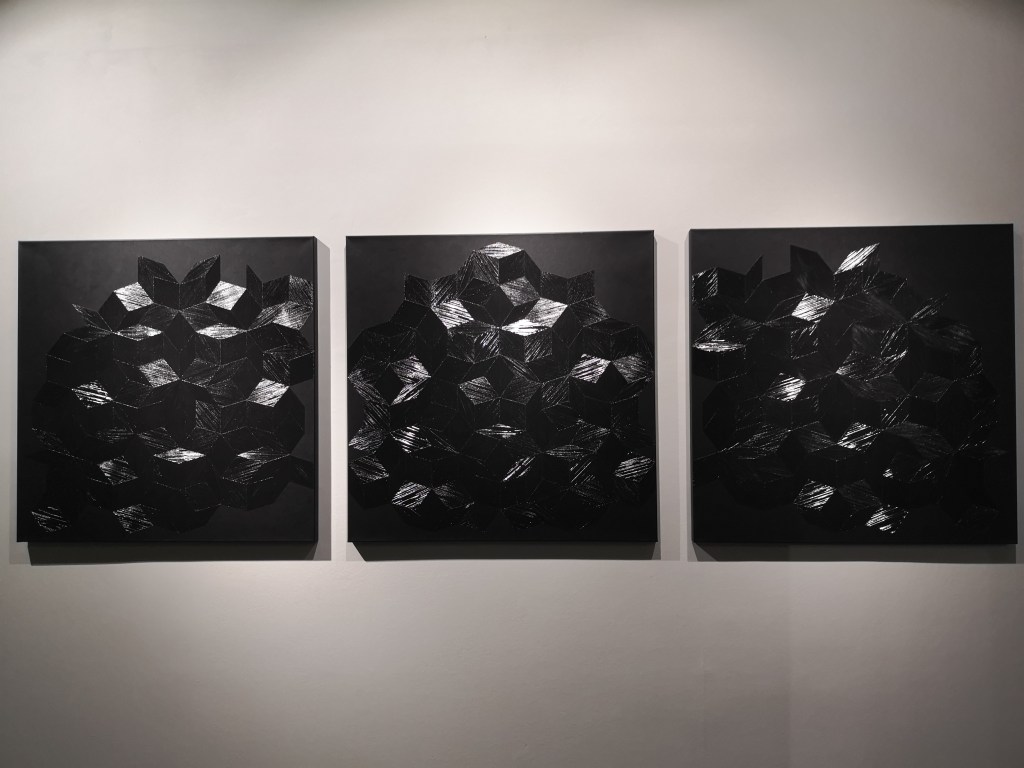
Muqarnas
As I continued to explore pseudoperiodic mosaics and fractals, I investigated aperiodic ornaments, the kind that do not form a repeated pattern on the wall. Then, the variations of scale came into play: massive ornaments can be seen at a distance whereas finer patterns, the comprising parts of the larger ones, can only be seen up close. In order to build each element, I was guided in the application and orientation of my brushwork based on Penrose tiling. The resulting structure appears threedimensional and changes dynamically depending on the angle of viewing. It is also not unlike the reference I used — muqarnas, a common element in traditional Arabic and Persian architecture.
Horizons
The paintings, which look like aerial views, are in fact modified brain electroencephalograms. The curves were plotted by an EEG machine during a small experiment. The subject hooked up to the machine was shown panels colored in one of several earth tones, and the response of the nervous system to this stimulus was recorded. The signals corresponding to the tones were then used to paint the landscapes
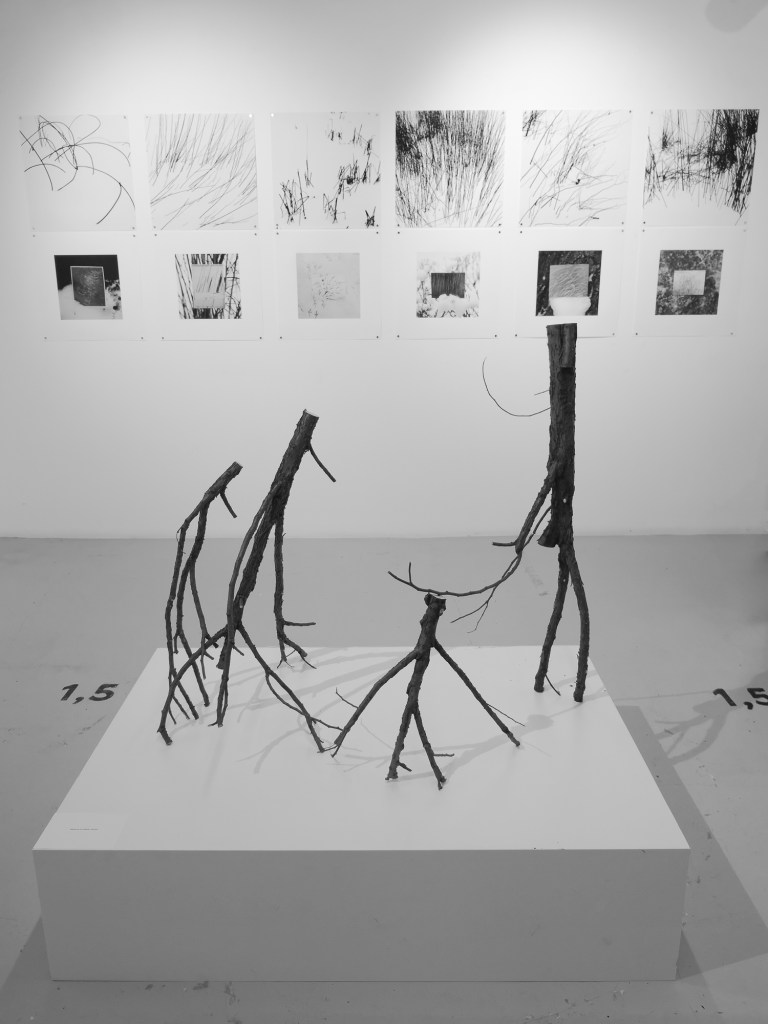
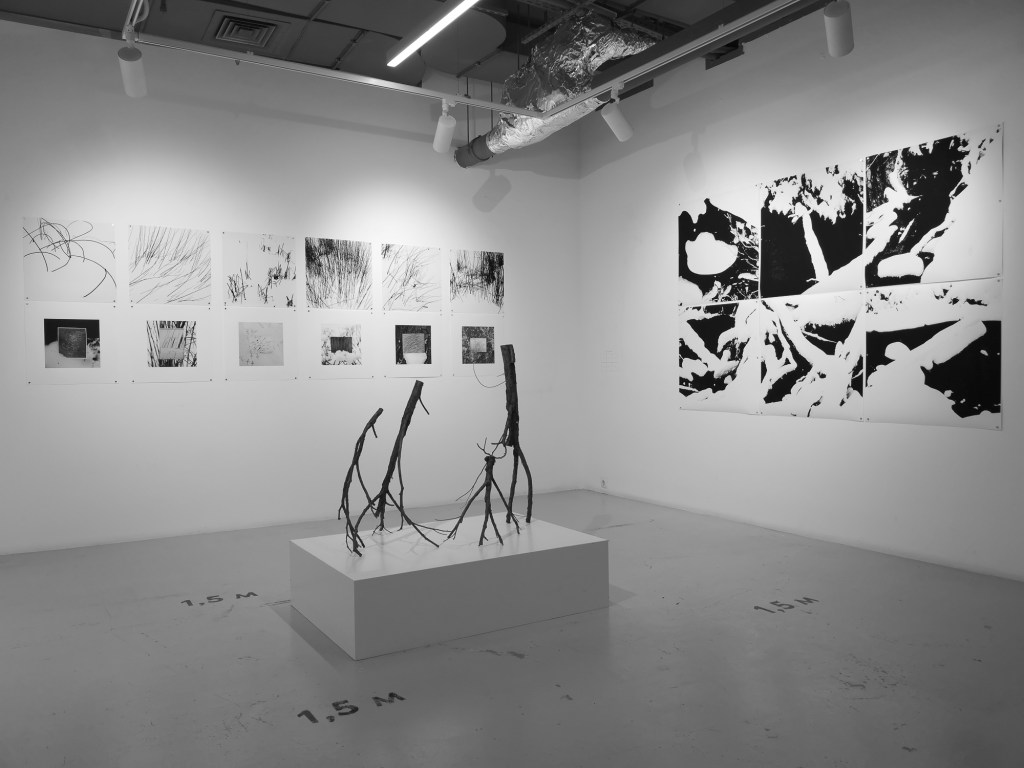
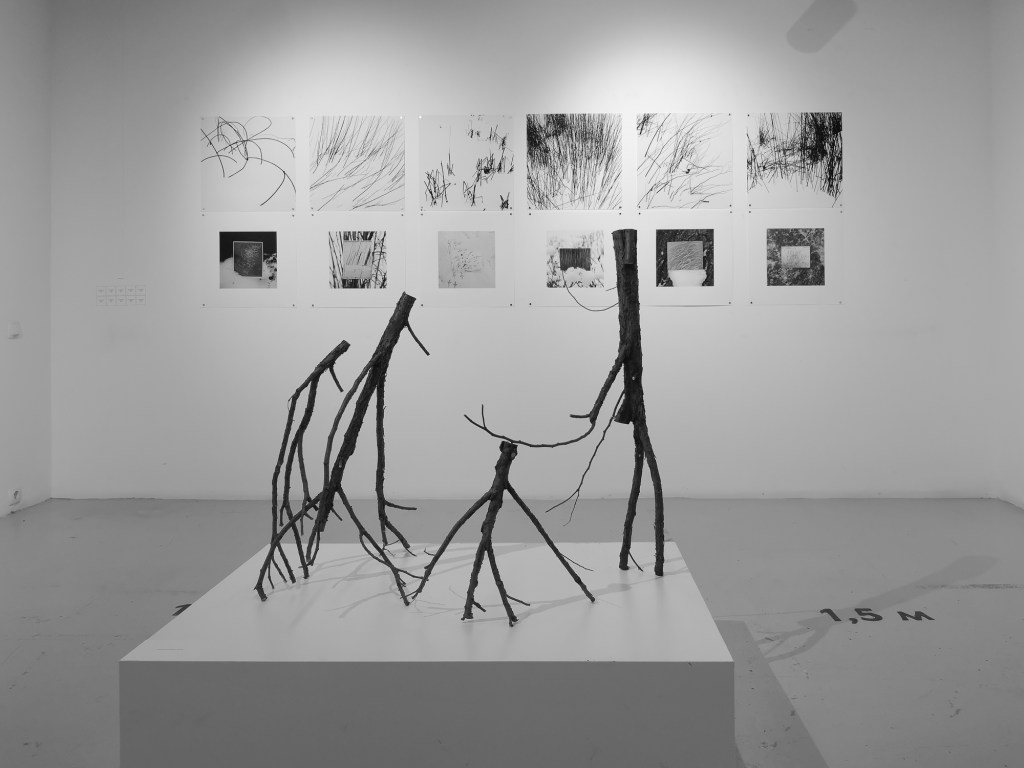

The first was his retrospective at the Tate Modern, where I was introduced to his work. The second, held at the Dulwich Picture Gallery, struck me with an unexpected juxtaposition of two seemingly very different artists – Twombly and Nicolas Poussin. Reflections on the nature of abstraction and the creative phenomenon of this enigmatic but undoubtedly great abstract artist haunted me for a long time and eventually resulted in this project.
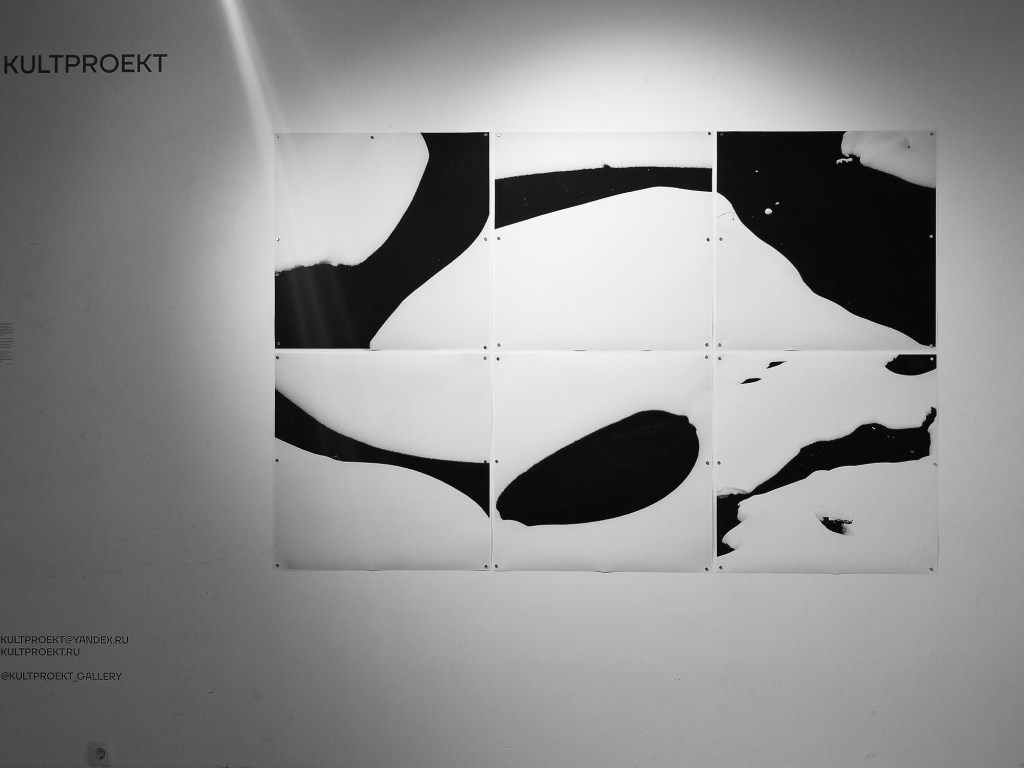
The theme of searching for images in the surrounding world has interested me for a long time. However, in this case, I was intrigued by finding and photographing natural objects that spontaneously formed into natural abstractions. In this case, I considered photography as a tool for creating works that border on graphics, and even painting. Looking at the developed slides, I noticed that almost all the frames in this series clearly resemble the abstract compositions of Cy Twombly! This discovery inspired me to search for and select works by Twombly that are close to my photographs in mood and composition.
The second part of the project, which partly determined its title, is inspired by the works and creativity of the American artist Clifford Still.
His style was defined by the outstanding critic Clement Greenberg as works of “color field.” This direction can be considered as a kind of abstract expressionism, although sometimes it is classified as a kind of minimalism.
Still is considered one of the outstanding color field artists – his non-figurative paintings are largely concerned with the juxtaposition of different colors and surfaces. His uneven bursts of color create the impression that one layer of color has been “peeled” off the painting, revealing the colors underneath. The paintings are reminiscent of stalactites and primitive caves. Still’s compositions are irregular, jagged, and have a heavy, pitted texture and a sharp contrast of surface.
The works of these artists are united by the theme of spontaneity, “childishness,” and meditation in action, which makes them akin to the masters of Zen Buddhism, who found a balanced state of mind in contemplating nature.
Maxim Ksuta.
В свое время мне довелось побывать на двух больших выставках американского художника Сая Туомбли. Первая была его ретроспективой в Tate Modern, на которой я познакомился с его творчеством, а вторая, проходившая в Dulwich Picture Gallery, поразила меня неожиданным сопоставлением двух казалось бы совершенно разных художников – Туомбли и Николя Пуссена. Размышления о природе абстракции и творческом феномене этого загадочного, но безусловно великого абстрактного художника долгое время не оставляли меня и со временем вылились в этот проект.
Тема поиска образов в окружающем мире интересует меня уже долгое время, но в данном случае мне было интересно найти и сфотографировать природные объекты, стихийно (спонтанно) сложившиеся в естественные абстракции. Фотографию в данном случае я рассматривал как инструмент для создания работ, пограничных с графикой, и даже живописью. Рассматривая отснятые слайды, я заметил, что практически все кадры из этой серии явно напоминают абстрактные композиции Сая Туомбли! Это открытие вдохновило меня на поиск и отбор работ Туомбли, близких моим фотографиям по настроению и композиции.
Вторая часть проекта, отчасти определившая его название, вдохновлена работами и творчеством американского художника – Клиффорда Стилла.
Его манера была определена выдающимся критиком Климентом Гринбергом, как произведения «цветового поля». Это направление можно рассматривать как разновидность абстрактного экспрессионизма, хотя иногда его классифицируют как род минимализма.
Стилл считается одним из выдающихся художников цветового поля — его нефигуративные картины во многом связаны с сопоставлением разных цветов и поверхностей. Его неровные вспышки цвета создают впечатление, что один слой цвета был «отодран» от картины, показывая цвета под ним. Картины напоминают сталактиты и первобытные пещеры. Композиции Стилла нестандартны, зазубренны и имеют изрытую тяжёлую текстуру и резким контрастом поверхности.
Работы этих художников объединены темой спонтанности, «детскости», медитатции в действии, что роднит их с мастерами дзен буддизма, которые находили равновесное состояние ума в созерцании природы.
Максим Ксута.

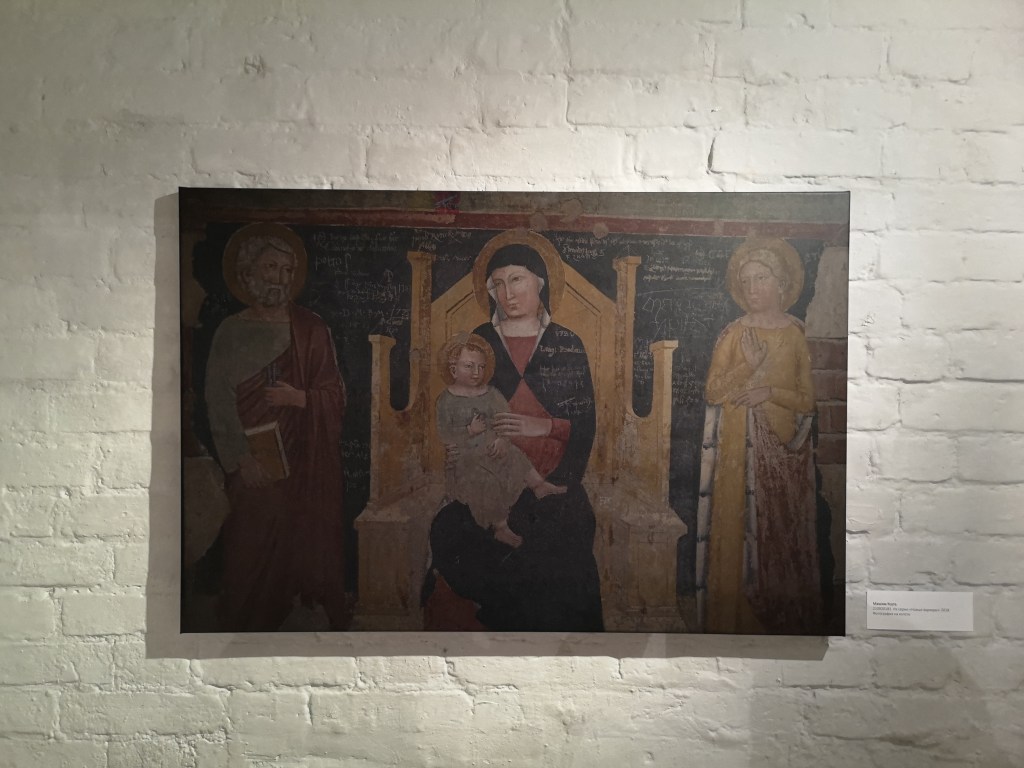
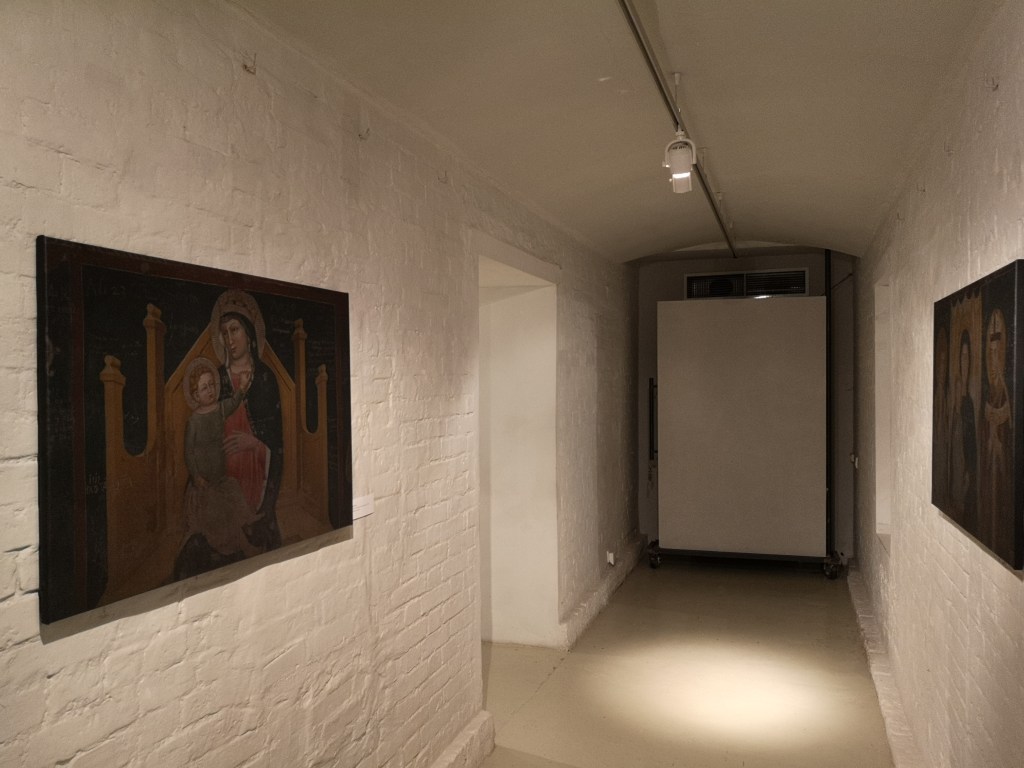
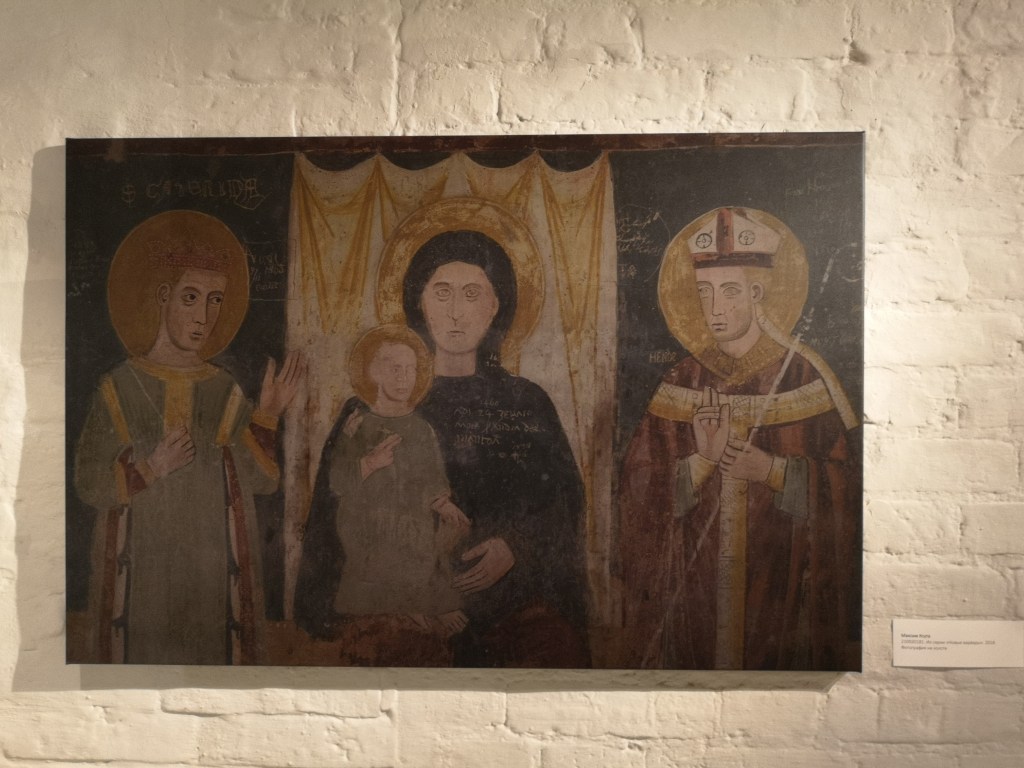
Group exhibition in Kovcheg gallery, Moscow. Print on canvases
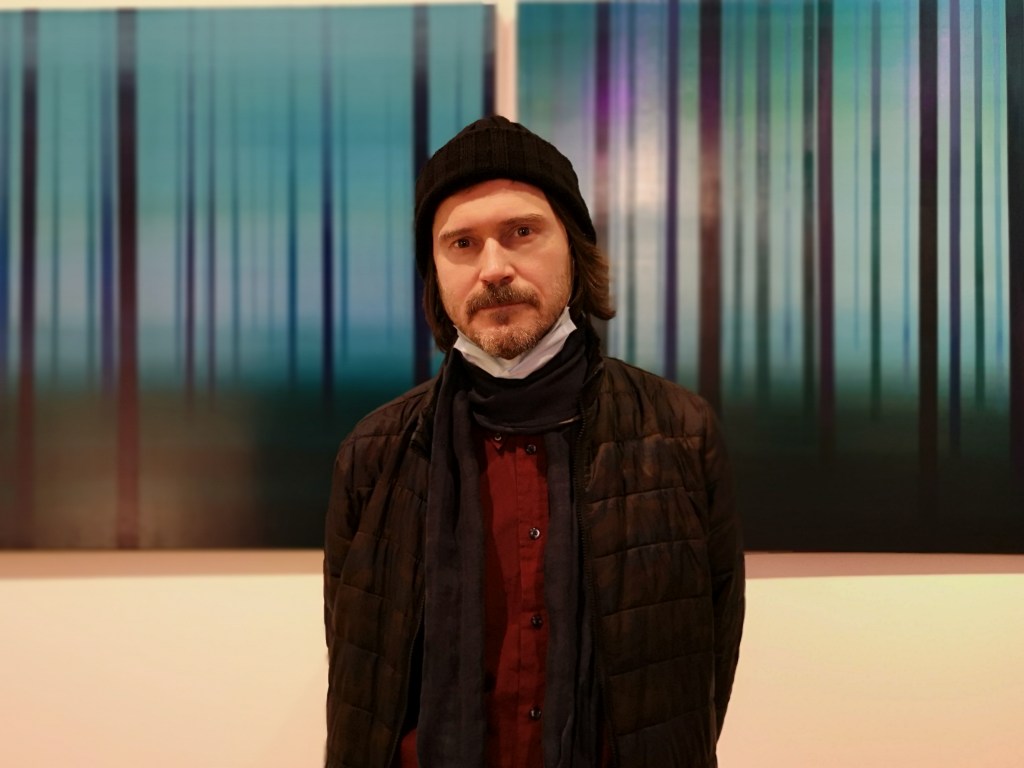

Tretyakov State Gallery, jointly with the Manege Central Exhibition Hall (St. Petersburg), ROSIZO State Museum and Exhibition Center, Triumph gallery and with the support of TransSoyuz Charitable Foundation, presents Future Lab. Kinetic Art in Russia. The project showcases one of the most impactful, yet underresearched art movements in the second half of the 20th century. Featuring about 400 exhibits, the project covers a broad swathe in the development of the kinetic art in the 1960s–70s, tracing its links to the avant-garde experimentation earlier in the century and to modern art practices.
The Future Lab is the largest contemporary art exhibition to ever occupy the Gallery’s West Wing, where the institution hosts exciting interdisciplinary projects aimed at discovering current meanings and forms in contemporary art as emerging through novel plastic media. This project is also in keeping with the tradition of displaying timely snapshots of creative life. The location’s architecture allows for an exposition with more large-scale objects and installations, dedicated video screening areas, a larger roster of featured artists. Kinetic art as a new movement and the design of the exhibition building on Krymsky Val St. almost exactly coincided in time, which produces an additional, deeply historic and aesthetic connection.
The foundation of kinetic art is transformation, both of the artistic form and the workings of perception. Mobility, fluidity, instability are central in dynamic artworks that are subjected to transformation by virtue of mechanical forces or visual effects. Emerging simultaneously in different parts of the world, kineticism was closely related to the idea of rehabilitating the progress of technology and building the information society.
As rightful peers to the scientific cutting-edge, kinetic artists invented optical data transmission systems, explored visual thinking, experimented with advanced technologies and materials. Top of the creative agenda at the time were such subjects as polysensory perception, algorithmization of the artistic process, procedural thinking, interactivity, virtuality. In addition to seeking new ways to embody their concepts, the artists ventured into design, architecture, urban and spatial planning. This made kineticism more than just another art movement, it had become a laboratory for the artists to generate alternate versions of reality, as well as of the future which we inhabit today. What was once viewed as an artistic experiment is now part and parcel of our everyday lives.
The exposition at the New Tretyakov Gallery incorporates different forms and genres of kinetic art: mobiles, tensile structures, transformer sculptures, optical paintings, drawings, collages, photography, video projections, audial and light installations, interactive objects. It features works by prominent kinetic artists who were most prolific in the 1960s–70s, supplemented by their predecessors—key figures in the Russian avant-garde of the early 20th century—as well as present-day authors.
The exhibition splits into four sections, each foregrounding certain prominent features of kineticism and outlining the formation of its main ideas. In the layout, however, the curators wanted to avoid a siloed, rigid separation of sections and leveraged the architecture of the exhibition space to make the sections interpermeable.
The Vision Lab explores our visual perception and covers artistic experiments that expanded its capabilities. The Art Metrics Lab presents works that prioritize precise calculation and rational objectivation of the creative process. The Environment Lab comprises different projects aimed at reorganizing the space in architecture, design, and theater. The Synesthesia Lab shows projects that employ the multisensory approach and pursue the idea of a “total artwork.”
Curator: Julia Aksyonova
Co-curators: Anna Koleichuk, Andrey Smirnov, Natalia Sidorova (State Tretyakov Gallery)
Exhibition Architecture: Ksenia Lukyanova
Consulting: Lyubov’ Pcheolkina (State Tretyakov Gallery)
Graphic Design: Andrey Shelyutto / Irina Chekmareva



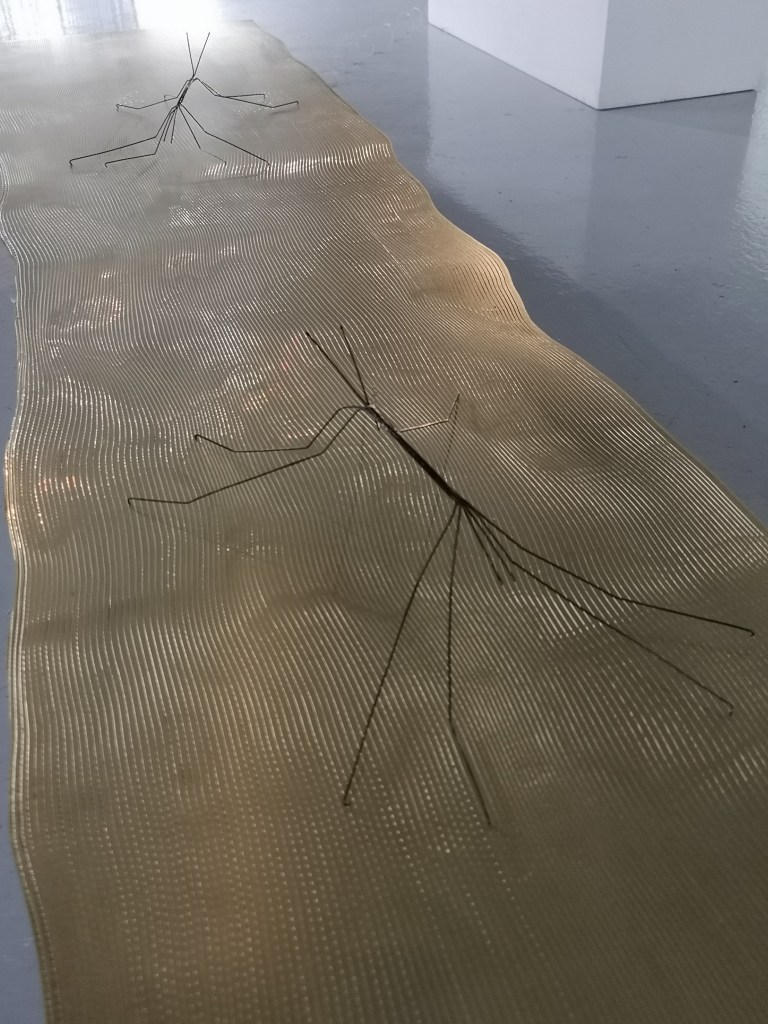
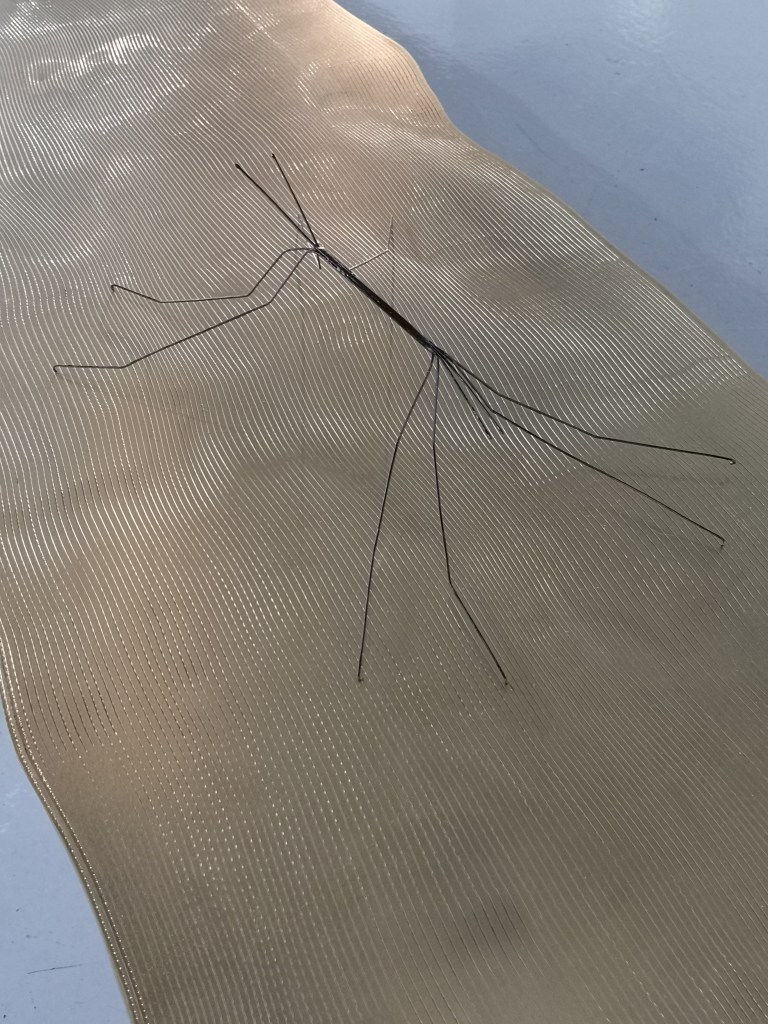
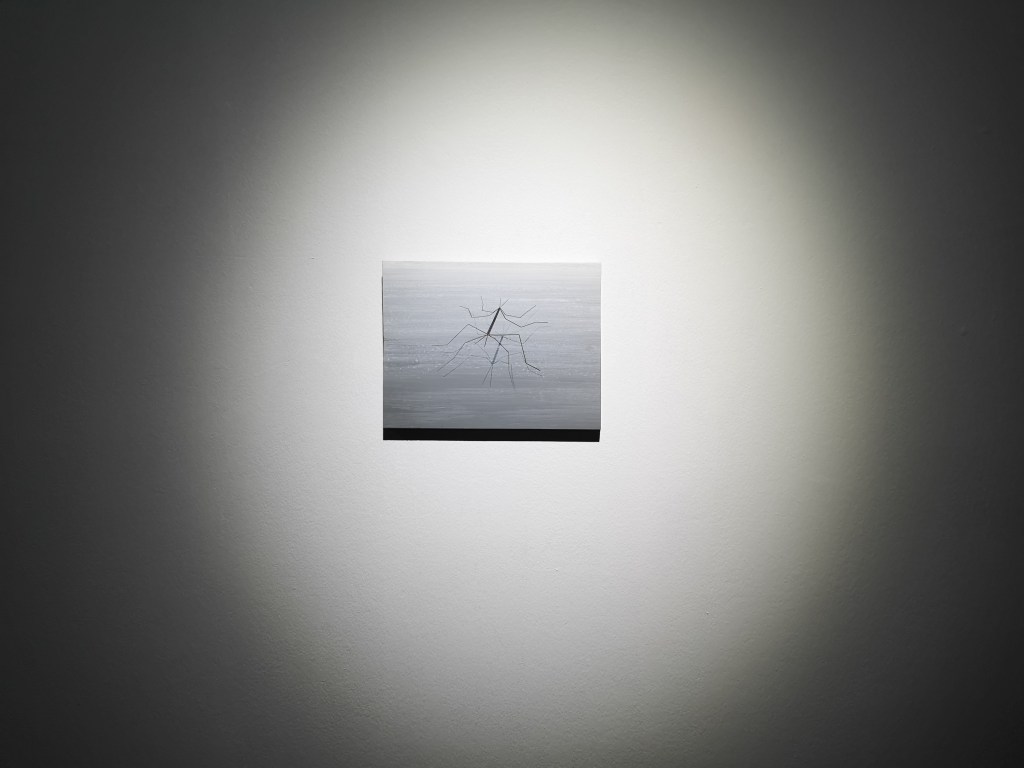


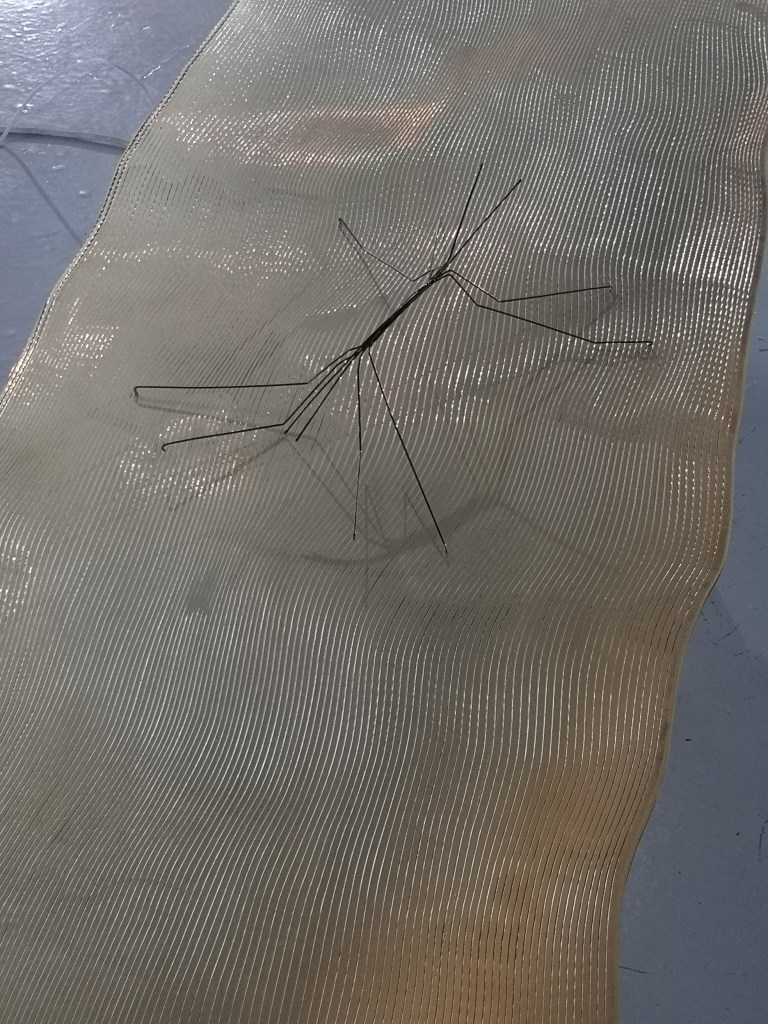
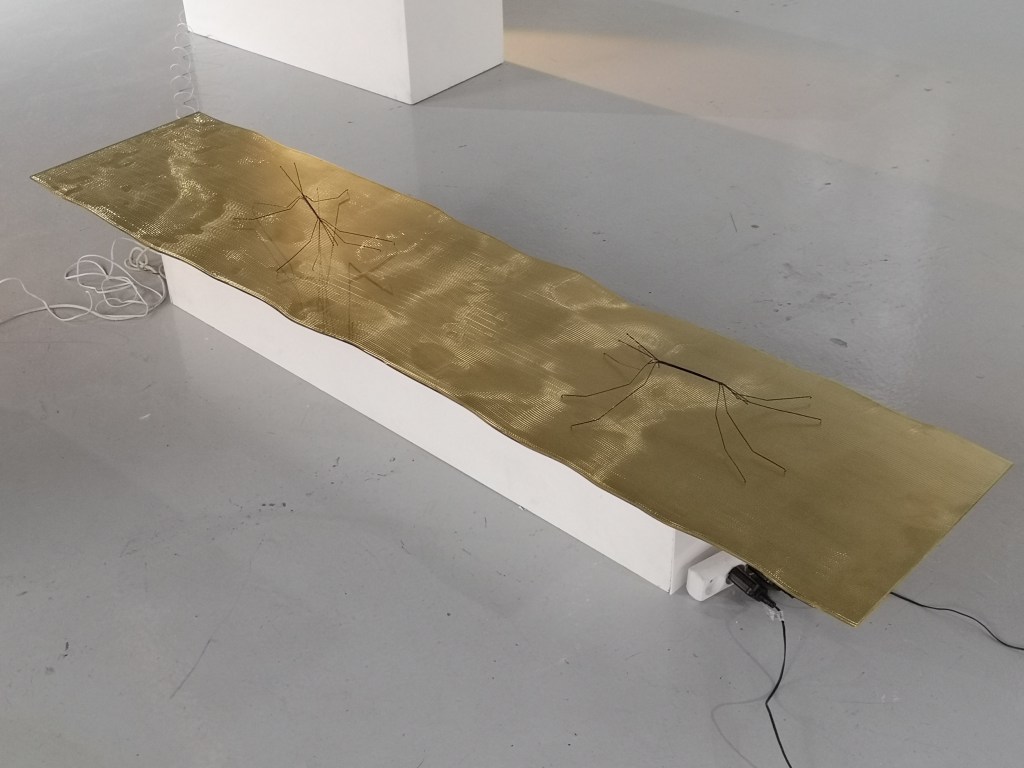
 Maxim Ksuta