Maxim Ksuta

russian artist, contemporary art, sculpture, installation, photography

Tag: Maxim Ksuta

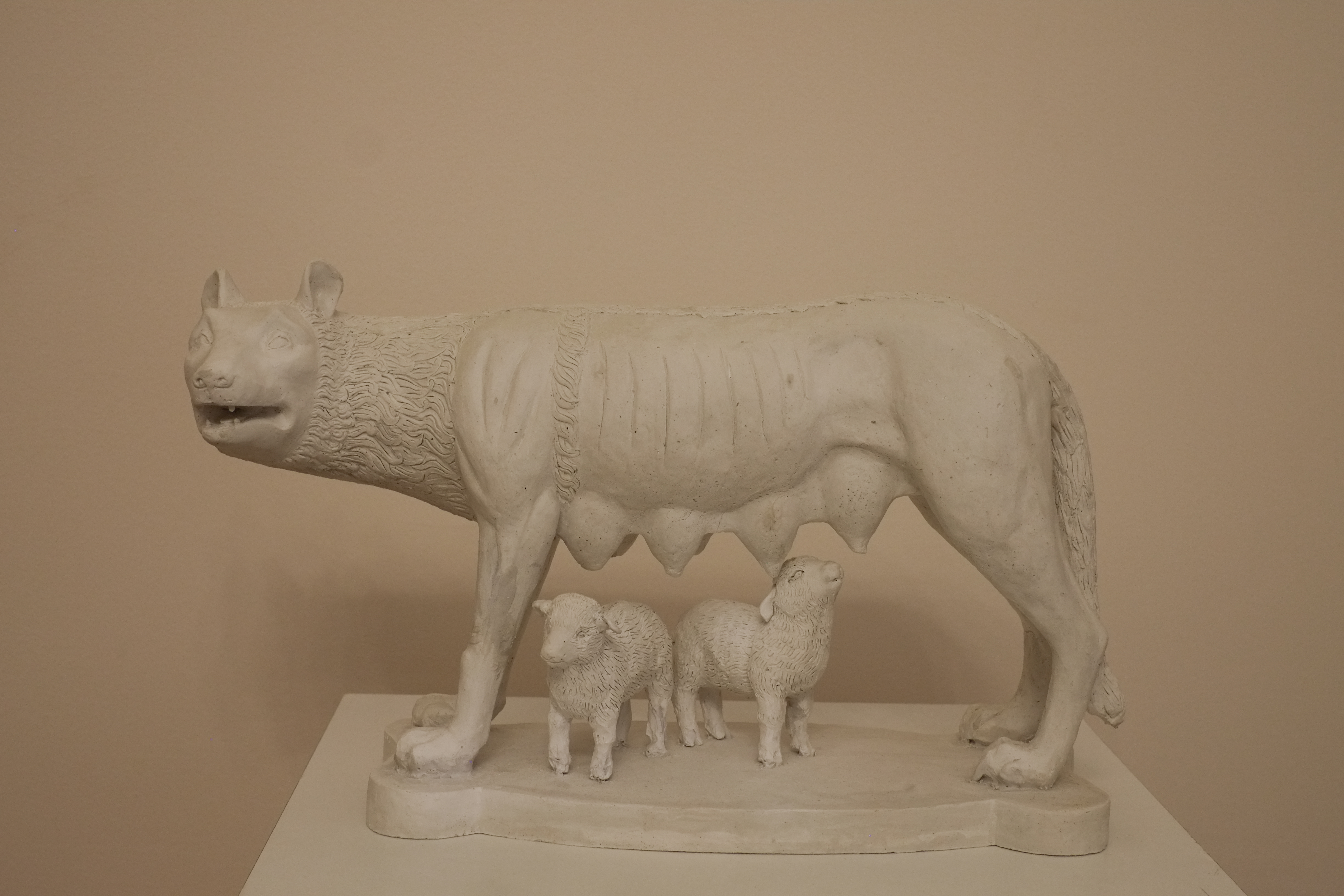
The exhibition “Wolves and Sheep”
19092013-18

Special projects of Fifth Moscow Biennale Contemporary Art
Organizers: The State Literature Museum, VP Studio Curator: Vera Pogodina

The exhibition “Wolves and Sheep” – is a joint project by curator Vera Pogodina and the State Literary Museum, code-named “Russian reader.” The project’s idea is pretty simple: all the most important and relevant issues in our contemporary life have been reflected some time ago in the titles of the works of classical Russian literature of the 19th century.

Modern Russian conceptual art is largely related to the literature and text. Thus, participation in this project of artists from the Moscow’s conceptual school is very natural. The State Literary Museum has held exhibitions like “Fathers and Sons”, “Woe from Wit”, “Dead Souls.” Several previous exhibitions such as “War and Peace” were presented in the Moscow’s Central House of Artists (CHA).
This time we decided to focus on works of writer Alexander Ostrovsky (1823-1886), known for his flashy theater plays. Titles of his works – it’s an encyclopedia of aphorisms and quotations:

“Even a Wise Man got enough dumbness”.
“The money is good, but happiness is better.”
“You scratch my back and I scratch yours.”
“Do not sit down in not yours sled.”

We chose the play “Wolves and Sheep”. “Wolves and Sheep”, in our view, is an appropriate title to reflect what is happening in Russia today. There are no positive characters in this play which is very rare for works by Ostrovsky,. All of not so pleasant characters in this play are divided into wolves and sheep. Wolves remain acting as wolves only until there are stronger and meaner wolves arrived to the scene. It is no coincidence that originally this play was called ” Wolf catching a prey but wolf also is a prey “.

As in previous projects, the artists will present their perception of a given topic, and not narrative illustrations of scenes from a theater play of the 19th century.

The exhibition will feature works by more than thirty contemporary Moscow’s artists from different generations and world’s views that will give on opportunity to see a whole spectrum of trends in contemporary Russian art.
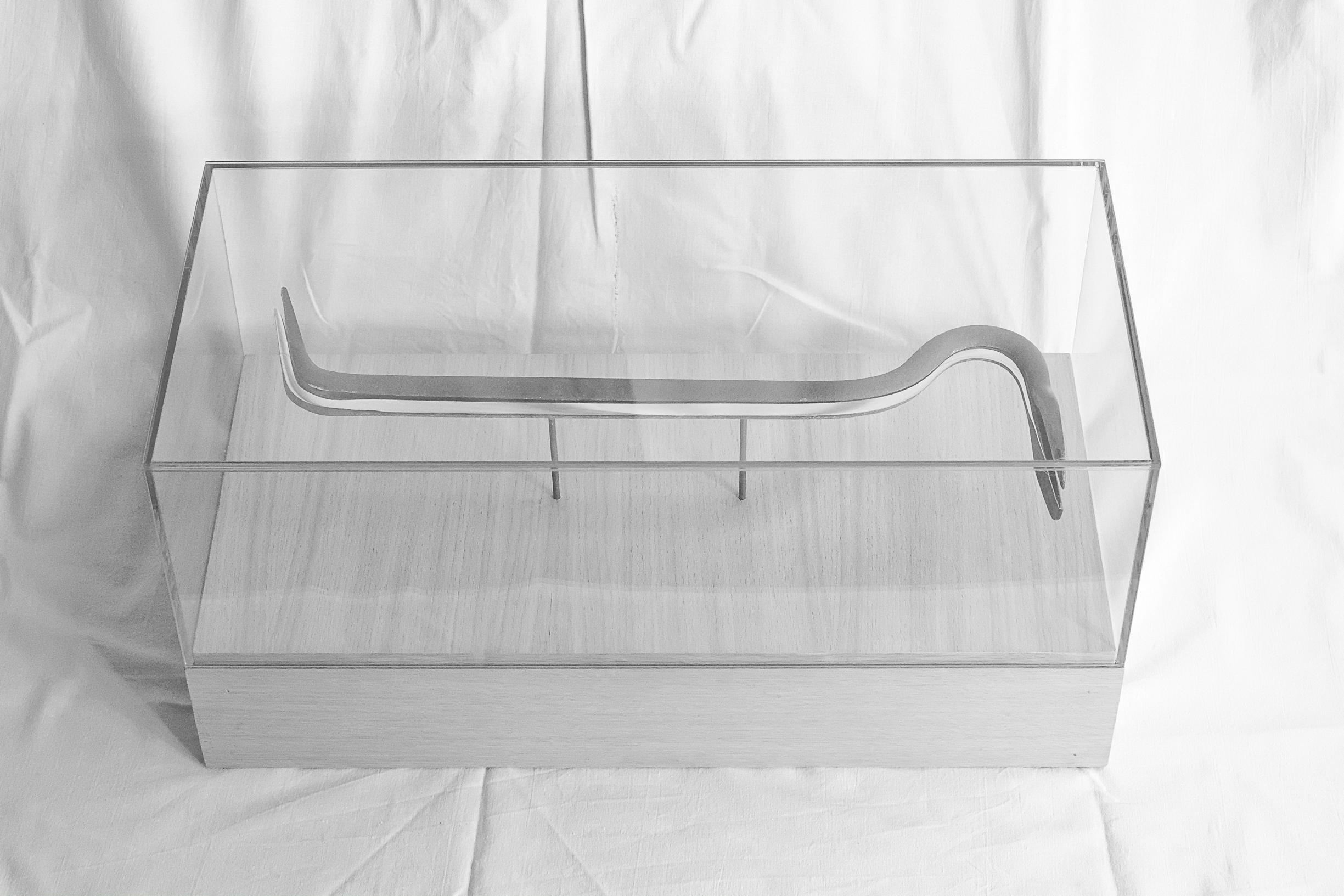
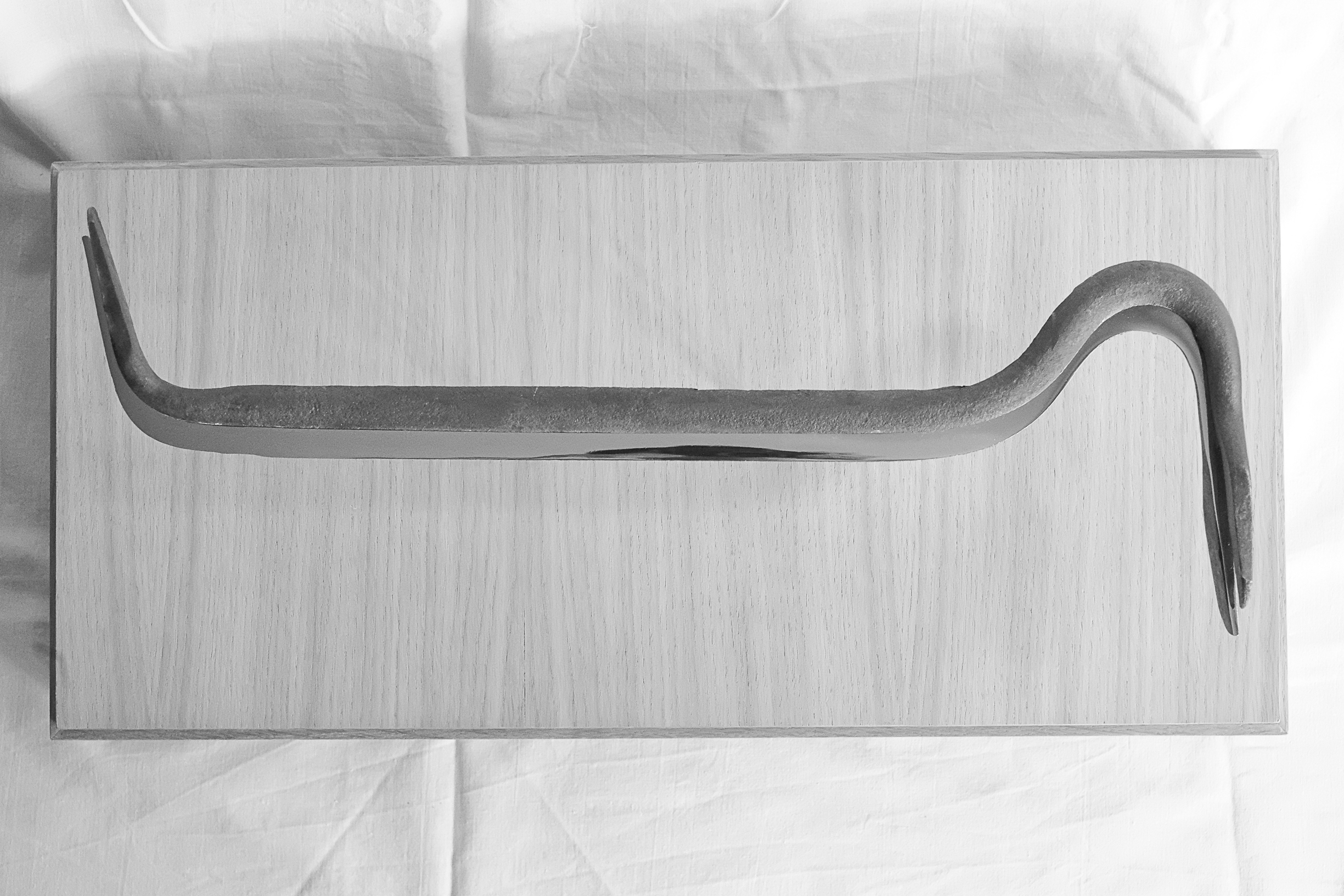
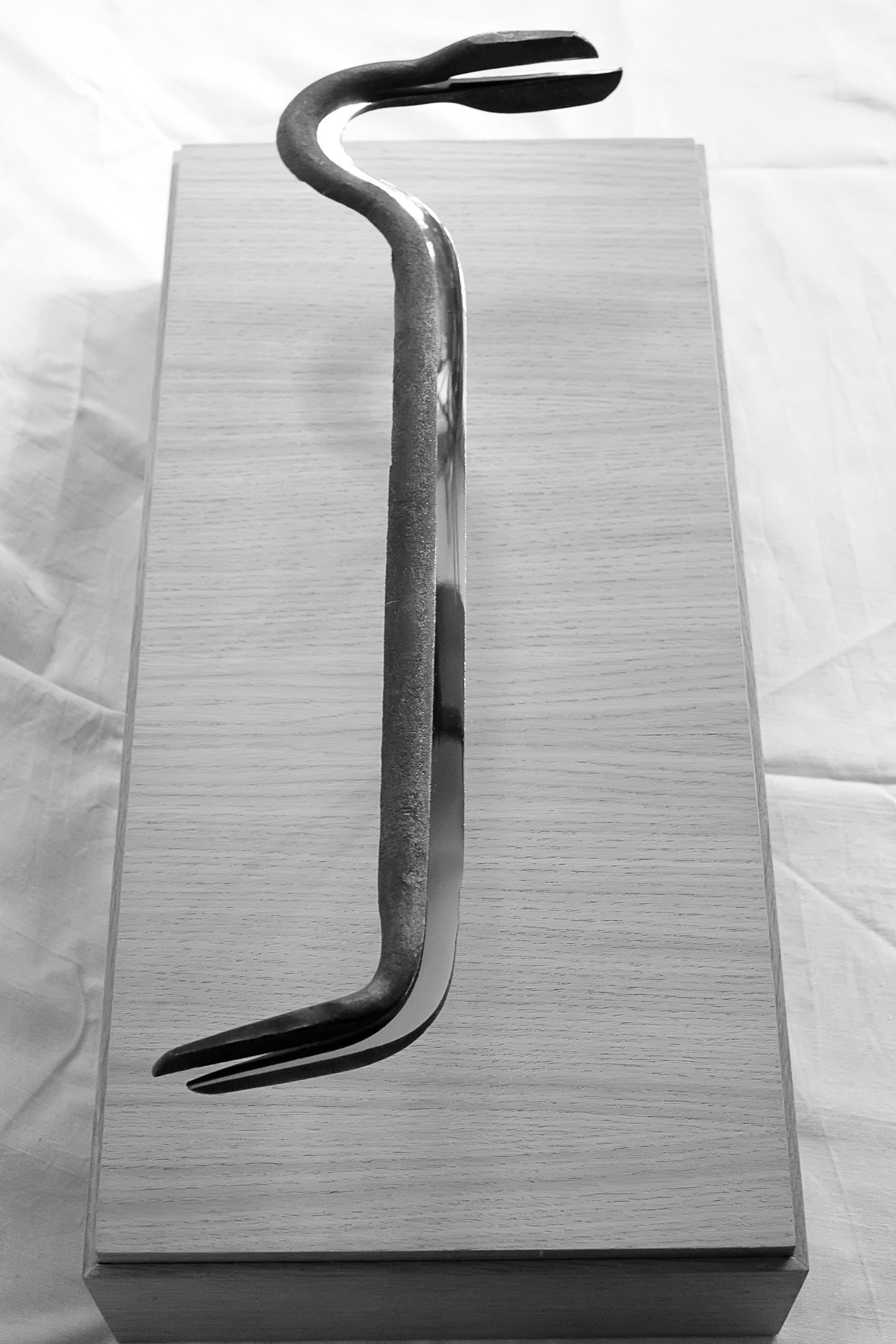
“Произведение труда”-N1

PT

“Произведение труда” – это объект, который может быть интерпретирован  как камертон для  настройки внимания зрителя на определенную эмоциональную волну восприятия без усложняющих процесс понимания философских отсылок и сносок.

PT-2

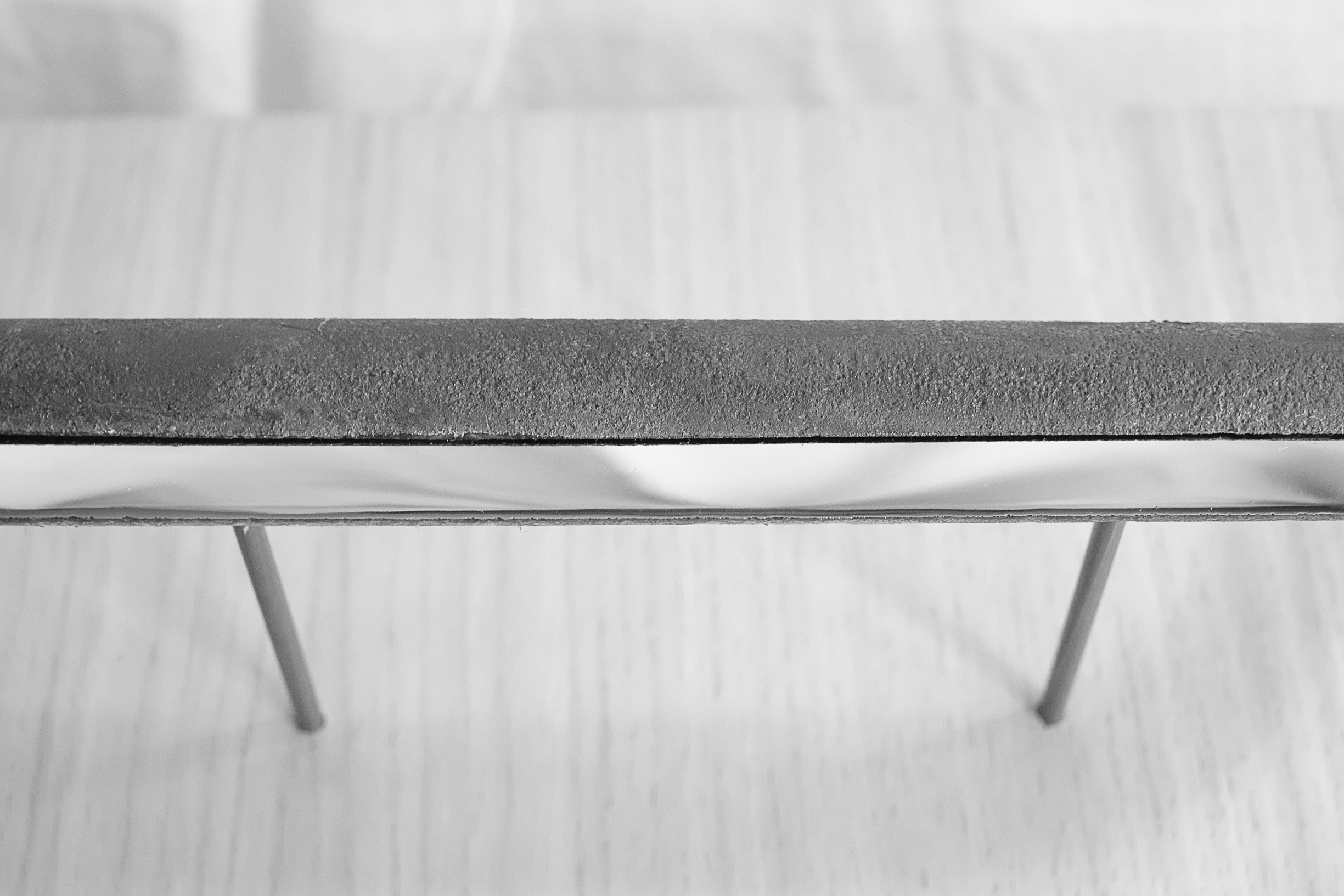
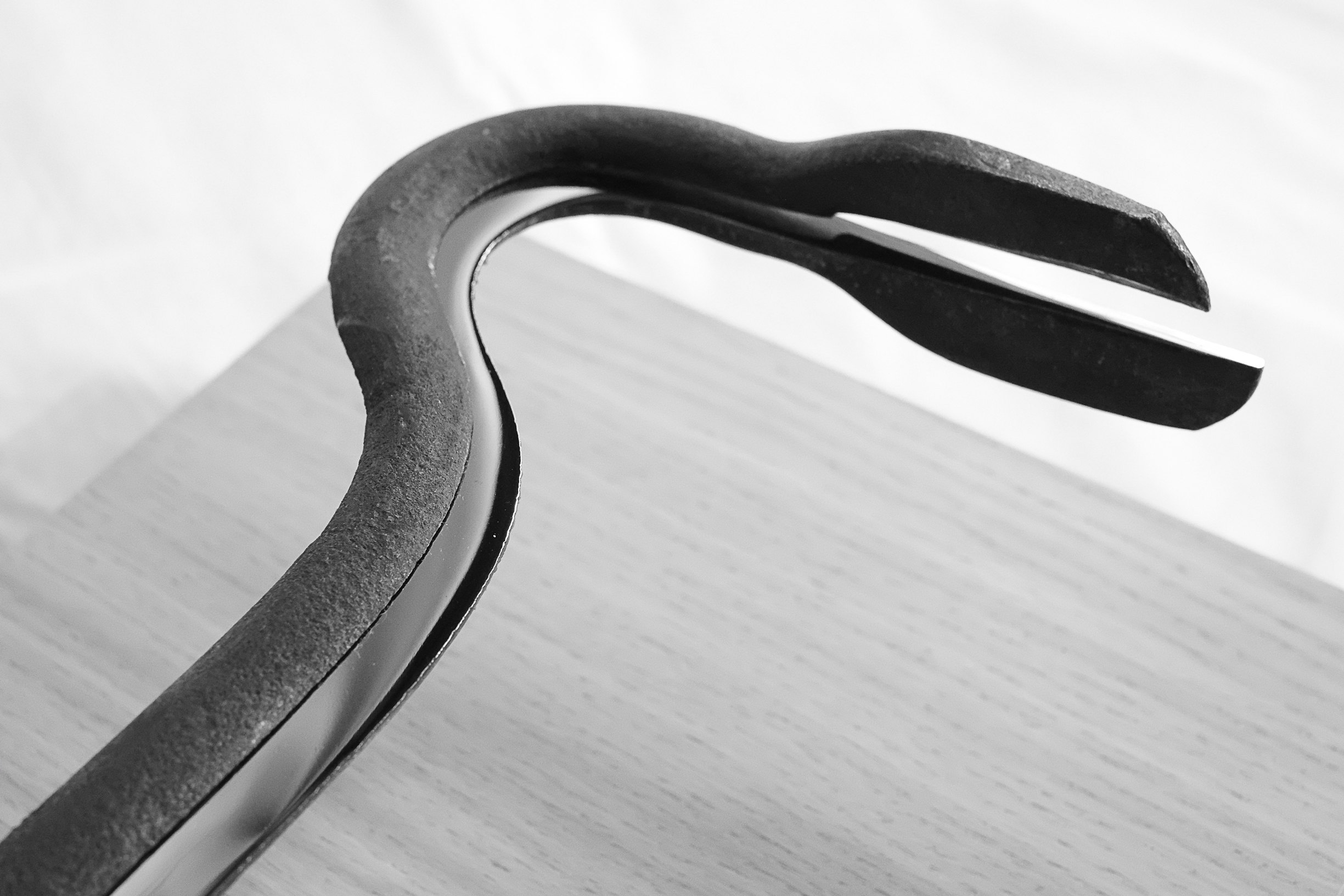
В течение нескольких месяцев автор методично распиливал обычный “ломик-гвоздодер”, который затем отполировал до зеркального блеска и соединил заново.

PT-3

В результате этой безыскусной, но энергоемкой работы объект реди-мейд лишился своей основной функции орудия труда, став  “произведением труда”, а заодно и произведением искусства.

PT-7
PT-4
PT-8

2012-2013

Техника
Сталь, дерево

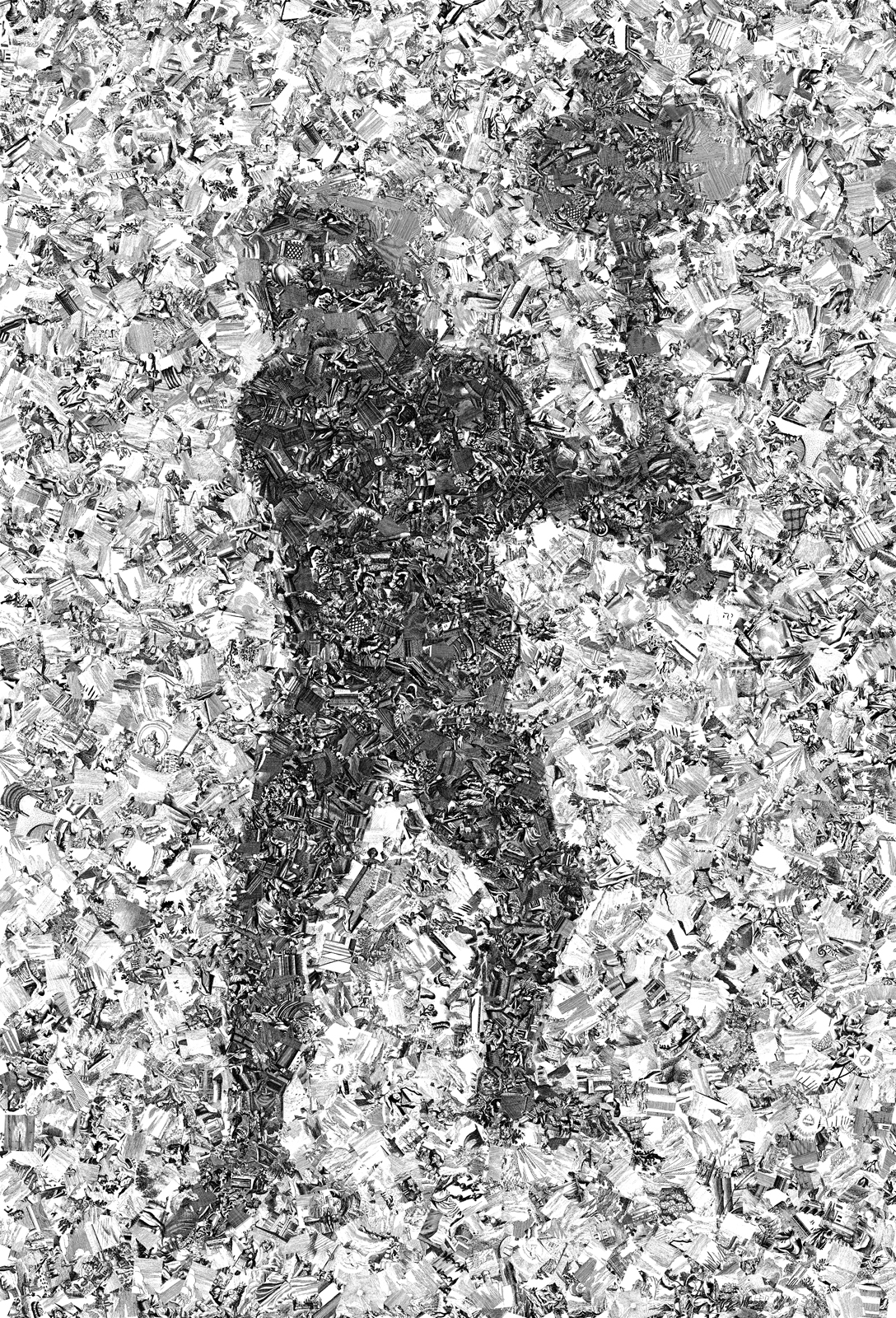
“The Decline of Europe”

“The Decline of Europe”

Pen, ink, paper, 140x100cm


“Phantom-III” Pen, ink, paper, 140×100 cm

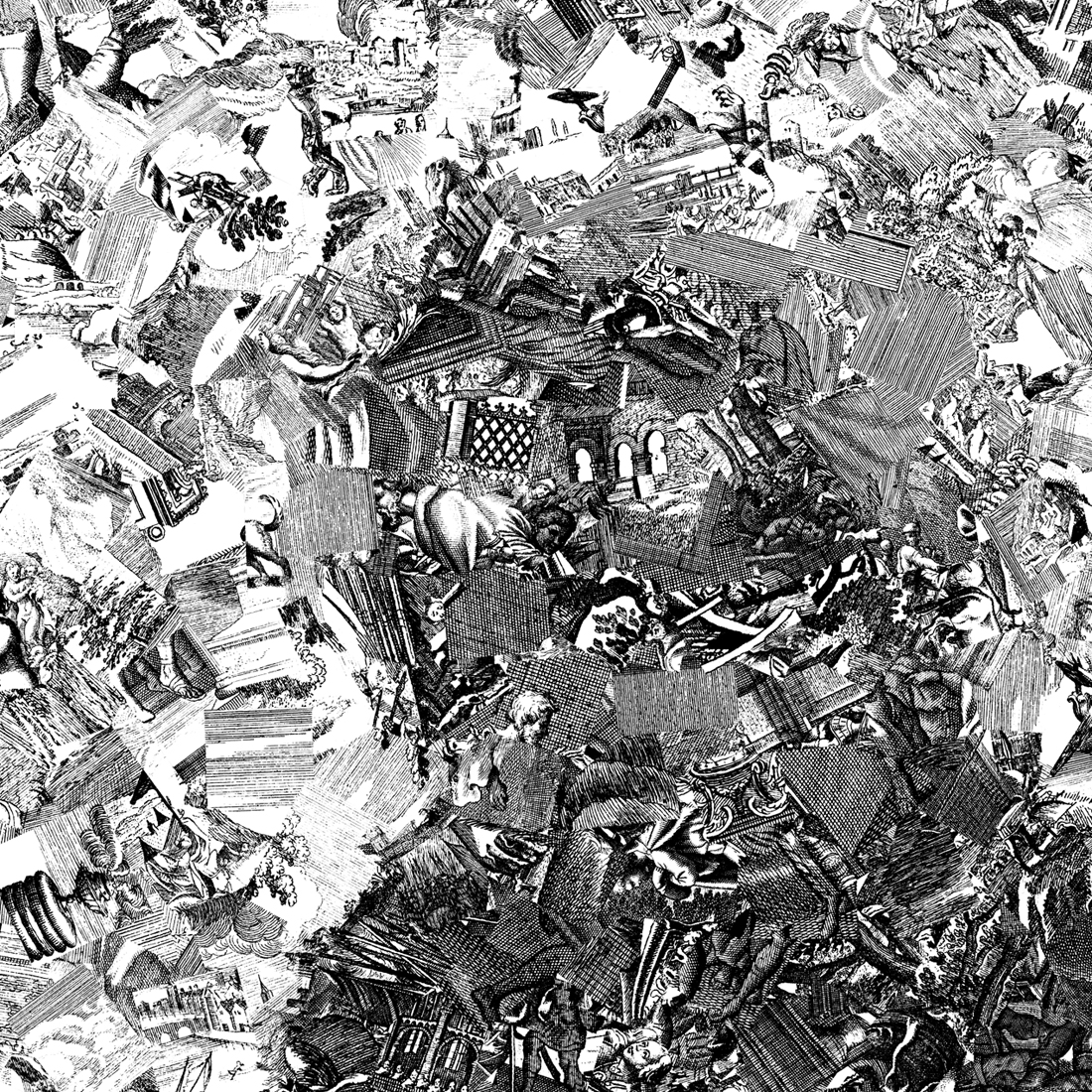
Phantom-III (detail)

detail

Pen, ink, paper, 100x60cm


“Phantom-I” Pen, ink, paper, 100×60 cm

Phantom-I (detail)


detail

Pen, ink, paper, 140x100cm


“Phantom-II” Pen, ink, paper, 140×100 cm

Phantom-II (detail)


detail

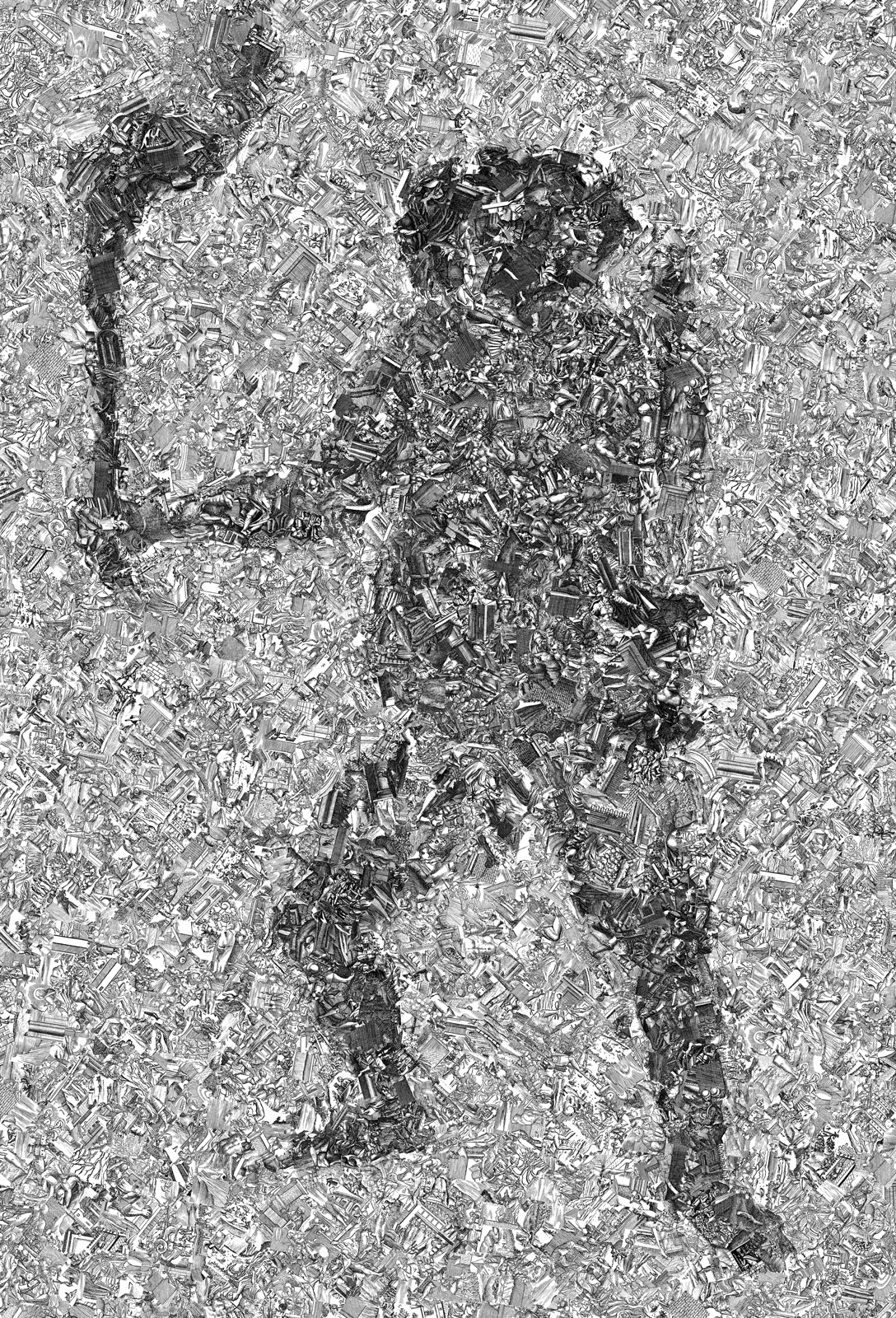
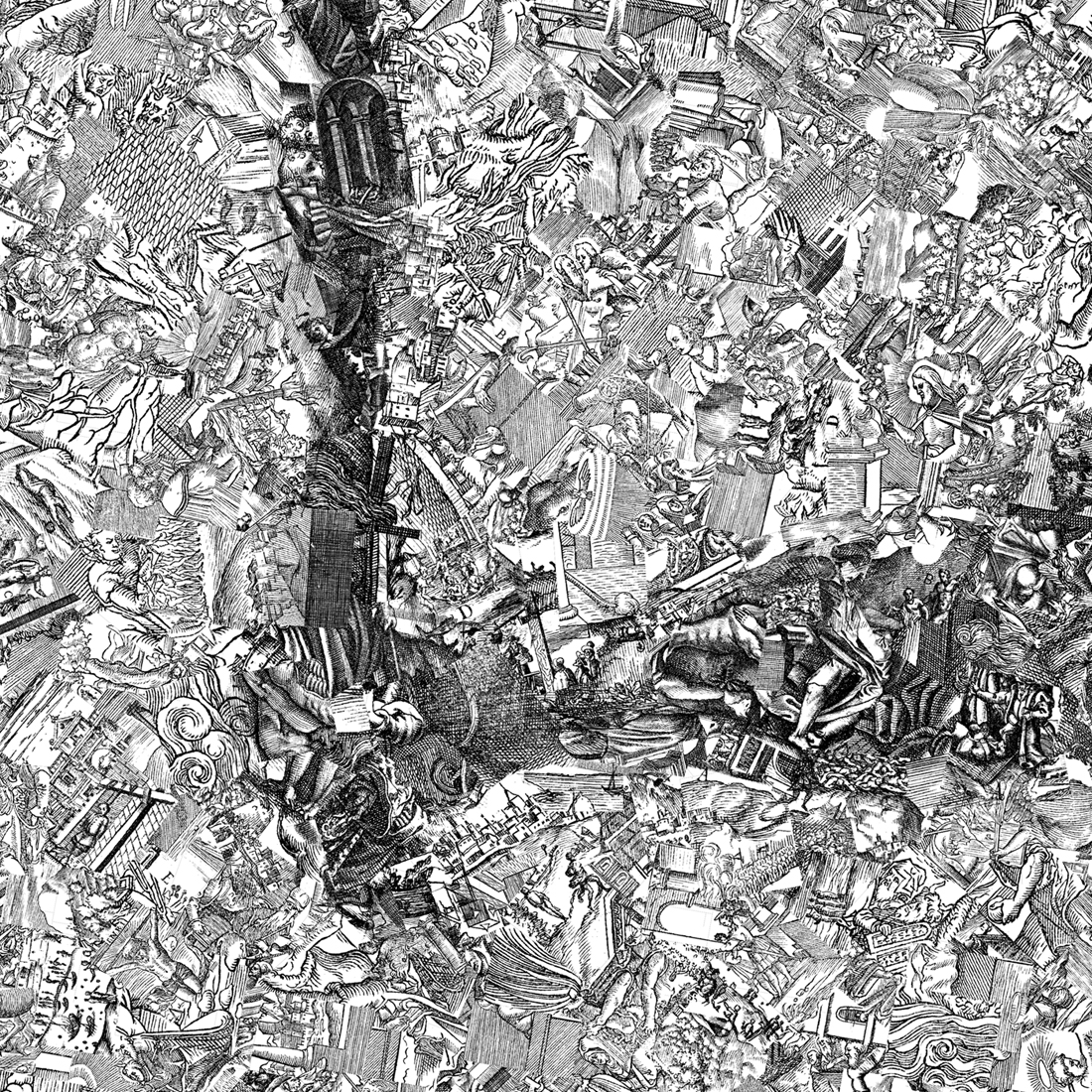
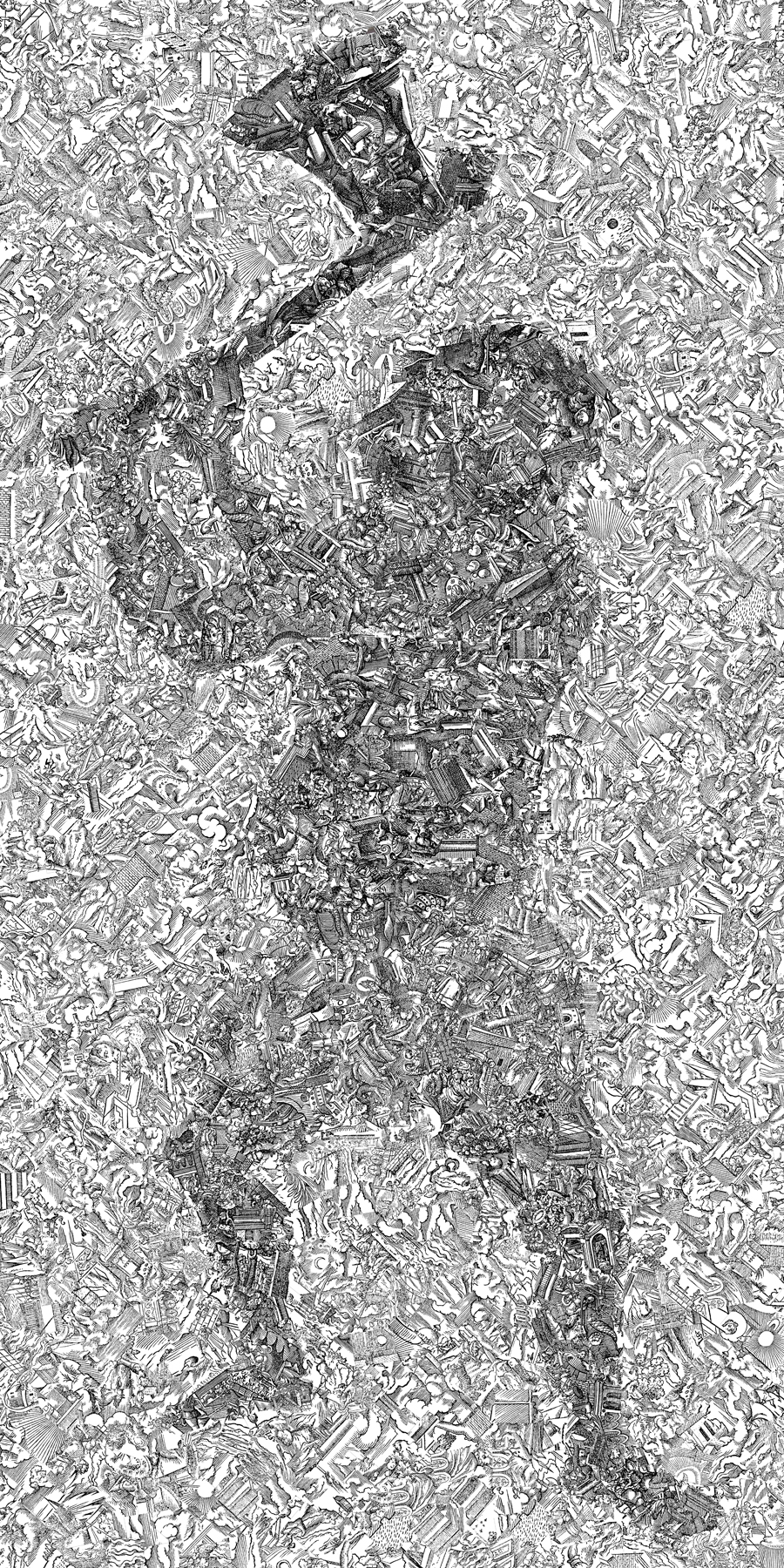
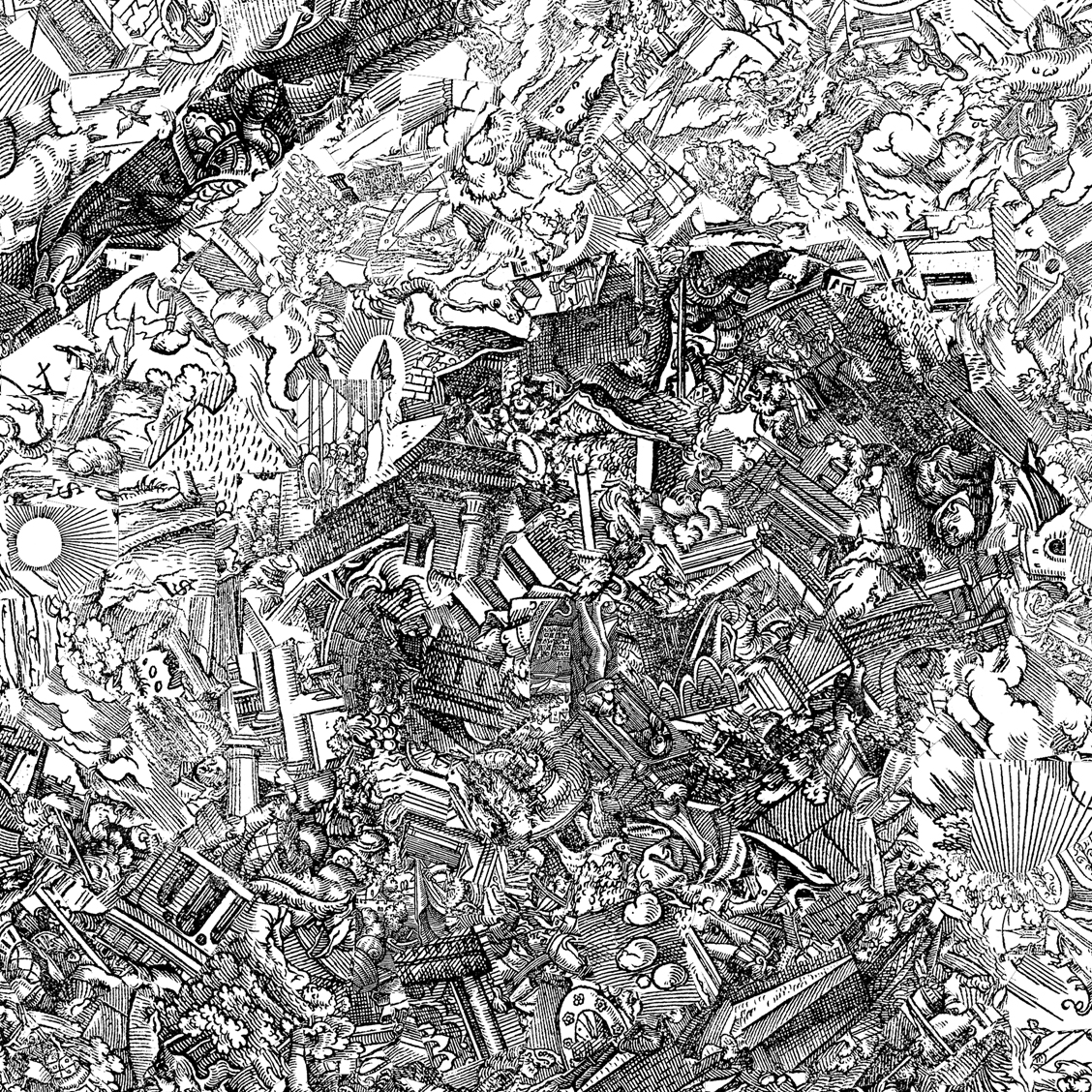
Series – “The Decline of Europe” is made based on engravings 17-18 ages.

New Barbarians fresco

New Barbarians
New Barbarians

Set … … … ….

New Barbarians

New Barbarians by Maxim/Max/Ksuta

New Barbarians, a photo by Maxim/Max/Ksuta on Flickr.

New Barbarians

There is no document of civilization which is not at the same time a document of barbarism.
/Walter Benjamin/

New Barbarians

New Barbarians
New Barbarians

New Barbarians set…

New Barbarians

New Barbarians
New Barbarians

Rome

+ series – New Barabarians

Fresco of Vasilisa

Fresco of Vasilisa

+ series – New Barabarians

Piranesi in Belarus

Piranesi in Belarus
Piranesi in Belarus
Piranesi in Belarus

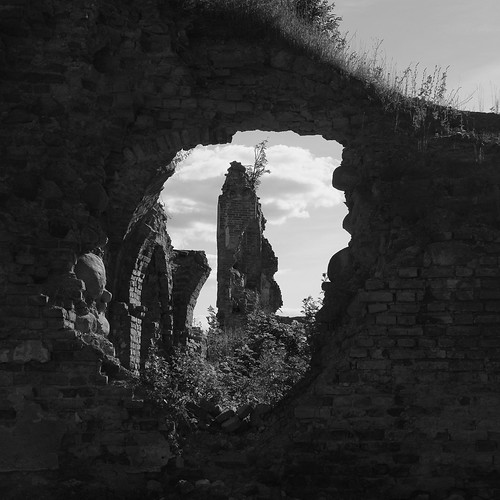
Halshany Castle

From Wikipedia, the free encyclopedia
The ruins of Halshany Castle.
Halshany or Holszany Castle (Belarusian: Гальшанскі замак) is the ruined residence of the Sapieha magnate family in Halshany, Hrodna Voblast, Belarus. It was erected in the early 17th century in place of an older seat of the Holszanski princely family.
Also known as the Black Castle (although it is built of red brick), the residence formerly rivaled Mir Castle as the most elegant private château of the Grand Duchy of Lithuania. The name Black Castle in fact originally applies to a fictional building from a book by Uladzimir Karatkievich, which was loosely based on Halshany Castle.
The castle was devastated by the invading Swedes in 1704 and, due to financial stress experienced by the Sapiehas in the wake of the Domestic War, has never been restored. After Sapiehas’ immigration to France, the castle was passed to Russian landlord Gorbanyov. In 1880, he had the castles’ towers pulled down and made money by selling the bricks.
Currently, the castle continues to crumble away. An annual tournament is held near its walls each summer.

 More images