Maxim Ksuta

russian artist, contemporary art, sculpture, installation, photography

Tag: sculpture

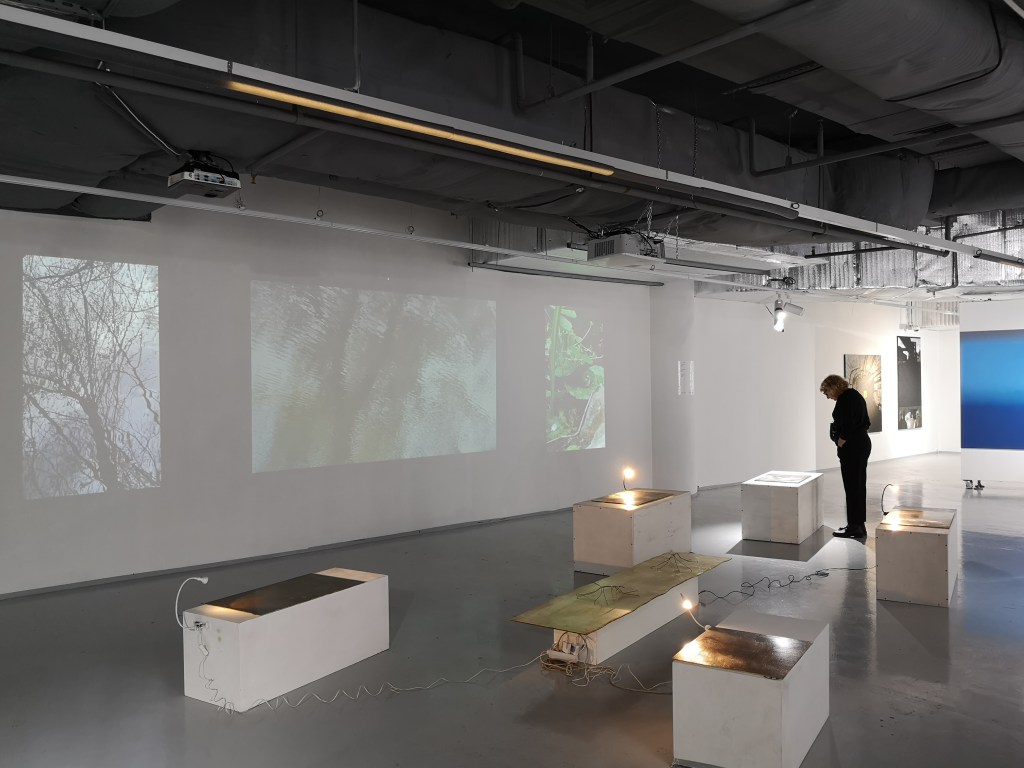
New Exhibition at Wynwood Hotel

Lost in Transition: A New Exhibition at Wynwood Hotel
The *Lost in Transition* exhibition at Wynwood Hotel plays with the concept of a hotel as a place that bears witness to the inner transformation and emotional renewal of a traveler in a new city. Impressions are directly tied to heightened senses: the “other” awakens a gaze that keenly captures unusual details, sharpens hearing attuned to forgotten melodies. All these scattered images, accumulated chaotically throughout the day, intersect in the imagination and seep into dreams, blending with reality in the first moments after waking. The instant before memory reconstructs the events of the past day and threads them to the present is nearly imperceptible—yet it lingers, close to the sensation of being lost, to that fleeting moment of disorientation.

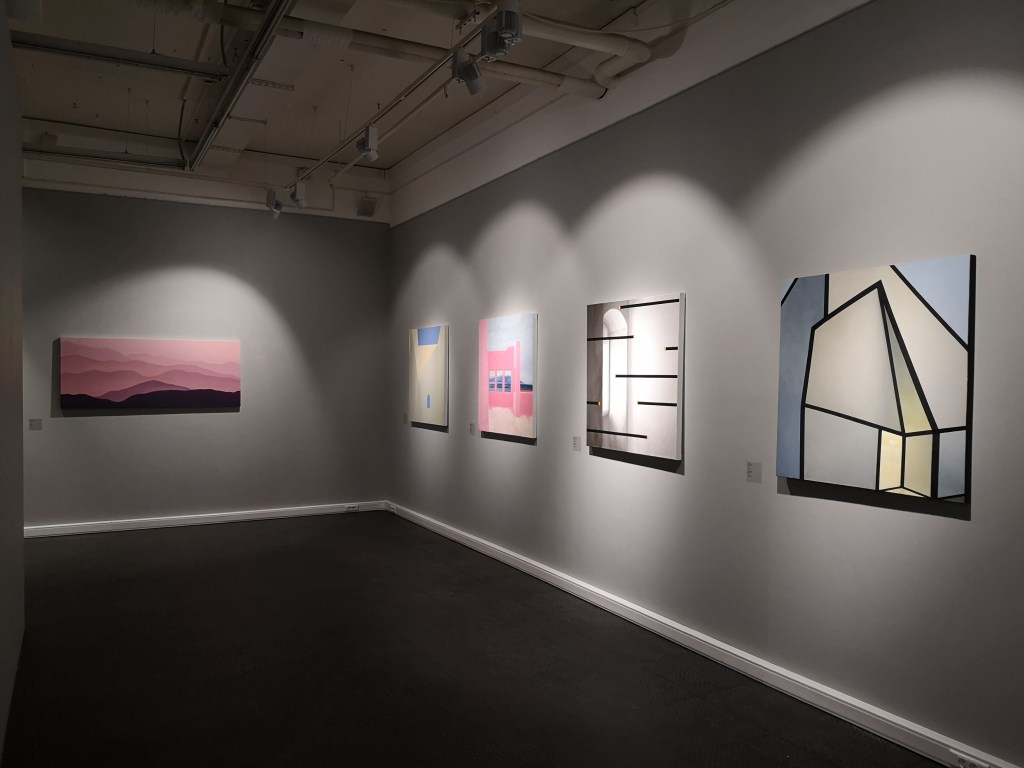
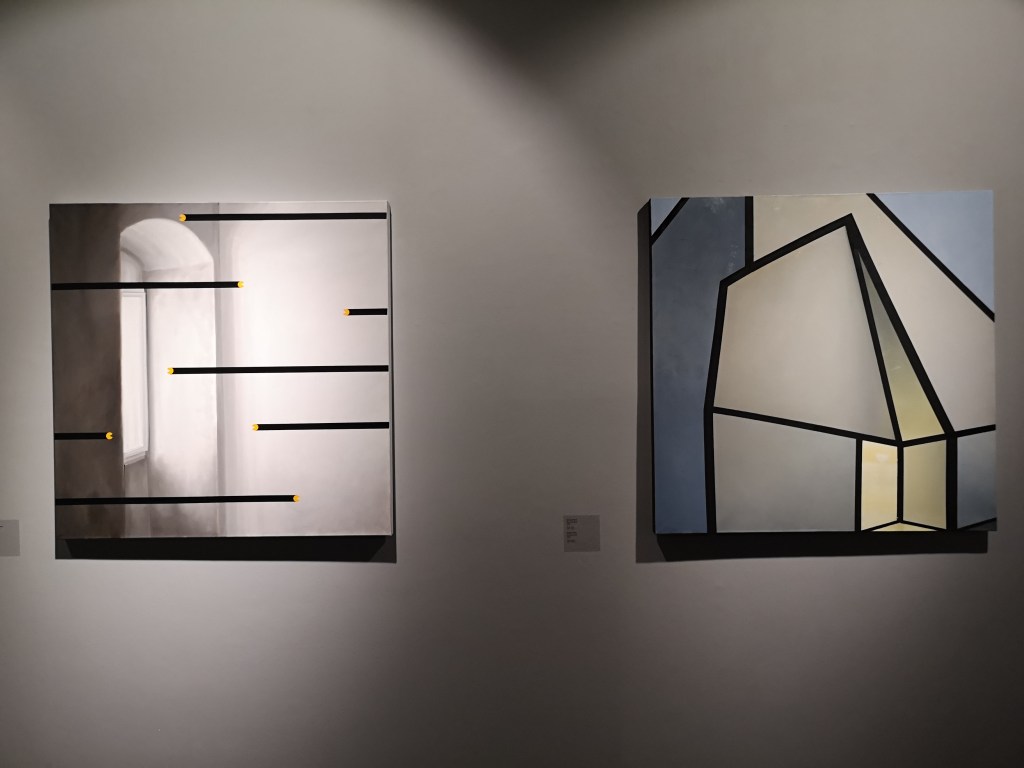
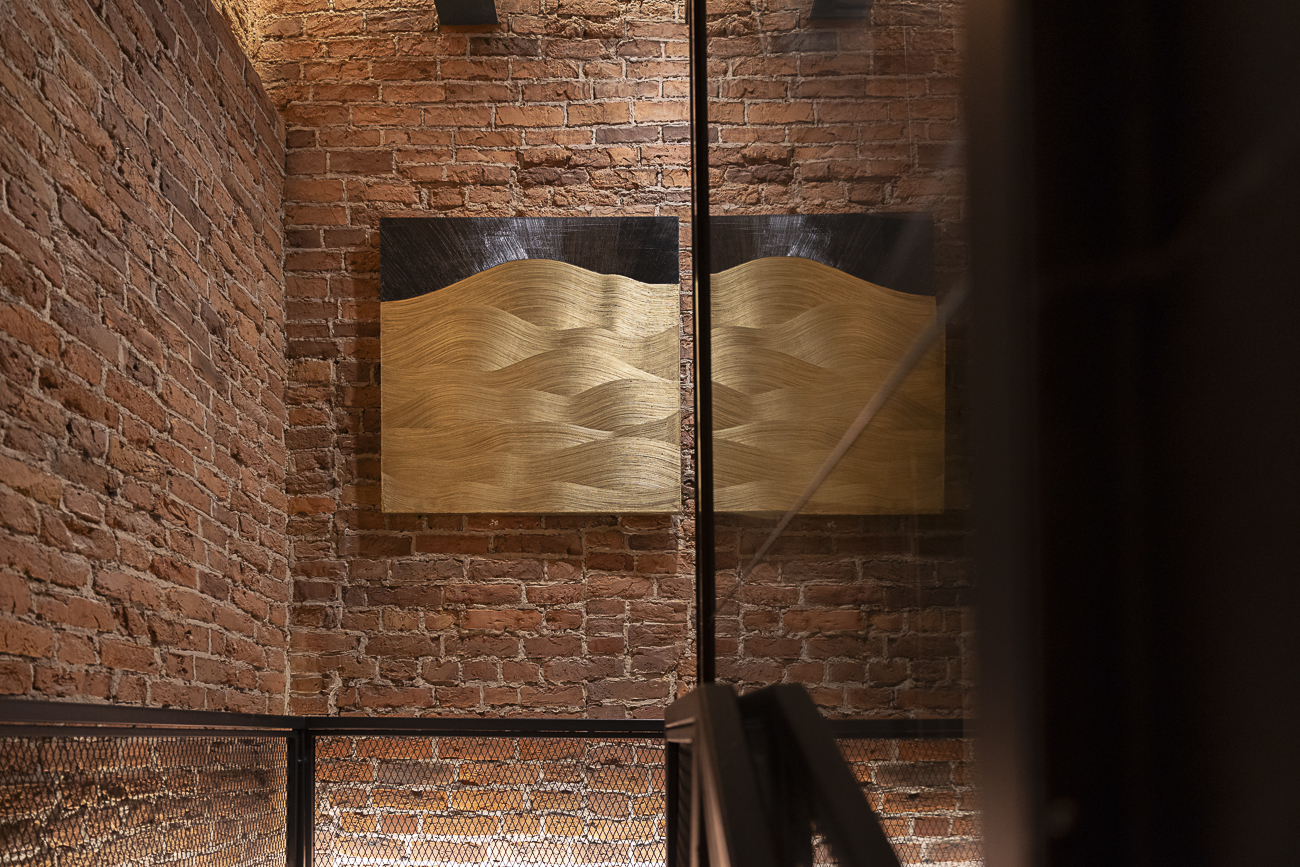
The works displayed throughout the hotel reflect artists’ experiences at specific moments of contemplative self-perception within their surroundings. Anatoly Akue’s *Harvest* series stems from his study of two esoteric systems—Western astrology and ancient Chinese BaZi—and their influence on human life. Over the course of a year, the artist analyzed life events, interpreted them through these mystical traditions, and translated the resulting insights and subjective understanding into semi-abstract compositions. Maxim Ksuta’s monochromatic landscapes from the *Tectonic Painting* series seem to emerge from a universal mystical rhythm, inviting the viewer to engage with it through the observation of light reflections. A similar effect is present in Andrey Berger’s work, where he paints with acrylic on a reflective road sign marked *100 m*, visible only at a specific angle of light. This piece, titled *Lost in Transition*, became the foundation for the exhibition’s concept, metaphorically referring to the hidden path of life, unseen by the casual glance.

Eva Helki’s objects and Misha Nikatin’s paintings operate like ironic riddles, assembled from everyday items. By revealing the poetry of the mundane, their imagery projects onto the viewer’s memories, rearranging itself like a deck of cards, unfolding anew in different minds.

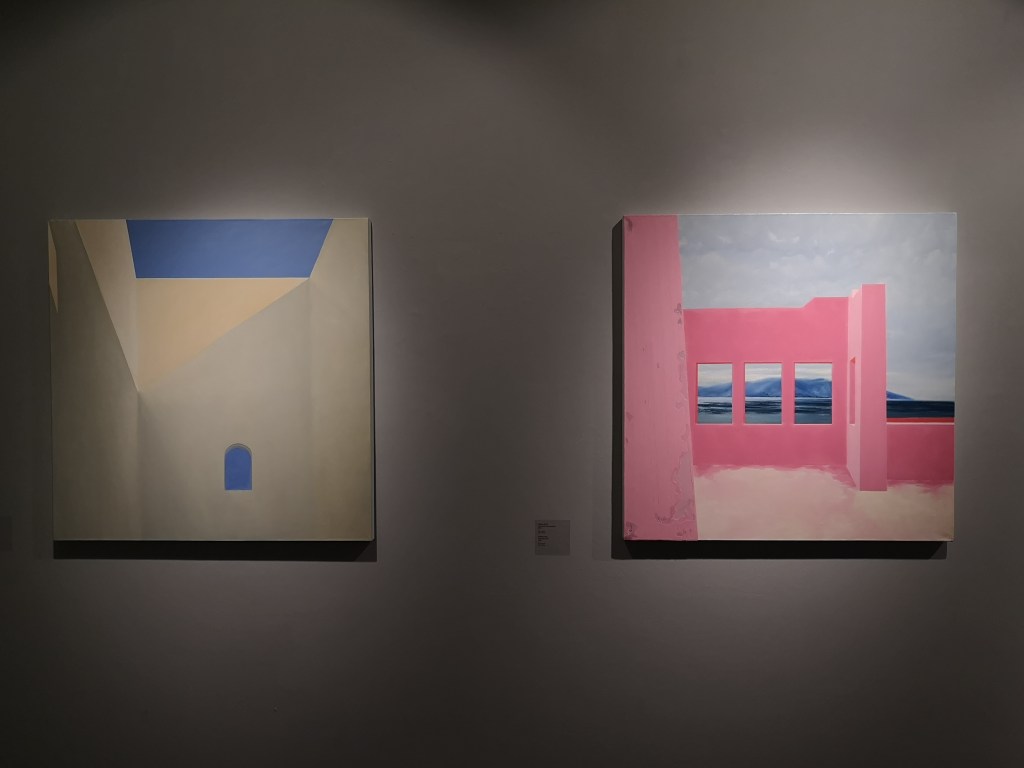
Anka Akhalaya, in creating her abstract compositions, turns to the surrealist technique of automatic writing, capturing fleeting emotional states in her works. A different impression—one that leans toward permanence and the idea of eternal return—emerges in Olga Aksyonova’s pieces, where barely visible figures shimmer in golden light, bound by a mysterious shared encounter. At the intersection of reality and fiction, in the quiet blur of watercolor strokes, Arthur Samofalov seeks a point of stability in his *Inhabited Ruins* series. His indistinct forms become allegories of uncertain knowledge—chaos obscures the clear contours of objects, evoking unease.

The challenge for each of us is to overcome the desire for rigid clarity and instead embrace contemplation—an approach that fosters inner transformation and reveals a new vision of the world. Even the smallest journey shifts the rhythm of life, lifting the veil from our eyes and allowing for transition, for inner metamorphosis, and for the formation of a renewed dialogue with both the self and the world around us.

Alisa Prokhorova
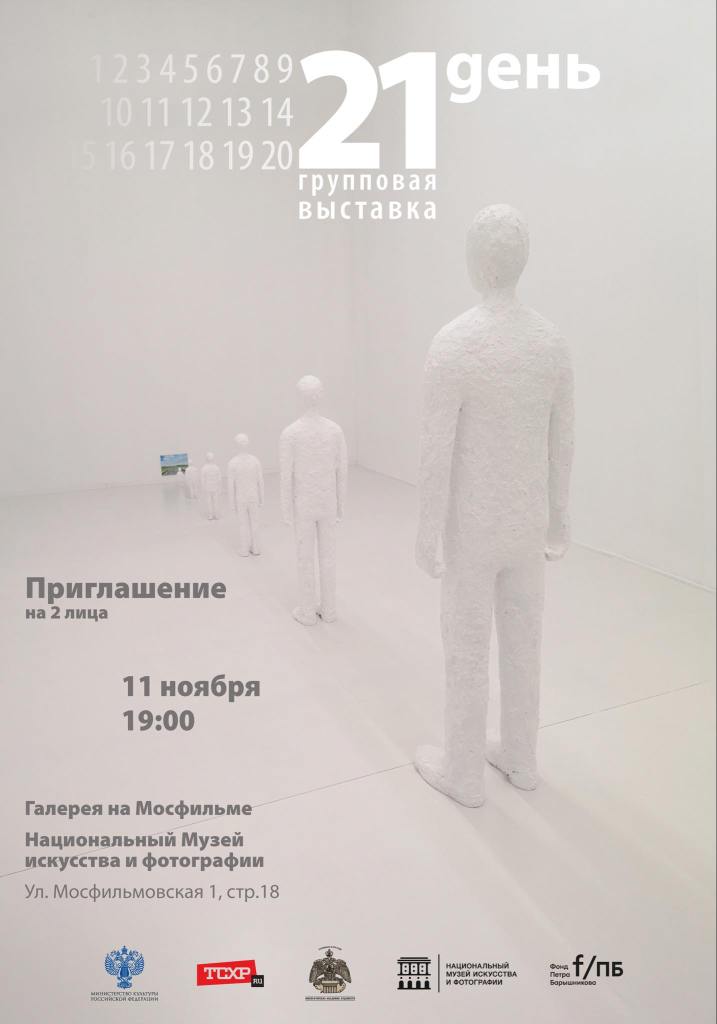
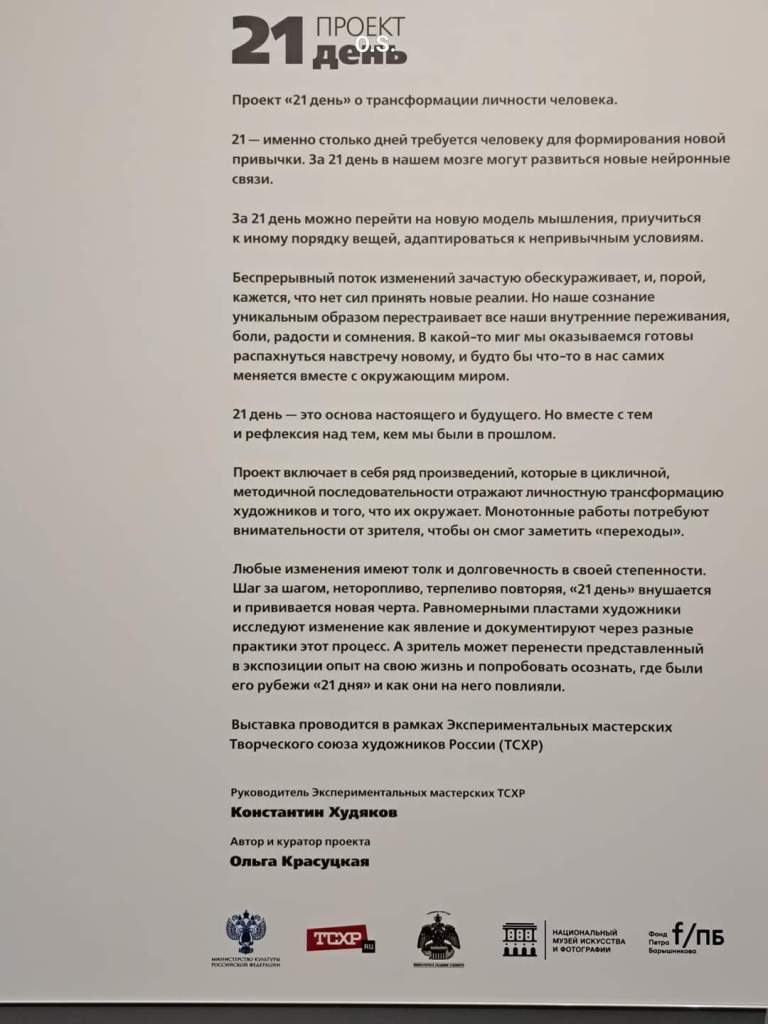
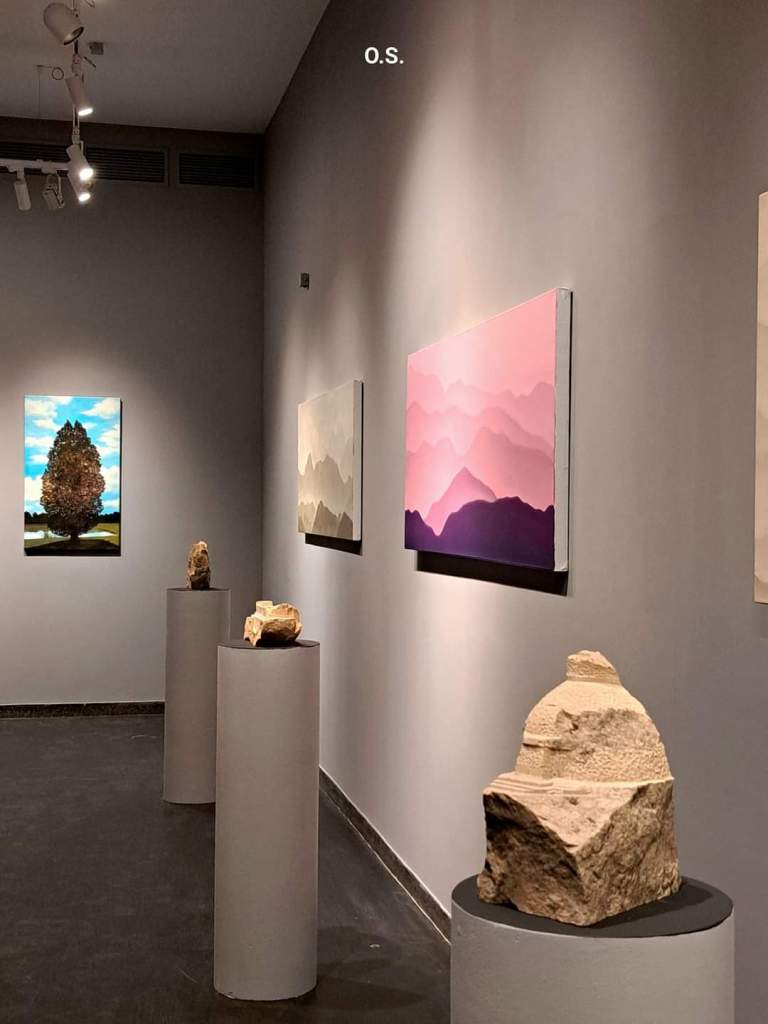
New group exhibition -“21days”

“21 days”, Gallery at Mosfilm National Museum of Art and Photography, Moscow

Photo – Olga Seregina
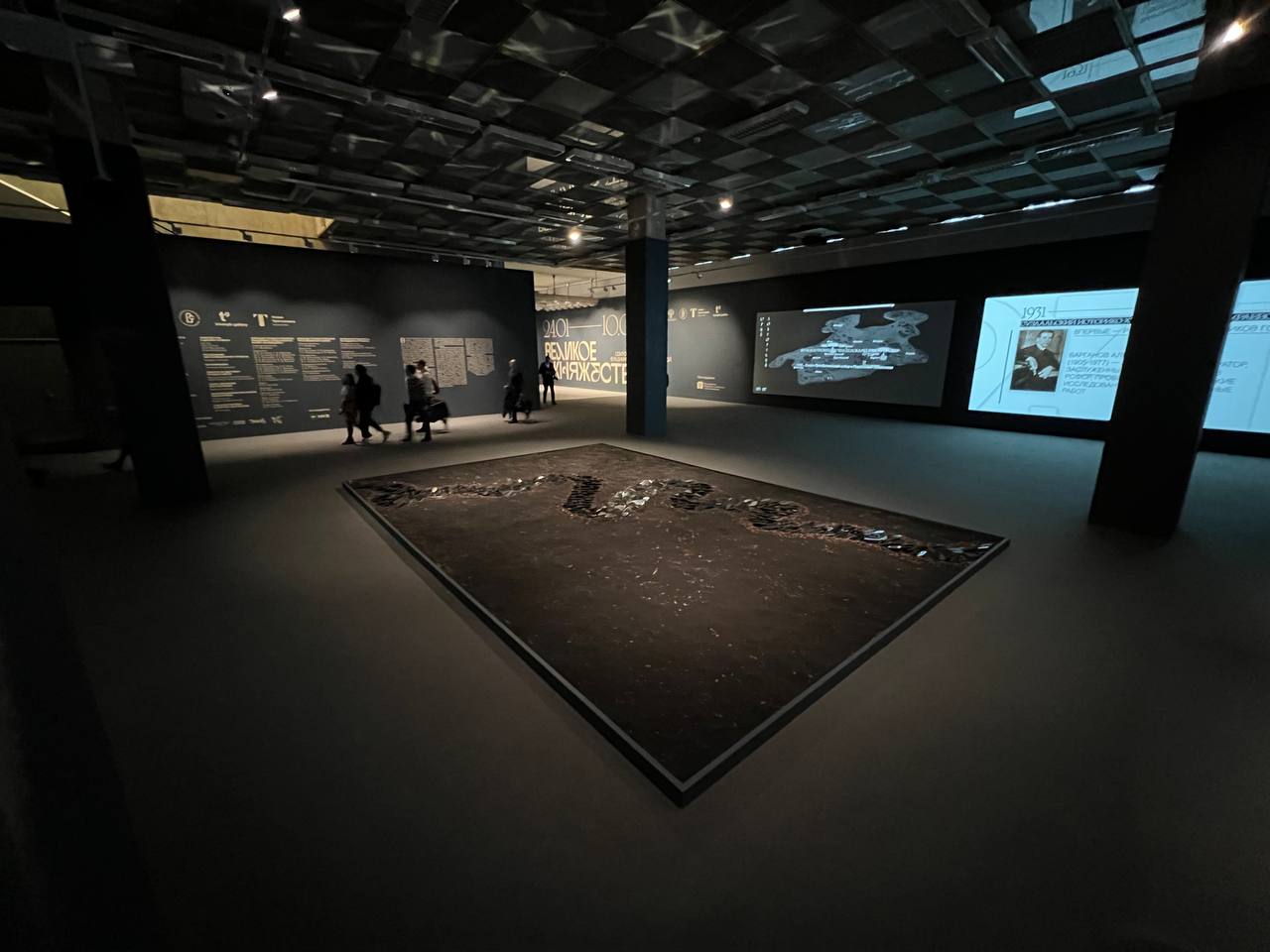
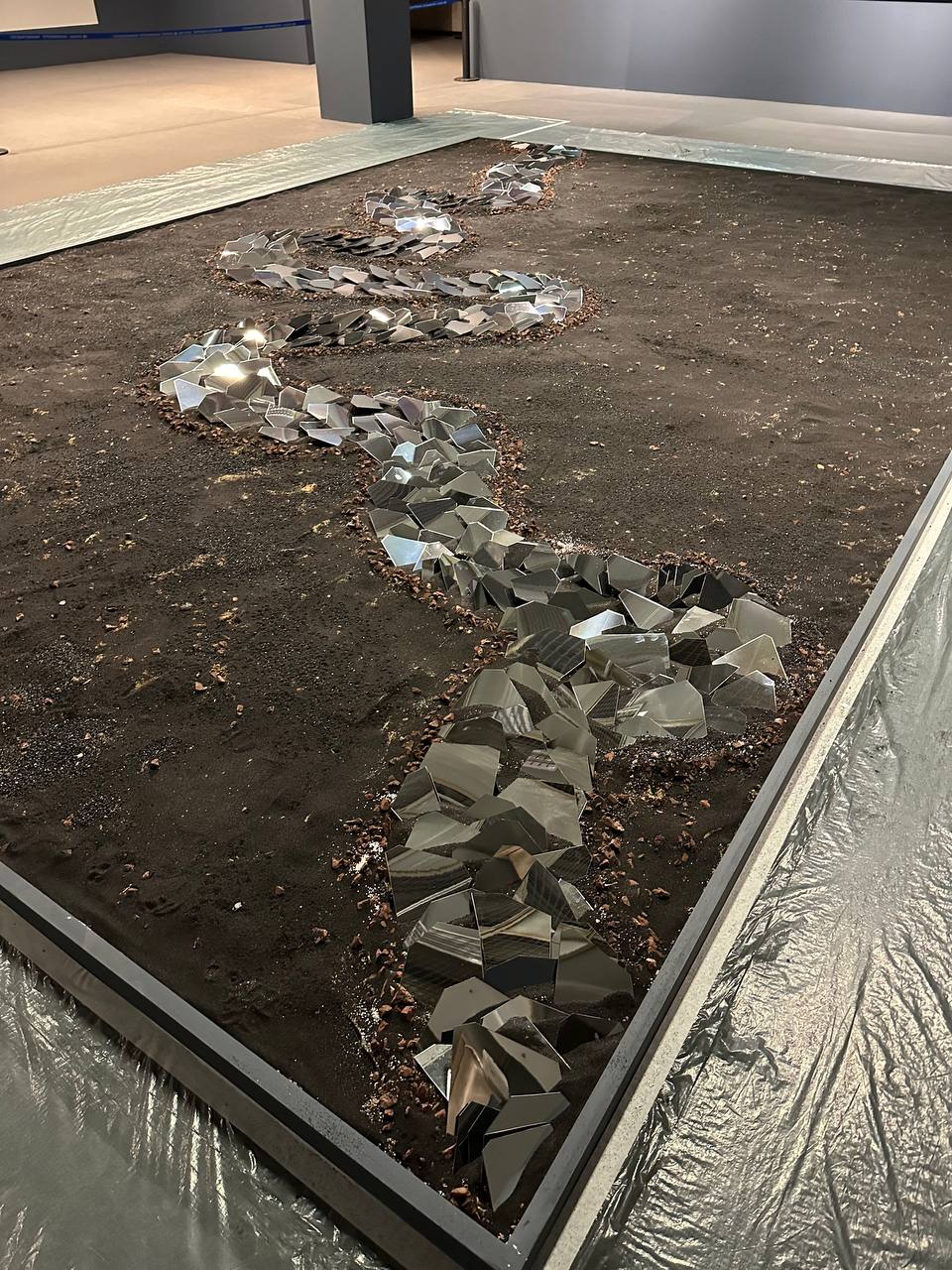
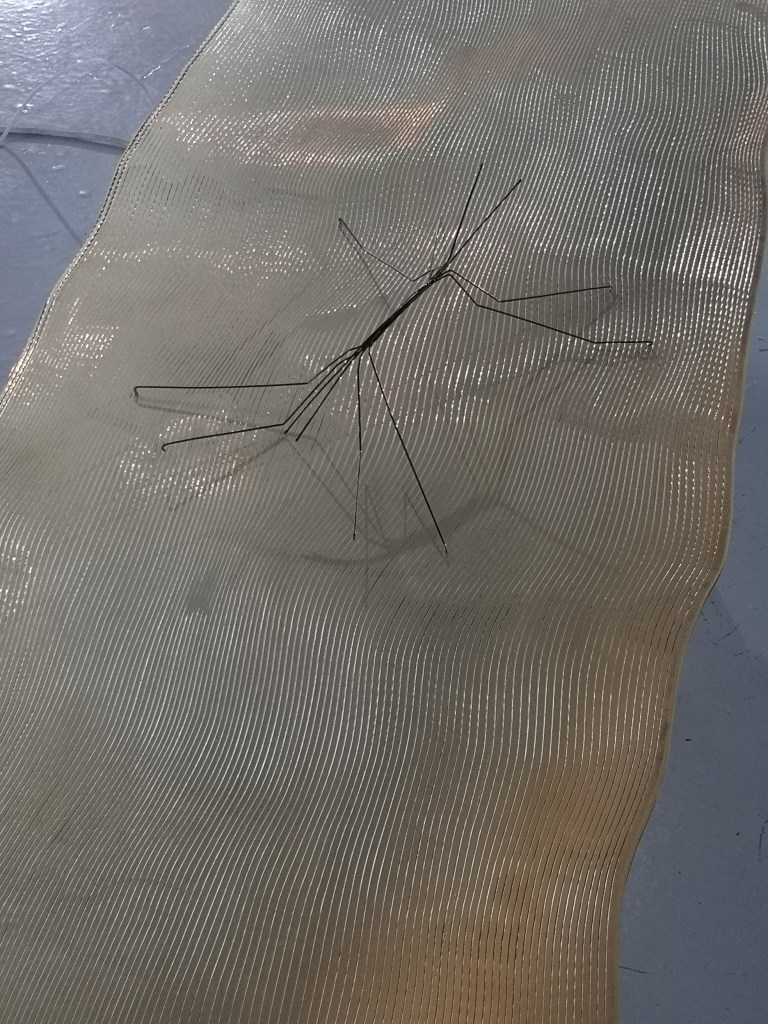
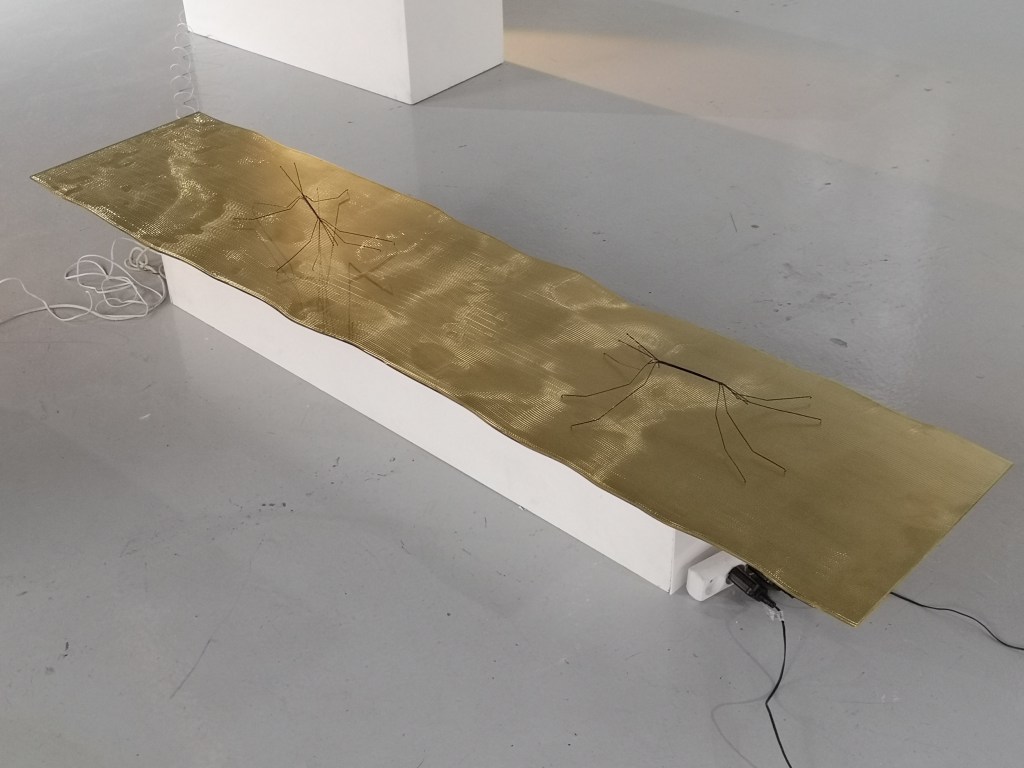
New object – “River of history” in The State Tretyakov gallery

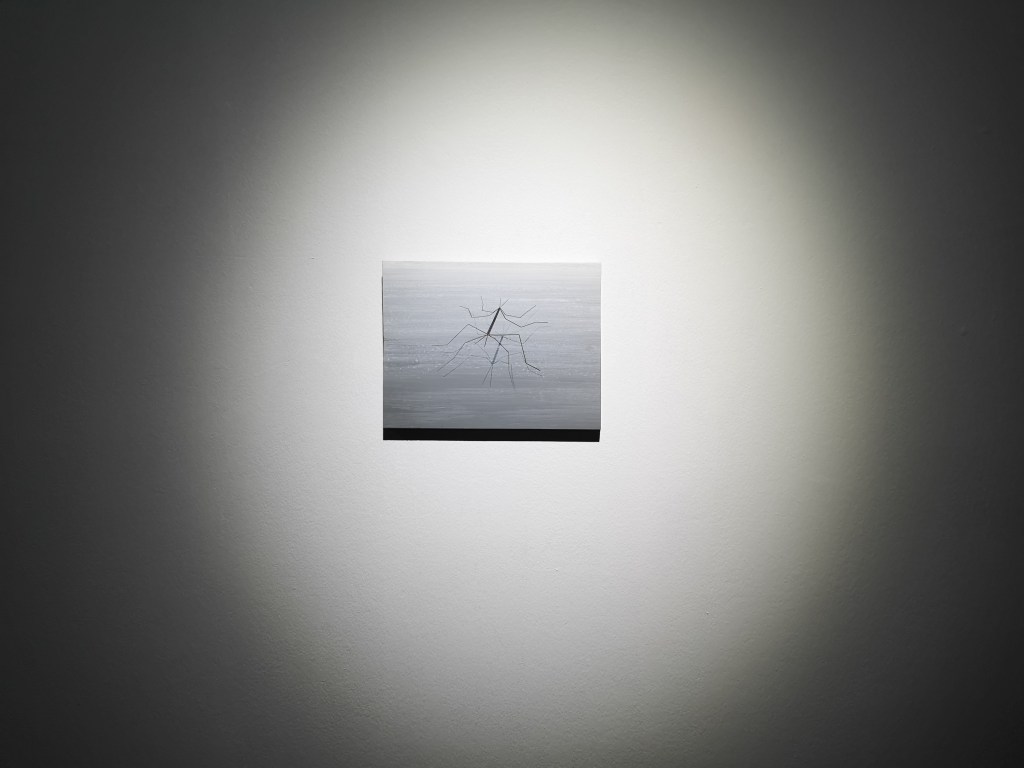
Exhibition “The Grand Duchy. Treasures of the Vladimir-Suzdal Land” is dedicated to the millennium anniversary of the first annalistic mention of the city of Suzdal, which will be celebrated in 2024.

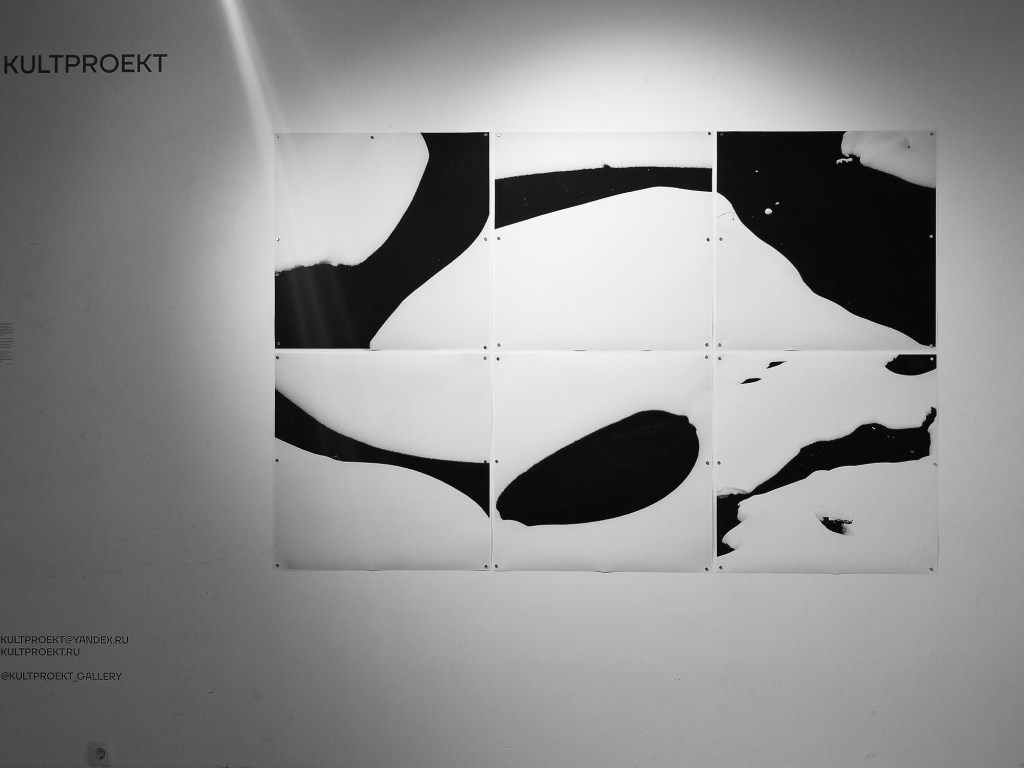
New group exhibition-“GOLDWASSER”, KultProekt, CUBE, Moscow

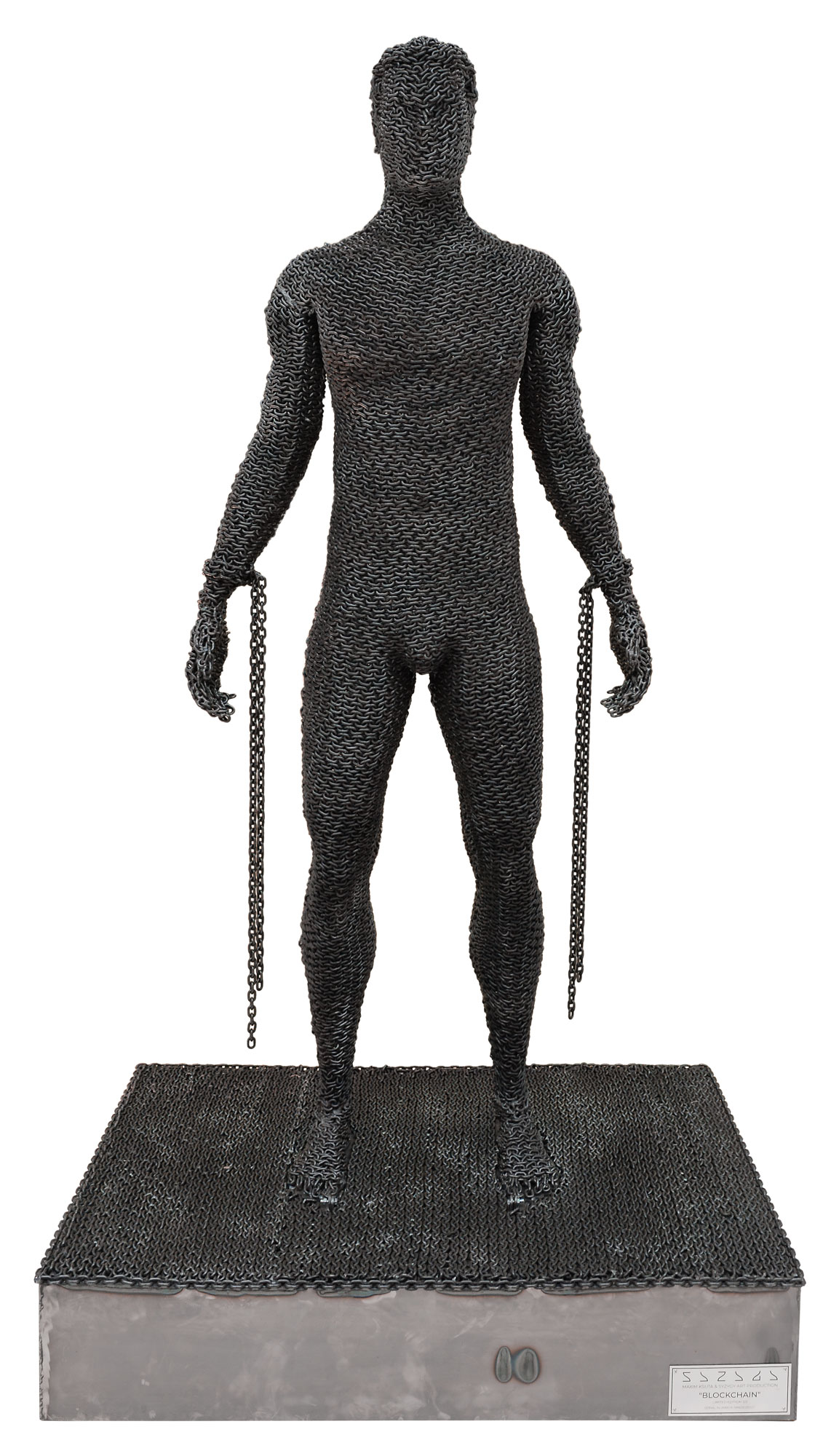
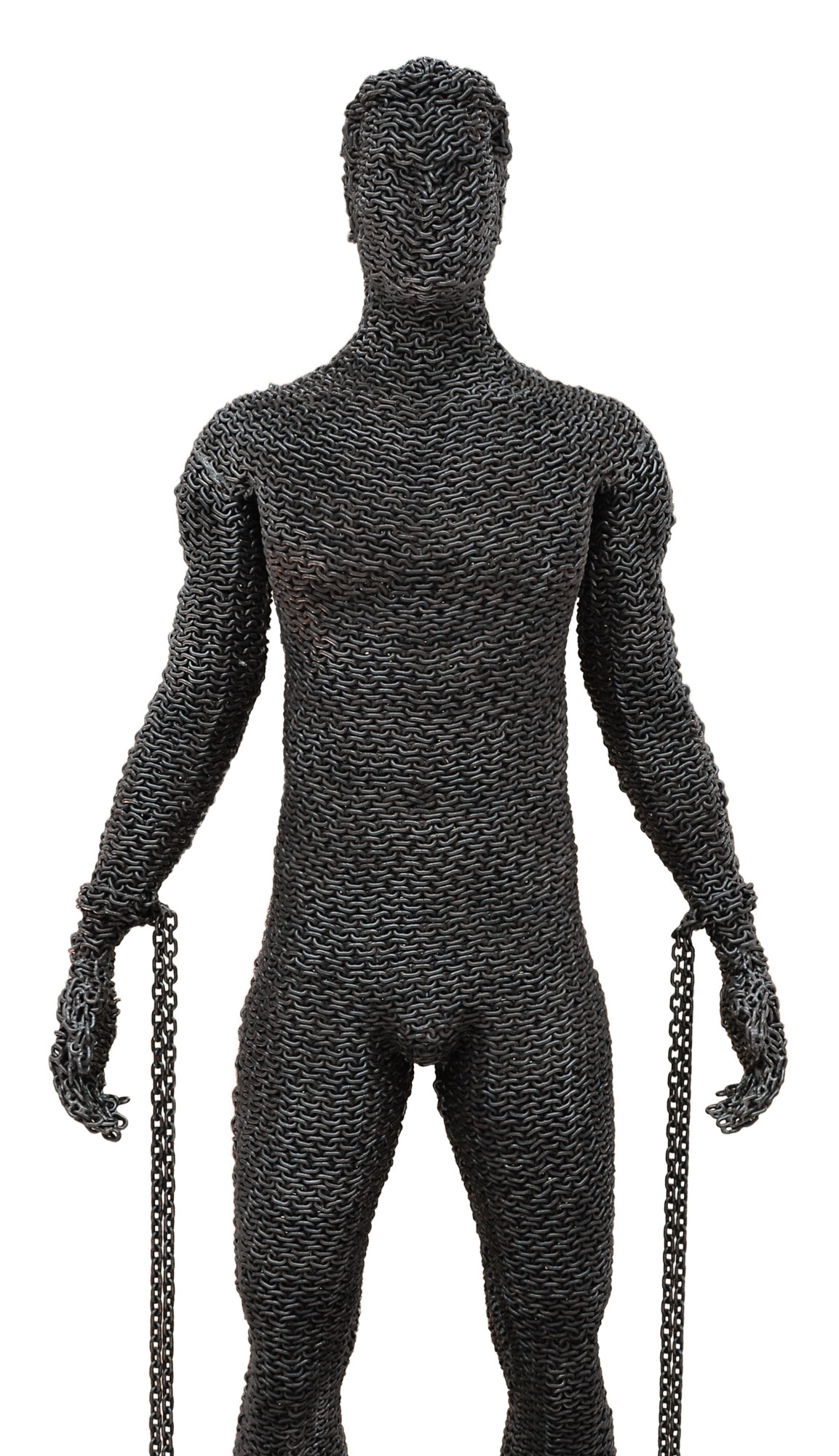
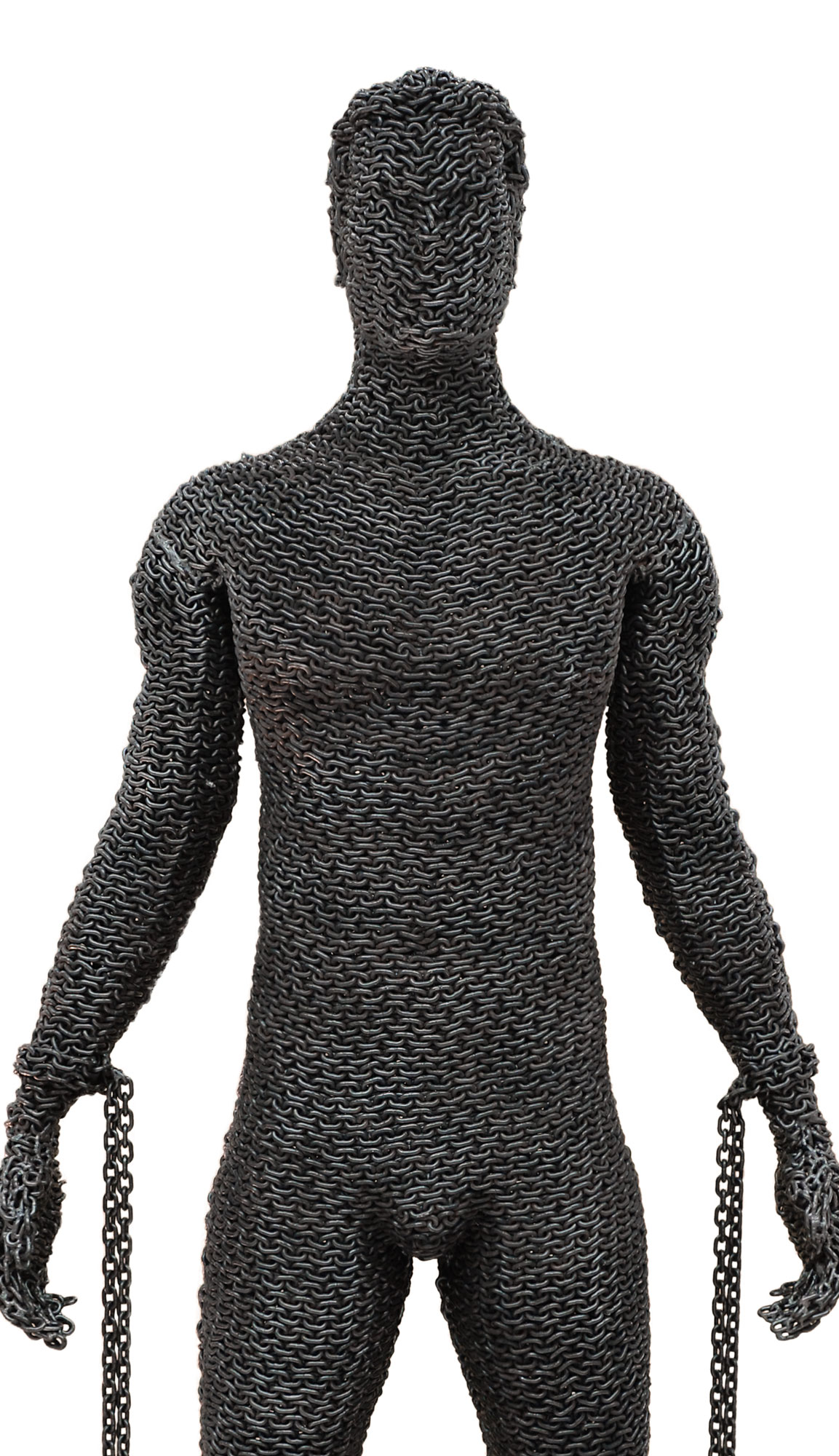
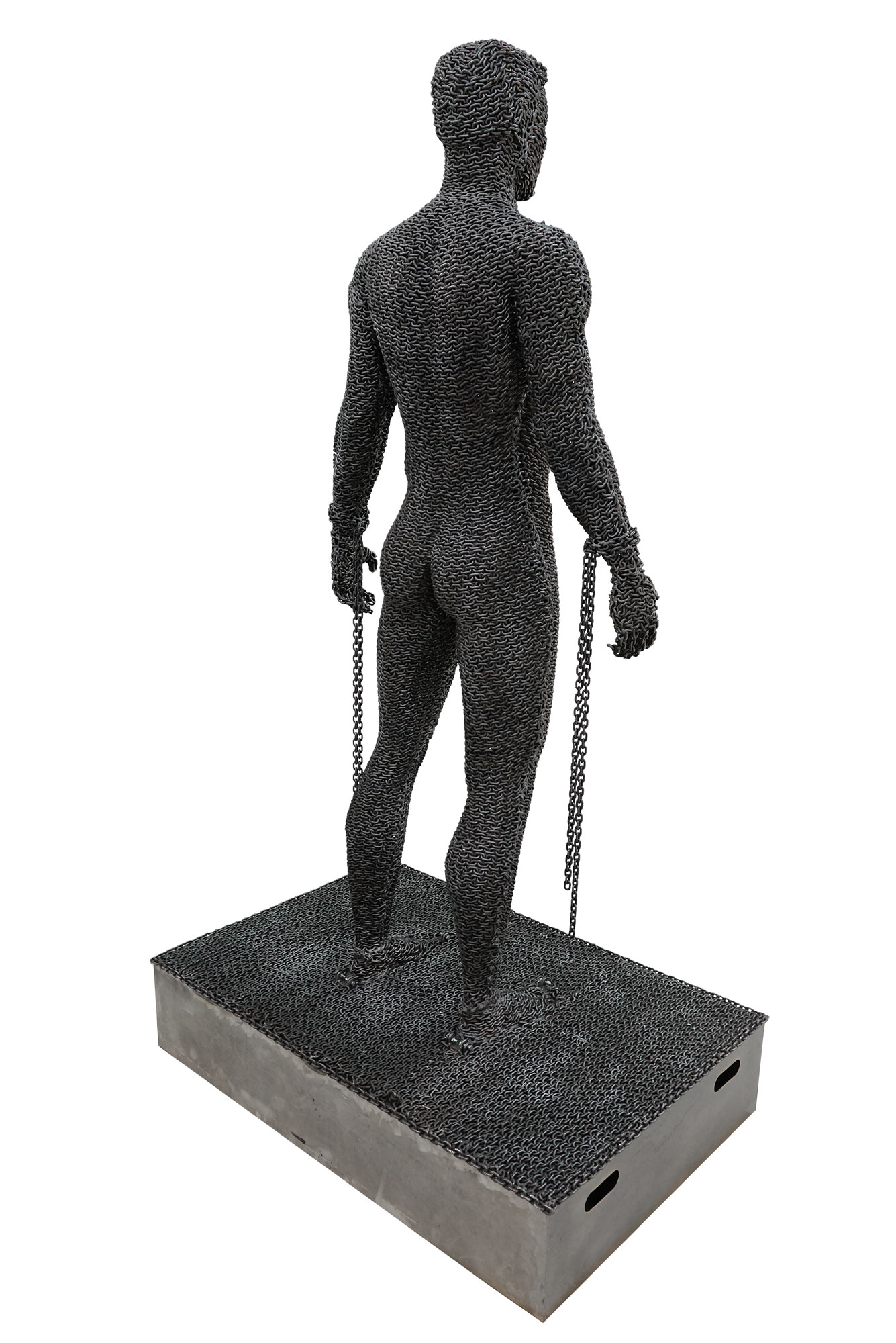
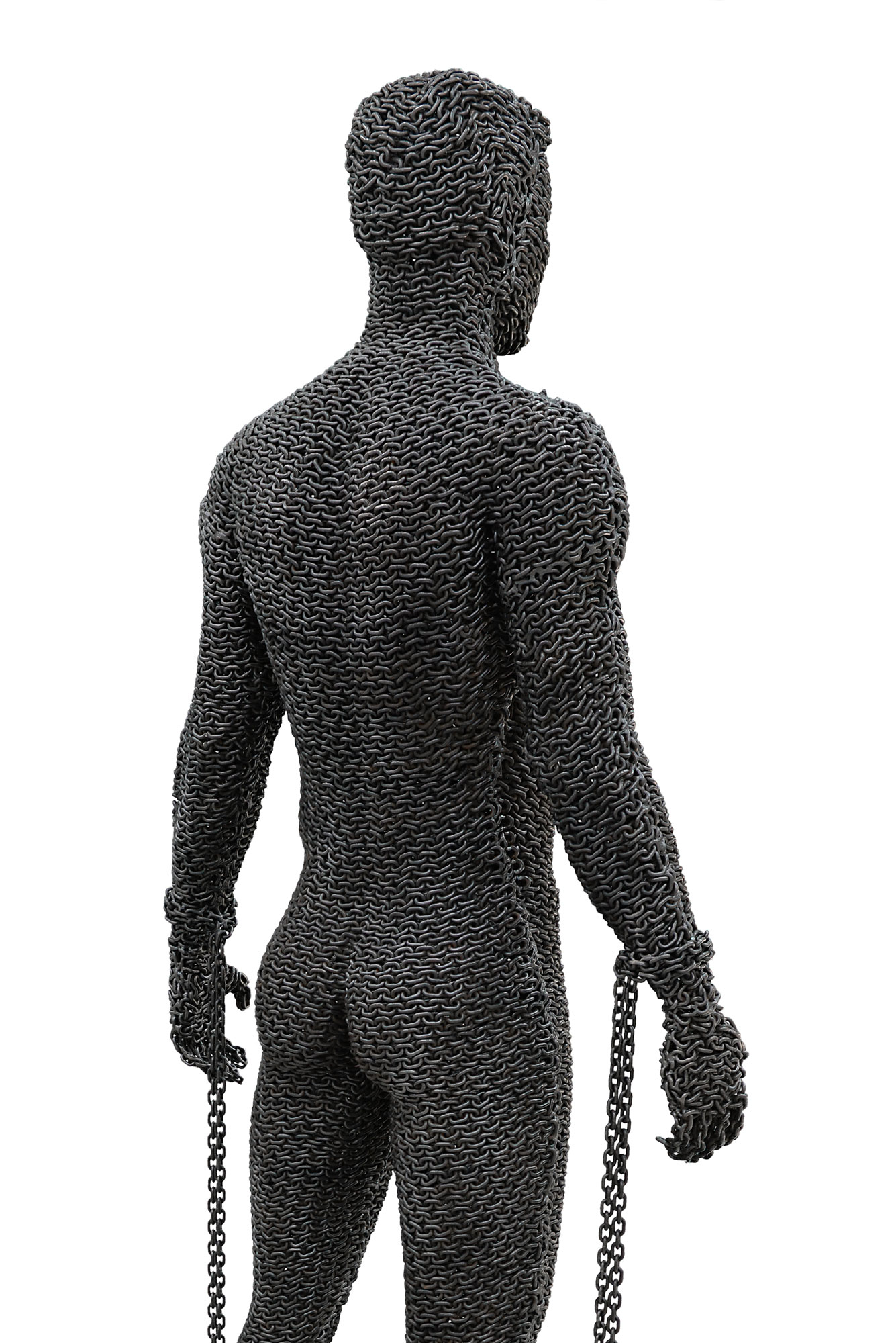
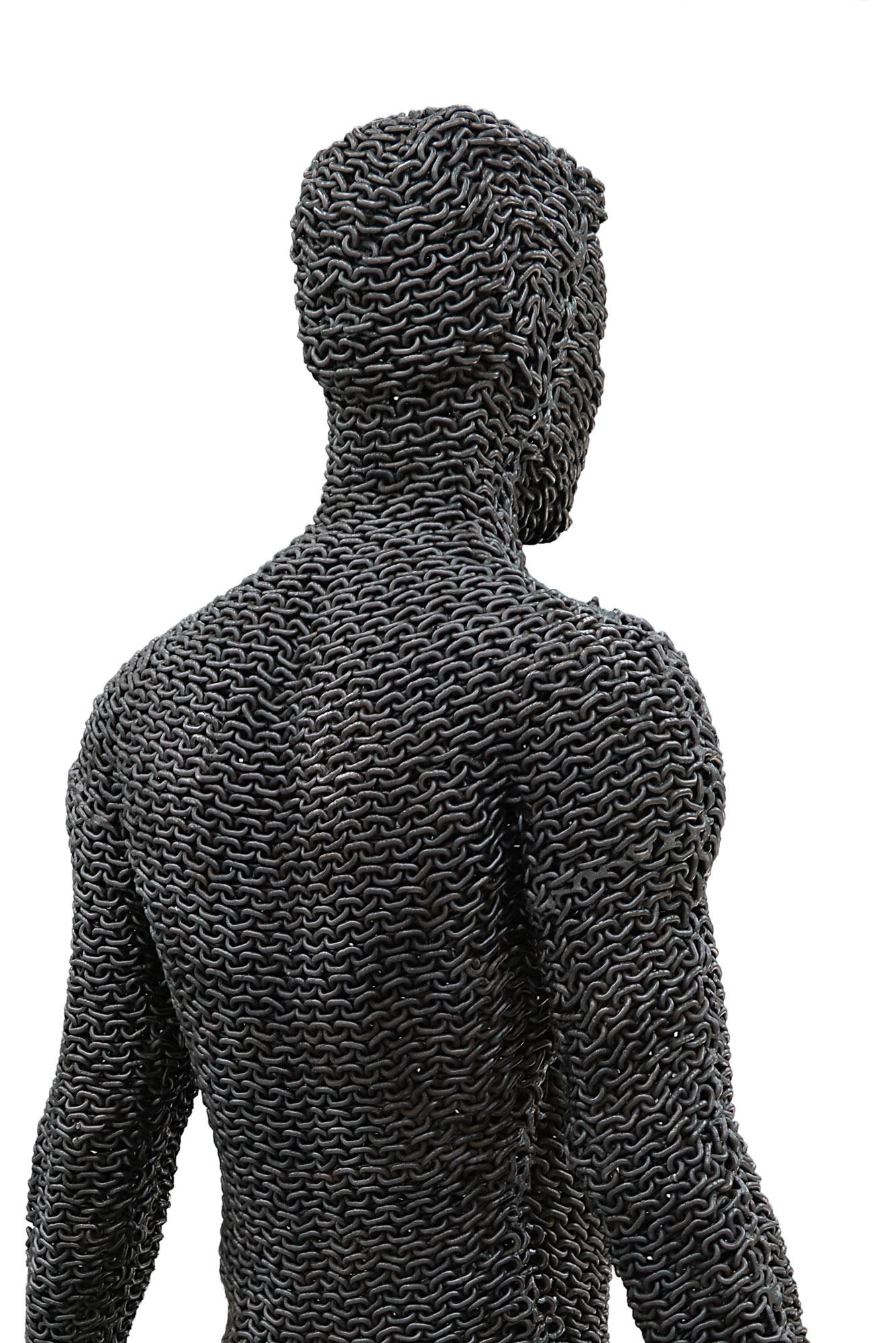
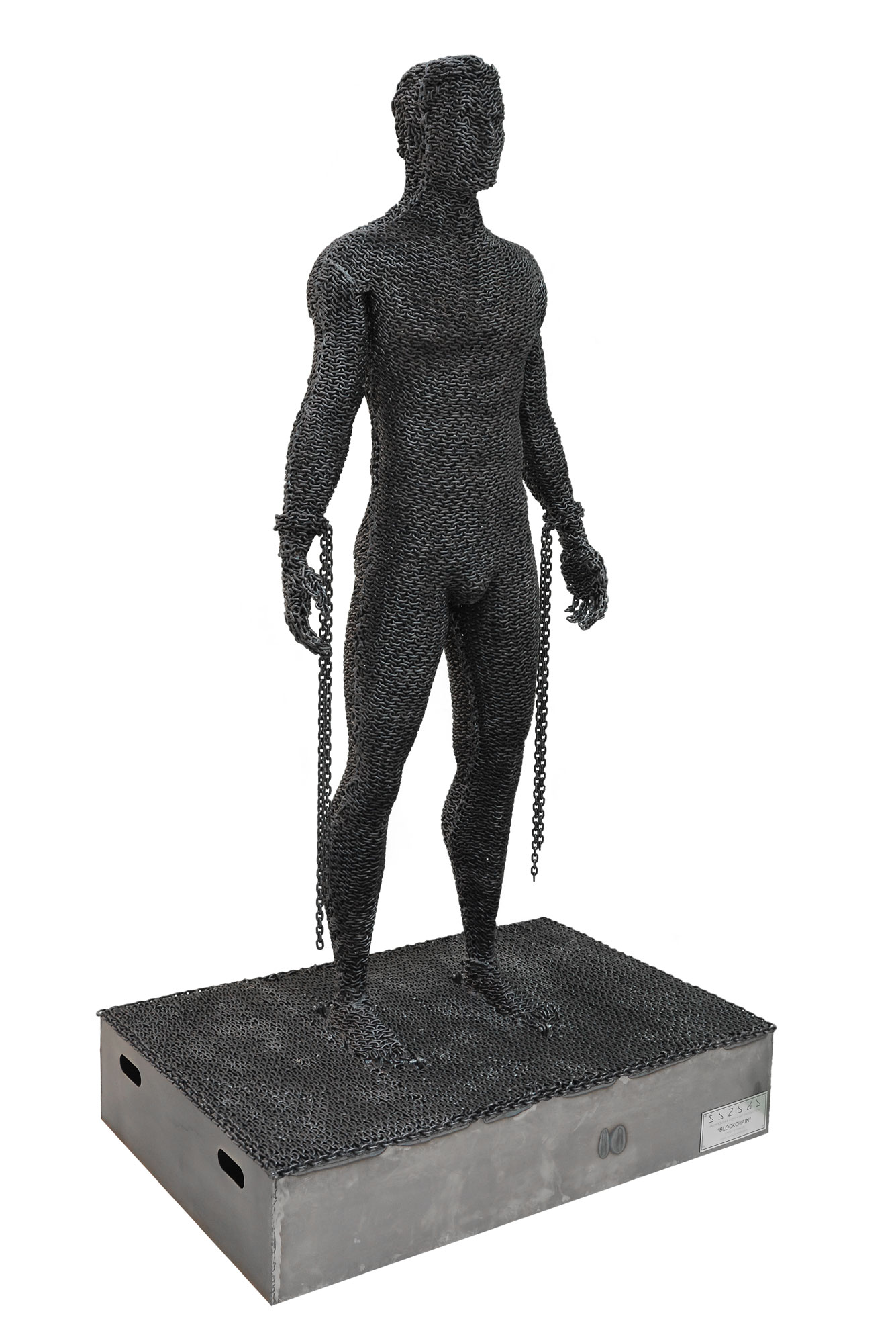
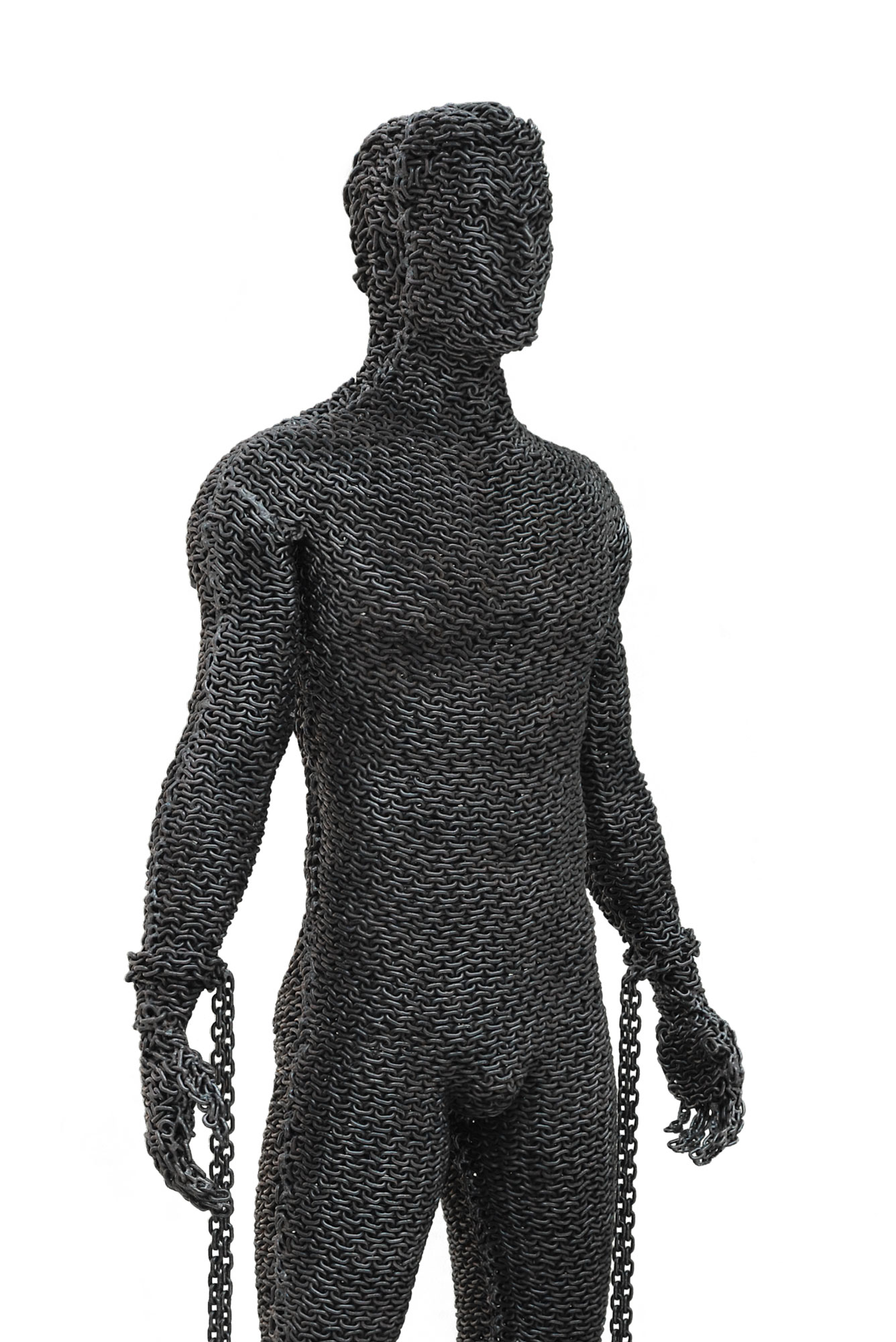
Blockchain

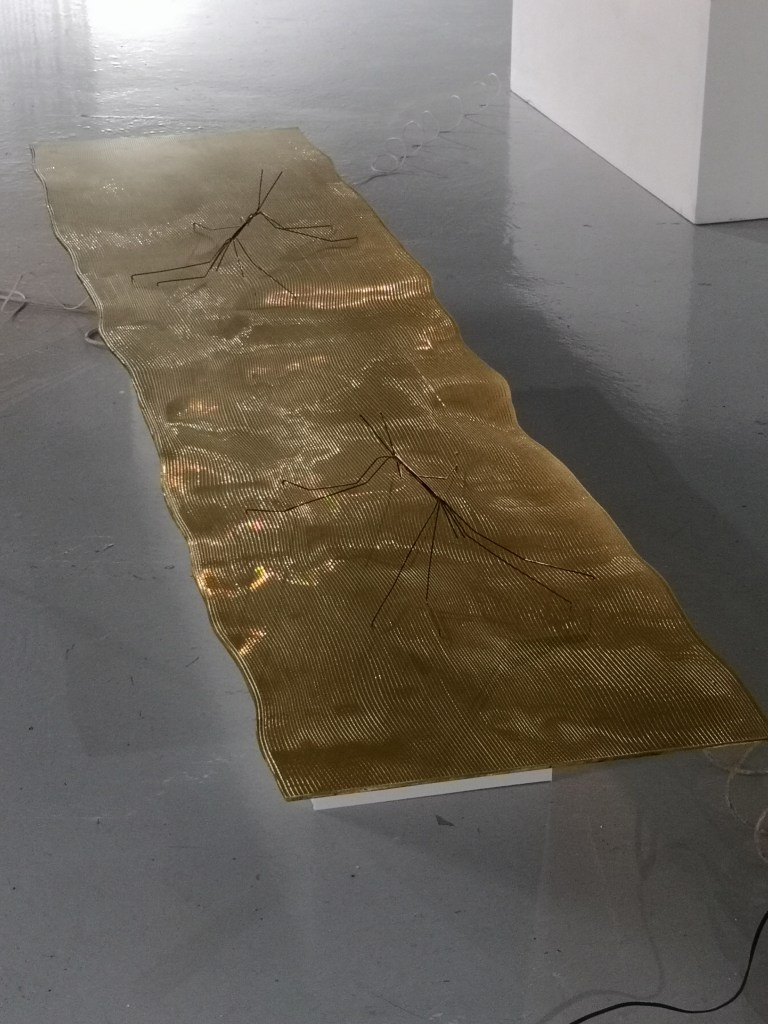
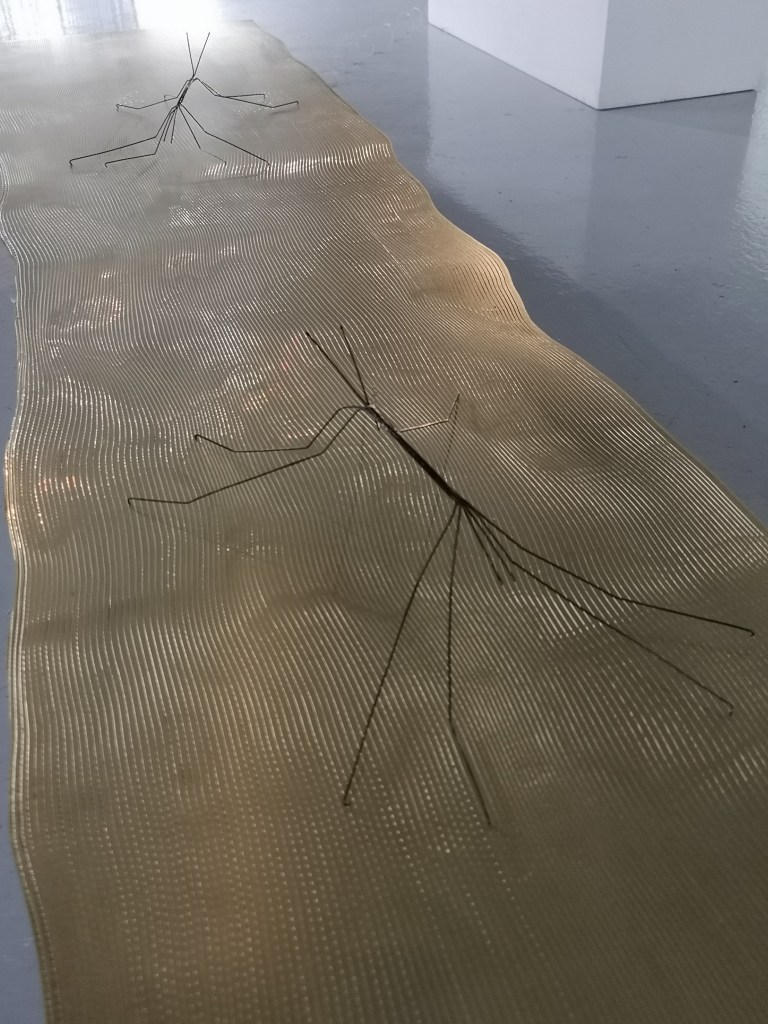
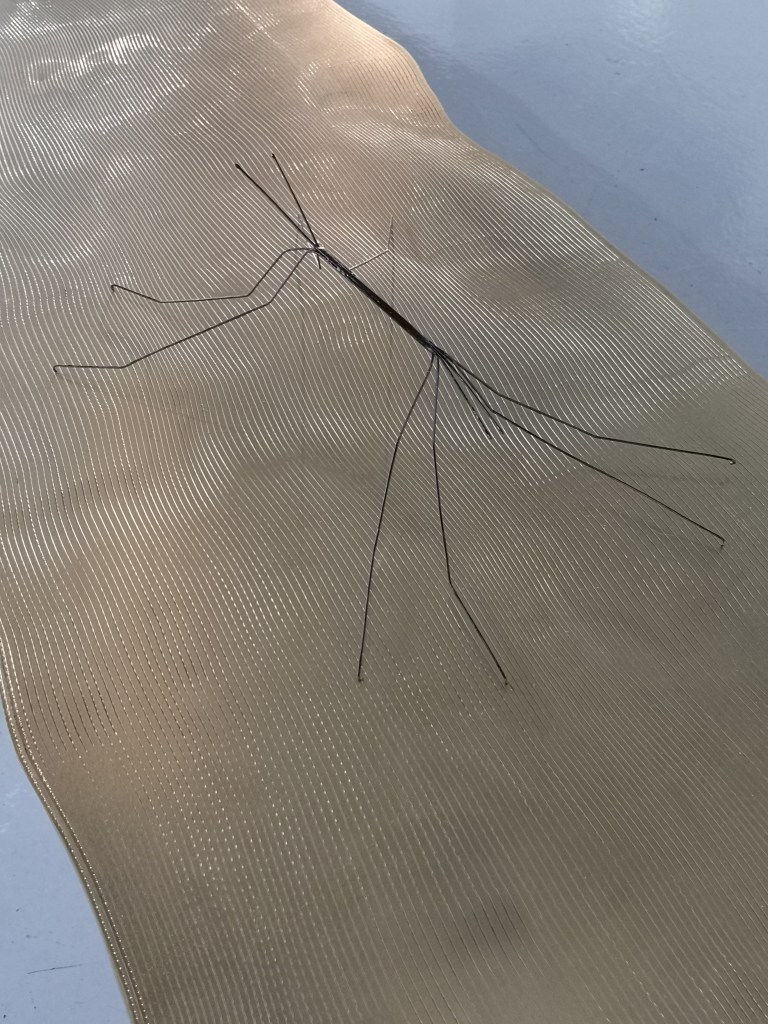
320 см, Steel chain

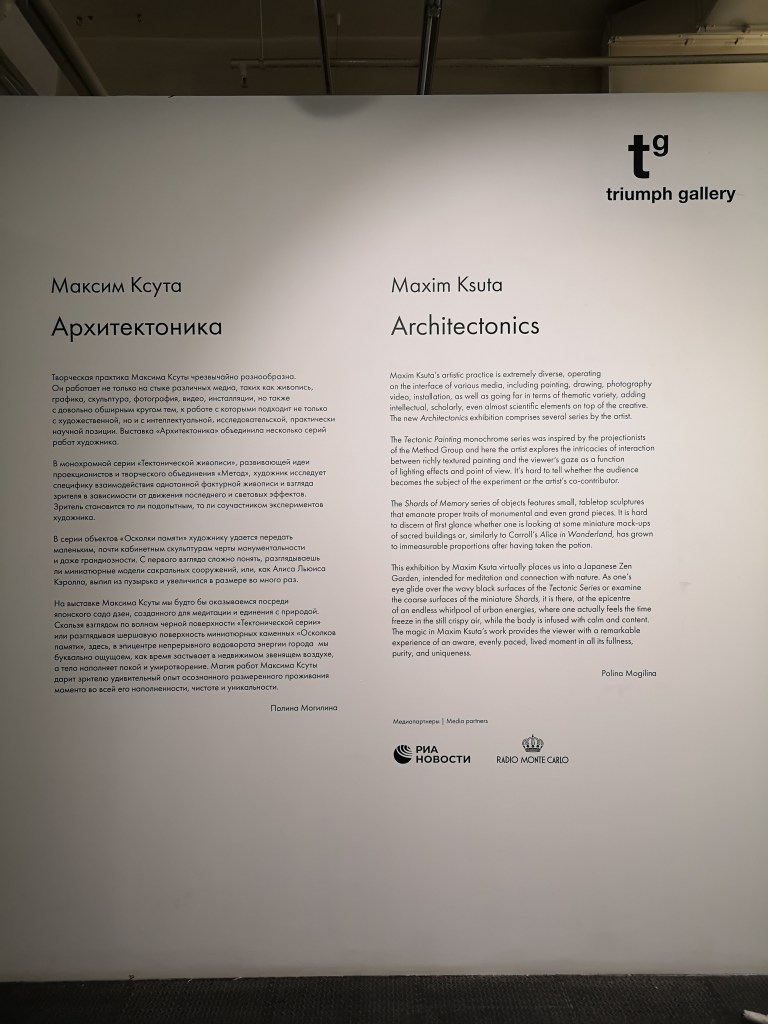
New solo exhibition – “Architectonics”, Triumph gallery

Zen Garden
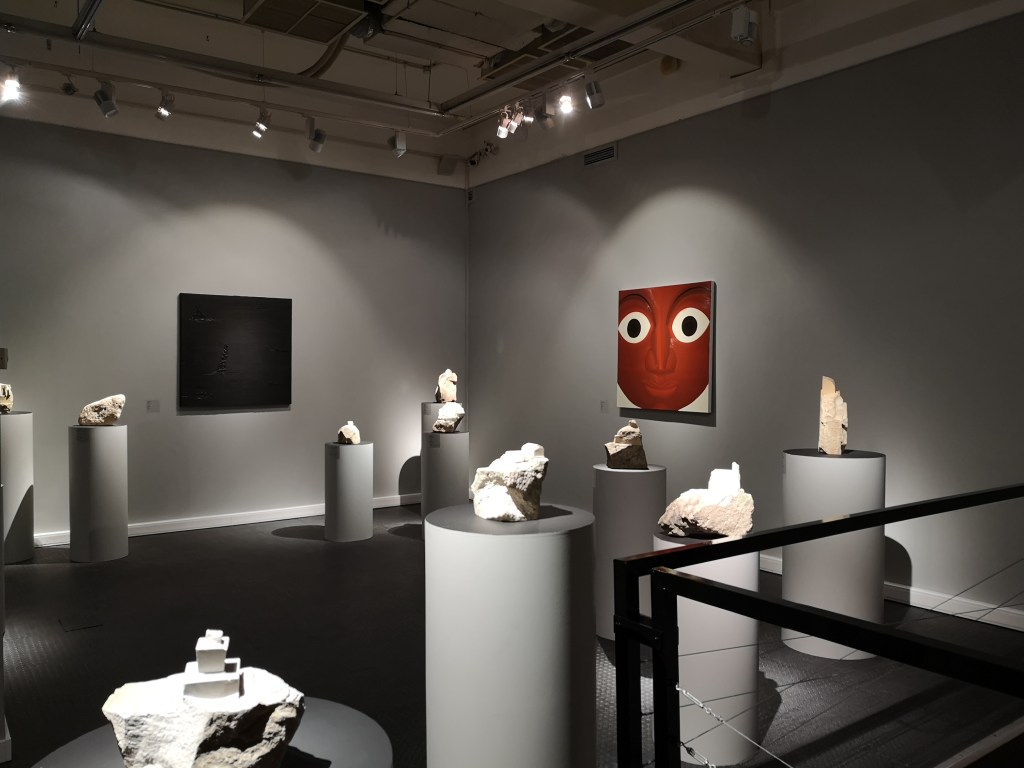
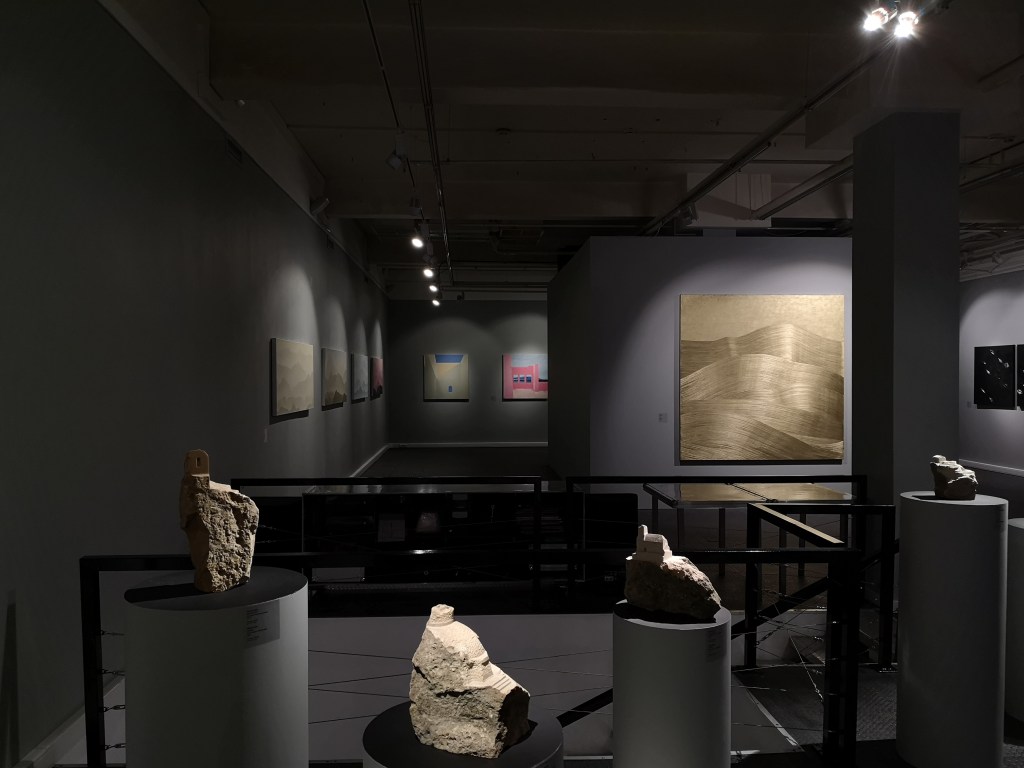
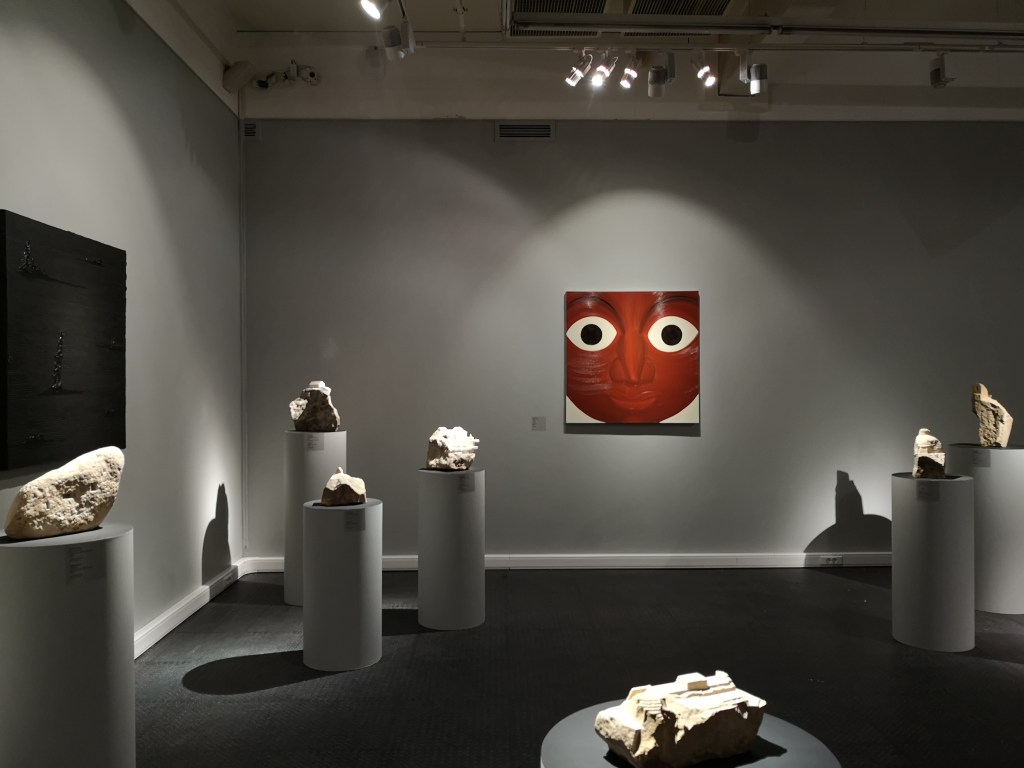
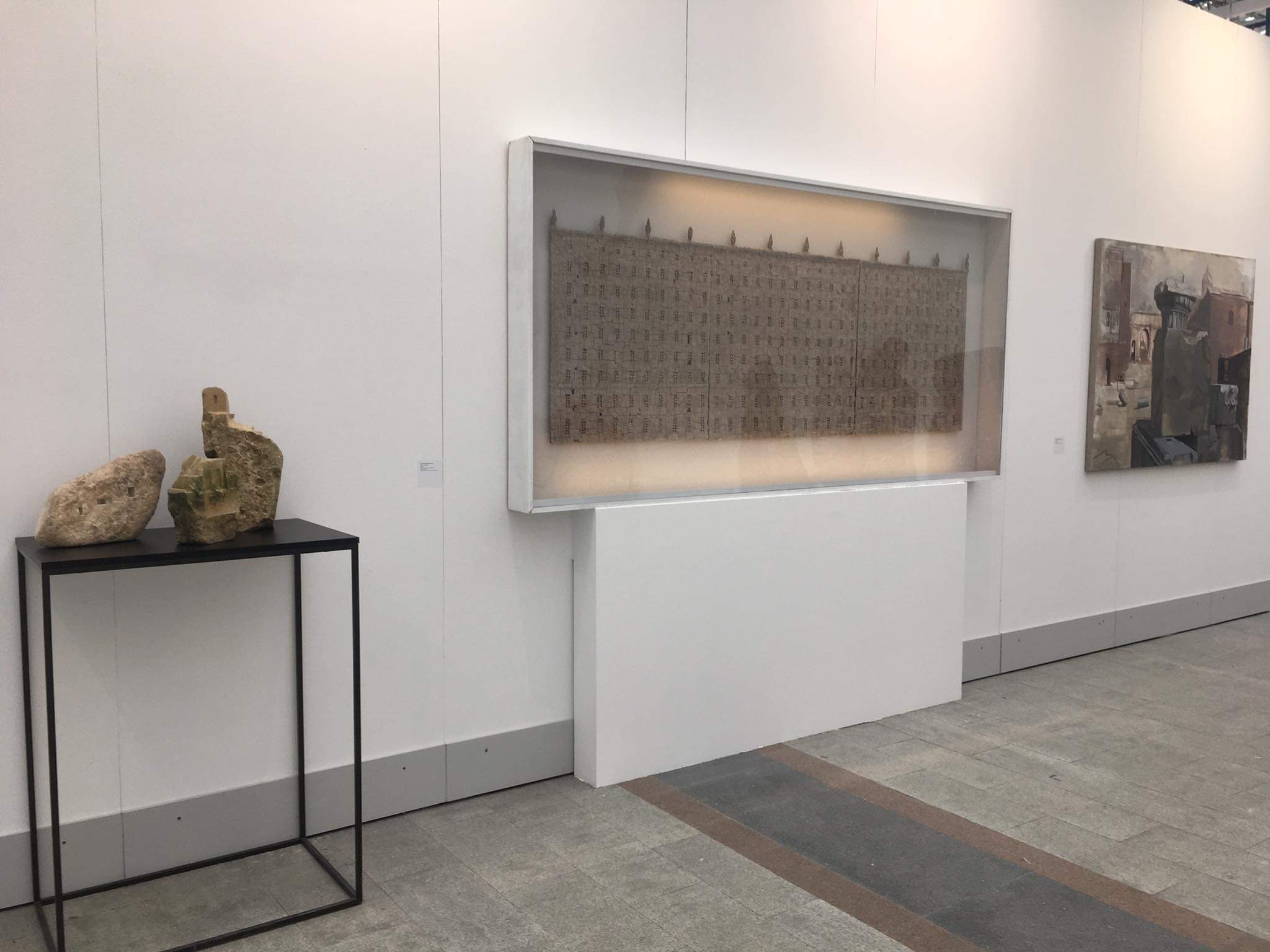
Maxim Ksuta’s artistic practice is extremely diverse, operating on the iterface of various media, including painting, drawing, photography, video, installation, as well as going far in terms of thematic variety, adding intellectual, scholarly, even almost scientific elements on top of the creative. The new project remains faithful to Maxim’s knack for serialised production, which enables a contemplative and consistent, almost lablike deep dives into the techniques and effects that are of interest to the artist. The new Architectonics exhibition comprises several series by the artist.
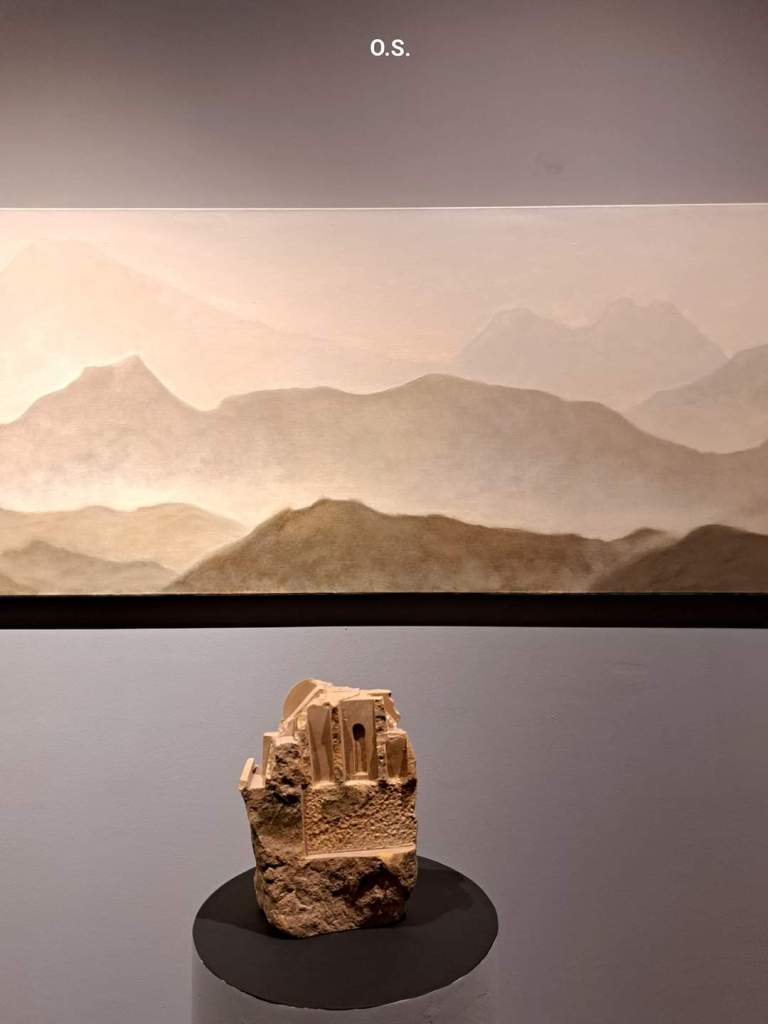
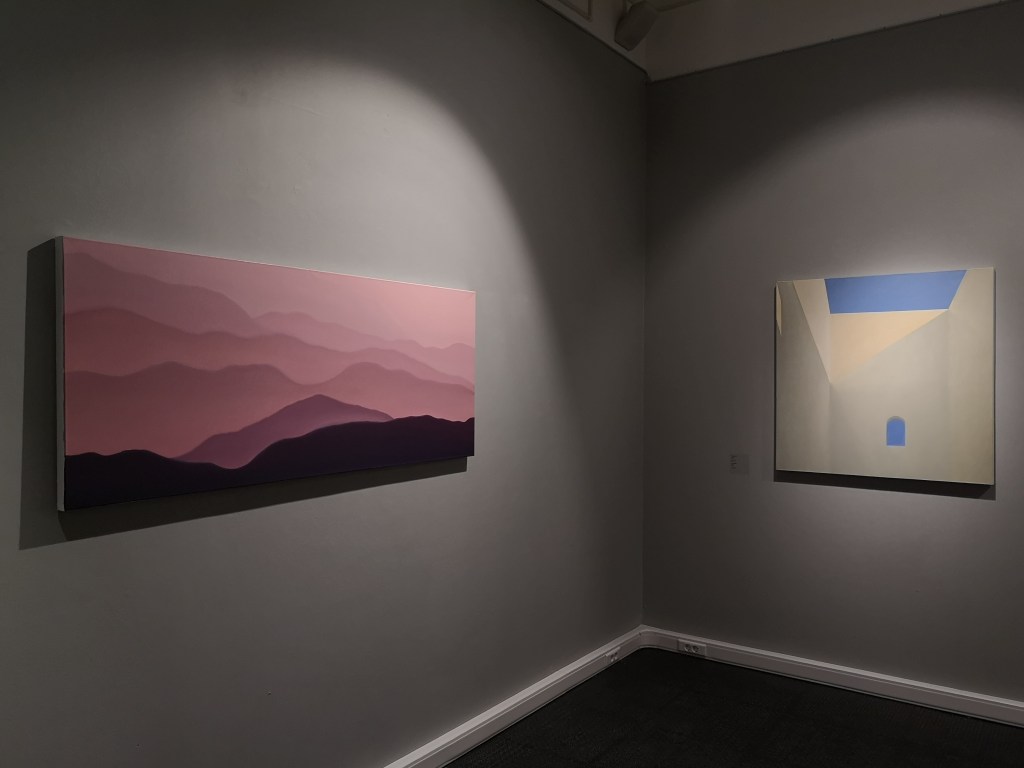
Projects by Ksuta have repeatedly addressed the links between the particular and the abstract. In his project The Expulsion dating back to 2007, the dense calligraphy and lettering produced emergent anthropomorphic figures, whereas the 2013 photo series CY, which was inspired by the art of Cy Twombly, had pictures of natural objects that were freely combined into natural abstractions. The Horizons series of canvases, based on EEG readings of the brain, transforms the brain waves into mountainscapes, whereby the outlines of mountain peaks are gradually dissolved in the pastel-coloured atmospheric fog.
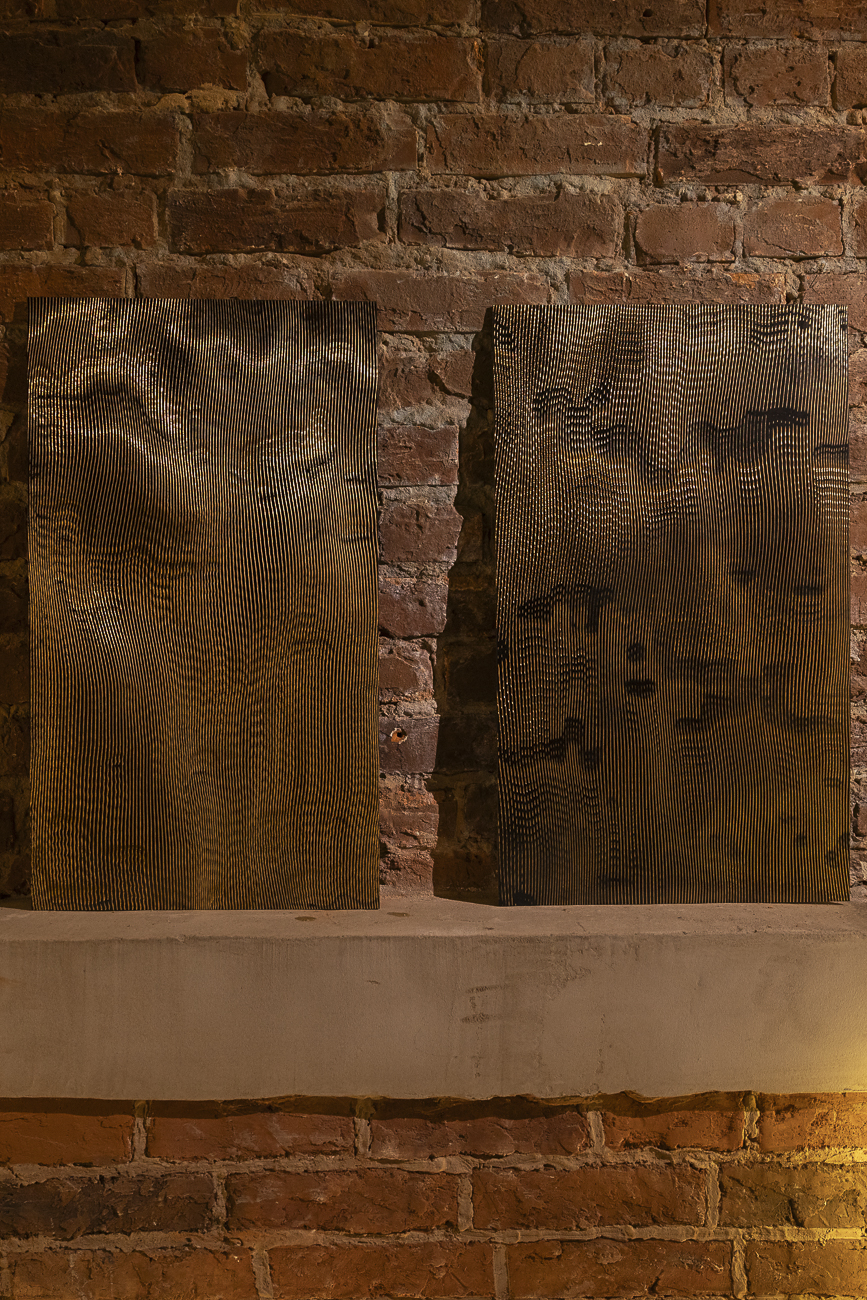
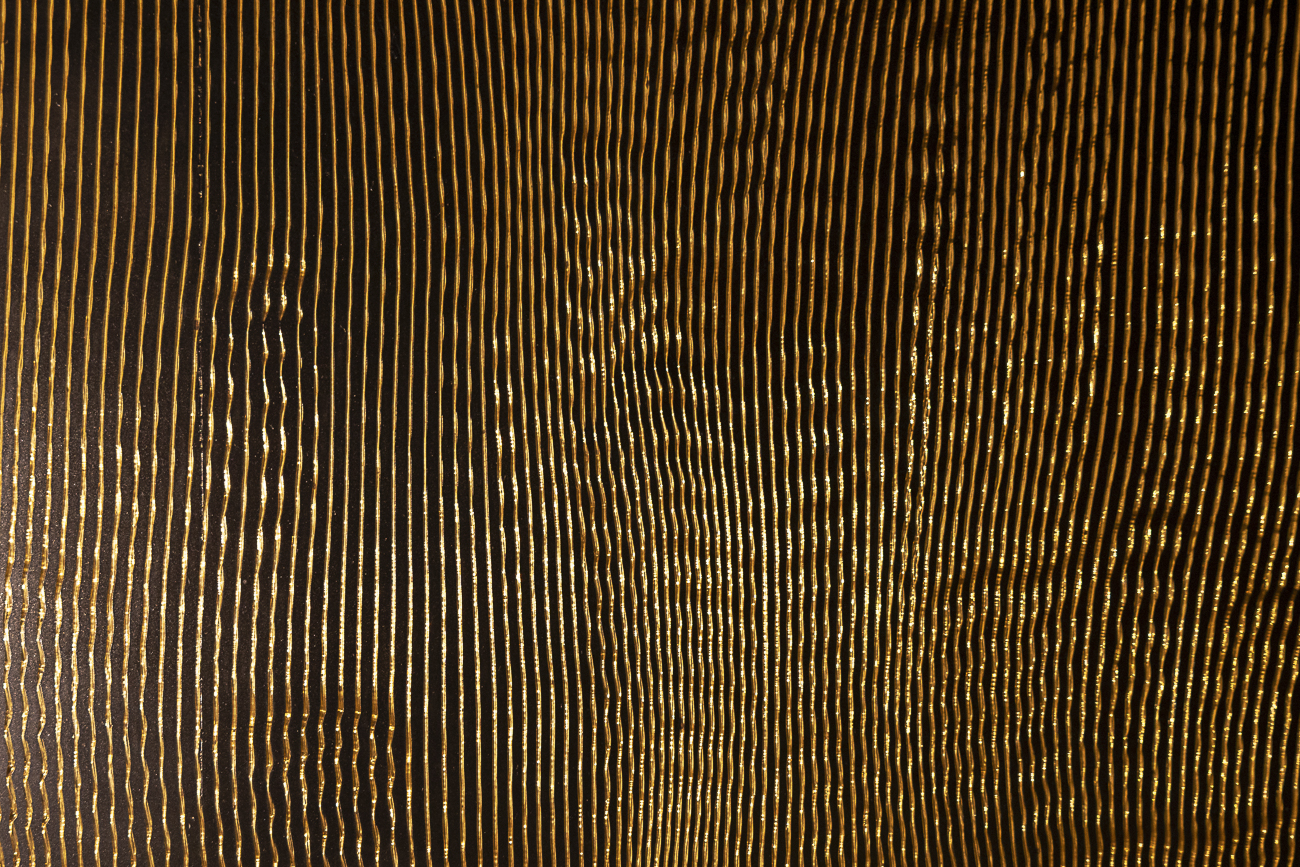
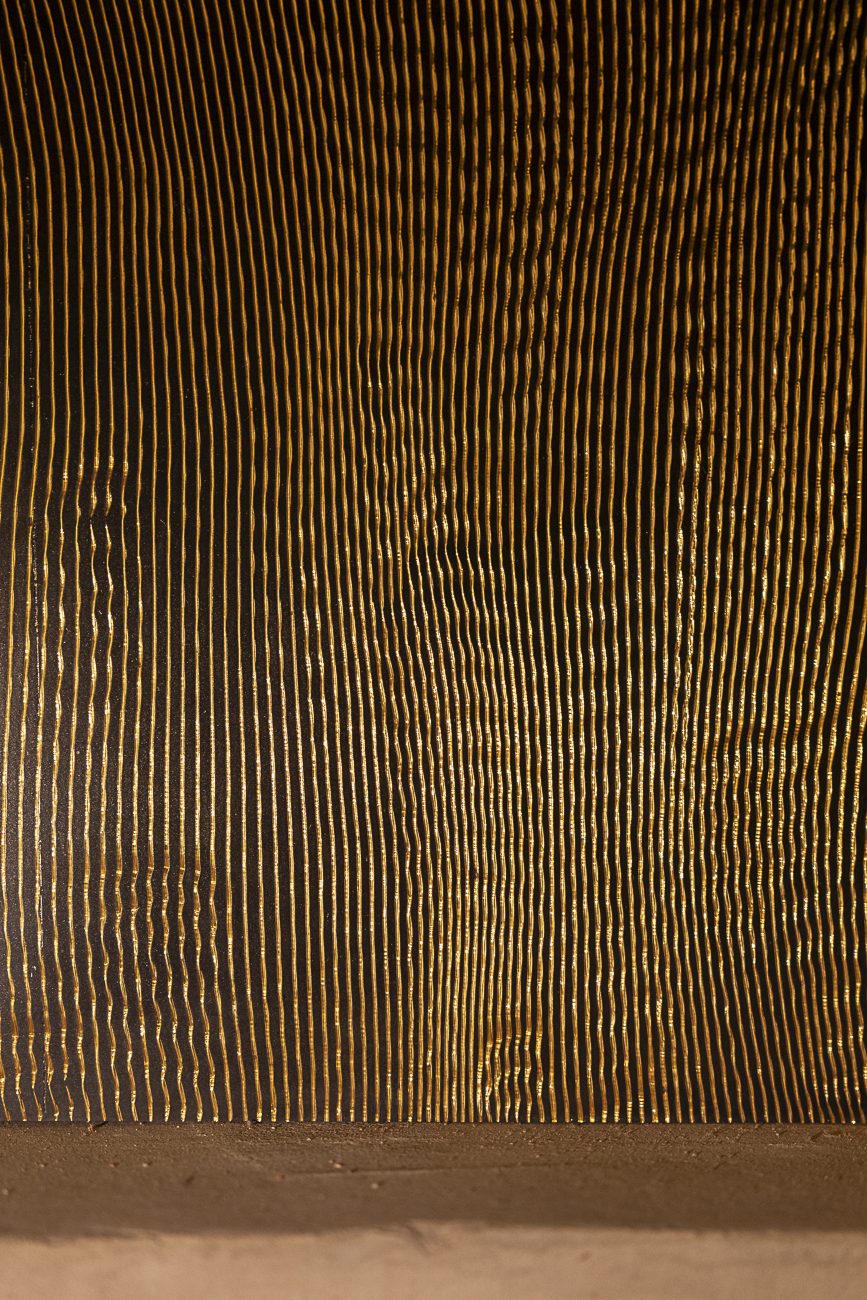
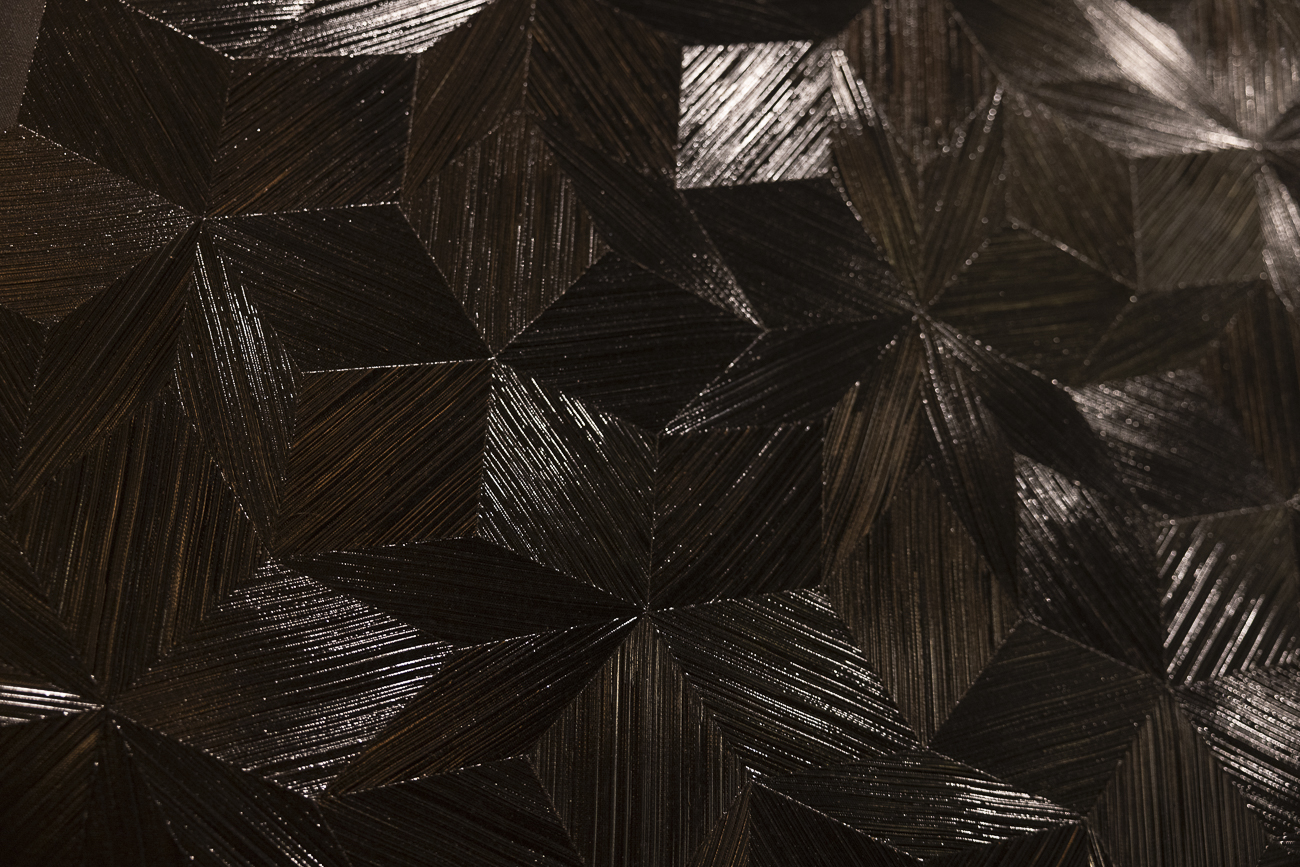
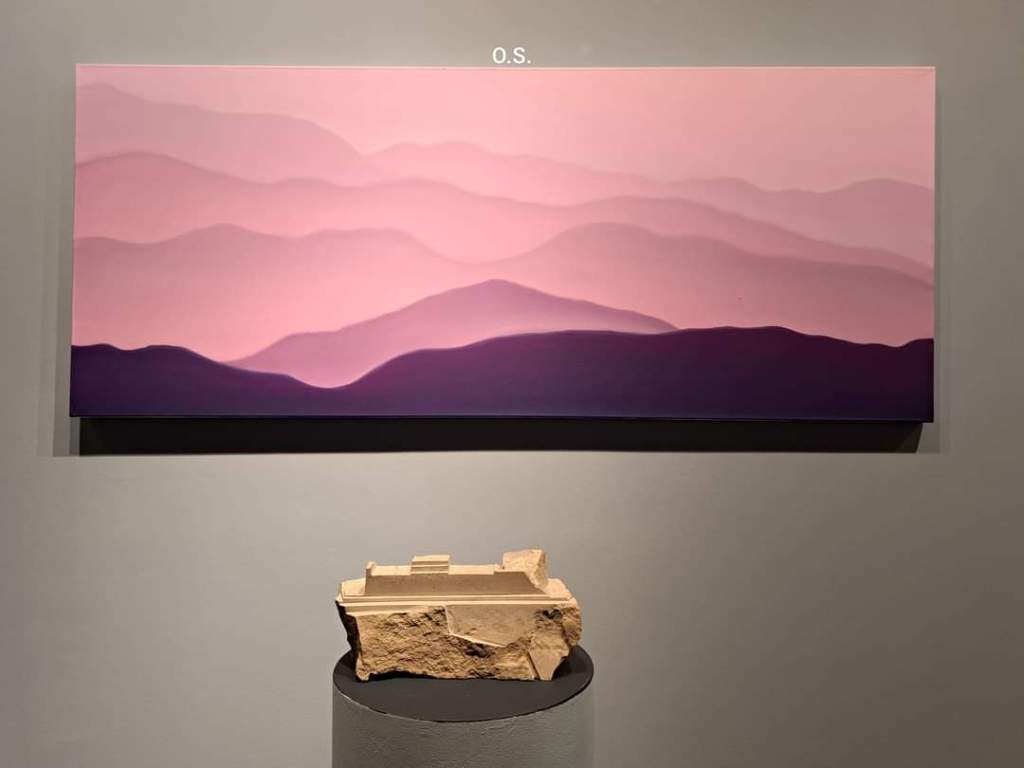
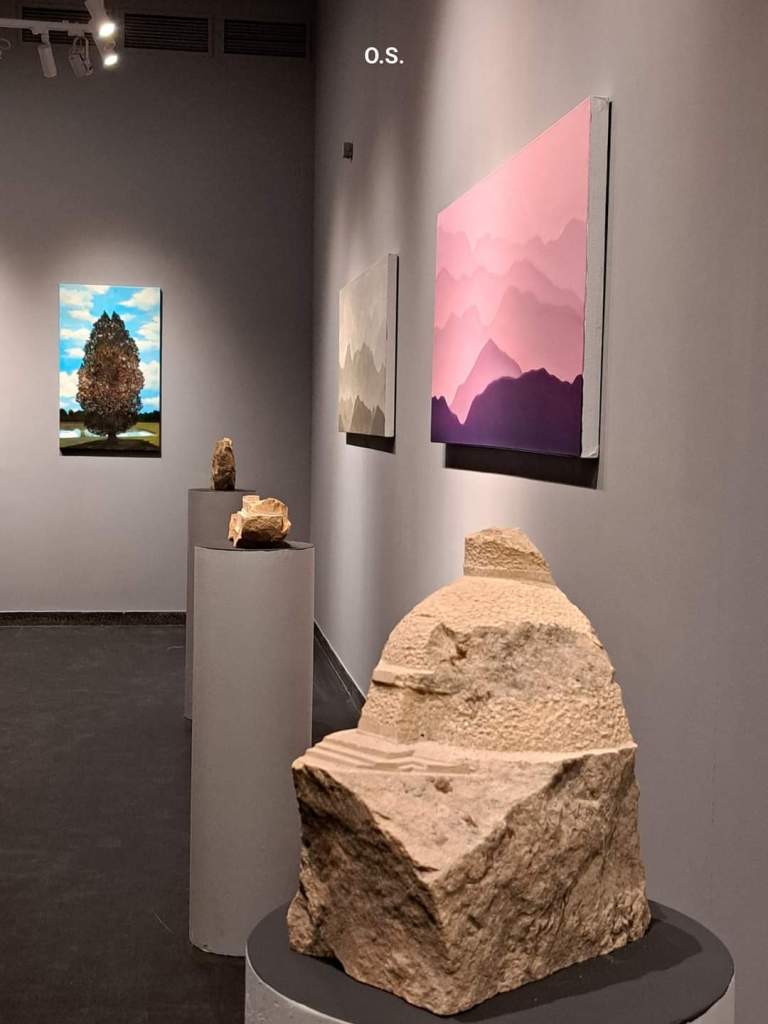
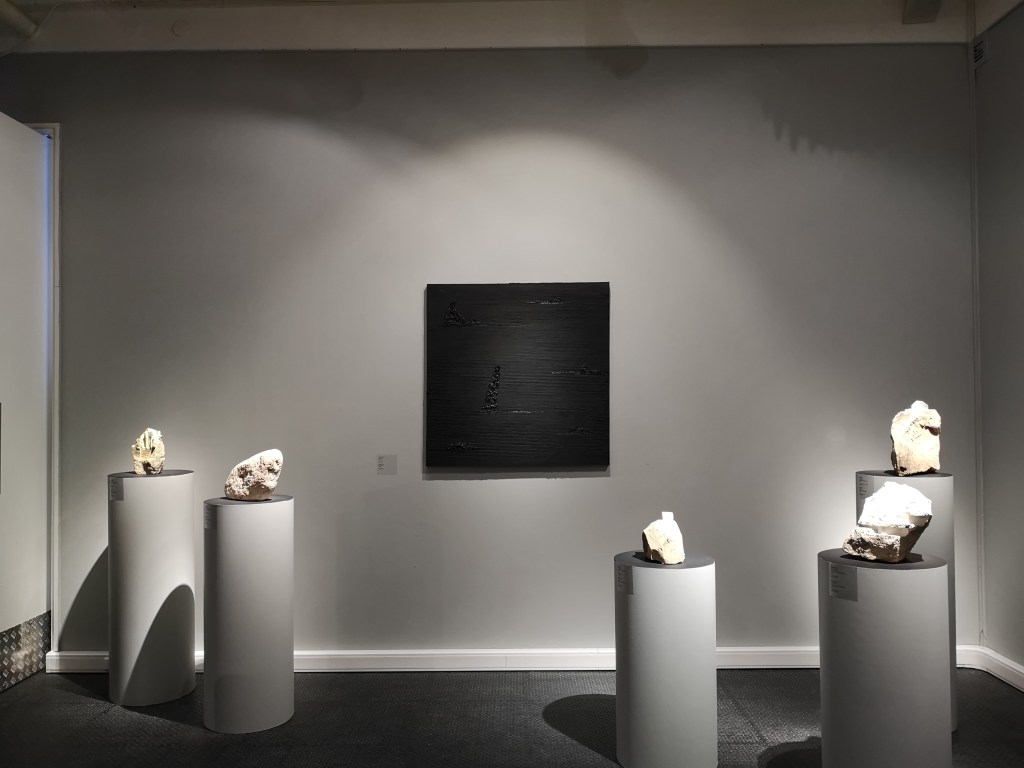
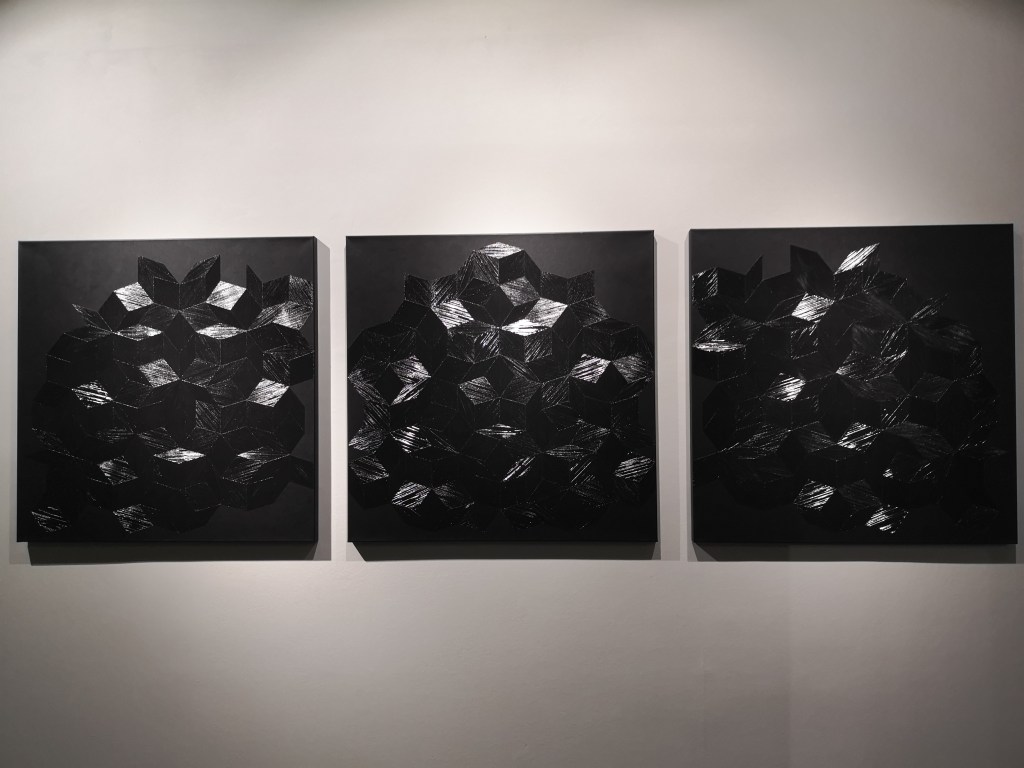
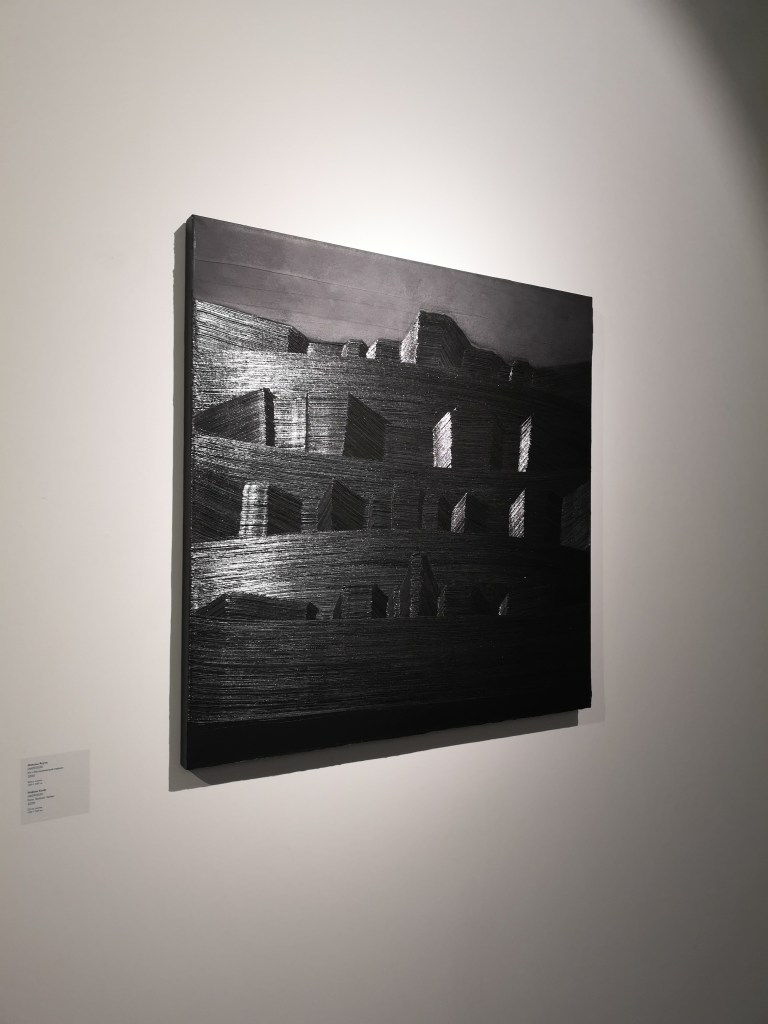
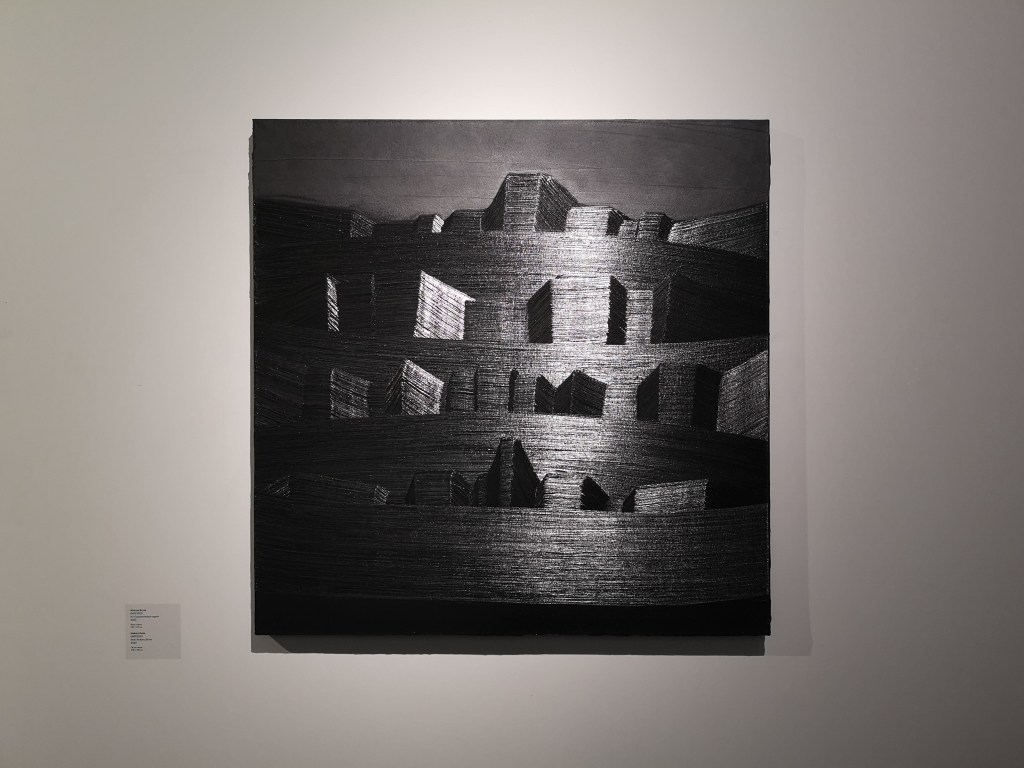
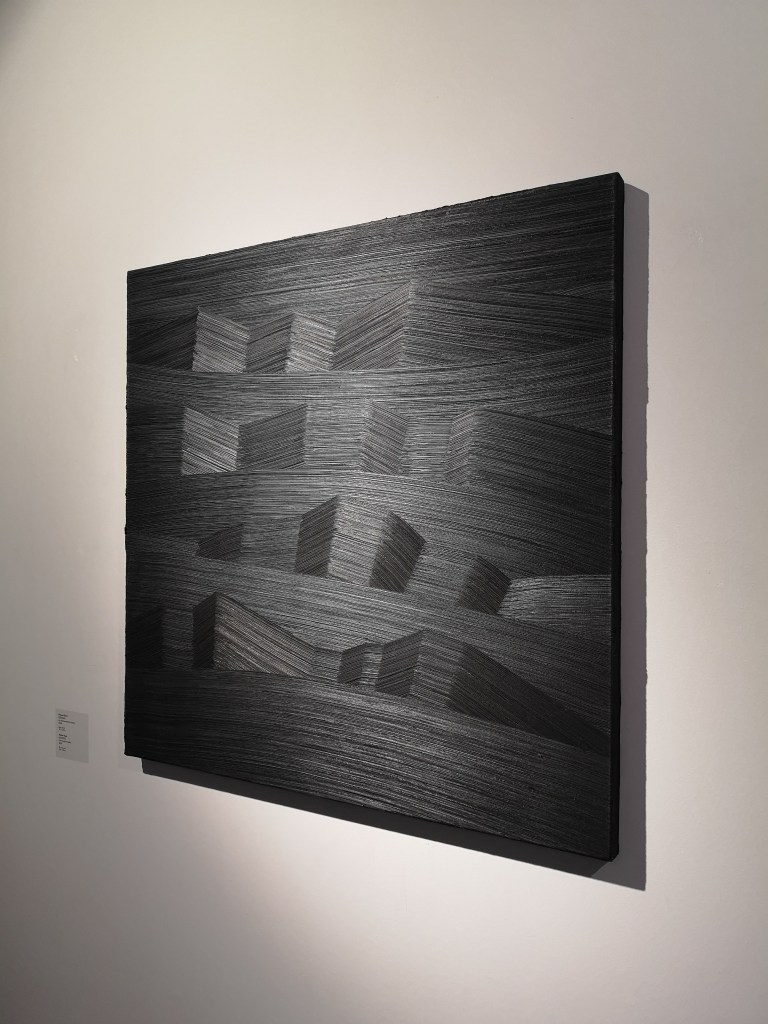
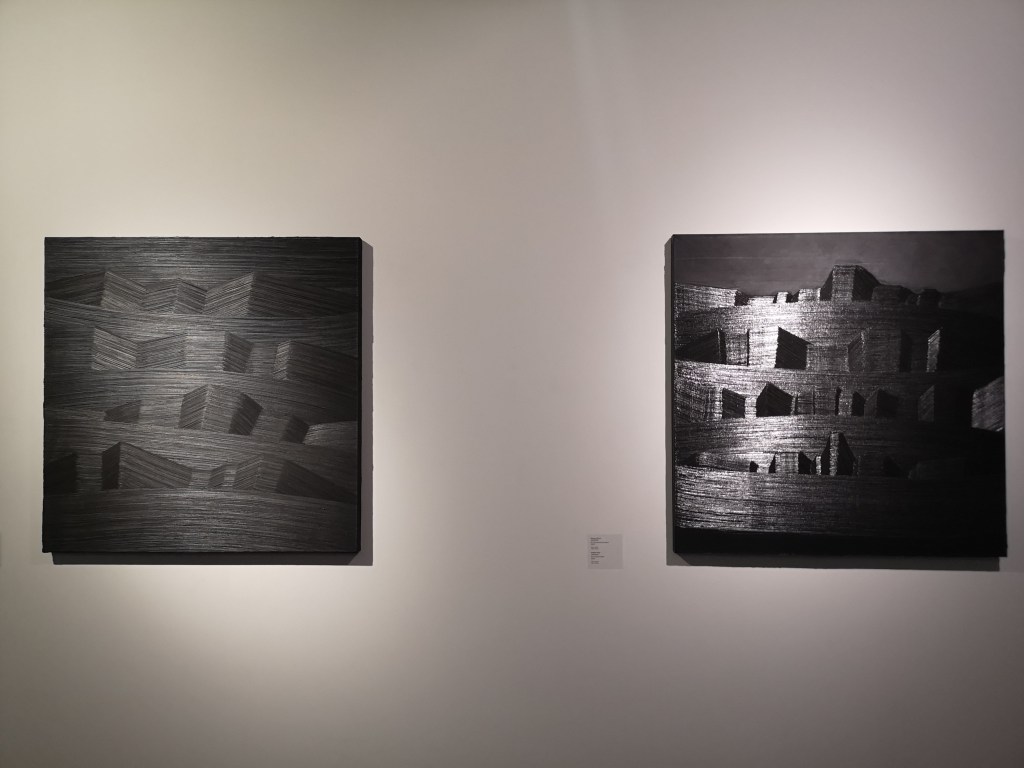
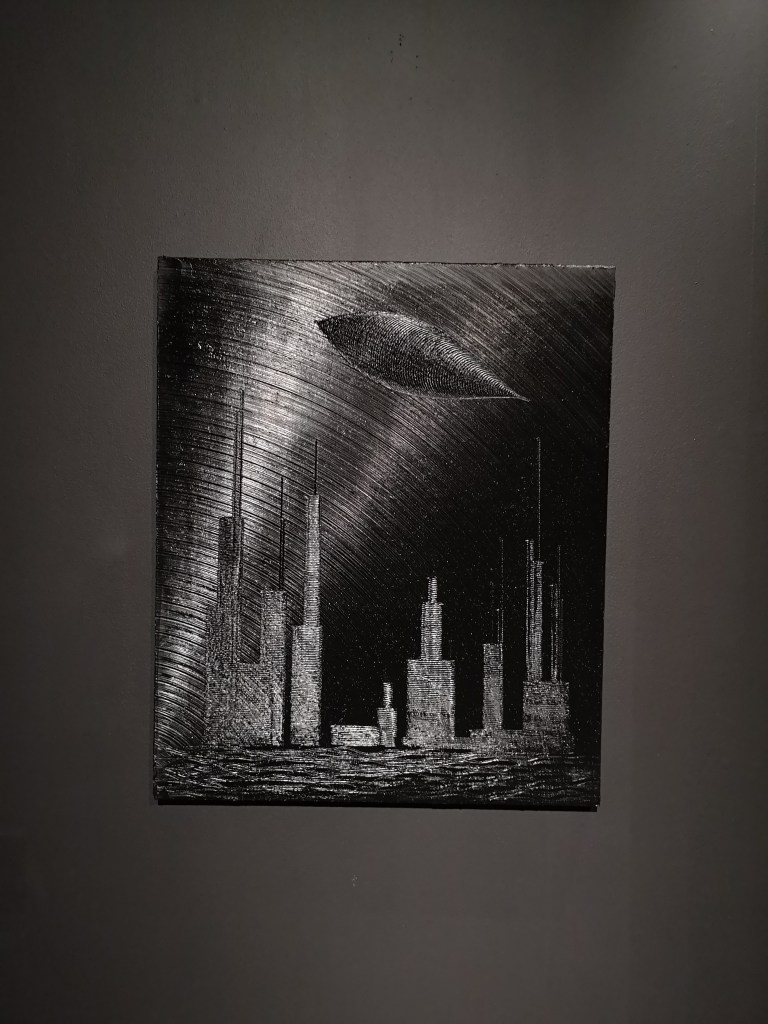
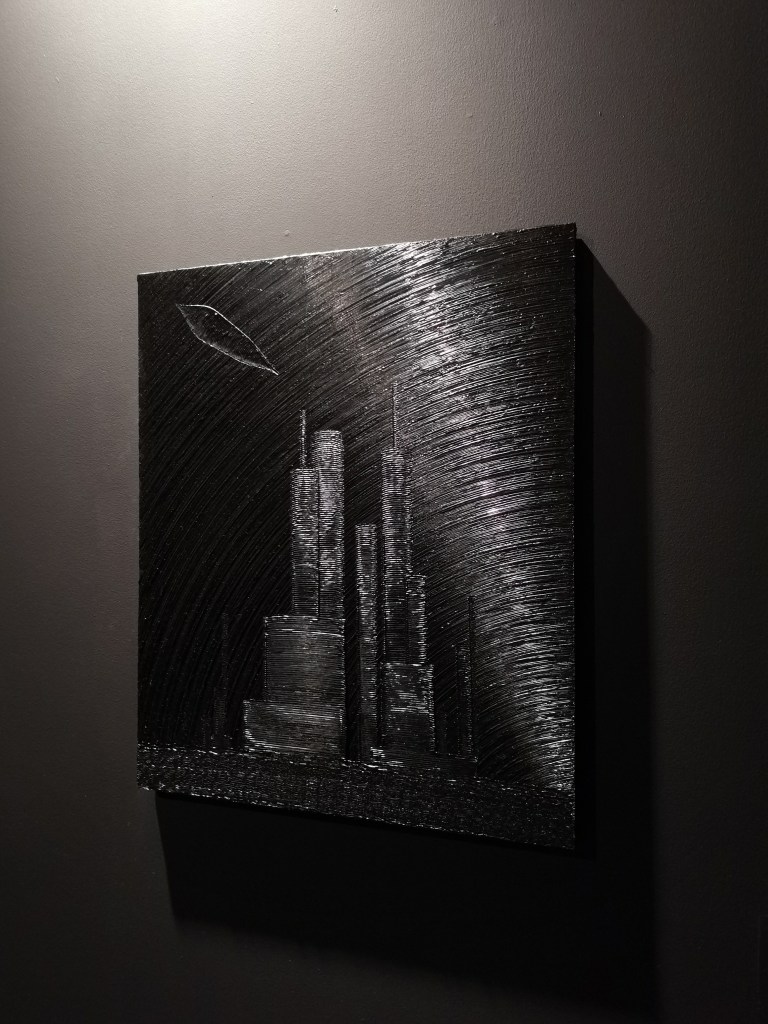
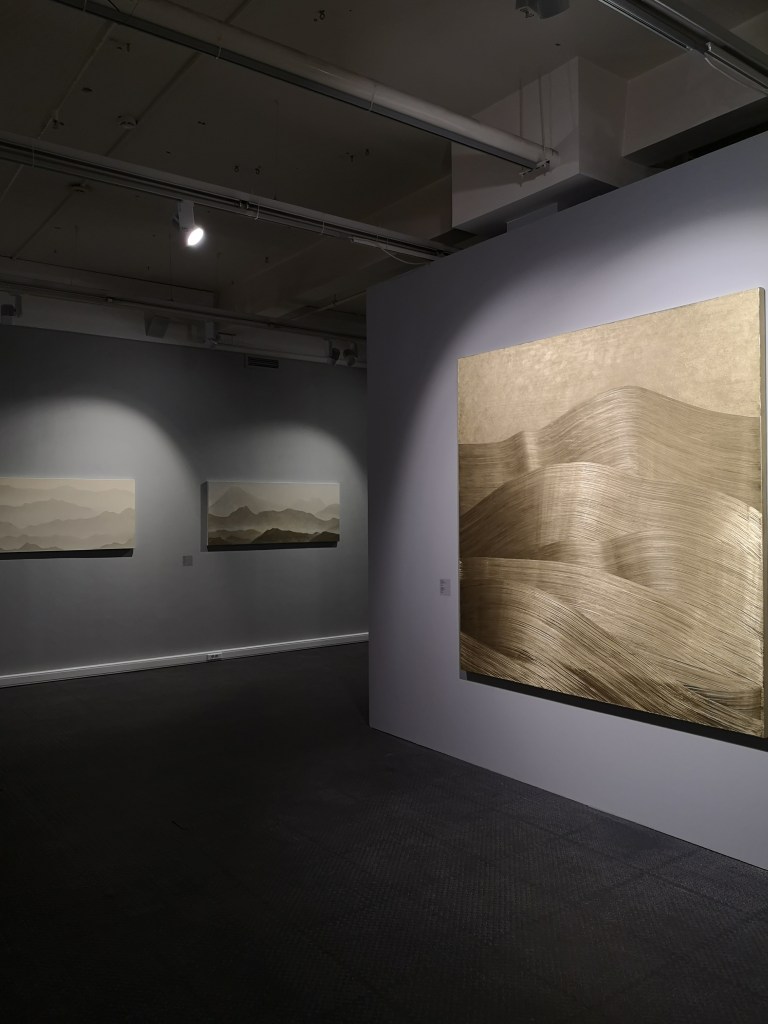
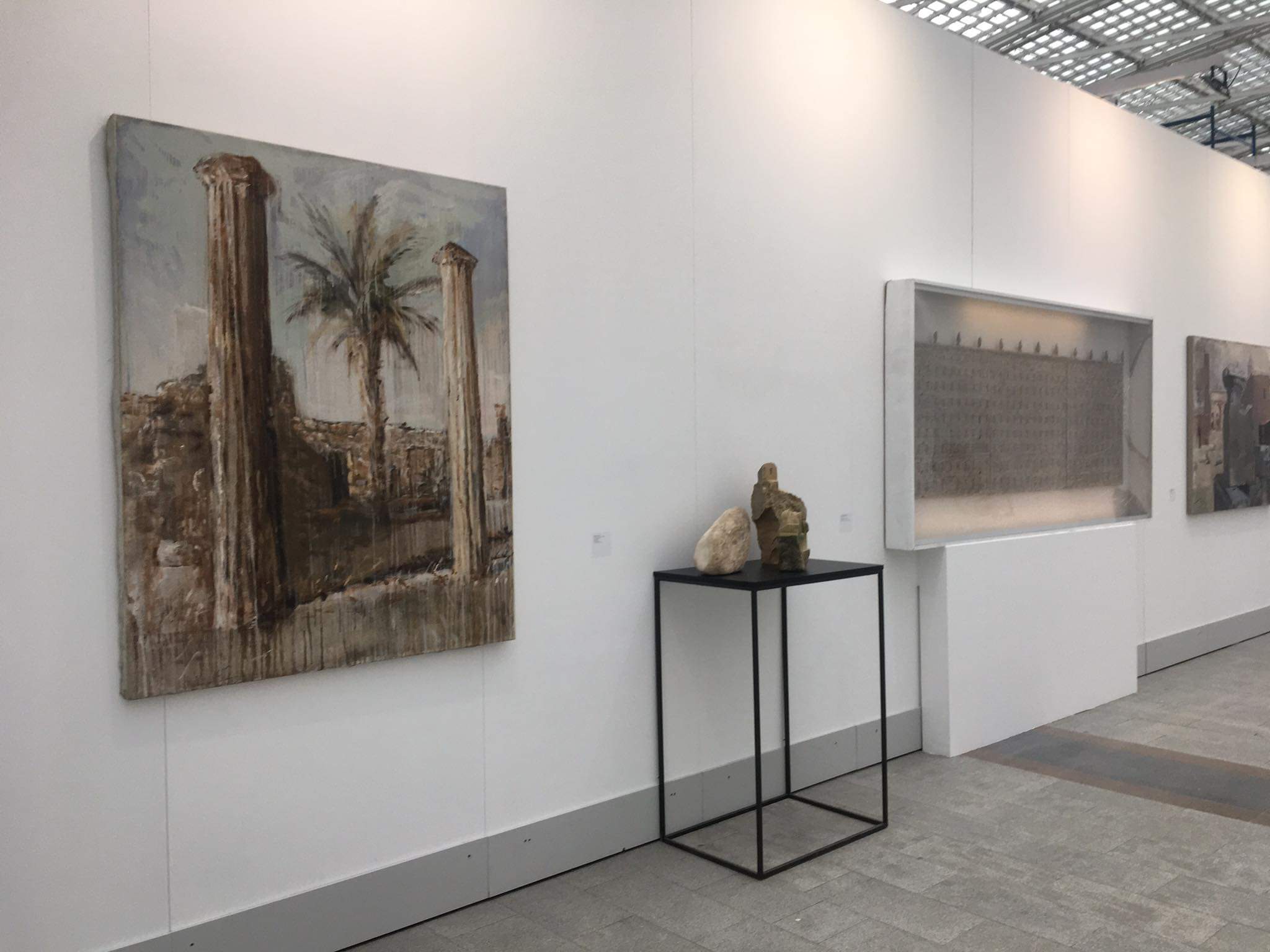
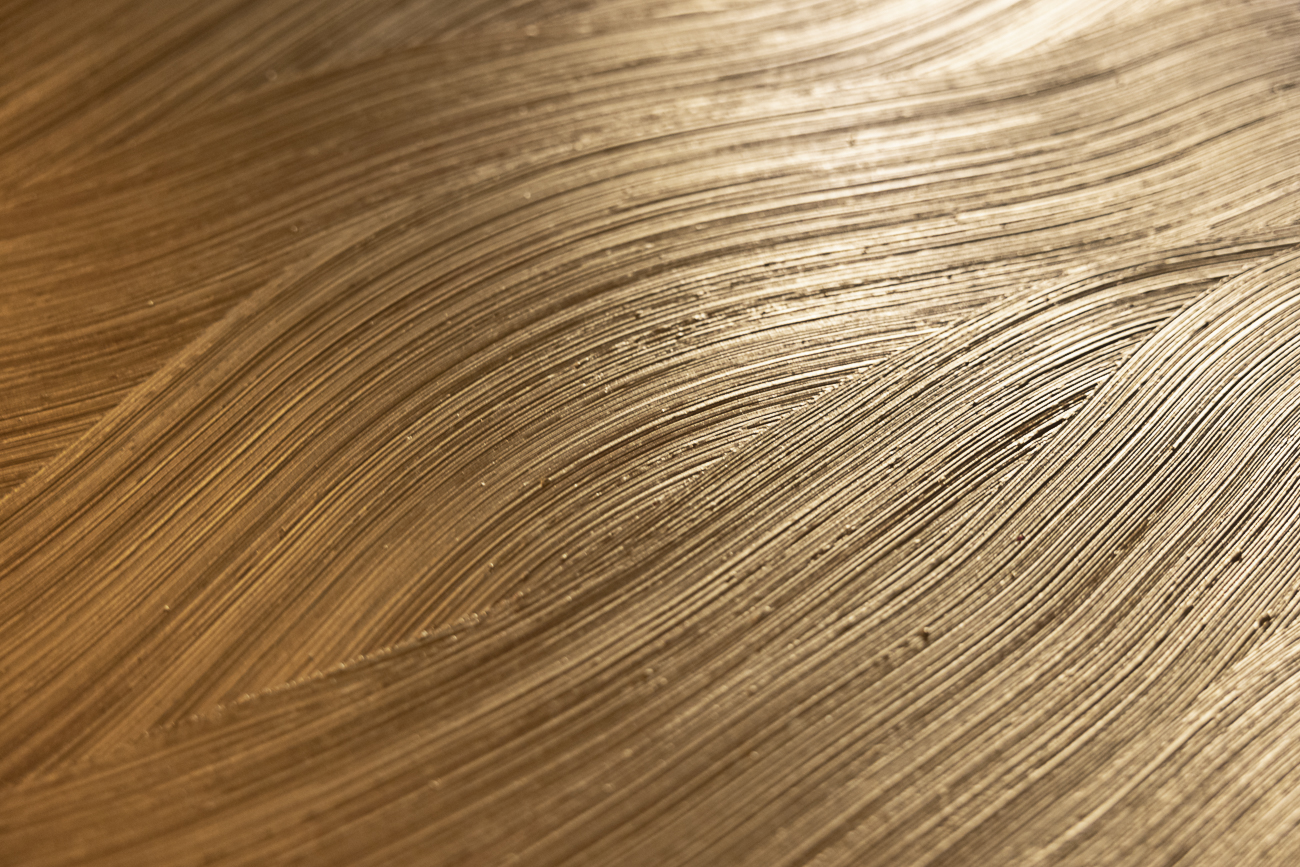
The Tectonic Painting monochrome series was inspired by the projectionists of the Method Group and here the artist explores the intricacies of interaction between richly textured painting and the viewer’s gaze as a function of lighting effects and point of view. It’s hard to tell whether the audience becomes the subject of the experiment or the artist’s co-contributor. These works by Ksuta are much closer to canvases by Pierre Soulages who is obsessed with the idea of manifesting the substance of light than, for example, the sculpture-like canvas planes of Jason Martin’s black series. Unlike Soulages, however, Ksuta’s uninterrupted brushwork generates mirages of abstracted landscapes that depict sand dunes and futuristic cities.
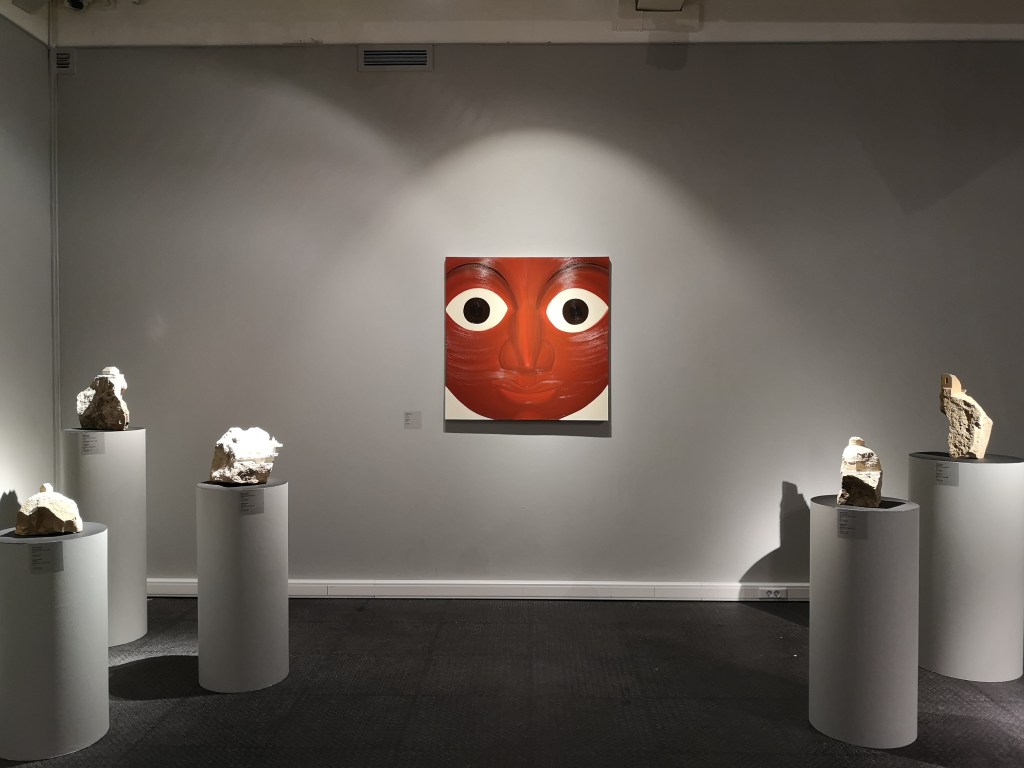
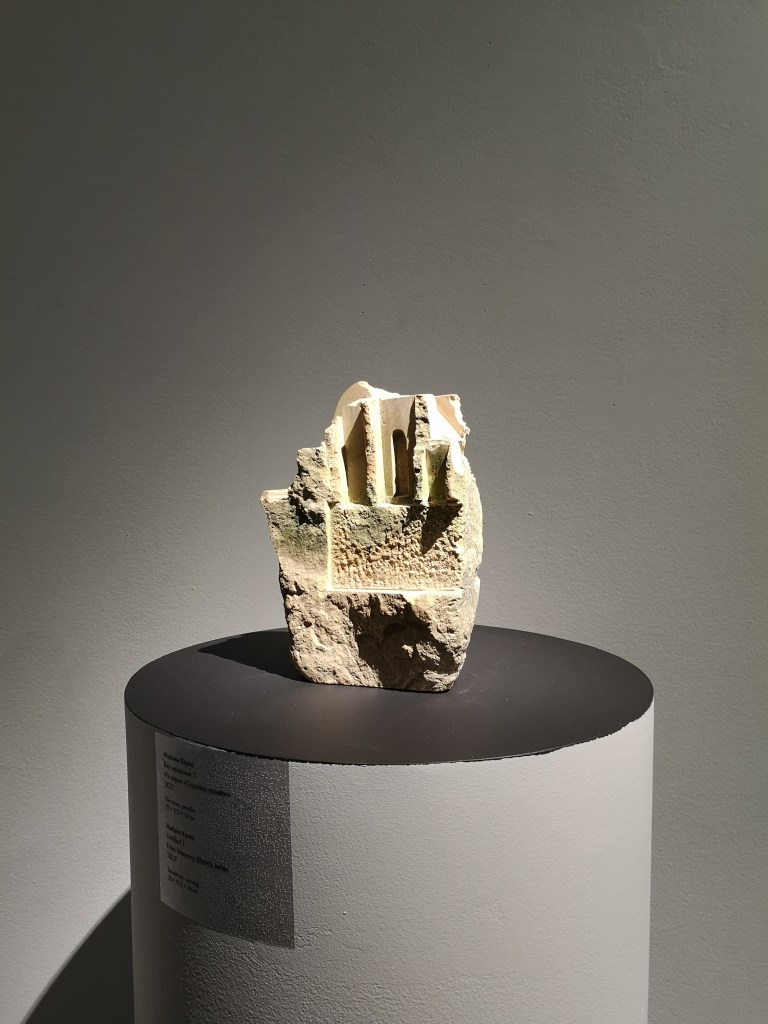
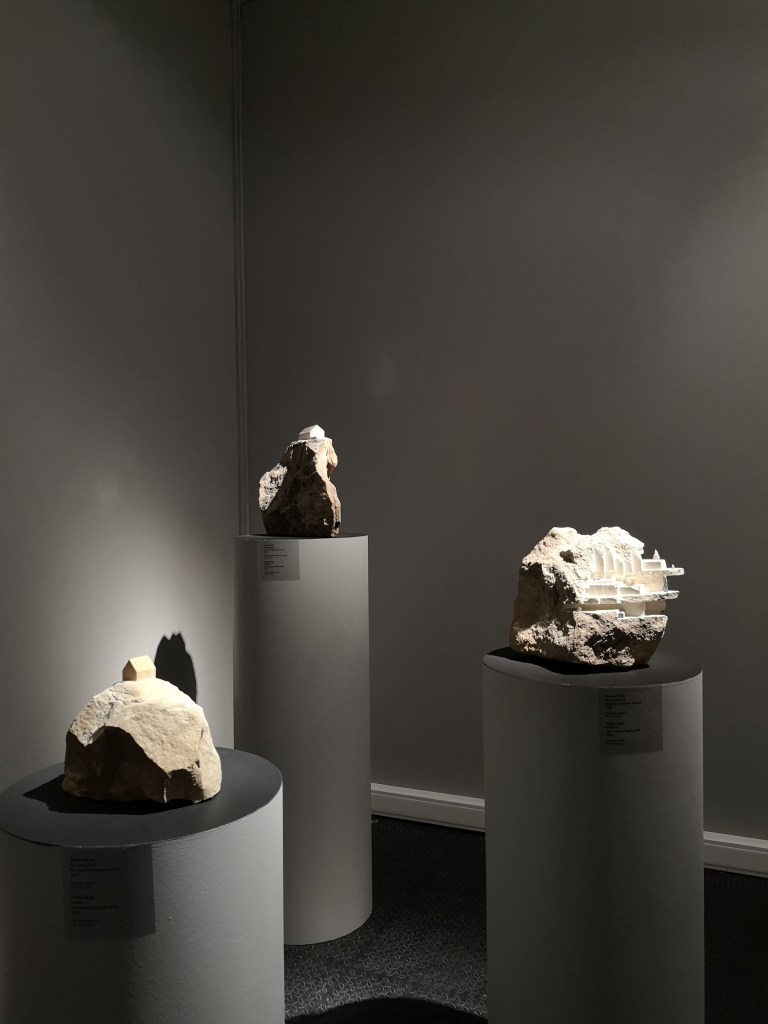
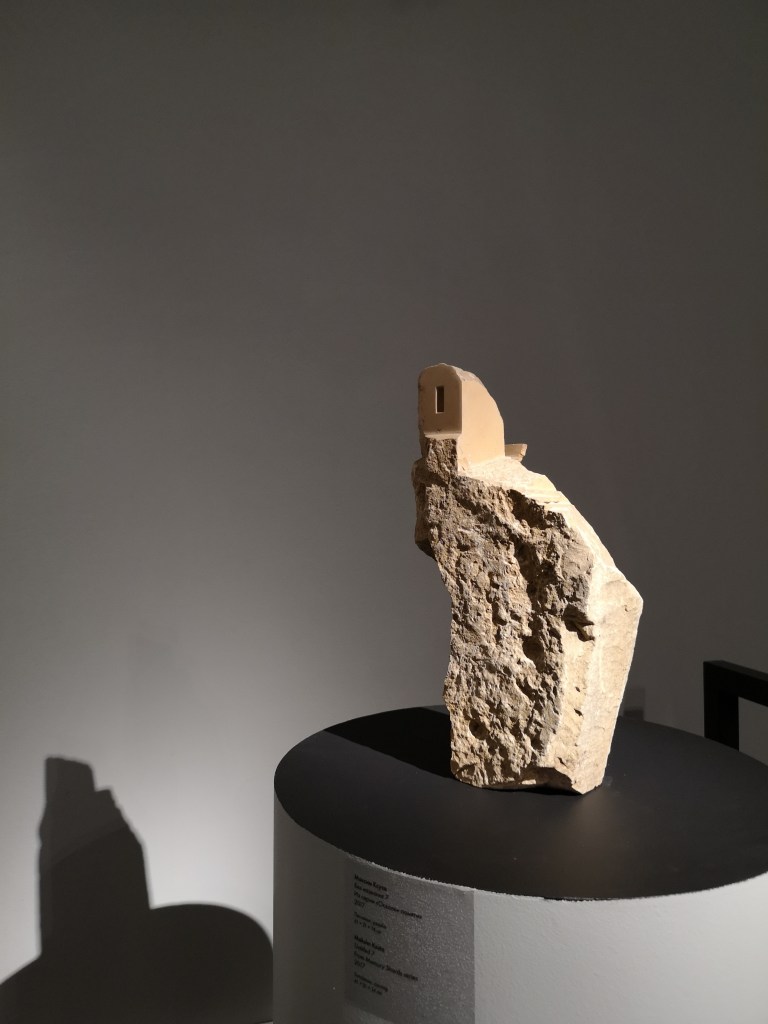
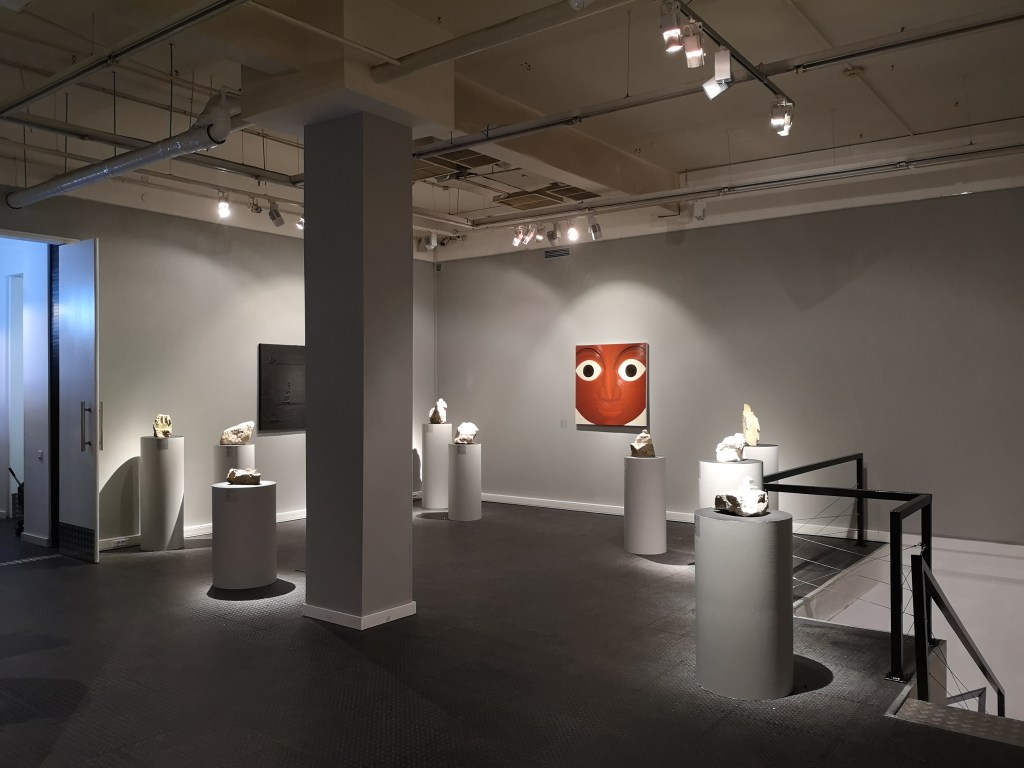
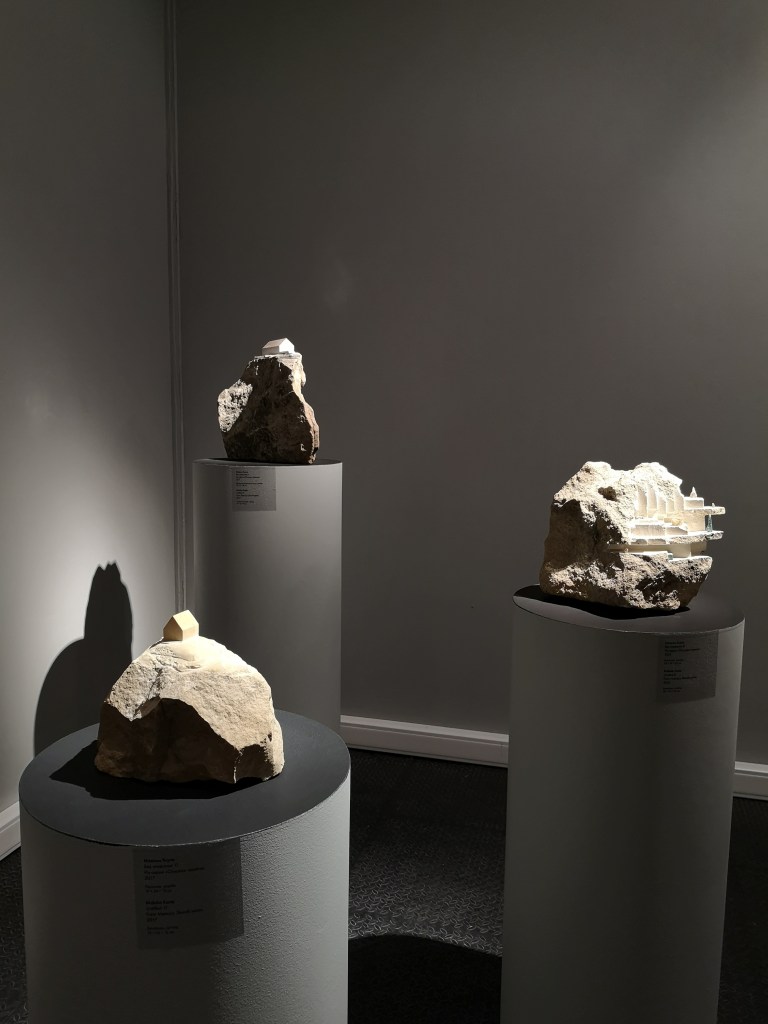
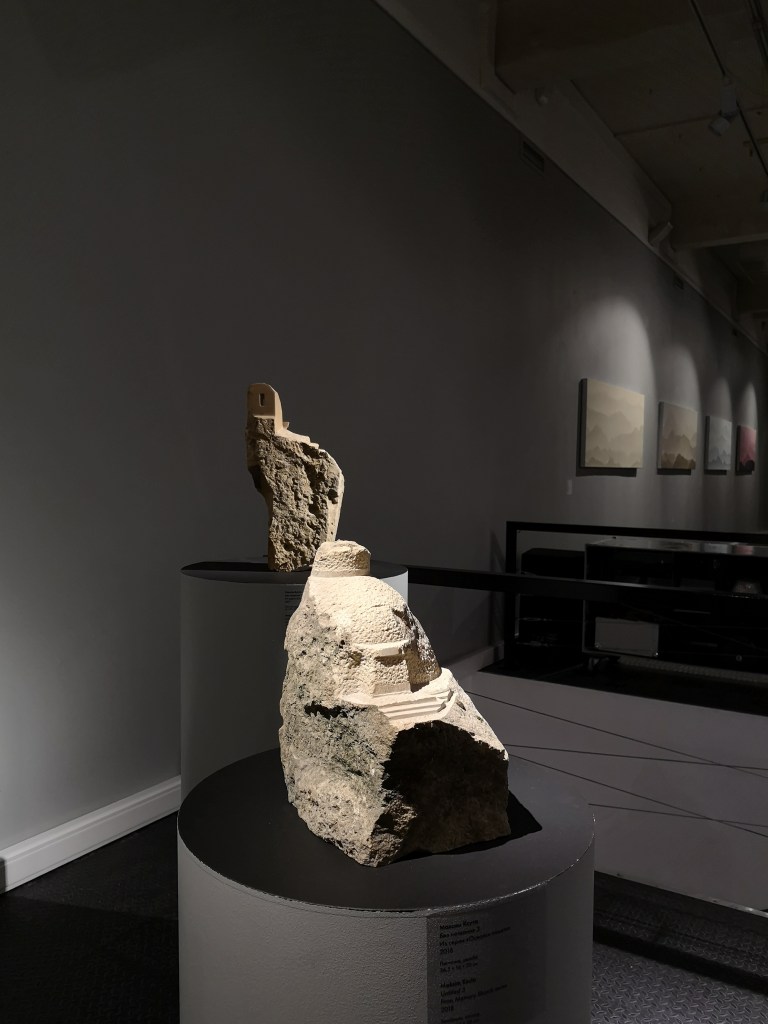
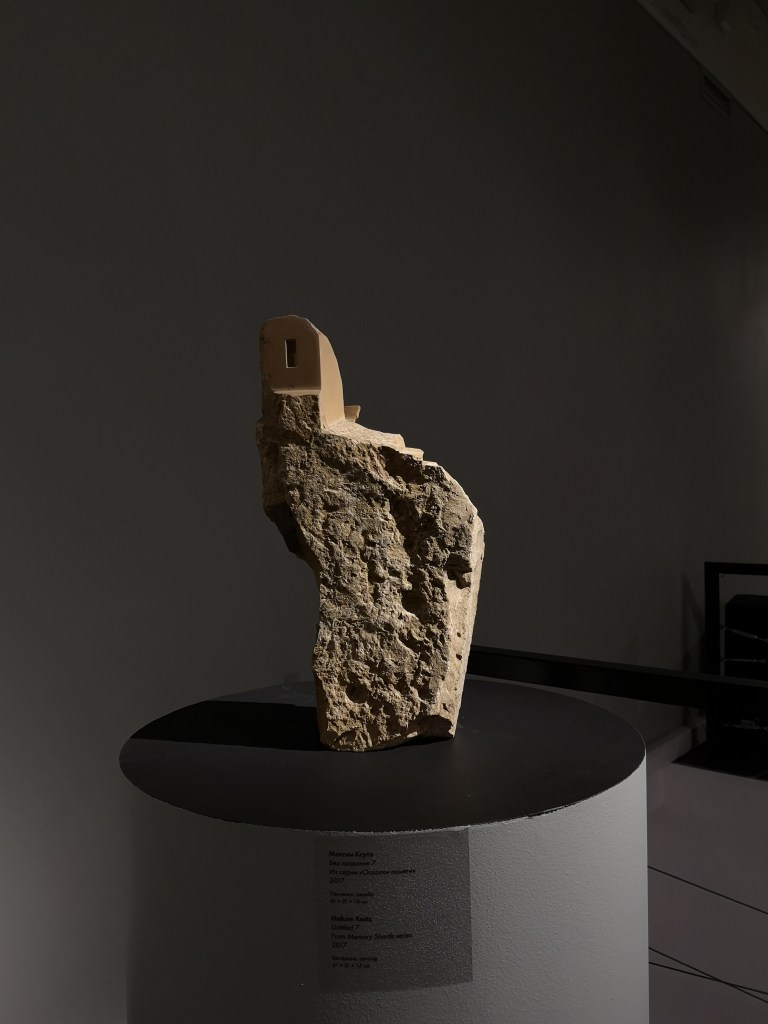
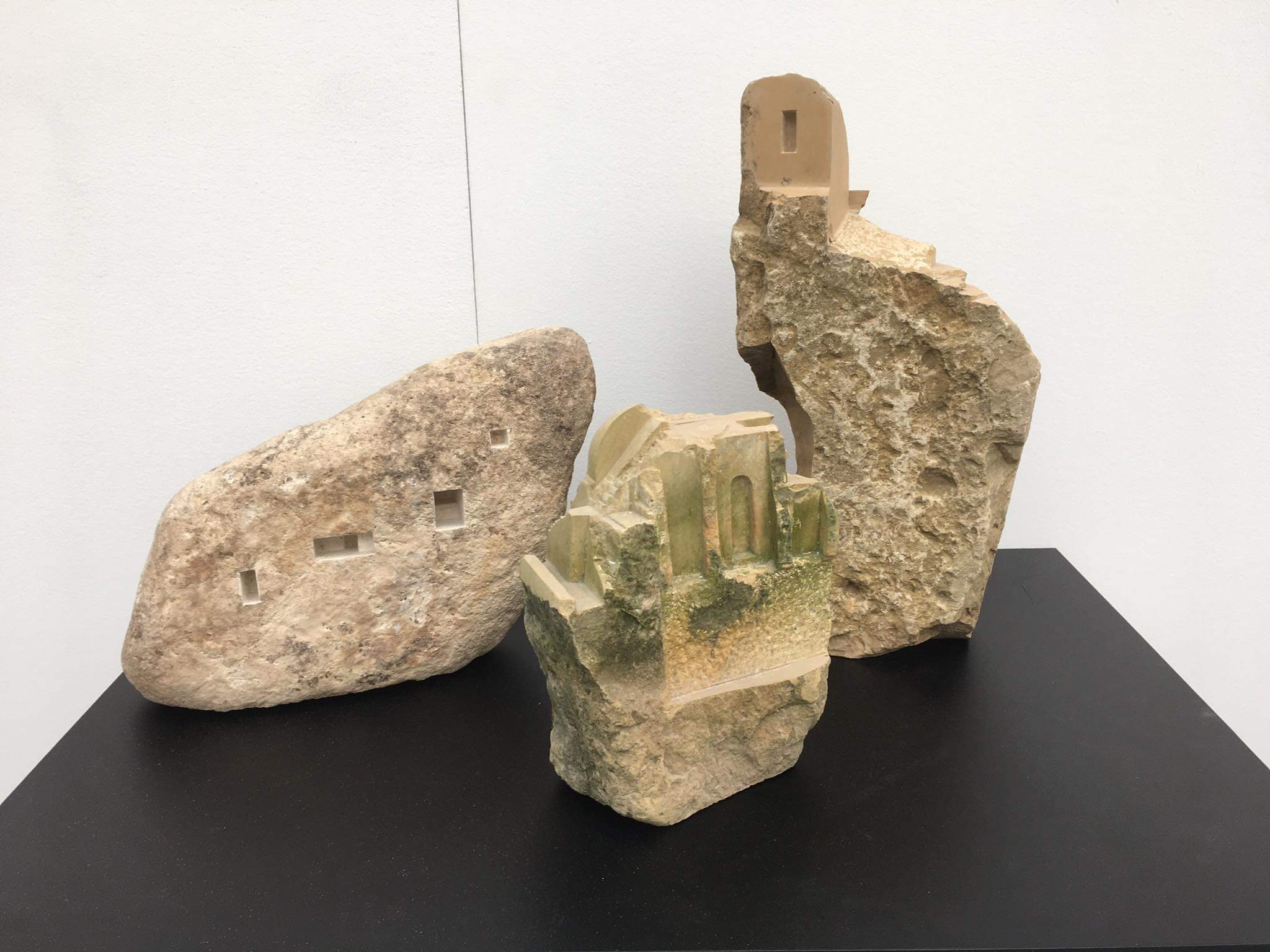
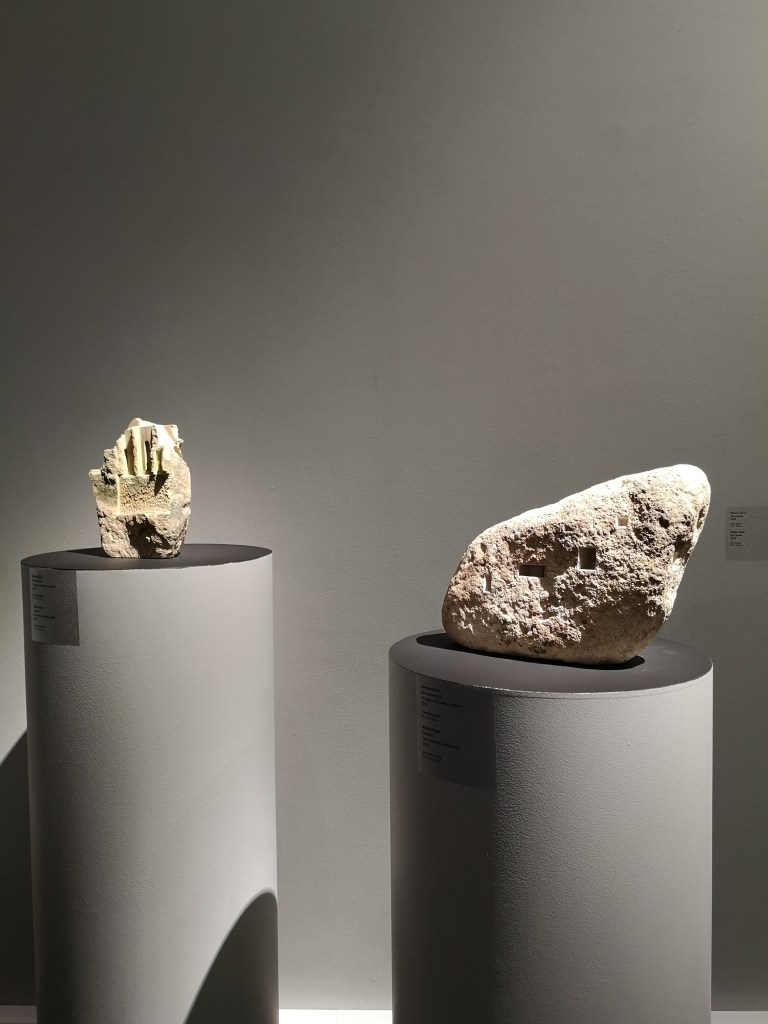
The Shards of Memory series of objects features small, tabletop sculptures that emanate proper traits of monumental and even grand pieces. Carved in different stone varieties, these are almost like uncovered ancient artefacts, partially submersed in sand and partially washed out by time. It is hard to discern at first glance whether one is looking at some miniature mock-ups of sacred buildings or, similarly to Carroll’s Alice in Wonderland, has grown to immeasurable proportions after having taken the potion. This exhibition by Maxim Ksuta virtually places us into a Japanese Zen Garden, intended for meditation and connection with nature. As one’s eye glide over the wavy black surfaces of the Tectonic Series or examine the coarse surfaces of the miniature Shards, it is there, at the epicentre of an endless whirlpool of urban energies, where one actually feels the time freeze in the still crispy air, while the body is infused with calm and content. The magic in Maxim Ksuta’s work provides the viewer with a remarkable experience of an aware, evenly paced, lived moment in all its fullness, purity, and uniqueness.
Polina Mogilina

Tectonic painting
My current practice focuses on paintings that interact actively with the ambient lighting due to their execution: monochrome (soot black) and textured uninterrupted brushwork. The brushwork structure is such that the painting plane interferes with and diffracts the light. This produces a visual effect of a fluid flow whenever the viewing angle is altered. Grouped ogether, these works are dedicated to the Method Group, an early-20th century members of the rojectionism movement.
‘The theme should be given such autistic expression and such mode of presentation that the viewer, when he perceives it, not only receives new knowledge of the system of modernity, but also undergoes new biomorphic processes, develops new mental systems, new systems for perception of the world’, the projectionists claimed. The idea that this completely different functional purpose for a painting is possible
inspired me to make the Tectonic Series.

Muqarnas
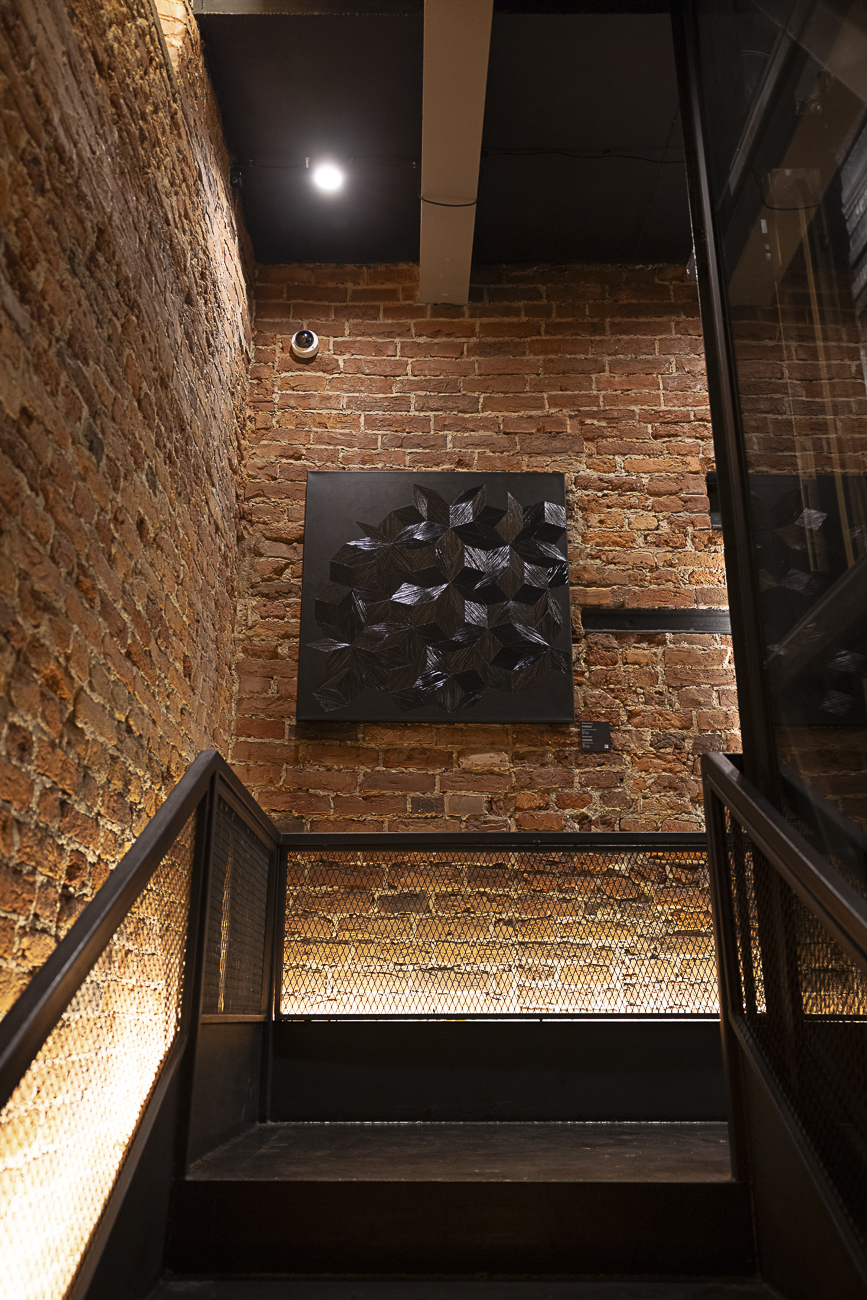
As I continued to explore pseudoperiodic mosaics and fractals, I investigated aperiodic ornaments, the kind that do not form a repeated pattern on the wall. Then, the variations of scale came into play: massive ornaments can be seen at a distance whereas finer patterns, the comprising parts of the larger ones, can only be seen up close. In order to build each element, I was guided in the application and orientation of my brushwork based on Penrose tiling. The resulting structure appears threedimensional and changes dynamically depending on the angle of viewing. It is also not unlike the reference I used — muqarnas, a common element in traditional Arabic and Persian architecture.

Horizons
The paintings, which look like aerial views, are in fact modified brain electroencephalograms. The curves were plotted by an EEG machine during a small experiment. The subject hooked up to the machine was shown panels colored in one of several earth tones, and the response of the nervous system to this stimulus was recorded. The signals corresponding to the tones were then used to paint the landscapes

New solo exhibitioin in Kultproekt gallery (CUBE), Moscow – “Steel life”


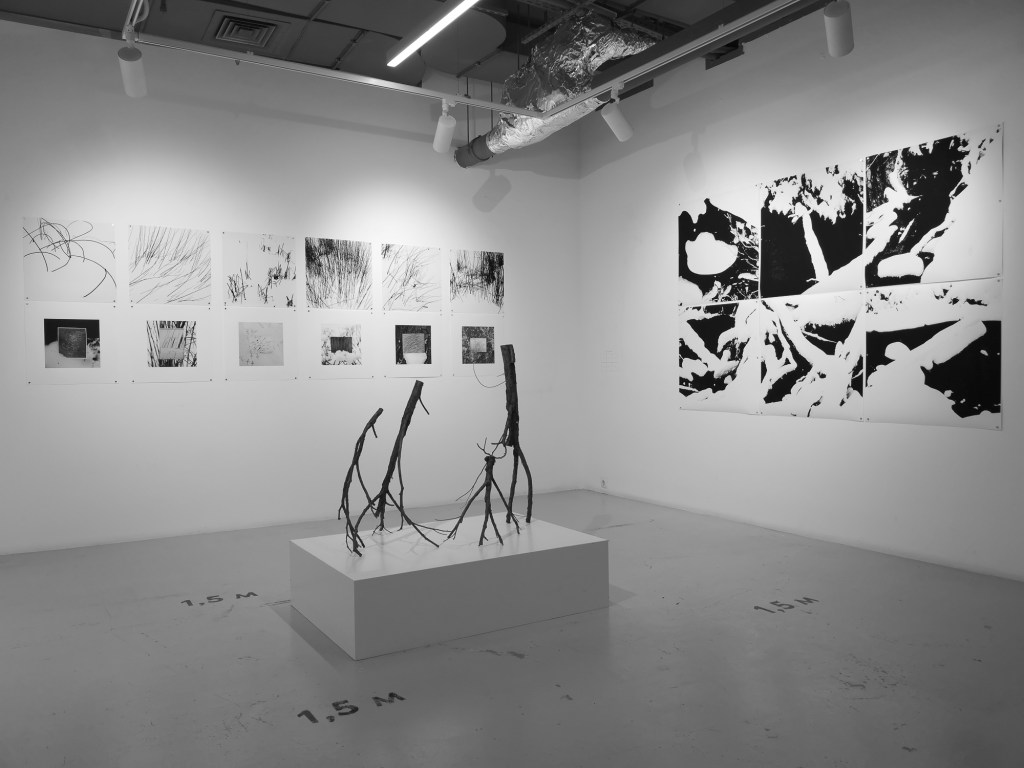
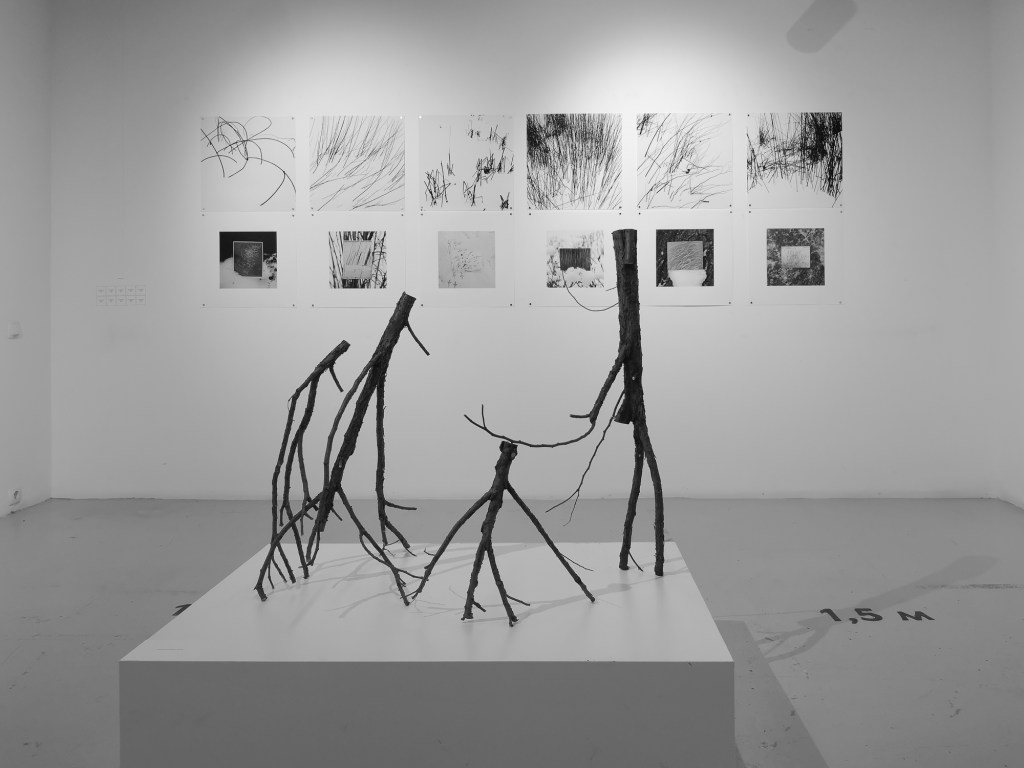
The first was his retrospective at the Tate Modern, where I was introduced to his work. The second, held at the Dulwich Picture Gallery, struck me with an unexpected juxtaposition of two seemingly very different artists – Twombly and Nicolas Poussin. Reflections on the nature of abstraction and the creative phenomenon of this enigmatic but undoubtedly great abstract artist haunted me for a long time and eventually resulted in this project.

The theme of searching for images in the surrounding world has interested me for a long time. However, in this case, I was intrigued by finding and photographing natural objects that spontaneously formed into natural abstractions. In this case, I considered photography as a tool for creating works that border on graphics, and even painting. Looking at the developed slides, I noticed that almost all the frames in this series clearly resemble the abstract compositions of Cy Twombly! This discovery inspired me to search for and select works by Twombly that are close to my photographs in mood and composition.

The second part of the project, which partly determined its title, is inspired by the works and creativity of the American artist Clifford Still.

His style was defined by the outstanding critic Clement Greenberg as works of “color field.” This direction can be considered as a kind of abstract expressionism, although sometimes it is classified as a kind of minimalism.

Still is considered one of the outstanding color field artists – his non-figurative paintings are largely concerned with the juxtaposition of different colors and surfaces. His uneven bursts of color create the impression that one layer of color has been “peeled” off the painting, revealing the colors underneath. The paintings are reminiscent of stalactites and primitive caves. Still’s compositions are irregular, jagged, and have a heavy, pitted texture and a sharp contrast of surface.

The works of these artists are united by the theme of spontaneity, “childishness,” and meditation in action, which makes them akin to the masters of Zen Buddhism, who found a balanced state of mind in contemplating nature.

Maxim Ksuta.

В свое время мне довелось побывать на двух больших выставках американского художника Сая Туомбли. Первая была его ретроспективой в Tate Modern, на которой я познакомился с его творчеством, а вторая, проходившая в Dulwich Picture Gallery, поразила меня неожиданным сопоставлением двух казалось бы совершенно разных художников – Туомбли и Николя Пуссена. Размышления о природе абстракции и творческом феномене этого загадочного, но безусловно великого абстрактного художника долгое время не оставляли меня и со временем вылились в этот проект.

Тема поиска образов в окружающем мире интересует меня уже долгое время, но в данном случае мне было интересно найти и сфотографировать природные объекты, стихийно (спонтанно) сложившиеся в естественные абстракции. Фотографию в данном случае я рассматривал как инструмент для создания работ, пограничных с графикой, и даже живописью. Рассматривая отснятые слайды, я заметил, что практически все кадры из этой серии явно напоминают абстрактные композиции Сая Туомбли! Это открытие вдохновило меня на поиск и отбор работ Туомбли, близких моим фотографиям по настроению и композиции.

Вторая часть проекта, отчасти определившая его название, вдохновлена работами и творчеством американского художника – Клиффорда Стилла.
Его манера была определена выдающимся критиком Климентом Гринбергом, как произведения «цветового поля». Это направление можно рассматривать как разновидность абстрактного экспрессионизма, хотя иногда его классифицируют как род минимализма.
Стилл считается одним из выдающихся художников цветового поля — его нефигуративные картины во многом связаны с сопоставлением разных цветов и поверхностей. Его неровные вспышки цвета создают впечатление, что один слой цвета был «отодран» от картины, показывая цвета под ним. Картины напоминают сталактиты и первобытные пещеры. Композиции Стилла нестандартны, зазубренны и имеют изрытую тяжёлую текстуру и резким контрастом поверхности.
Работы этих художников объединены темой спонтанности, «детскости», медитатции в действии, что роднит их с мастерами дзен буддизма, которые находили равновесное состояние ума в созерцании природы.
Максим Ксута.

ArchMoscow-2020

OCTOBER 8-11 GOSTINYI DVOR, Moscow

Photo by Polina Mogilina

New exhibition – “Wave of Dreams”

Photo by Vladimir Peysikov

Imagine you’re dreaming, and in your dream you pick a flower in heaven, and then you wake up with the flower in your hand. Ah, what then? (Max Richter. From Natalie Johns’ Max Richter’s Sleep, 2019)

Where do we go every night when we close our eyes and drift to sleep? To the realm of misty dreams? Walk the winding roads of our unconscious? Do we see the future or the past? Or the present existing in parallel to here and now? What if dreams are a different reality that coexists with the one we know? And how can a third part of life, although passive, be deemed insignificant?

Sleeping is as important part of life as wakefulness. It affects our perception of reality and the phantom line between objective truth and the surreal world of visions and fantasies. Dreams and their nature still raise numerous questions and researching them is filled with various hypotheses that are yet to be scientifically confirmed or disproved. Dreaming and its many aspects is turned into a subject of artistic reflection in the exhibition narrative.

A Wave of Dreams unites works by 32 artists. Referring to the ancient tradition of dream interpretation, some participants find in them warnings and prophecies. Others explore the borderline state between dream and reality as a paranoid feeling of losing touch with reality. In some cases, the memories of the past switch places with dreams, as if emerging from each other; in others the visions of the future bleed through like recurring stress dreams. Sometimes metaphysical images come up like accidental visions. The artists turn to memory archives, feelings of déjà vu and dream journals. Through the works we invite the viewers to enter an extraordinary world of fantastical images, nightmares and drifting dreams. A Wave of Dreams will become the border zone between wakefulness and dreaming in which objective reality is no longer dominant, giving way to illusion.

Polina Mogilina

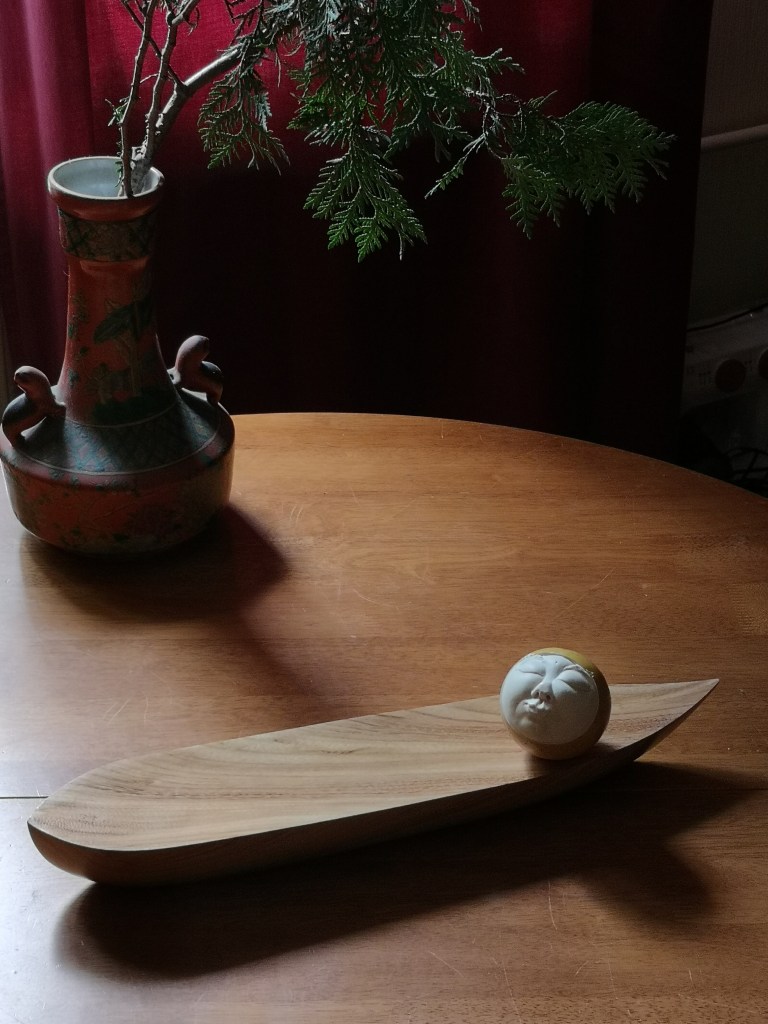
“Bodhichitta” Lao rosewood, billiard ball, carving. 2020

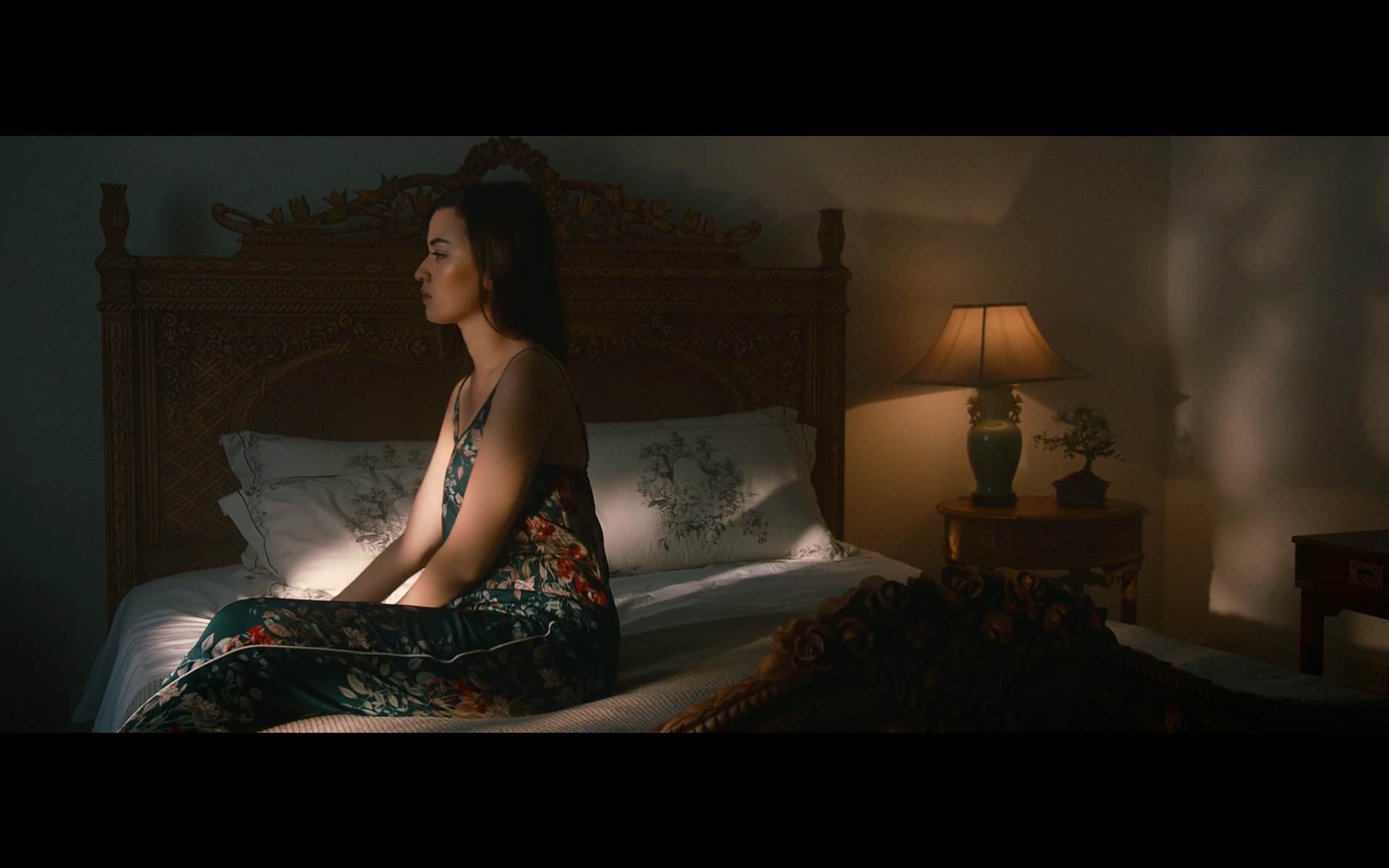
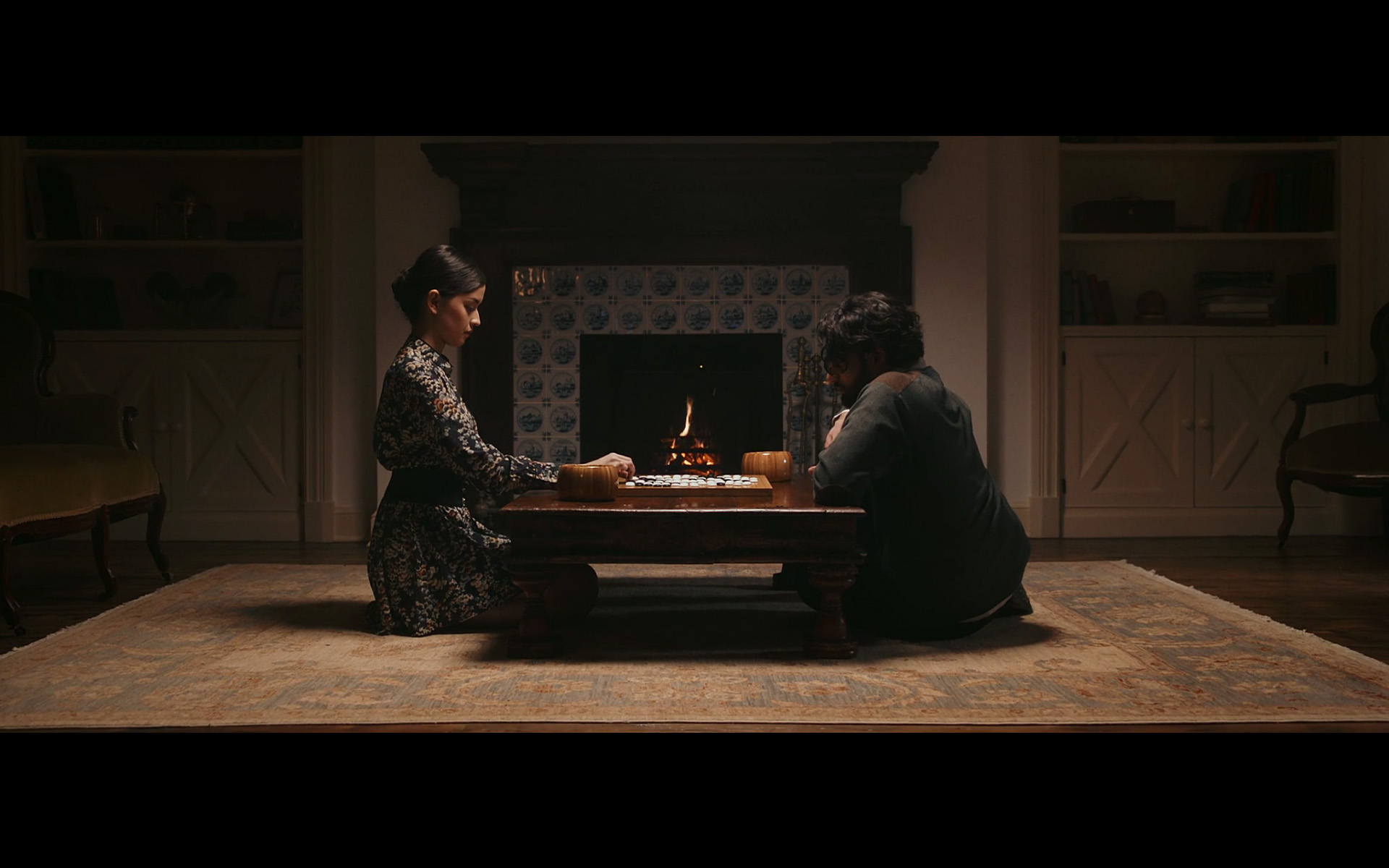
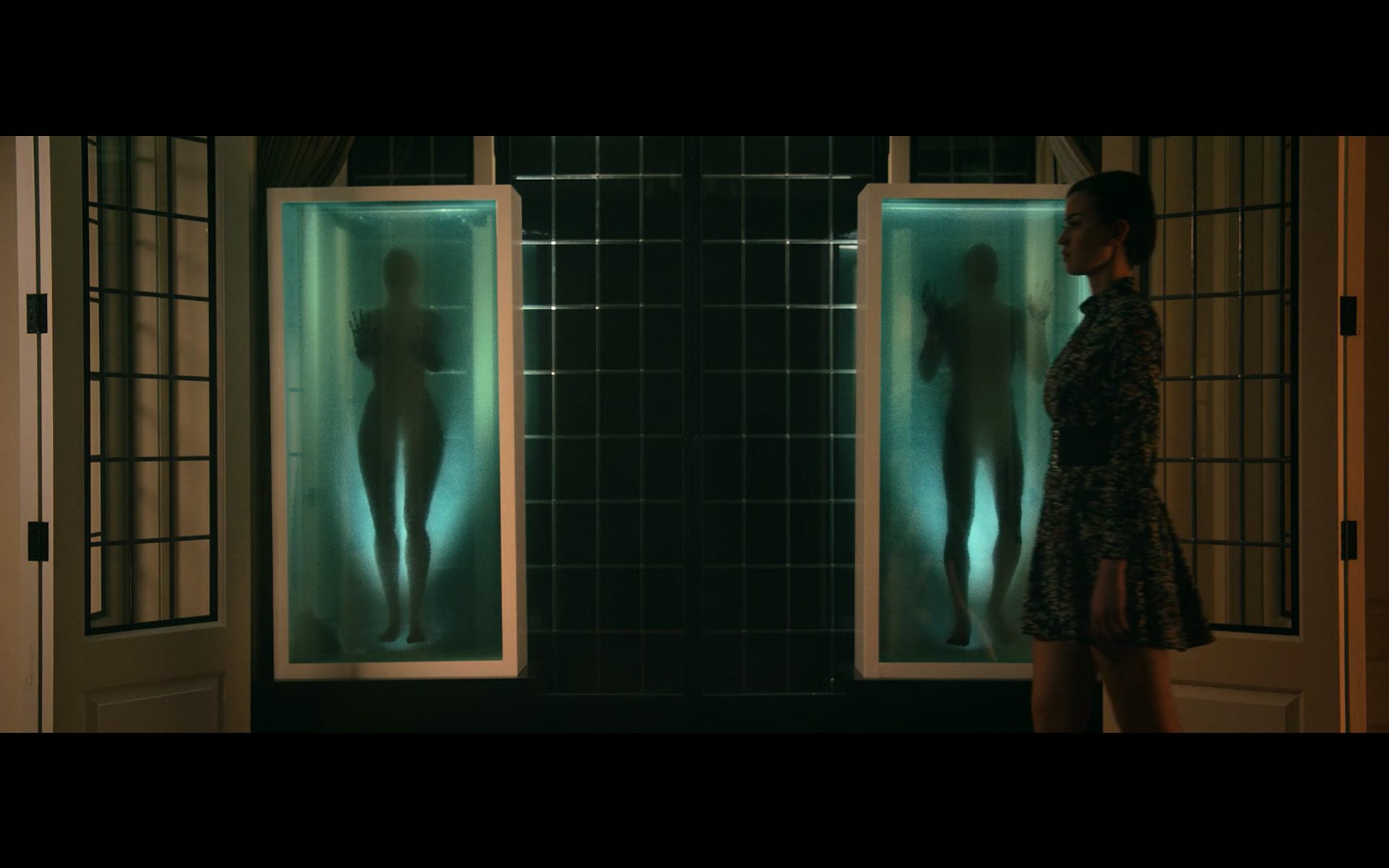
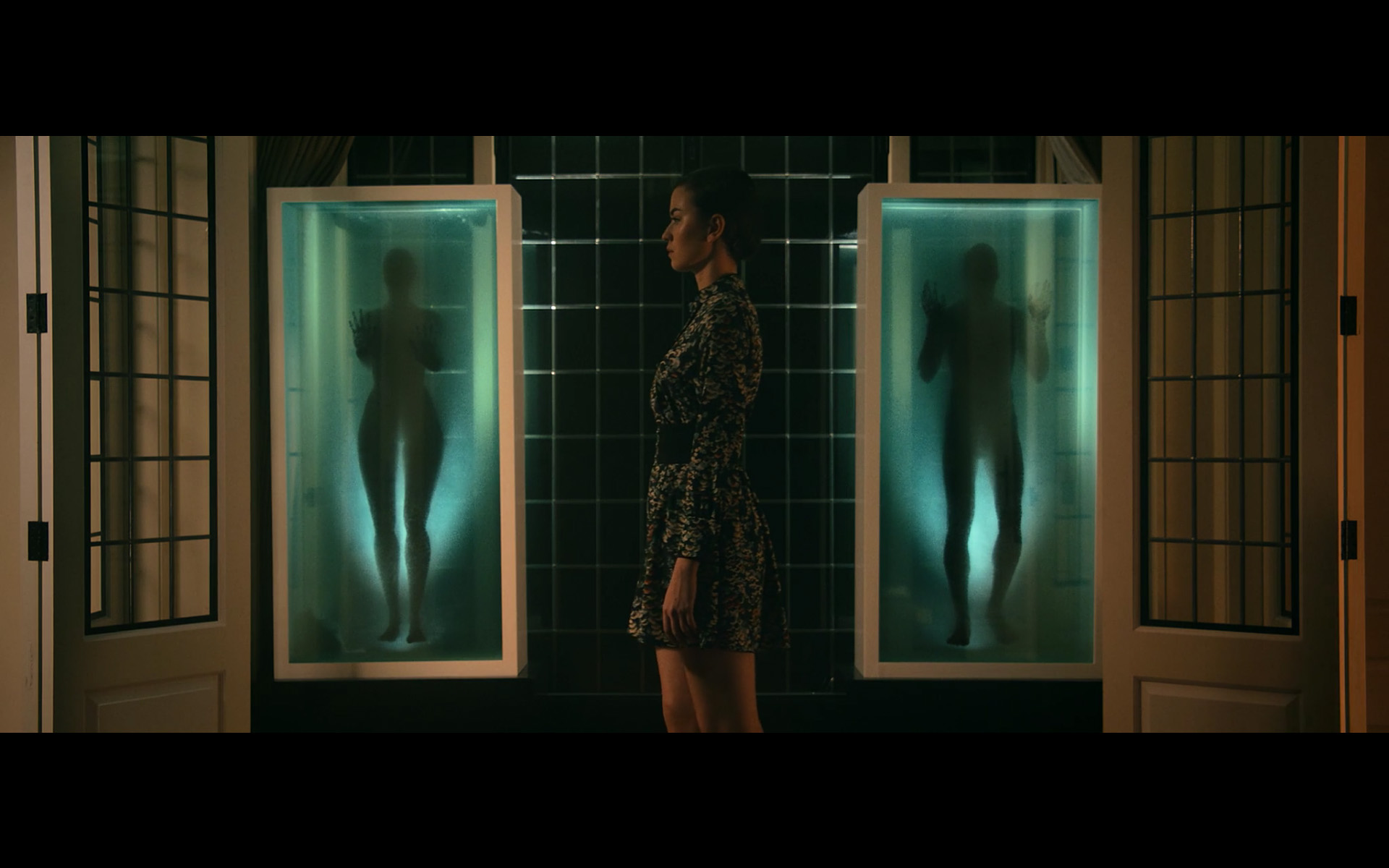
My objects from the series – “Exile from Eden” in the film.

0001_0009_layer 20001_0010_layer 30001_0008_layer 40001_0007_layer 50001_0006_layer 60001_0005_layer 70001_0004_layer 80001_0003_layer 90001_0002_layer 100001_0001_layer 110001_0000_layer 12


My objects from the series “Exile from Paradise” 2006\2007 in the film “AJI” directed by Anastasia Berezovsky, 2018