Maxim Ksuta

russian artist, contemporary art, sculpture, installation, photography

Category: Event

Biennale of Ecological Art, “The Skin of the Earth”, Nizhny Novgorod

Maxim Ksuta, full HD video-installation

This project is a pure artistic expression, in the sense that my intervention in the process was minimal.
In this case, the artist—as the author—merely witnessed a strange and rare natural phenomenon: the bizarre dance of thousands of tiny moths within the light field of a streetlamp.

I set up the camera to capture the scene over a certain period of time with a specific interval between shots. The result of this experimental recording was around 1,200 photographs that strikingly resemble unusual calligraphic techniques, with elements of cryptography.

To reflect the dynamic nature of this phenomenon, I decided to create a video based on this footage, which I now present to your attention.

Scientists have long been trying to understand why so many nocturnal moths are irresistibly drawn to light. And to this day, there is no definitive answer. Researchers have observed that the brighter the light source, the more strongly it attracts insects.

For instance, if two lightbulbs are set up in a dark area—say, in a field, a forest clearing, or a garden at a summer cottage—one with 250 watts and the other with 1000 watts, more moths will gather around the brighter, 1000-watt bulb. Interestingly, the species composition of the moths doesn’t seem to influence this behavior.

But why do moths begin to circle rapidly around a lit lamp as they approach it? It turns out that during flight, these insects navigate by keeping a light source at a constant angle—specifically, they try to maintain the light beam perpendicular to the axis of their bodies. Since artificial lights are point sources, their rays spread out radially. As moths approach such a light, they attempt to keep themselves perpendicular to the rays, which are arranged in a circular pattern— and we, in turn, are captivated by their swift, spiraling dance around glowing lanterns.
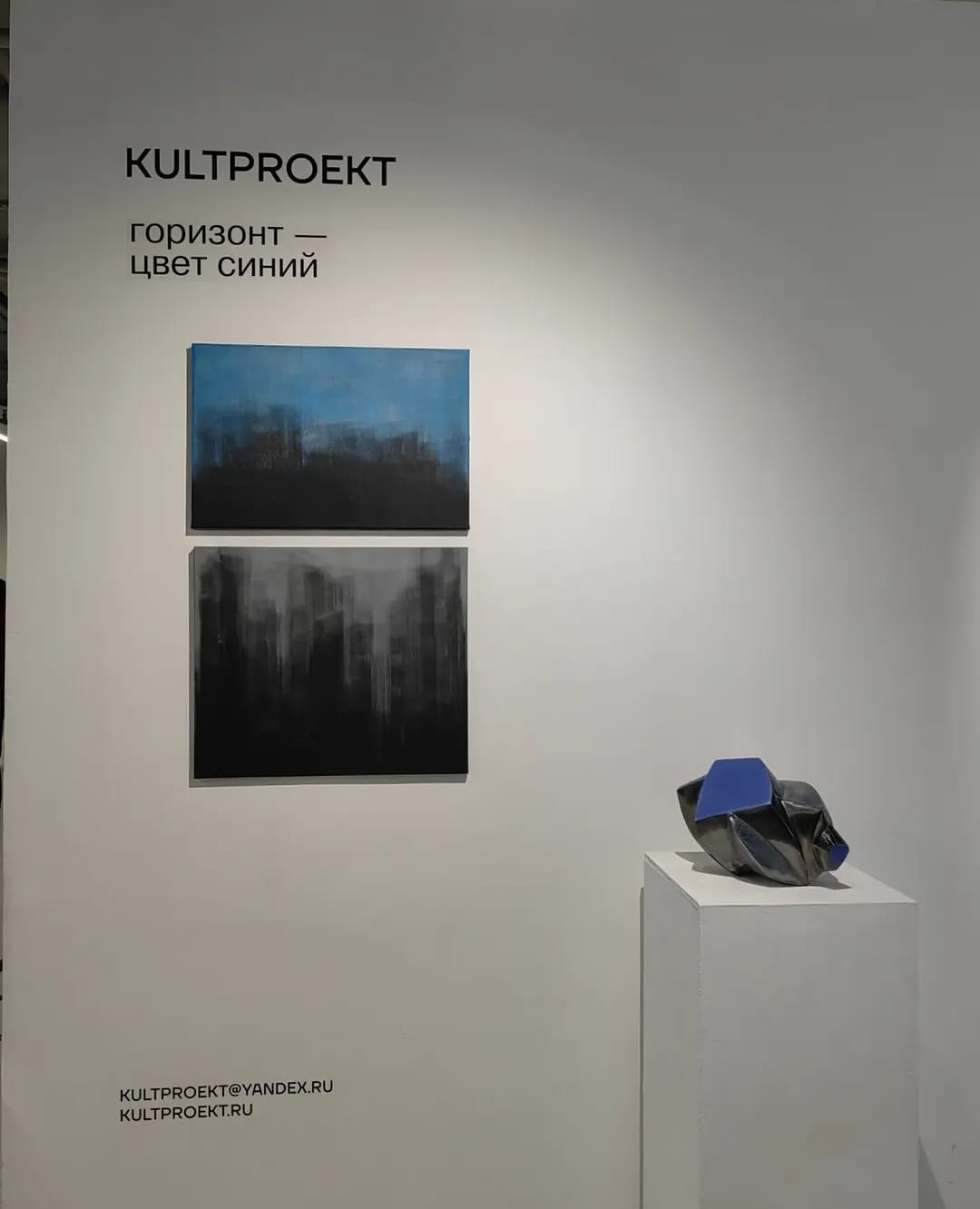
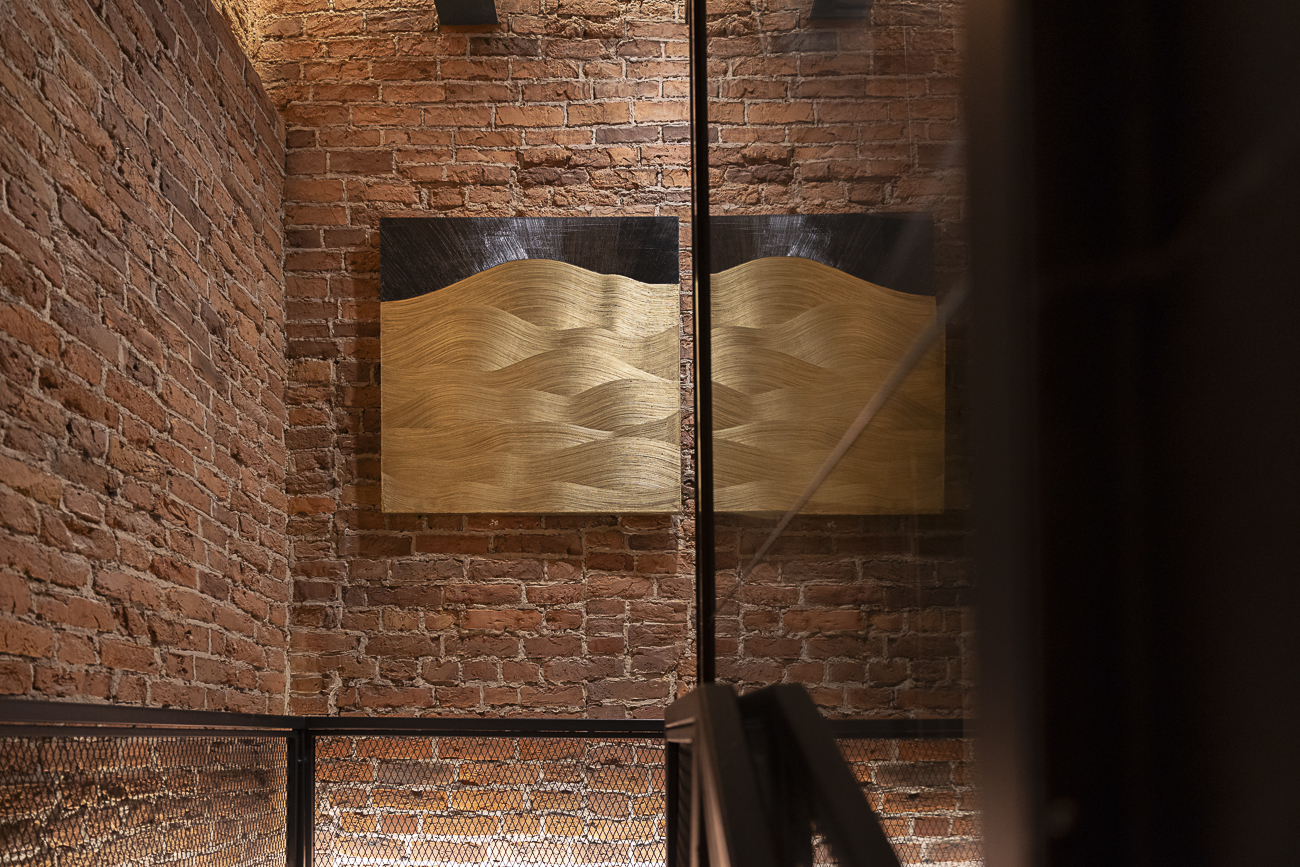
New group exhibition – “Horizon – The Color Blue”

Photo – Elena Rubinina

New Exhibition at Wynwood Hotel

Lost in Transition: A New Exhibition at Wynwood Hotel

The *Lost in Transition* exhibition at Wynwood Hotel plays with the concept of a hotel as a place that bears witness to the inner transformation and emotional renewal of a traveler in a new city. Impressions are directly tied to heightened senses: the “other” awakens a gaze that keenly captures unusual details, sharpens hearing attuned to forgotten melodies. All these scattered images, accumulated chaotically throughout the day, intersect in the imagination and seep into dreams, blending with reality in the first moments after waking. The instant before memory reconstructs the events of the past day and threads them to the present is nearly imperceptible—yet it lingers, close to the sensation of being lost, to that fleeting moment of disorientation.

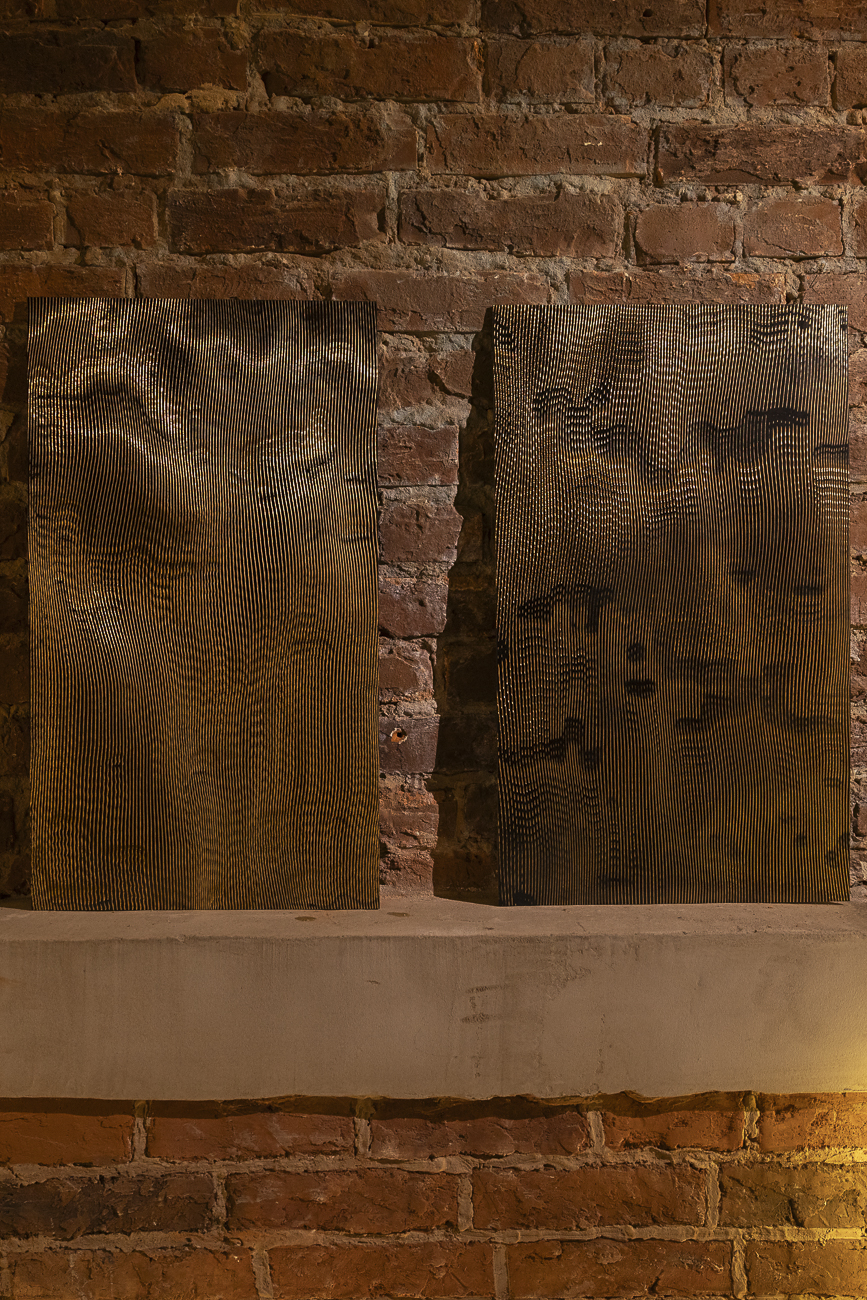
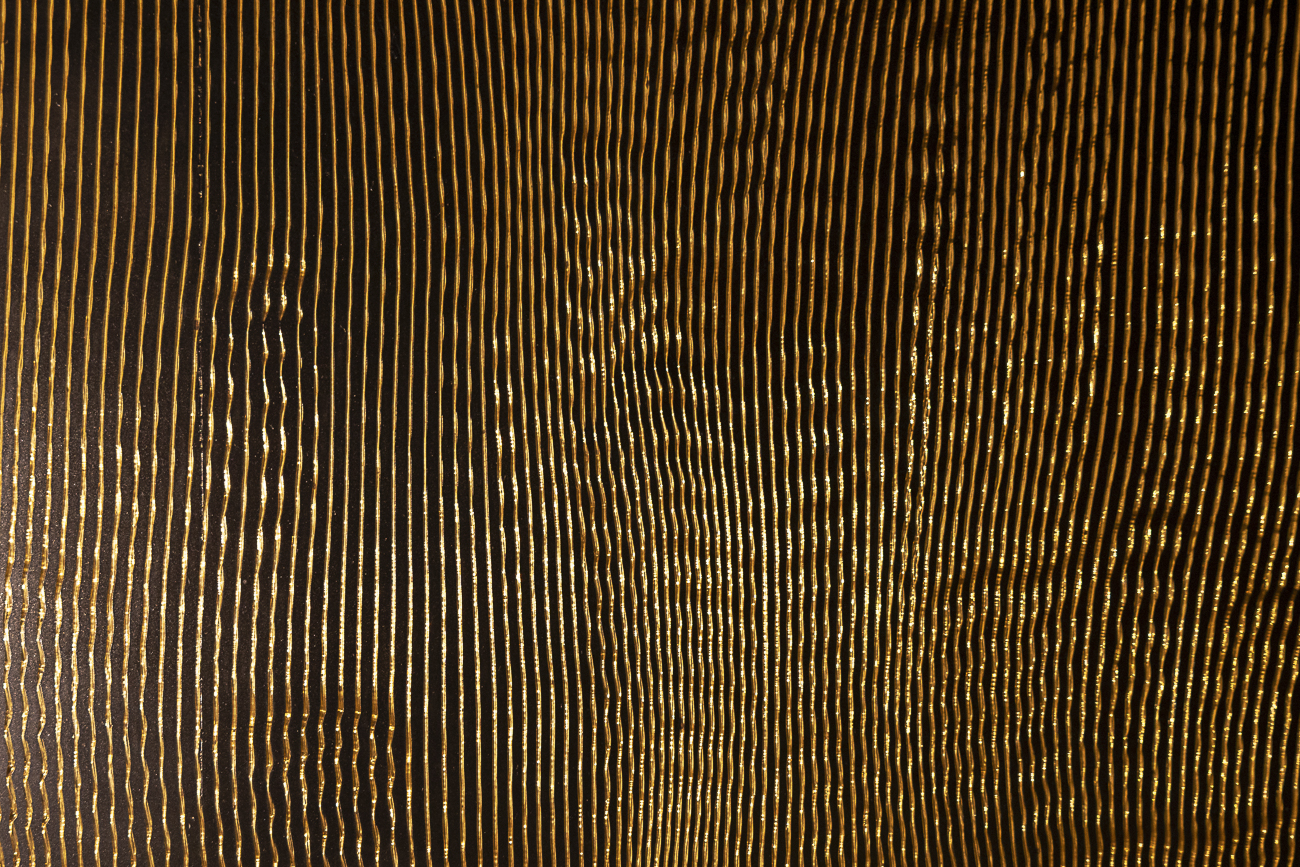
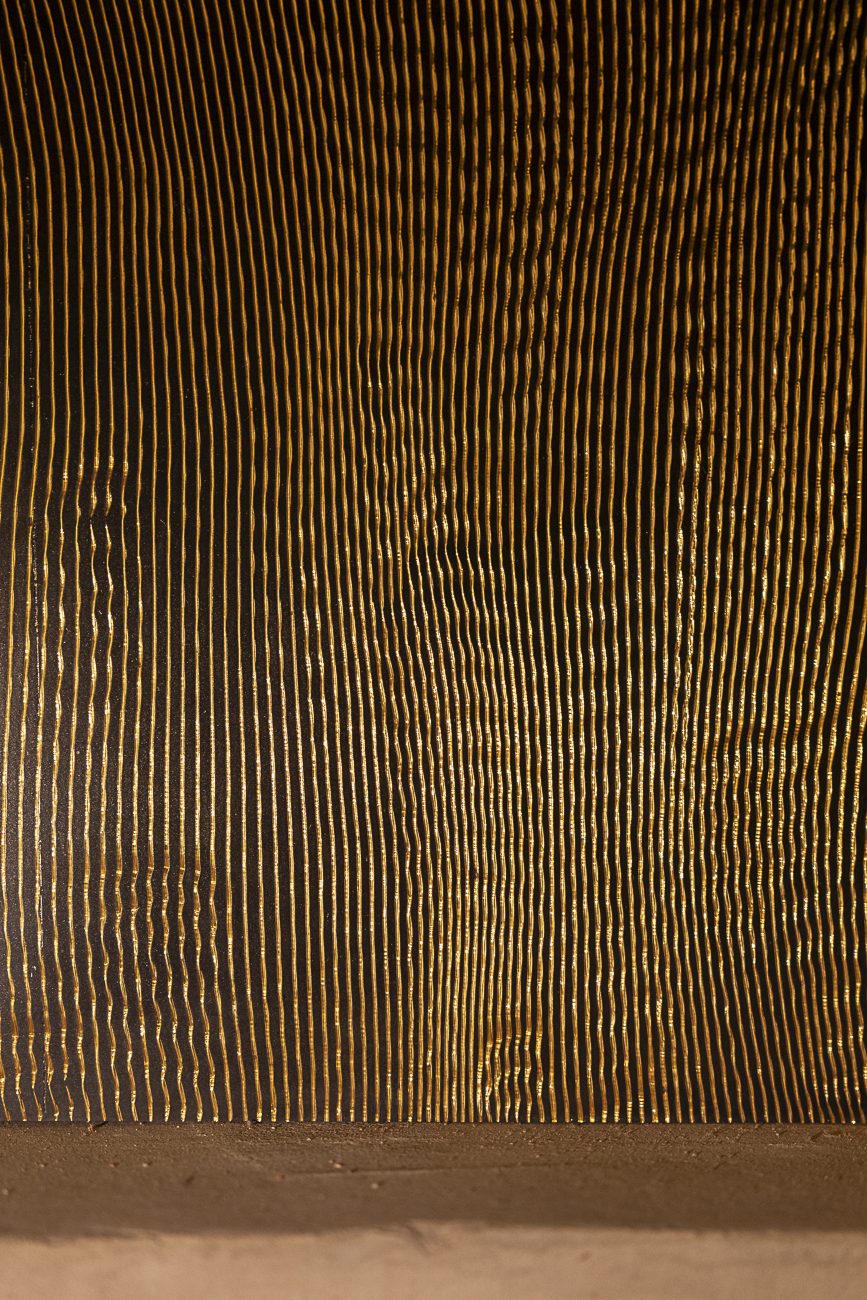
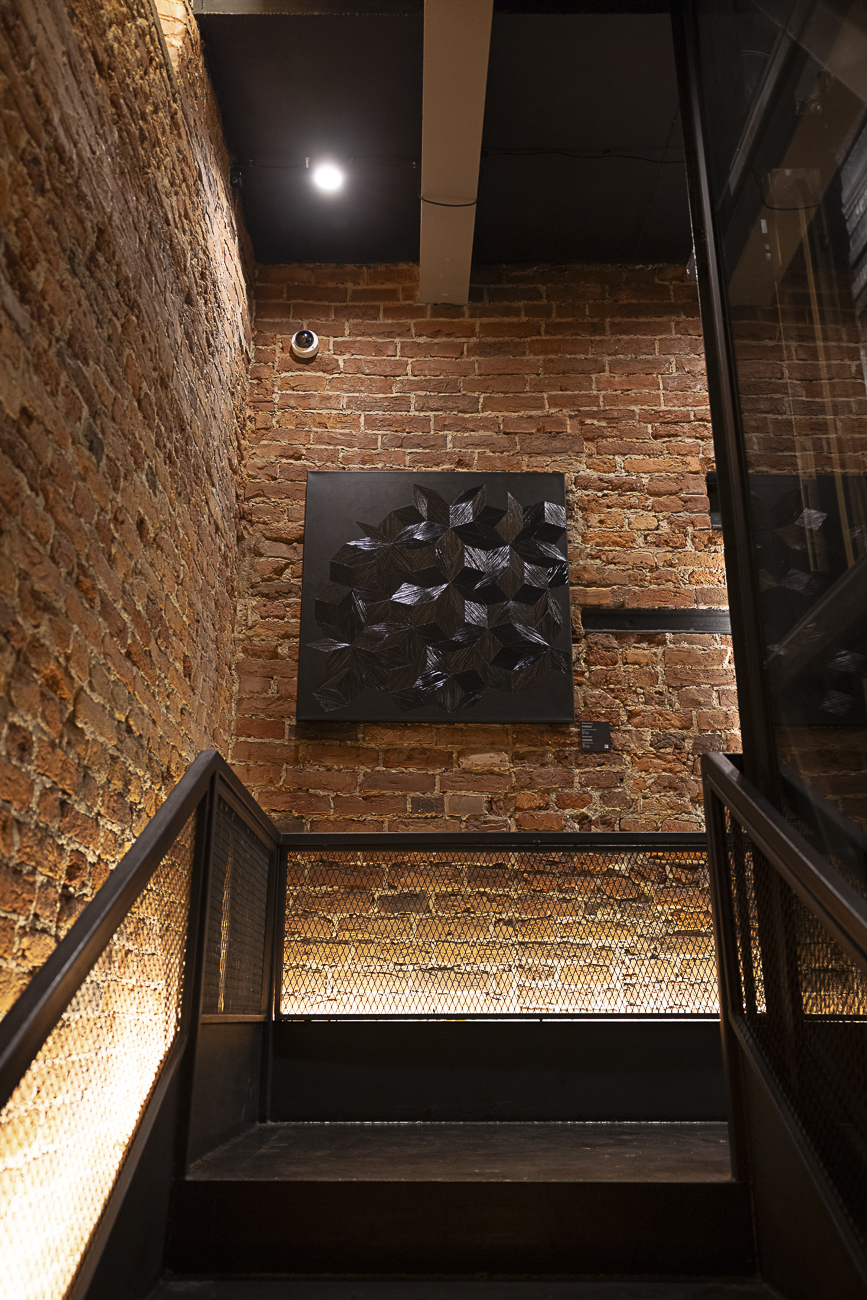
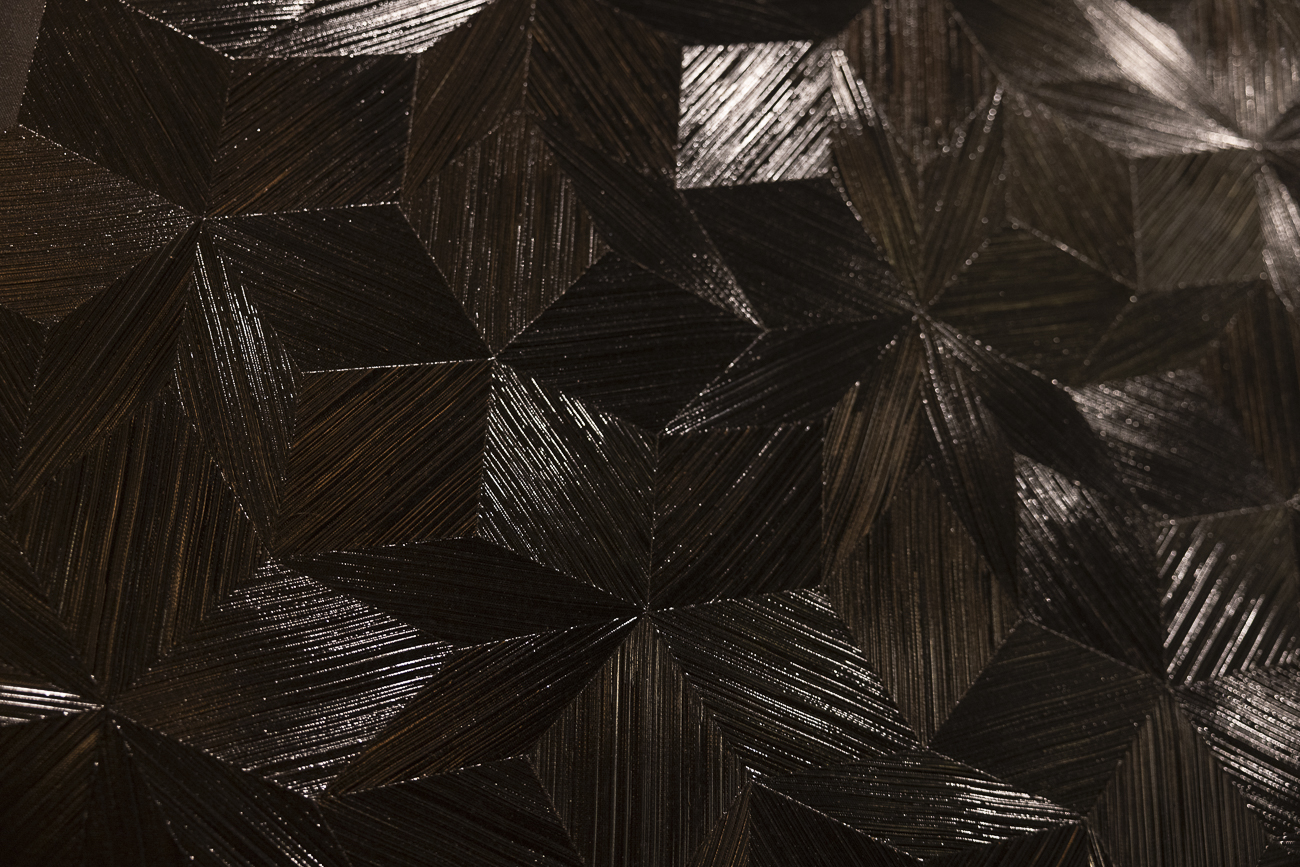
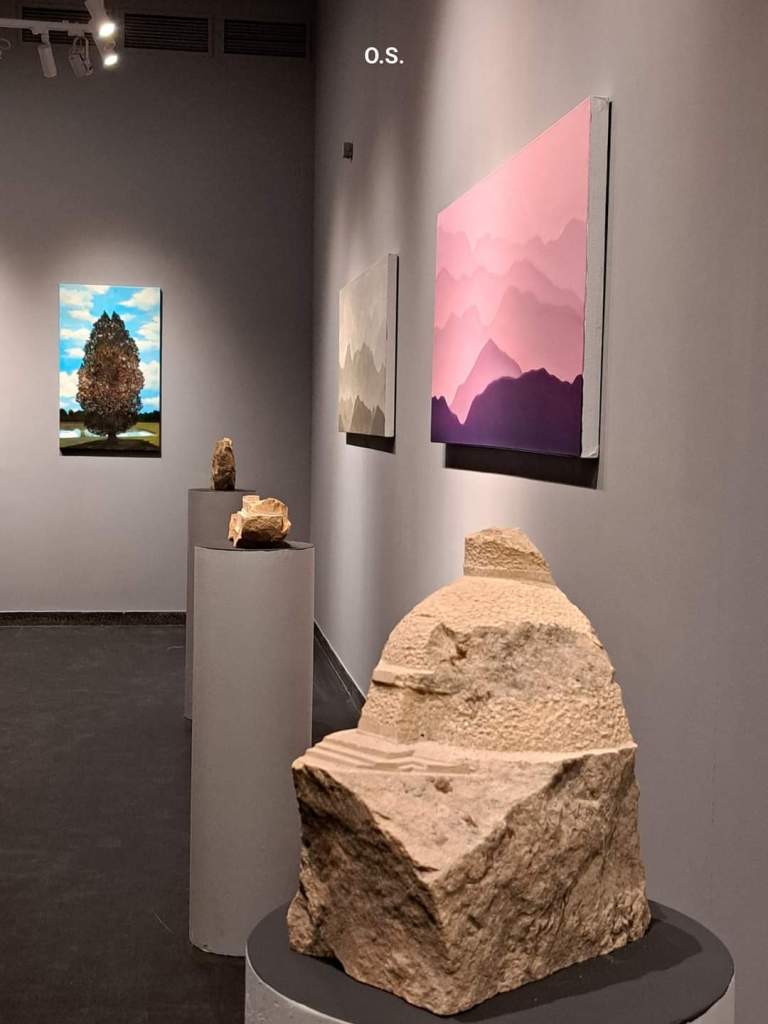
The works displayed throughout the hotel reflect artists’ experiences at specific moments of contemplative self-perception within their surroundings. Anatoly Akue’s *Harvest* series stems from his study of two esoteric systems—Western astrology and ancient Chinese BaZi—and their influence on human life. Over the course of a year, the artist analyzed life events, interpreted them through these mystical traditions, and translated the resulting insights and subjective understanding into semi-abstract compositions. Maxim Ksuta’s monochromatic landscapes from the *Tectonic Painting* series seem to emerge from a universal mystical rhythm, inviting the viewer to engage with it through the observation of light reflections. A similar effect is present in Andrey Berger’s work, where he paints with acrylic on a reflective road sign marked *100 m*, visible only at a specific angle of light. This piece, titled *Lost in Transition*, became the foundation for the exhibition’s concept, metaphorically referring to the hidden path of life, unseen by the casual glance.
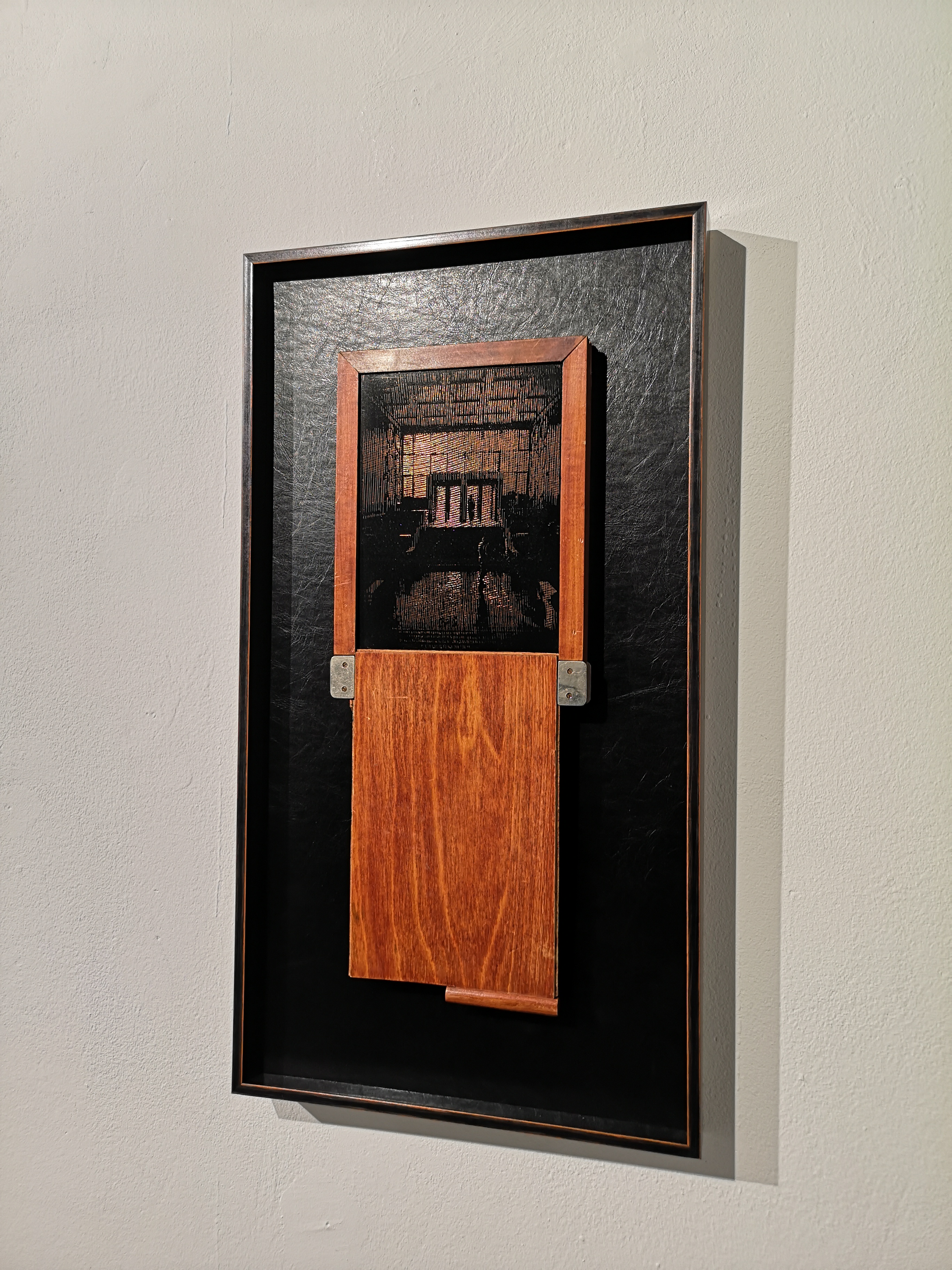
Eva Helki’s objects and Misha Nikatin’s paintings operate like ironic riddles, assembled from everyday items. By revealing the poetry of the mundane, their imagery projects onto the viewer’s memories, rearranging itself like a deck of cards, unfolding anew in different minds.

Anka Akhalaya, in creating her abstract compositions, turns to the surrealist technique of automatic writing, capturing fleeting emotional states in her works. A different impression—one that leans toward permanence and the idea of eternal return—emerges in Olga Aksyonova’s pieces, where barely visible figures shimmer in golden light, bound by a mysterious shared encounter. At the intersection of reality and fiction, in the quiet blur of watercolor strokes, Arthur Samofalov seeks a point of stability in his *Inhabited Ruins* series. His indistinct forms become allegories of uncertain knowledge—chaos obscures the clear contours of objects, evoking unease.

The challenge for each of us is to overcome the desire for rigid clarity and instead embrace contemplation—an approach that fosters inner transformation and reveals a new vision of the world. Even the smallest journey shifts the rhythm of life, lifting the veil from our eyes and allowing for transition, for inner metamorphosis, and for the formation of a renewed dialogue with both the self and the world around us.

Alisa Prokhorova

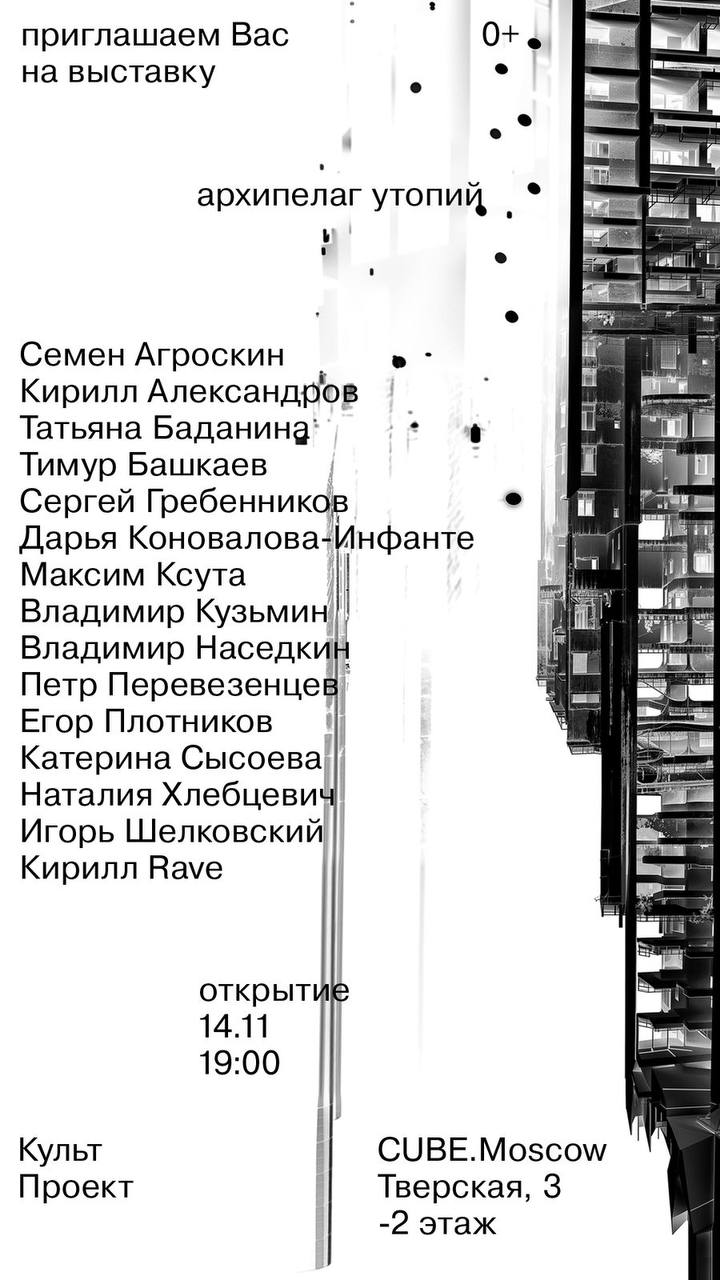
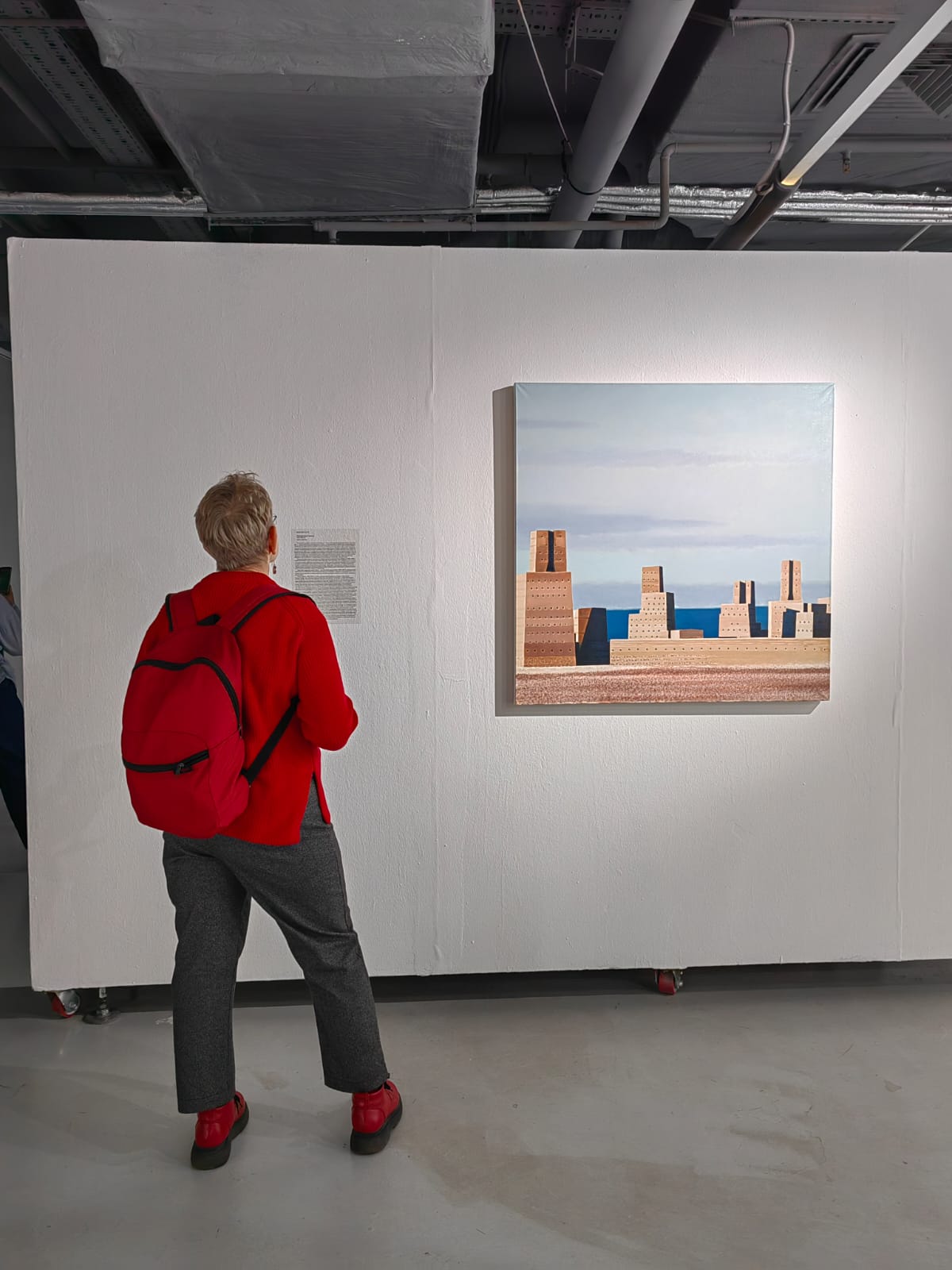
“Archipelago of Utopias” – New group exhibition

2024 “Archipelago of Utopias”, Kultproekt Gallery (CUBE), Moscow

Photo – Elena Rubunina

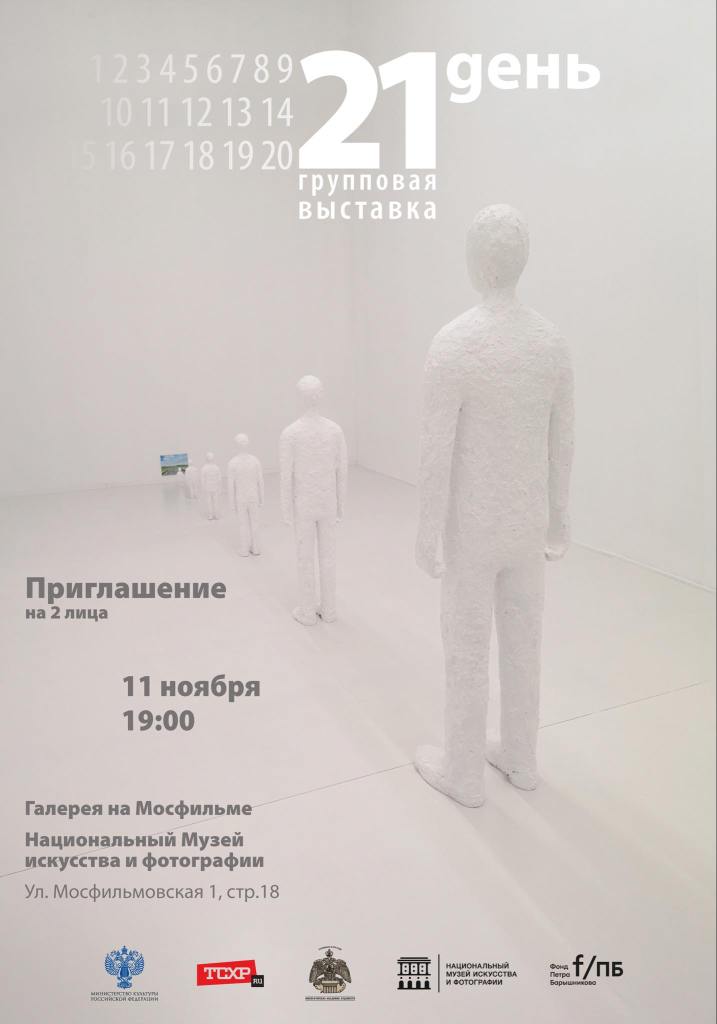
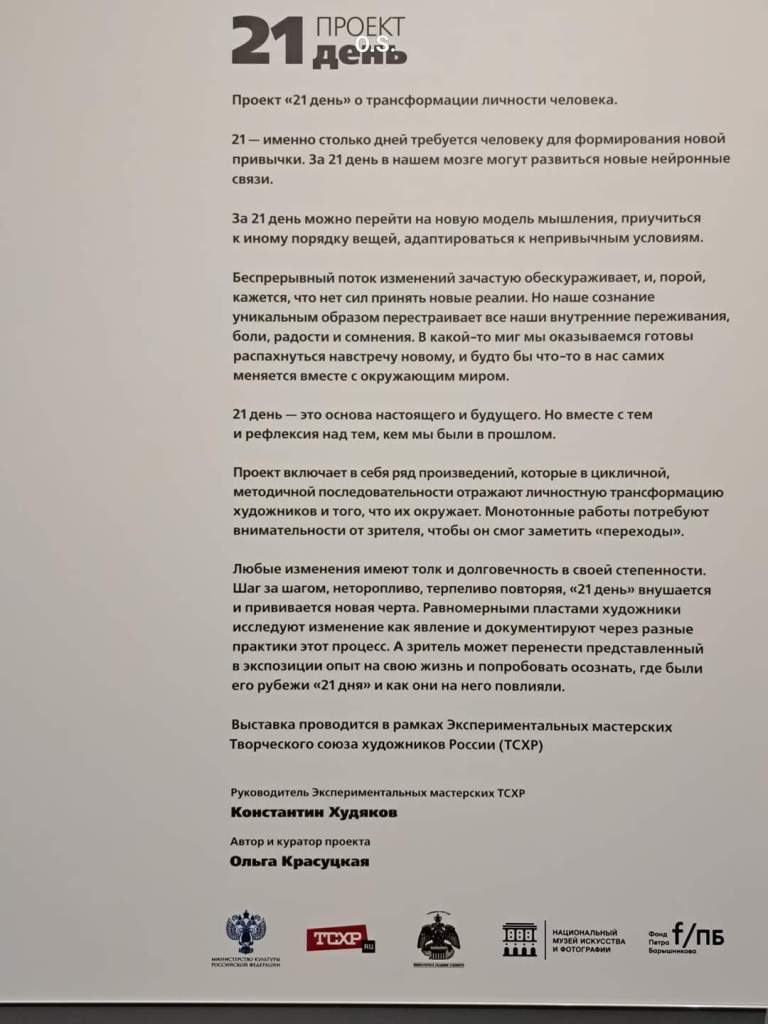
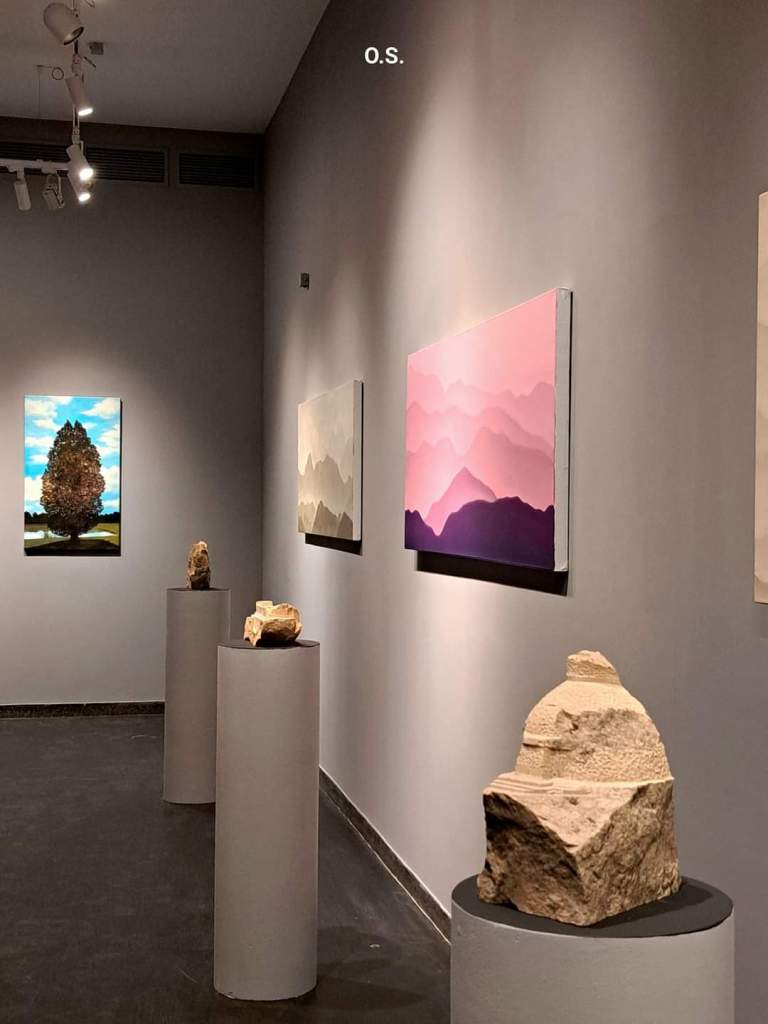
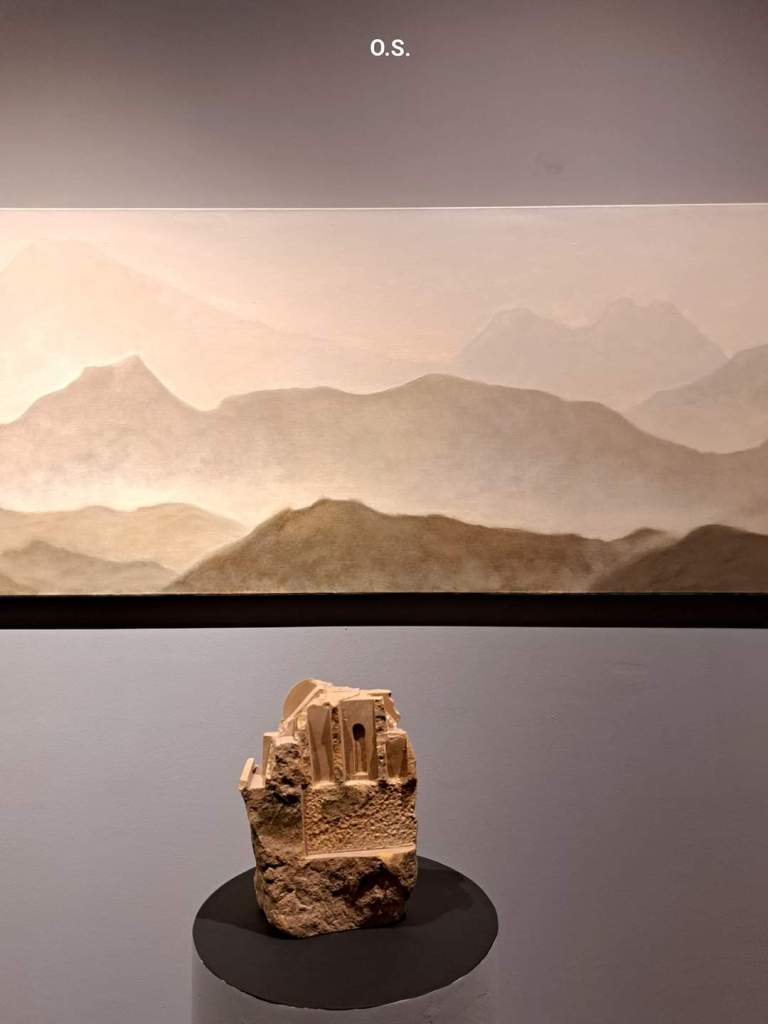
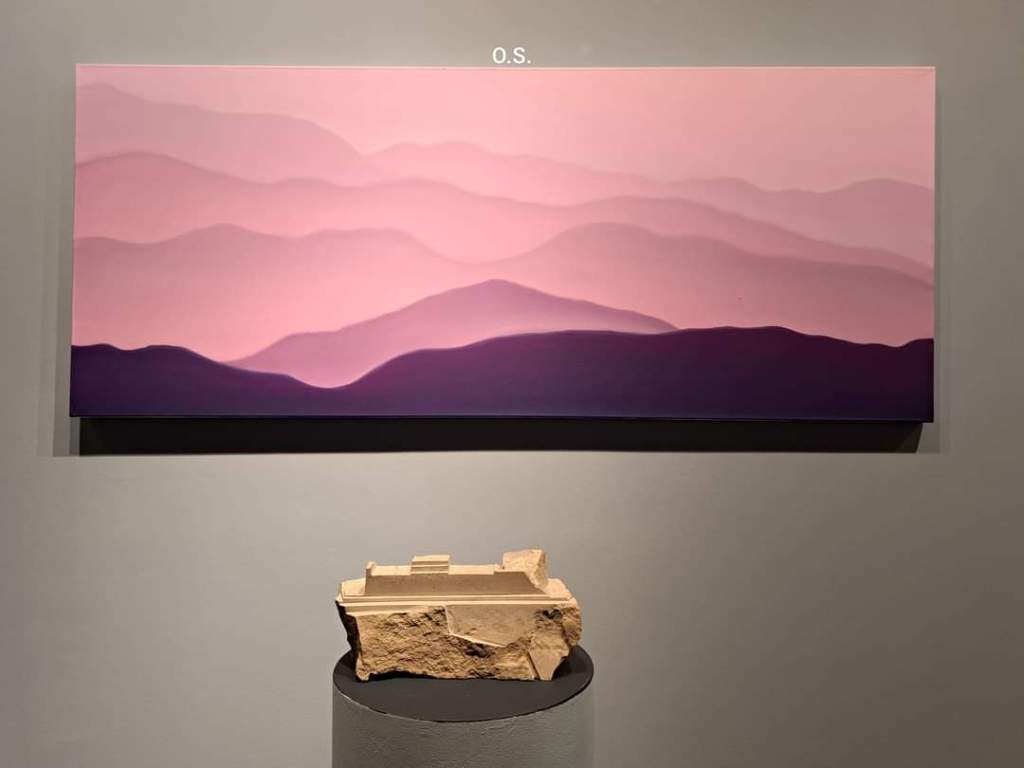
New group exhibition -“21days”

“21 days”, Gallery at Mosfilm National Museum of Art and Photography, Moscow

Photo – Olga Seregina

“Weakness” – a new group exhibition

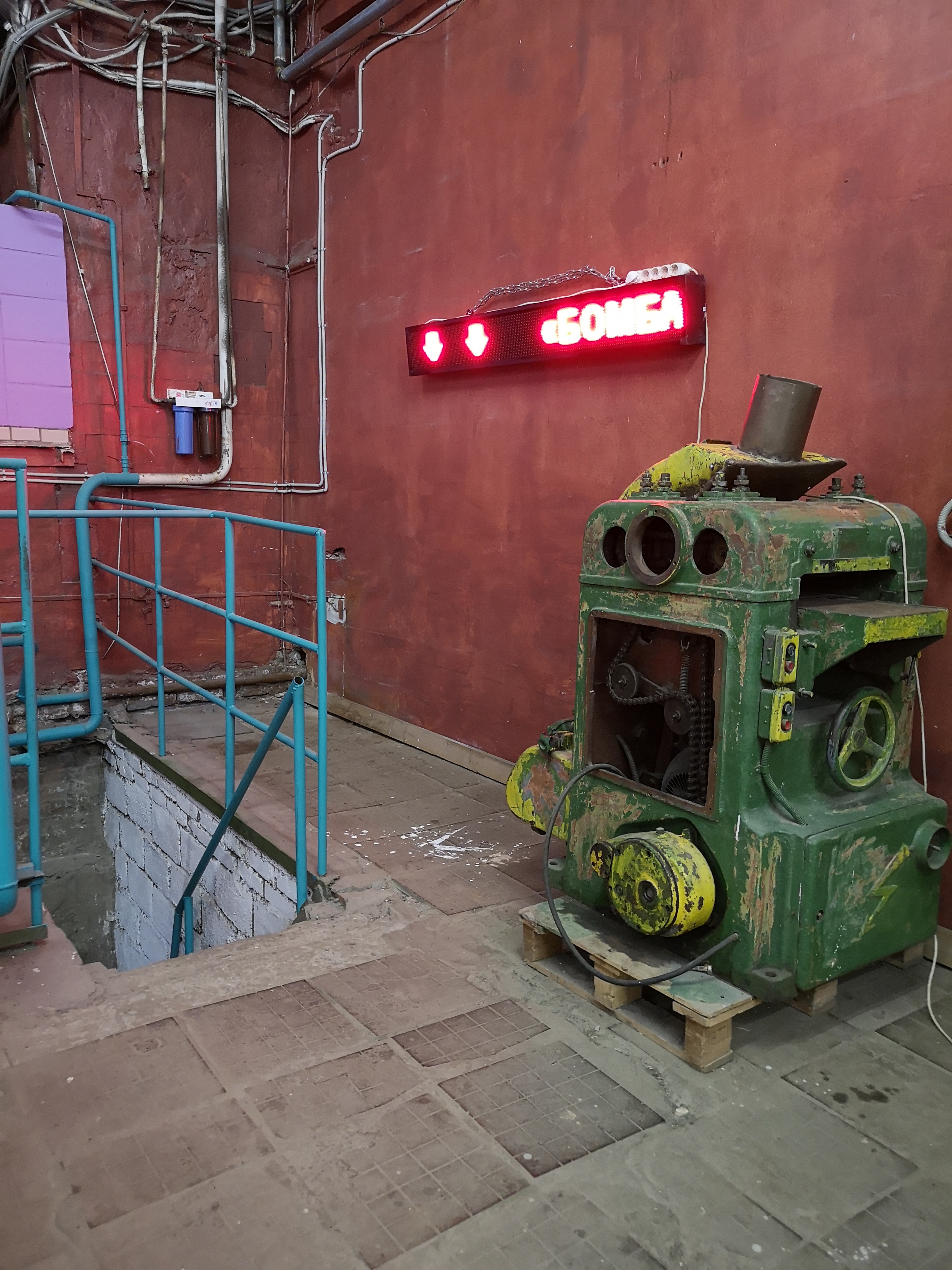
“Weakness” – a new group exhibition at the “Bomba” gallery space in the CCI Fabrika.

New group exhibition – “Summer plans”, Kovcheg gallery

Oil, hardboard, 2019

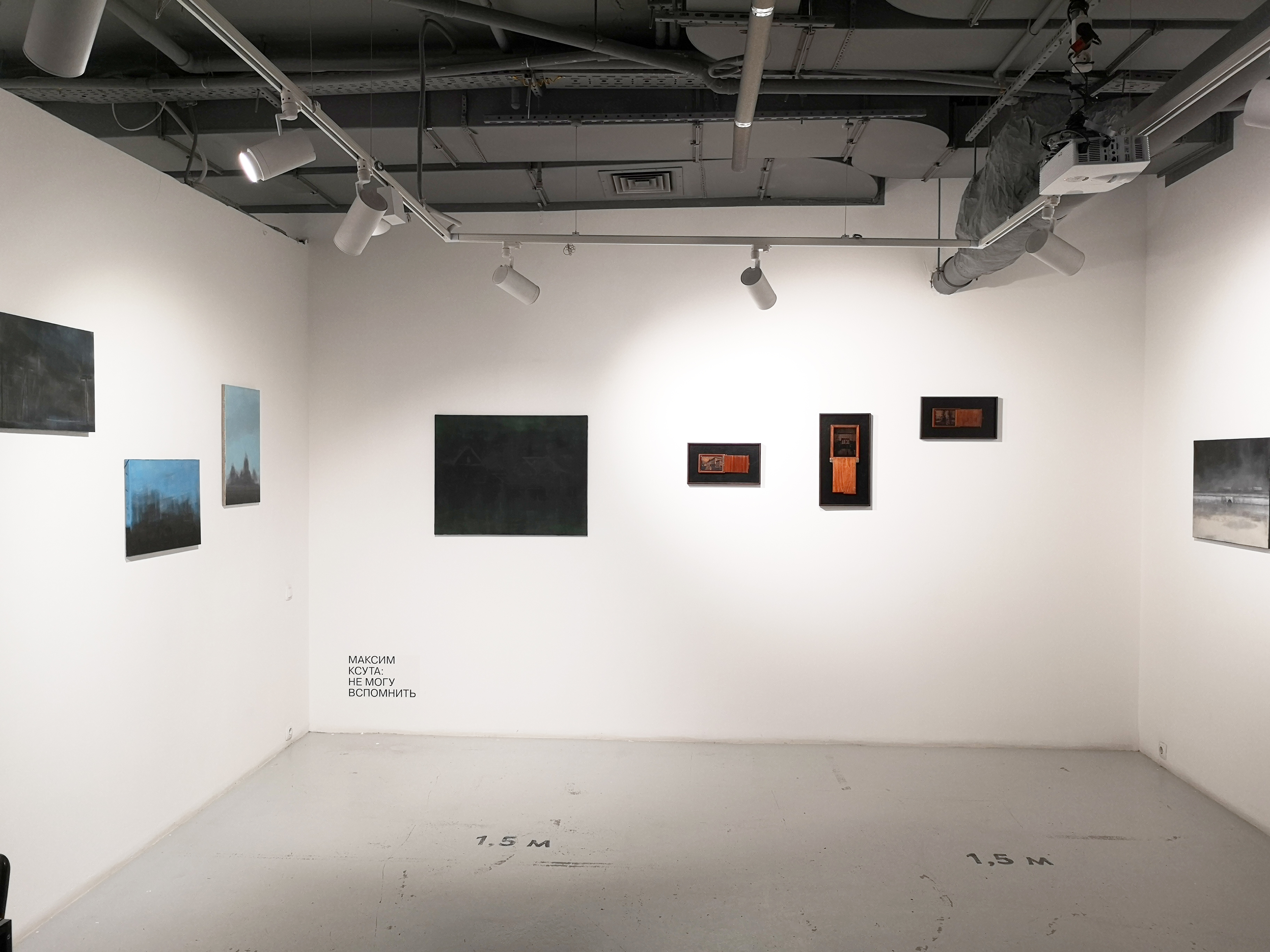
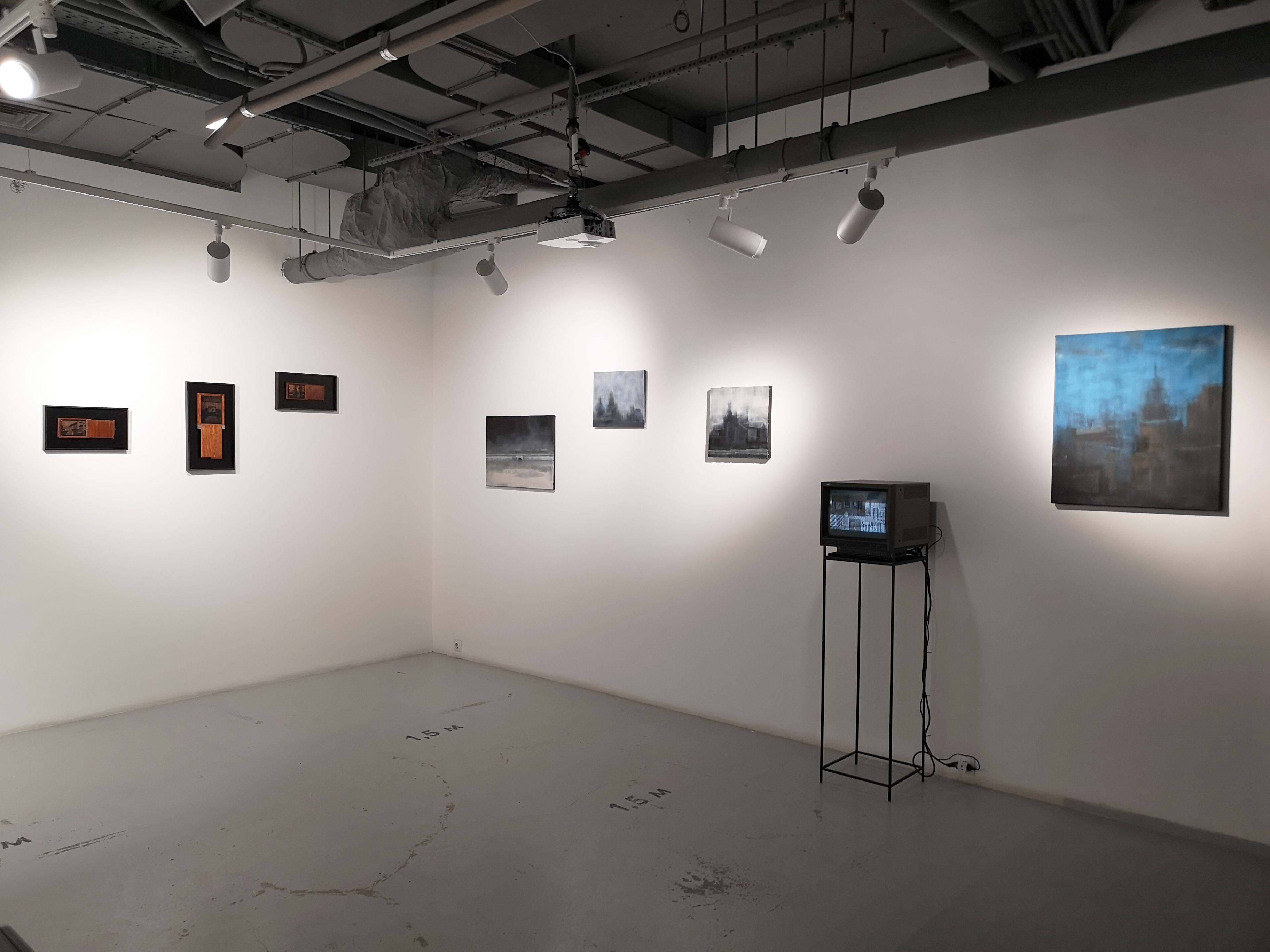
New solo exhibition – “I Can’t Remember”- KultProekt gallery CUBE, Moscow

Inspiration can be found in the most unexpected places. For me, it came in the form of the colorful compositions left on walls and fences after anonymous painters, employed by the municipal services, paint over graffiti deemed undesirable by the city authorities.

However, instead of completely erasing the traces of street art, they always leave behind strange stains, sometimes resembling landscapes. This phenomenon made me reflect on the nature of memory, its instability, and abstractness.

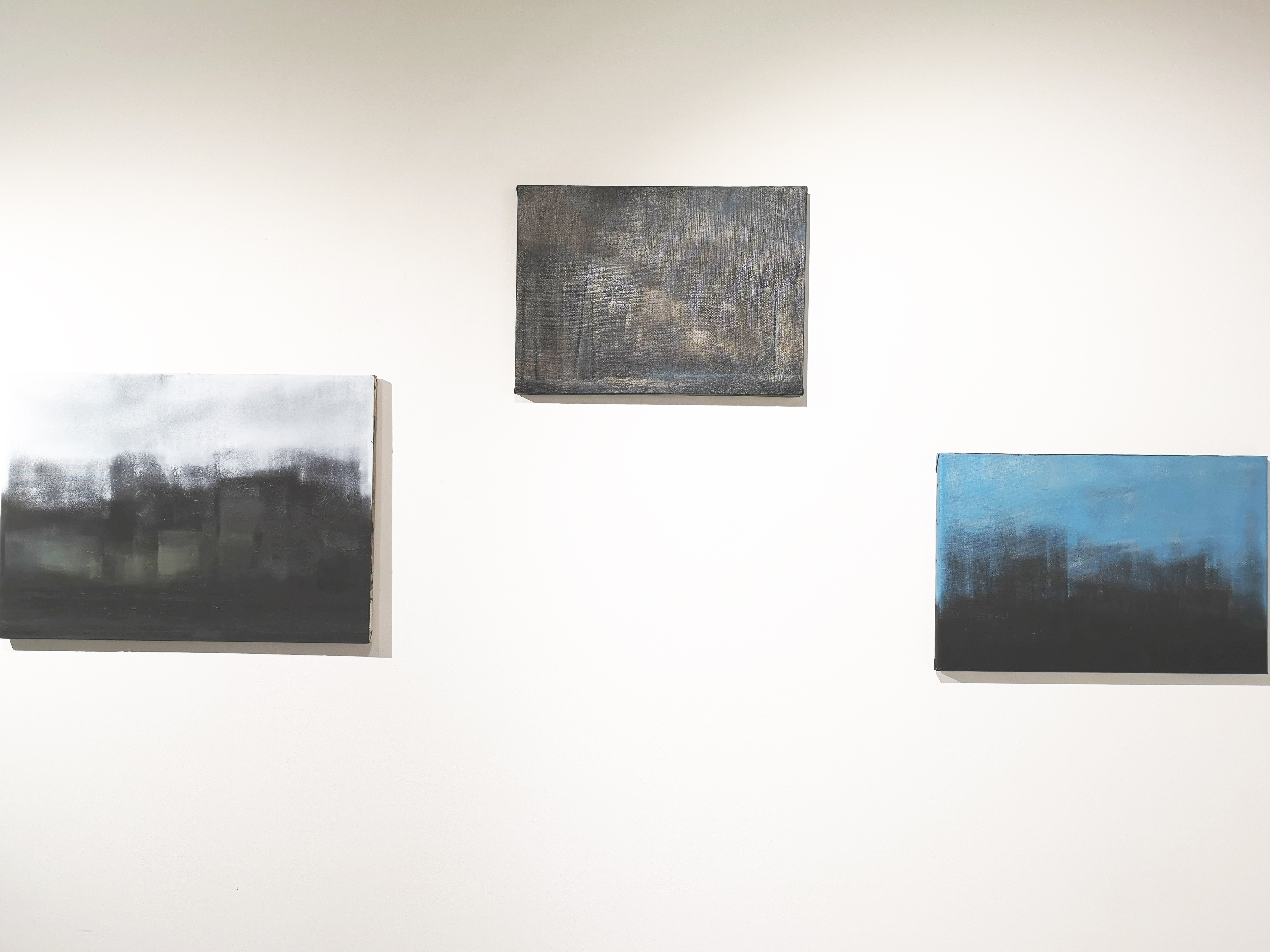
In my works, I tried to embody this idea visually, creating abstract images that evoke a sense of familiarity, yet leave room for interpretation. Each painting is a combination of blurred shapes and colors that may remind one of something familiar, yet not fully discernible.

Through working with texture and layers of paint, I aimed to convey the complexity of the process of remembering. After all, the paintings are not an accurate representation of a specific moment or place but rather an abstract reflection of the state of consciousness in the process of trying to recall something lost. The viewer is given complete freedom for individual interpretation.

The video presented at the exhibition is a slideshow of my photographs uploaded to the now-banned social network Instagram over the past 12 years. Each frame in this photo archive becomes a link in time and flashes by so quickly that it is impossible to see all the details. This effect is similar to how our memory sometimes changes and inaccurately reproduces old moments.

New group exhibition”Archipelago of dreams” – Victoria Gallery

“Archipelago of dreams” – Victoria Gallery in ZIM Gallery, Samara. Curator: Sergey Guskov.

New group exhibition-“Archipelago of dreams”, SMENA, Kazan

Installation view