Maxim Ksuta

russian artist, contemporary art, sculpture, installation, photography

Biennale of Ecological Art, “The Skin of the Earth”, Nizhny Novgorod

Максим Ксута, full HD видео-инсталляция

Этот проект — чистое художественное выражение в том смысле, что моё вмешательство в процесс было минимальным. В данном случае художник — как автор — лишь стал свидетелем странного и редкого природного явления: причудливого танца тысяч крошечных мотыльков в световом поле уличного фонаря.

Я установил камеру, чтобы запечатлеть сцену в течение определённого периода времени с определённым интервалом между кадрами. Результатом этой экспериментальной съёмки стало около 1200 фотографий, поразительно напоминающих необычные каллиграфические техники с элементами криптографии.

Чтобы отразить динамическую природу этого явления, я решил создать видео на основе этого материала, которое теперь представляю вашему вниманию.

Учёные уже давно пытаются понять, почему так много ночных мотыльков неудержимо тянет к свету. И по сей день нет окончательного ответа. Исследователи наблюдали, что чем ярче источник света, тем сильнее он привлекает насекомых.

Например, если в тёмной местности — скажем, в поле, на лесной поляне или в саду на даче — установить две лампочки: одну мощностью 250 ватт, а другую 1000 ватт, больше мотыльков соберётся вокруг более яркой, 1000-ваттной лампы. Интересно, что видовой состав мотыльков, похоже, не влияет на это поведение.

Но почему мотыльки начинают быстро кружиться вокруг горящей лампы, приближаясь к ней? Оказывается, что во время полёта эти насекомые ориентируются, удерживая источник света под постоянным углом — в частности, они пытаются поддерживать световой луч перпендикулярно оси своего тела. Поскольку искусственные источники света являются точечными, их лучи распространяются радиально. Когда мотыльки приближаются к такому свету, они пытаются держать себя перпендикулярно лучам, которые расположены по кругу — и мы, в свою очередь, очарованы их стремительным спиральным танцем вокруг светящихся фонарей.


Maxim Ksuta, Full HD Video Installation

This project is a pure artistic expression, in the sense that my intervention in the process was minimal. In this case, the artist—as the author—merely witnessed a strange and rare natural phenomenon: the bizarre dance of thousands of tiny moths within the light field of a streetlamp.

I set up the camera to capture the scene over a certain period of time with a specific interval between shots. The result of this experimental recording was around 1,200 photographs that strikingly resemble unusual calligraphic techniques, with elements of cryptography.

To reflect the dynamic nature of this phenomenon, I decided to create a video based on this footage, which I now present to your attention.

Scientists have long been trying to understand why so many nocturnal moths are irresistibly drawn to light. And to this day, there is no definitive answer. Researchers have observed that the brighter the light source, the more strongly it attracts insects.

For instance, if two lightbulbs are set up in a dark area—say, in a field, a forest clearing, or a garden at a summer cottage—one with 250 watts and the other with 1,000 watts, more moths will gather around the brighter, 1,000-watt bulb. Interestingly, the species composition of the moths doesn’t seem to influence this behavior.

But why do moths begin to circle rapidly around a lit lamp as they approach it? It turns out that during flight, these insects navigate by keeping a light source at a constant angle—specifically, they try to maintain the light beam perpendicular to the axis of their bodies. Since artificial lights are point sources, their rays spread out radially. As moths approach such a light, they attempt to keep themselves perpendicular to the rays, which are arranged in a circular pattern—and we, in turn, are captivated by their swift, spiraling dance around glowing lanterns.
The Modesty of Form as a Challenge to Dominant Taste

Скромность формы как вызов доминирующему вкусу Пьер Бурдьё

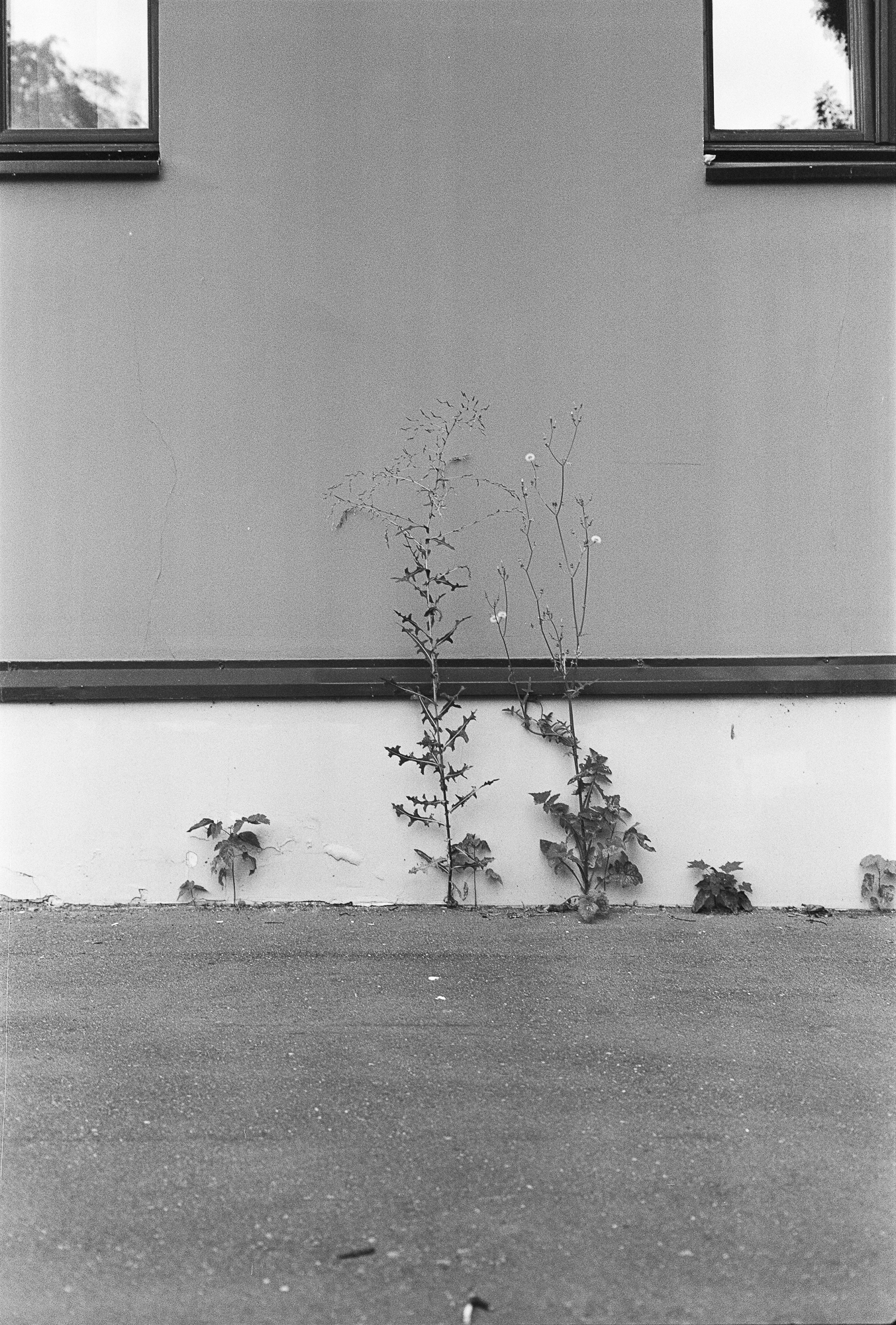
На первый взгляд эта фотография может показаться банальной: растение, пробивающееся сквозь асфальт у стены здания, два окна, обрезанные рамкой кадра, гладкая текстура штукатурки. Но, как это часто бывает в полях культурного производства, сама банальность становится формой сопротивления.

Мы должны задать центральный вопрос: почему подобное изображение заслуживает эстетического признания? Кто обладает властью приписывать смысл чему-то столь «незначительному»? Это не просто фотография растения — это манифест вкуса, отвергающий предпочтения доминирующих классов, для которых «красота» состоит из тосканских пейзажей, обнажённых тел или архитектуры, достойной Architectural Digest.

Это изображение отказывается участвовать в зрелище. Оно представляет то, что нейтрализовано повседневной жизнью, что лишено признанного статуса. И тем самым оно совершает жест — жест рефлексивной эстетики, эстетики дистанцированной, почти аскетичной. Оно позиционирует себя в пространстве «высокой культуры», но делает это, инвертируя её коды — показывая незначительное, фокусируясь на деталях, которые элита обучена игнорировать.

Посмотрите на две оконные рамы, зеркально отражённые в своём удалении от центра, но смещённые к верхней части. Их симметрия асимметрична. Это сама структура социального пространства: оно кажется логичным, но в действительности представляет собой поле борьбы. Точно так же и здесь — эстетическая симметрия нарушена, поскольку баланс между культурным капиталом и доступом к нему всегда неравен.

Но есть более тонкий момент. Растение, пробивающееся сквозь трещину, — это метафора габитуса, воплощённого носителя структуры. Оно растёт не где попало, а там, где позволяют условия. Оно не выбирает свободу — оно действует в пределах возможного. И всё же оно существует. Его форма — это форма вынужденной адаптации.

Возможно, фотограф не имел в виду подобную социальную деконструкцию, но в поле искусства намерение не всегда ключевое. Важна позиция работы в структуре поля. И здесь, в этой фотографии, я вижу работу, которая отвергает орнаментальность, отказывается демонстрировать технику и вместо этого возводит обыденное на уровень достойного.

Именно такая фотография бросает вызов не только академическому вкусу, но и всей системе его производства и легитимации.

#Fujica6x9 #ПосмертныйВзгляд


The Modesty of Form as a Challenge to Dominant Taste By Pierre Bourdieu

At first glance, this photograph may seem banal: a plant pushing through the asphalt by a building wall, two windows cut off by the frame, the smooth texture of the plaster. But, as is often the case within the fields of cultural production, banality itself becomes a form of resistance.

We must ask the central question: why does such an image deserve aesthetic recognition? Who has the authority to assign meaning to something so “insignificant”? This is not merely a photograph of a plant — it is a manifesto of taste, rejecting the preferences of the dominant classes, for whom “beauty” consists of Tuscan landscapes, nude bodies, or architecture worthy of Architectural Digest.

This image refuses to participate in the spectacle. It presents what has been neutralized by everyday life, what lacks recognized status. And in doing so, it performs a gesture — a gesture of reflexive aesthetics, an aesthetics that is distanced, almost ascetic. It positions itself within the space of “high culture,” but does so by inverting its codes — by showing the insignificant, by focusing on details the elite are trained to ignore.

Look at the two window frames, mirrored in their distance from the center but offset toward the top. Their symmetry is asymmetrical. This is the very structure of social space: it appears logical, but in reality, it is a field of struggle. Just like here — aesthetic symmetry is disrupted, as the balance between cultural capital and access to it is always unequal.

But there is a more subtle point. The plant pushing through the crack is a metaphor for habitus, the embodied carrier of structure. It does not grow just anywhere, but where conditions permit. It does not choose freedom — it acts within the realm of the possible. And yet it exists. Its form is the form of forced adaptation.

Perhaps the photographer did not intend this kind of social deconstruction, but in the field of art, intention is not always key. What matters is the work’s position within the structure of the field. And here, in this photograph, I see a work that rejects ornamentation, refuses to display technique, and instead elevates the ordinary to the level of the worthy.

It is precisely this kind of photograph that challenges not only academic taste but the entire system of its production and legitimation.

#Fujica6x9 #PosthumousGaze

Ragas Of Morning & Night

About the Artist: Pandit Pran Nath

Pandit Pran Nath was one of the last great masters of the Kirana gharana, a North Indian vocal tradition rooted in deep spirituality and microtonal precision.
Born in 1918 in India, he was a disciple of the legendary Abdul Wahid Khan.
In the 1970s, he became a guru and spiritual teacher to Western minimalist composers such as La Monte Young, Terry Riley, and Marian Zazeela.
His music is not a performance in the Western sense — it is sādhanā, a spiritual practice of sound as a path to transcendence.


🎶 About the Album: Ragas of Morning and Night

(Released in 1986 on Gramavision Records)

This album features two traditional ragas, ancient Indian musical forms designed to evoke specific moods and states of consciousness, each associated with a particular time of day.

1. Raga Todi (Morning Raga)

  • Performed at sunrise.
  • Mood: introspective, delicate, meditative.
  • It reflects the awakening of nature, the unfolding of light.
  • The vocal line slowly develops over a drone, dwelling in microtones — it feels as if each note trembles gently like a petal in the mist.

2. Raga Darbari (Night Raga)

  • Meant to be performed at night.
  • Mood: deep, mysterious, hypnotic.
  • Darbari is one of the most majestic and emotionally intense ragas in Indian music.
  • Pran Nath’s voice resonates like a mantra — not with words, but with pure emotional truth through sound.

🔊 The Sound

  • No melodic instruments are used, only tanpura (drone) and tabla (rhythm).
  • The development is very slow and contemplative, nearly a form of sonic meditation.
  • There’s no linear melody — instead, it explores the depth of a single tone, a single vibration.

🌀 Influence on Western Music

This album — and Pandit Pran Nath himself — had a profound impact on American minimalist music.
Artists like La Monte Young, Terry Riley, Jon Hassell, and even Brian Eno either studied with him or drew inspiration from his approach to extended duration and microtonality.
These ragas are more than music — they’re a transmission of inner states and meditative stillness through the human voice.

Quantum Project

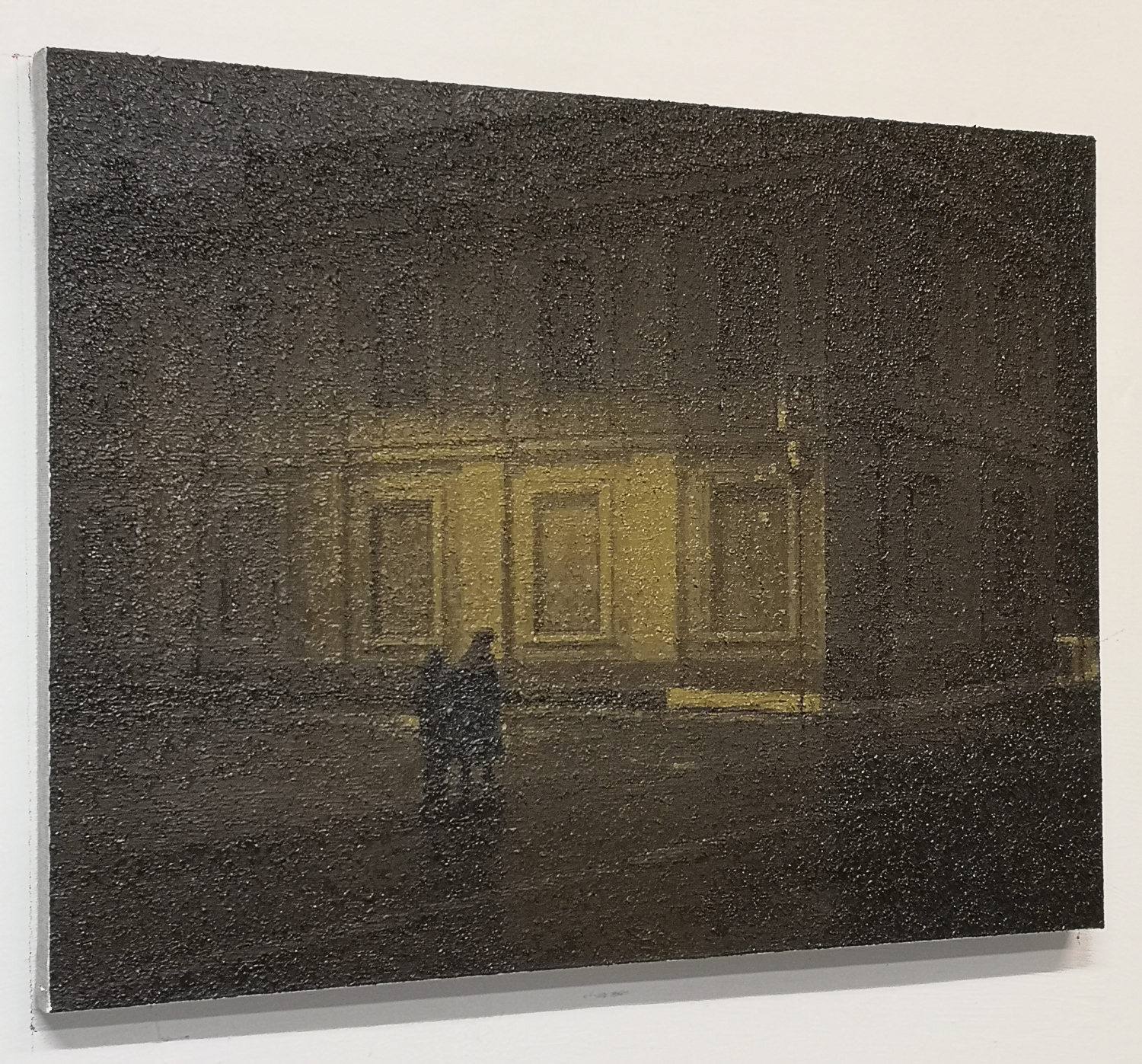
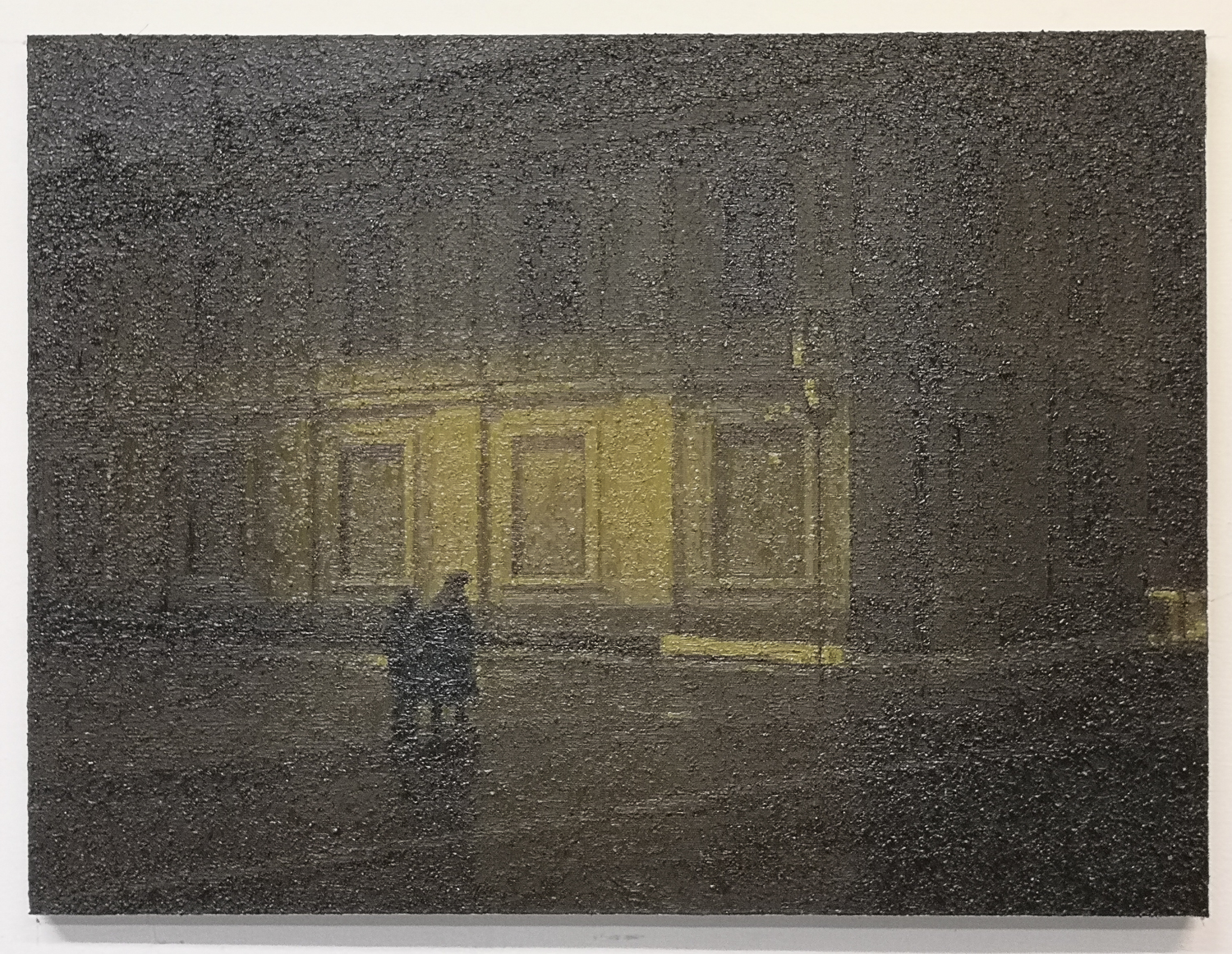
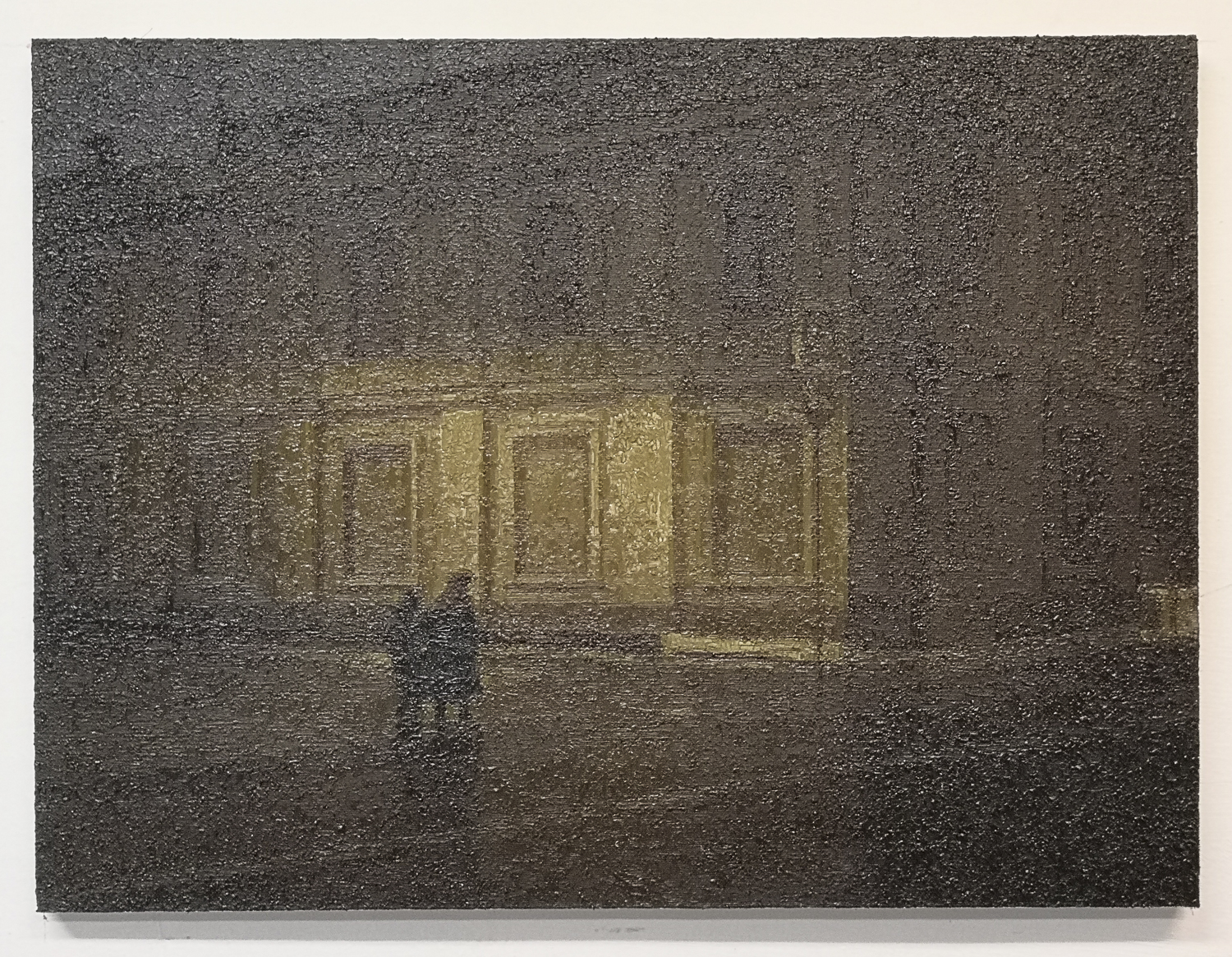
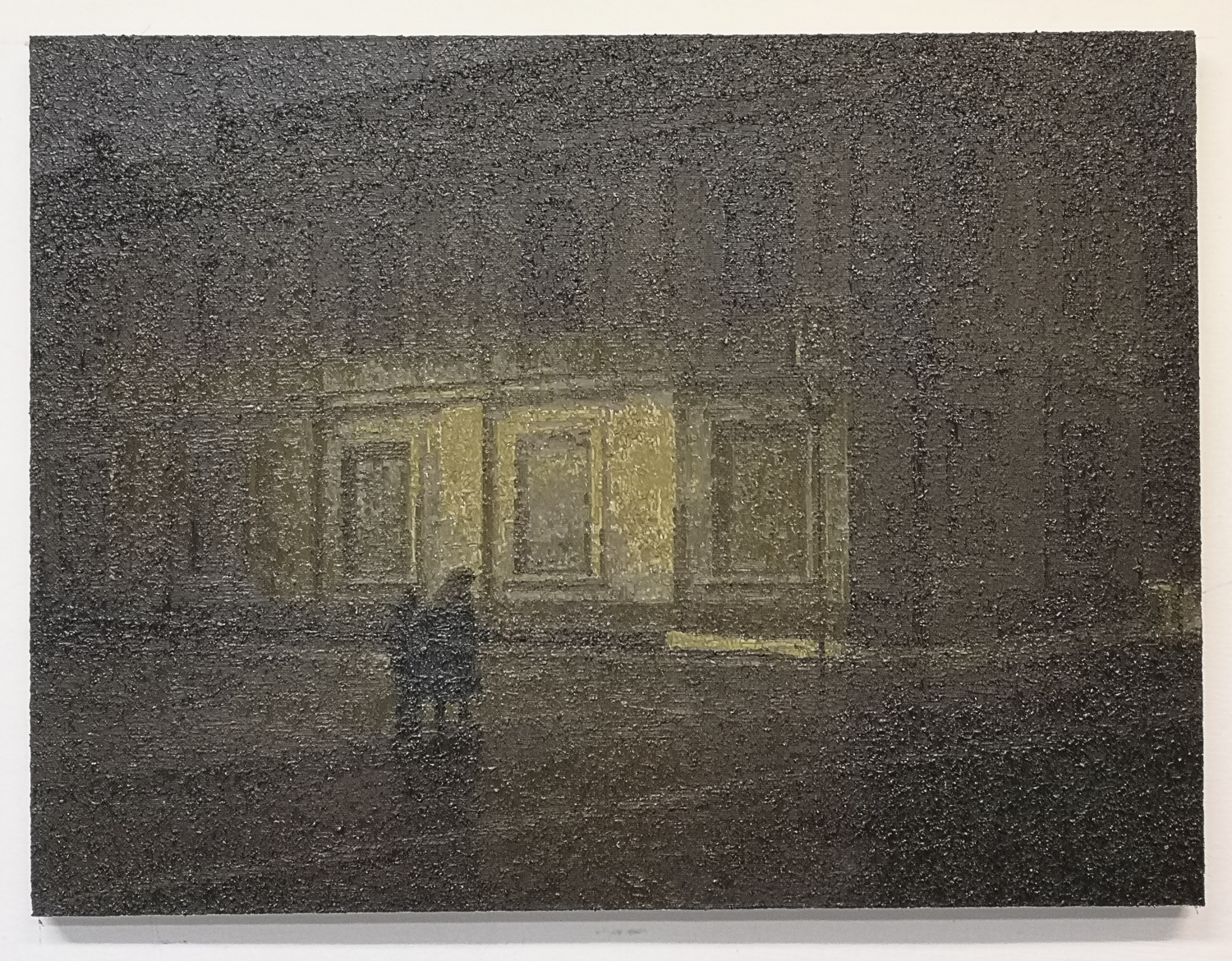
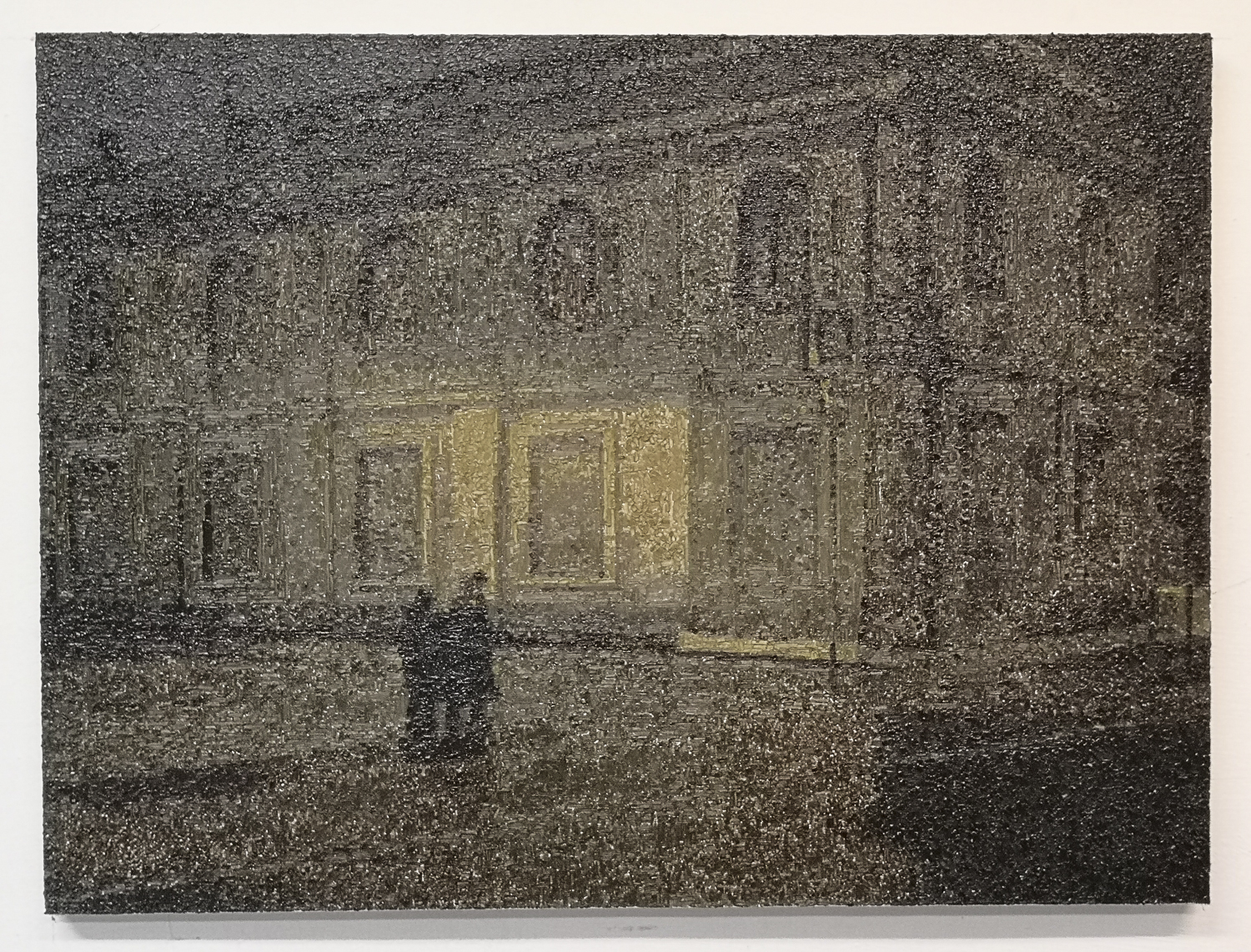
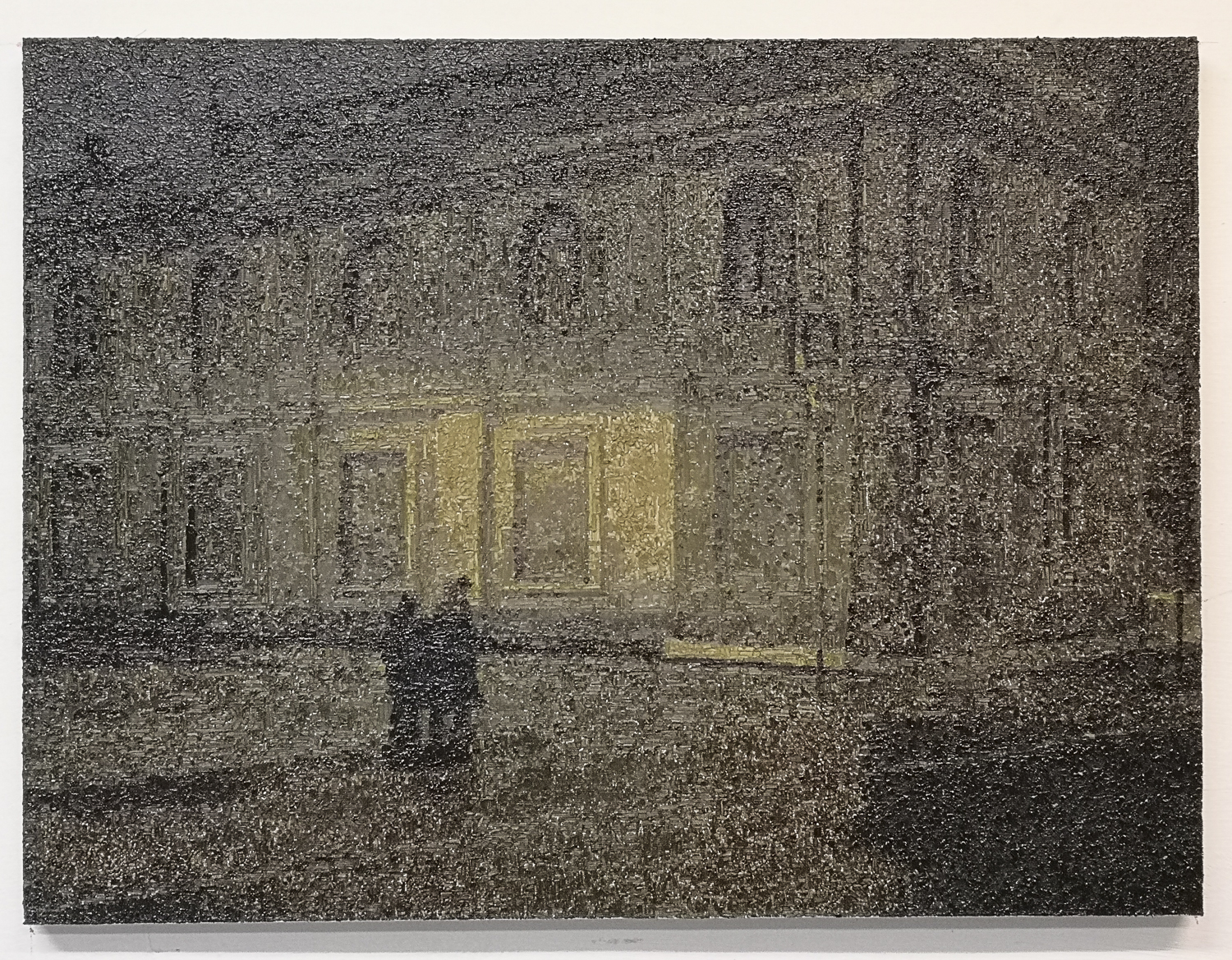
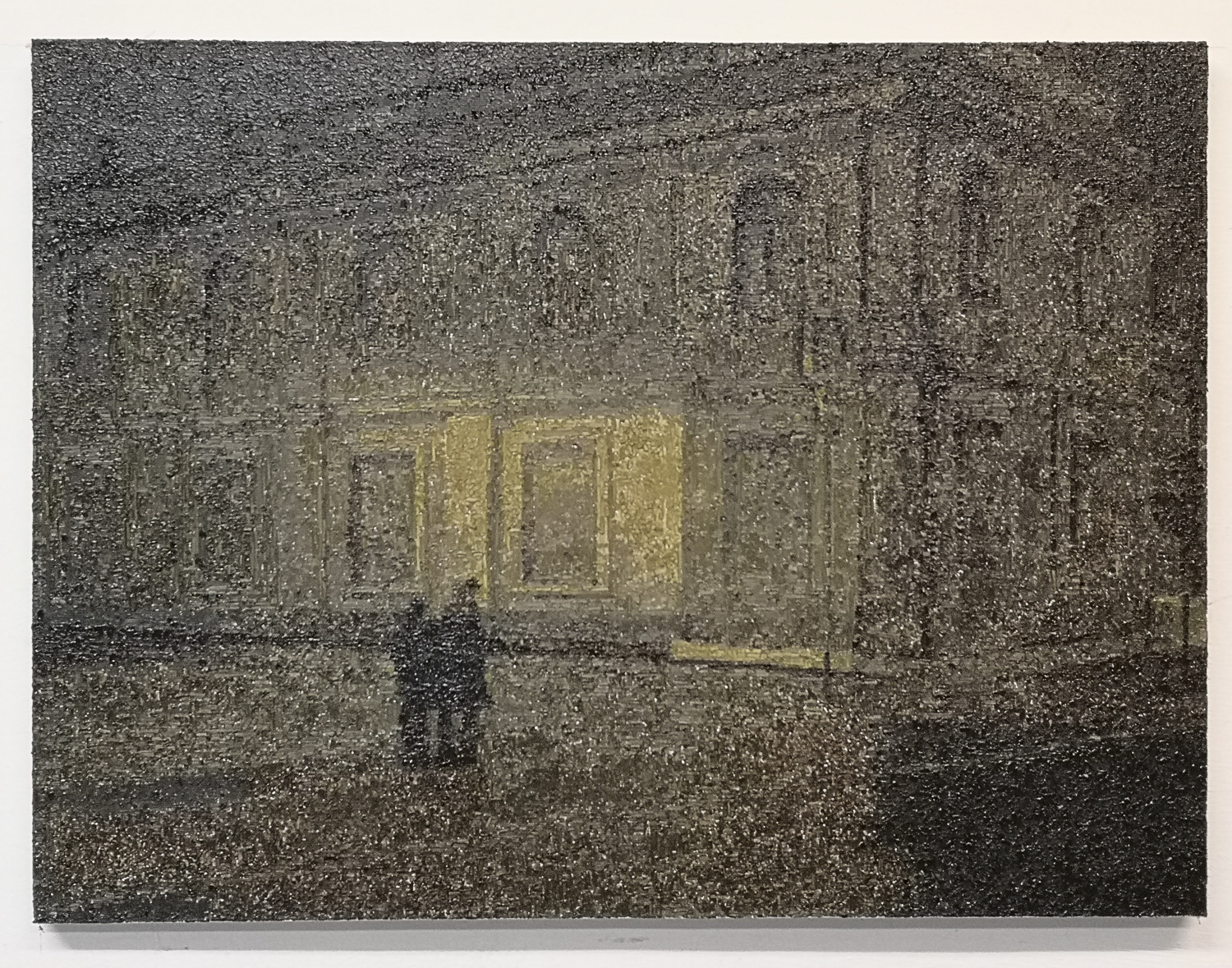
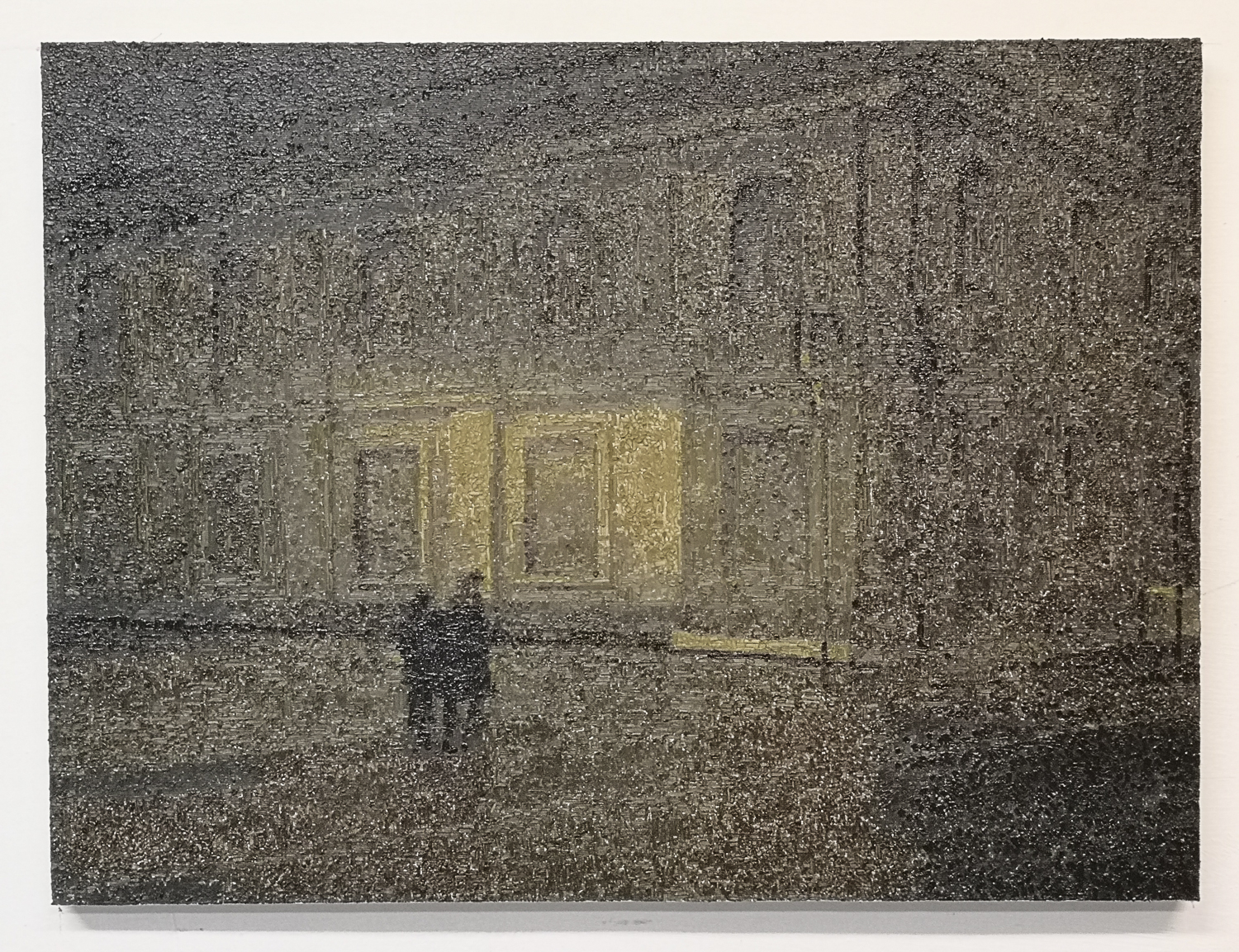
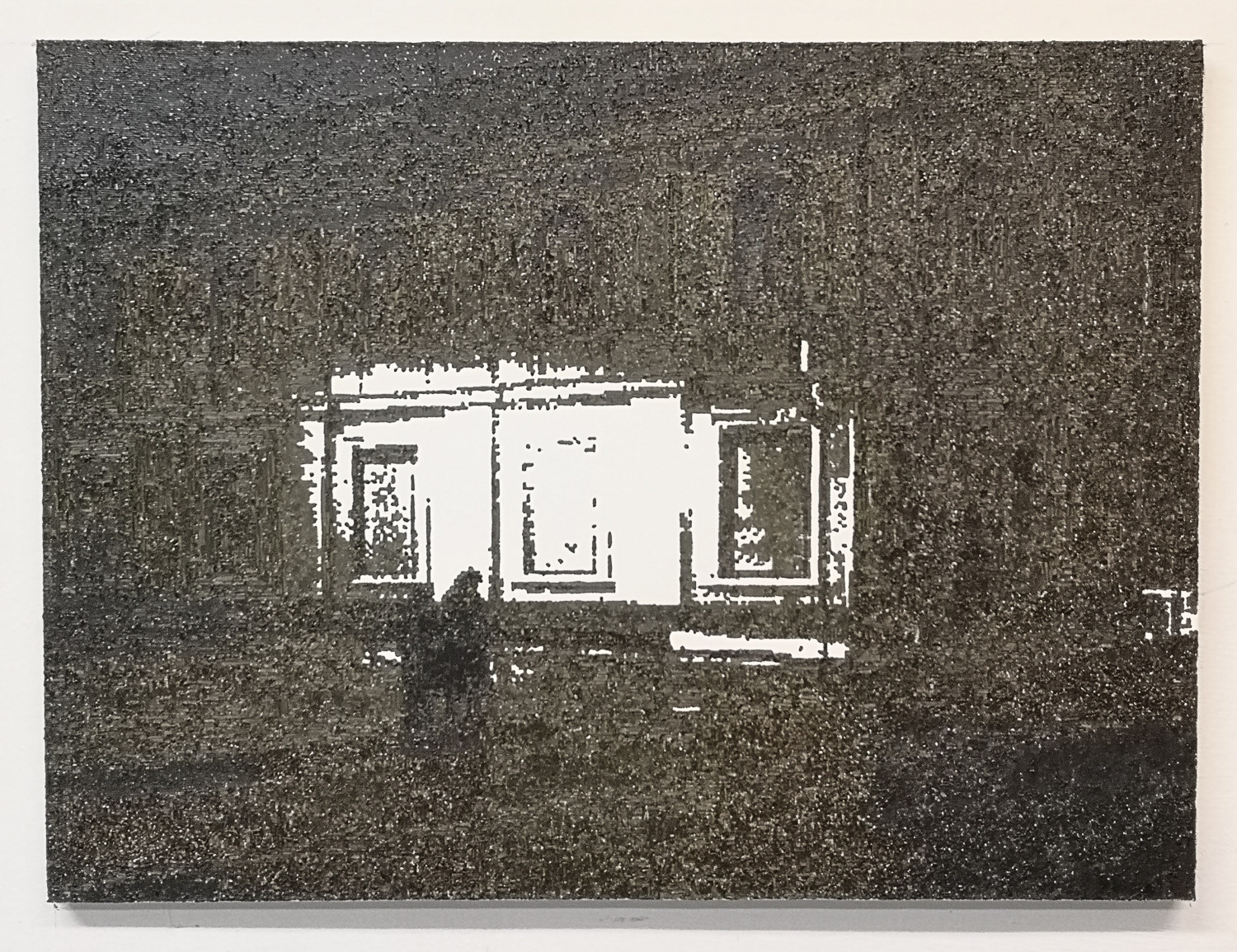
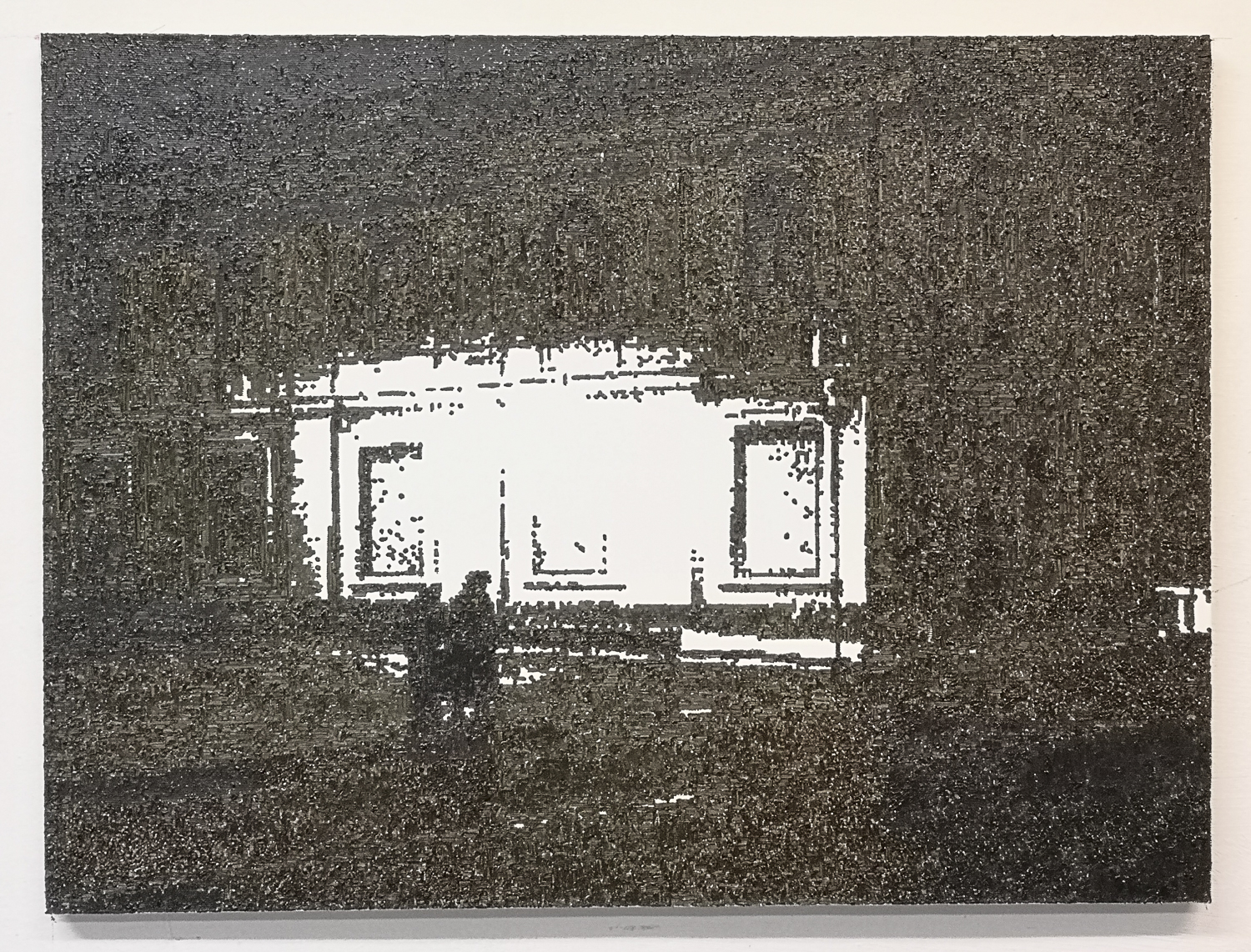
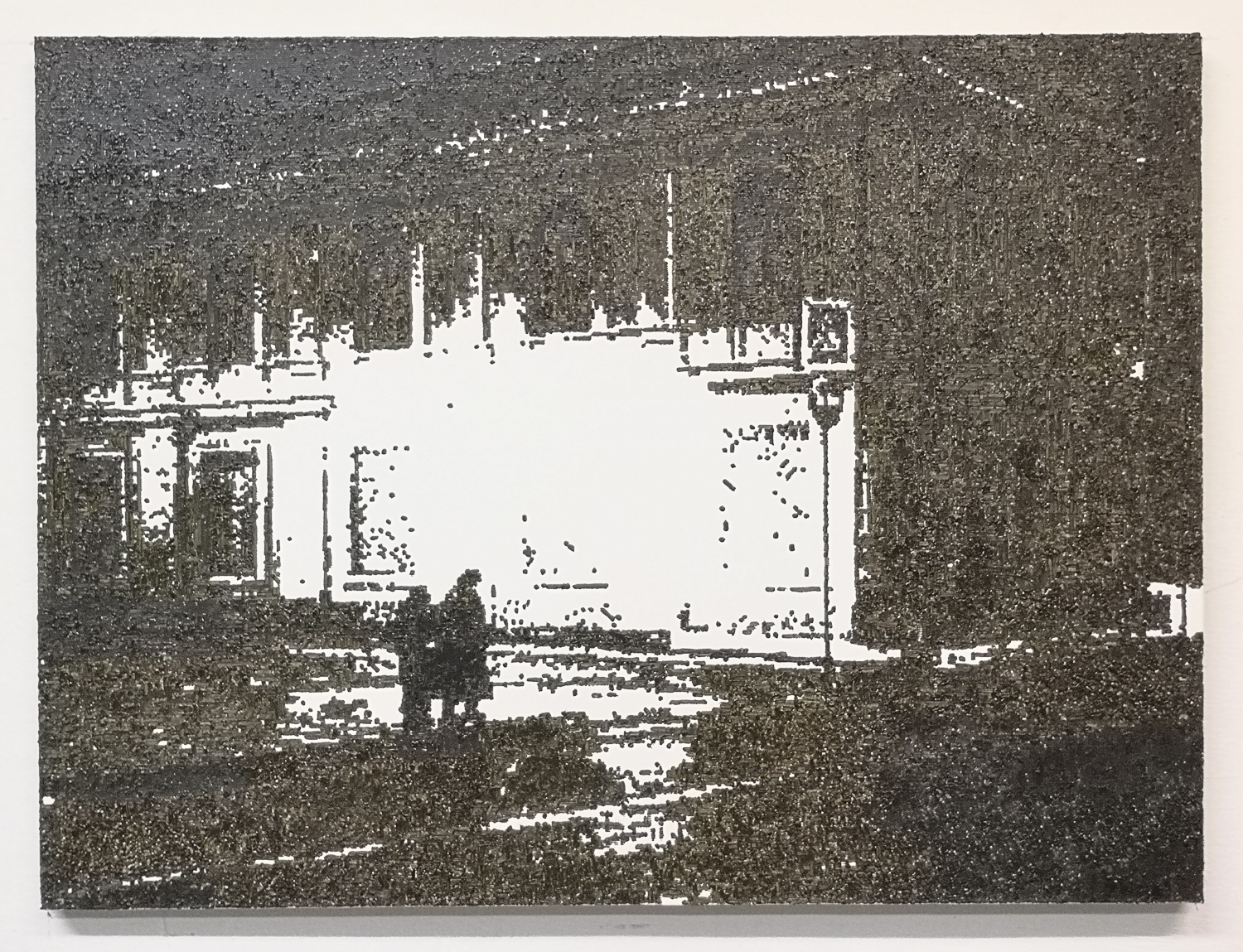
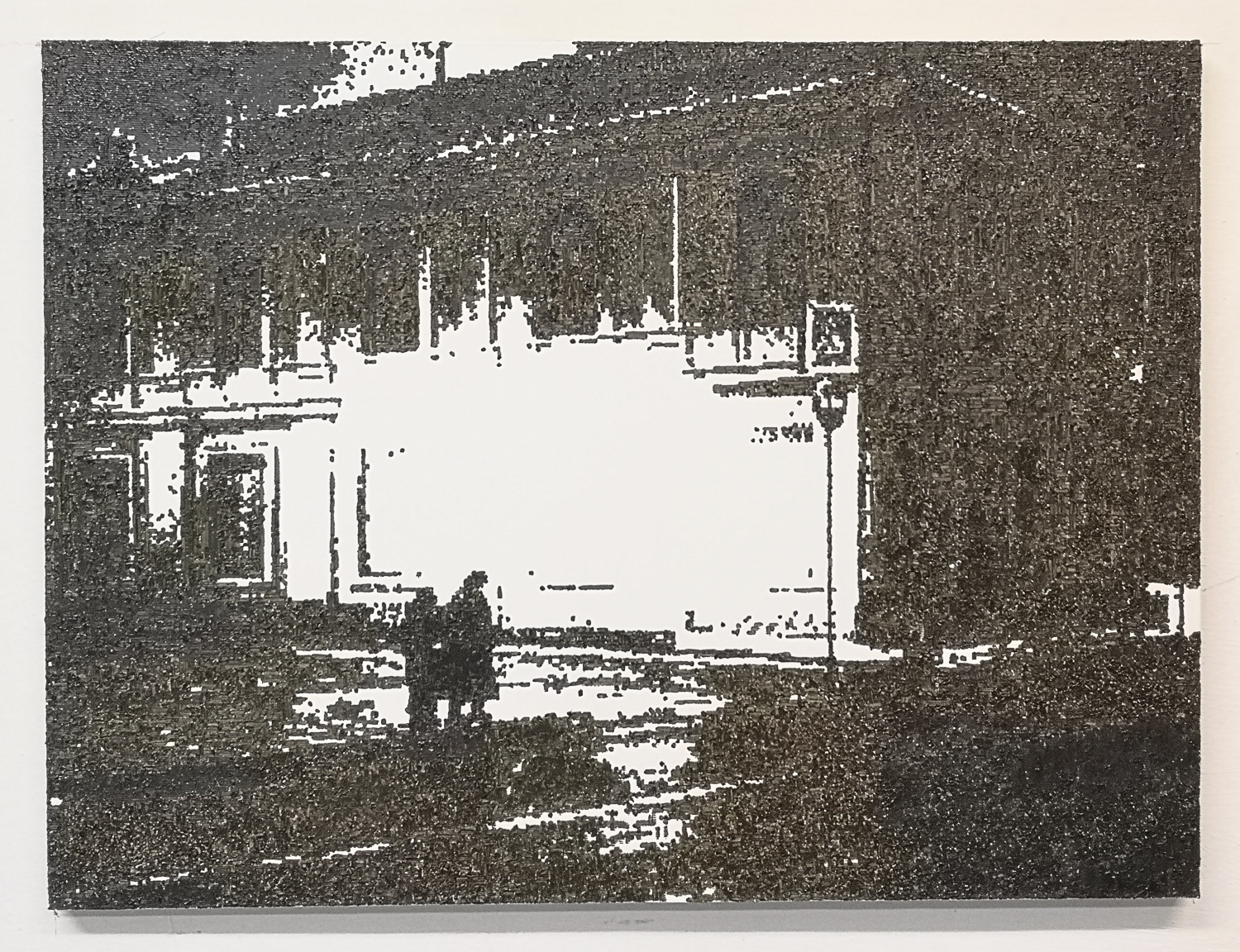
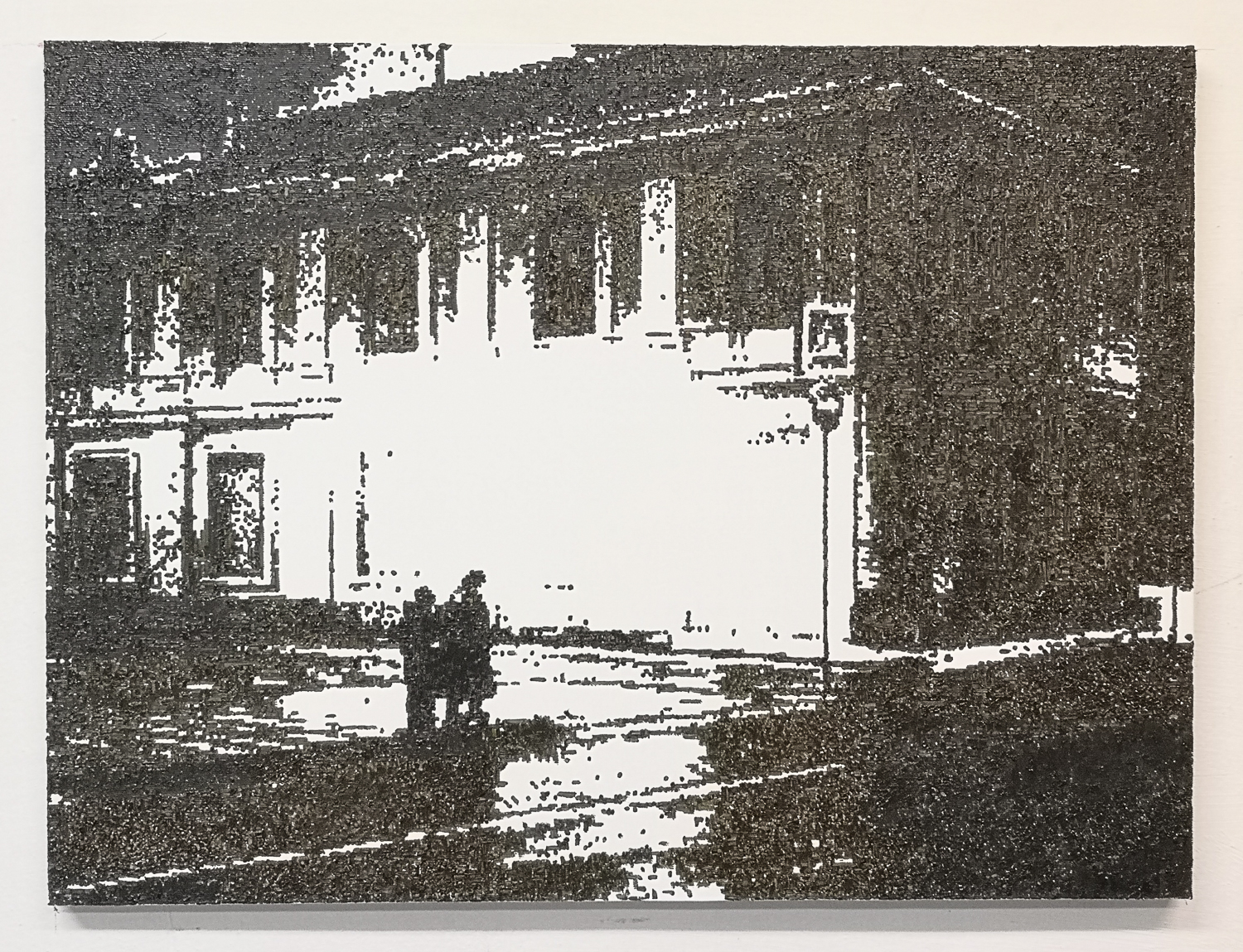
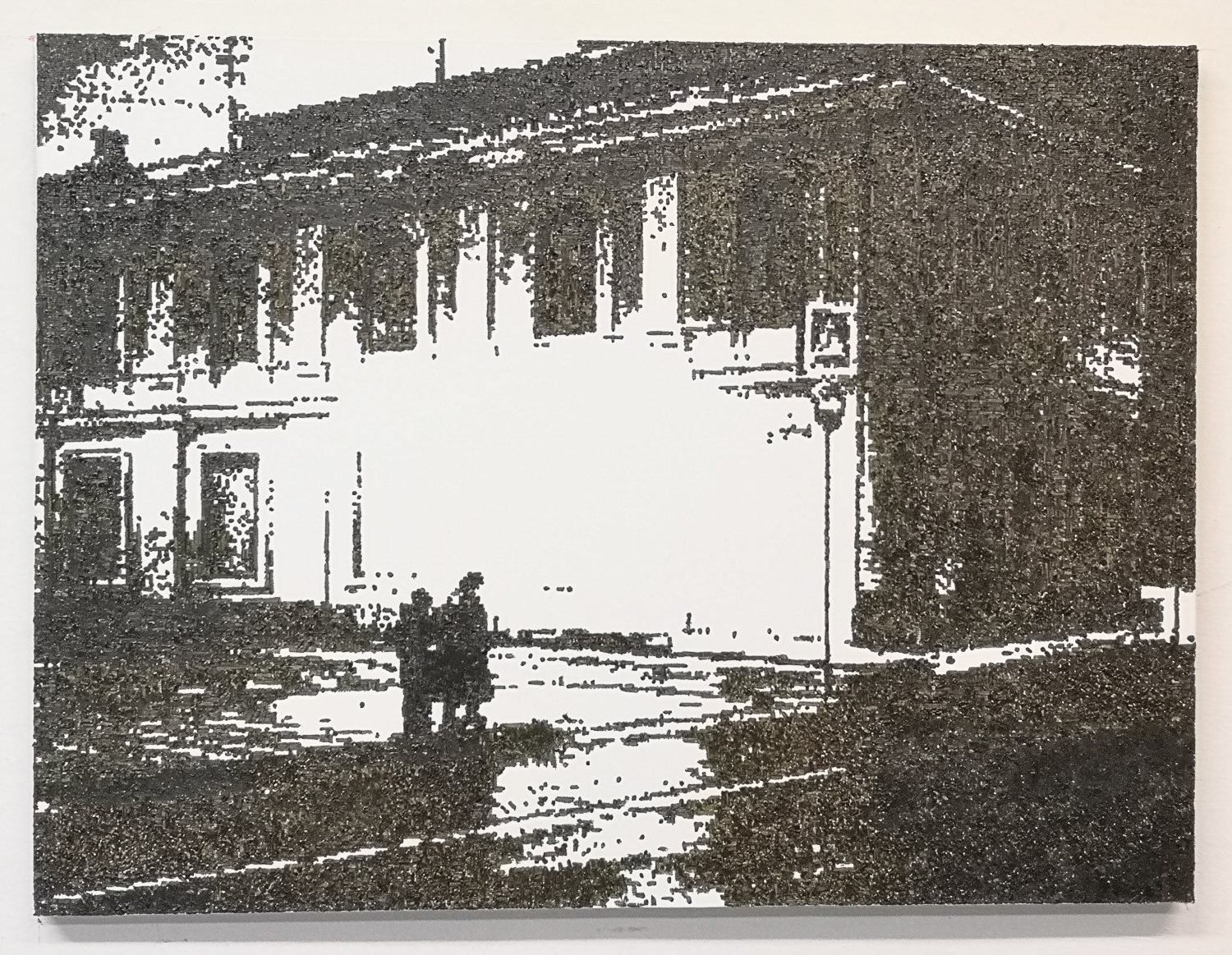
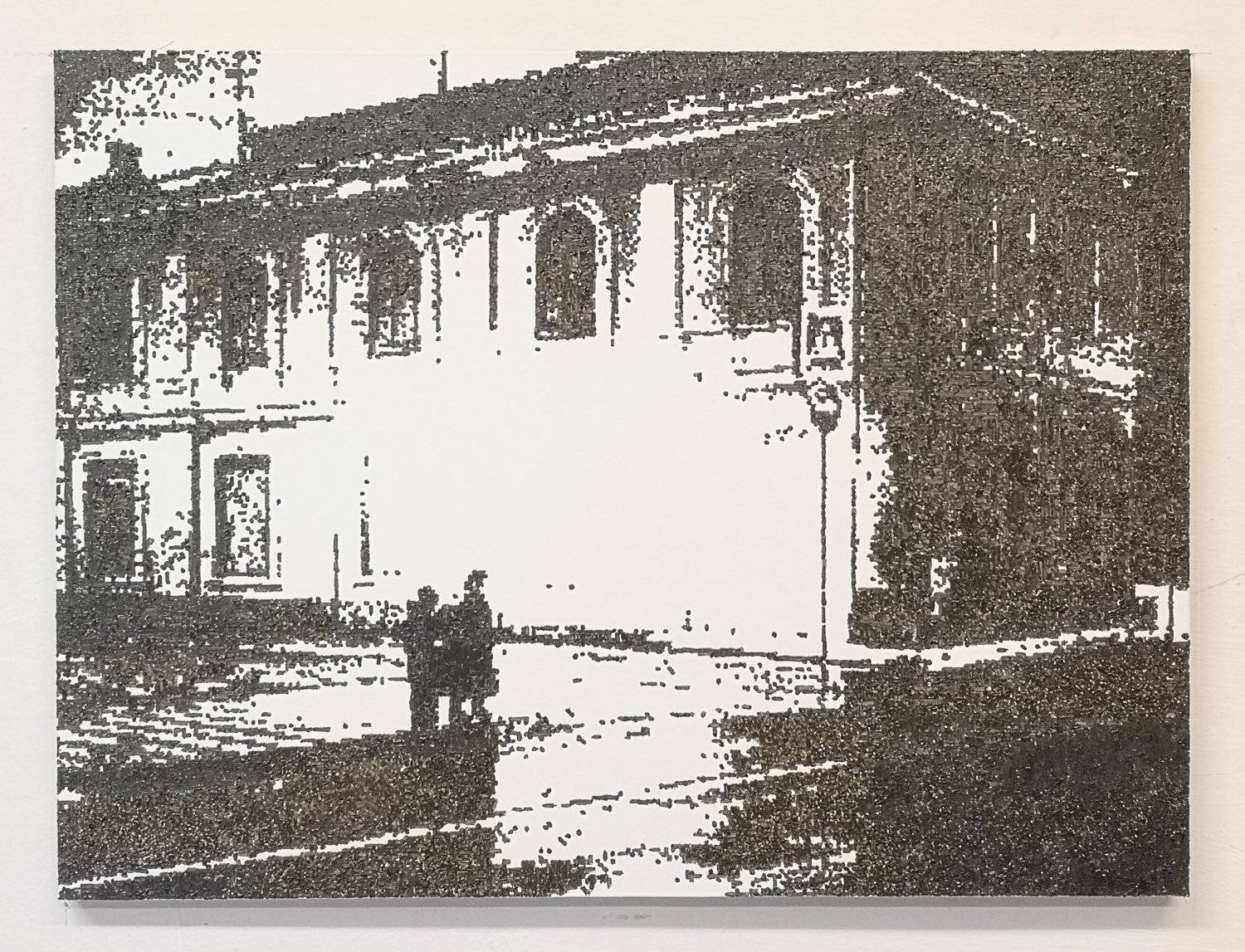
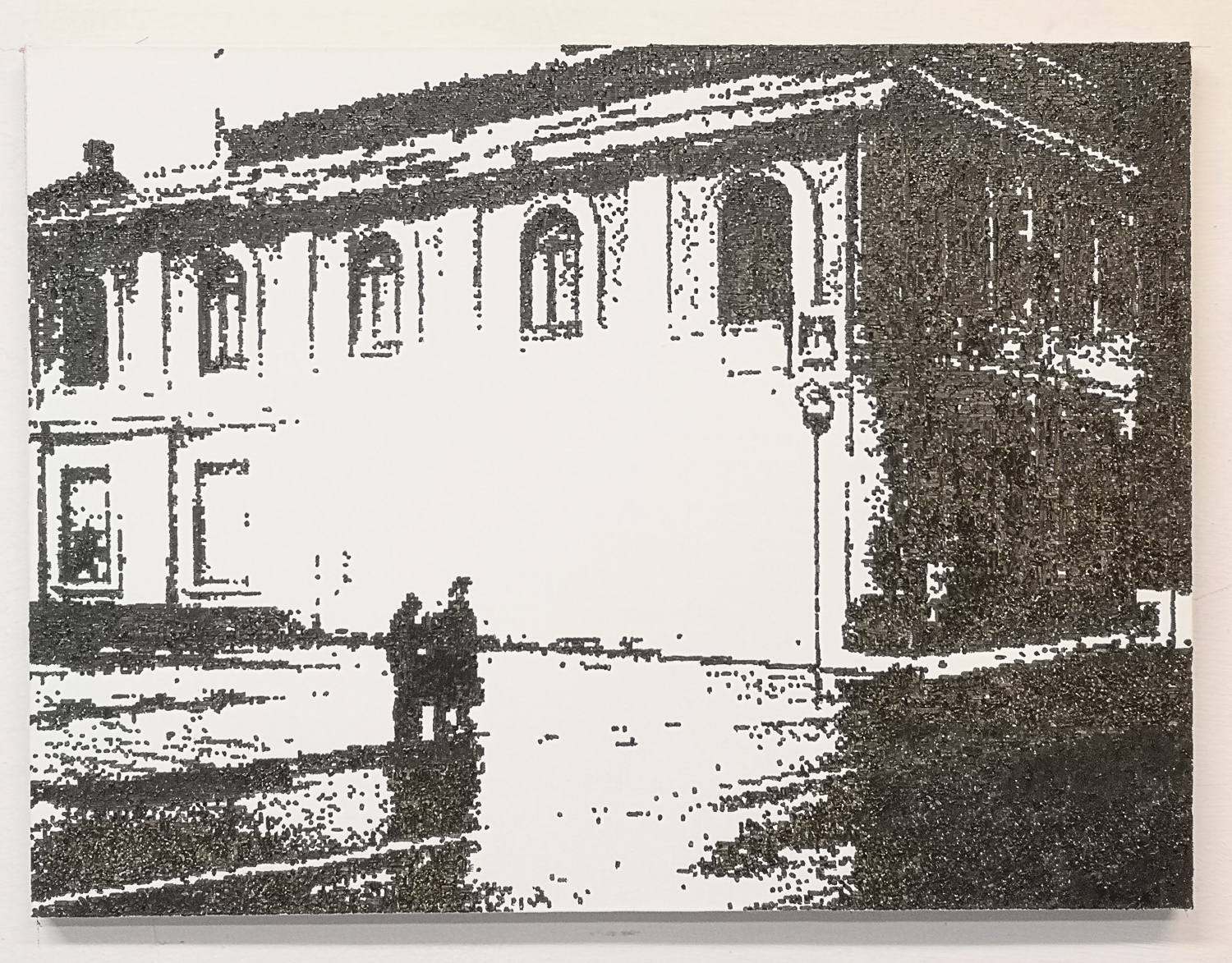
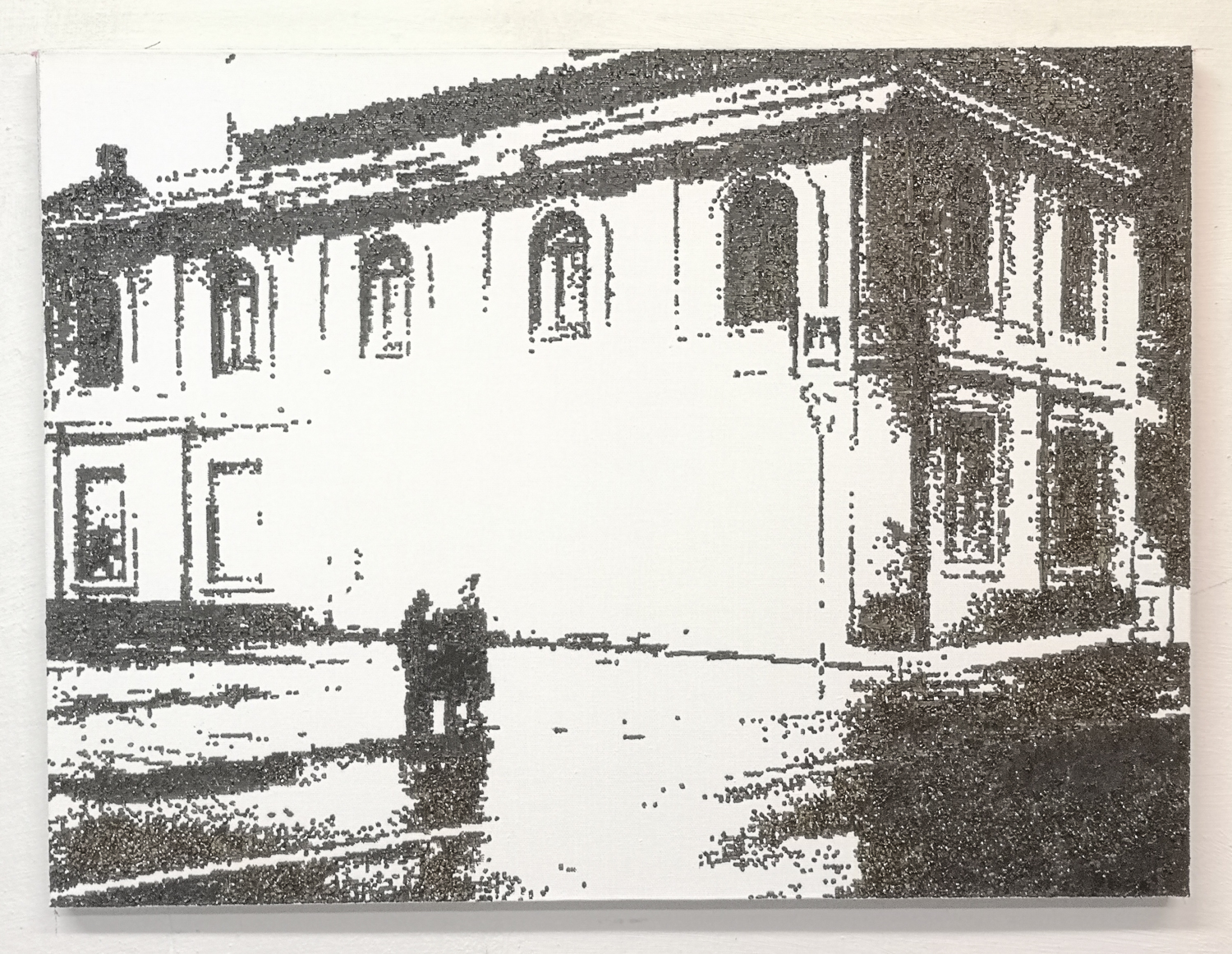
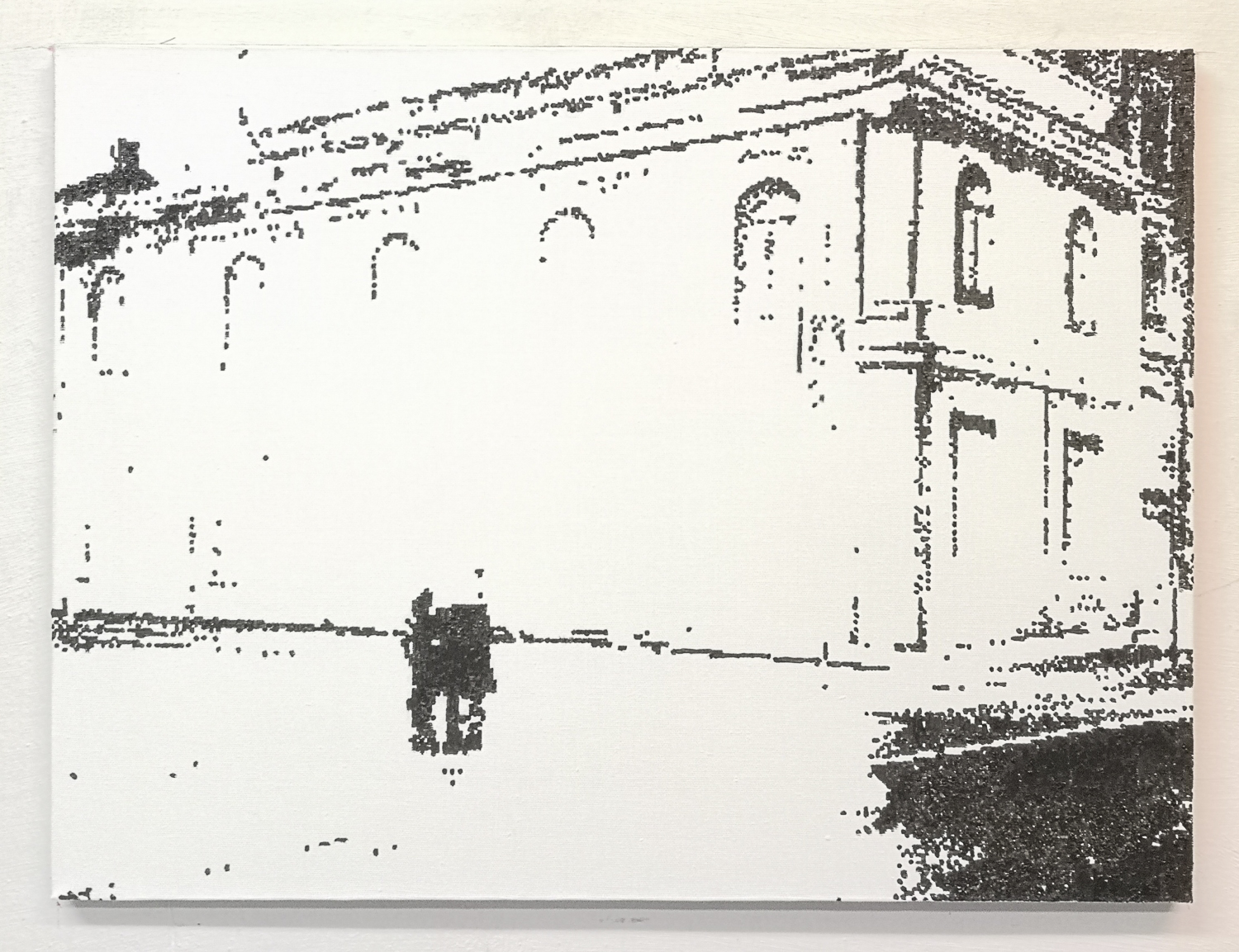
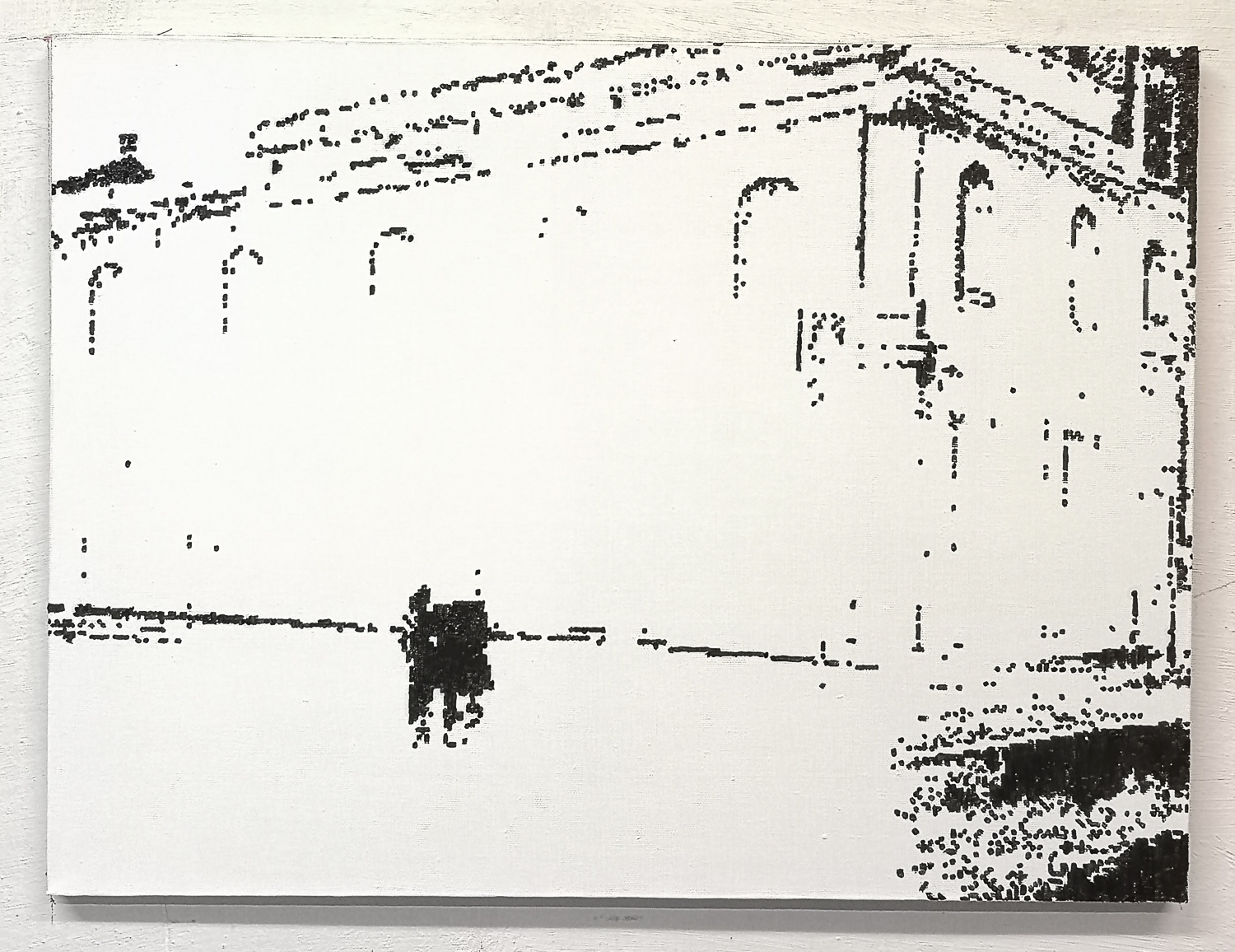
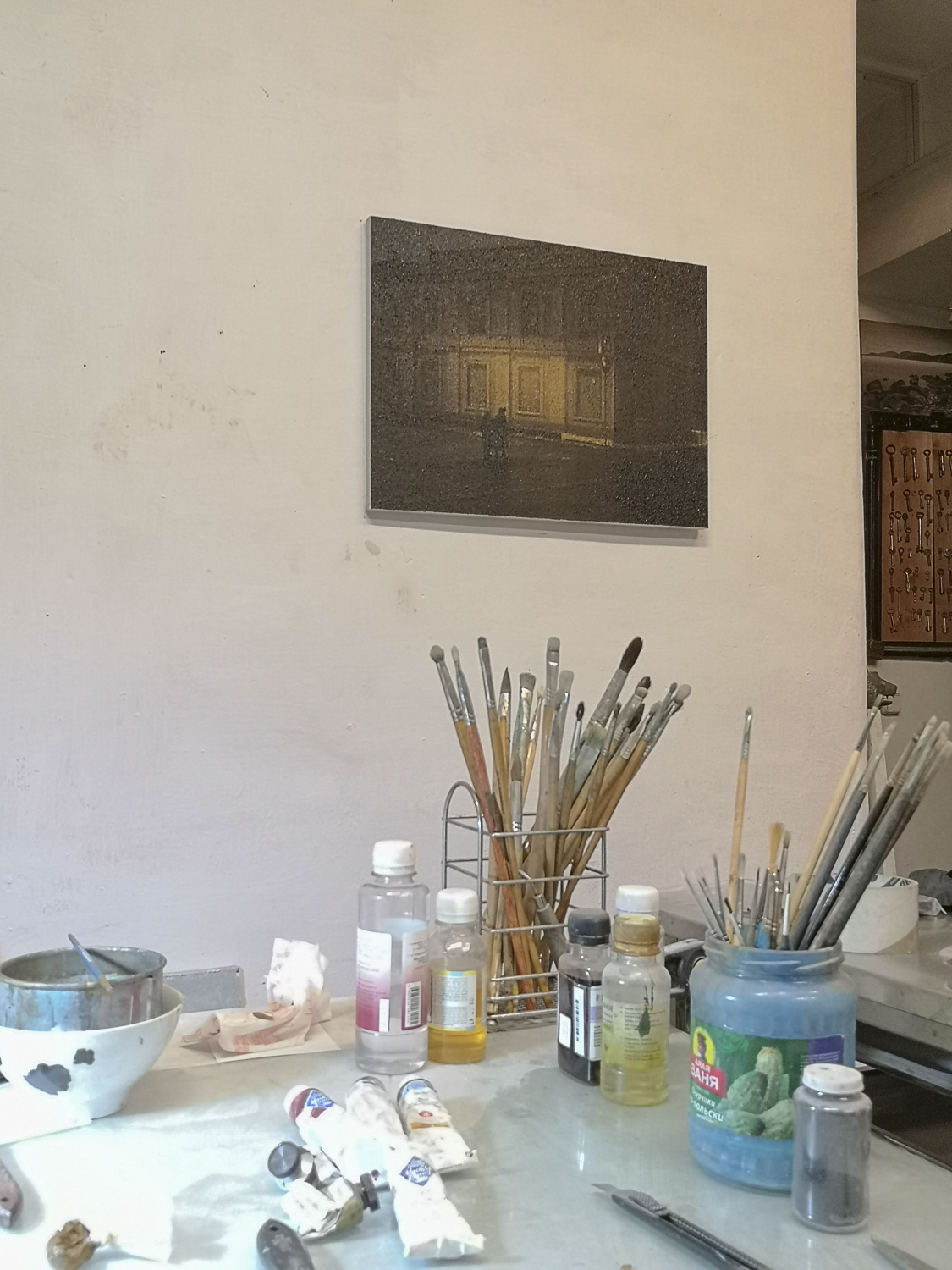
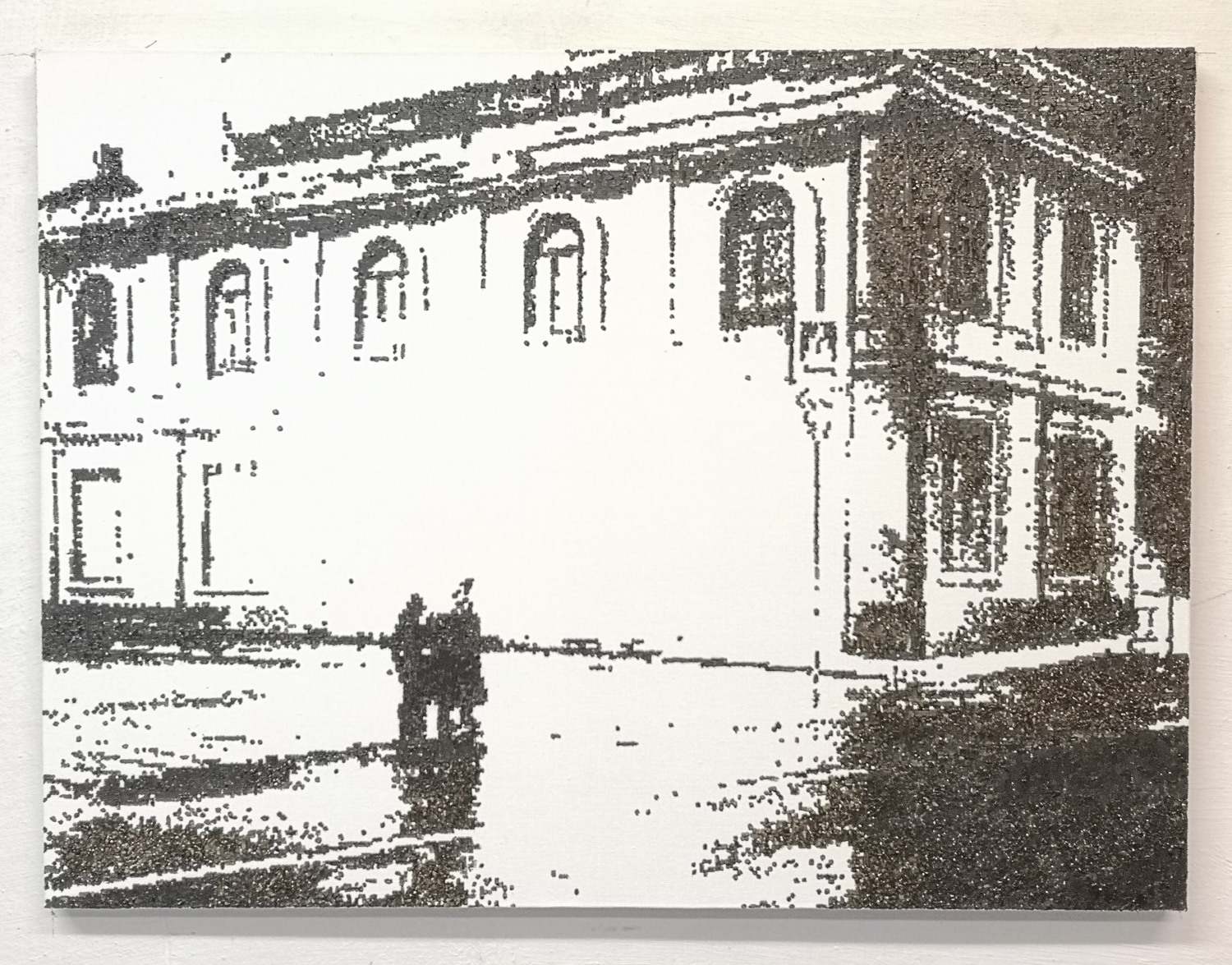
Представленная работа является частью серии «Квантовый проект», которая сочетает скрупулезную технику художника и концептуальную глубину. Картина, созданная полностью кистью № 2, черпает вдохновение в изысканной красоте римских микромозаик. Каждый мазок кисти становится фрагментом большего целого, формируя целостное изображение с тактильной, мозаикоподобной текстурой.

Художник тщательно разработал индивидуальную палитру, основанную на принципах индексированного цвета. Этот подход позволяет произведению достичь гармоничного баланса оттенков и систематической структуры, напоминающей цифровую пикселизацию, но при этом сохраняющей органическую суть традиционной живописи. Продуманный выбор и нанесение цвета превращают каждый элемент в символ точности, предполагая взаимосвязь микро- и макромира.

«Квантовая живопись» как техника соединяет миры науки и искусства. Название «Квантовый проект» воплощает концептуальную основу этой серии. Каждая картина отражает сложность квантовых процессов, где порядок и хаос сосуществуют, а мельчайшие частицы формируют ткань вселенной. Этот инновационный подход побуждает зрителей вникнуть в соотношение между структурой, случайностью и восприятием.

Серия приглашает к созерцанию времени и пространства, предлагая медитативный опыт, сродни наблюдению бесконечных деталей в природе или космосе. Это прославление сложного и монументального, достигнутого через мельчайшие жесты кисти, откликающееся вечным традициям древнего мозаичного мастерства, одновременно раздвигая границы современного искусства.


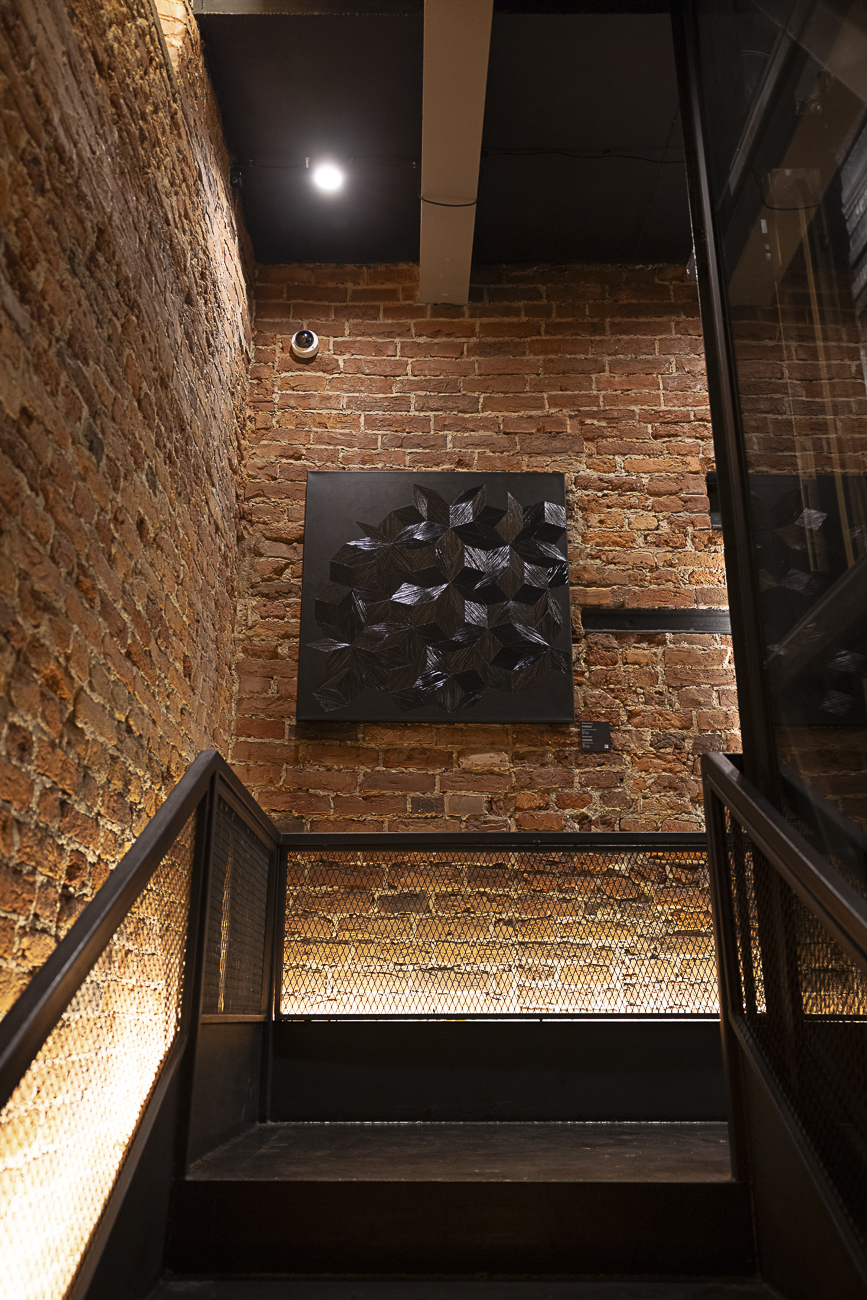
The presented artwork is part of the series “Quantum Project,” which combines the artist’s meticulous technique and conceptual depth. The painting, created entirely with a No. 2 brush, draws inspiration from the intricate beauty of Roman micro-mosaics. Each brushstroke becomes a fragment of a greater whole, forming a cohesive image with a tactile, mosaic-like texture.

The artist has meticulously developed a custom palette based on the principles of indexed color. This approach allows the artwork to achieve a harmonious balance of hues and a systematic structure, reminiscent of digital pixelation yet maintaining the organic essence of traditional painting. The deliberate selection and application of color transform each element into a symbol of precision, suggesting the interconnectivity of the micro and macro.

“Quantum Painting,” as a technique, bridges the worlds of science and art. The title “Quantum Project” encapsulates the conceptual underpinning of this series. Each painting reflects the complexity of quantum processes, where order and chaos coexist, and the smallest particles form the fabric of the universe. This innovative approach encourages viewers to delve into the relationship between structure, randomness, and perception.

The series invites contemplation of time and space, offering a meditative experience akin to observing the infinite detail in nature or the cosmos. It is a celebration of the intricate and the monumental, achieved through the smallest gestures of the brush, echoing the timeless traditions of ancient mosaic craftsmanship while pushing the boundaries of contemporary art.

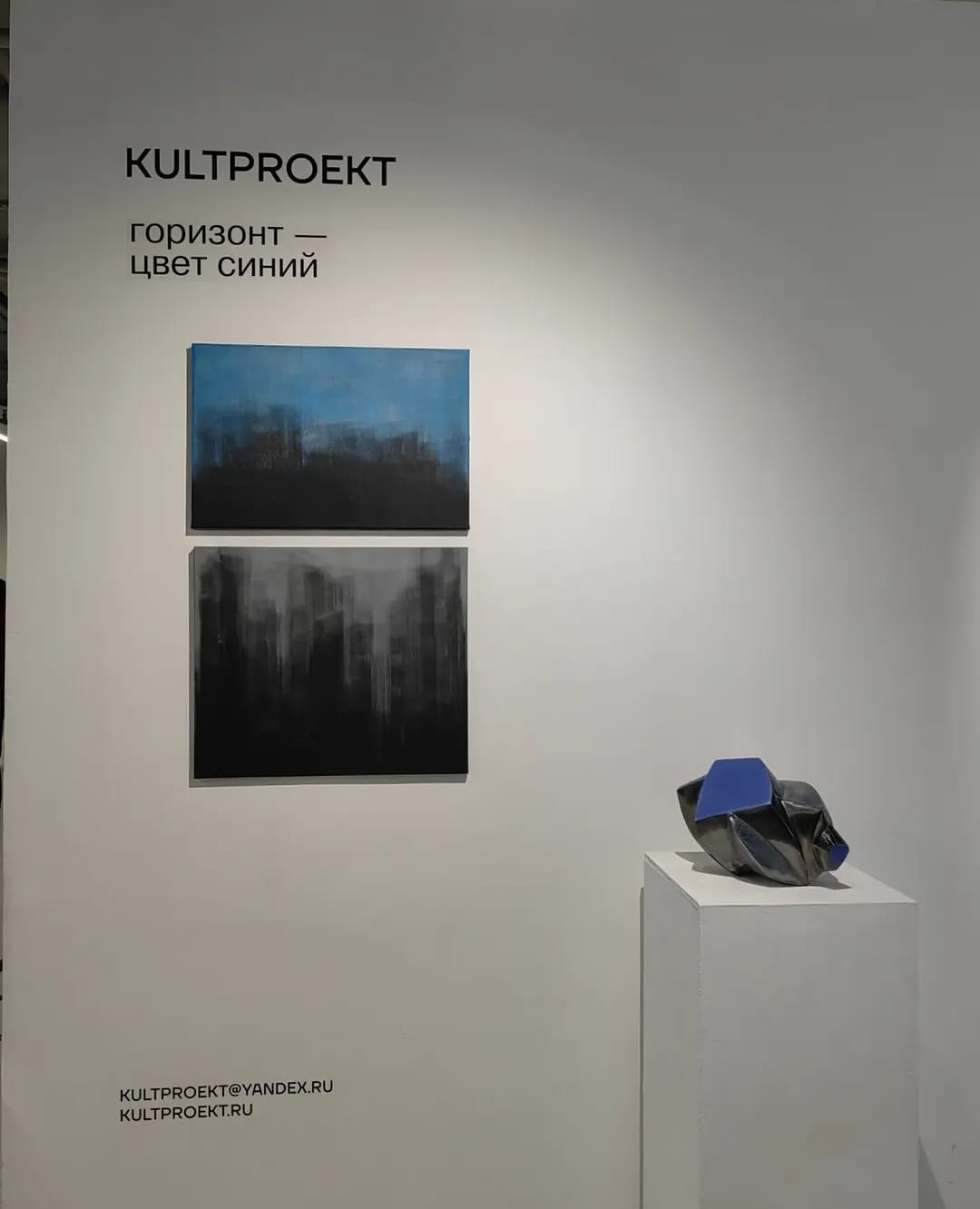
New group exhibition – “Horizon – The Color Blue”

Photo – Elena Rubinina

The Photographic Poetics of Fragmentation

Эссе Клайва Скотта: «Фотографическая поэтика фрагментации»

Эта фотография работает не только через свою образность, но через само восприятие, заставляя нас видеть сквозь её язык — язык разорванности, фрагментации и текстуры. Здесь действует особый подход к кадрированию: вместо того чтобы предложить зрителю законченную картину, она приглашает нас увидеть мир как совокупность визуальных элементов, каждый из которых несёт скрытое напряжение.

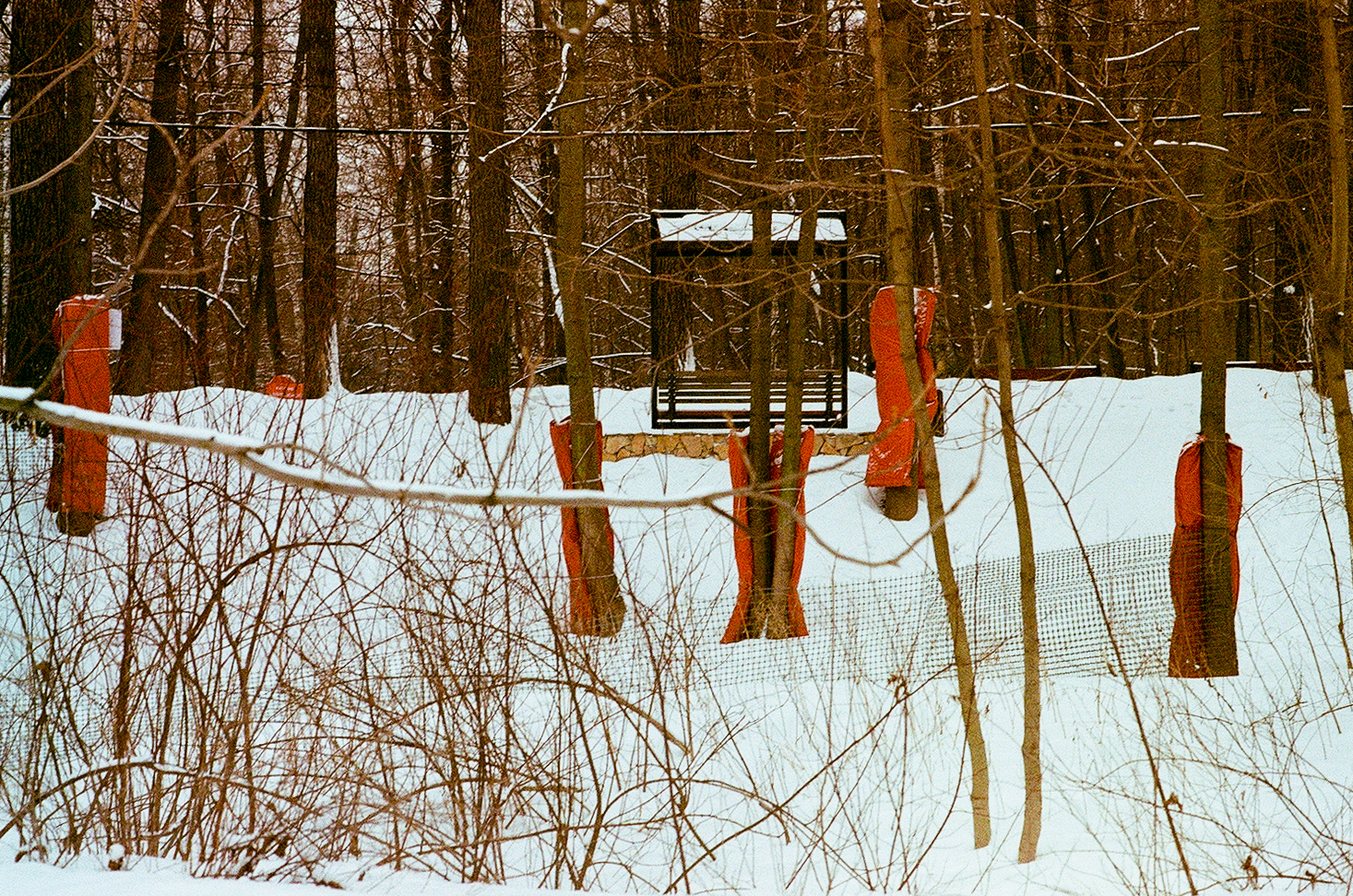
На переднем плане сплетение ветвей образует естественный хаос, частично скрывая сцену и оставляя её на грани откровения. За этим слоем возникает иначе структурированное пространство: строгие вертикали деревьев стоят как колонны, поддерживая ритм композиции. Их стволы обёрнуты красными защитными покрытиями — поразительный визуальный акцент, который нарушает монохромную гармонию зимнего леса. Красное здесь — это жест, утверждение — возможно, защиты, но оно также может быть прочитано как знак вторжения, изменения или насилия.

Фотография исследует границу между видимым и скрытым. Что находится за этими деревьями? Какую роль эта сцена играет в пространстве реального мира? Присутствие сетки на снегу и деревянного павильона указывает на место человеческого вмешательства — но в каком контексте? Мы не знаем, и изображение не предлагает ответов, лишь углубляя нашу вовлечённость в акт интерпретации.

Здесь фотография раскрывает свою сущность как фрагментарная форма искусства: она извлекает кусок реальности, но не заключает его в себе. Вместо этого она предлагает его как отправную точку для бесконечного повествования. Эта работа существует не только в своей визуальной плоскости, но и в сознании зрителя, где, следуя по путям её композиции, человек заполняет пробелы личными предположениями и ощущениями.

Это не просто изображение — это акт визуального мышления. Оно говорит на языке знаков, намёков и умолчаний, и в этом заключается его поэтическая сила.

#NikonFM2 #ПосмертныйВзгляд


Essay by Clive Scott: “The Photographic Poetics of Fragmentation”

This photograph operates not only through its imagery but through perception itself, compelling us to see through its language—a language of disjointedness, fragmentation, and texture. A distinct approach to framing is at work here: rather than offering the viewer a complete picture, it invites us to see the world as a collection of visual elements, each carrying an underlying tension.

In the foreground, a tangle of branches forms a natural chaos, partially obscuring the scene and leaving it on the verge of revelation. Beyond this layer, a differently structured space emerges: the strict verticals of trees stand like columns, supporting the rhythm of the composition. Their trunks are wrapped in red protective coverings—a striking visual accent that disrupts the monochromatic harmony of the winter forest. The red here is a gesture, a statement—perhaps one of protection, yet it may also be read as a sign of intrusion, alteration, or violence.

The photograph explores the boundary between the visible and the hidden. What lies beyond these trees? What role does this scene play in the space of the real world? The presence of a grid on the snow and a wooden pavilion suggests a place of human intervention—but in what context? We do not know, and the image offers no answers, only deepening our engagement in the act of interpretation.

Here, photography reveals its essence as a fragmentary art form: it extracts a piece of reality but does not enclose it within itself. Instead, it offers it as the starting point for an infinite narrative. This work exists not only in its visual plane but also in the viewer’s consciousness, where, following the pathways of its composition, one fills in the gaps with personal assumptions and sensations.
This is not just an image—it is an act of visual thinking. It speaks in the language of signs, suggestions, and omissions, and therein lies its poetic power.

#NikonFM2 #PosthumousGaze

Photography as a Witness to Time and Space (in the Spirit of John Szarkowski)

Фотография как свидетель времени и пространства (в духе Джона Жарковски)

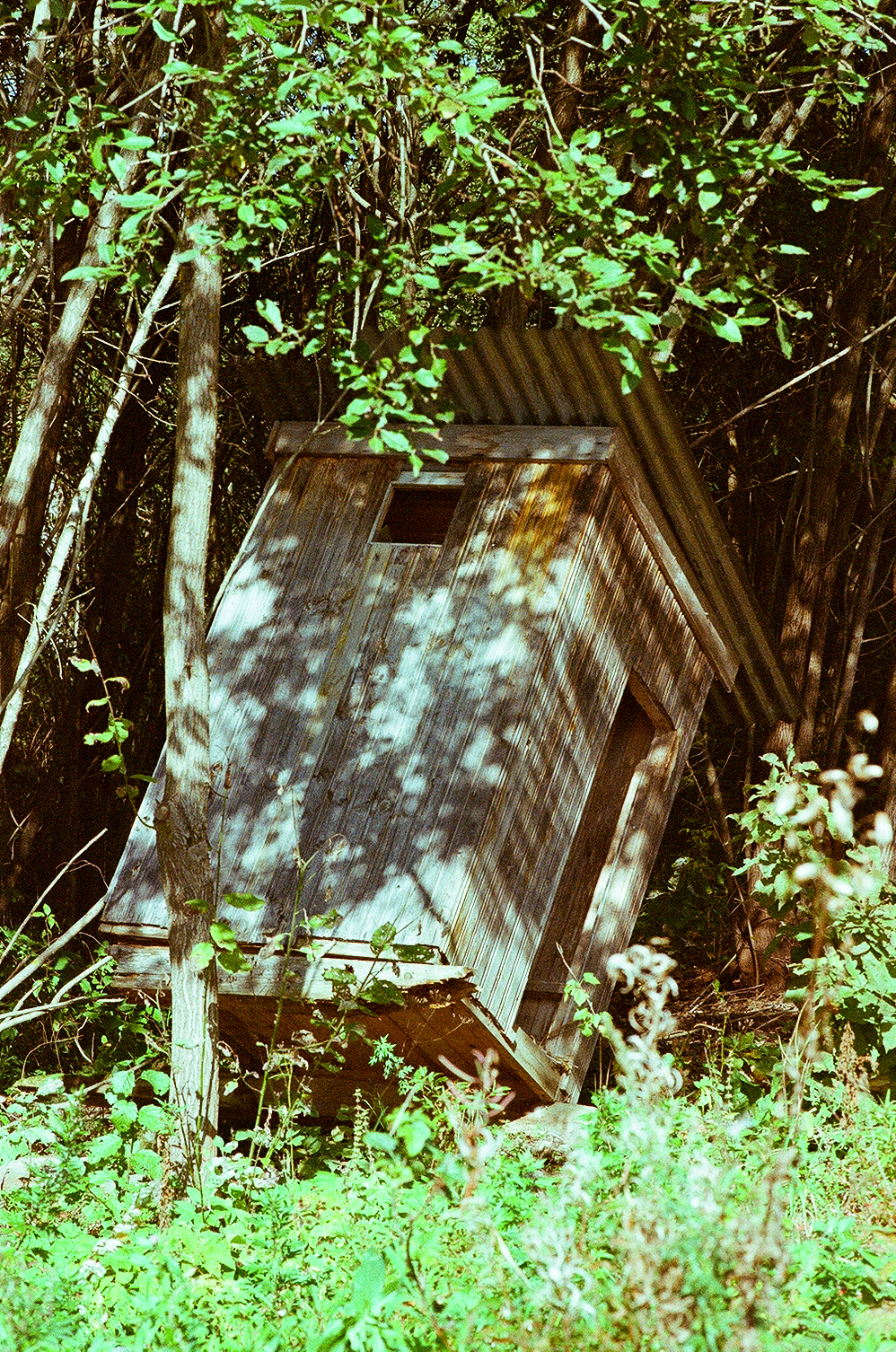
Фотография всегда была не просто средством запечатления реальности, но и способом раскрытия невидимых структур в обыденном. Это изображение — доказательство тому. На первый взгляд мы видим не более чем заброшенный сельский туалет, покосившийся и поглощённый зелёным хаосом растительности. Однако взгляд фотографа превращает его в нечто большее: символ, историю, свидетельство времени.

Я всегда считал, что одна из важнейших функций фотографии — не просто документировать, но интерпретировать. Здесь композиция играет с напряжением между созданным человеком объектом и природой, возвращающей его себе. Вертикальные линии деревьев вступают в диалог с наклонной геометрией деревянной структуры, создавая ощущение движения — словно природа постепенно возвращает себе то, что когда-то было частью человеческой повседневной жизни.

Этот объект, некогда служивший утилитарной цели, теперь отброшен за границы усадьбы, стоя на пороге между цивилизацией и дикой природой. В этом есть странная поэзия: объект, который когда-то был неотъемлемой частью повседневной жизни, стал устаревшим, лишённым своей функции, ожидающим окончательного растворения в окружающем ландшафте.

Фотография запечатлевает момент этой трансформации, одновременно напоминая нам о непостоянстве всех вещей и их неизбежном возвращении к изначальному хаосу. Это изображение вызывает в памяти работы Уильяма Эгглстона и его способность обнаруживать красоту и смысл в самых неожиданных, даже банальных предметах. В конце концов, великая фотография не просто показывает — она позволяет нам видеть.

#NikonFM2 #ПосмертныйВзгляд


Photography as a Witness to Time and Space (in the Spirit of John Szarkowski)

Photography has always been not just a means of capturing reality but also a way of revealing the invisible structures within the ordinary. This image is proof of that. At first glance, we see nothing more than an abandoned rural outhouse, leaning and engulfed by the green chaos of vegetation. Yet the photographer’s gaze transforms it into something more: a symbol, a story, a testament to time.

I have always believed that one of photography’s most essential functions is not merely to document but to interpret. Here, composition plays with the tension between the man-made object and the nature reclaiming it. The vertical lines of the trees engage in a dialogue with the slanted geometry of the wooden structure, creating a sense of movement—as if nature is gradually reclaiming what was once part of human daily life.

This object, once serving a utilitarian purpose, has now been discarded beyond the boundaries of the homestead, standing at the threshold between civilization and wilderness. There is a strange poetry in this: an object that was once an essential part of everyday life has become obsolete, stripped of its function, awaiting its final dissolution into the surrounding landscape.
Photography captures the moment of this transformation, simultaneously reminding us of the impermanence of all things and their inevitable return to primordial chaos. This image brings to mind the works of William Eggleston and his ability to uncover beauty and meaning in the most unexpected, even banal, subjects. In the end, a great photograph does not merely show—it allows us to see.

#NikonFM2 #PosthumousGaze

Essay by Architectural Critic Sylvia Lavin

Эссе архитектурного критика Сильвии Лавин: «Архитектура руины и укрощённая энтропия»

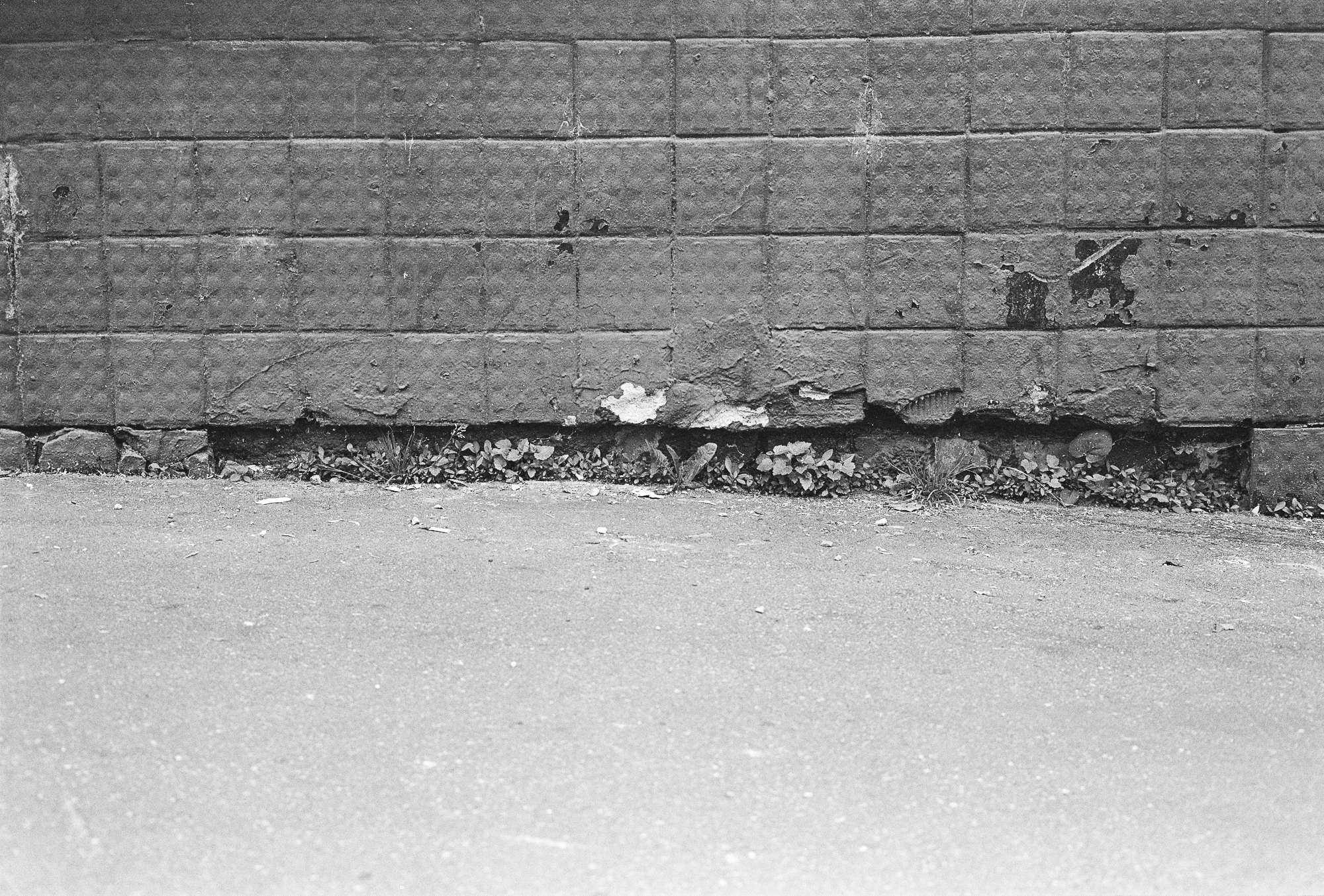
Эта фотография — редкое свидетельство архитектурной энтропии, застывшей в моменте, когда распад и обновление существуют в хрупком равновесии. Здесь городская стена — некогда спроектированная как строго рациональная поверхность, облицованная геометрически упорядоченными панелями — вступает в диалог с природой, которая возвращает себе пространство.

Эта сцена — не драматическая катастрофа, а скорее иллюстрация медленной дезинтеграции, где границы между архитектурным и органическим растворяются. Повреждённая облицовка обнажает внутренние слои структуры, раскрывая скрытую уязвимость городской ткани. В трещинах, оставленных осыпающейся штукатуркой, начинает расти трава — скромный, но решительный акт сопротивления.

Фотография отвергает традиционную иерархию объектов: здесь нет целого здания, нет панорамного вида на улицу или её окружение. Вместо этого кадр запечатлевает фрагмент — детали, которые обычно остаются за пределами архитектурной фотографии, но несут важнейшее свидетельство процессов, разворачивающихся в пространстве. В этом смысле изображение напоминает практику архитектурных критиков, которые исследуют не только завершённые формы, но и их нестабильные состояния, трансформации, происходящие вне контроля архитектора.

Это изображение можно рассматривать как часть более широкой дискуссии об архитектуре пост-антропоцена — той, что не борется с природой, но сосуществует с ней, позволяя ей модифицировать и переосмысливать городскую среду. Здесь нет ностальгии по утраченной целостности здания, есть лишь внимательное наблюдение за его новой жизнью — жизнью в руинах, жизнью среди сорняков, жизнью, которая продолжается даже тогда, когда архитектура перестаёт служить своей первоначальной функции.

#Fujica6x9 #ПосмертныйВзгляд


Essay by Architectural Critic Sylvia Lavin: “The Architecture of Ruin and Tamed Entropy”

This photograph is a rare testament to architectural entropy, frozen in a moment where decay and renewal exist in fragile equilibrium. Here, an urban wall—once designed as a strictly rational surface, clad in geometrically ordered panels—enters into dialogue with nature, which is reclaiming the space.

This scene is not one of dramatic catastrophe but rather an illustration of slow disintegration, where the boundaries between the architectural and the organic dissolve. The damaged cladding exposes the inner layers of the structure, revealing the hidden vulnerability of the urban fabric. In the cracks left by the crumbling plaster, grass begins to grow—a modest yet resolute act of resistance.

The photograph rejects the conventional hierarchy of objects: there is no intact building, no expansive view of the street or its surroundings. Instead, the frame captures a fragment—details that typically remain outside the scope of architectural photography yet bear crucial evidence of the processes unfolding within space. In this sense, the image recalls the practice of architectural critics who examine not only completed forms but also their unstable states, the transformations that occur beyond the architect’s control.

This image can be seen as part of a broader discussion on post-Anthropocene architecture—one that does not fight against nature but coexists with it, allowing it to modify and reinterpret the urban environment. There is no nostalgia here for the lost wholeness of a building, only a careful observation of its new life—a life in ruins, a life among weeds, a life that continues even when architecture ceases to serve its original function.

#Fujica6x9 #PosthumousGaze

An Essay from the Perspective of Alain Badiou

Эссе Алена Бадью: «Форма, событие, истина»

Эта фотография не спрашивает нас, что мы видим, а скорее — как структурируется само видение. Здесь, в центре открытого ландшафта, стоит пустая рама — лишённая собственного содержания, но превращённая в место для истины. Это не просто рама, но событие, которое организует пространство и заставляет нас усомниться в его естественности.

В традиции платонической философии истина никогда не даётся нам напрямую — она требует конструирования, опосредования. Эта рама — структура, которая обозначает отсутствие, но именно через это отсутствие она раскрывает сам процесс различения: что внутри, а что снаружи? Отличается ли поле внутри рамы от того, что его окружает? Нет, и всё же мы начинаем видеть его иначе.

Так рождается событие — внезапный разрыв в порядке видимого. Мы оказываемся в ситуации, где искусственное создаёт условия для нового восприятия реального. Поле, которое всегда было полем, теперь превращается в знак. Граница между ландшафтом и его репрезентацией становится нестабильной, и мы оказываемся внутри этой двойственности, не в силах определить, где именно проходит черта между искусством и миром.

Важно здесь не только то, что изображено, но и сам акт обрамления. Это не жест власти, не упорядочивание хаоса, а скорее вызов — приглашение зрителю осознать, что всякое видение есть выбор, что истина никогда не даётся нам напрямую, но всегда возникает через разрыв, через событие, которое реорганизует наши структуры восприятия.

В этом смысле фотография не просто документирует реальность; она играет с ней, раскрывая то, что иначе осталось бы незамеченным в повседневной жизни. Она становится актом мысли и, следовательно, пространством для истины.

#NikonFM2 #ПосмертныйВзгляд


Essay by Alain Badiou: “Form, Event, Truth”

This photograph does not ask us what we see but rather how seeing itself is structured. Here, at the center of an open landscape, stands an empty frame—devoid of its own content, yet transformed into a site for truth. It is not merely a frame but an event, one that organizes space and compels us to question its naturalness.

In the tradition of Platonic philosophy, truth is never given to us directly—it requires construction, mediation. This frame is a structure that marks an absence, yet through this very absence, it reveals the process of distinction itself: what is inside, and what is outside? Does the field within the frame differ from what surrounds it? No, and yet we begin to see it differently.

This is how an event is born—a sudden rupture in the order of the visible. We find ourselves in a situation where the artificial creates the conditions for a new perception of the real. The field, which has always been a field, is now transformed into a sign. The boundary between landscape and its representation becomes unstable, and we find ourselves inside this duality, unable to determine where exactly the line between art and the world is drawn.

What matters here is not only what is depicted but also the very act of framing. This is not a gesture of authority, not an ordering of chaos, but rather a challenge—an invitation for the viewer to recognize that all vision is a choice, that truth is never given to us directly but always emerges through rupture, through an event that reorganizes our structures of perception.

In this sense, photography does not merely document reality; it plays with it, revealing what would otherwise remain unnoticed in everyday life. It becomes an act of thought and, therefore, a space for truth.

#NikonFM2 #PosthumousGaze

New Exhibition at Wynwood Hotel

Lost in Transition: новая выставка в Wynwood Hotel

Выставка Lost in Transition в Wynwood Hotel играет с концепцией отеля как места, которое становится свидетелем внутренней трансформации и эмоционального обновления путешественника в новом городе. Впечатления напрямую связаны с обострёнными чувствами: «другое» пробуждает взгляд, который остро улавливает необычные детали, обостряет слух, настроенный на забытые мелодии. Все эти разрозненные образы, хаотично накопленные в течение дня, пересекаются в воображении и просачиваются в сны, смешиваясь с реальностью в первые мгновения после пробуждения. Мгновение до того, как память реконструирует события прошедшего дня и связывает их с настоящим, почти неуловимо — но оно задерживается, близкое к ощущению потерянности, к тому мимолётному моменту дезориентации.

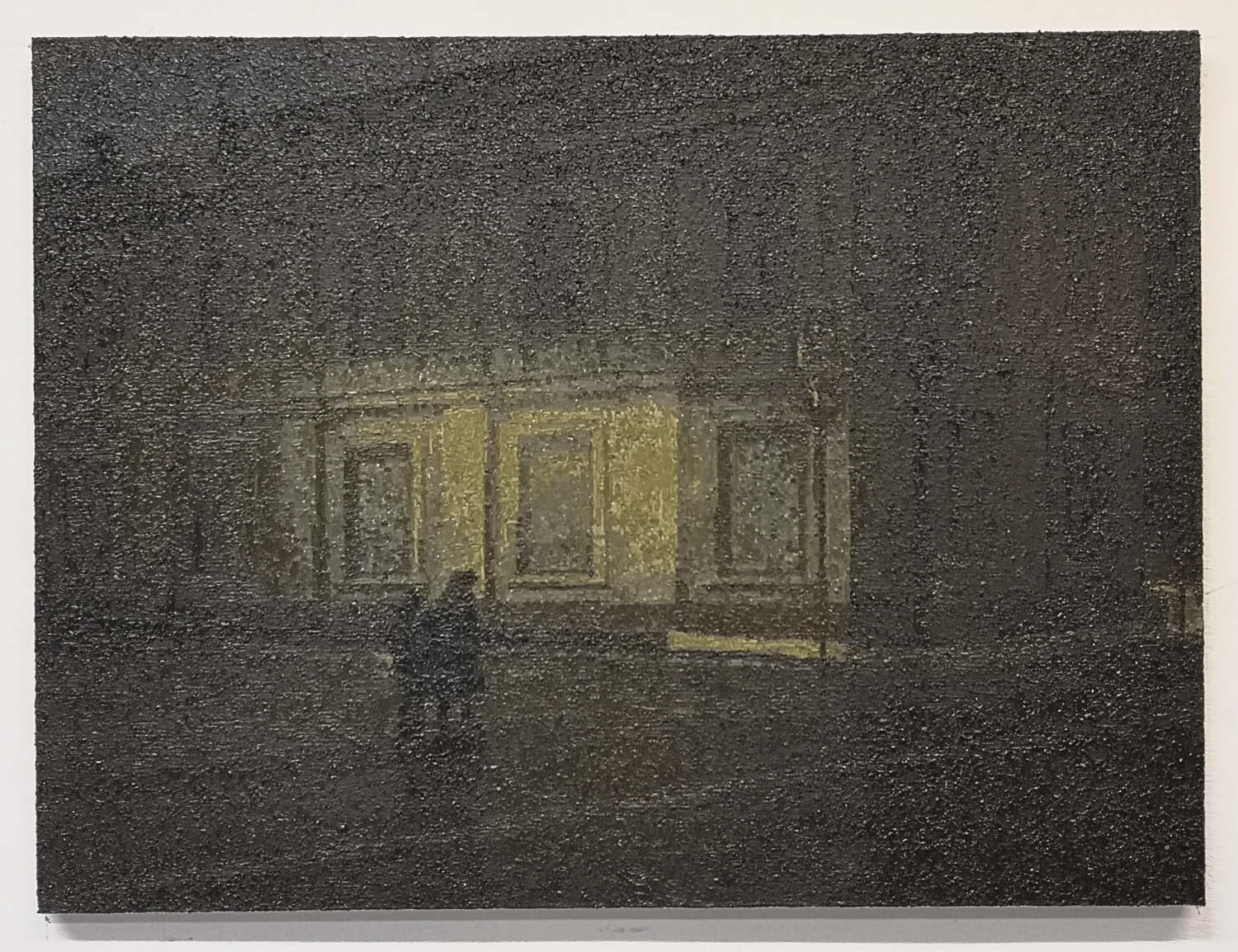
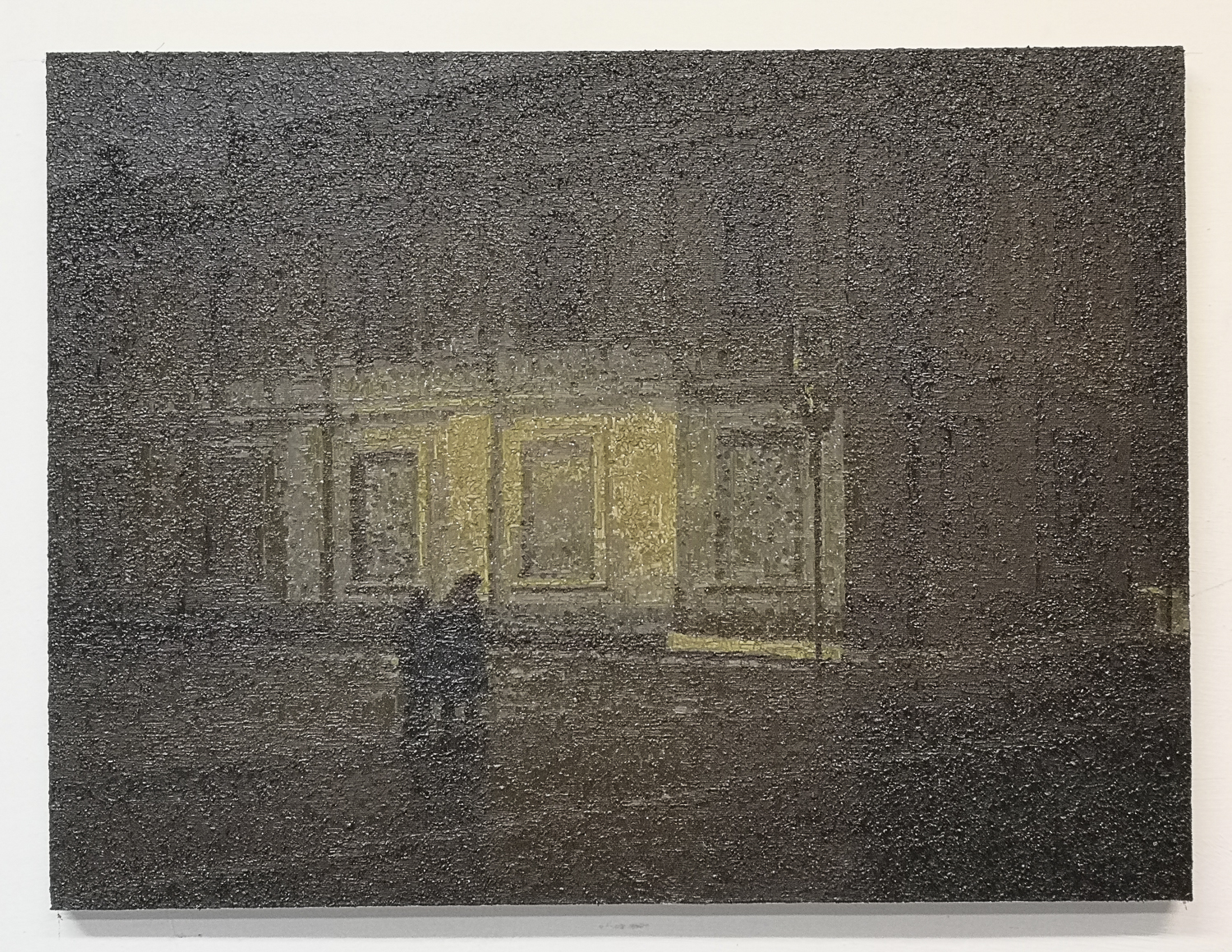
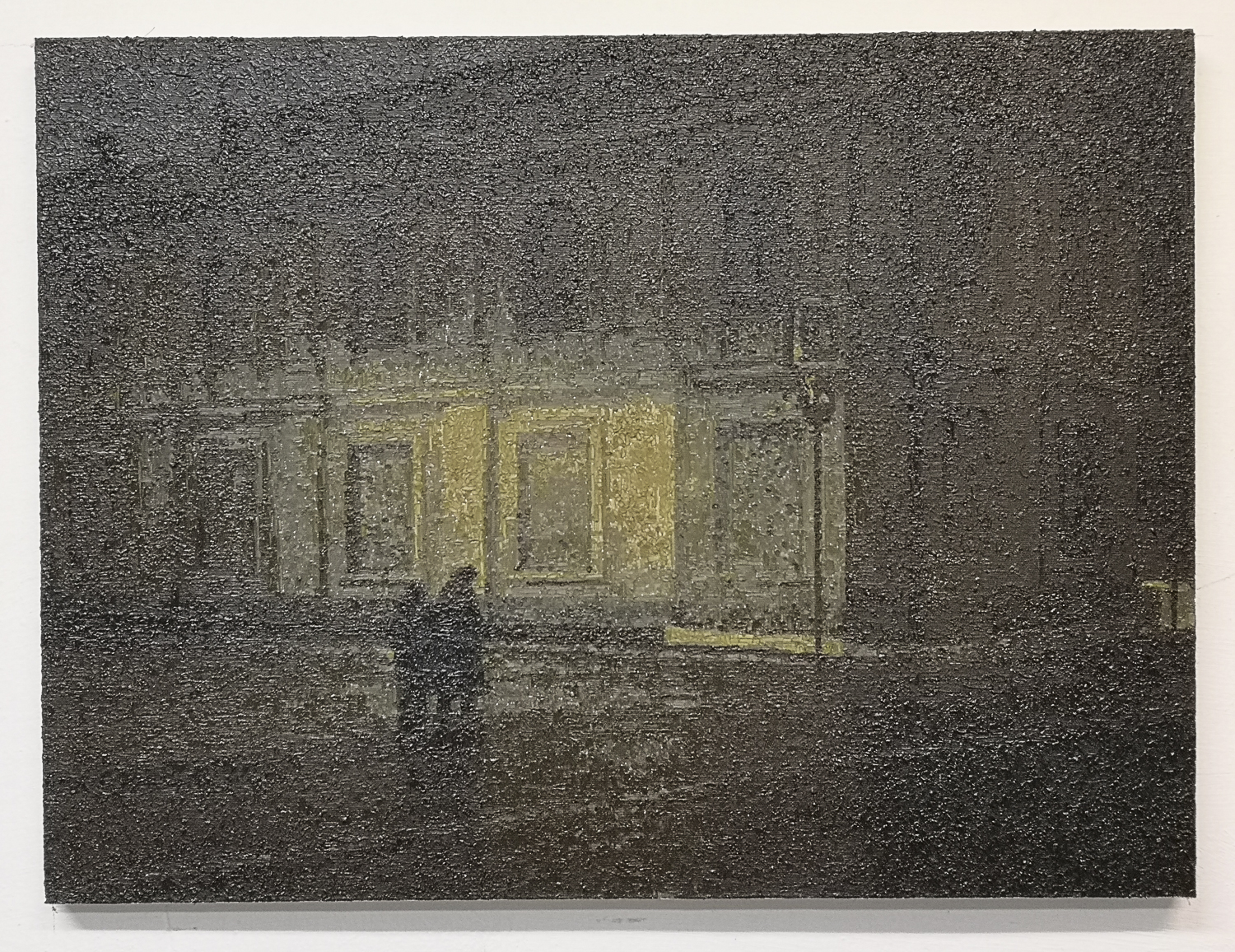
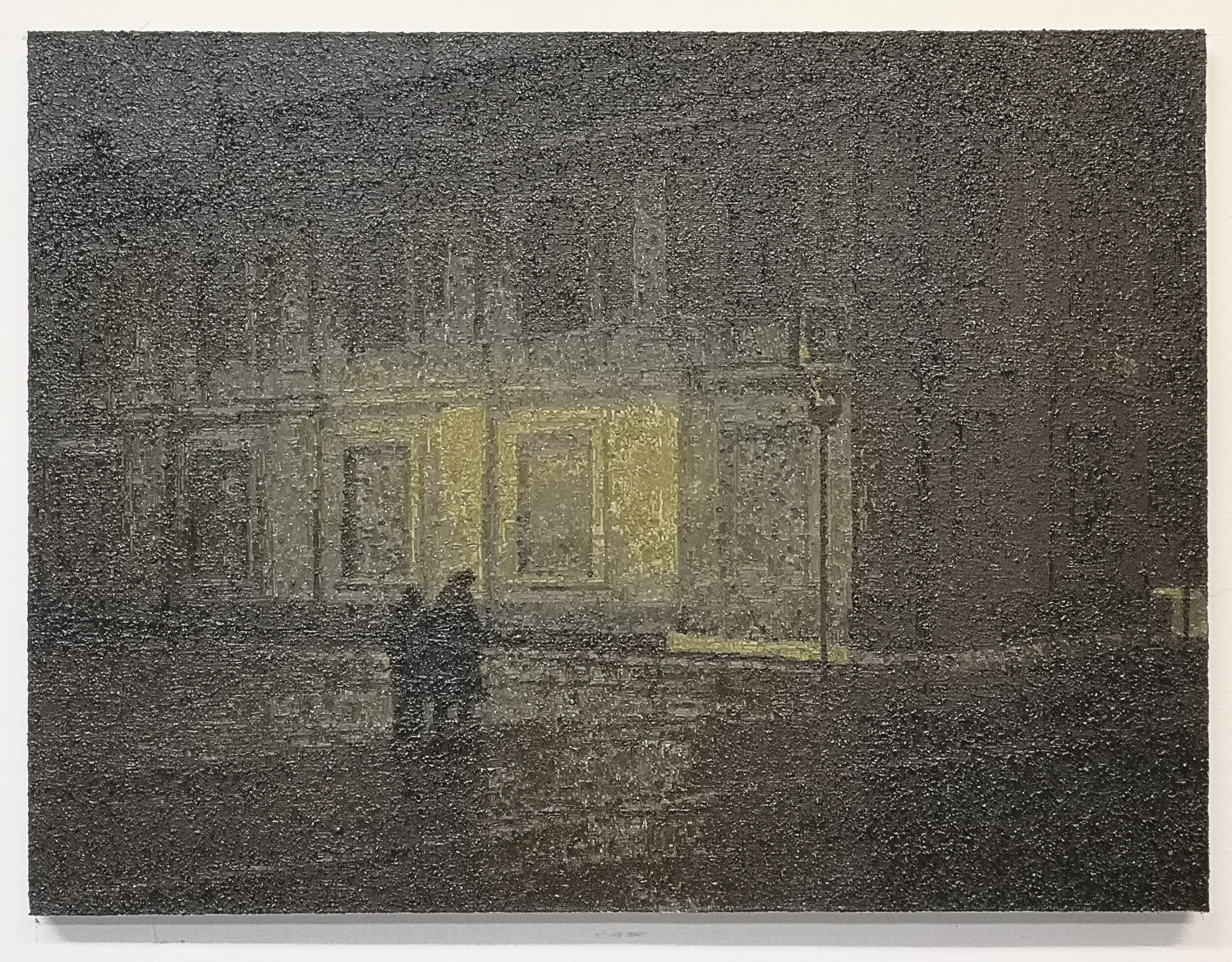
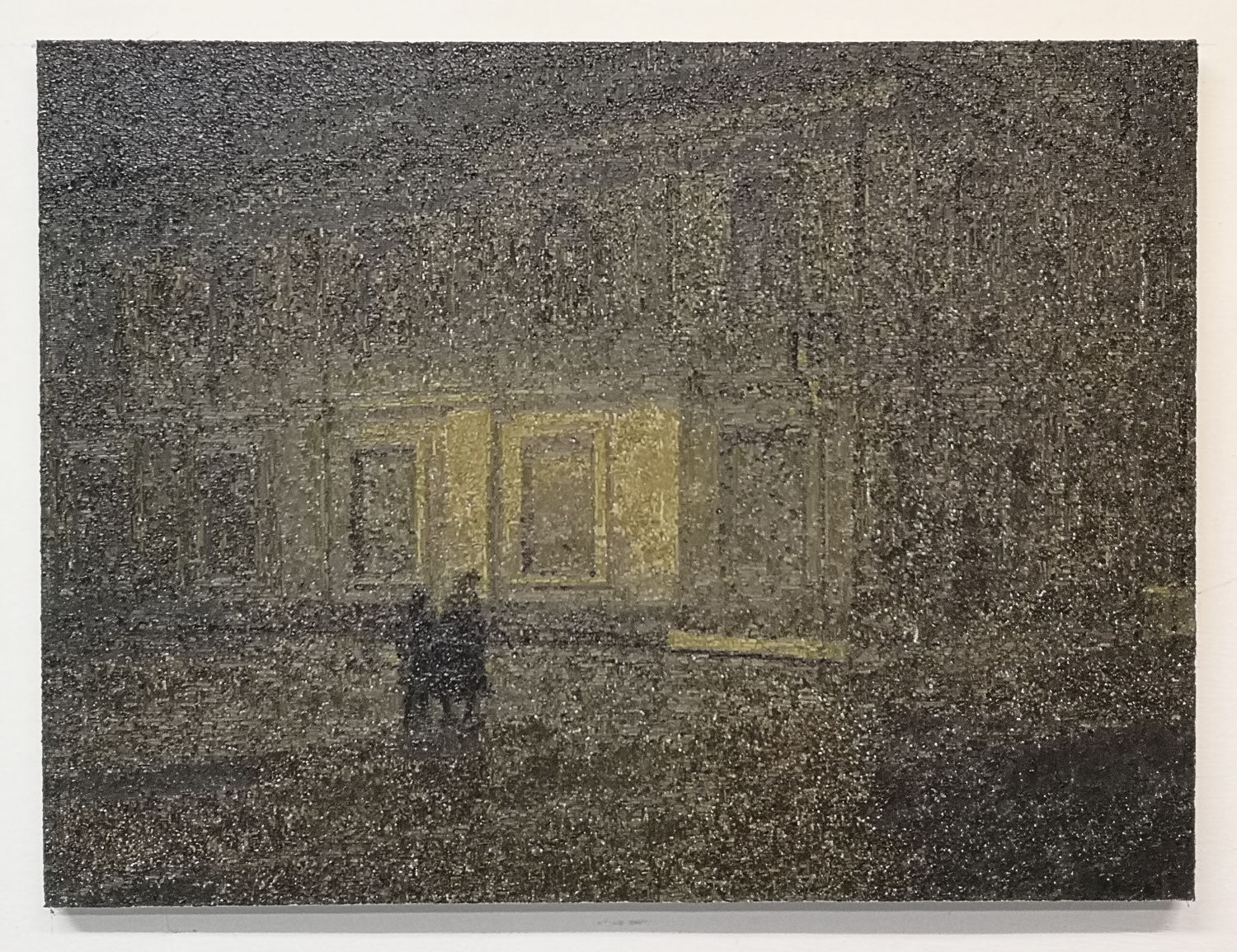
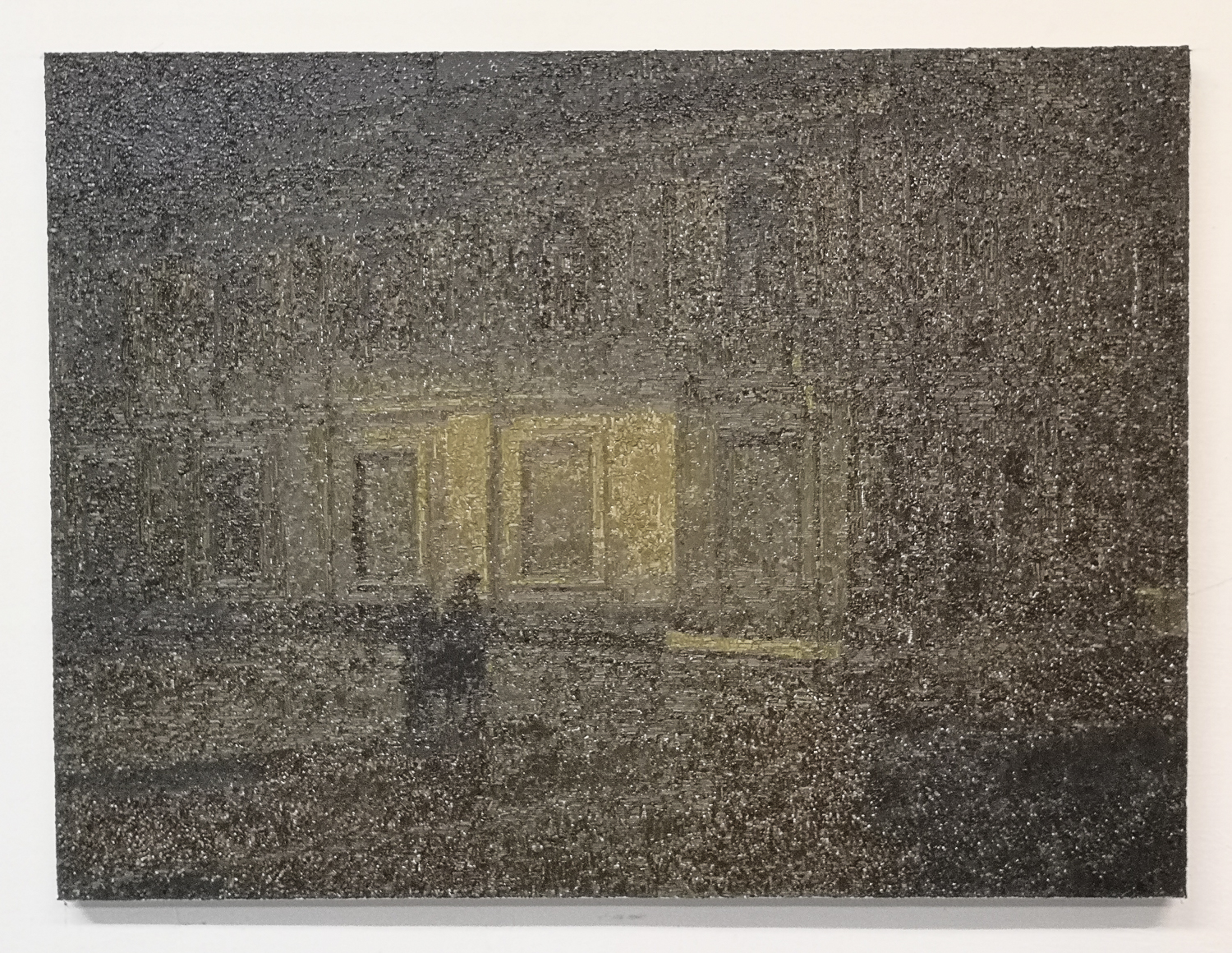
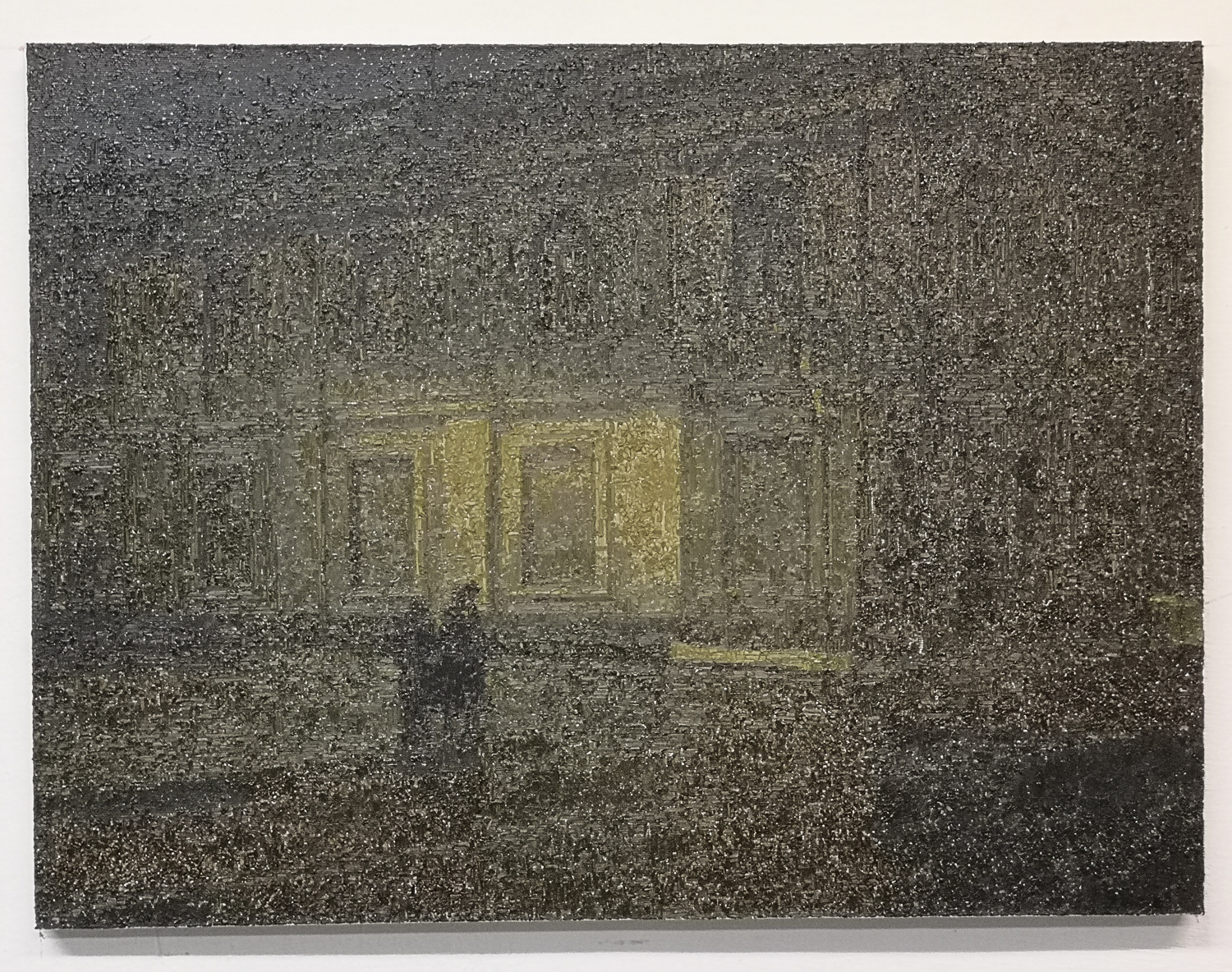
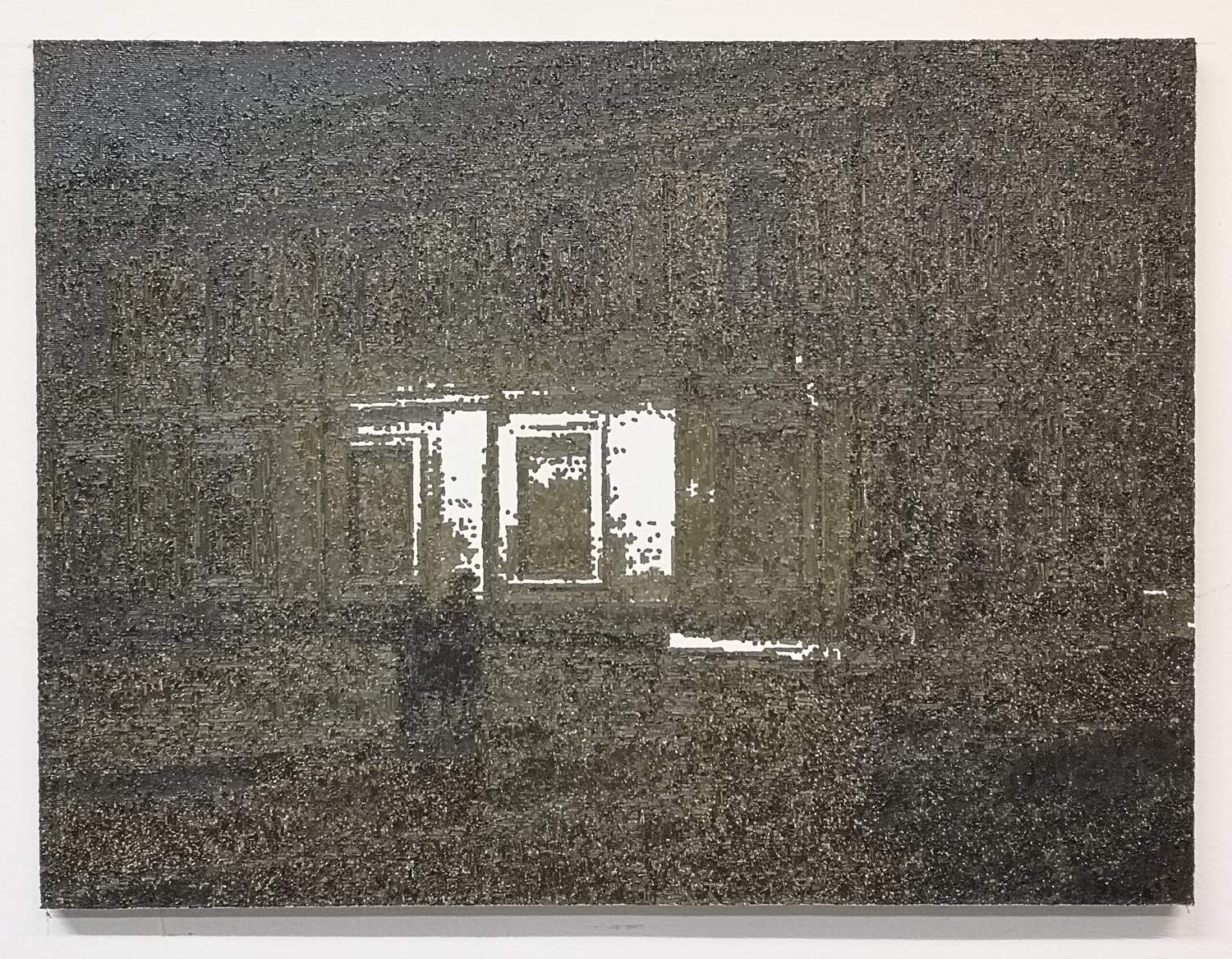
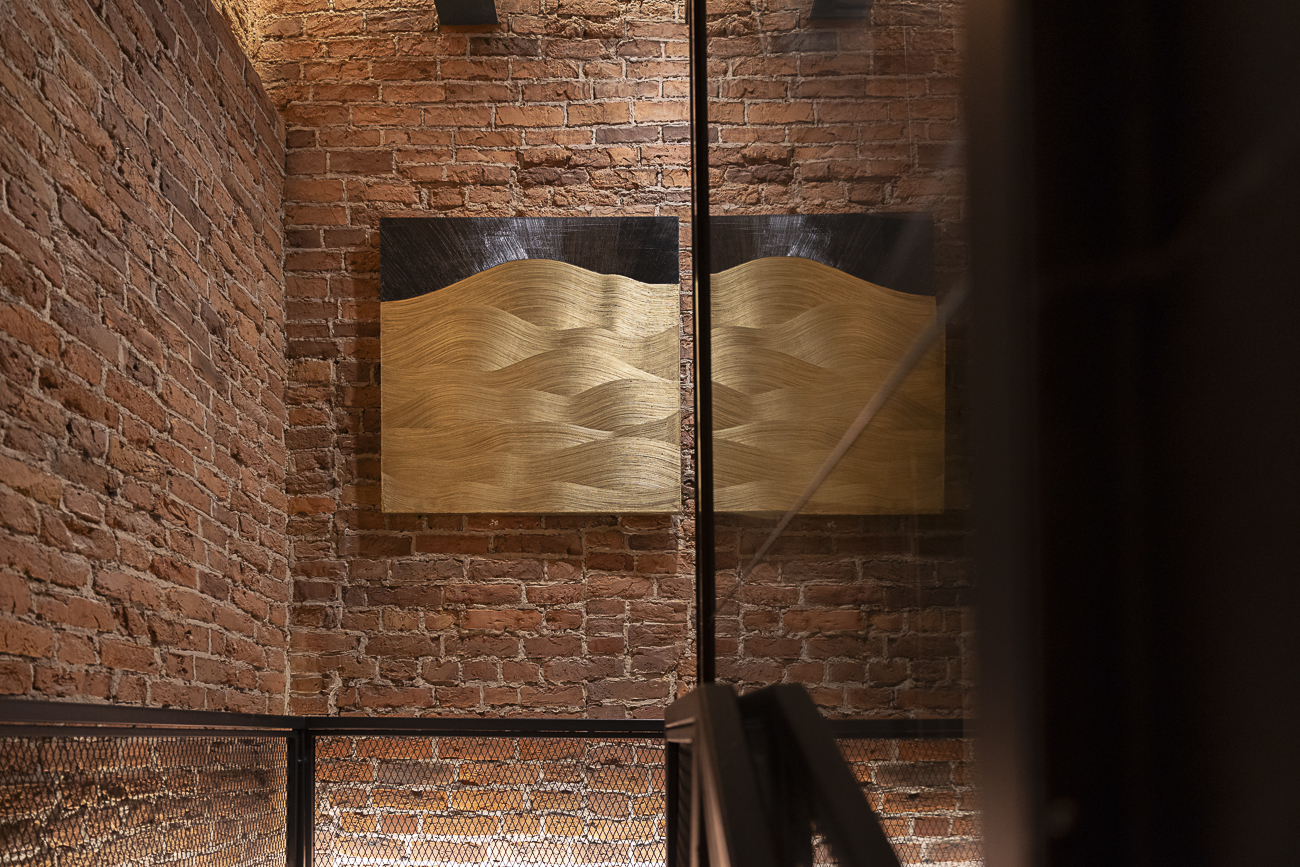
Работы, представленные по всему отелю, отражают опыт художников в конкретные моменты созерцательного самовосприятия в окружающей среде. Серия Harvest Анатолия Акуэ проистекает из его изучения двух эзотерических систем — западной астрологии и древнекитайской БаЦзы — и их влияния на человеческую жизнь. В течение года художник анализировал жизненные события, интерпретировал их через эти мистические традиции и переводил полученные озарения и субъективное понимание в полуабстрактные композиции. Монохромные ландшафты Максима Ксуты из серии Тектоническая живопись словно возникают из универсального мистического ритма, приглашая зрителя взаимодействовать с ним через наблюдение световых отражений. Схожий эффект присутствует в работе Андрея Бергера, где он пишет акрилом на отражающем дорожном знаке с обозначением 100 м, видимом только под определённым углом света. Эта работа под названием Lost in Transition стала основой для концепции выставки, метафорически отсылая к скрытому жизненному пути, невидимому для беглого взгляда.

Объекты Евы Хелки и картины Миши Никатина работают как иронические загадки, собранные из повседневных предметов. Раскрывая поэзию обыденного, их образность проецируется на воспоминания зрителя, перестраиваясь как колода карт, разворачиваясь заново в разных умах.

Анка Ахалая, создавая свои абстрактные композиции, обращается к сюрреалистической технике автоматического письма, запечатлевая в своих работах мимолётные эмоциональные состояния. Иное впечатление — тяготеющее к постоянству и идее вечного возвращения — возникает в работах Ольги Аксёновой, где едва видимые фигуры мерцают в золотом свете, связанные таинственной общей встречей. На пересечении реальности и вымысла, в тихом размытии акварельных мазков, Артур Самофалов ищет точку стабильности в своей серии Обитаемые руины. Его неопределённые формы становятся аллегориями неопределённого знания — хаос затуманивает чёткие контуры объектов, вызывая тревогу.

Задача для каждого из нас — преодолеть стремление к жёсткой ясности и вместо этого принять созерцание — подход, который способствует внутренней трансформации и раскрывает новое видение мира. Даже самое небольшое путешествие изменяет ритм жизни, приподнимая завесу с наших глаз и позволяя осуществить переход, внутреннюю метаморфозу и формирование обновлённого диалога как с самим собой, так и с окружающим миром.

Алиса Прохорова


Lost in Transition: A New Exhibition at Wynwood Hotel

The Lost in Transition exhibition at Wynwood Hotel plays with the concept of a hotel as a place that bears witness to the inner transformation and emotional renewal of a traveler in a new city. Impressions are directly tied to heightened senses: the “other” awakens a gaze that keenly captures unusual details, sharpens hearing attuned to forgotten melodies. All these scattered images, accumulated chaotically throughout the day, intersect in the imagination and seep into dreams, blending with reality in the first moments after waking. The instant before memory reconstructs the events of the past day and threads them to the present is nearly imperceptible—yet it lingers, close to the sensation of being lost, to that fleeting moment of disorientation.

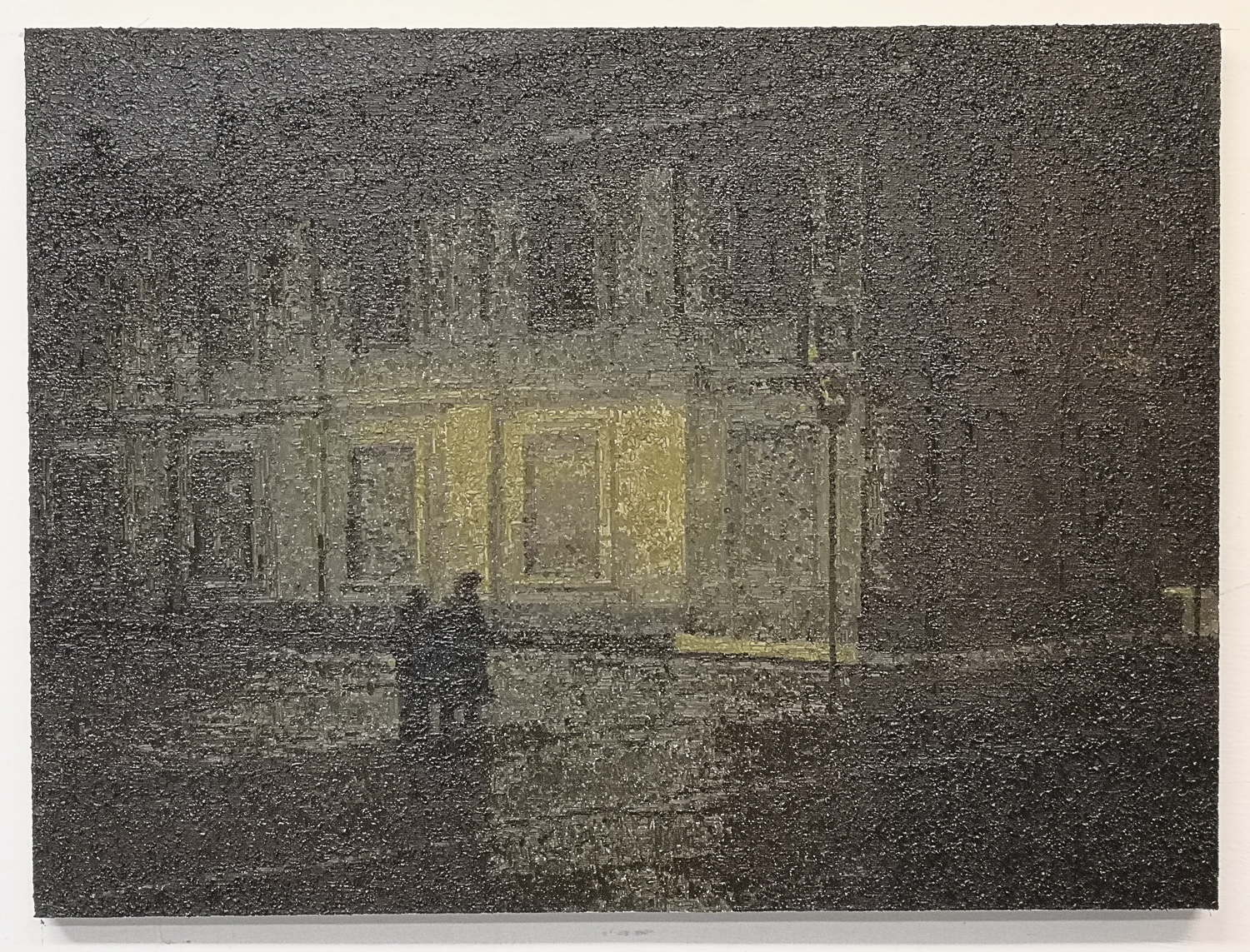
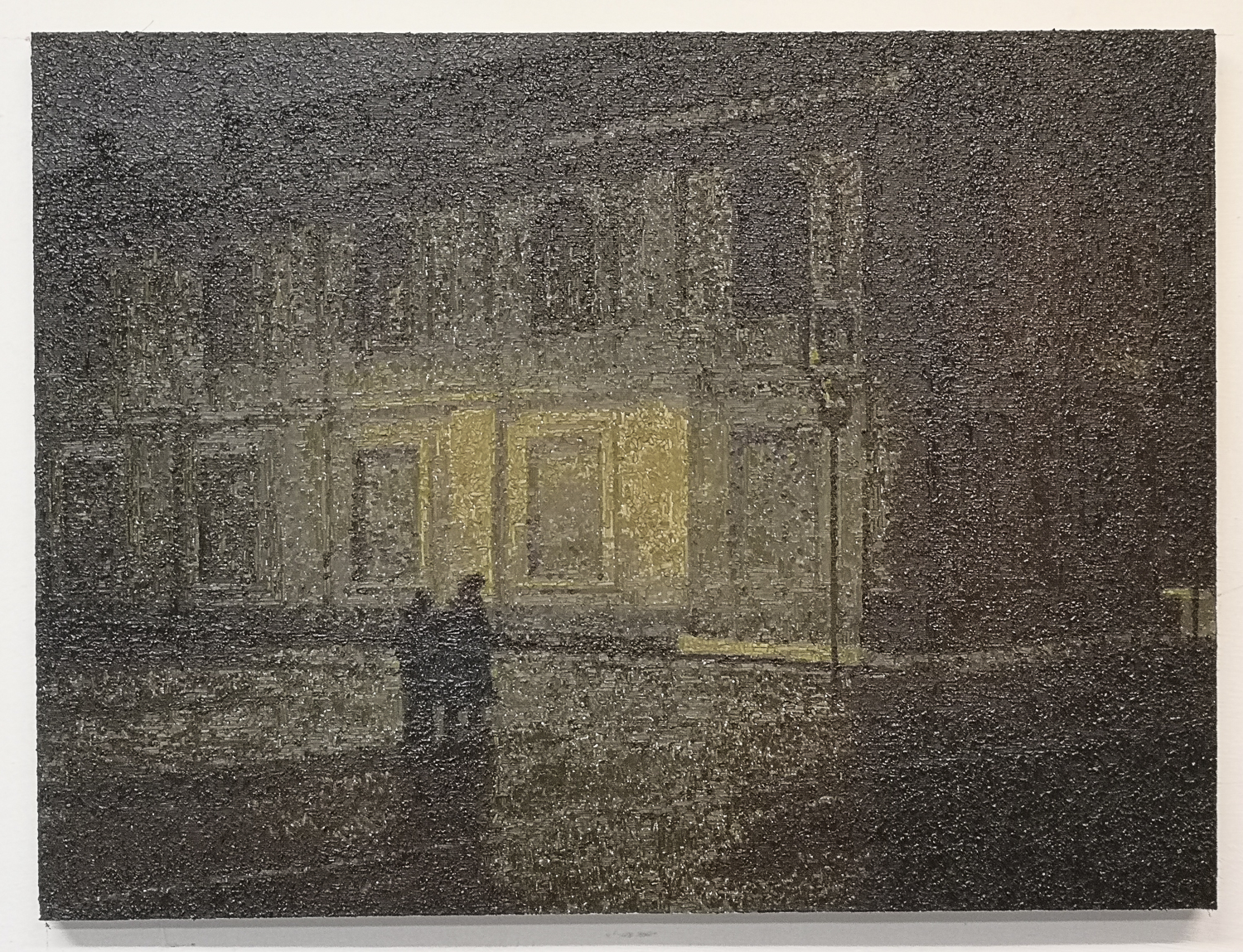
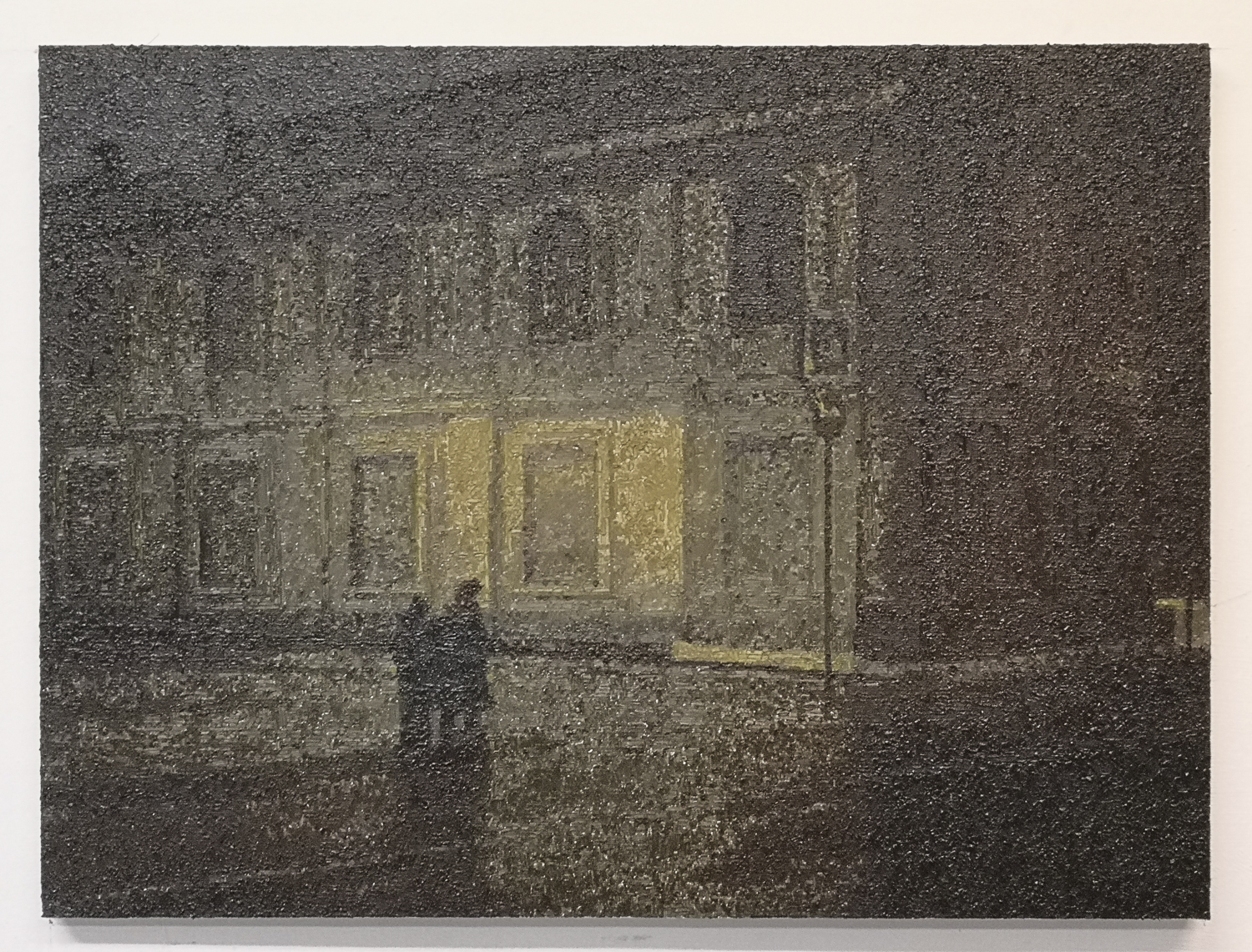
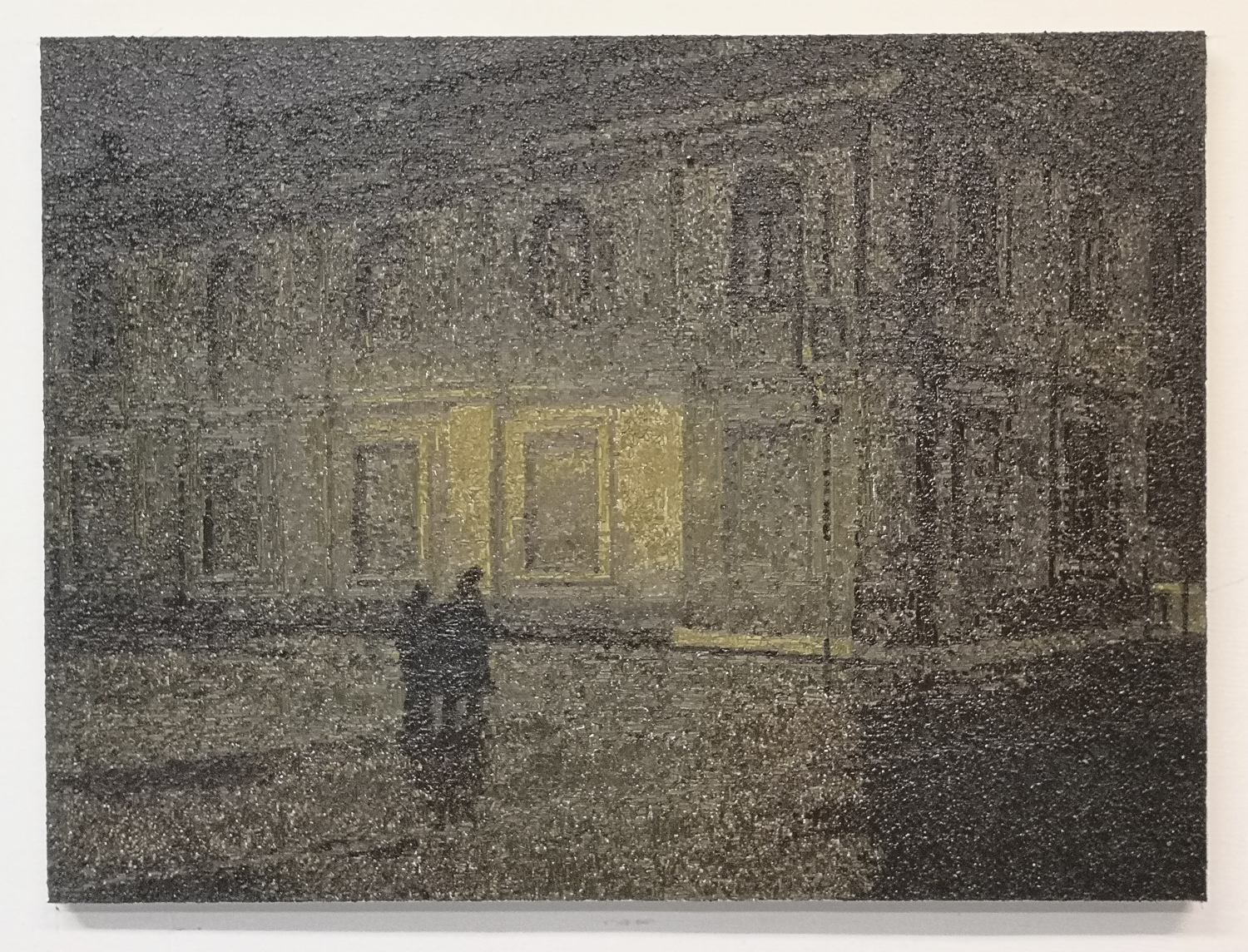
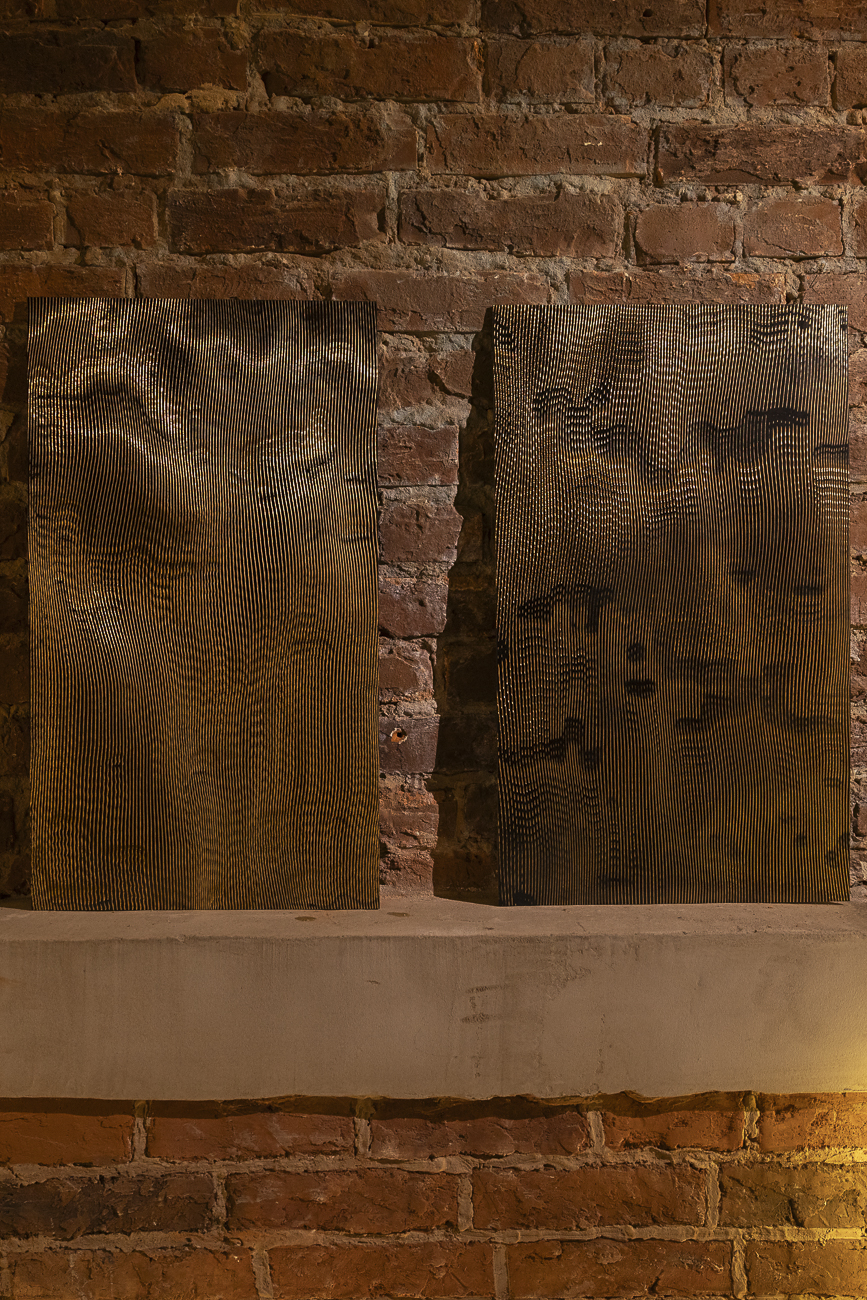
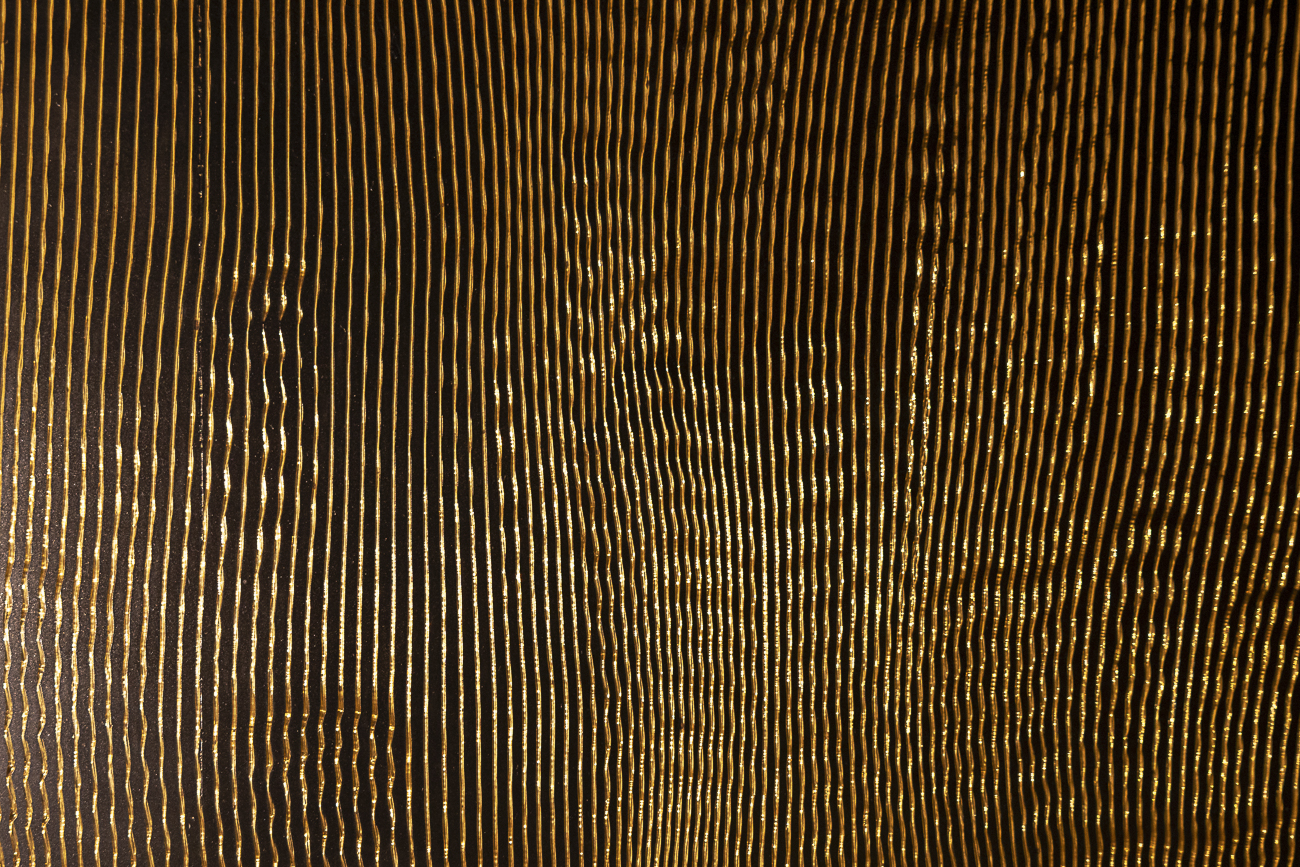
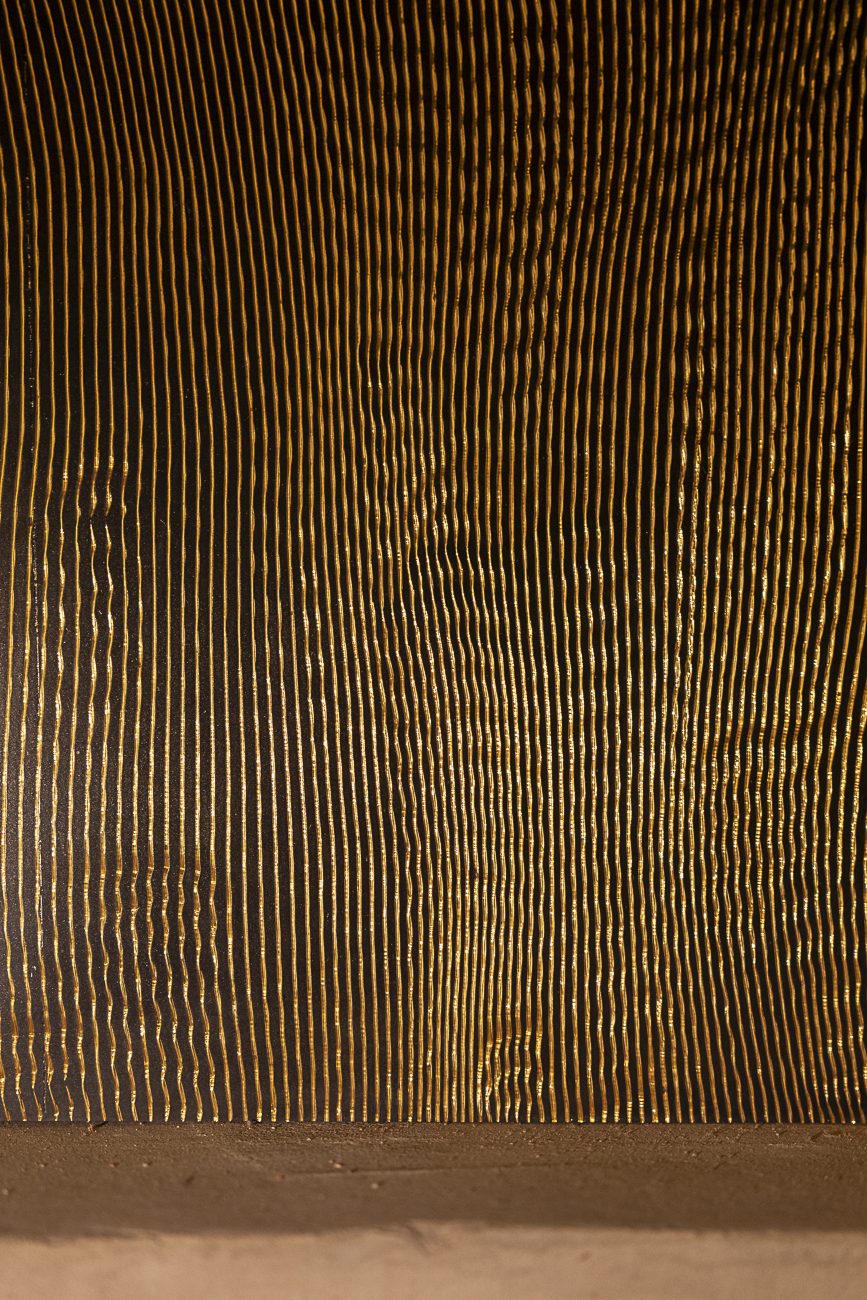
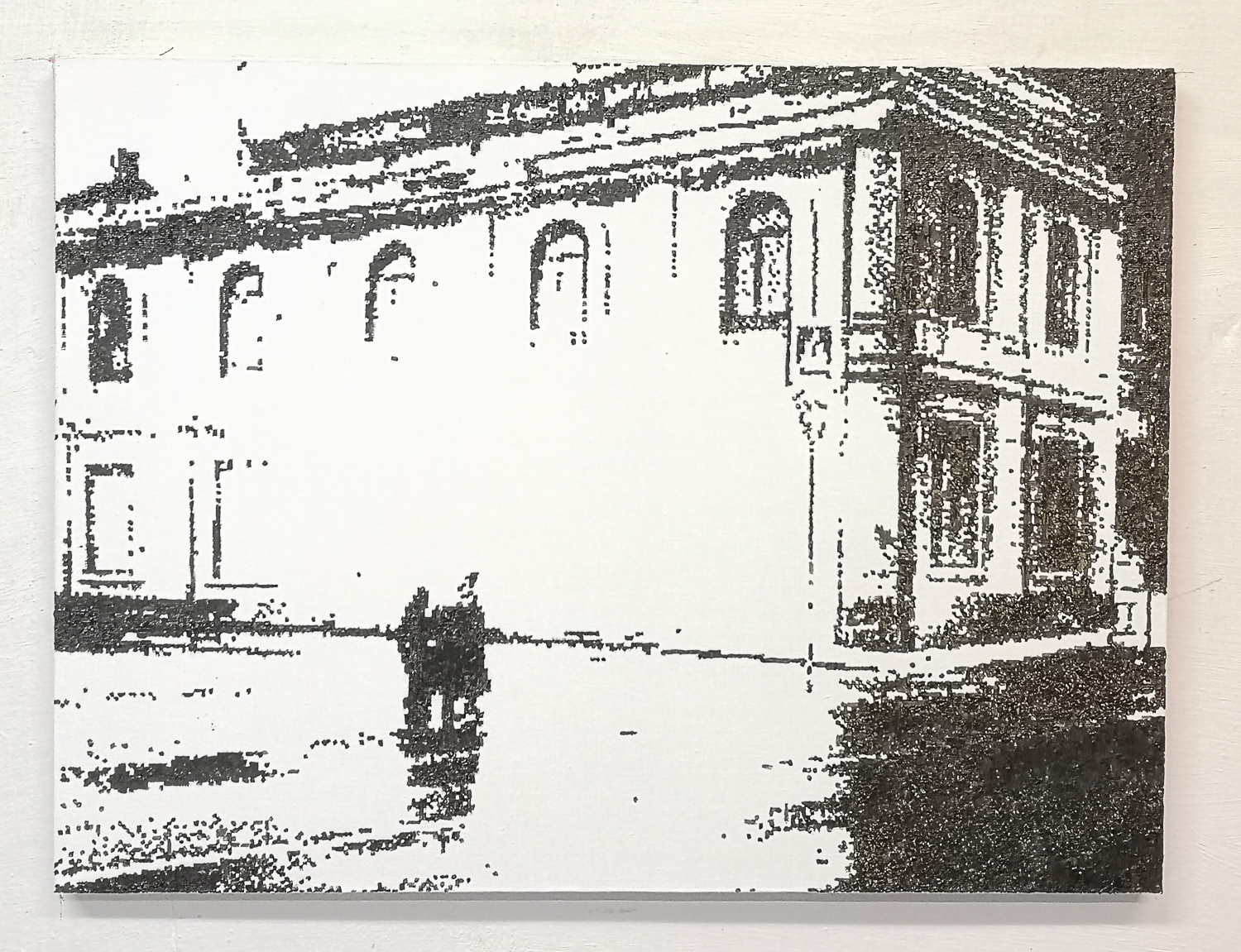
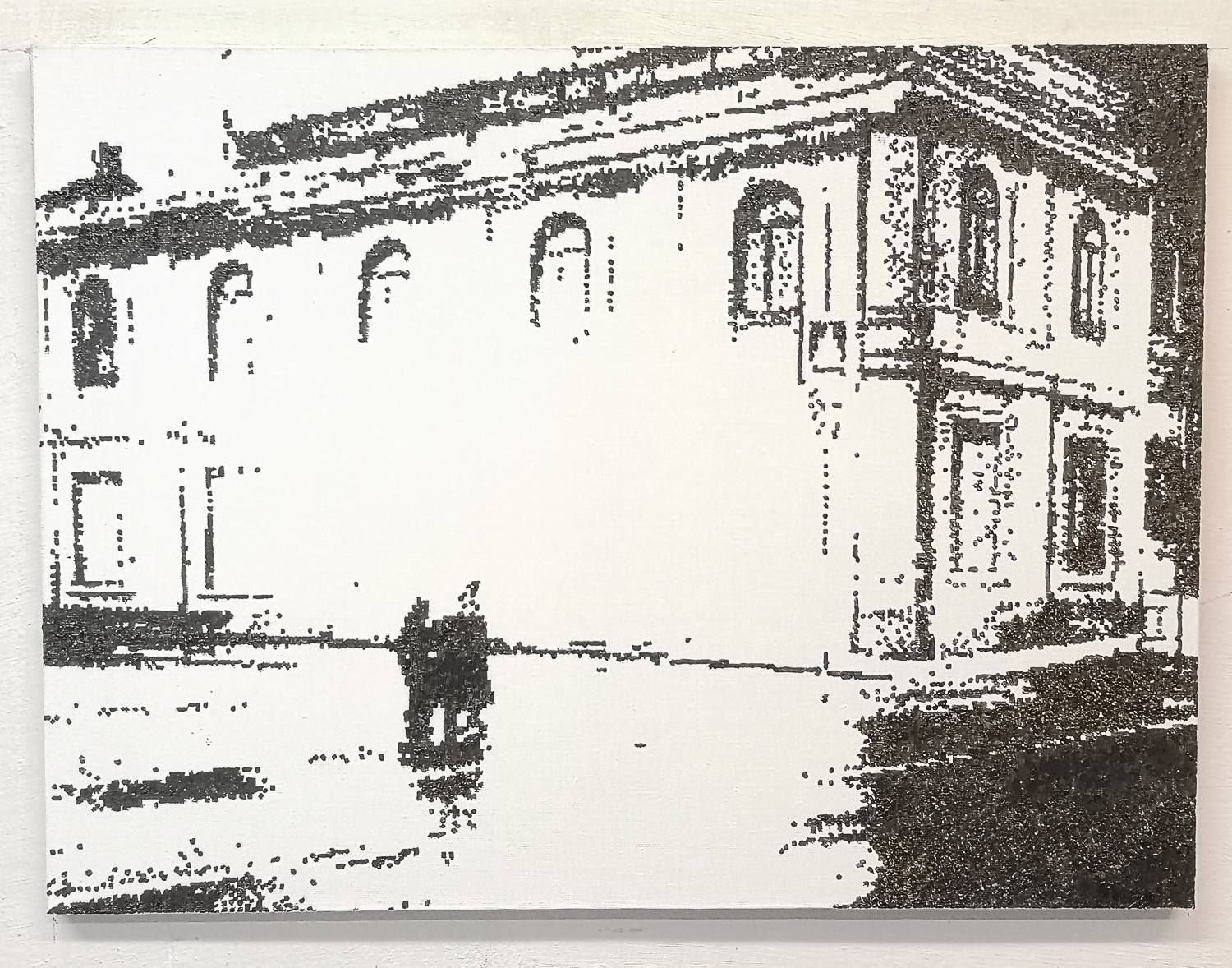
The works displayed throughout the hotel reflect artists’ experiences at specific moments of contemplative self-perception within their surroundings. Anatoly Akue’s Harvest series stems from his study of two esoteric systems—Western astrology and ancient Chinese BaZi—and their influence on human life. Over the course of a year, the artist analyzed life events, interpreted them through these mystical traditions, and translated the resulting insights and subjective understanding into semi-abstract compositions. Maxim Ksuta’s monochromatic landscapes from the Tectonic Painting series seem to emerge from a universal mystical rhythm, inviting the viewer to engage with it through the observation of light reflections. A similar effect is present in Andrey Berger’s work, where he paints with acrylic on a reflective road sign marked 100 m, visible only at a specific angle of light. This piece, titled Lost in Transition, became the foundation for the exhibition’s concept, metaphorically referring to the hidden path of life, unseen by the casual glance.

Eva Helki’s objects and Misha Nikatin’s paintings operate like ironic riddles, assembled from everyday items. By revealing the poetry of the mundane, their imagery projects onto the viewer’s memories, rearranging itself like a deck of cards, unfolding anew in different minds.

Anka Akhalaya, in creating her abstract compositions, turns to the surrealist technique of automatic writing, capturing fleeting emotional states in her works. A different impression—one that leans toward permanence and the idea of eternal return—emerges in Olga Aksyonova’s pieces, where barely visible figures shimmer in golden light, bound by a mysterious shared encounter. At the intersection of reality and fiction, in the quiet blur of watercolor strokes, Arthur Samofalov seeks a point of stability in his Inhabited Ruins series. His indistinct forms become allegories of uncertain knowledge—chaos obscures the clear contours of objects, evoking unease.

The challenge for each of us is to overcome the desire for rigid clarity and instead embrace contemplation—an approach that fosters inner transformation and reveals a new vision of the world. Even the smallest journey shifts the rhythm of life, lifting the veil from our eyes and allowing for transition, for inner metamorphosis, and for the formation of a renewed dialogue with both the self and the world around us.

Alisa Prokhorova