Maxim Ksuta

russian artist, contemporary art, sculpture, installation, photography

Tag: art now

An Essay from the Perspective of Vilém Flusser

An Essay from the Perspective of Vilém Flusser
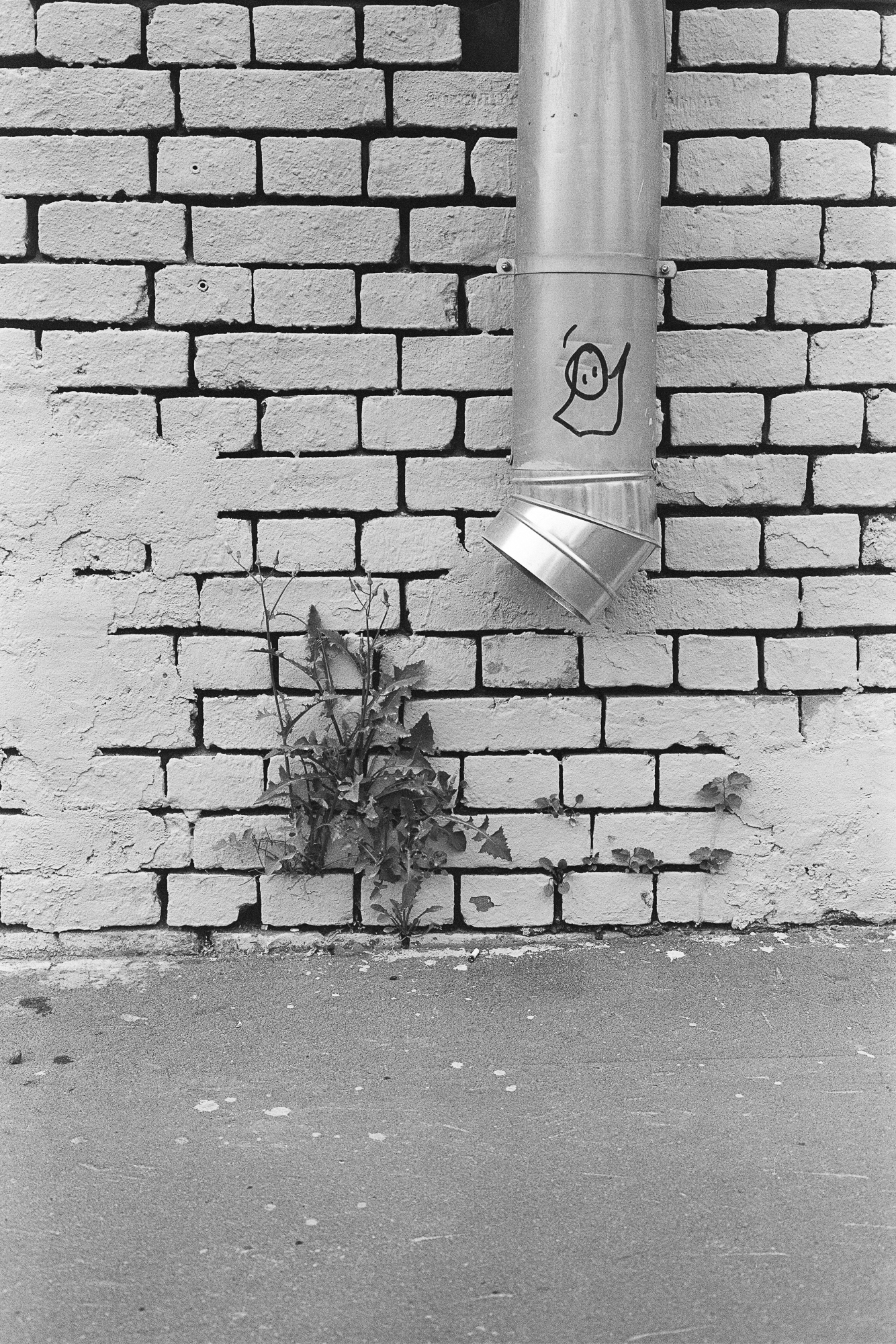
The photograph presented to me is a challenge to the dialogical nature of the image and the objecthood of the surrounding world. This shot is not merely the result of the photographer’s gesture but also a testament to the relationship between human and apparatus, between creator and tool.

Here, in this image, the pipe, wall, and plant cease to be “real” things. They become elements of a conceptual universe, visual symbols that “point” to meaning rather than contain it. The camera is not simply a device that records reality but an interface capable of transforming objects into concepts.

The image of the pipe, slightly tilted and marked with a graphic symbol, is a metaphor for functionality turned into cultural text. The act of someone drawing on the pipe is an example of the “play” humans engage in with objects of the industrial world. The graffiti transforms the pipe into a bearer of meaning, a medium of communication. Meanwhile, the plant growing against the backdrop of the brick wall challenges this very industry, presenting a contrast between the organic and the artificial, the living and the static.

The brick wall, even and orderly, symbolizes human-created structure, yet its cracks reveal the chaotic force of nature, whose power cannot be entirely subdued. This tension between the authentic, the natural, and the industrial introduces us to a new world, where the familiar desire for control is dismantled by its own logic.

What is significant here, however, is the act of photographing itself. The photographer is a “programmer” working with the “memory” of the apparatus. The choice of angle, framing, and the relationships between objects is a process that extracts the image from the flow of randomness and imbues it with meaning. The apparatus, despite its cold functionality, becomes a tool for cultural expression, and the photographer, interacting with it, does not merely record but creates.

This work reveals the essence of photography as communication. It speaks not only about the objects within the frame but also about the gaze that perceived them, the person behind the camera, and us, the viewers of this photograph. We become part of this visual dialogue, transforming from passive spectators into interpreters.

This photograph is not simply an object; it is a text we read. And therein lies its true value.

#Fujica6x9
#PosthumousGaze
An essay composed as if by Walter Benjamin

“Fragments of Memory and the Ruins of Time”

An essay composed as if by Walter Benjamin

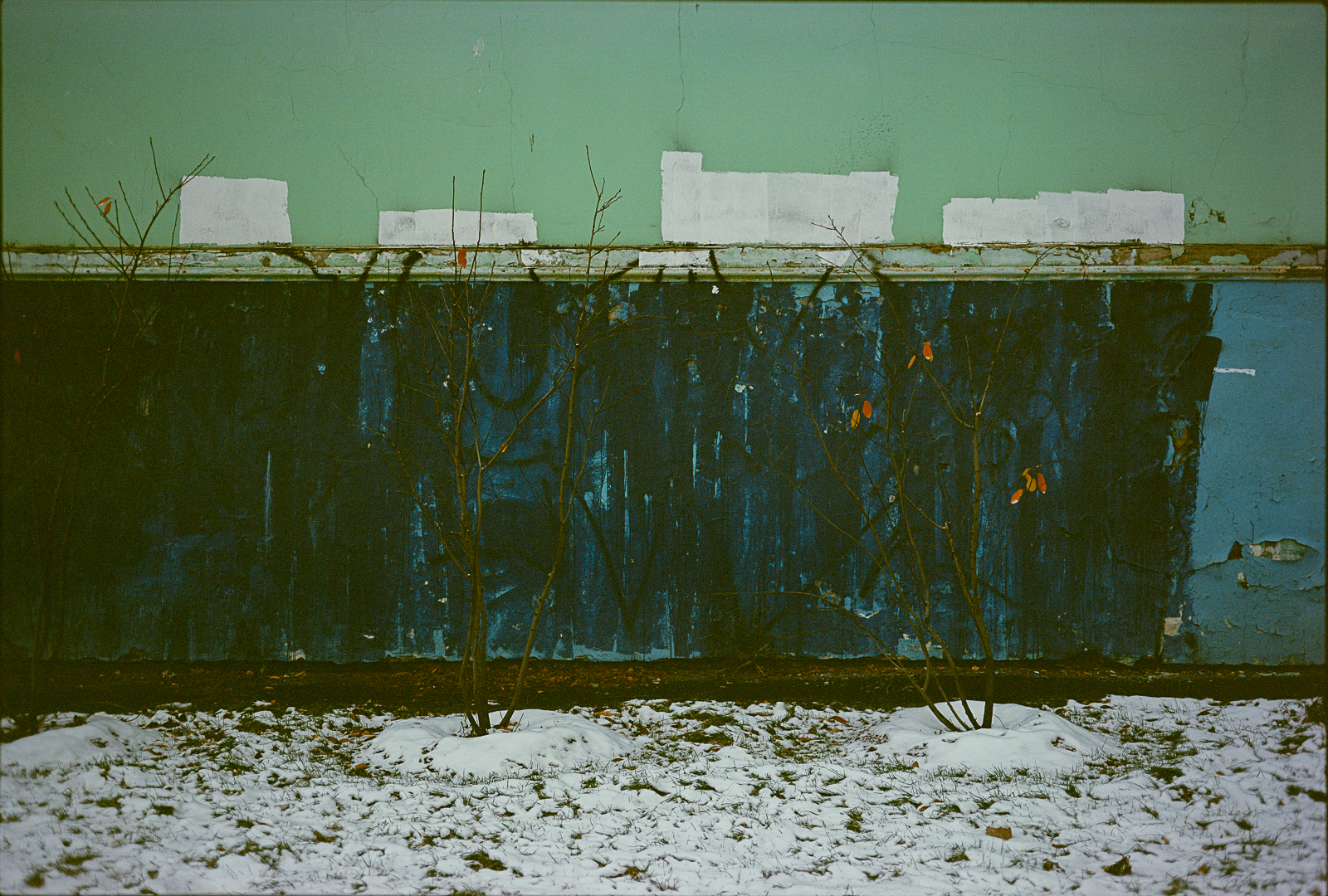
This photograph, in its deceptive simplicity, speaks of something greater than just an image of a wall, trees, and snow. It is a testimony to time—time that simultaneously disintegrates and restores itself. Here, we see an imprint of being, frozen in a moment yet unable to conceal the traces of its own history.

The wall is a text that we read. Its colors, cracked surface, and white patches—all are fragments of what once was whole. Now, it exists as a ruin, as evidence of loss that nevertheless remains imbued with meaning. It is the lost aura of a place that the photograph seeks to capture, transforming it into something new, into an artifact.

The trees—bare, fragile, yet persistently reaching upward—become symbols of resistance. They stand in opposition to the lifeless cold of the snow and the artificiality of the wall. They are nature, refusing to retreat despite all constraints. These branches, with their few remaining orange leaves, serve as a reminder that even amid decay and disconnection, life endures.

The snow below is a temporary veil. It conceals the ground, but not entirely. It is a reminder of the cyclical nature of time—that everything changes but always returns. The snow will turn to water, the water will seep into the earth, and everything will begin anew.

But what does the photograph do with this image? It halts motion, transforming fragments into textures, into symbols. Hidden within this act of freezing time is a unique tension. As viewers, we sense that what we face is more than mere documentary evidence. It is an image that carries within it a dialectic: between past and present, between nature and artificiality, between the passage of time and the persistence of memory.

Photography is a form of “mediated experience,” as I have discussed before. It detaches us from the direct perception of a place, replacing it with a “copy.” Yet in this detachment lies the potential for reflection. Before us is not merely a wall, nor simply trees or snow. What lies before us is their meaning. We see this as testimony to a historical process that is interrupted but not complete.

Finally, this work poses a question: What is aura in an age when everything can be reproduced? Perhaps its aura lies in the uniqueness of this very moment, this particular combination of forms and textures. We view it not as a part of a larger context but as a completed whole. And in this way, photography—despite its reproductive nature—becomes art.

This photograph is an archive, but not in the traditional sense. It is not a repository of facts. It is a repository of emotions, history, and struggle. It reminds us of time we have lost, yet which continues to exist in remnants and fragments. Perhaps its greatest power lies in compelling us to reflect on our own position in time—on how we relate to this world of fragments and ruins.

Fujica 6×9
#PosthumousGaze

Architecture and Astronomy- “Archipelago of Utopias”

Architecture and Astronomy
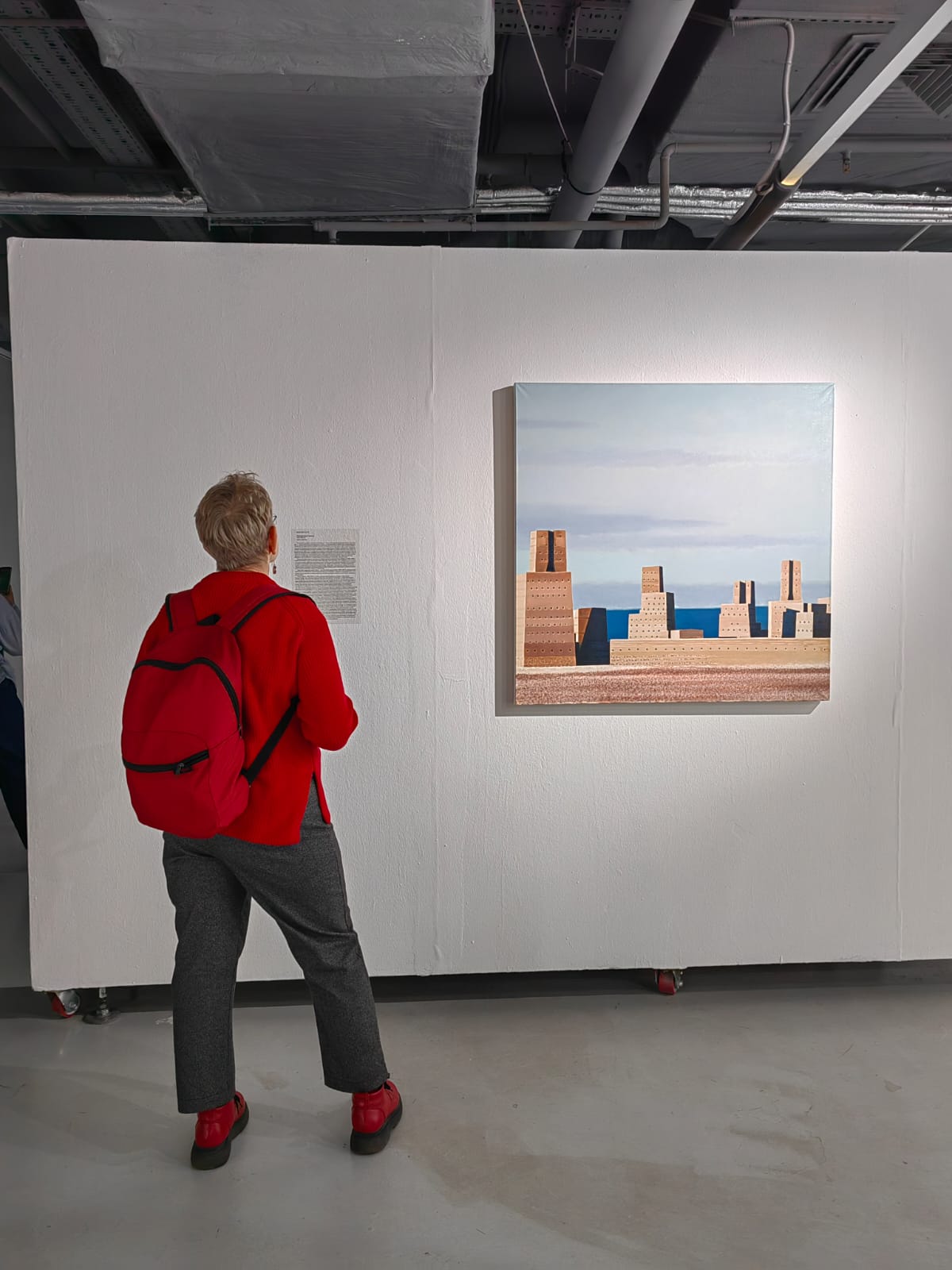
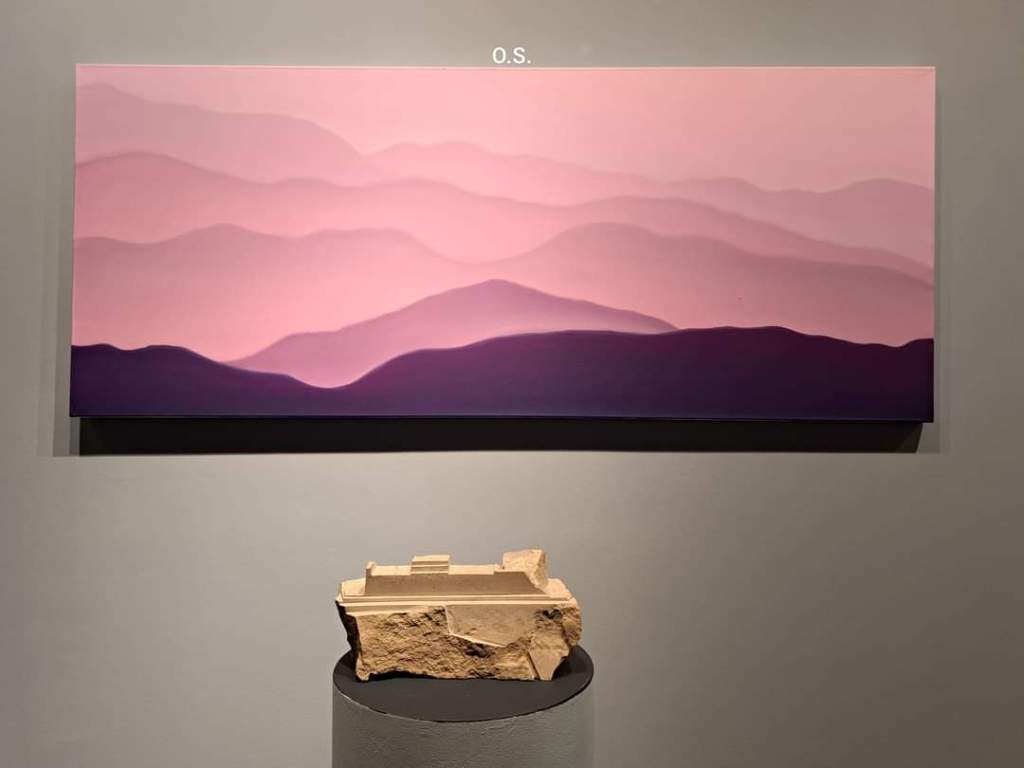
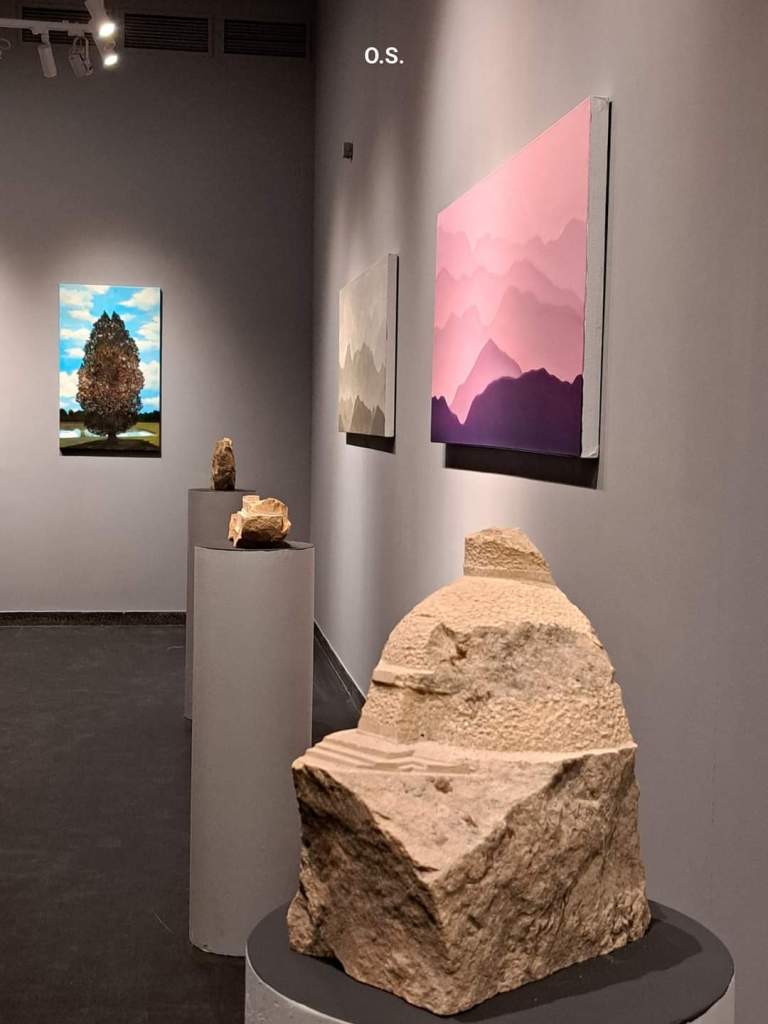
At the exhibition “Archipelago of Utopias”, which can still be visited today and tomorrow at the KultProekt gallery, there is an intriguing example of architectural painting inspired by architectural installations. Maxim Ksuta’s painting “Orion Observatory” stands as an independent piece of art while simultaneously drawing connections to the work of one of the pioneers of land art—a name that seems relatively unknown in our country. Thanks to the artist for the detailed story about his source of inspiration and for creating a meditative painting that reconstructs architecture connected to the cosmos while convincingly conveying the essence of its materials and environment.

Maxim Ksuta:
“I created this piece under the influence of projects by Hannsjörg Voth—a renowned German artist and sculptor, born in 1940 in Baden-Baden. Voth gained fame for his monumental land art projects, which blend elements of architecture, sculpture, and symbolism. In his works, Voth seeks to bridge human culture with nature, often exploring themes of time, space, and the cosmos.

In the 1960s and 1970s, Voth actively investigated ways to integrate art into public spaces, creating installations that responded to questions about humanity’s place in the world and its interaction with the surrounding environment. However, his true fame came with projects located in remote and harsh settings, such as the deserts of Morocco, where he worked with natural materials like clay and sand.

One of Voth’s most famous projects is the “City of Orion” (1998–2003), located in the vast deserts of Morocco. In this work, Voth united his interests in astronomy, ancient cultures, and large-scale architectural forms. His aim was not merely to construct sculptural objects but to create structures that interact with nature and cosmic phenomena, such as the movement of stars. The City of Orion project reflects the Orion constellation through towers precisely positioned to mirror the stars’ placement in the sky.

City of Orion (1998–2003):
The seven primary stars of Orion—Rigel, Saiph, the three “belt stars” Mintaka, Alnitak, and Alnilam, as well as Bellatrix and Betelgeuse—are most prominently visible worldwide during winter months due to their location on the celestial equator. The concept of the project was to represent these seven stars on Earth with the same number of observation towers made from compacted clay. Each tower symbolizes one of the seven stars, and their arrangement within the complex (approximately 40 x 100 meters) corresponds to the constellation’s layout. The towers’ dimensions (ranging from 6 to 15 meters in height, width, and depth) reflect the stars’ brightness and size.

In the upper third of each tower, observation platforms were constructed, accessible via external staircases. Narrow openings in the towers’ walls, carefully calculated for their height, width, and orientation, allow for the observation of specific stars and constellations at certain times. The Orion Nebula (M42)—a star-forming region surrounded by vast clouds of gas—is represented in the complex by a fountain, marking the grouping of stars known as Orion’s “sword.” Seven smaller stars forming parts of Orion, such as its “head,” are also represented by additional compacted-earth towers.

The City of Orion was located in southeastern Morocco. Guided tours, lasting about 90 minutes at specific times, led visitors through all the towers, allowing them to observe the stars in sequence. While the seven large towers serve as astronomical structures illustrating the movement of specific celestial bodies through their positioning and orientation, the artist’s primary intent was to depict the Orion constellation in three dimensions as a large-scale sculpture on Earth.*

▪︎ Orion Observatory. Maxim Ksuta. Canvas, oil. 100 x 100 cm.

https://t.me/archigraphicarts/1270

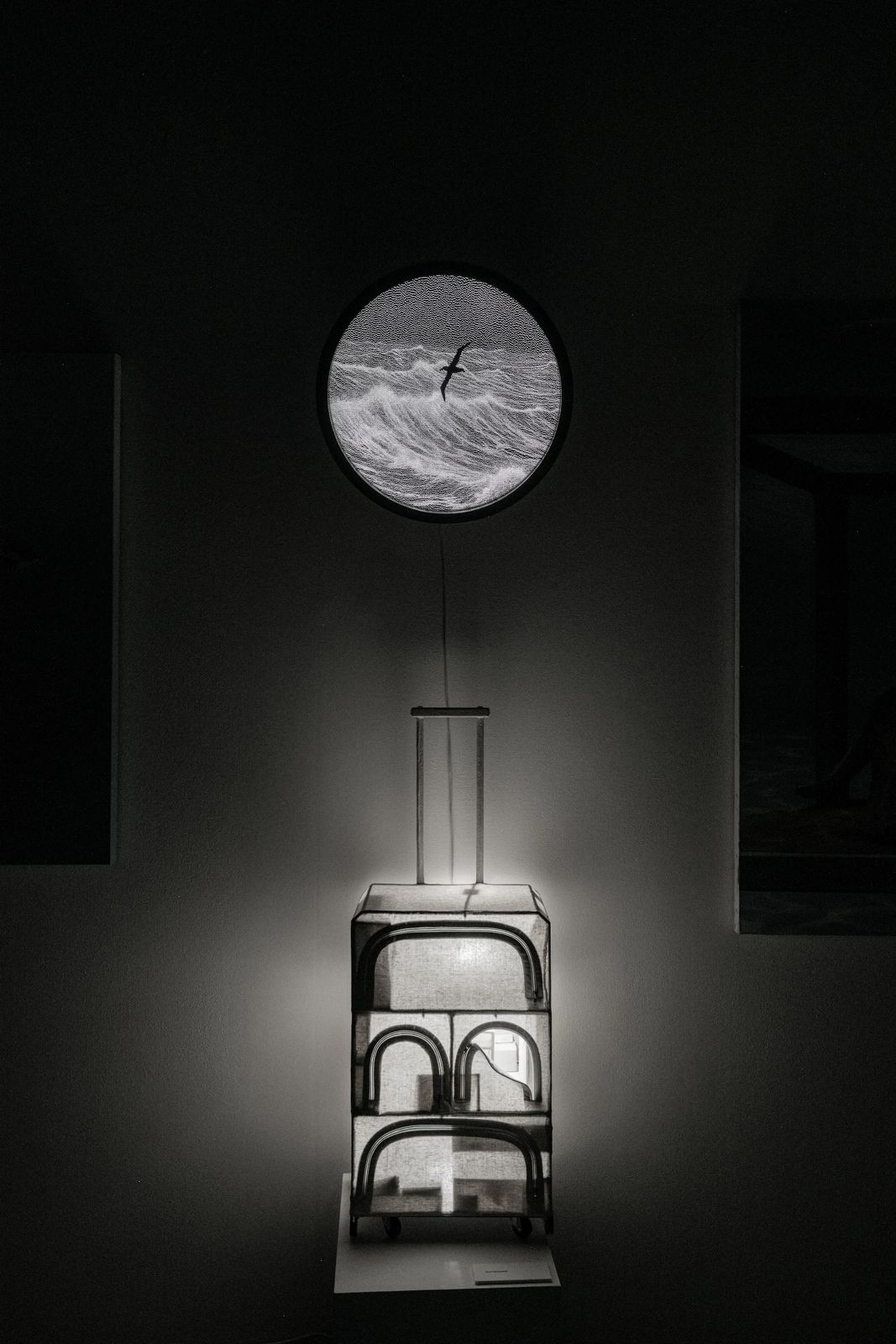
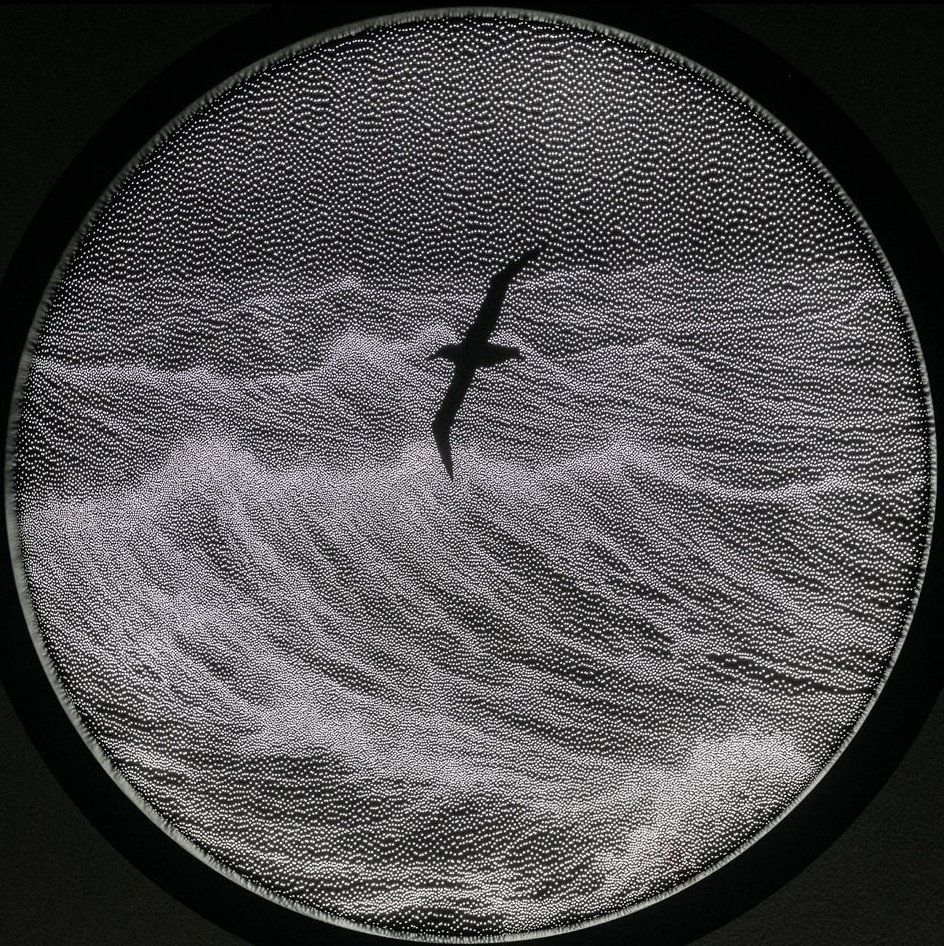
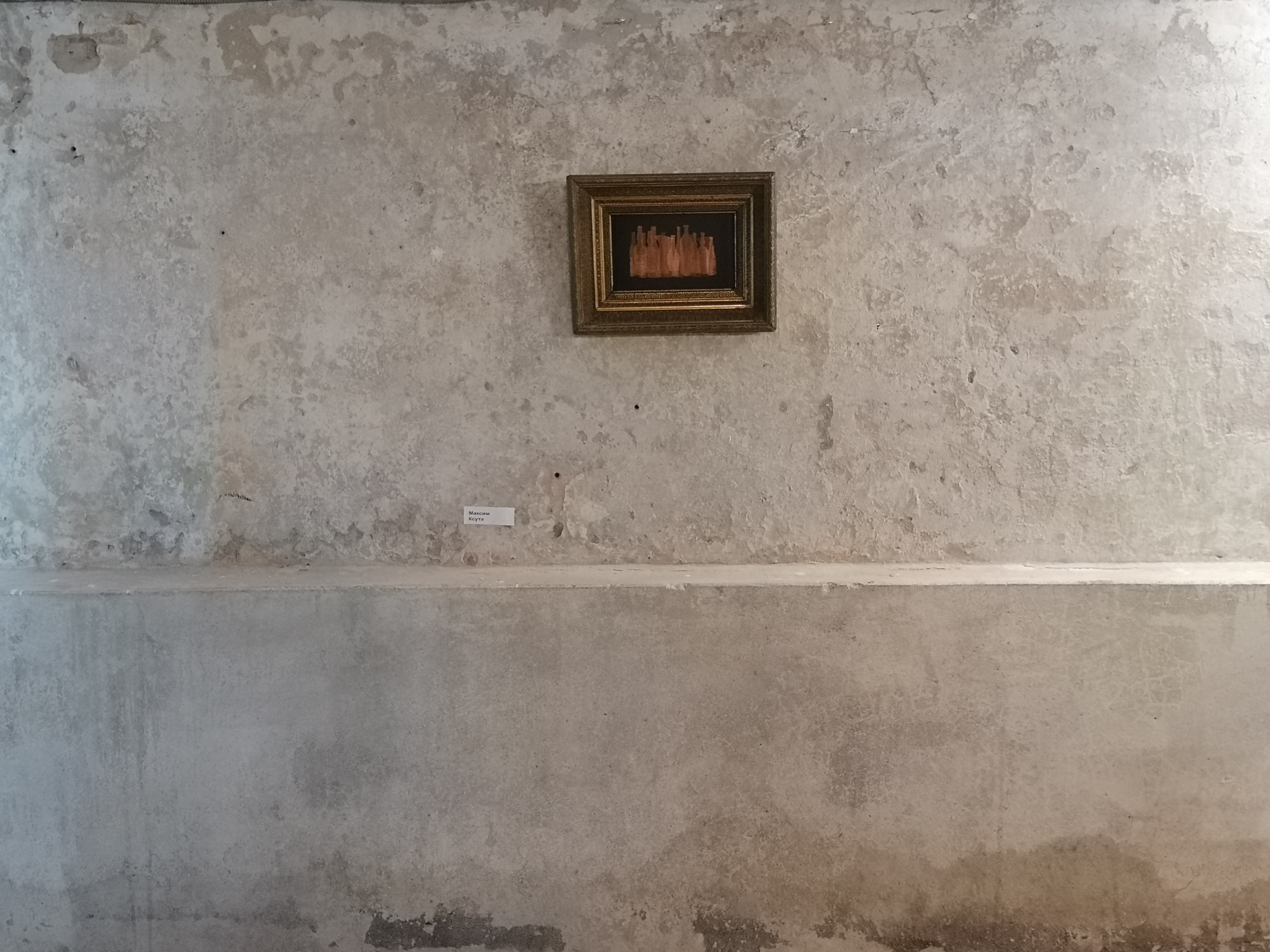
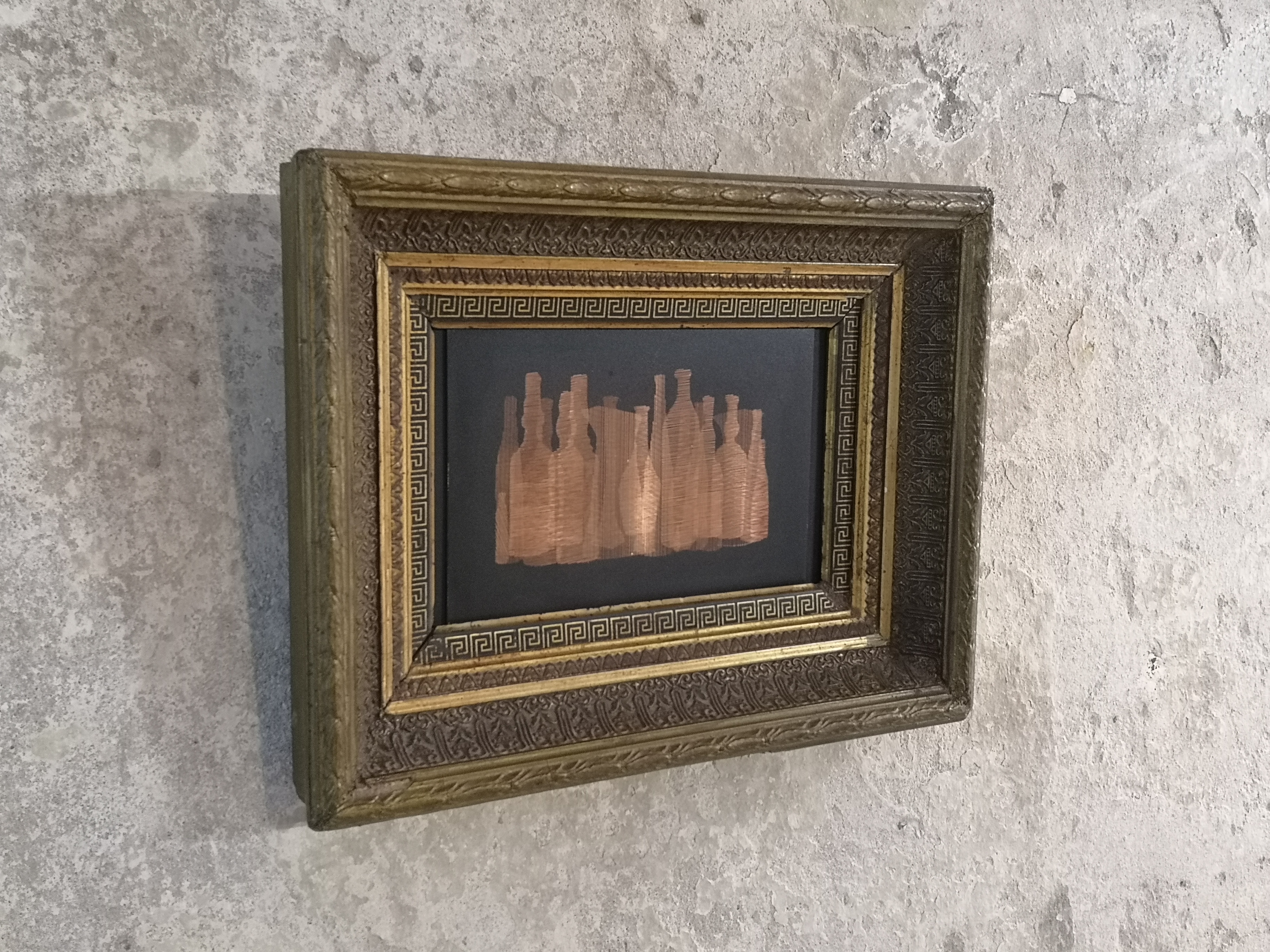
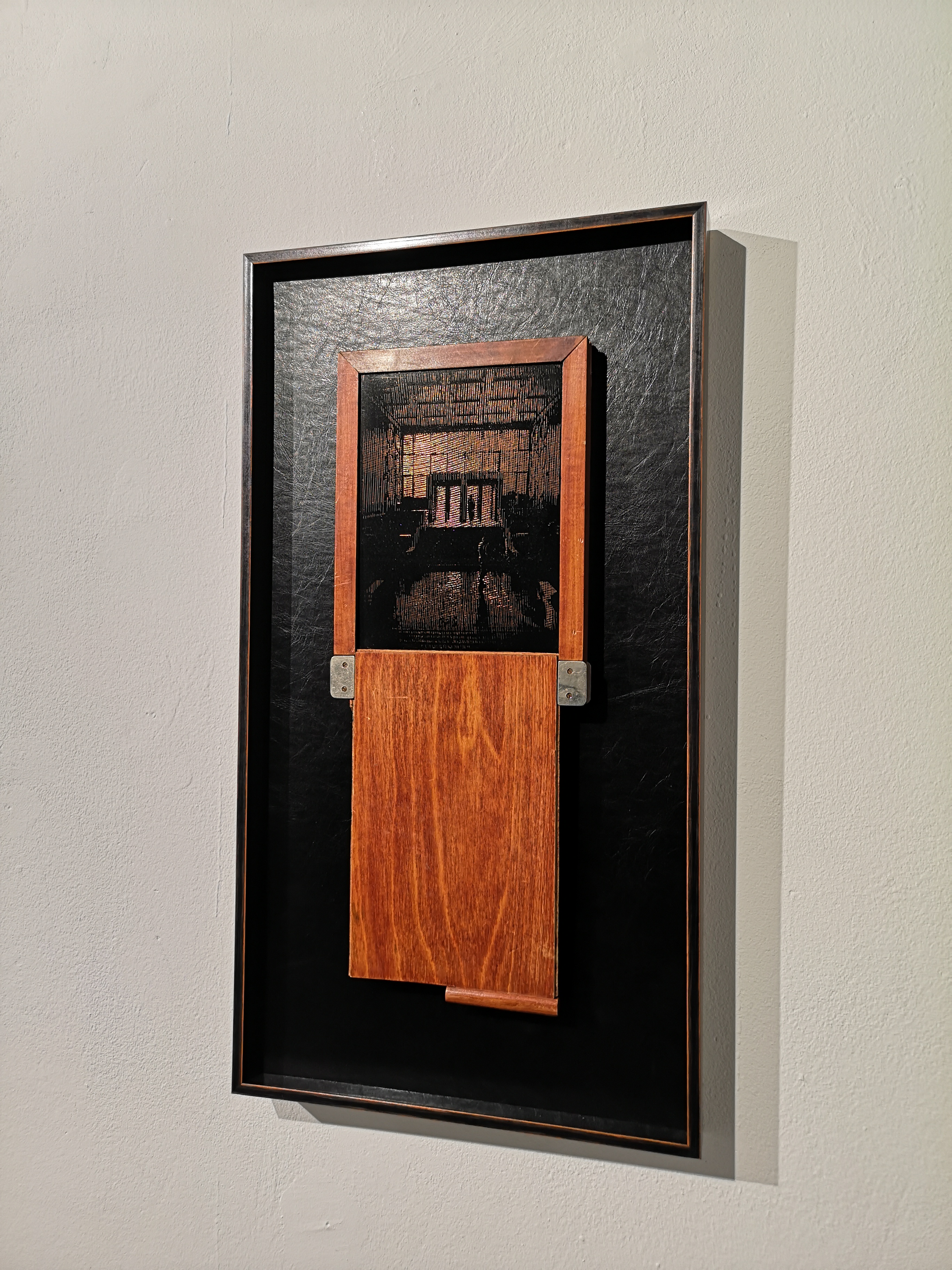
New “Luminography”object

“Luminography”-The work is created by puncturing black thick paper with a needle.

Photo – Elena Rubinina

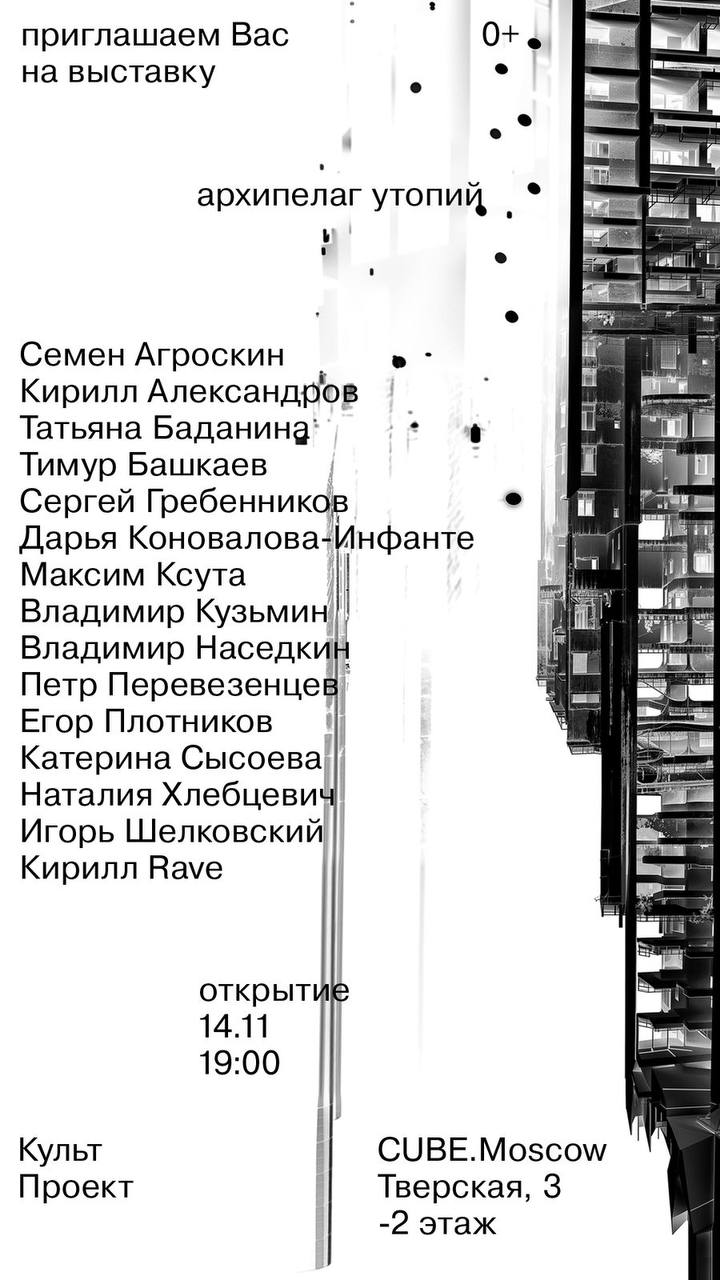
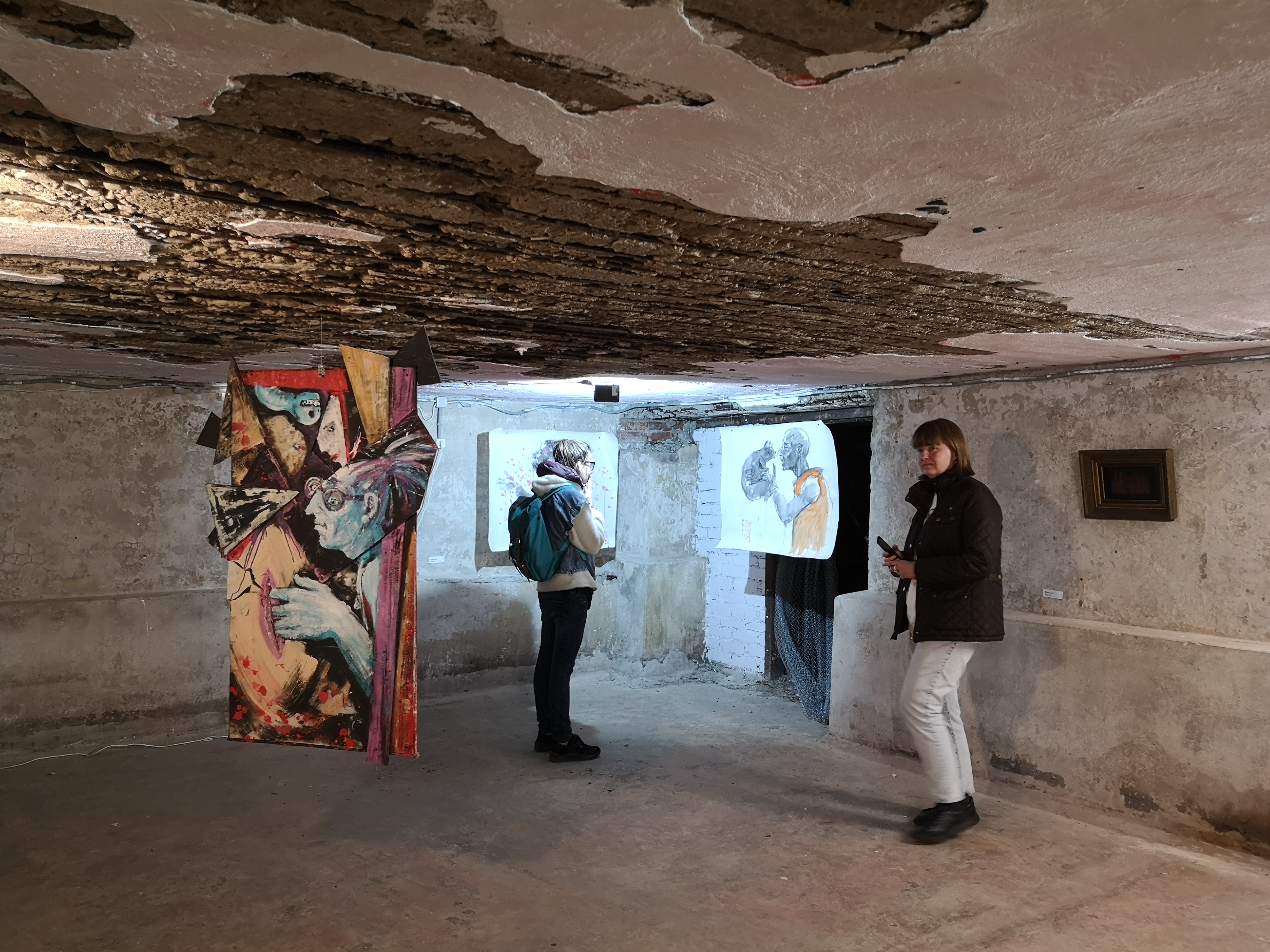
“Archipelago of Utopias” – New group exhibition

2024 “Archipelago of Utopias”, Kultproekt Gallery (CUBE), Moscow

Photo – Elena Rubunina

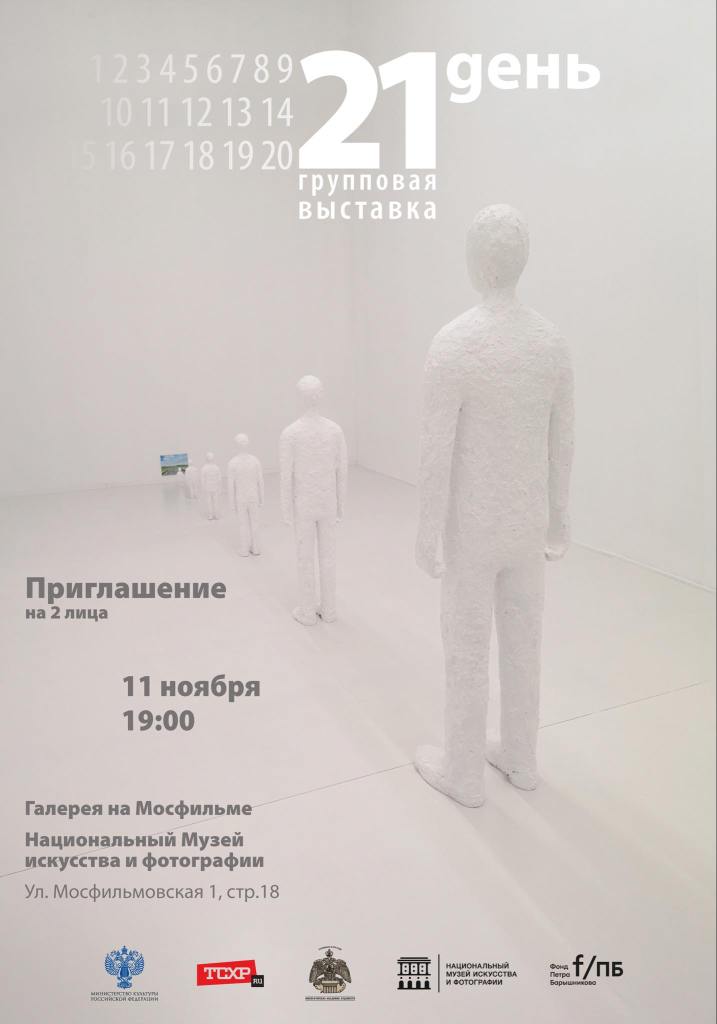
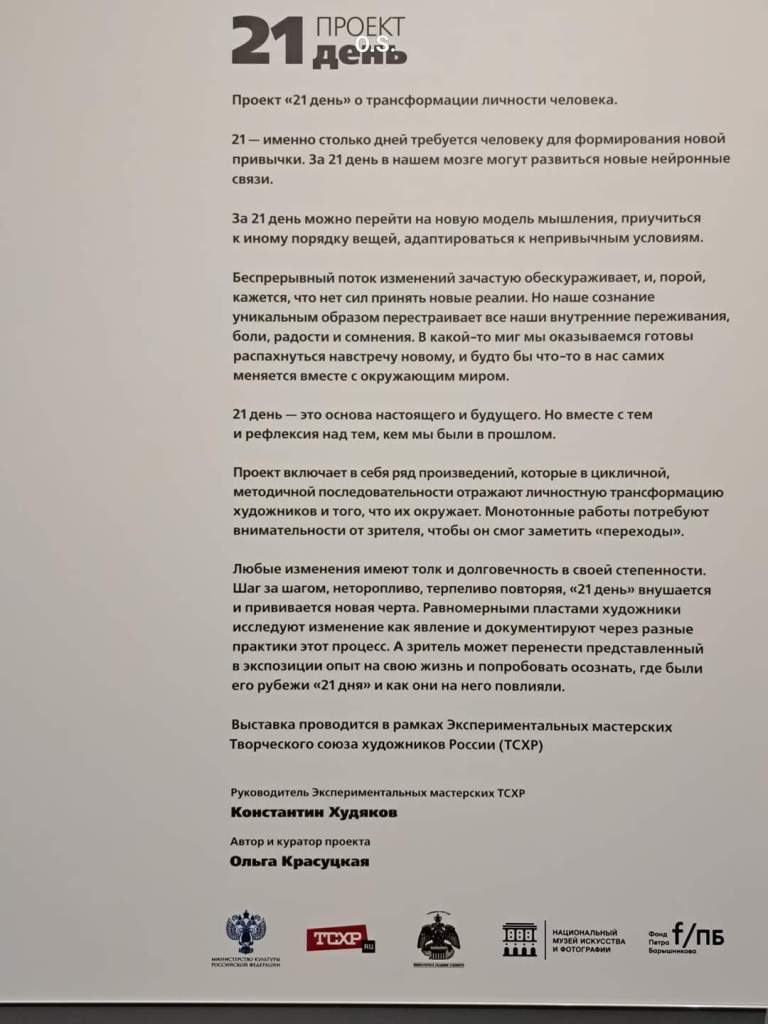
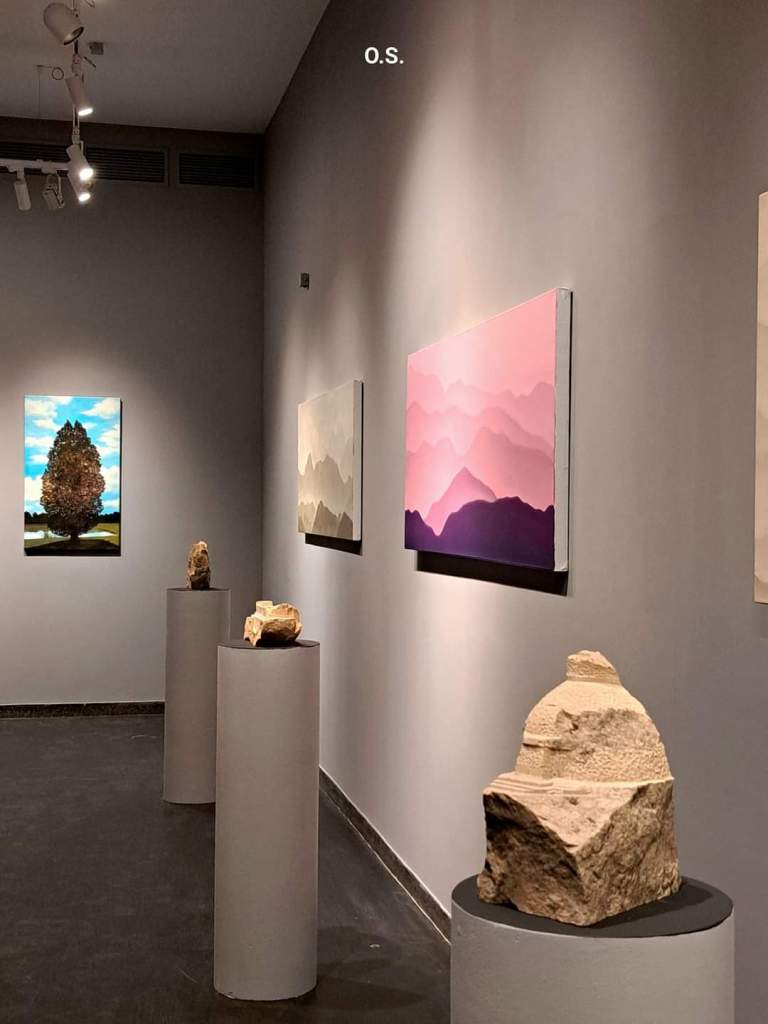
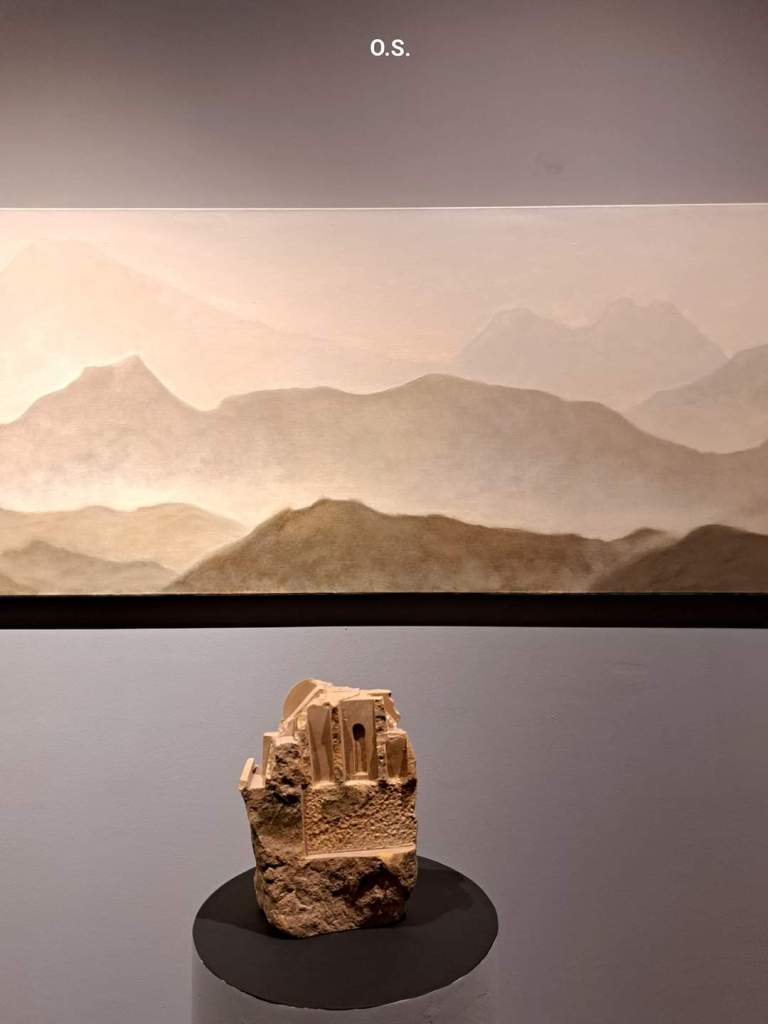
New group exhibition -“21days”

“21 days”, Gallery at Mosfilm National Museum of Art and Photography, Moscow

Photo – Olga Seregina

“Weakness” – a new group exhibition

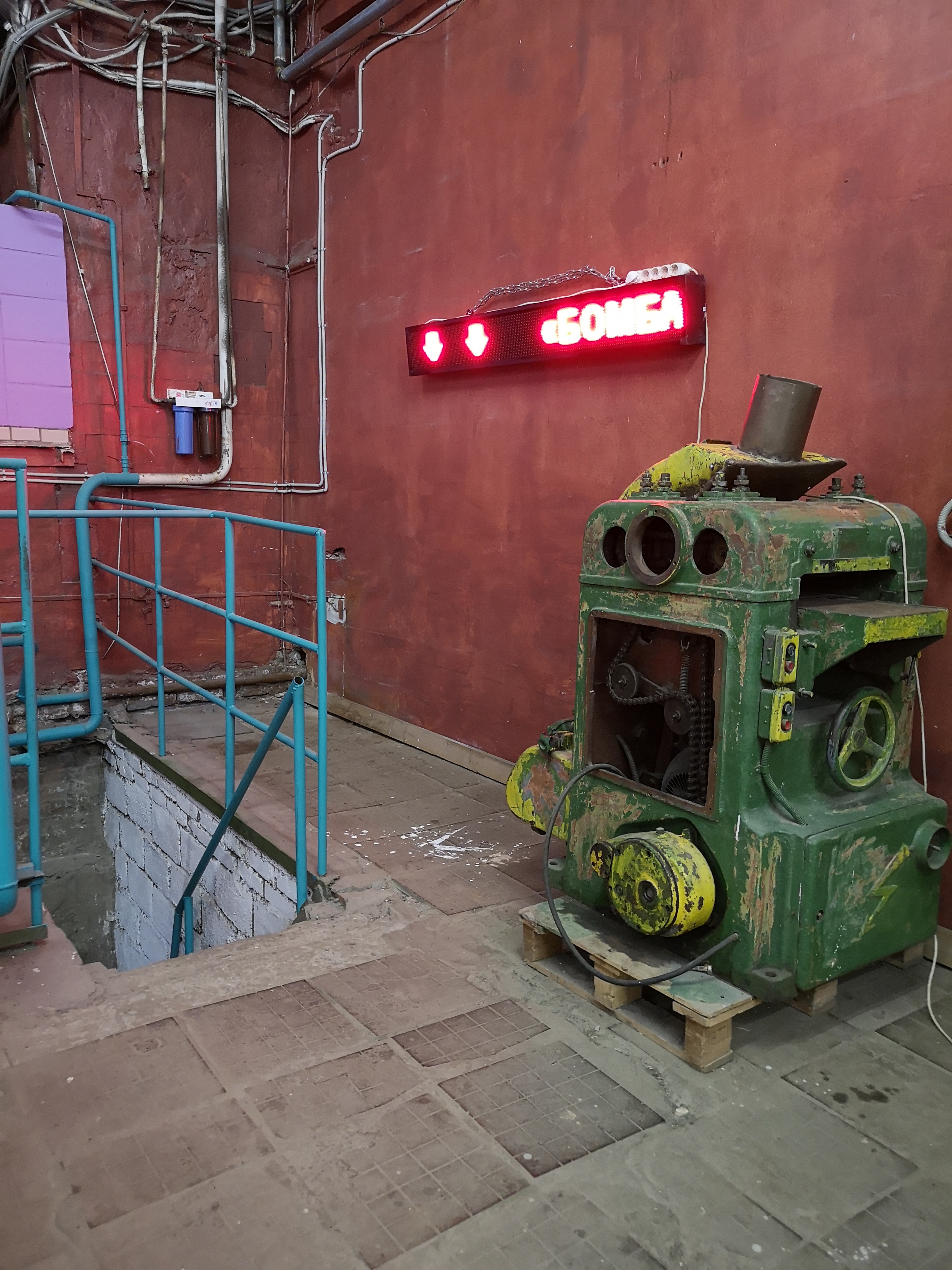
“Weakness” – a new group exhibition at the “Bomba” gallery space in the CCI Fabrika.

Blockchain

Photo by Mariya Solonetskaya & Alisia Prokhorova … My sculpture, “Blockchain,” has recently moved to the town of Chekhov.

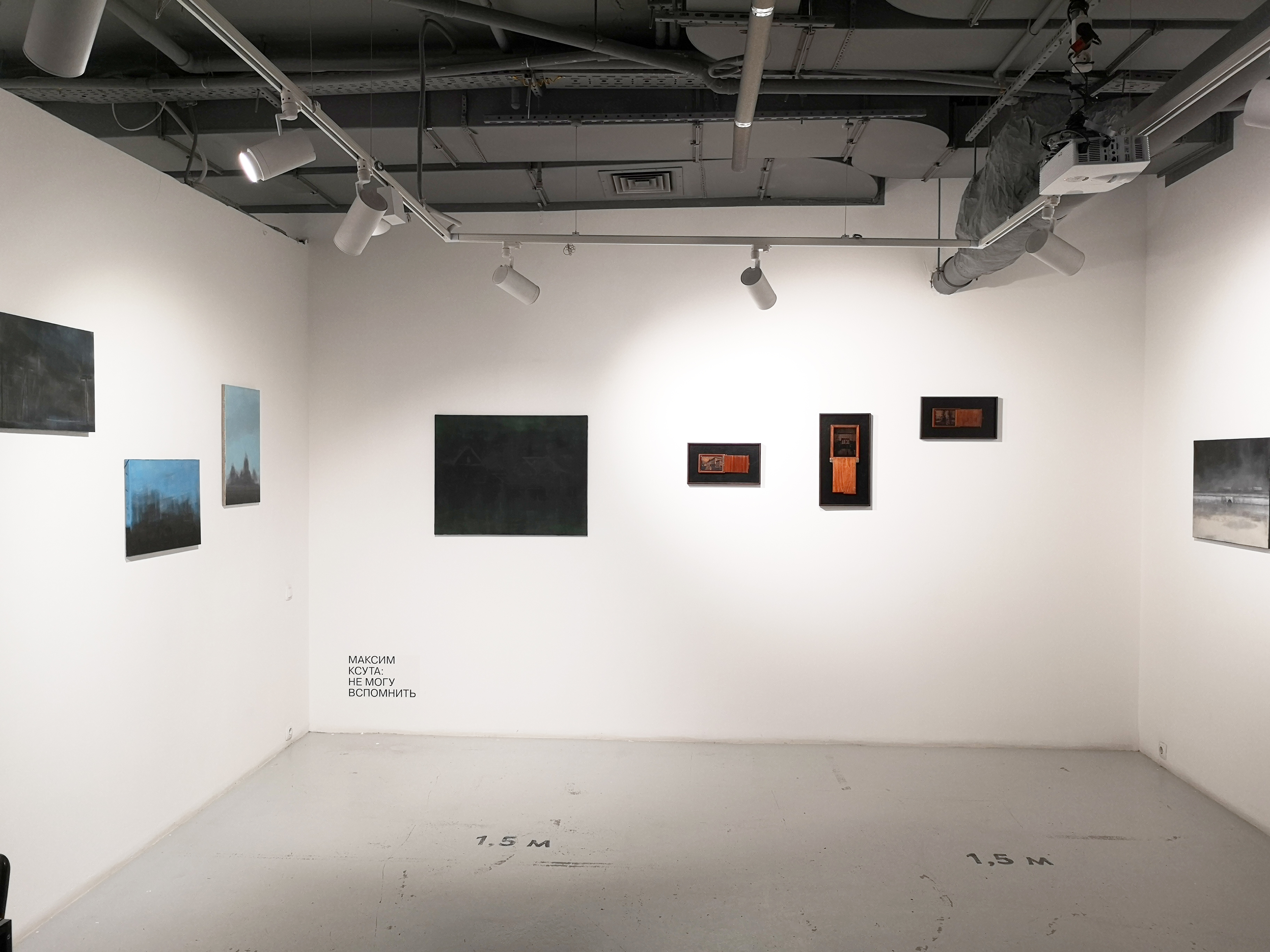
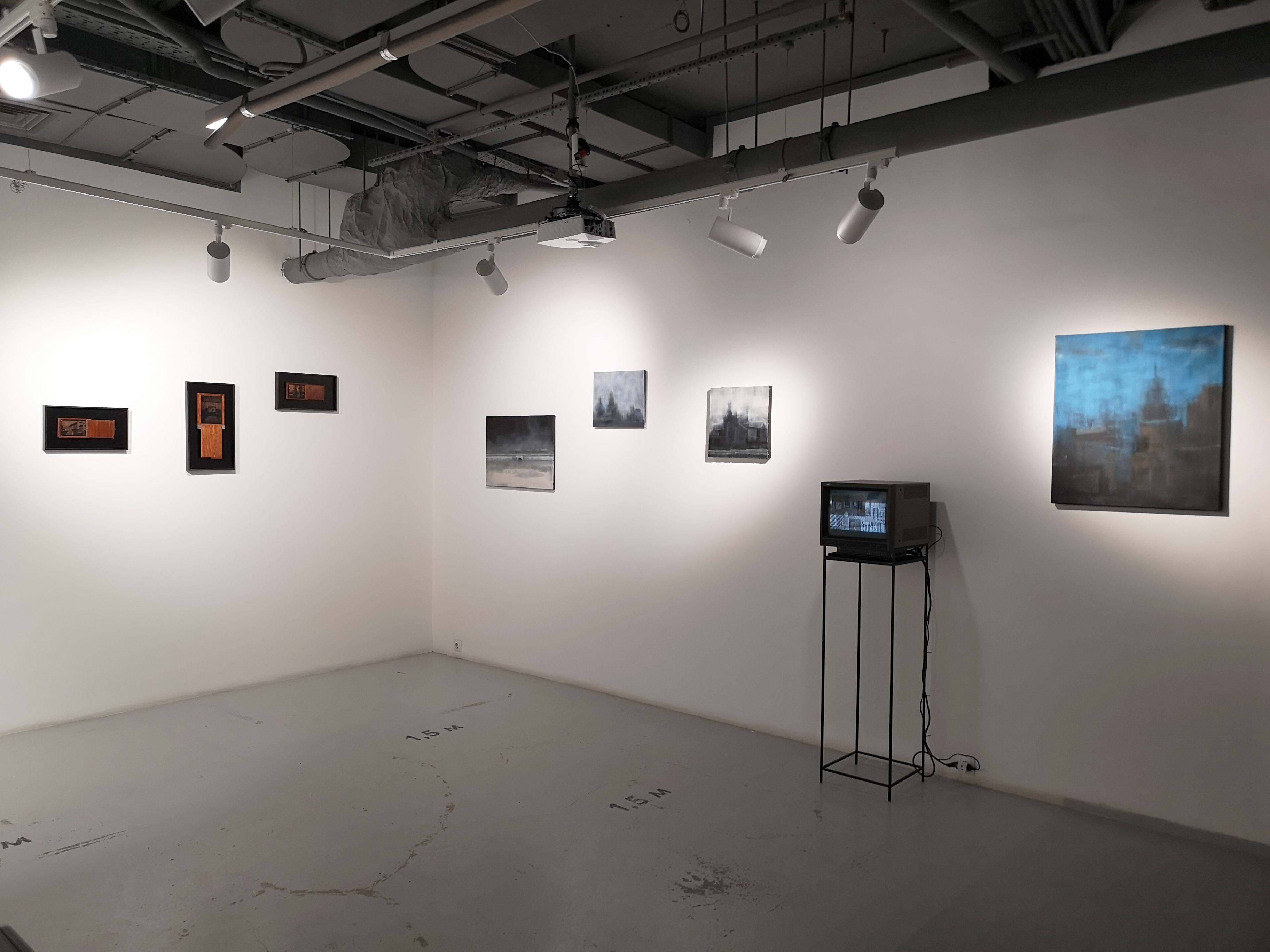
New solo exhibition – “I Can’t Remember”- KultProekt gallery CUBE, Moscow

Inspiration can be found in the most unexpected places. For me, it came in the form of the colorful compositions left on walls and fences after anonymous painters, employed by the municipal services, paint over graffiti deemed undesirable by the city authorities.

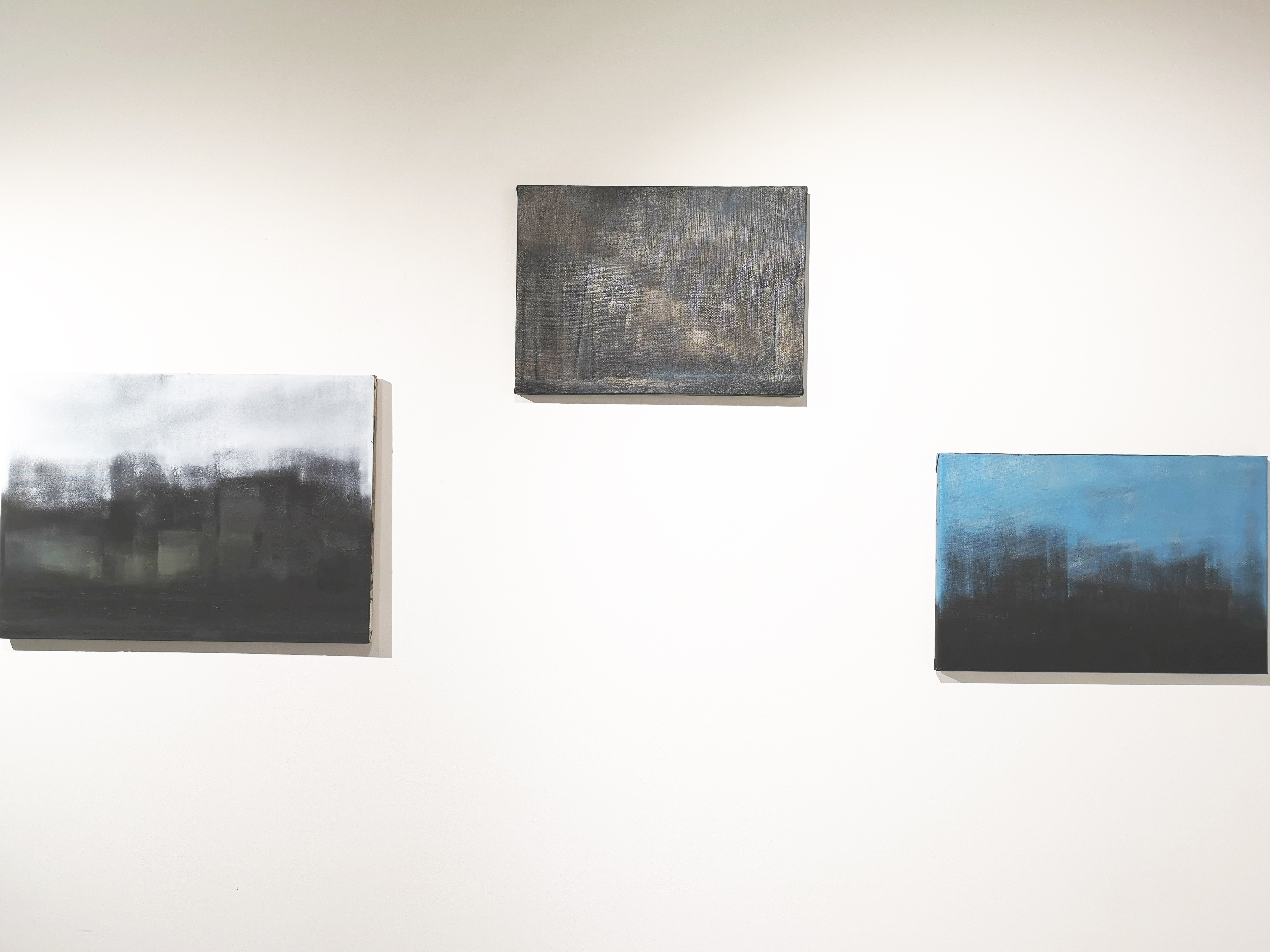
However, instead of completely erasing the traces of street art, they always leave behind strange stains, sometimes resembling landscapes. This phenomenon made me reflect on the nature of memory, its instability, and abstractness.

In my works, I tried to embody this idea visually, creating abstract images that evoke a sense of familiarity, yet leave room for interpretation. Each painting is a combination of blurred shapes and colors that may remind one of something familiar, yet not fully discernible.

Through working with texture and layers of paint, I aimed to convey the complexity of the process of remembering. After all, the paintings are not an accurate representation of a specific moment or place but rather an abstract reflection of the state of consciousness in the process of trying to recall something lost. The viewer is given complete freedom for individual interpretation.

The video presented at the exhibition is a slideshow of my photographs uploaded to the now-banned social network Instagram over the past 12 years. Each frame in this photo archive becomes a link in time and flashes by so quickly that it is impossible to see all the details. This effect is similar to how our memory sometimes changes and inaccurately reproduces old moments.

New group exhibition”Archipelago of dreams” – Victoria Gallery

“Archipelago of dreams” – Victoria Gallery in ZIM Gallery, Samara. Curator: Sergey Guskov.