Maxim Ksuta

russian artist, contemporary art, sculpture, installation, photography

Tag: artists

New Exhibition at Wynwood Hotel

Lost in Transition: новая выставка в Wynwood Hotel

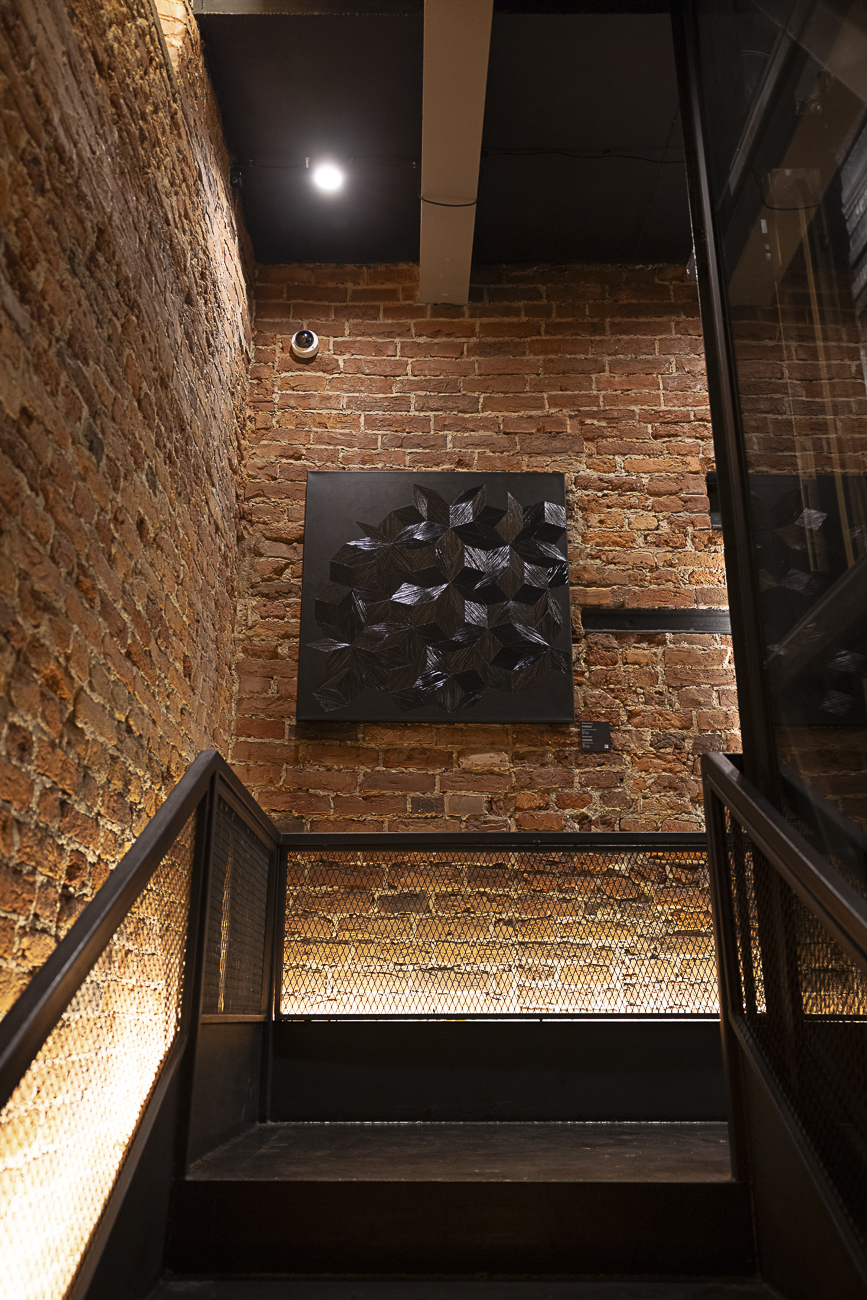
Выставка Lost in Transition в Wynwood Hotel играет с концепцией отеля как места, которое становится свидетелем внутренней трансформации и эмоционального обновления путешественника в новом городе. Впечатления напрямую связаны с обострёнными чувствами: «другое» пробуждает взгляд, который остро улавливает необычные детали, обостряет слух, настроенный на забытые мелодии. Все эти разрозненные образы, хаотично накопленные в течение дня, пересекаются в воображении и просачиваются в сны, смешиваясь с реальностью в первые мгновения после пробуждения. Мгновение до того, как память реконструирует события прошедшего дня и связывает их с настоящим, почти неуловимо — но оно задерживается, близкое к ощущению потерянности, к тому мимолётному моменту дезориентации.

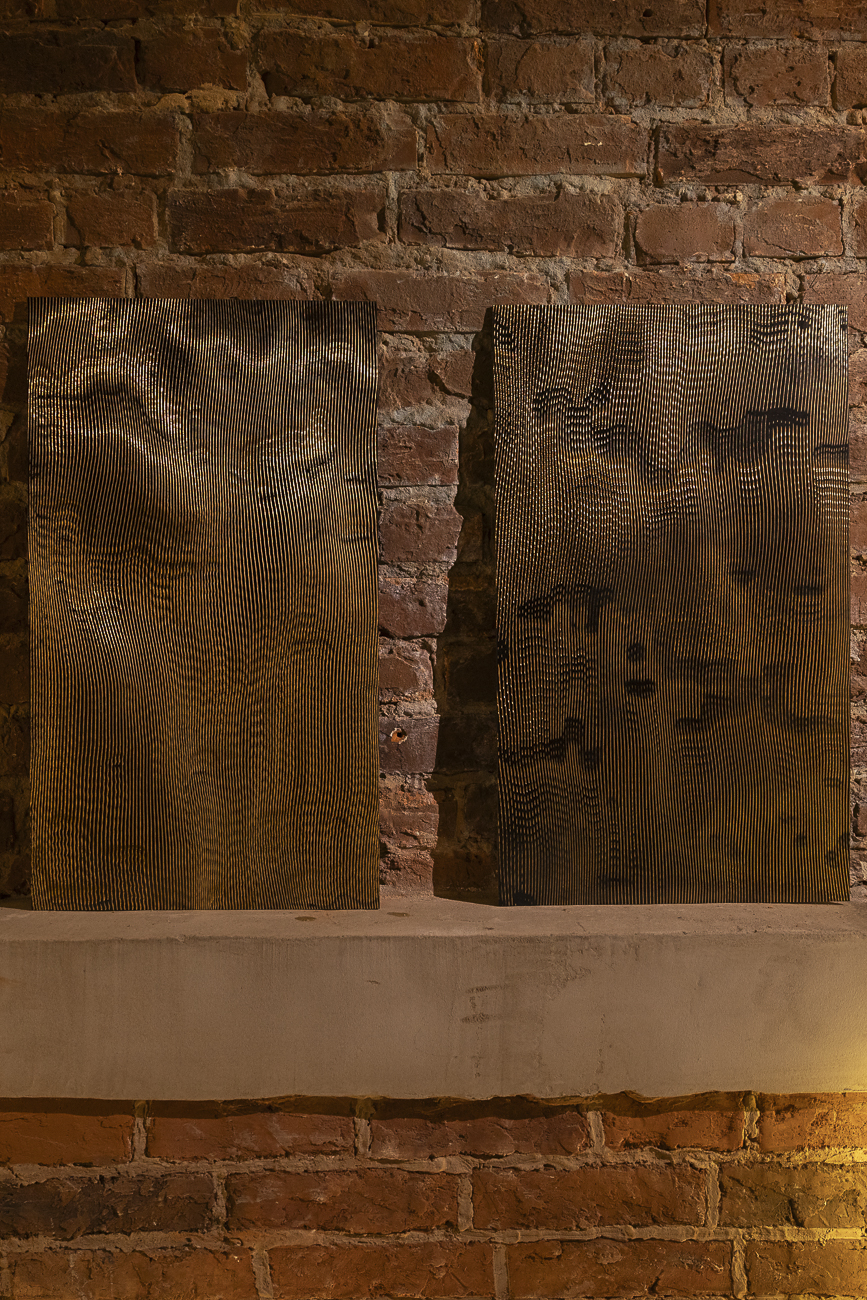
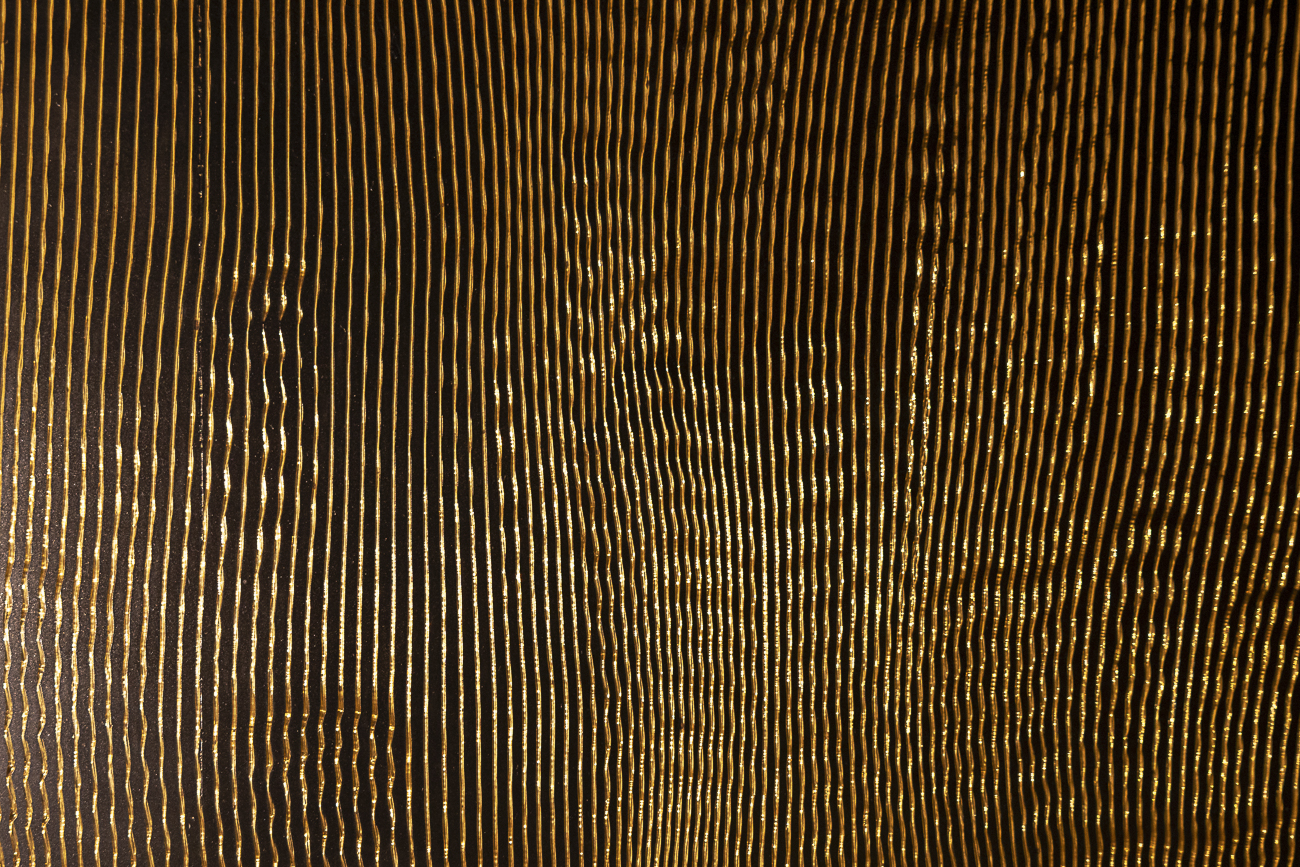
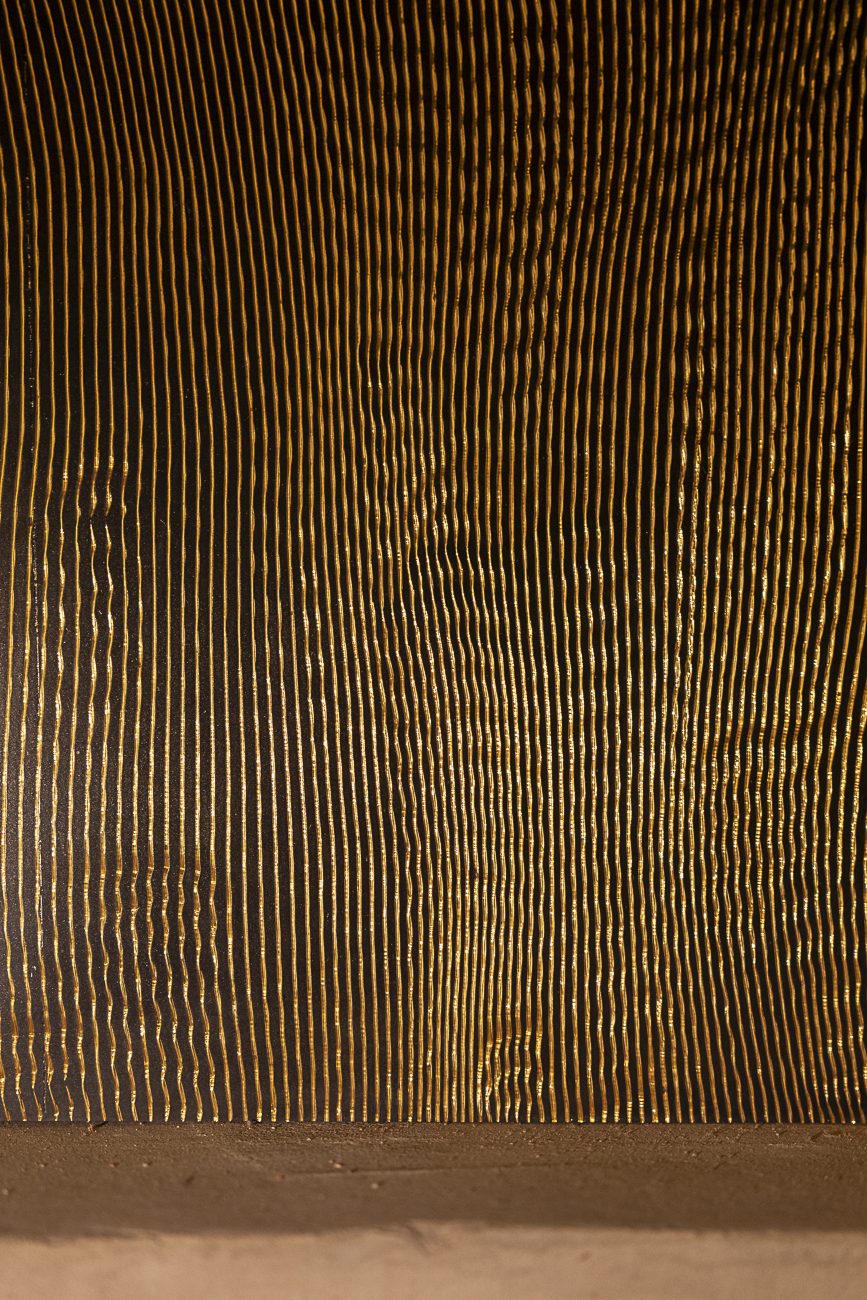
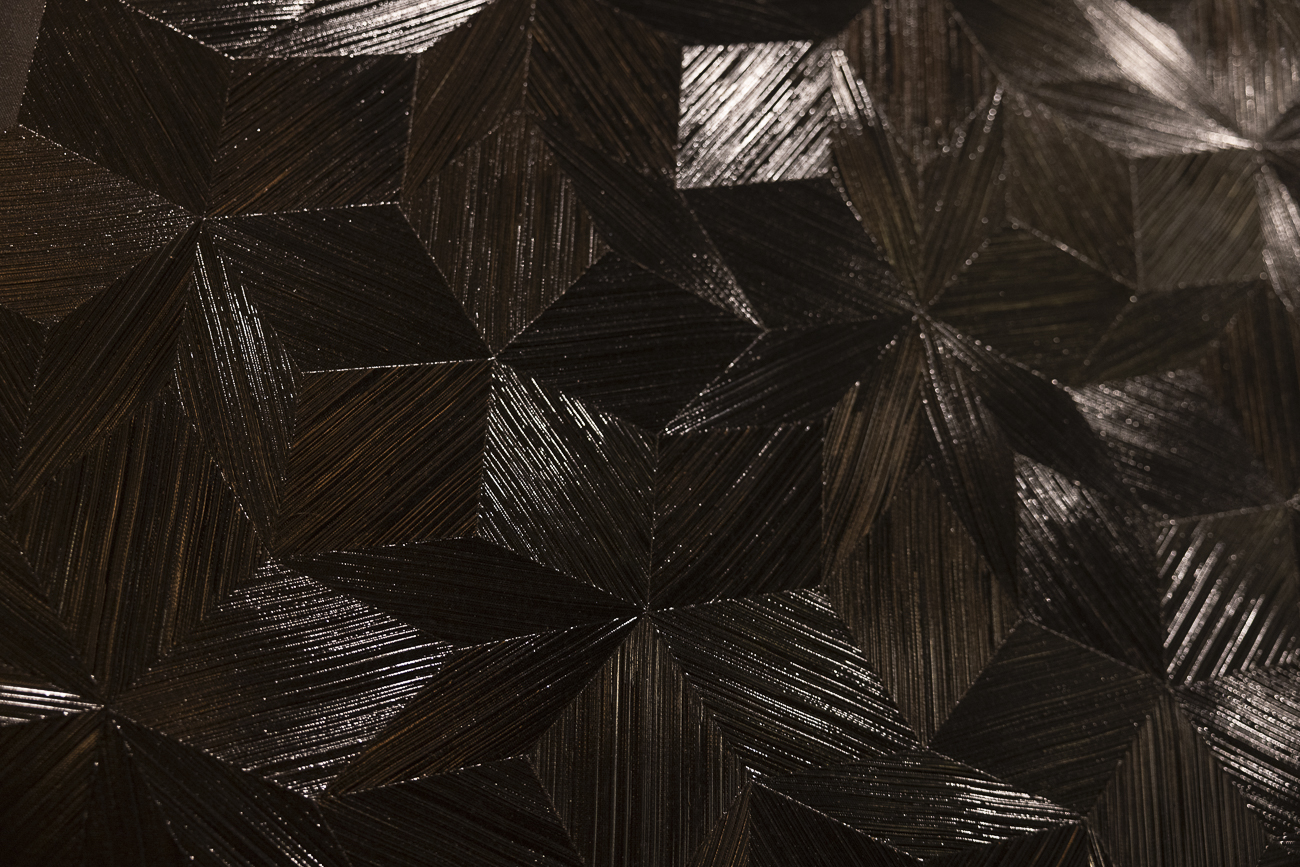
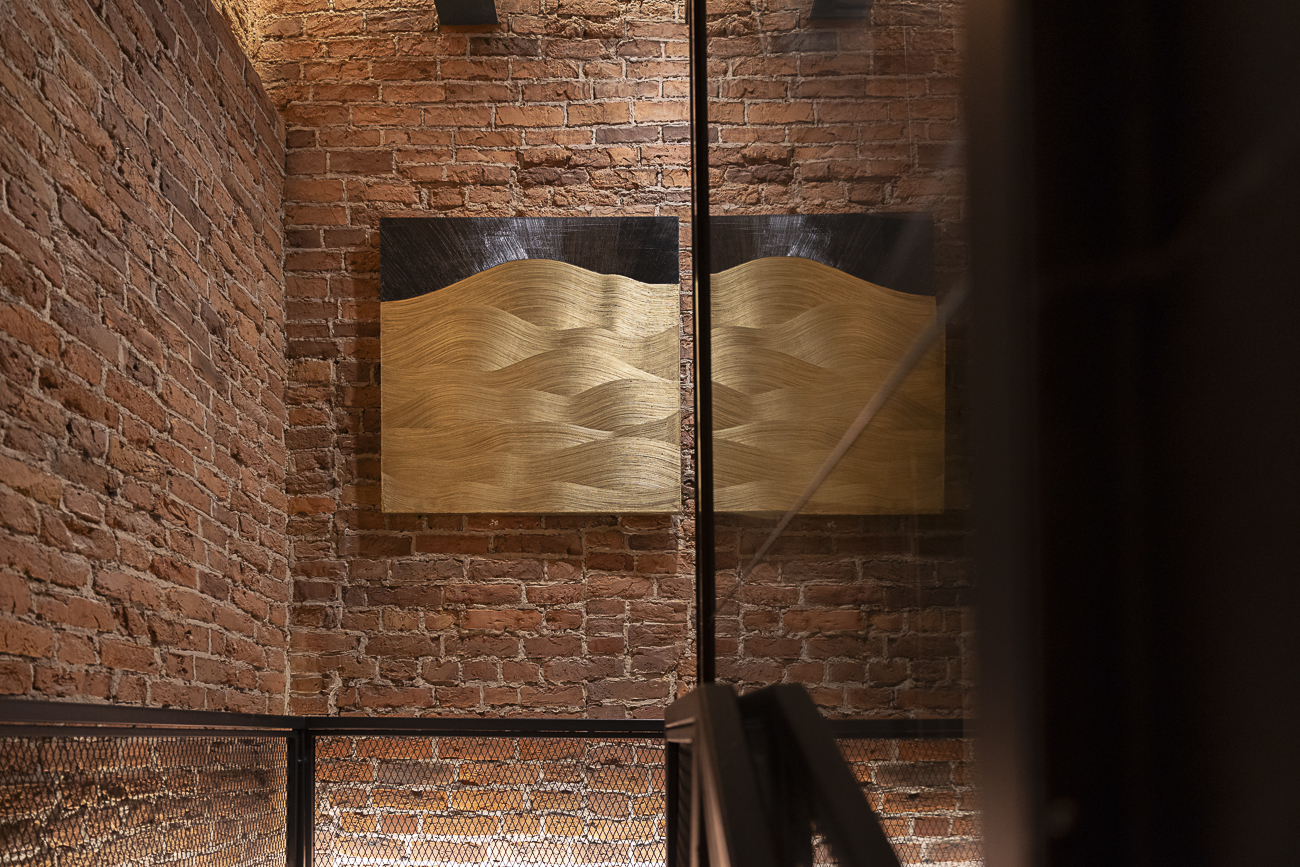
Работы, представленные по всему отелю, отражают опыт художников в конкретные моменты созерцательного самовосприятия в окружающей среде. Серия Harvest Анатолия Акуэ проистекает из его изучения двух эзотерических систем — западной астрологии и древнекитайской БаЦзы — и их влияния на человеческую жизнь. В течение года художник анализировал жизненные события, интерпретировал их через эти мистические традиции и переводил полученные озарения и субъективное понимание в полуабстрактные композиции. Монохромные ландшафты Максима Ксуты из серии Тектоническая живопись словно возникают из универсального мистического ритма, приглашая зрителя взаимодействовать с ним через наблюдение световых отражений. Схожий эффект присутствует в работе Андрея Бергера, где он пишет акрилом на отражающем дорожном знаке с обозначением 100 м, видимом только под определённым углом света. Эта работа под названием Lost in Transition стала основой для концепции выставки, метафорически отсылая к скрытому жизненному пути, невидимому для беглого взгляда.

Объекты Евы Хелки и картины Миши Никатина работают как иронические загадки, собранные из повседневных предметов. Раскрывая поэзию обыденного, их образность проецируется на воспоминания зрителя, перестраиваясь как колода карт, разворачиваясь заново в разных умах.

Анка Ахалая, создавая свои абстрактные композиции, обращается к сюрреалистической технике автоматического письма, запечатлевая в своих работах мимолётные эмоциональные состояния. Иное впечатление — тяготеющее к постоянству и идее вечного возвращения — возникает в работах Ольги Аксёновой, где едва видимые фигуры мерцают в золотом свете, связанные таинственной общей встречей. На пересечении реальности и вымысла, в тихом размытии акварельных мазков, Артур Самофалов ищет точку стабильности в своей серии Обитаемые руины. Его неопределённые формы становятся аллегориями неопределённого знания — хаос затуманивает чёткие контуры объектов, вызывая тревогу.

Задача для каждого из нас — преодолеть стремление к жёсткой ясности и вместо этого принять созерцание — подход, который способствует внутренней трансформации и раскрывает новое видение мира. Даже самое небольшое путешествие изменяет ритм жизни, приподнимая завесу с наших глаз и позволяя осуществить переход, внутреннюю метаморфозу и формирование обновлённого диалога как с самим собой, так и с окружающим миром.

Алиса Прохорова


Lost in Transition: A New Exhibition at Wynwood Hotel

The Lost in Transition exhibition at Wynwood Hotel plays with the concept of a hotel as a place that bears witness to the inner transformation and emotional renewal of a traveler in a new city. Impressions are directly tied to heightened senses: the “other” awakens a gaze that keenly captures unusual details, sharpens hearing attuned to forgotten melodies. All these scattered images, accumulated chaotically throughout the day, intersect in the imagination and seep into dreams, blending with reality in the first moments after waking. The instant before memory reconstructs the events of the past day and threads them to the present is nearly imperceptible—yet it lingers, close to the sensation of being lost, to that fleeting moment of disorientation.

The works displayed throughout the hotel reflect artists’ experiences at specific moments of contemplative self-perception within their surroundings. Anatoly Akue’s Harvest series stems from his study of two esoteric systems—Western astrology and ancient Chinese BaZi—and their influence on human life. Over the course of a year, the artist analyzed life events, interpreted them through these mystical traditions, and translated the resulting insights and subjective understanding into semi-abstract compositions. Maxim Ksuta’s monochromatic landscapes from the Tectonic Painting series seem to emerge from a universal mystical rhythm, inviting the viewer to engage with it through the observation of light reflections. A similar effect is present in Andrey Berger’s work, where he paints with acrylic on a reflective road sign marked 100 m, visible only at a specific angle of light. This piece, titled Lost in Transition, became the foundation for the exhibition’s concept, metaphorically referring to the hidden path of life, unseen by the casual glance.

Eva Helki’s objects and Misha Nikatin’s paintings operate like ironic riddles, assembled from everyday items. By revealing the poetry of the mundane, their imagery projects onto the viewer’s memories, rearranging itself like a deck of cards, unfolding anew in different minds.

Anka Akhalaya, in creating her abstract compositions, turns to the surrealist technique of automatic writing, capturing fleeting emotional states in her works. A different impression—one that leans toward permanence and the idea of eternal return—emerges in Olga Aksyonova’s pieces, where barely visible figures shimmer in golden light, bound by a mysterious shared encounter. At the intersection of reality and fiction, in the quiet blur of watercolor strokes, Arthur Samofalov seeks a point of stability in his Inhabited Ruins series. His indistinct forms become allegories of uncertain knowledge—chaos obscures the clear contours of objects, evoking unease.

The challenge for each of us is to overcome the desire for rigid clarity and instead embrace contemplation—an approach that fosters inner transformation and reveals a new vision of the world. Even the smallest journey shifts the rhythm of life, lifting the veil from our eyes and allowing for transition, for inner metamorphosis, and for the formation of a renewed dialogue with both the self and the world around us.

Alisa Prokhorova

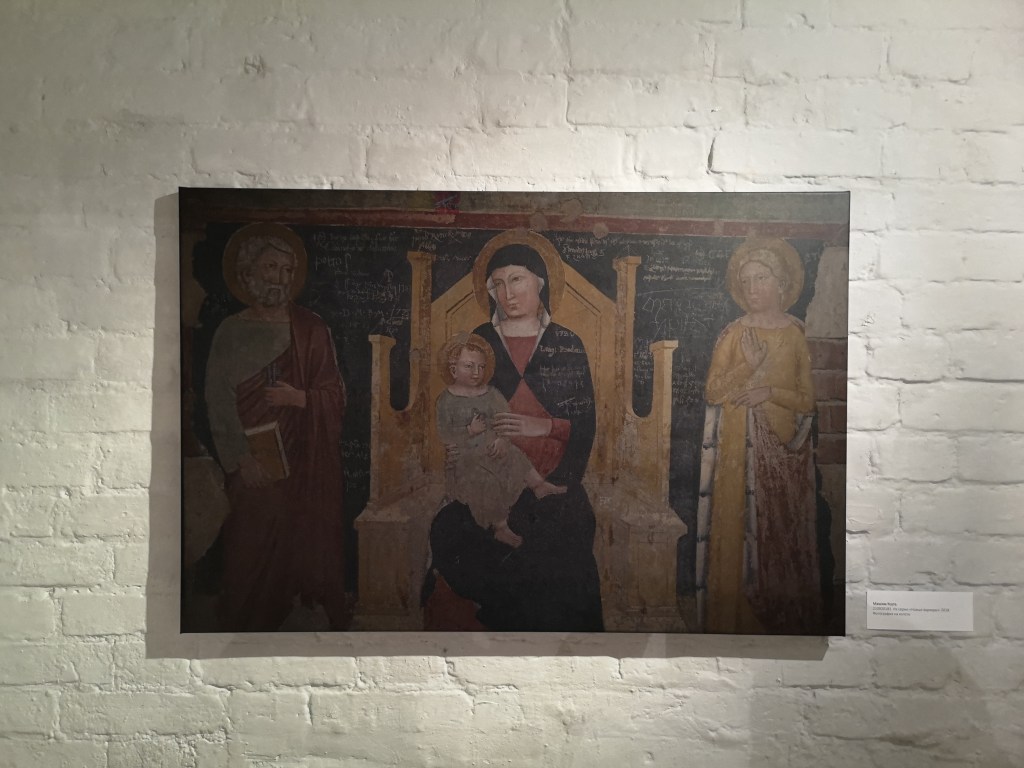
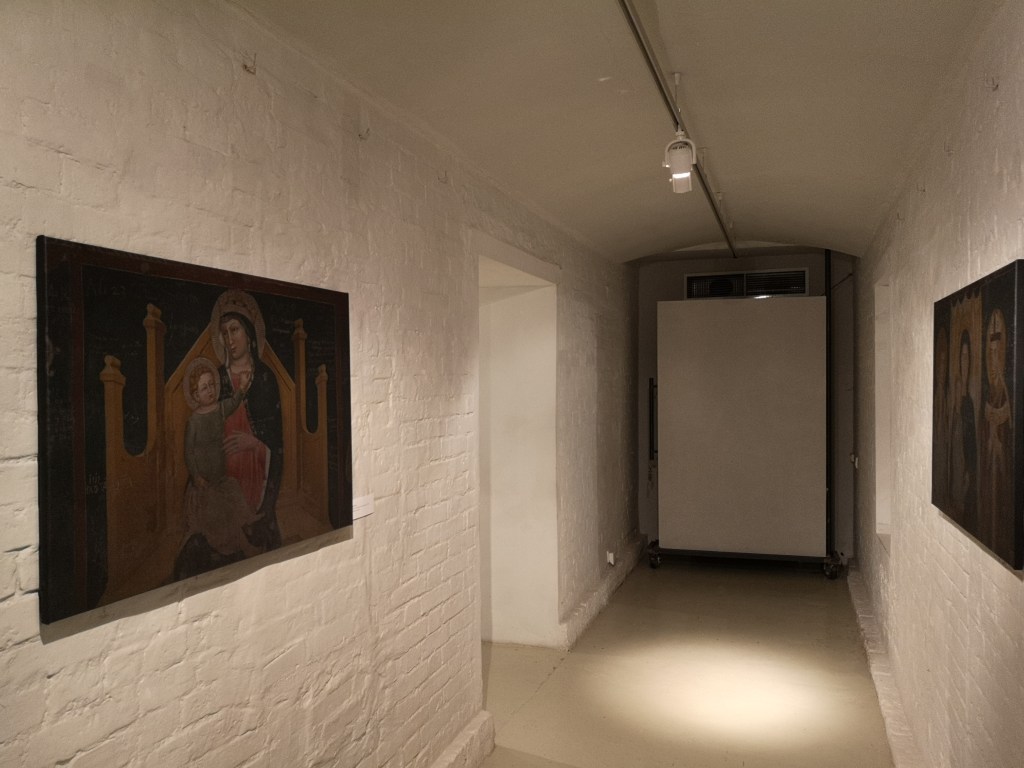
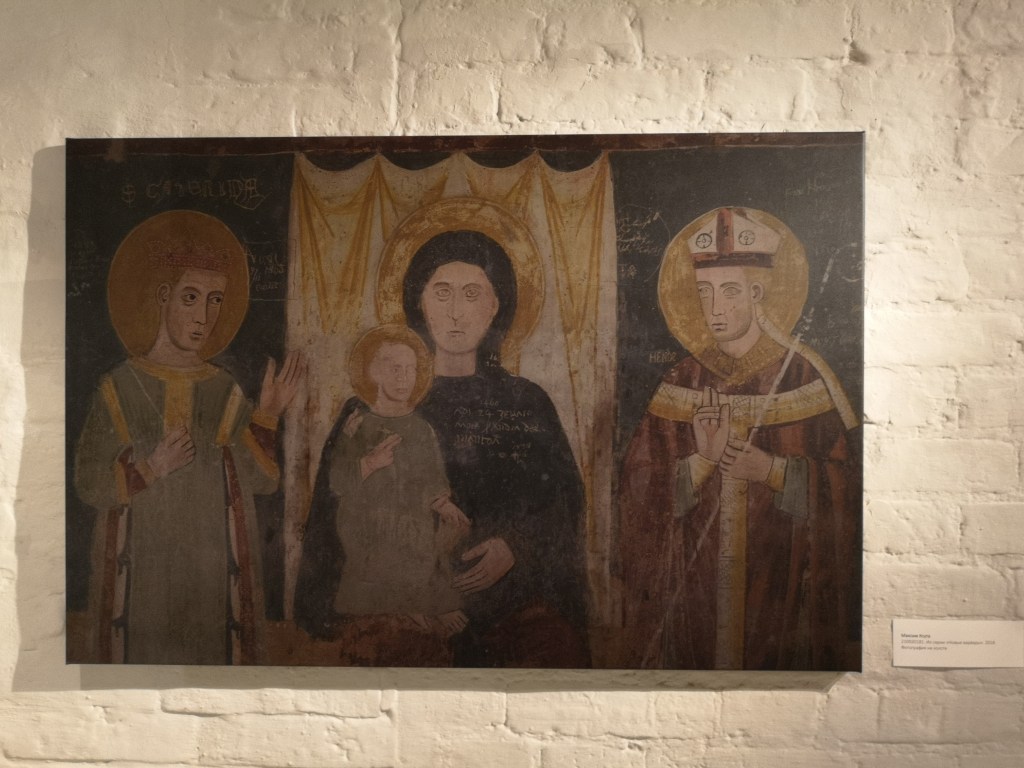
New group exhibition-“Rome-ours” – Kovcheg gallery, Moscow

“Hearthrug” – TOPSY‑TURVY series

Hearthrug


 My photo -“Hearthrug” in SpallArt

The private art collection SpallArt initially evolved from the enthusiasm for the diversity of possibilities that photography uses to obstruct, to deny and to challenge our perception.
The art collector Andra Spallart acquired first contemporary photographic works in the mid 1980s – after its move to Vienna in 1995, the constantly growing collection got a clear orientation and emphasis: contemporary photography from Austria – certainly with reference to the European context.

http://www.sammlung-spallart.at/en/

http://www.sammlung-spallart.at/en/kuenstler/381/maxim-ksuta/

About my project

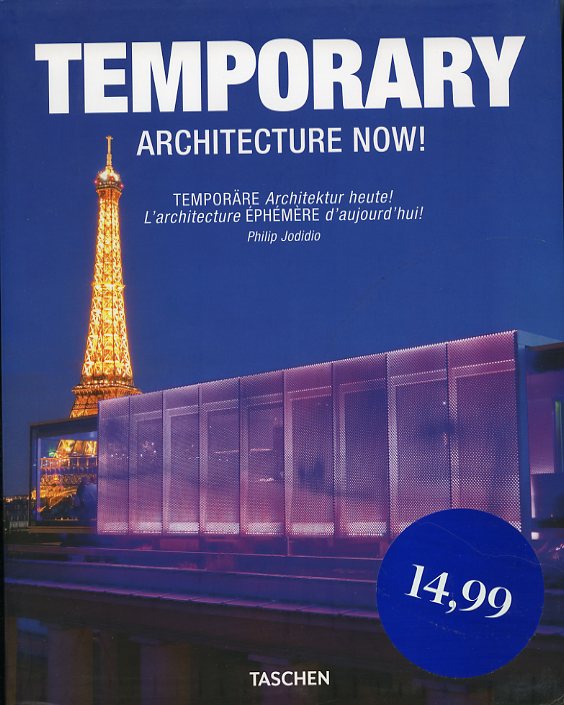
TASCHEN

2010 “Imperfetto”: Contemporary Russian Art, Spazio Carbonesi, Bologna

Photo installation, Full HD video, installation view

“Intertext” / “Интертекст”. Group exhibition

Групповой проект «Интертекст» исследует вопрос взаимопроникновения текста и изображения. Экспозиция объединяет как классиков московского концептуализма (Дмитрия Пригова, Юрия Альберта, Андрея Филиппова), так и современных европейских и российских художников, работающих в рамках заданной проблематики.

Некоторых участников, таких как Леонид Тишков, Никита Алексеев, Виктор Умнов и Баби Бадалов, можно в равной степени считать литераторами, поскольку их визуальные образы дополняют их же текстовые произведения. Современный текст в форме цифровой или фигурной поэзии часто создается с помощью компьютерных технологий. Генерируя изображение через различные цифровые коды, медиапоэты и видеохудожники — Наталия Федорова, Анна Толкачева и Чарльз Сэндисон — частично делегируют свою роль машине.

Часть выставки, представленная работами Тани Муро, Виктора Панова, Максима Ксуты, Евгения Добровинского и Ильи Гришаева, посвящена символическому образу как графическому элементу, автоматическому письму и каллиграфическим практикам. Средством художественной выразительности здесь становятся не только знаки, но и пробелы между ними, а также намеренное сокрытие или недосказанность.

Такие художники, как Семен Мотолянец, Георгий Острецов и Валерий Чтак, используют текст в виде слоганов, тегов или символов, связанных с популярной культурой, политикой и социальным взаимодействием. Текстовые лозунги подчеркивают саму природу социальной коммуникации, основанной на единой знаковой системе.

Каждый текст, представленный на выставке, является не отдельным высказыванием, а лишь фрагментом всеобщей вербально-текстовой структуры. Работы художников не всегда требуют буквального прочтения; зачастую они служат лишь напоминанием или ссылкой на другие тексты за пределами выставочного пространства. Экспозиция не предполагает немедленного и последовательного чтения; она скорее служит отправной точкой для множества нарративов. Интертекстуальность здесь становится не просто вектором исследования, а самой художественной практикой.


The group project “Intertext” explores the interpenetration of text and image. The exhibition brings together both Moscow Conceptualists (Dmitry Prigov, Yuri Albert, Andrey Filippov) and contemporary European and Russian artists working within this thematic framework.

Some artists, such as Leonid Tishkov, Nikita Alexeev, Victor Umnov, and Babi Badalov, can equally be considered writers, as their visual imagery complements their textual creations. Contemporary text in the form of digital or visual poetry is often created using computer technology. By generating images through various digital codes, media poets and video artists such as Natalia Fedorova, Anna Tolkacheva, and Charles Sandison partially delegate their creative role to the machine.

A section of the exhibition, featuring works by Tania Mouraud, Victor Panov, Maxim Ksuta, Evgeniy Dobrovinskiy, and Ilya Grishaev, is dedicated to the symbolic image as a graphic element, automatic writing, and calligraphic practice. Not only the signs themselves, but also the gaps between them—intentional concealment or understatement—become a means of artistic expression.

Artists such as Semen Motolyanets, Georgy Ostretsov, and Valery Chtak use texts as slogans, tags, or symbols associated with popular culture, politics, and social interaction. These textual slogans highlight the very nature of social communication, which is based on shared sign systems.

Each text featured in the exhibition is not an isolated statement, but rather a fragment of a universal verbal-textual structure. The texts presented by the artists do not always require literal reading; they often serve as reminders or links to other texts outside the exhibition space. The exposition does not imply a linear or immediate reading; instead, it serves as a starting point for numerous narratives. Intertextuality thus becomes not just a research vector, but the practice itself.

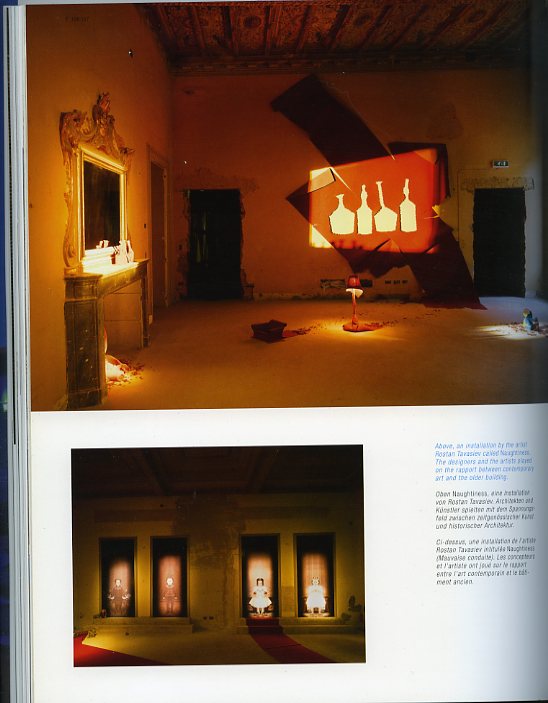
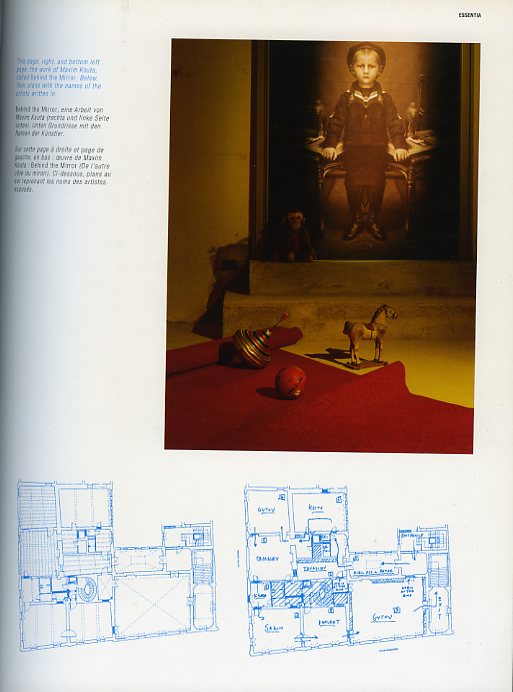
“IMPERFETTO” Spazio Carbonesi, Bologna, ltaly, 2010 in TASCHEN

TEMPORARY ARCHITECTURE NOW

page 154

www.spaziocarbonesi.it/aboutus/img_pressroom/Temporary-imperfetto.pdf

“TOPSY-TYRVY” – Kristina Romanova`s photo set (my exhibition) Triump Gallery

Ссылка на фотографии сделанные Кристиной Романовой, с моего открытия

Kristina Romanova set (c) … … … …

Maxim Ksuta “Topsy-Turvy”

10294328_872813042732665_7498481233311117290_n

I`am, Wolfgang Gantner, Ustina Yakovleva – my exhibition 15 may 2014 Triumph gallery

Topsy-Turvy 16.05.2014 – 01.06.2014, Triumph gallery

Topsy-Turvy
16.05.2014 – 01.06.2014, Triumph gallery


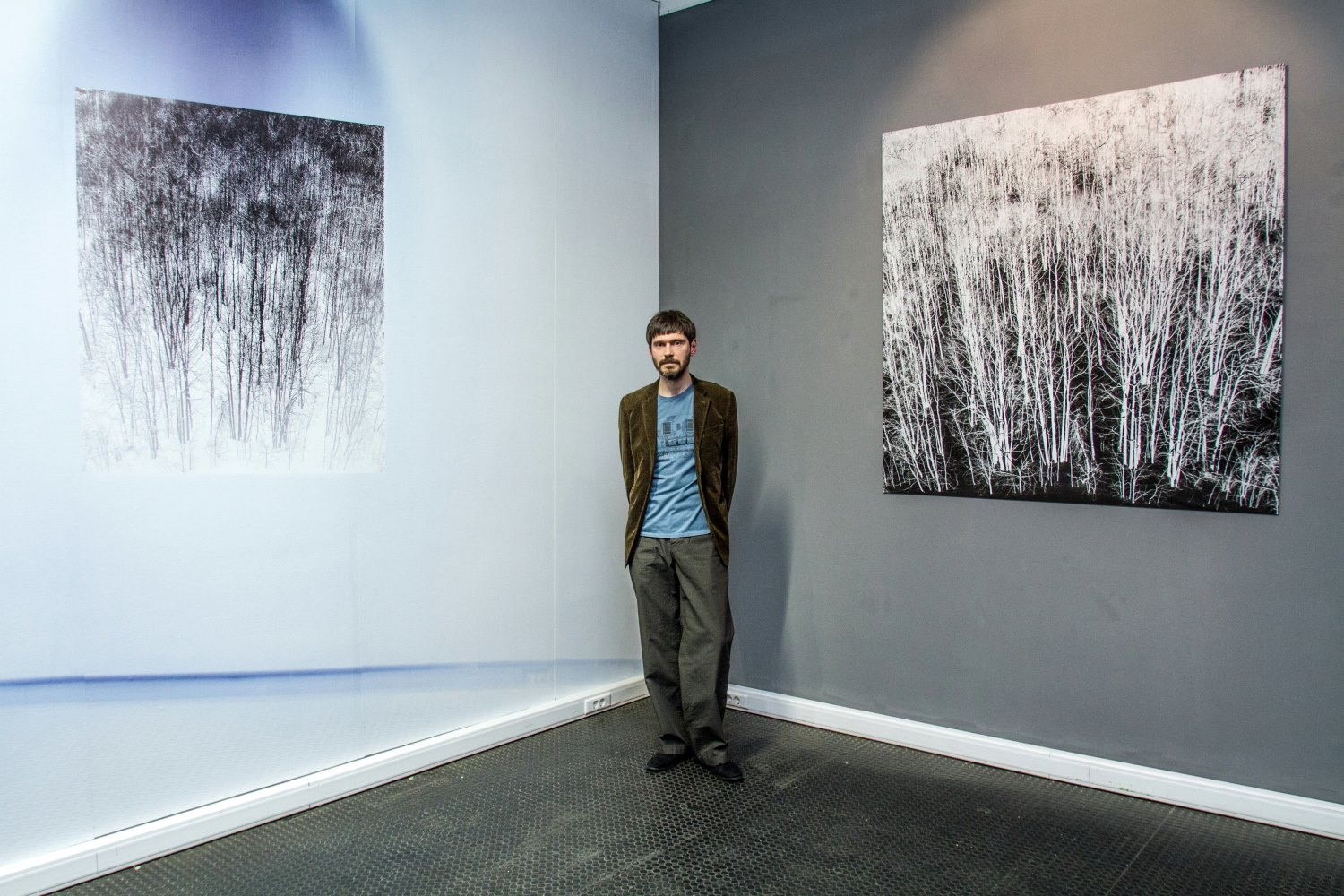
Максим Ксута, пожалуй, единственный российский художник, который от проекта к проекту последовательно исследует технические и технологические возможности фотографии: в центре его интереса находится не столько само фотографическое изображение (кажется, Ксута не о самом образе и его внушающей силе), сколько манипуляции с полученным изображением, разложение фотографического процесса на отдельные стадии и чрезвычайно разнообразные механические деконструкции изображения, чтобы затем из артефактов, возникающих в результате этой деконструкции, заново собрать целое, переупорядочить распавшиеся части и установить новые связи. Ксута играет с реальностью, используя её как своего рода конструктор, словно её можно подвергнуть базовой реконструкции по воле играющего; при этом им движет ещё одно важное обстоятельство, которое в той или иной форме проявлялось уже в самых ранних его работах. Ксута принципиально не согласен с видимой реальностью: не согласен в том смысле, что неизбежно стремится обнаружить в ней симметрию и порядок, визуальную логику, которая даже в своих несовершенствах позволяет нам увидеть красоту. Он постоянно ищет структуру, часто изобретает её, «навязывает» её пейзажам, людям, объектам; внедряет каркас в массу случайных зрительных впечатлений.

Аналогичным образом, в своём проекте для Triumph Gallery Ксута «очищает» реальность, демонстрируя в пространстве базовый фотографический принцип позитив/негатив. При этом он различает одно состояние от другого едва заметной, почти прозрачной границей. Для Ксуты образ границы, раздела, чрезвычайно важен — это особое пространство, вокруг и внутри которого сосредоточено всё существующее, и реальность (как будто столкнувшись с опасностью) приобретает предельно концентрированную форму; граница — это проявление сущности, её пересечение всегда является символическим актом изменения состояния, и Ксута умело работает с этим в пространстве галереи.

Проект «Topsy-Turvy» (ироничное название нисколько не умаляет серьёзности замысла) возвращает зрителя к ещё одному важному для истории фотографии вопросу: где начинается и где заканчивается её объективность и «правдивость», насколько различаются видимая и фотографическая реальности? Часто повторяющиеся сомнения в способности фотографии отражать происходящее или существующее (наиболее отчётливо это проявляется в работах художников дюссельдорфской школы) находят новое выражение в проекте Максима Ксуты. Он не стремится проникнуть в сущность реальности и не пытается уловить мимолётность движения или равновесие цвета; вместо этого он сосредотачивается на сущности самой фотографии, на фотографическом процессе, разлагая изображение на позитив и негатив, беспощадно обнажая его структуру. Ксуту не привлекает визионерское — его интересует лабораторный подход, использование серьёзного научного аппарата и соответствующих инструментов. И именно в этом проявляется подлинная этика художника — честность жеста, целостность программы, которая позволяет не только создавать новые фотографические серии, но и мыслить пространством, физическими объёмами, в которых происходят удивительные переходы и трансформации.

Екатерина Иноземцева


Мой проект полностью посвящён осмыслению удивительной технологии, открытой около 150 лет назад и ставшей в последнее время повседневной благодаря своему массовому распространению как удобного инструмента передачи информации. Я попытался выявить и обозначить выразительные семантические и пространственные акценты, формирующие как сам процесс, так и дискурс вокруг современной фотографии.

Серия работ следует принципу, согласно которому опыт современного искусства основан на противоречии, нонконформизме и тезисе, утверждающем, что каждый следующий шаг отвергает предыдущий. В связи с этим я продолжаю эксперимент по изменению «состояния равновесия фотографии», выводя её из сферы документального отражения событий в пространство атмосферного и сугубо чувственного.

Представляя проект как site-specific-инсталляцию, я стремлюсь вовлечь зрителя в пространство произведения, активизируя его чувствительность. «Граница раздела» — это основной концептуальный вектор, вокруг которого выстраивается композиция проекта. Конструктивными элементами выступают прямой негатив и крупномасштабные фотографические накопления. Почему именно «граница»?

Понятие «границы» открывает широкий спектр направлений и смысловых векторов. Граница и маргинальность — области, недостаточно глубоко исследованные в рамках фотографического процесса. Фотография столь объективна, что эта «сверхреальность» жёстко связывает нас со стереотипами интерпретации, сковывая воображение. Тем не менее именно граница между «негативом» и «позитивом» принципиально связывает понятия «до» и «после».

Ключевую роль в инсталляции играет разворачивающийся сюжет путешествия между реальностями, каждая из которых объективна, поскольку прошла через объектив и была зафиксирована, однако они качественно различаются по содержанию, будучи элементами мира и антимира — и кому или чему принадлежит та или иная сторона, предстоит решить зрителю.

Максим Ксута


Maxim Ksuta is perhaps the only Russian artist who, from project to project, consistently explores the technical and technological capacities of photography. His interest lies not so much in the photographic image itself (Ksuta is not concerned with the image and its suggestive qualities), but in the manipulation of the resulting image, in breaking the photographic process down into discrete stages, and in a wide range of mechanical deconstructions of the image. From the artifacts produced by this deconstruction, he reconstructs a new whole, reorders fragmented elements, and establishes new connections.

Ksuta plays with reality as if it were a construction set, something that can be fundamentally reassembled at will. At the same time, he is driven by another important impulse that can already be traced in his earliest works. Ksuta is fundamentally at odds with visible reality — in the sense that he persistently seeks symmetry and order within it, a visual logic that, even in its imperfections, reveals beauty. He is constantly searching for structure; often he invents it, “imposes” it upon landscapes, people, and objects, embedding a skeletal framework into the mass of случайных visual impressions.

In his project for Triumph Gallery, Ksuta similarly “purifies” reality, demonstrating in space the fundamental photographic principle of positive and negative. He distinguishes one state from another by means of an almost imperceptible, nearly transparent boundary. For Ksuta, the notion of a boundary or division is crucial: it is a special space within and around which everything exists, and where reality, as if under threat, acquires an intense, concentrated form. The boundary manifests essence; crossing it becomes a symbolic act of transformation, something Ksuta skillfully stages within the gallery space.

The project Topsy-Turvy (an ironic title that does not diminish the seriousness of the undertaking) returns the viewer to a key question in the history of photography: where do its objectivity and “truthfulness” begin and end? How far apart are visible reality and photographic reality? Persistent doubts about photography’s ability to represent what exists — most clearly articulated in the work of the Düsseldorf School — find a renewed expression in Ksuta’s project.

Rather than seeking the essence of reality or attempting to capture fleeting movement or chromatic balance, Ksuta focuses on the essence of photography itself — on the photographic process. He breaks the image down into positive and negative, relentlessly exposing its structure. He is not drawn to the visionary; instead, he is committed to a laboratory-based approach, employing precise technical apparatus and tools. It is precisely here that the artist’s ethic becomes evident: the honesty of the gesture and the coherence of the program, enabling not only the creation of new photographic series but also a mode of thinking through space — through physical volumes where remarkable transitions and transformations occur.

Ekaterina Inozemtseva


My project is entirely devoted to reflecting on a remarkable technology discovered approximately 150 years ago, which has recently become ubiquitous due to its widespread use as a convenient means of conveying information. I set out to identify and articulate the key semantic and spatial emphases that shape both the photographic process itself and the discourse surrounding contemporary photography.

The series follows the principle that the experience of modern art is grounded in contradiction, nonconformity, and the idea that each successive step negates the previous one. In this context, I continue my experiment in shifting the “state of equilibrium” of photography, moving it from the realm of documentary representation into the domain of the atmospheric and the purely sensory.

By presenting the project as a site-specific installation, I aim to involve the viewer within the spatial situation, thereby heightening perceptual sensitivity. The “boundary of division” serves as the central conceptual axis around which the composition is constructed. The primary structural elements are the direct negative and large-scale photographic accumulations. Why the “boundary”?

The concept of the boundary opens up a wide range of interpretive directions and conceptual vectors. Boundary and marginality remain insufficiently explored within photographic practice. Photography’s apparent objectivity creates a kind of “hyper-reality” that binds us to interpretive stereotypes, constraining the imagination. Yet it is precisely the boundary between negative and positive that fundamentally links the notions of “before” and “after.”

A key role in the installation is played by the unfolding narrative of a journey between realities. Each is objective, having passed through the lens and been recorded, yet they differ qualitatively in content, existing as elements of a world and an anti-world. Which side belongs to whom or to what is left for the viewer to determine.

Maxim Ksuta

Via … … … …

СONTEMPORARY DRAWING (Marble Palace)

Главная цель выставки — показать специфику функционирования рисунка в современном российском искусстве.

Основной раздел экспозиции объединяет произведения 1990–2000-х годов, однако представлены и более ранние материалы, преимущественно связанные с концептуализмом советского периода. Выставка демонстрирует различные способы актуализации искусства рисунка и его технической стороны.

Сегодня рисунок уже не ограничивается карандашом и бумагой, он выходит за рамки привычных норм — осваивает новые территории и экспериментирует с нетрадиционными материалами. Рисунок преодолевает узкие рамки традиционного понимания и, подобно новым медиа — фотографии и видео, — становится одним из универсальных языков современной культуры.

Экспозиция представляет следующие направления актуального рисунка:

  • Традиционный рисунок, связанный с новыми формами, выразительными средствами и ситуациями; манипуляции с выразительными приёмами академического учебного рисунка, увеличение до масштаба холста, включение в инсталляции.
  • Концептуальный рисунок, включая период становления этого направления (проект «Медицинская герменевтика», Д. Пригов, Н. Алексеев).
  • Постконцептуальный рисунок как реакция на виртуальную реальность (И. Разумов, Ю. Застава, М. Ша).
  • Расширение рисунка на территорию фотографии и активное взаимодействие с этим видом искусства (М. Ксута, Е. Гор, Г. Майофис, В. Мамышев-Монро).
  • Так называемый «другой рисунок», где карандаш и перо заменены ацетиленовой горелкой, лазером и точкой, линия — металлическим прутом, проволокой, иглами и ватой, а лист бумаги — стеной или реальным пространством (Д. Гутов, Т. Ахметгалиева, М. Арендт).
  • Рисунок, использующий традиции комикса (Ю. Александров, Г. Литичевский).
  • Современный социально-ориентированный рисунок — репортажи с митингов и судебных заседаний, граффити (В. Ломаско, В. Сальников, Паша 183).
  • Рисунок на чужеродных поверхностях (человеческое тело) (Танатос Банионис, программа ESCAPE, В. Айзенберг).
  • Рисунок, видео и компьютер: формы взаимодействия (Д. Тер-Оганян, В. Пушницкий).

Выставка поддержана Фондом Петра и Ирены Людвиг.


The main goal of the exhibition is to present the specific role and functioning of drawing in contemporary Russian art.

The core section of the show brings together works from the 1990s–2000s, while also including earlier materials, primarily connected with Soviet-era conceptualism. The exposition demonstrates various ways in which the art of drawing is being actualized today, as well as its technical aspects.

Nowadays, drawing is no longer limited to pencil and paper. It breaks free from conventional norms, conquers new territories and experiments with non-traditional materials. Drawing overcomes the narrow frameworks of traditional understanding and, like new media such as photography and video, becomes one of the universal languages of contemporary culture.

The exhibition presents the following approaches to contemporary drawing:

  • Traditional drawing connected with new forms, expressive means and situations; manipulation with the expressive techniques of academic drawing, scaling up to the size of a canvas, and inclusion in installations.
  • Conceptual drawing, including the period of the formation of this trend (Medical Hermeneutics Inspection project, D. Prigov, N. Alexeev).
  • Post-conceptual drawing as a reaction to virtual reality (I. Razumov, Yu. Zastava, M. Sha).
  • Expansion of drawing into the territory of photography and active interaction with this medium (M. Ksuta, E. Gor, G. Mayofis, V. Mamyshev-Monro).
  • So-called “Another Drawing”, where the pencil and quill are replaced by an acetylene welding torch, laser and point; the line — by a metal rod, wire, needles and cotton wool; and the sheet of paper — by a wall or real space (D. Gutov, T. Akhmetgalieva, M. Arendt).
  • Drawing that uses the traditions of the comic strip (Yu. Alexandrov, G. Litichevsky).
  • Contemporary socio-political drawing — reportages from rallies and court sessions, graffiti (V. Lomasko, V. Salnikov, Pasha 183).
  • Drawing on alien surfaces (the human body) (Tanatos Banionis, ESCAPE program, V. Aizenberg).
  • Drawing, video and computer: forms of interaction (D. Ter-Oganian, V. Pushnitsky).

The exhibition is supported by the Peter and Irene Ludwig Foundation.

Via … … … …