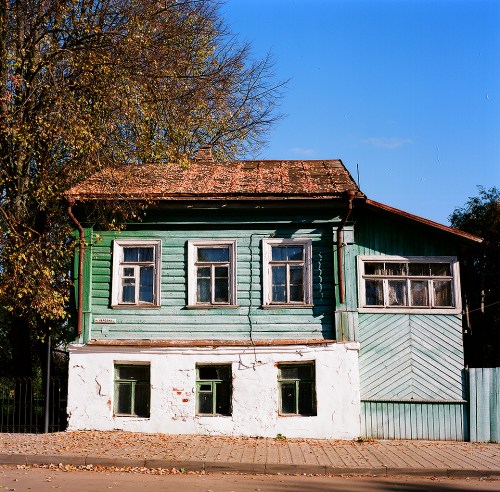
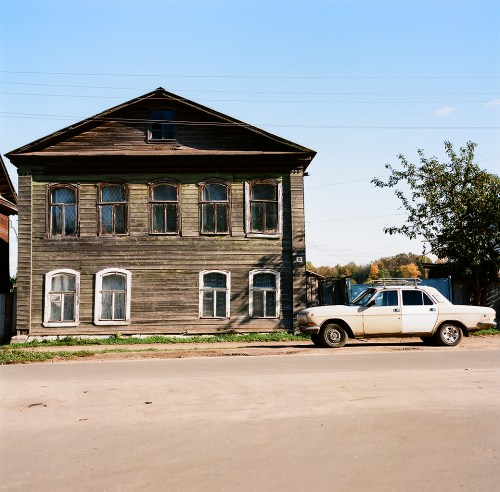
“Шиворот-навыворот”\”Topsy-turvy”
“Шиворот- навыворот”
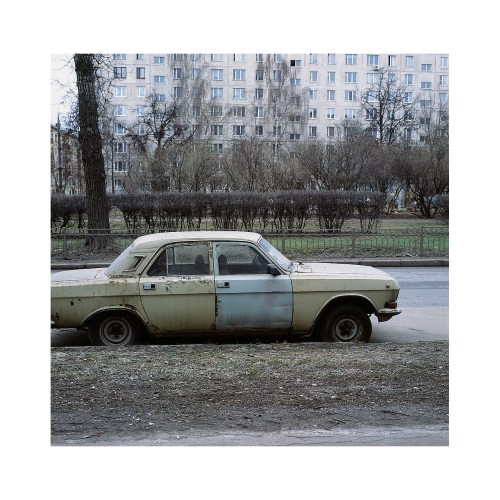
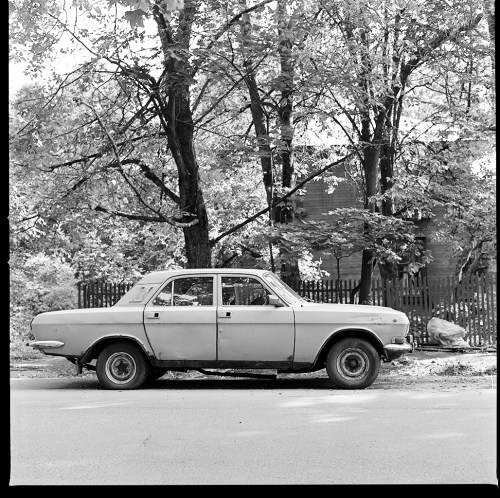
Идея этой серии заключается в том, что в России всё иначе. И это «иначе» часто оборачивается особым, очень русским видом нигилизма.
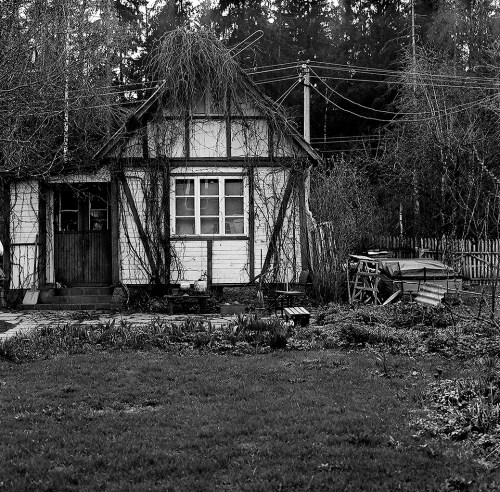
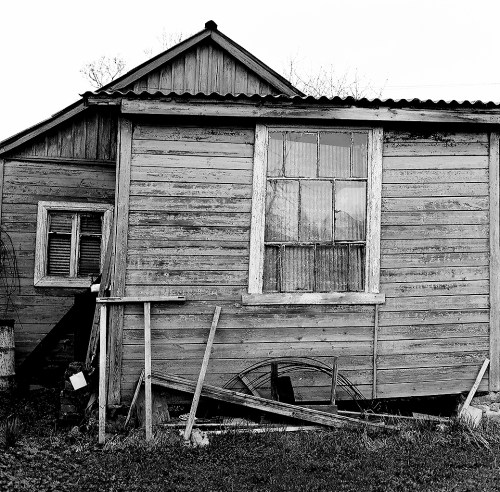
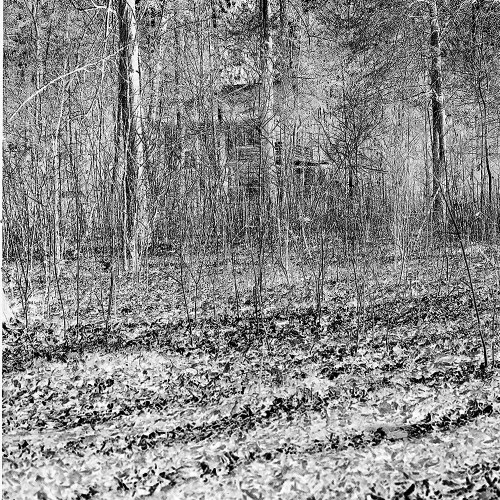
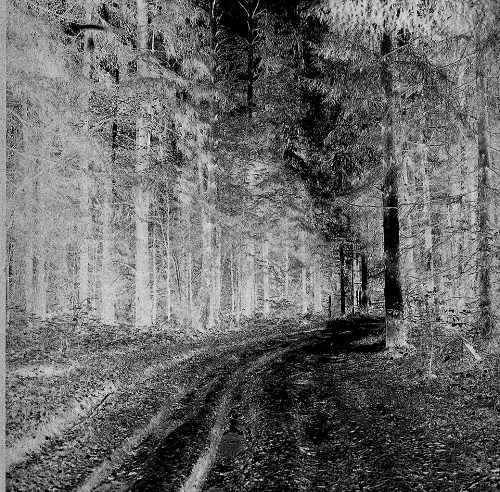
Я печатаю напрямую с негативов – без инверсии, без коррекции, без приведения изображения к «положительному» виду. Обыденные сцены: лес, просека, заброшенный дом, следы на снегу -остаются перевёрнутыми, негативными, как будто реальность отказывается проявляться в привычном, «правильном» свете.
В этом и заключается главная тема: мы начинаем, но не доводим до конца. Мы снимаем, но не проявляем. Мы видим, но не хотим видеть по-настоящему. Русский нигилизм здесь не громкий и не декларативный – он тихий, бытовой, почти ласковый. Это когда всё почти получилось, но в последний момент мы сознательно оставляем дело в подвешенном, перевёрнутом состоянии. Не потому что не умеем, а потому что так честнее.
В результате обычный русский пейзаж превращается в призрачное, инвертированное пространство – одновременно знакомое и совершенно чужое. Зернистость, странные тональные переходы, отсутствие «правильной» картинки – всё это не ошибка техники, а суть высказывания. Мы любим начинать с нуля, переворачивать привычное с ног на голову и оставлять его в этом состоянии, словно говоря: «А зачем доводить до конца? И так сойдёт».
Это и есть наш самобытный нигилизм – не разрушение, а тихое, упрямое нежелание делать «как надо». Негатив здесь – не промежуточный этап, а конечный результат. Финальная форма. Наша форма.
“Topsy-turvy”
The idea behind this series is that in Russia everything is different. And this “different” often turns into a special, very Russian kind of nihilism.
I print directly from the negatives — without inversion, without correction, without bringing the image to its “positive” form. Ordinary scenes — a forest, a clearing, an abandoned house, footprints in the snow — remain inverted, negative, as if reality itself refuses to appear in the familiar, “correct” light.
This is the main theme: we begin but do not finish. We shoot but do not develop. We see but do not truly want to see. Russian nihilism here is not loud or declarative — it is quiet, everyday, almost tender. It is when everything has almost worked out, but at the very last moment we deliberately leave things in a suspended, inverted state. Not because we cannot do it properly, but because this way feels more honest.
As a result, an ordinary Russian landscape turns into a ghostly, inverted space — at once familiar and completely alien. The grain, the strange tonal transitions, the absence of a “correct” picture — all of this is not a technical mistake, but the very essence of the statement. We love to start from scratch, to turn the familiar upside down and leave it like that, as if saying: “Why bring it to completion? It’s fine as it is.”
This is our distinctive nihilism — not destruction, but a quiet, stubborn unwillingness to do things “the way they should be done.” Here the negative is not an intermediate stage, but the final result. The final form. Our form.