The Modesty of Form as a Challenge to Dominant Taste
Скромность формы как вызов доминирующему вкусу Пьер Бурдьё
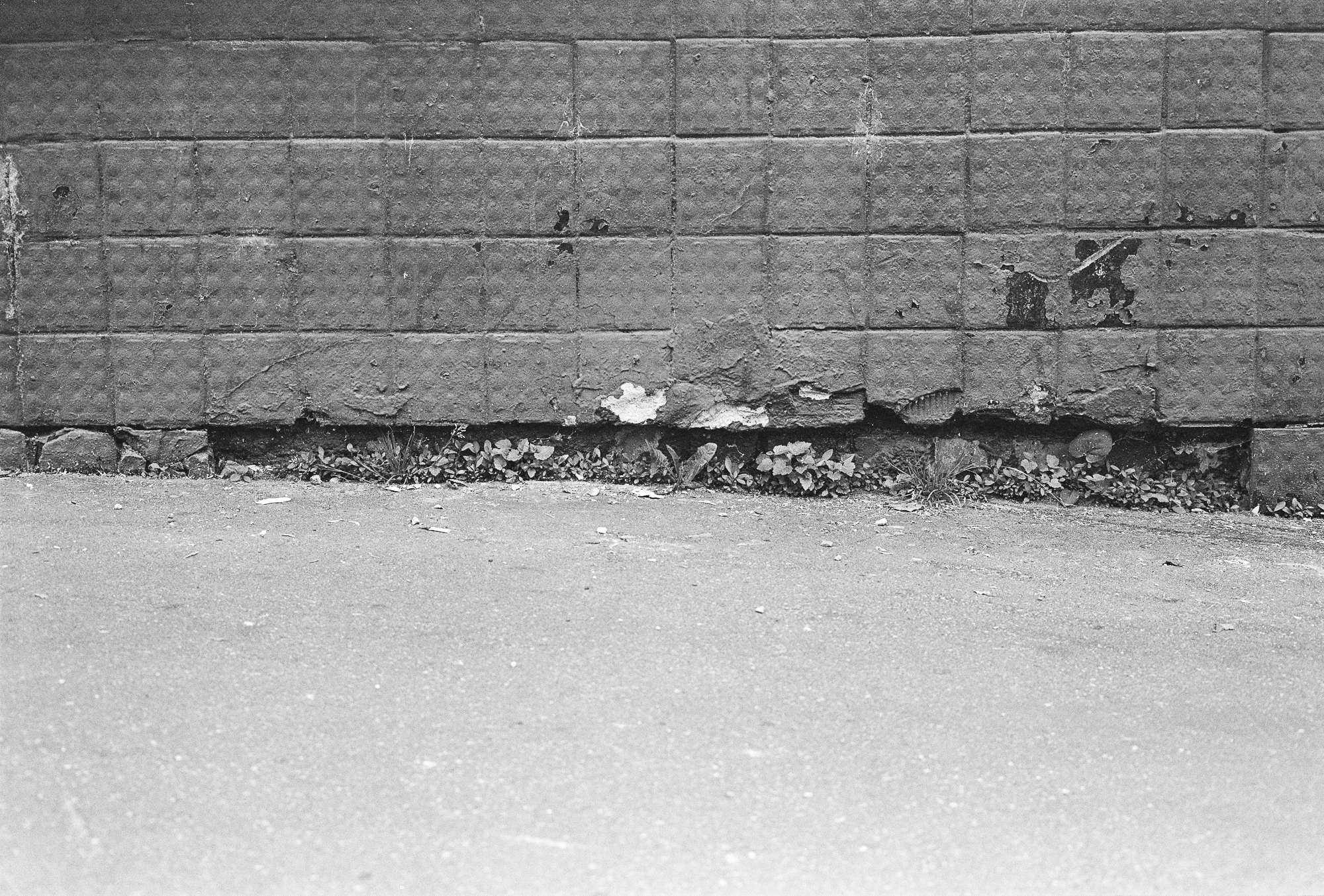
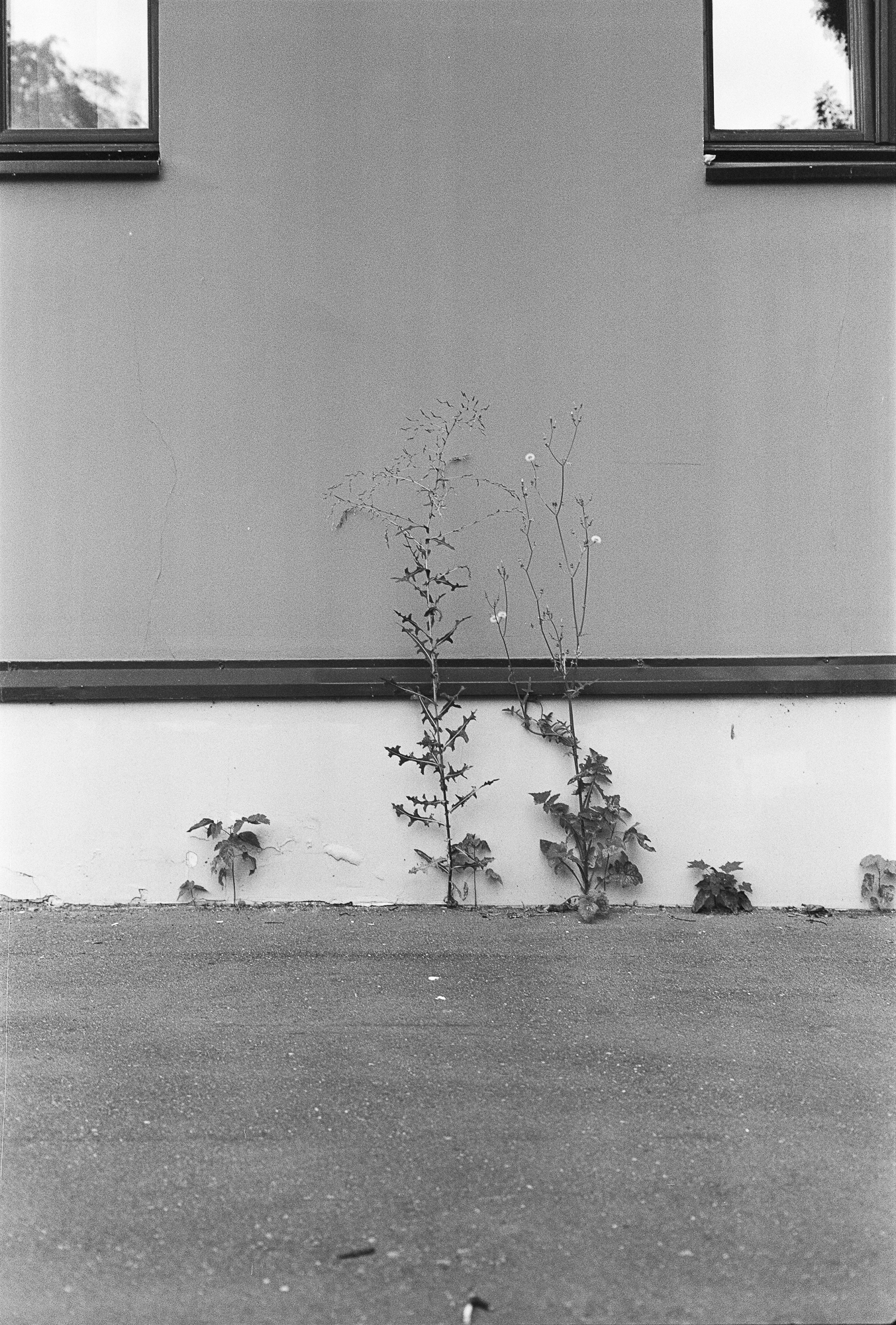
На первый взгляд эта фотография может показаться банальной: растение, пробивающееся сквозь асфальт у стены здания, два окна, обрезанные рамкой кадра, гладкая текстура штукатурки. Но, как это часто бывает в полях культурного производства, сама банальность становится формой сопротивления.
Мы должны задать центральный вопрос: почему подобное изображение заслуживает эстетического признания? Кто обладает властью приписывать смысл чему-то столь «незначительному»? Это не просто фотография растения — это манифест вкуса, отвергающий предпочтения доминирующих классов, для которых «красота» состоит из тосканских пейзажей, обнажённых тел или архитектуры, достойной Architectural Digest.
Это изображение отказывается участвовать в зрелище. Оно представляет то, что нейтрализовано повседневной жизнью, что лишено признанного статуса. И тем самым оно совершает жест — жест рефлексивной эстетики, эстетики дистанцированной, почти аскетичной. Оно позиционирует себя в пространстве «высокой культуры», но делает это, инвертируя её коды — показывая незначительное, фокусируясь на деталях, которые элита обучена игнорировать.
Посмотрите на две оконные рамы, зеркально отражённые в своём удалении от центра, но смещённые к верхней части. Их симметрия асимметрична. Это сама структура социального пространства: оно кажется логичным, но в действительности представляет собой поле борьбы. Точно так же и здесь — эстетическая симметрия нарушена, поскольку баланс между культурным капиталом и доступом к нему всегда неравен.
Но есть более тонкий момент. Растение, пробивающееся сквозь трещину, — это метафора габитуса, воплощённого носителя структуры. Оно растёт не где попало, а там, где позволяют условия. Оно не выбирает свободу — оно действует в пределах возможного. И всё же оно существует. Его форма — это форма вынужденной адаптации.
Возможно, фотограф не имел в виду подобную социальную деконструкцию, но в поле искусства намерение не всегда ключевое. Важна позиция работы в структуре поля. И здесь, в этой фотографии, я вижу работу, которая отвергает орнаментальность, отказывается демонстрировать технику и вместо этого возводит обыденное на уровень достойного.
Именно такая фотография бросает вызов не только академическому вкусу, но и всей системе его производства и легитимации.
#Fujica6x9 #ПосмертныйВзгляд
The Modesty of Form as a Challenge to Dominant Taste By Pierre Bourdieu
At first glance, this photograph may seem banal: a plant pushing through the asphalt by a building wall, two windows cut off by the frame, the smooth texture of the plaster. But, as is often the case within the fields of cultural production, banality itself becomes a form of resistance.
We must ask the central question: why does such an image deserve aesthetic recognition? Who has the authority to assign meaning to something so “insignificant”? This is not merely a photograph of a plant — it is a manifesto of taste, rejecting the preferences of the dominant classes, for whom “beauty” consists of Tuscan landscapes, nude bodies, or architecture worthy of Architectural Digest.
This image refuses to participate in the spectacle. It presents what has been neutralized by everyday life, what lacks recognized status. And in doing so, it performs a gesture — a gesture of reflexive aesthetics, an aesthetics that is distanced, almost ascetic. It positions itself within the space of “high culture,” but does so by inverting its codes — by showing the insignificant, by focusing on details the elite are trained to ignore.
Look at the two window frames, mirrored in their distance from the center but offset toward the top. Their symmetry is asymmetrical. This is the very structure of social space: it appears logical, but in reality, it is a field of struggle. Just like here — aesthetic symmetry is disrupted, as the balance between cultural capital and access to it is always unequal.
But there is a more subtle point. The plant pushing through the crack is a metaphor for habitus, the embodied carrier of structure. It does not grow just anywhere, but where conditions permit. It does not choose freedom — it acts within the realm of the possible. And yet it exists. Its form is the form of forced adaptation.
Perhaps the photographer did not intend this kind of social deconstruction, but in the field of art, intention is not always key. What matters is the work’s position within the structure of the field. And here, in this photograph, I see a work that rejects ornamentation, refuses to display technique, and instead elevates the ordinary to the level of the worthy.
It is precisely this kind of photograph that challenges not only academic taste but the entire system of its production and legitimation.
#Fujica6x9 #PosthumousGaze