Architecture and Astronomy- “Archipelago of Utopias”

Architecture and Astronomy
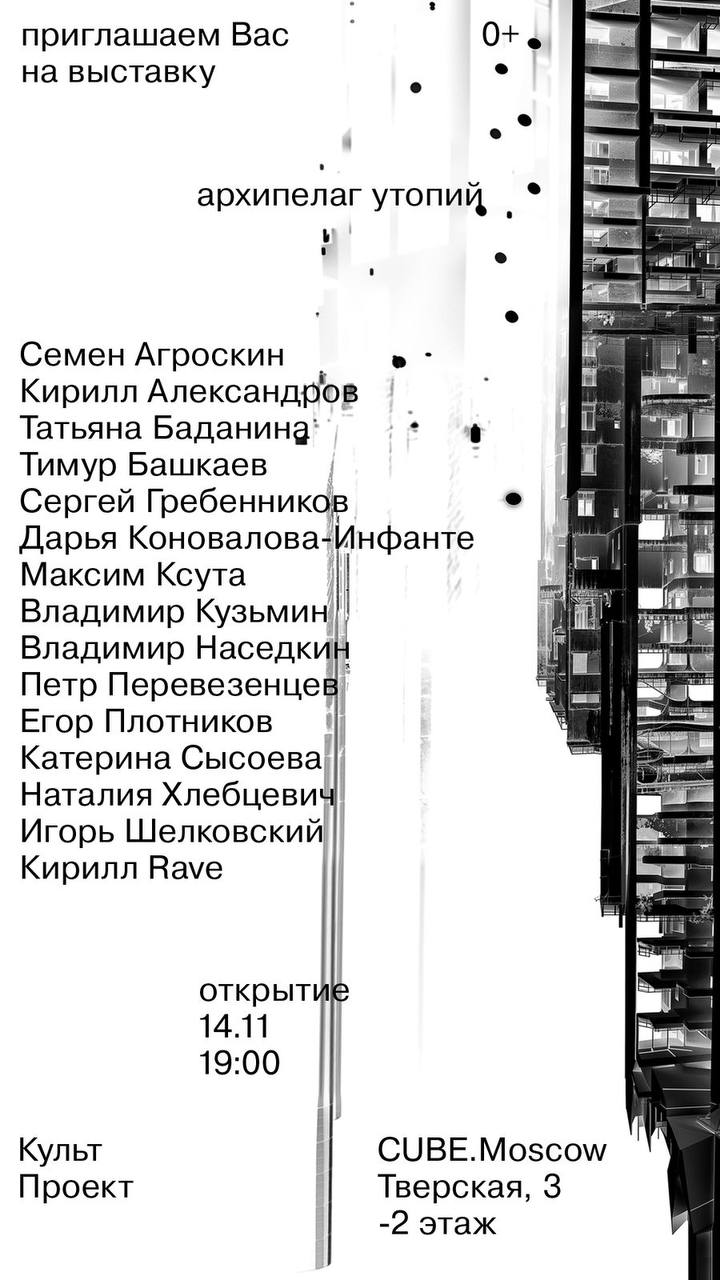
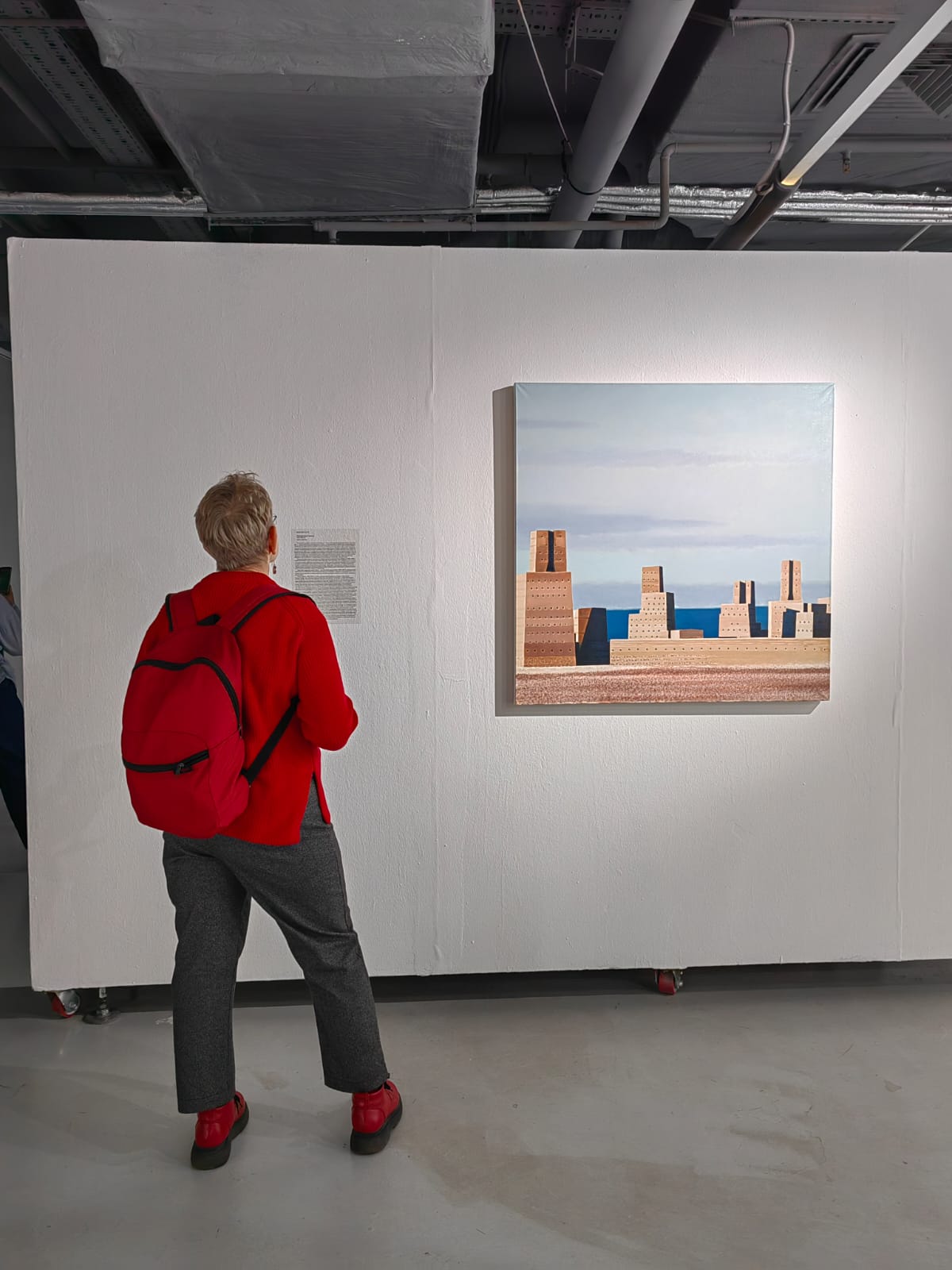
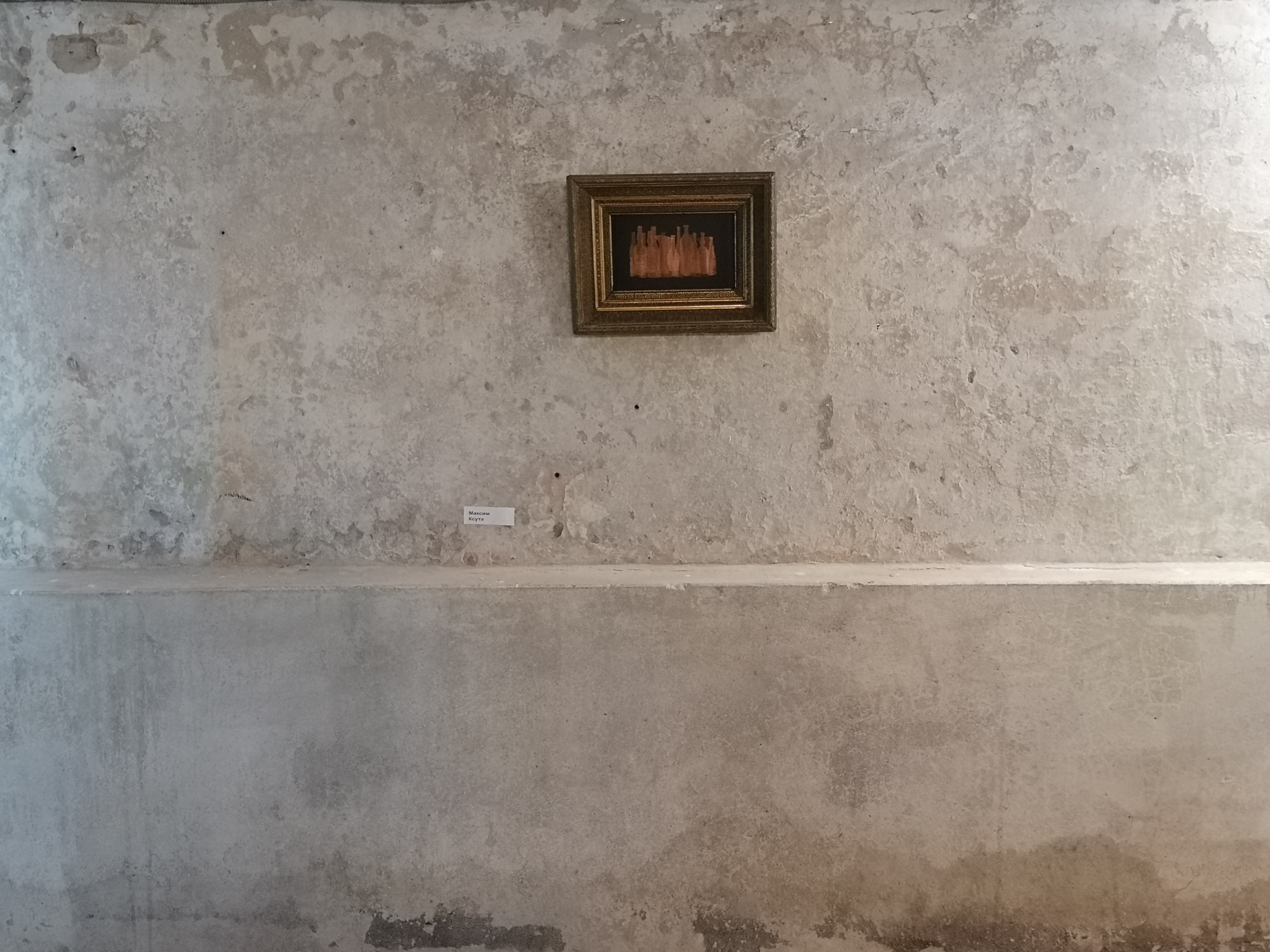
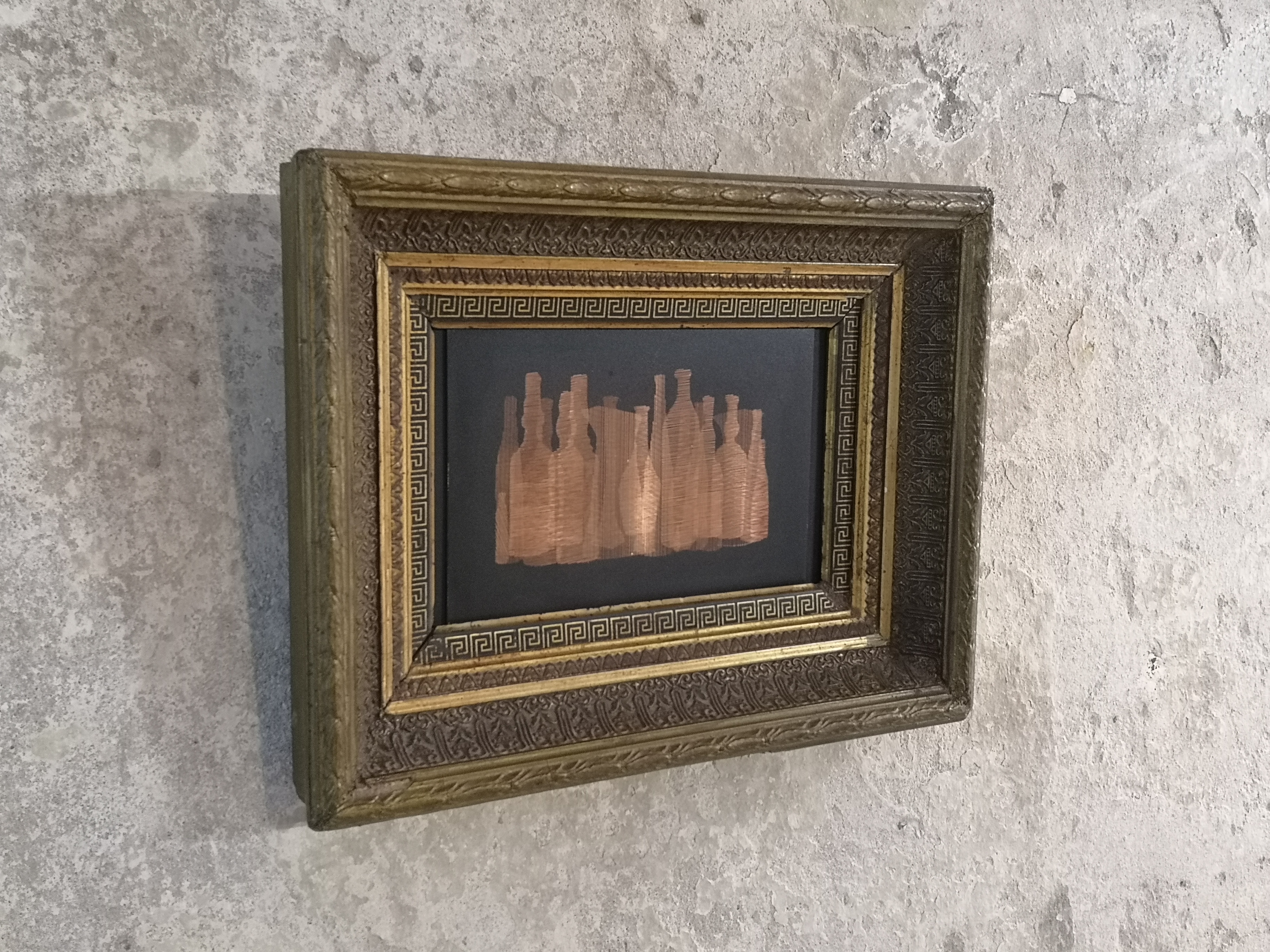
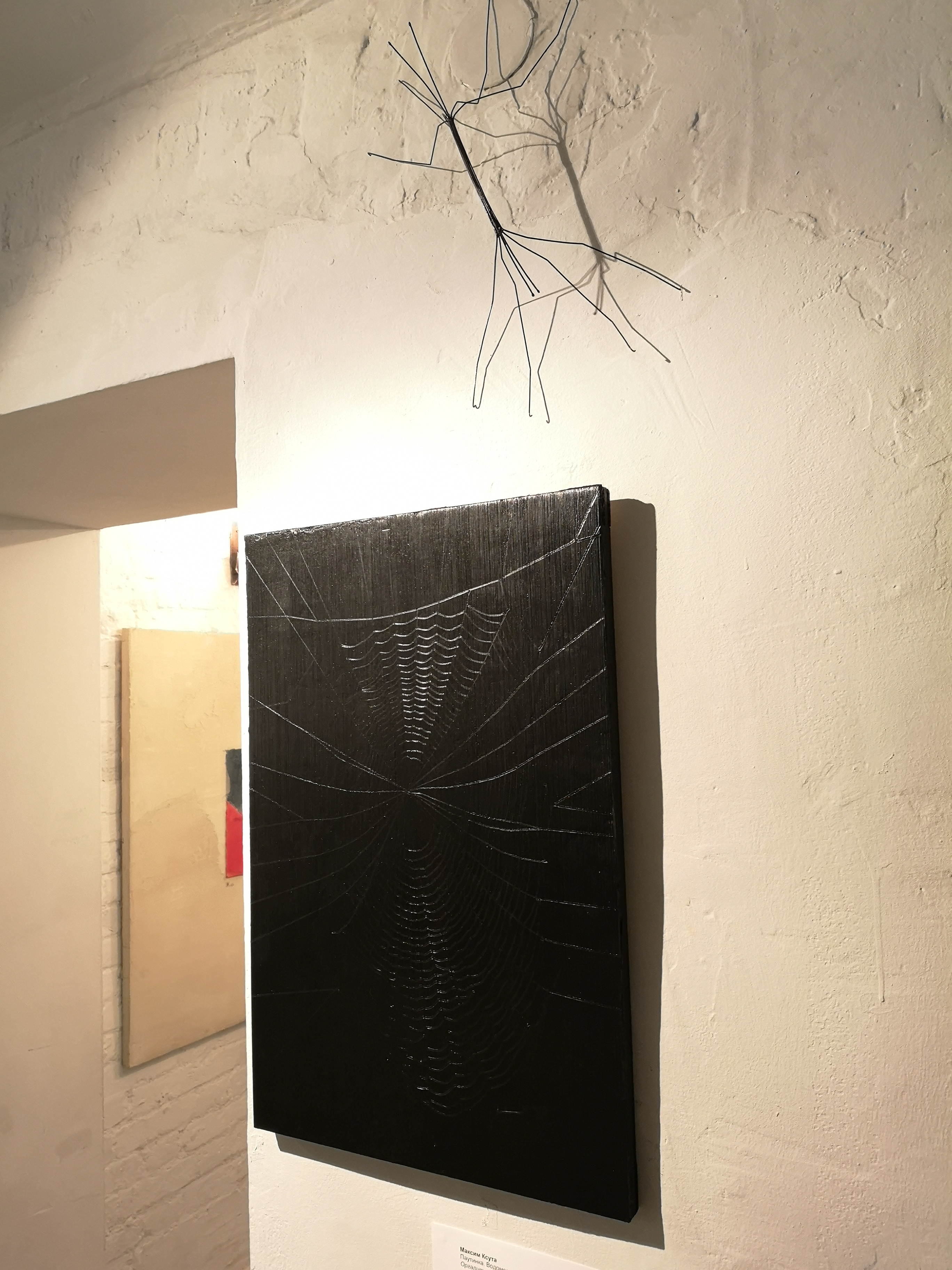
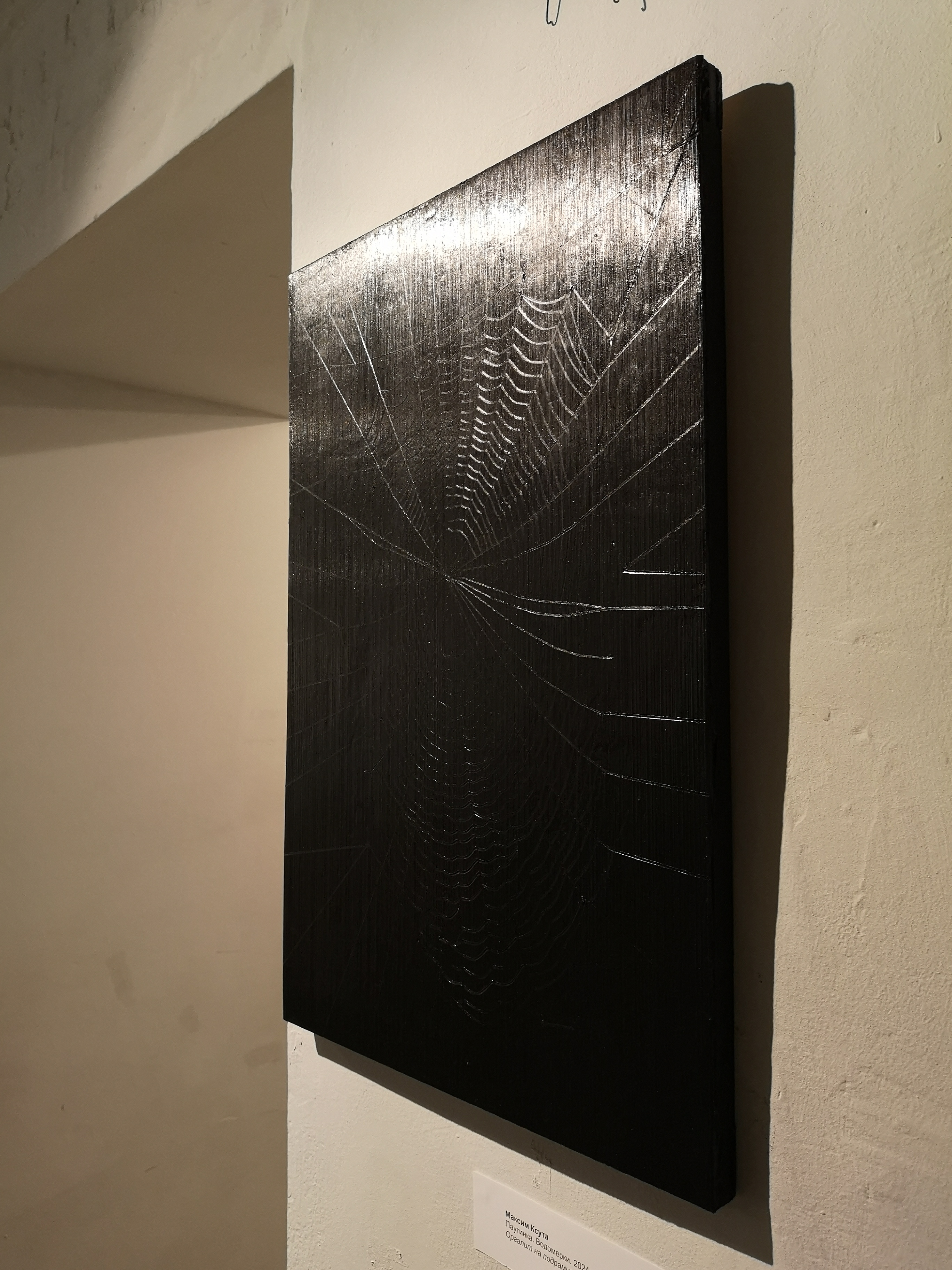
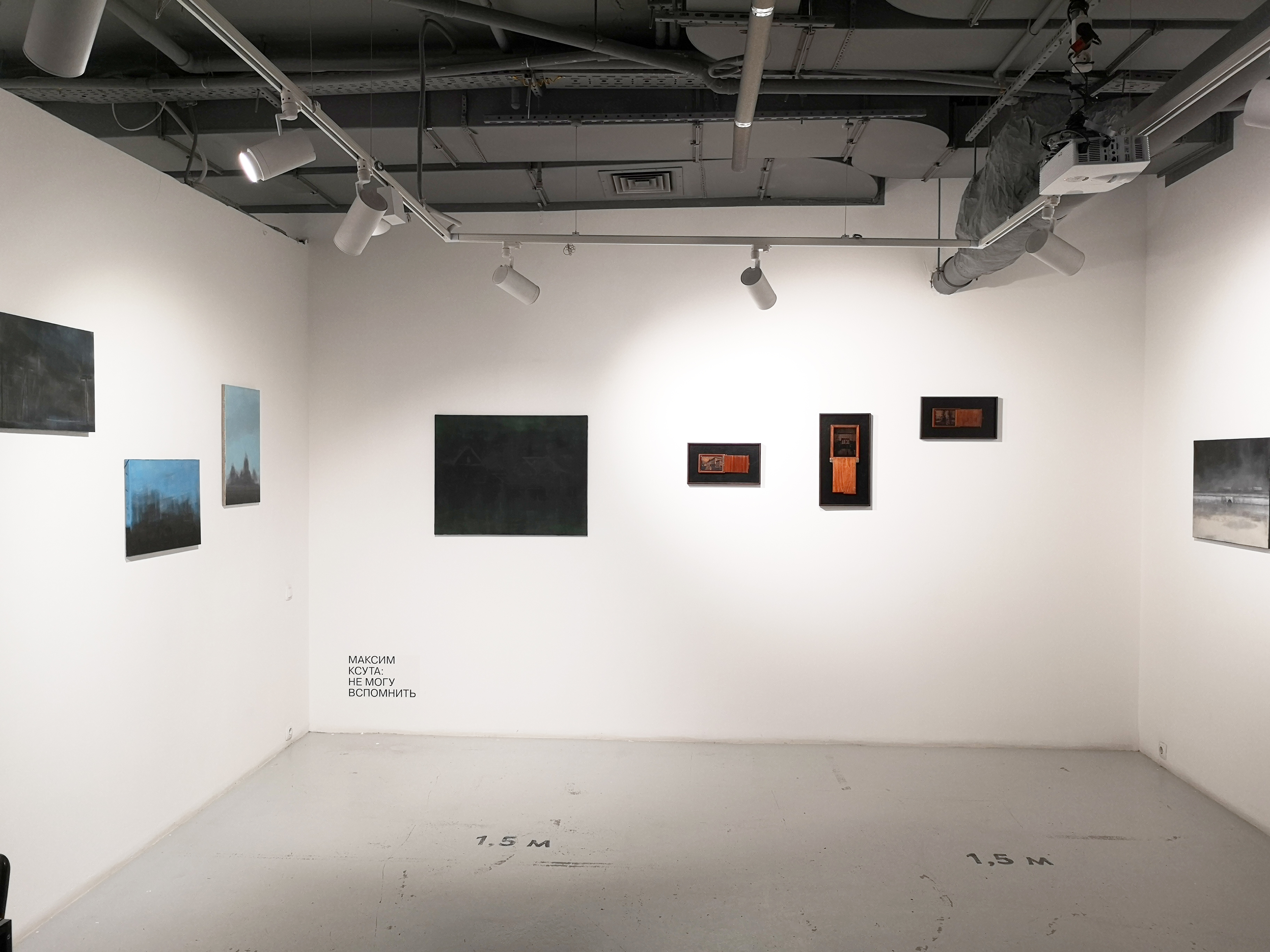
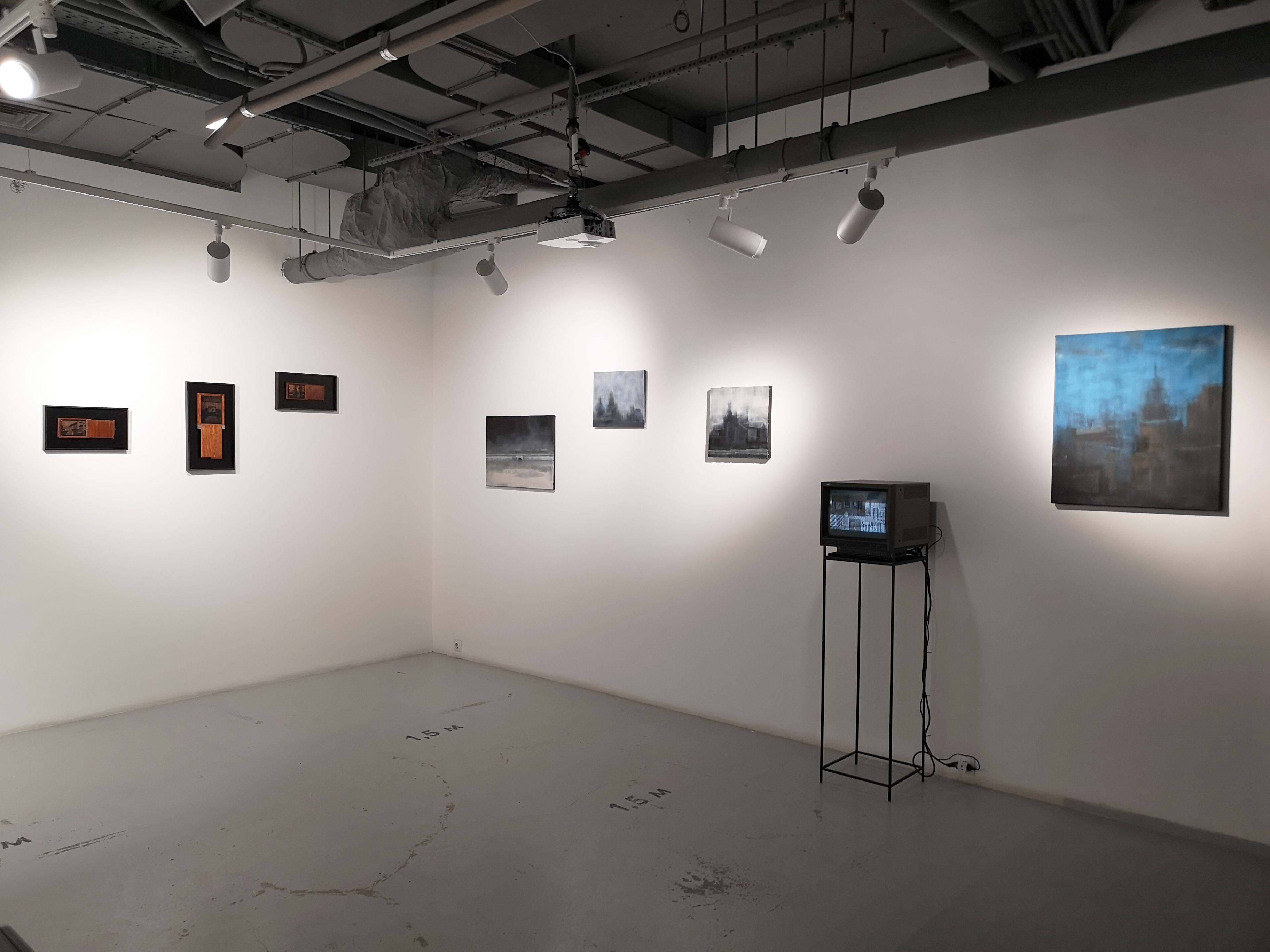
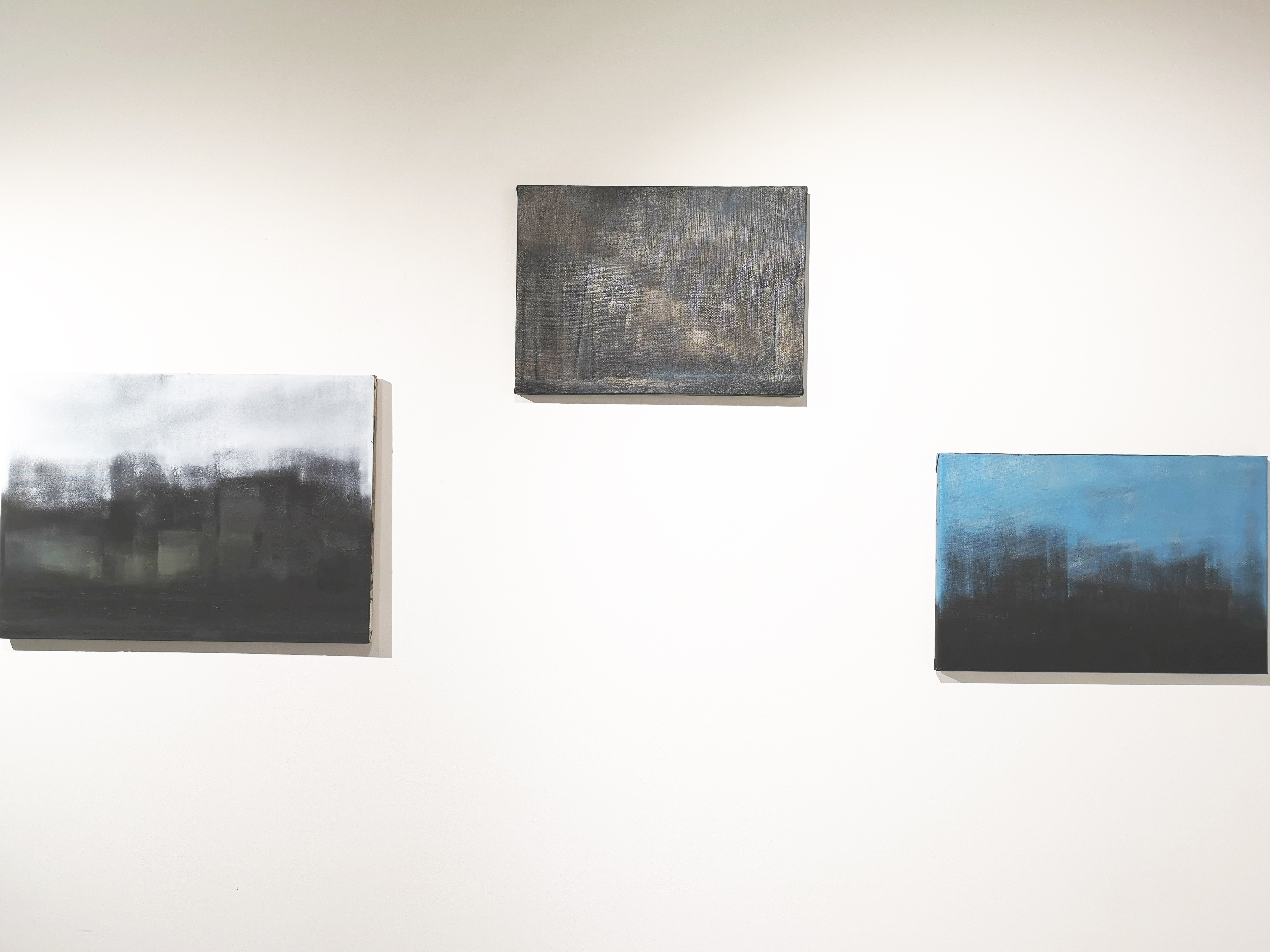
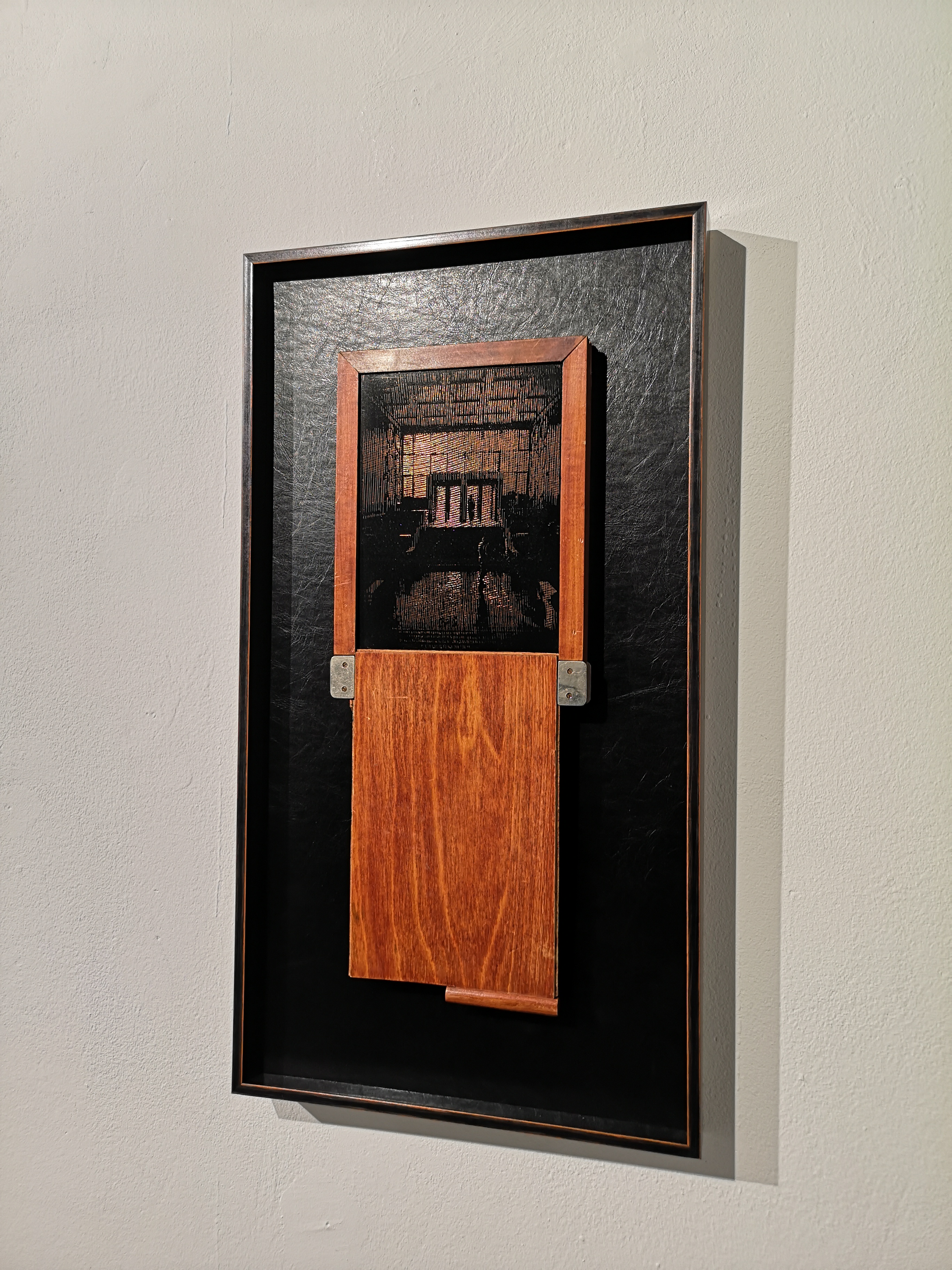
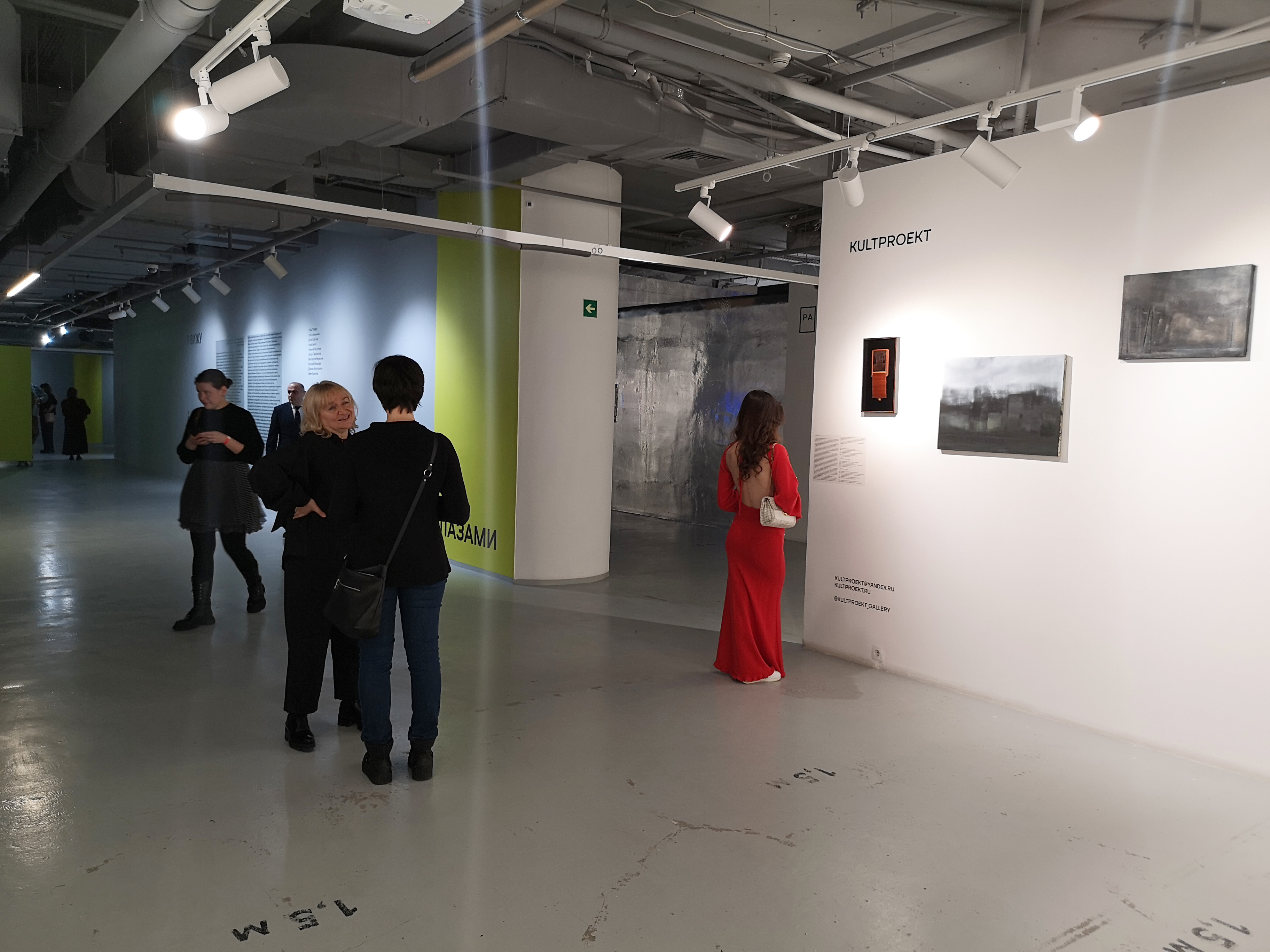
At the exhibition “Archipelago of Utopias”, which can still be visited today and tomorrow at the KultProekt gallery, there is an intriguing example of architectural painting inspired by architectural installations. Maxim Ksuta’s painting “Orion Observatory” stands as an independent piece of art while simultaneously drawing connections to the work of one of the pioneers of land art—a name that seems relatively unknown in our country. Thanks to the artist for the detailed story about his source of inspiration and for creating a meditative painting that reconstructs architecture connected to the cosmos while convincingly conveying the essence of its materials and environment.
Maxim Ksuta:
“I created this piece under the influence of projects by Hannsjörg Voth—a renowned German artist and sculptor, born in 1940 in Baden-Baden. Voth gained fame for his monumental land art projects, which blend elements of architecture, sculpture, and symbolism. In his works, Voth seeks to bridge human culture with nature, often exploring themes of time, space, and the cosmos.
In the 1960s and 1970s, Voth actively investigated ways to integrate art into public spaces, creating installations that responded to questions about humanity’s place in the world and its interaction with the surrounding environment. However, his true fame came with projects located in remote and harsh settings, such as the deserts of Morocco, where he worked with natural materials like clay and sand.
One of Voth’s most famous projects is the “City of Orion” (1998–2003), located in the vast deserts of Morocco. In this work, Voth united his interests in astronomy, ancient cultures, and large-scale architectural forms. His aim was not merely to construct sculptural objects but to create structures that interact with nature and cosmic phenomena, such as the movement of stars. The City of Orion project reflects the Orion constellation through towers precisely positioned to mirror the stars’ placement in the sky.
City of Orion (1998–2003):
The seven primary stars of Orion—Rigel, Saiph, the three “belt stars” Mintaka, Alnitak, and Alnilam, as well as Bellatrix and Betelgeuse—are most prominently visible worldwide during winter months due to their location on the celestial equator. The concept of the project was to represent these seven stars on Earth with the same number of observation towers made from compacted clay. Each tower symbolizes one of the seven stars, and their arrangement within the complex (approximately 40 x 100 meters) corresponds to the constellation’s layout. The towers’ dimensions (ranging from 6 to 15 meters in height, width, and depth) reflect the stars’ brightness and size.
In the upper third of each tower, observation platforms were constructed, accessible via external staircases. Narrow openings in the towers’ walls, carefully calculated for their height, width, and orientation, allow for the observation of specific stars and constellations at certain times. The Orion Nebula (M42)—a star-forming region surrounded by vast clouds of gas—is represented in the complex by a fountain, marking the grouping of stars known as Orion’s “sword.” Seven smaller stars forming parts of Orion, such as its “head,” are also represented by additional compacted-earth towers.
The City of Orion was located in southeastern Morocco. Guided tours, lasting about 90 minutes at specific times, led visitors through all the towers, allowing them to observe the stars in sequence. While the seven large towers serve as astronomical structures illustrating the movement of specific celestial bodies through their positioning and orientation, the artist’s primary intent was to depict the Orion constellation in three dimensions as a large-scale sculpture on Earth.*
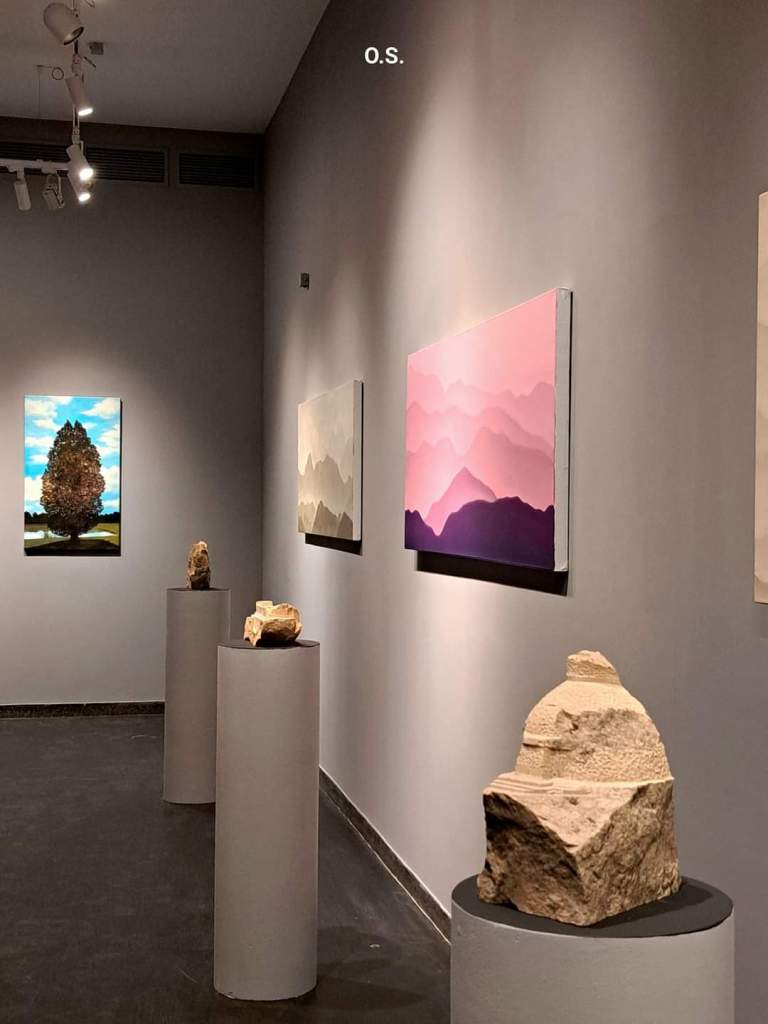
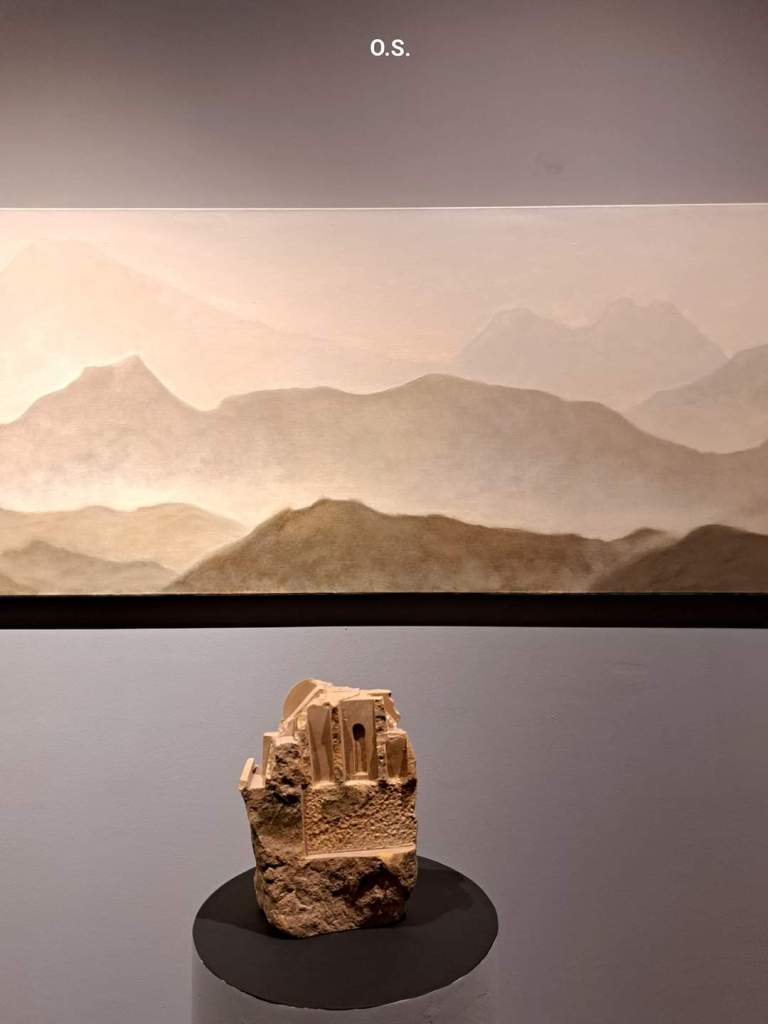
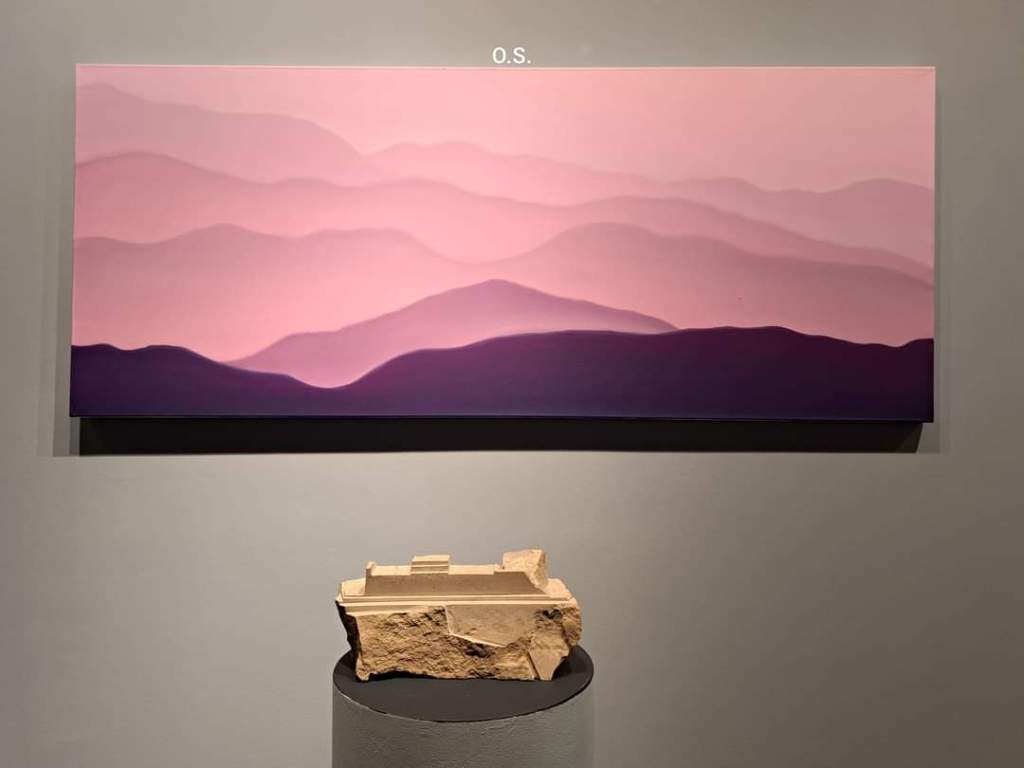
▪︎ Orion Observatory. Maxim Ksuta. Canvas, oil. 100 x 100 cm.




















 Maxim Ksuta