Maxim Ksuta

russian artist, contemporary art, sculpture, installation, photography

Tag: art now

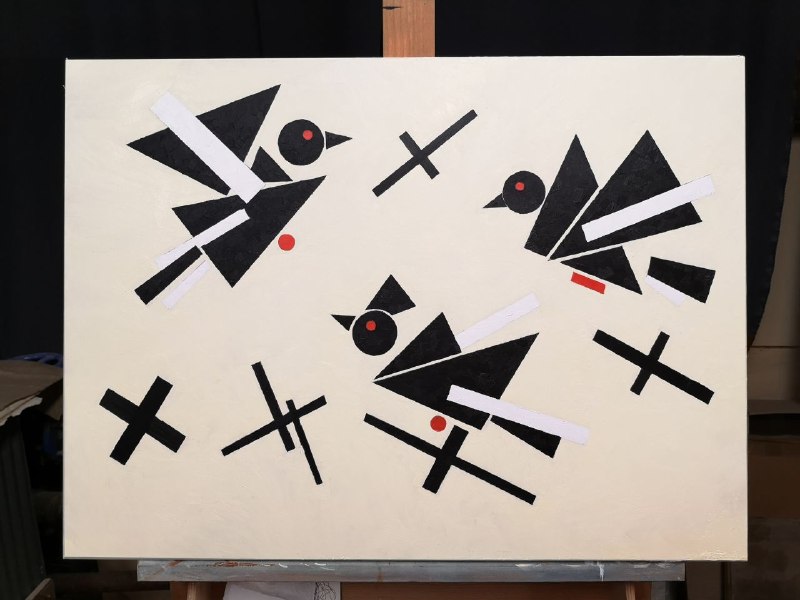
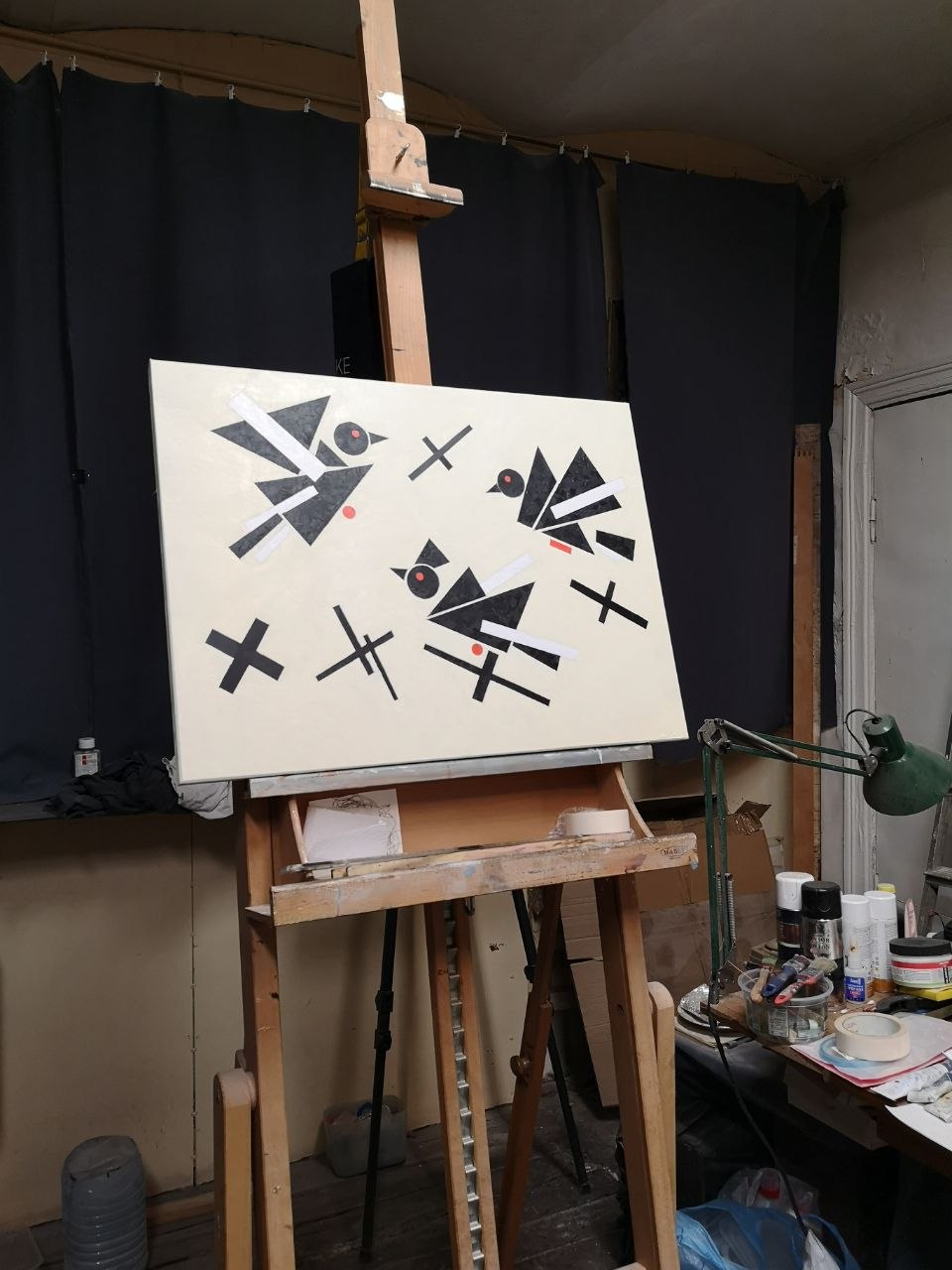
Супрематические сороки

Иногда мне кажется, что эту работу сделал не я, а какое-то упрямое пересечение внутри меня — между желанием дойти до чистоты формы и невозможностью отпустить живое. Я начинал с почти аскетического намерения: белое поле, чёрные конструкции, никакой лишней интонации. Хотел приблизиться к состоянию, где форма существует сама по себе, без опоры на мир.

Но в какой-то момент в этой конструкции появились сороки.

Не как образ, не как иллюстрация — скорее как сбой. Чёрные треугольники вдруг начали складываться в крылья, круги — в головы, линии — в траектории движения. И я понял, что это уже не геометрия в чистом виде. Это что-то, что хочет жить.

Сорока — странная птица. Она некрасивая и красивая одновременно. Она шумная, наглая, внимательная, всегда на границе между порядком и хаосом. И, наверное, именно поэтому она так точно легла в супрематическую структуру. Потому что супрематизм — это тоже про границу: между предметом и отсутствием предмета, между миром и его исчезновением.

Белое поле здесь для меня не космос в строгом смысле. Оно слишком тёплое, слишком земное. Это снег. Пространство, где всё упрощается до предела, но не исчезает. Где любой след становится событием. И в этом поле сороки не просто существуют — они оставляют знаки, пересечения, почти орнамент своего присутствия.

Эти чёрные перекрестия я долго не мог принять. Они казались слишком буквальными, слишком «узнаваемыми». Но со временем я увидел, что без них всё распадается. Они удерживают ритм, собирают разлёт форм, как каркас, как память о структуре внутри движения. И одновременно они отсылают к чему-то глубоко знакомому — к вышивке, к знаку, к жесту руки, которая повторяет крест снова и снова.

Красные точки появились почти случайно, но стали неизбежными. Это минимальное вмешательство жизни в систему. Почти ничто — и при этом центр внимания. Без них работа оставалась бы холодной, замкнутой в себе. С ними она начинает смотреть обратно.

Я всё больше думаю, что эта картина не про супрематизм и не про птиц. Она про невозможность довести абстракцию до конца. Про то, что в какой-то момент форма начинает сопротивляться чистоте и требует присутствия. Требует шума, следа, взгляда.

И, возможно, в этом есть что-то очень личное и очень общее одновременно: сколько бы мы ни стремились к ясности и пустоте, внутри всегда остаётся сорока — которая приносит случайную блестящую вещь и нарушает идеальный порядок.


“Suprematist Magpies”

Sometimes it feels to me that this work was not made by me, but by some stubborn intersection within me — between the desire to reach purity of form and the inability to let go of the living. I began with an almost ascetic intention: a white field, black constructions, no unnecessary intonation. I wanted to approach a state where form exists on its own, without support from the world.

But at some point, magpies appeared within this structure.

Not as an image, not as an illustration — more like a glitch. Black triangles suddenly began to assemble into wings, circles into heads, lines into trajectories of movement. And I understood that this was no longer geometry in its pure form. It was something that wants to live.

The magpie is a strange bird. It is ugly and beautiful at the same time. It is loud, bold, attentive, always on the border between order and chaos. And perhaps that is exactly why it fits so precisely into a suprematist structure. Because Suprematism is also about a boundary: between object and the absence of object, between the world and its disappearance.

The white field here is not space in a strict sense for me. It is too warm, too earthly. It is snow. A space where everything is reduced to the limit, but does not disappear. Where any trace becomes an event. And in this field, magpies do not simply exist — they leave signs, intersections, almost an ornament of their presence.

I struggled for a long time to accept these black crossings. They seemed too literal, too “recognizable.” But over time I saw that without them everything disintegrates. They hold the rhythm, gather the scattering of forms like a frame, like a memory of structure within movement. And at the same time, they refer to something deeply familiar — to embroidery, to a sign, to the gesture of a hand repeating a cross again and again.

The red dots appeared almost by accident, but became inevitable. This is the minimal intervention of life into the system. Almost nothing — and at the same time the center of attention. Without them, the work would remain cold, closed in on itself. With them, it begins to look back.

I increasingly think that this painting is not about Suprematism and not about birds. It is about the impossibility of carrying abstraction to its end. About how, at some point, form begins to resist purity and demands presence. Demands noise, trace, gaze.

And perhaps there is something very personal and very universal in this: no matter how much we strive for clarity and emptiness, inside there is always a magpie — bringing a random shiny thing and disturbing the perfect order.
An Essay from the Perspective of Vilém Flusser

Эссе с позиции Вилем Флюссер

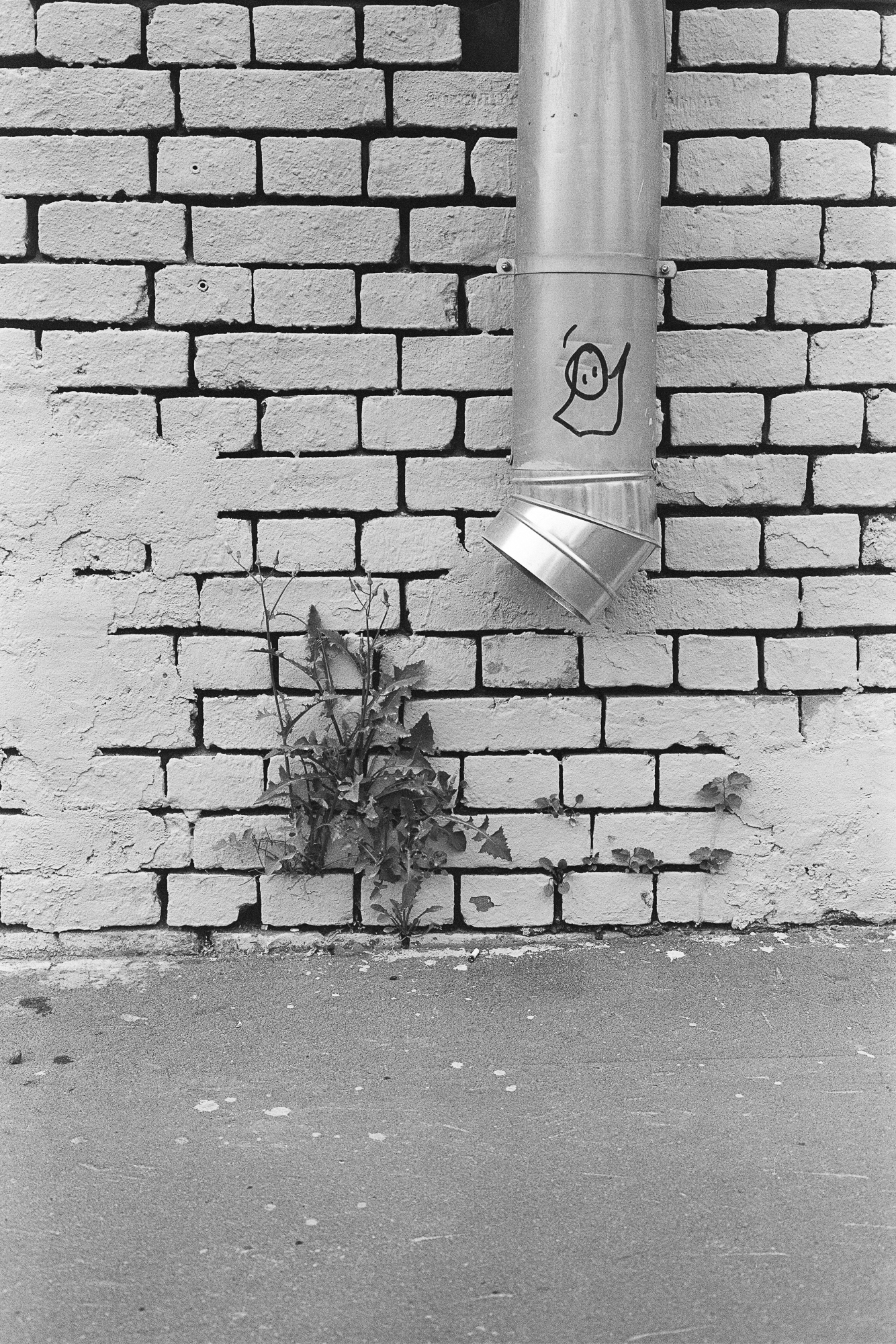
Представленная мне фотография — это вызов диалогической природе изображения и вещности окружающего мира. Этот снимок — не просто результат жеста фотографа, но и свидетельство отношений между человеком и аппаратом, между создателем и инструментом.

Здесь, в этом изображении, труба, стена и растение перестают быть «реальными» вещами. Они становятся элементами концептуальной вселенной, визуальными символами, которые «указывают» на смысл, а не содержат его. Камера — не просто устройство, фиксирующее реальность, но интерфейс, способный преобразовывать объекты в концепты.

Образ трубы, слегка наклонённой и отмеченной графическим знаком, становится метафорой функциональности, превращённой в культурный текст. Сам акт нанесения рисунка на трубу — пример той «игры», которую человек ведёт с объектами индустриального мира. Граффити превращает трубу в носителя значения, в медиум коммуникации. В то же время растение, растущее на фоне кирпичной стены, бросает вызов самой индустриальности, создавая контраст между органическим и искусственным, живым и статичным.

Кирпичная стена, ровная и упорядоченная, символизирует созданную человеком структуру, однако её трещины обнаруживают хаотическую силу природы, которую невозможно полностью подчинить. Это напряжение между подлинным, природным и индустриальным вводит нас в новый мир, где привычное стремление к контролю разрушается собственной логикой.

Однако решающим здесь является сам акт фотографирования. Фотограф выступает как «программист», работающий с «памятью» аппарата. Выбор угла, кадрирования и соотношений между объектами — это процесс, извлекающий изображение из потока случайности и наделяющий его смыслом. Аппарат, несмотря на свою холодную функциональность, становится инструментом культурного выражения, а фотограф, взаимодействуя с ним, не просто фиксирует, но создаёт.

Эта работа раскрывает сущность фотографии как коммуникации. Она говорит не только об объектах внутри кадра, но и о взгляде, который их воспринял, о человеке за камерой и о нас — зрителях этого изображения. Мы становимся частью этого визуального диалога, превращаясь из пассивных наблюдателей в интерпретаторов.

Эта фотография — не просто объект; это текст, который мы читаем. И в этом заключается её подлинная ценность.

#Fujica6x9
#ПосмертныйВзгляд


An Essay in the Spirit of Vilém Flusser

The photograph presented here challenges both the dialogical nature of images and the apparent objecthood of the world. It is not merely the result of a photographer’s gesture, but a manifestation of the relationship between human and apparatus, between operator and program.

Within this image, the pipe, the wall, and the plant cease to function as “things.” They are transposed into elements of a conceptual universe — visual symbols that do not contain meaning but rather point toward it. The camera is no longer a recording device; it operates as an interface that translates objects into concepts.

The pipe, slightly inclined and marked by a graphic intervention, becomes a metaphor for functionality re-coded as cultural text. The act of inscribing it is an instance of “play” — the human engagement with the technical objects of the industrial world. The graffiti transforms the pipe into a carrier of meaning, into a medium of communication. In contrast, the plant growing against the brick wall introduces a counter-gesture: the organic confronting the artificial, the living interrupting the static.

The brick wall, regular and structured, stands as a symbol of human design, yet its cracks reveal the intrusion of entropy — the force of nature that resists total control. This tension between the natural and the industrial exposes a field in which the very logic of control begins to unravel.

What is decisive, however, is the act of photographing itself. The photographer functions as a “programmer,” operating within the memory of the apparatus. Framing, angle, and the relational arrangement of objects are not neutral choices but acts that extract an image from the flux of contingency and inscribe it with meaning. The apparatus, despite its technical rigidity, becomes a vehicle of cultural expression, and the photographer, in dialogue with it, produces rather than merely records.

This work reveals photography as a form of communication. It speaks not only of the objects it depicts, but of the gaze that constituted them, of the operator behind the camera, and of us — the viewers who complete the circuit. We are no longer passive spectators; we become interpreters within a visual dialogue.

The photograph is not an object. It is a text to be read — and it is in this that its significance resides.

#Fujica6x9
#PosthumousGaze

An essay composed as if by Walter Benjamin

«Фрагменты памяти и руины времени» Эссе, написанное как бы Вальтером Беньямином

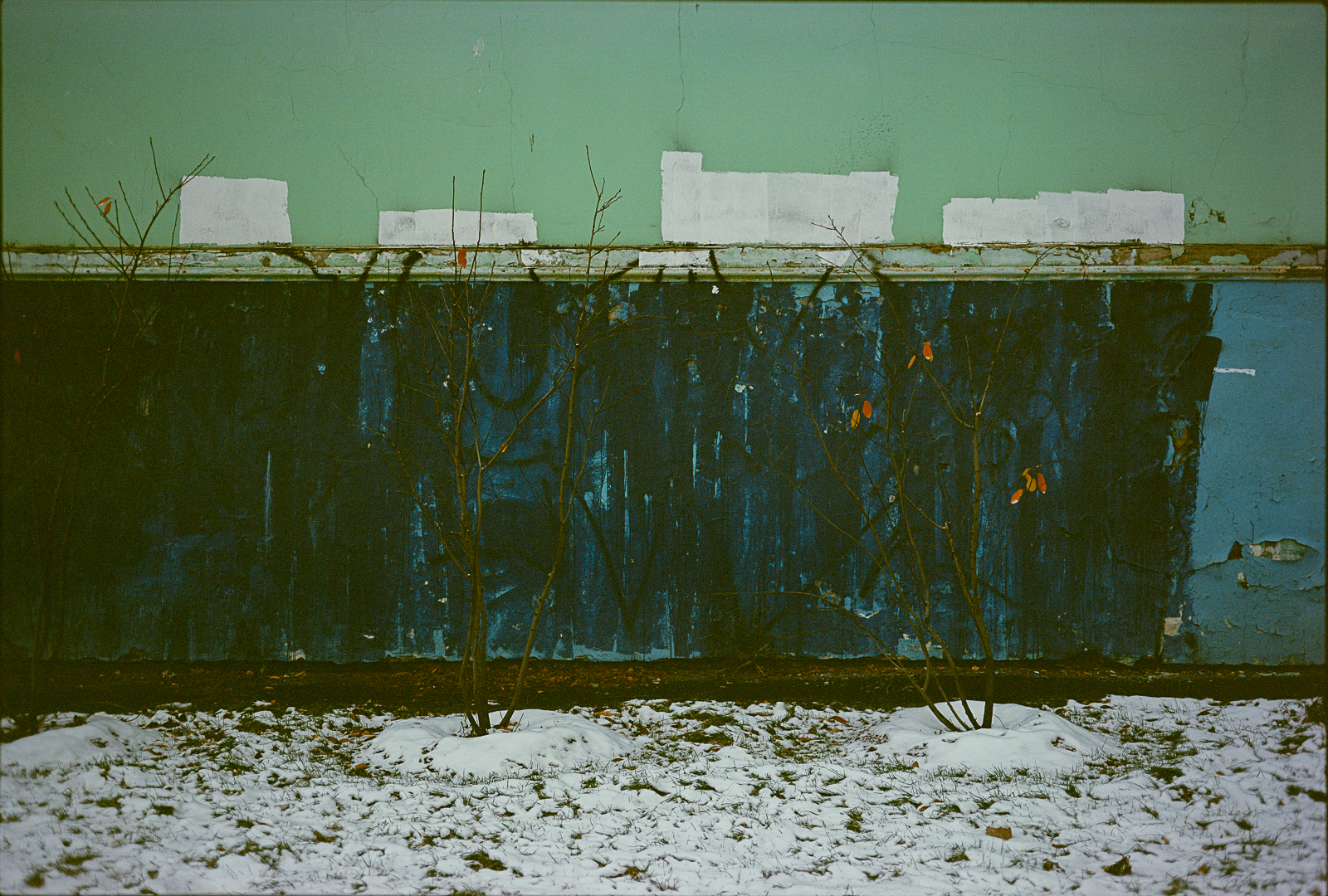
Эта фотография, в своей обманчивой простоте, говорит о чем-то большем, чем просто изображение стены, деревьев и снега. Это свидетельство времени — времени, которое одновременно разрушается и восстанавливает само себя. Здесь мы видим отпечаток бытия, застывший в мгновении, но неспособный скрыть следы собственной истории.

Стена — это текст, который мы читаем. Её цвета, потрескавшаяся поверхность и белые пятна — всё это фрагменты того, что когда-то было целым. Теперь она существует как руина, как свидетельство утраты, которая, тем не менее, остаётся наполненной смыслом. Это утраченная аура места, которую фотография пытается уловить, превращая её во что-то новое, в артефакт.

Деревья — голые, хрупкие, но упорно тянущиеся вверх — становятся символами сопротивления. Они противостоят безжизненному холоду снега и искусственности стены. Это природа, отказывающаяся отступать, несмотря на все ограничения. Эти ветви с несколькими оставшимися оранжевыми листьями служат напоминанием о том, что даже среди упадка и разъединения жизнь продолжается.

Снег внизу — временная вуаль. Он скрывает землю, но не полностью. Это напоминание о циклической природе времени — о том, что всё меняется, но всегда возвращается. Снег превратится в воду, вода просочится в землю, и всё начнётся заново.

Но что делает фотография с этим изображением? Она останавливает движение, превращая фрагменты в текстуры, в символы. Скрытое в этом акте остановки времени — уникальное напряжение. Как зрители, мы ощущаем, что то, с чем мы сталкиваемся, — это больше, чем просто документальное свидетельство. Это образ, несущий в себе диалектику: между прошлым и настоящим, между природой и искусственностью, между течением времени и настойчивостью памяти.

Фотография — это форма «опосредованного опыта», как я уже говорил ранее. Она отделяет нас от непосредственного восприятия места, заменяя его «копией». Но именно в этом отделении заключается потенциал для рефлексии. Перед нами не просто стена, не просто деревья или снег. Перед нами их смысл. Мы видим это как свидетельство исторического процесса, который прерван, но не завершён.

Наконец, эта работа ставит вопрос: что есть аура в эпоху, когда всё может быть воспроизведено? Возможно, её аура заключается в уникальности именно этого мгновения, этого конкретного сочетания форм и текстур. Мы смотрим на неё не как на часть большого контекста, а как на завершённое целое. И таким образом фотография — несмотря на свою репродуктивную природу — становится искусством.

Эта фотография — это архив, но не в традиционном смысле. Это не хранилище фактов. Это хранилище эмоций, истории и борьбы. Она напоминает нам о времени, которое мы потеряли, но которое продолжает существовать в остатках и фрагментах. Возможно, её величайшая сила заключается в том, что она заставляет нас задуматься о нашем собственном положении во времени — о том, как мы относимся к этому миру фрагментов и руин.

Fujica 6×9 #ПосмертныйВзгляд


“Fragments of Memory and the Ruins of Time” An essay composed as if by Walter Benjamin

This photograph, in its deceptive simplicity, speaks of something greater than just an image of a wall, trees, and snow. It is a testimony to time—time that simultaneously disintegrates and restores itself. Here, we see an imprint of being, frozen in a moment yet unable to conceal the traces of its own history.

The wall is a text that we read. Its colors, cracked surface, and white patches—all are fragments of what once was whole. Now, it exists as a ruin, as evidence of loss that nevertheless remains imbued with meaning. It is the lost aura of a place that the photograph seeks to capture, transforming it into something new, into an artifact.

The trees—bare, fragile, yet persistently reaching upward—become symbols of resistance. They stand in opposition to the lifeless cold of the snow and the artificiality of the wall. They are nature, refusing to retreat despite all constraints. These branches, with their few remaining orange leaves, serve as a reminder that even amid decay and disconnection, life endures.

The snow below is a temporary veil. It conceals the ground, but not entirely. It is a reminder of the cyclical nature of time—that everything changes but always returns. The snow will turn to water, the water will seep into the earth, and everything will begin anew.

But what does the photograph do with this image? It halts motion, transforming fragments into textures, into symbols. Hidden within this act of freezing time is a unique tension. As viewers, we sense that what we face is more than mere documentary evidence. It is an image that carries within it a dialectic: between past and present, between nature and artificiality, between the passage of time and the persistence of memory.

Photography is a form of “mediated experience,” as I have discussed before. It detaches us from the direct perception of a place, replacing it with a “copy.” Yet in this detachment lies the potential for reflection. Before us is not merely a wall, nor simply trees or snow. What lies before us is their meaning. We see this as testimony to a historical process that is interrupted but not complete.

Finally, this work poses a question: What is aura in an age when everything can be reproduced? Perhaps its aura lies in the uniqueness of this very moment, this particular combination of forms and textures. We view it not as a part of a larger context but as a completed whole. And in this way, photography—despite its reproductive nature—becomes art.

This photograph is an archive, but not in the traditional sense. It is not a repository of facts. It is a repository of emotions, history, and struggle. It reminds us of time we have lost, yet which continues to exist in remnants and fragments. Perhaps its greatest power lies in compelling us to reflect on our own position in time—on how we relate to this world of fragments and ruins.

Fujica 6×9 #PosthumousGaze

Architecture and Astronomy- “Archipelago of Utopias”

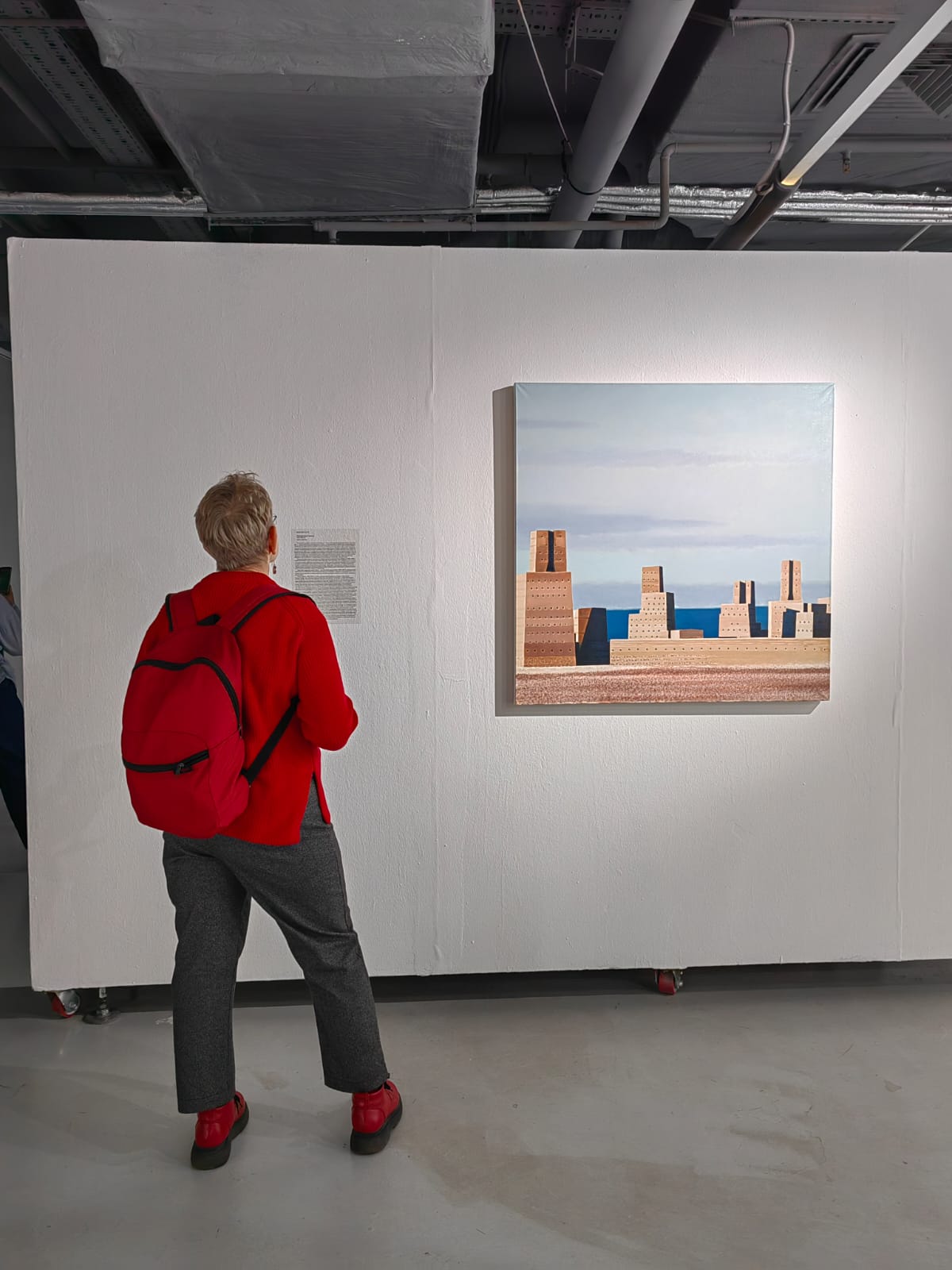
▪︎ Обсерватория Ориона. Максим Ксута. Холст, масло. 100 x 100 см.

Архитектура и астрономия

На выставке «Архипелаг утопий», которую еще можно посетить сегодня и завтра в галерее «КультПроект», представлен интригующий пример архитектурной живописи, вдохновленной архитектурными инсталляциями. Картина Максима Ксуты «Обсерватория Ориона» существует как самостоятельное произведение искусства, одновременно устанавливая связи с работой одного из пионеров ленд-арта — имя, которое кажется относительно неизвестным в нашей стране. Благодарность художнику за подробный рассказ об источнике его вдохновения и за создание медитативной живописи, реконструирующей архитектуру, связанную с космосом, убедительно передавая суть её материалов и окружения.

Максим Ксута: «Я создал эту работу под влиянием проектов Ханнсйорга Фота — известного немецкого художника и скульптора, родившегося в 1940 году в Баден-Бадене. Фот получил известность благодаря своим монументальным проектам ленд-арта, которые сочетают элементы архитектуры, скульптуры и символизма. В своих работах Фот стремится соединить человеческую культуру с природой, часто исследуя темы времени, пространства и космоса.

В 1960-х и 1970-х годах Фот активно изучал способы интеграции искусства в общественные пространства, создавая инсталляции, которые отвечали на вопросы о месте человечества в мире и его взаимодействии с окружающей средой. Однако подлинная слава пришла к нему с проектами, расположенными в отдаленных и суровых условиях, таких как пустыни Марокко, где он работал с природными материалами, такими как глина и песок.

Одним из самых известных проектов Фота является «Город Ориона» (1998–2003), расположенный в обширных пустынях Марокко. В этой работе Фот объединил свои интересы к астрономии, древним культурам и масштабным архитектурным формам. Его целью было не просто построить скульптурные объекты, но создать структуры, которые взаимодействуют с природой и космическими явлениями, такими как движение звезд. Проект «Город Ориона» отражает созвездие Ориона через башни, точно расположенные так, чтобы отразить размещение звезд на небе.

Город Ориона (1998–2003): Семь основных звезд Ориона — Ригель, Сайф, три звезды «пояса» Минтака, Альнитак и Альнилам, а также Беллатрикс и Бетельгейзе — наиболее заметны по всему миру в зимние месяцы из-за их расположения на небесном экваторе. Концепция проекта заключалась в том, чтобы представить эти семь звезд на Земле таким же количеством наблюдательных башен, сделанных из утрамбованной глины. Каждая башня символизирует одну из семи звезд, и их расположение в комплексе (приблизительно 40 x 100 метров) соответствует конфигурации созвездия. Размеры башен (от 6 до 15 метров в высоту, ширину и глубину) отражают яркость и размер звезд.

В верхней трети каждой башни были построены смотровые площадки, доступные через внешние лестницы. Узкие отверстия в стенах башен, тщательно рассчитанные по высоте, ширине и ориентации, позволяют наблюдать определенные звезды и созвездия в определенное время. Туманность Ориона (М42) — область звездообразования, окруженная обширными облаками газа — представлена в комплексе фонтаном, обозначающим группу звезд, известную как «меч» Ориона. Семь меньших звезд, формирующих части Ориона, такие как его «голова», также представлены дополнительными башнями из утрамбованной земли.

Город Ориона был расположен на юго-востоке Марокко. Экскурсии с гидом, длящиеся около 90 минут в определенное время, проводили посетителей через все башни, позволяя наблюдать звезды последовательно. Хотя семь больших башен служат астрономическими структурами, иллюстрирующими движение конкретных небесных тел через их позиционирование и ориентацию, основным намерением художника было изобразить созвездие Ориона в трех измерениях как масштабную скульптуру на Земле.*


Architecture and Astronomy

At the exhibition “Archipelago of Utopias”, which can still be visited today and tomorrow at the KultProekt gallery, there is an intriguing example of architectural painting inspired by architectural installations. Maxim Ksuta’s painting “Orion Observatory” stands as an independent piece of art while simultaneously drawing connections to the work of one of the pioneers of land art—a name that seems relatively unknown in our country. Thanks to the artist for the detailed story about his source of inspiration and for creating a meditative painting that reconstructs architecture connected to the cosmos while convincingly conveying the essence of its materials and environment.

Maxim Ksuta: “I created this piece under the influence of projects by Hannsjörg Voth—a renowned German artist and sculptor**,** born in 1940 in Baden-Baden. Voth gained fame for his monumental land art projects, which blend elements of architecture, sculpture, and symbolism. In his works, Voth seeks to bridge human culture with nature, often exploring themes of time, space, and the cosmos.

In the 1960s and 1970s, Voth actively investigated ways to integrate art into public spaces, creating installations that responded to questions about humanity’s place in the world and its interaction with the surrounding environment. However, his true fame came with projects located in remote and harsh settings, such as the deserts of Morocco, where he worked with natural materials like clay and sand.

One of Voth’s most famous projects is the “City of Orion” (1998–2003), located in the vast deserts of Morocco. In this work, Voth united his interests in astronomy, ancient cultures, and large-scale architectural forms. His aim was not merely to construct sculptural objects but to create structures that interact with nature and cosmic phenomena, such as the movement of stars. The City of Orion project reflects the Orion constellation through towers precisely positioned to mirror the stars’ placement in the sky.

City of Orion (1998–2003): The seven primary stars of Orion—Rigel, Saiph, the three “belt stars” Mintaka, Alnitak, and Alnilam, as well as Bellatrix and Betelgeuse—are most prominently visible worldwide during winter months due to their location on the celestial equator. The concept of the project was to represent these seven stars on Earth with the same number of observation towers made from compacted clay. Each tower symbolizes one of the seven stars, and their arrangement within the complex (approximately 40 x 100 meters) corresponds to the constellation’s layout. The towers’ dimensions (ranging from 6 to 15 meters in height, width, and depth) reflect the stars’ brightness and size.

In the upper third of each tower, observation platforms were constructed, accessible via external staircases. Narrow openings in the towers’ walls, carefully calculated for their height, width, and orientation, allow for the observation of specific stars and constellations at certain times. The Orion Nebula (M42)—a star-forming region surrounded by vast clouds of gas—is represented in the complex by a fountain, marking the grouping of stars known as Orion’s “sword.” Seven smaller stars forming parts of Orion, such as its “head,” are also represented by additional compacted-earth towers.

The City of Orion was located in southeastern Morocco. Guided tours, lasting about 90 minutes at specific times, led visitors through all the towers, allowing them to observe the stars in sequence. While the seven large towers serve as astronomical structures illustrating the movement of specific celestial bodies through their positioning and orientation, the artist’s primary intent was to depict the Orion constellation in three dimensions as a large-scale sculpture on Earth.*

▪︎ Orion Observatory. Maxim Ksuta. Canvas, oil. 100 x 100 cm.

https://t.me/archigraphicarts/1270

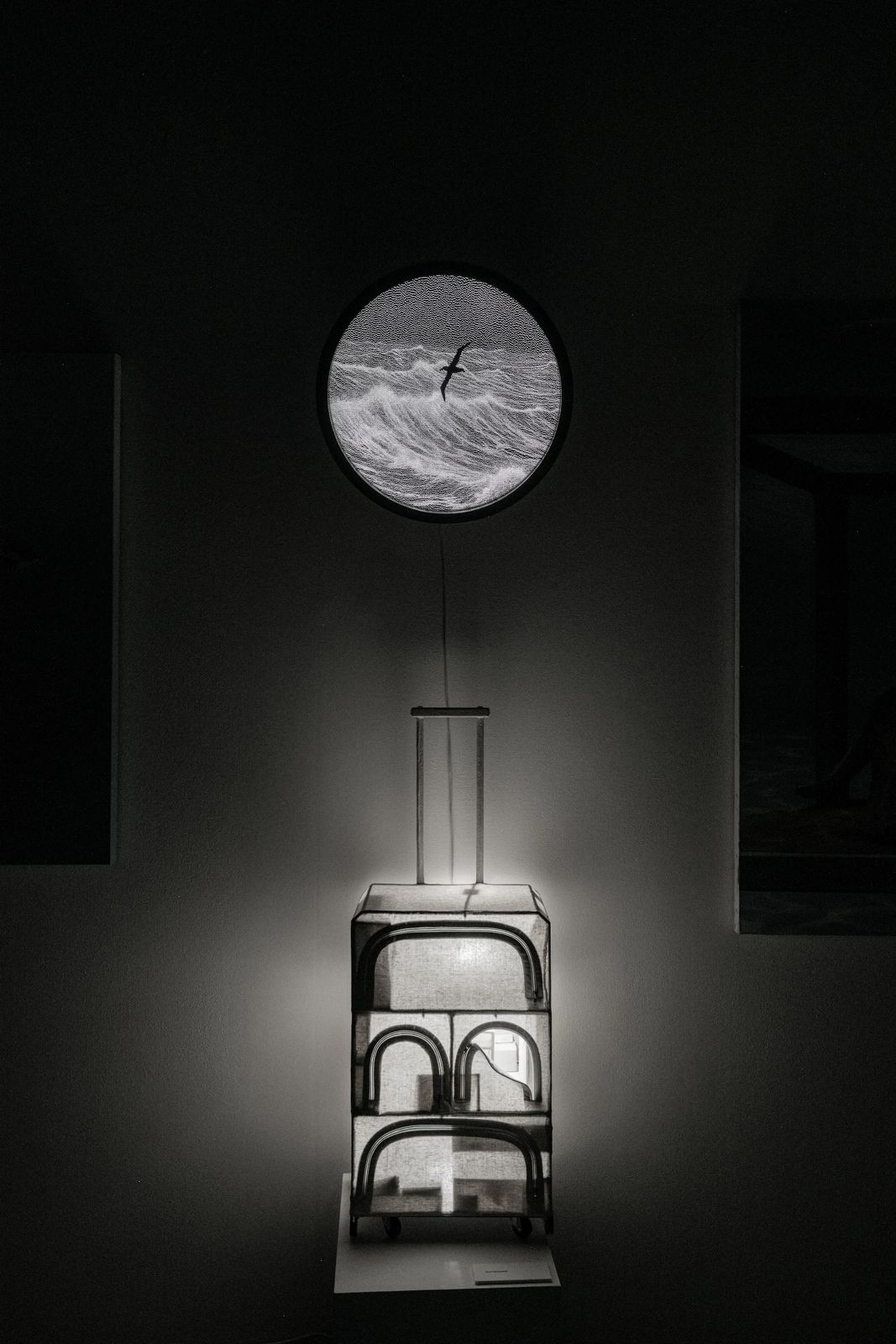
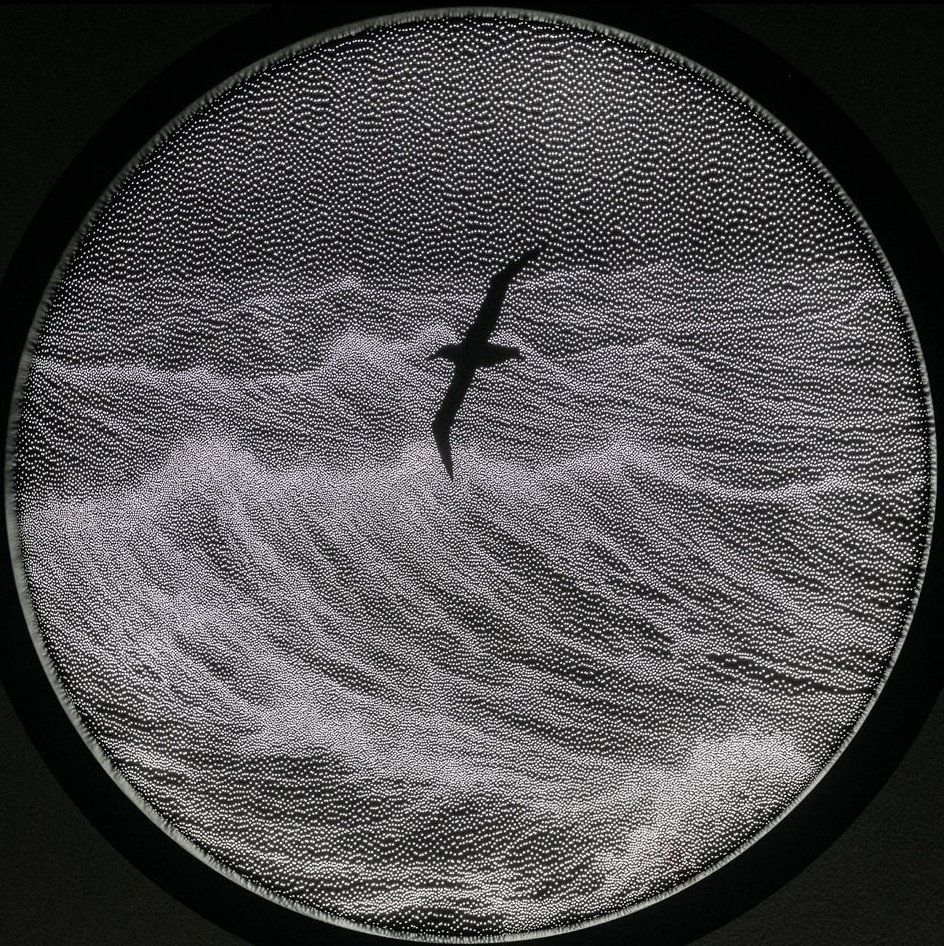
New “Luminography”object

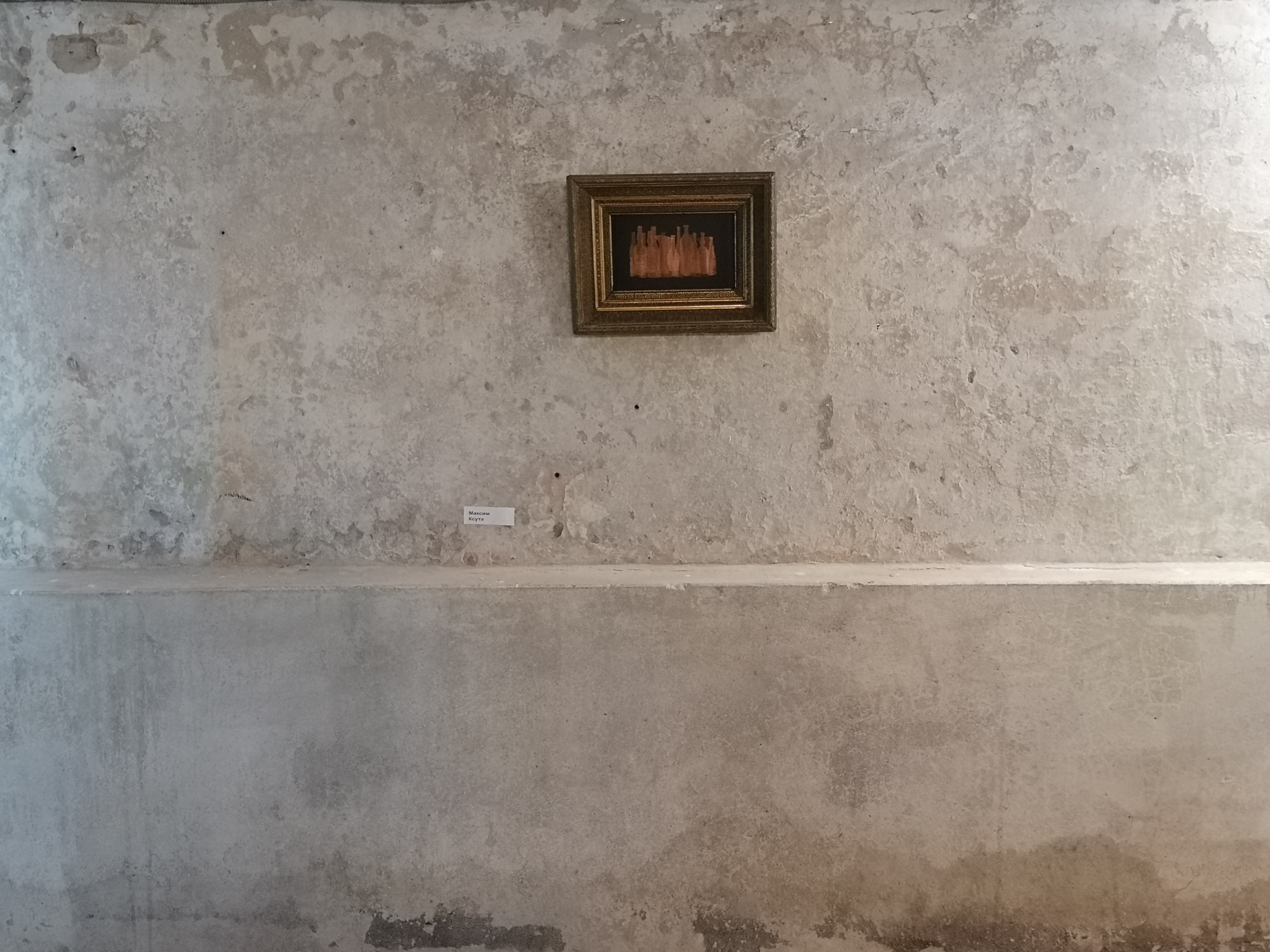
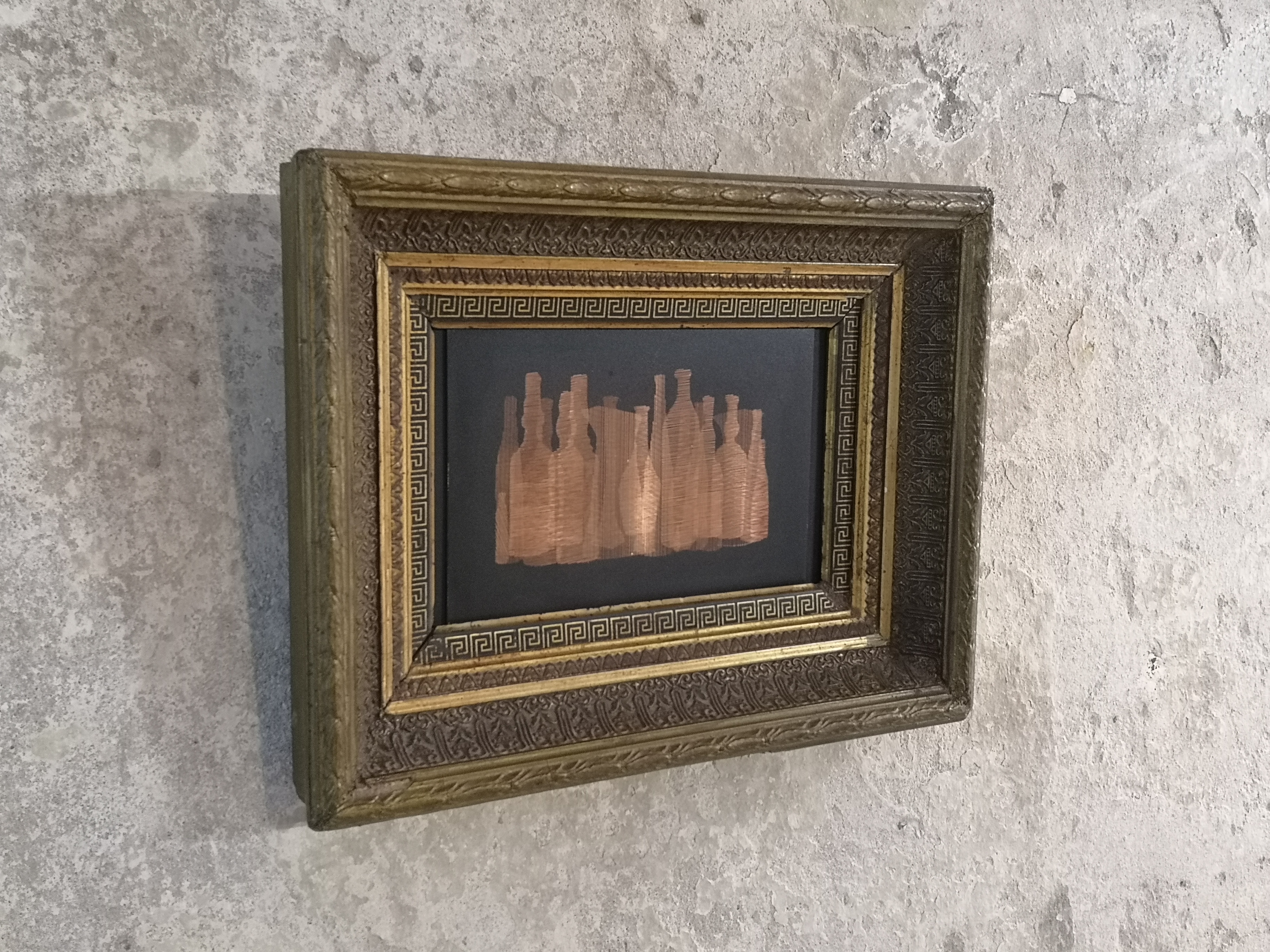
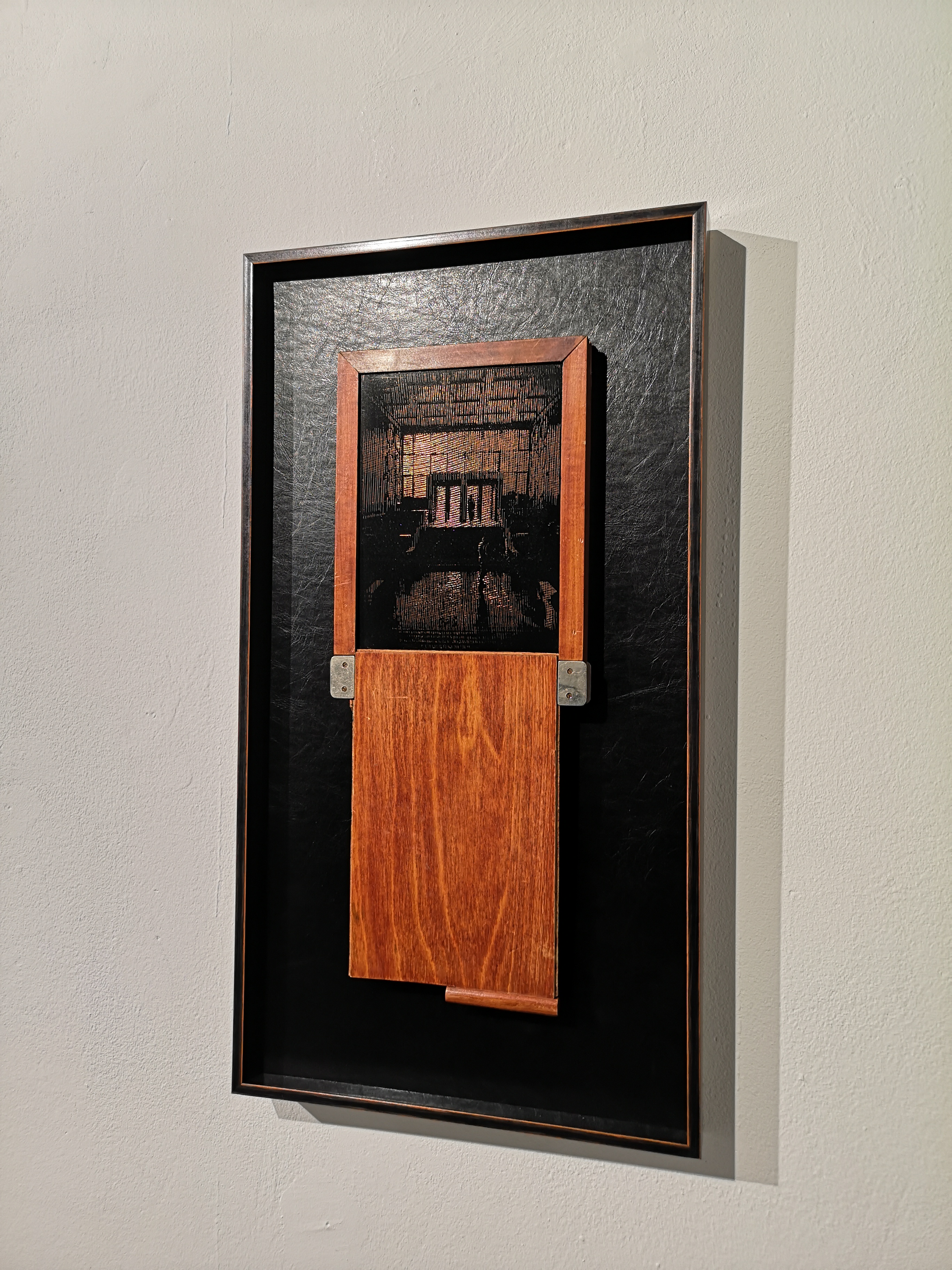
“Люминография”- работа выполнена путем прокола черной плотной бумаги иглой, лайтбокс


“Luminography”-The work is created by puncturing black thick paper with a needle.

Photo – Elena Rubinina

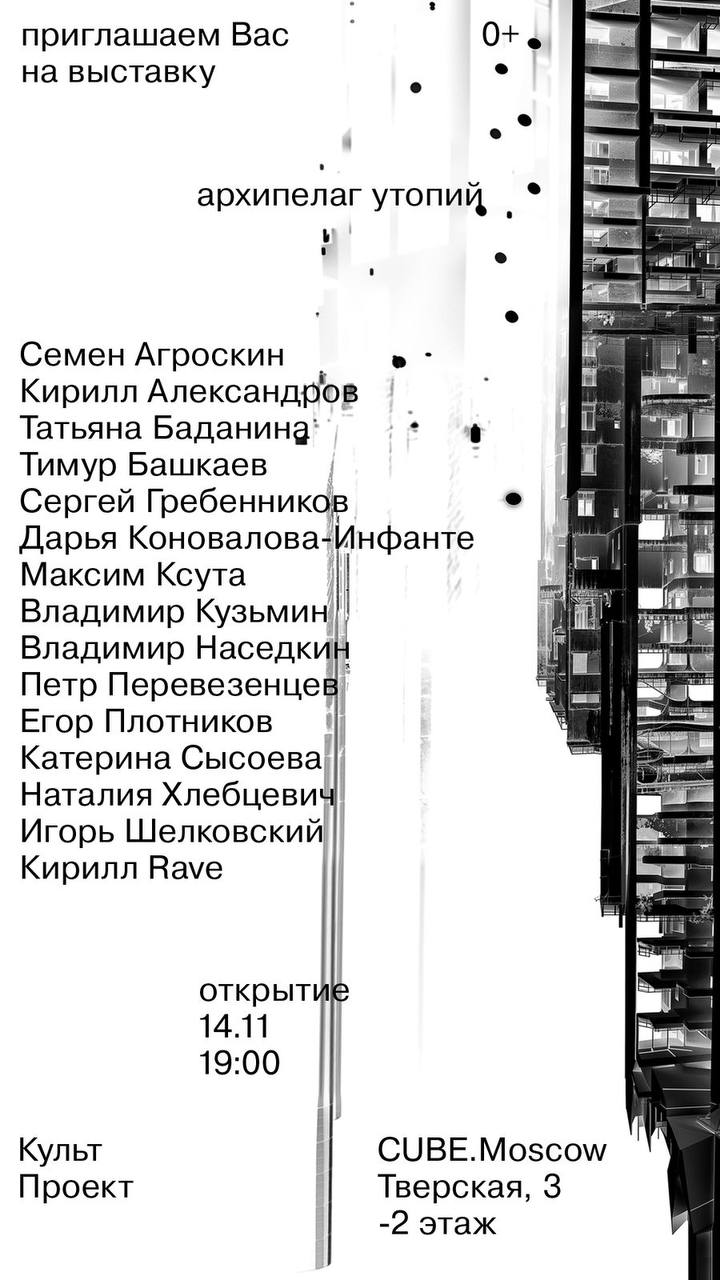
“Archipelago of Utopias” – New group exhibition

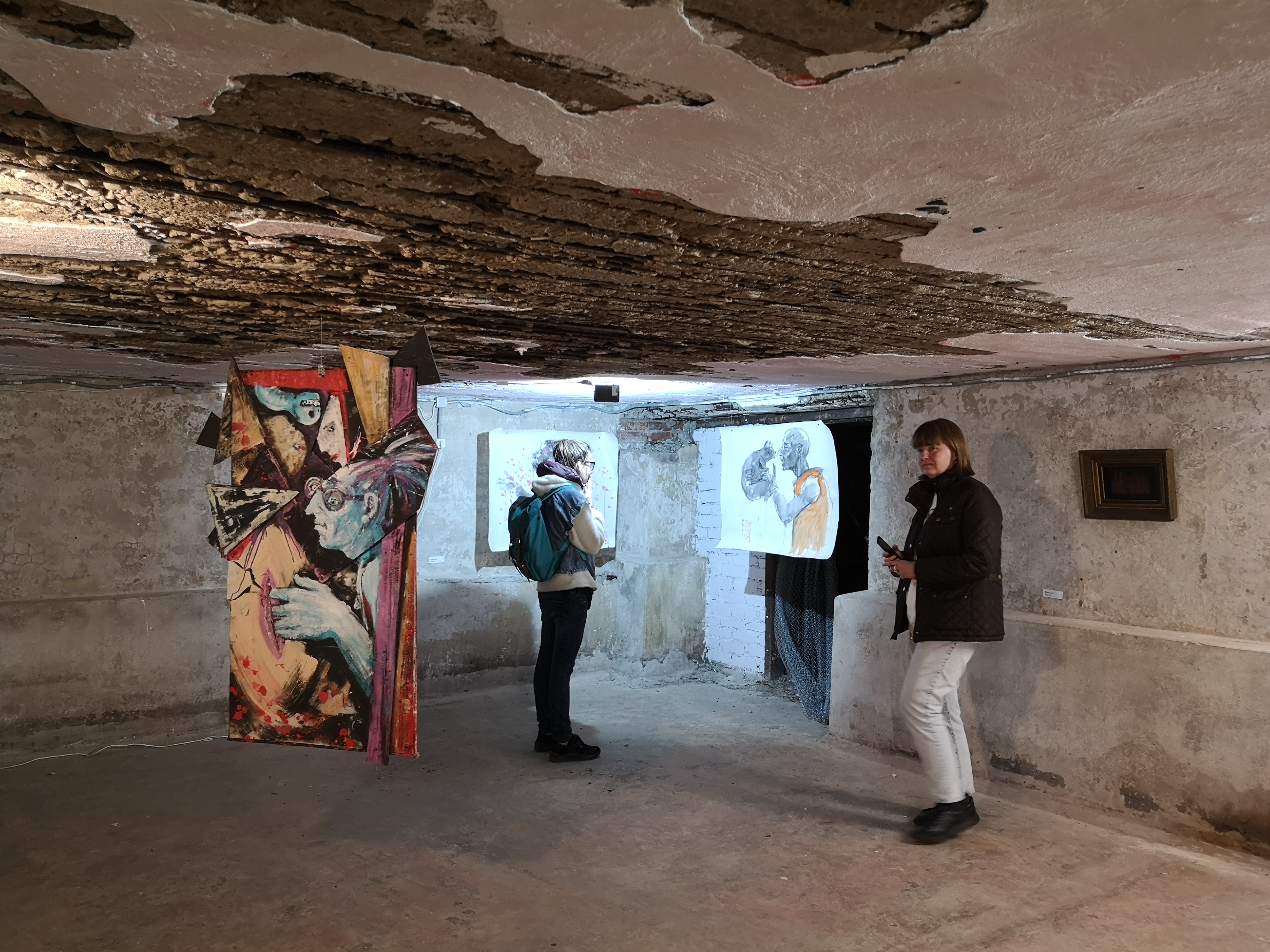
2024 “Архипелаг Утопий”, Галерея Культпроект, Куб, Москва


2024 “Archipelago of Utopias”, Kultproekt Gallery (CUBE), Moscow

Photo – Elena Rubunina

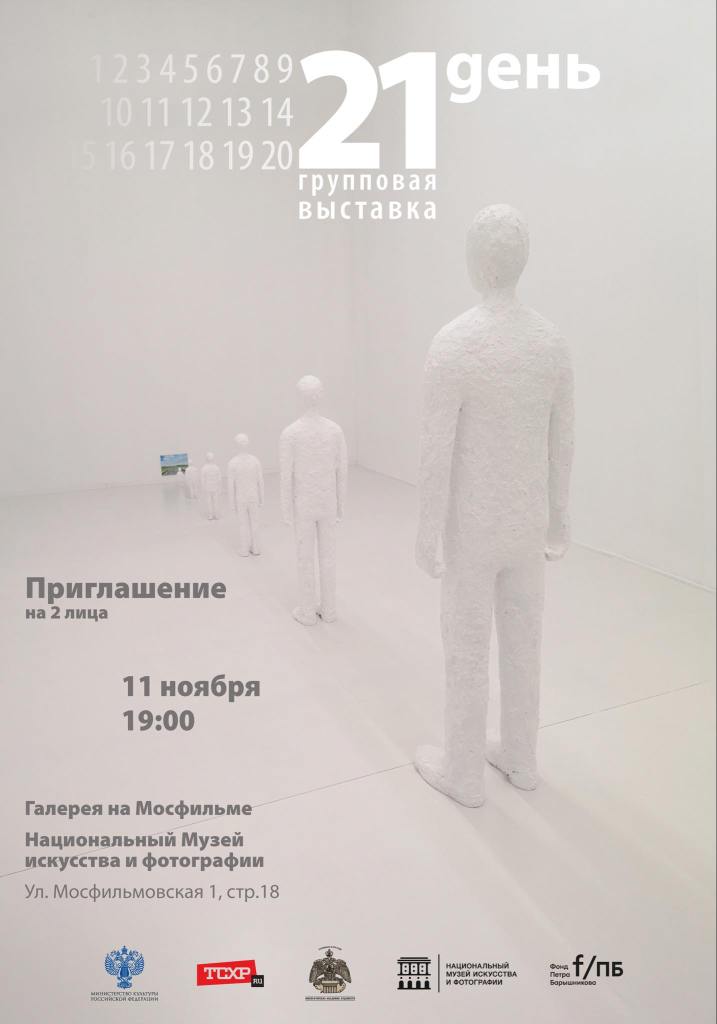
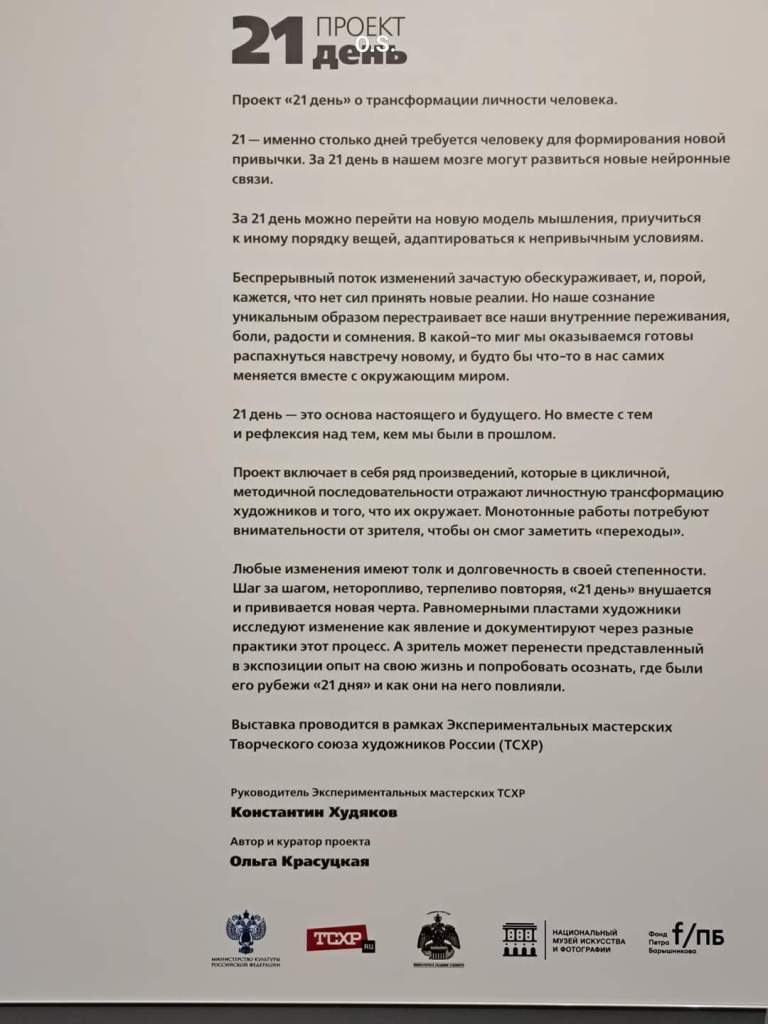
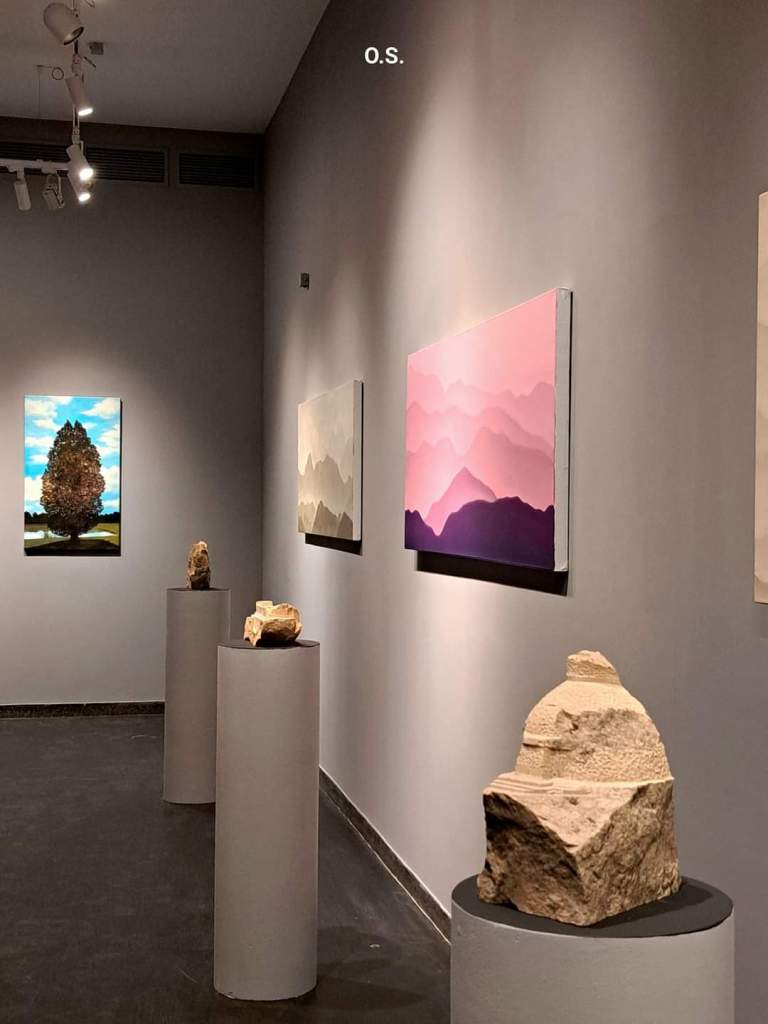
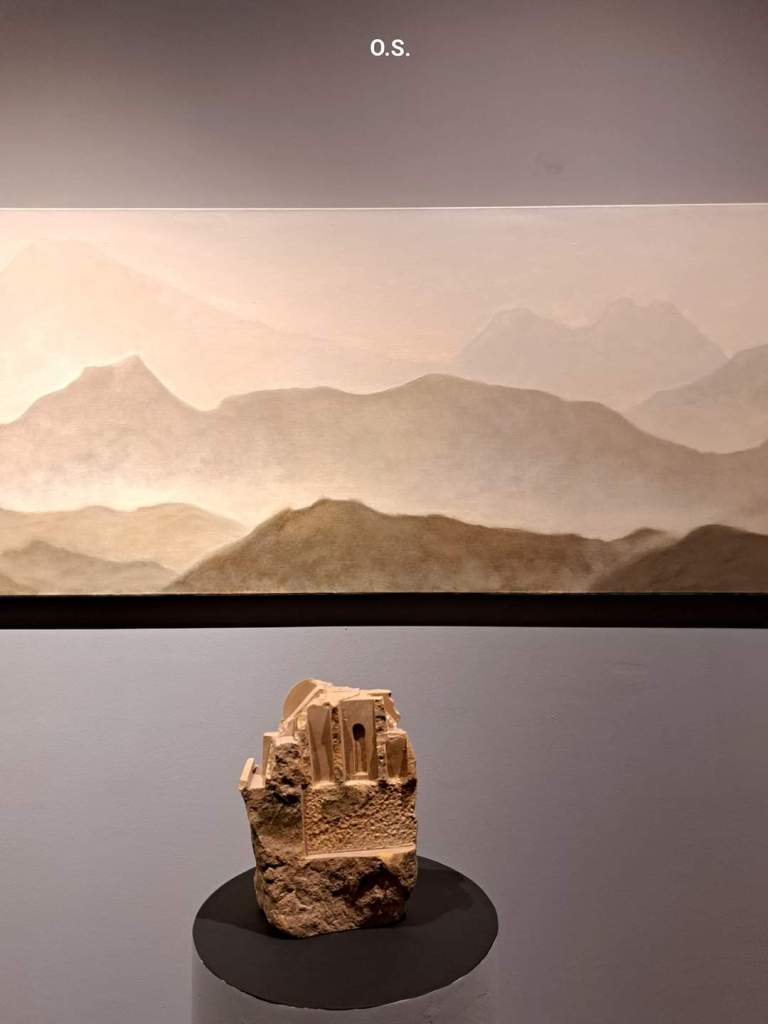
New group exhibition -“21days”

“21 день”, Галлерея Мосфильм Национальный Музей искусства и фотографии, Москва


“21 days”, Gallery at Mosfilm National Museum of Art and Photography, Moscow

Photo – Olga Seregina

“Weakness” – a new group exhibition

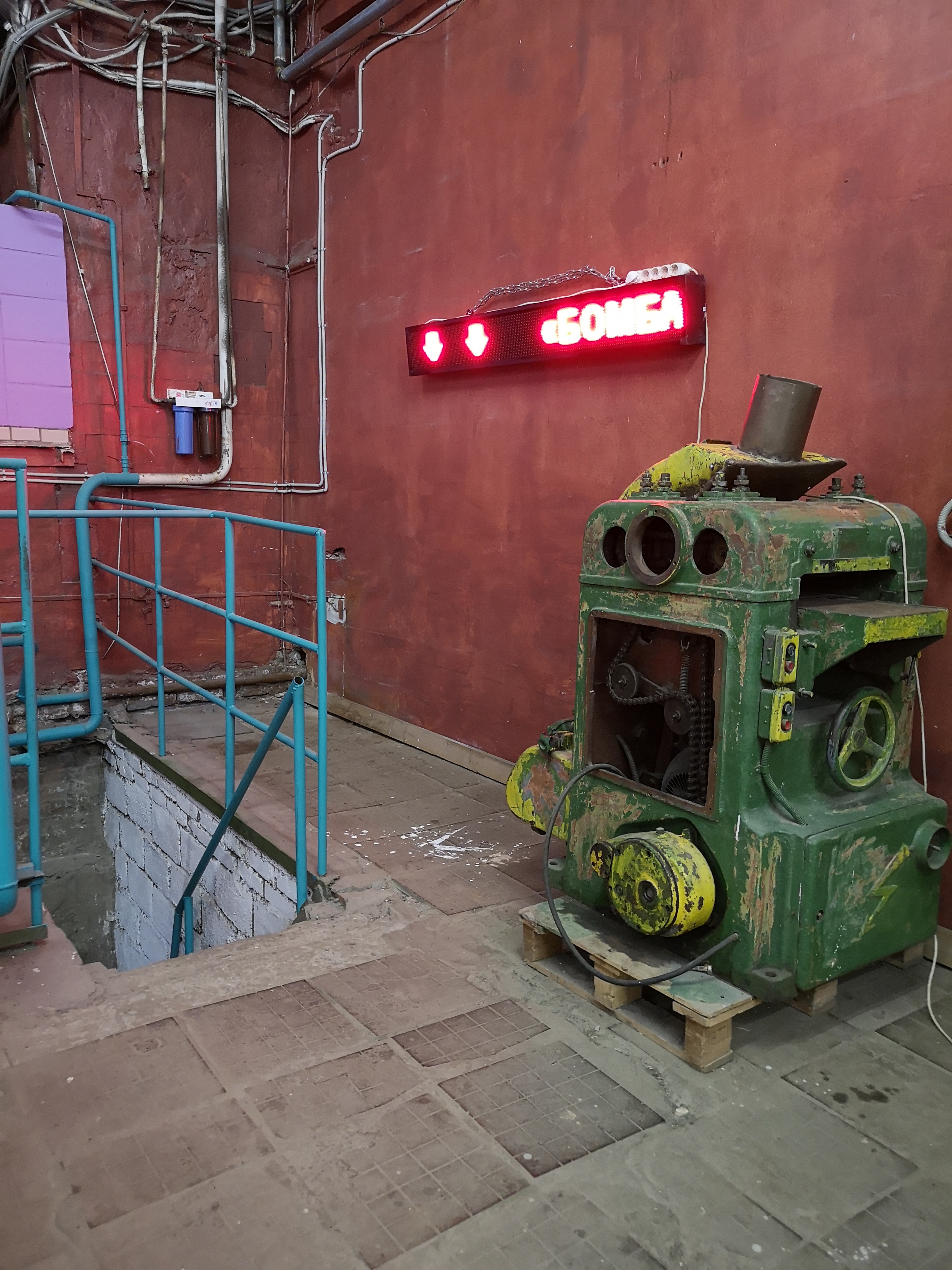
“Weakness” – a new group exhibition at the “Bomba” gallery space in the CCI Fabrika.

Blockchain

Фото Марии Солонецкой и Алисы Прохоровой… Моя скульптура – “Блокчейн”, переехала в город Чехов на постоянное место пребывания


Photo by Mariya Solonetskaya & Alisia Prokhorova … My sculpture, “Blockchain,” has recently moved to the town of Chekhov.

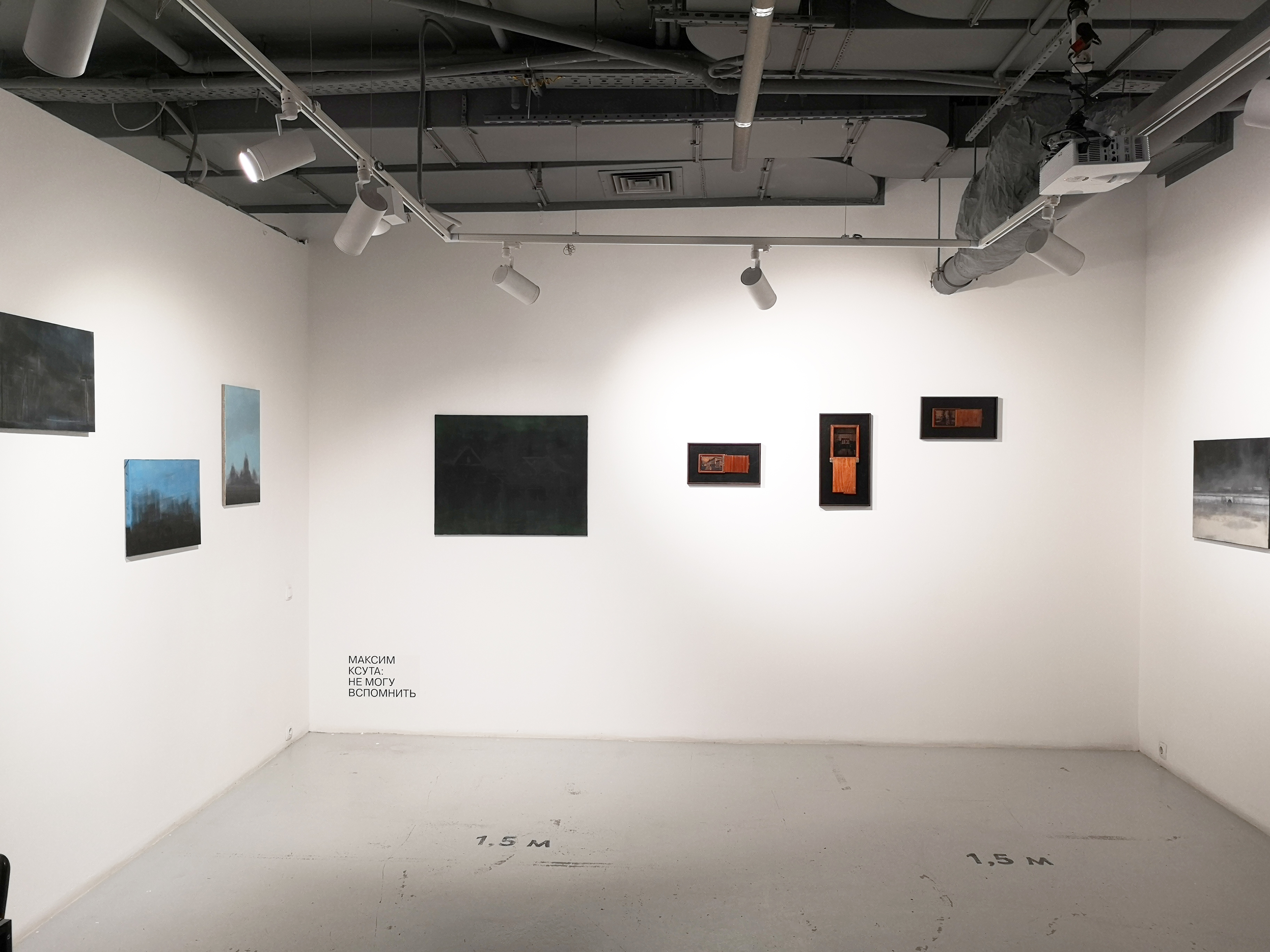
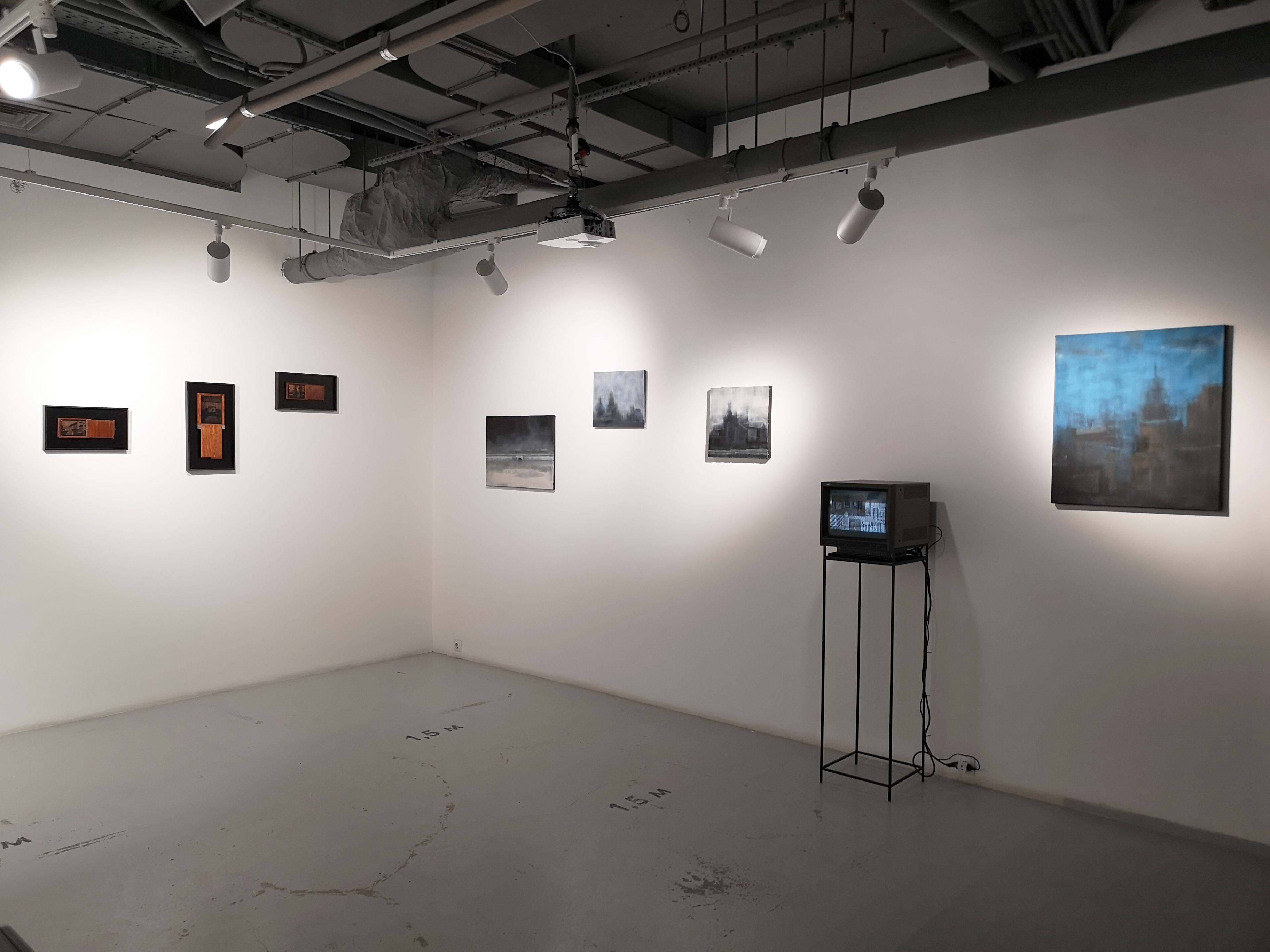
New solo exhibition – “I Can’t Remember”- KultProekt gallery CUBE, Moscow

“Не могу вспомнить”, галерея Культпроект, Куб, Москва

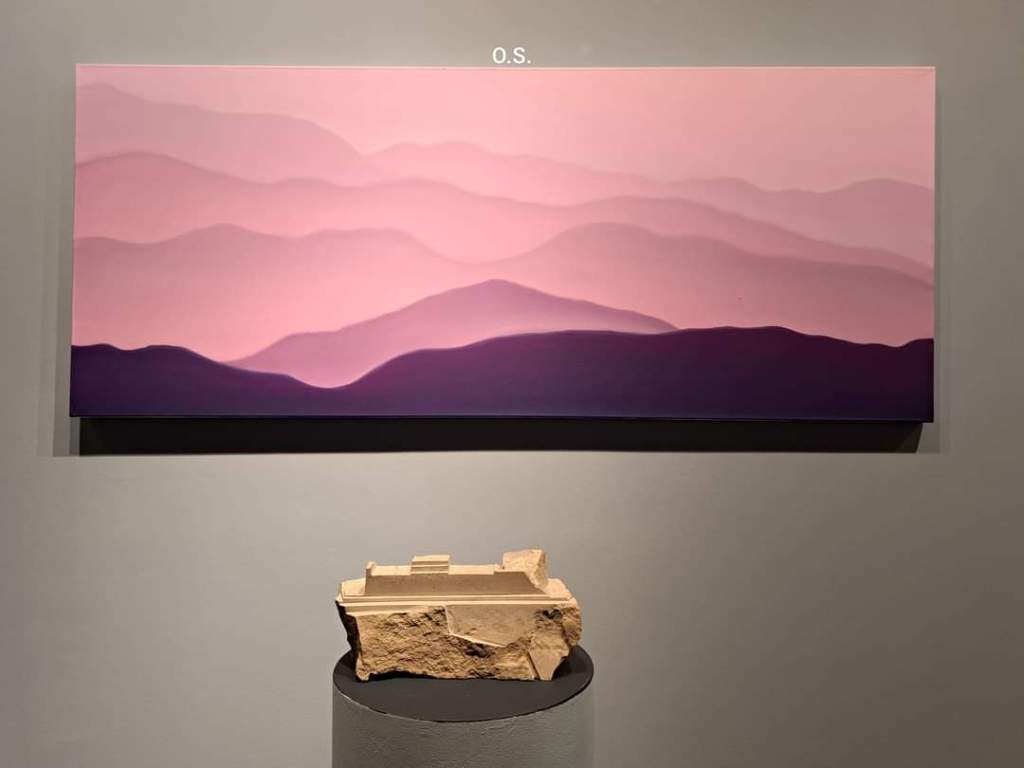
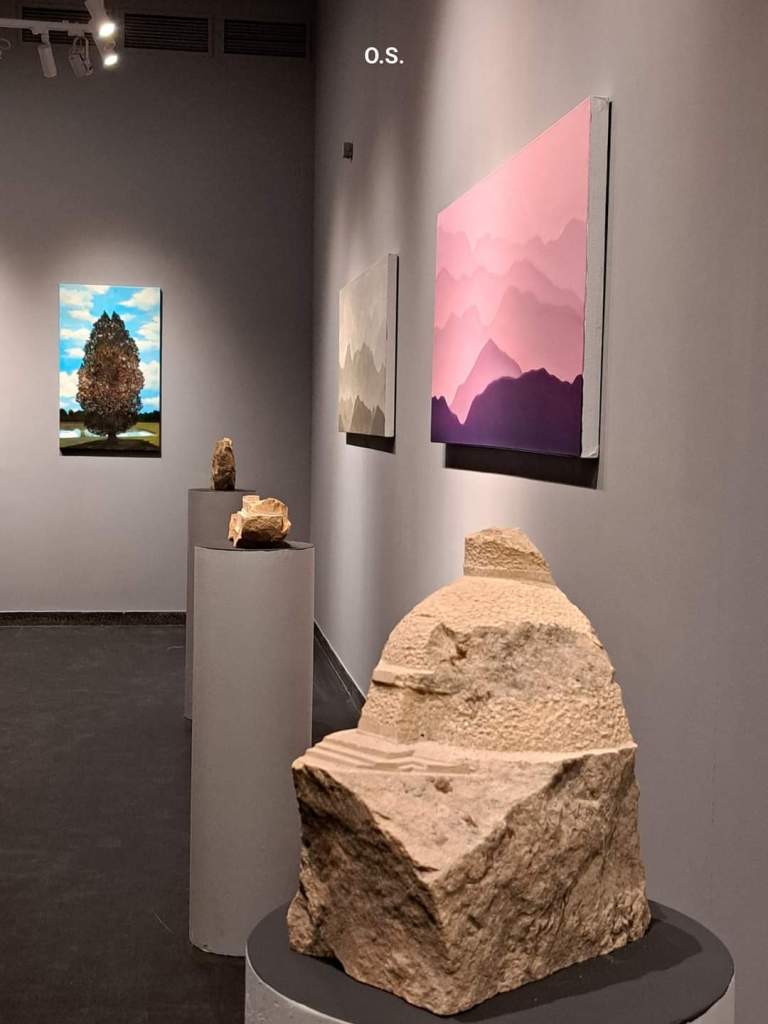
Вдохновение можно найти в самых неожиданных местах. Для меня оно пришло в виде цветных композиций, которые остаются на стенах и заборах после того, как анонимные маляры, работающие на коммунальные службы, закрашивают нежелательный граффити.

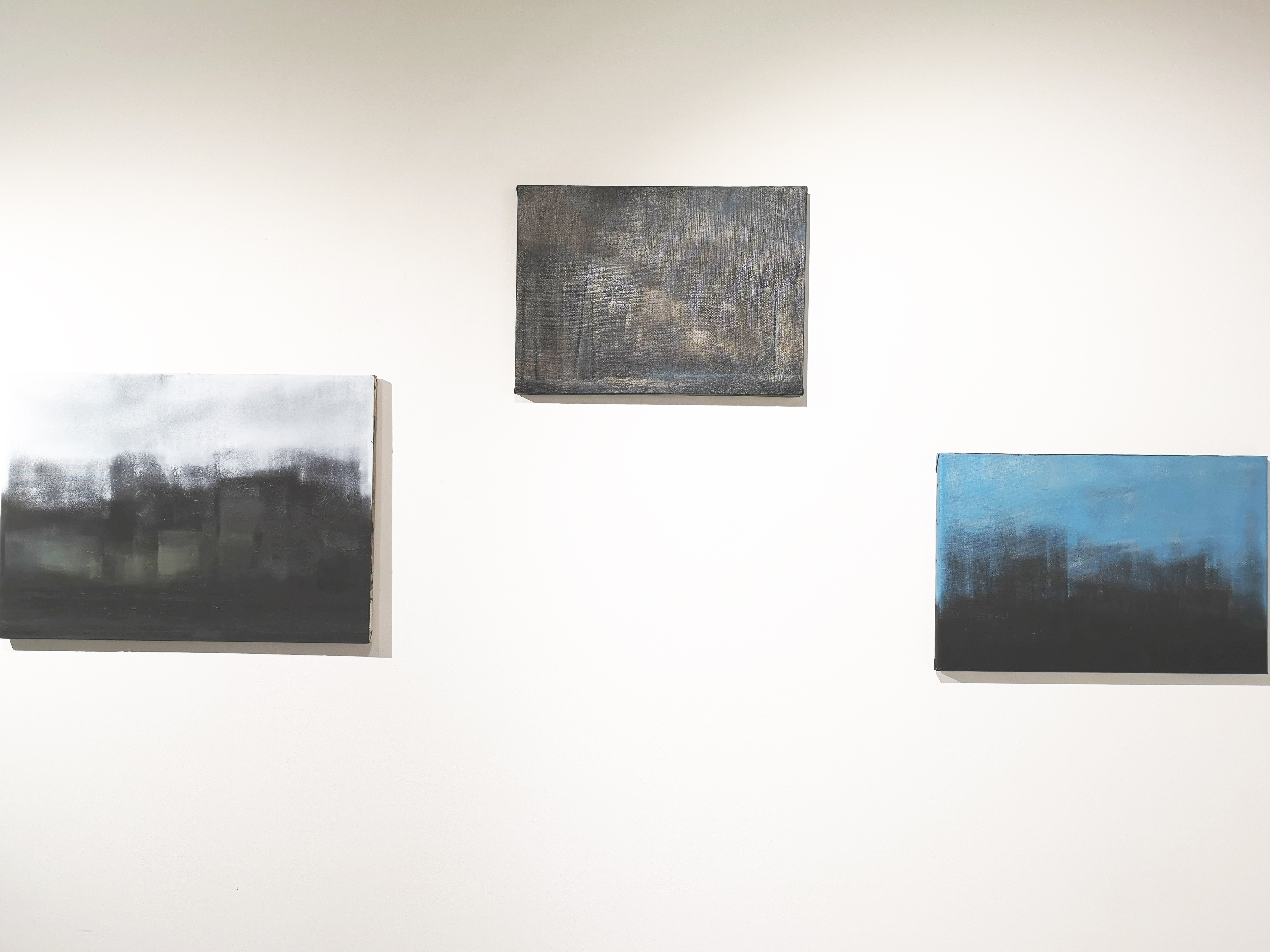
Вместо того чтобы полностью стереть следы уличного искусства, они всегда оставляют странные пятна, которые иногда напоминают пейзажи. Это явление заставило меня задуматься о природе памяти — её неустойчивости, хрупкости и абстрактности.

В своих работах я попытался воплотить эту идею визуально, создавая абстрактные образы, которые вызывают ощущение узнавания, но при этом оставляют пространство для свободной интерпретации. Каждая картина — это сочетание размытых форм и цветов, которые могут напоминать что-то знакомое, но так и не становятся полностью различимыми.

Работая с фактурой и многослойной живописью, я стремился передать сложность процесса воспоминания. Ведь эти картины — не точное изображение конкретного момента или места, а скорее абстрактное отражение состояния сознания в момент попытки вспомнить что-то утраченное. Зрителю предоставляется полная свобода индивидуальной интерпретации.

Видео, представленное на выставке, — это слайд-шоу из моих фотографий, загруженных в социальную сеть Instagram за последние 12 лет (сеть сейчас запрещена в России). Каждый кадр из этого фотоархива становится звеном во времени и мелькает так быстро, что невозможно разглядеть все детали. Этот эффект очень похож на то, как наша память иногда искажает и неточно воспроизводит старые моменты.


Inspiration can be found in the most unexpected places. For me, it came from the colorful compositions left on walls and fences after municipal workers paint over graffiti deemed undesirable by the city authorities.

Instead of completely erasing the traces of street art, they often leave behind strange, blurred stains — sometimes resembling mysterious landscapes. This phenomenon made me reflect on the nature of memory: its fragility, instability, and abstract quality.

In my works, I have tried to visually embody this idea by creating abstract images that evoke a sense of familiarity while remaining open to interpretation. Each painting consists of blurred shapes and colors that seem to hint at something recognizable, yet never fully reveal themselves.

Through working with texture and multiple layers of paint, I sought to convey the complex and elusive process of remembering. These paintings are not precise depictions of a specific moment or place, but rather abstract reflections of the mind’s state while trying to recall something lost. The viewer is invited to interpret them freely.

The video presented at the exhibition is a slideshow of photographs I uploaded to Instagram over the past 12 years (a social network now banned in Russia). Each frame from this personal archive flashes by so quickly that it is impossible to catch all the details. This effect mirrors how our memory often distorts and inaccurately reconstructs past moments.