Специальные проекты Пятой Московской биеннале современного искусства
Инициатор проекта — Музей современной скульптуры
Руководители проекта — Анна Зельдковская (Аня Жолуд) и Ольга Паутова
Куратор выставки — Таня Шебен
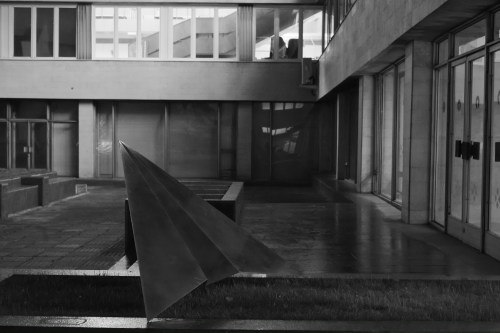
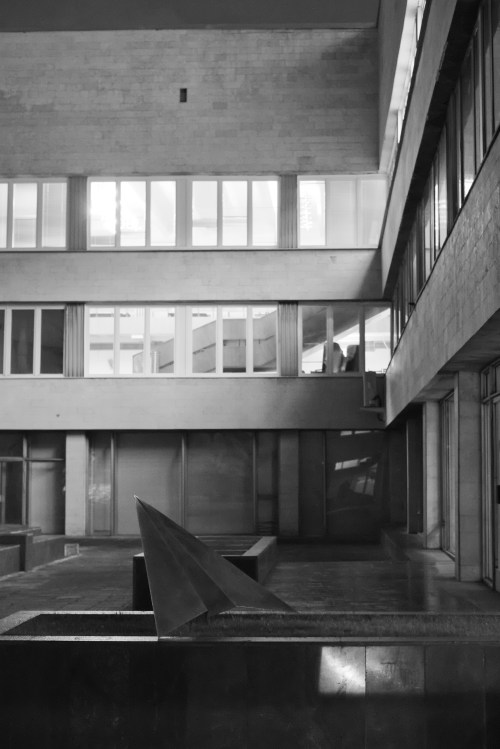
120 × 100 cm, stainless steel
Special Projects of the Fifth Moscow Biennale of Contemporary Art
Initiator of the project: Museum of Contemporary Sculpture
Project managers: Anna Zelydkovskaya (Anya Zholud) and Olga Pautova
Curator of the exhibition: Tanya Scheben
The project participants: Tatiana Antoshina, Marina Belova and Alexei Politov Peter Belyi, Sergei Vorontsov, Natasha Zintsova, Daria Krotov, Maxim Ksuta, Group Pprofessors (Andrew Lyublinskiy, Maria Zaborovskaya), Alexander Povzner, Nicholas Polissky, Vitaly Pushnitsky, Andrew Rudiev, Roman Sakin, Haim Sokol, Rostan Tavasiev, Olga and Oleg Tatarintsev, Dmitry Tsvetkov, Peter Shvetsov.
Специальные проекты Пятой Московской биеннале современного искусства
Организаторы: Государственный литературный музей, VP Studio Куратор: Вера Погодина
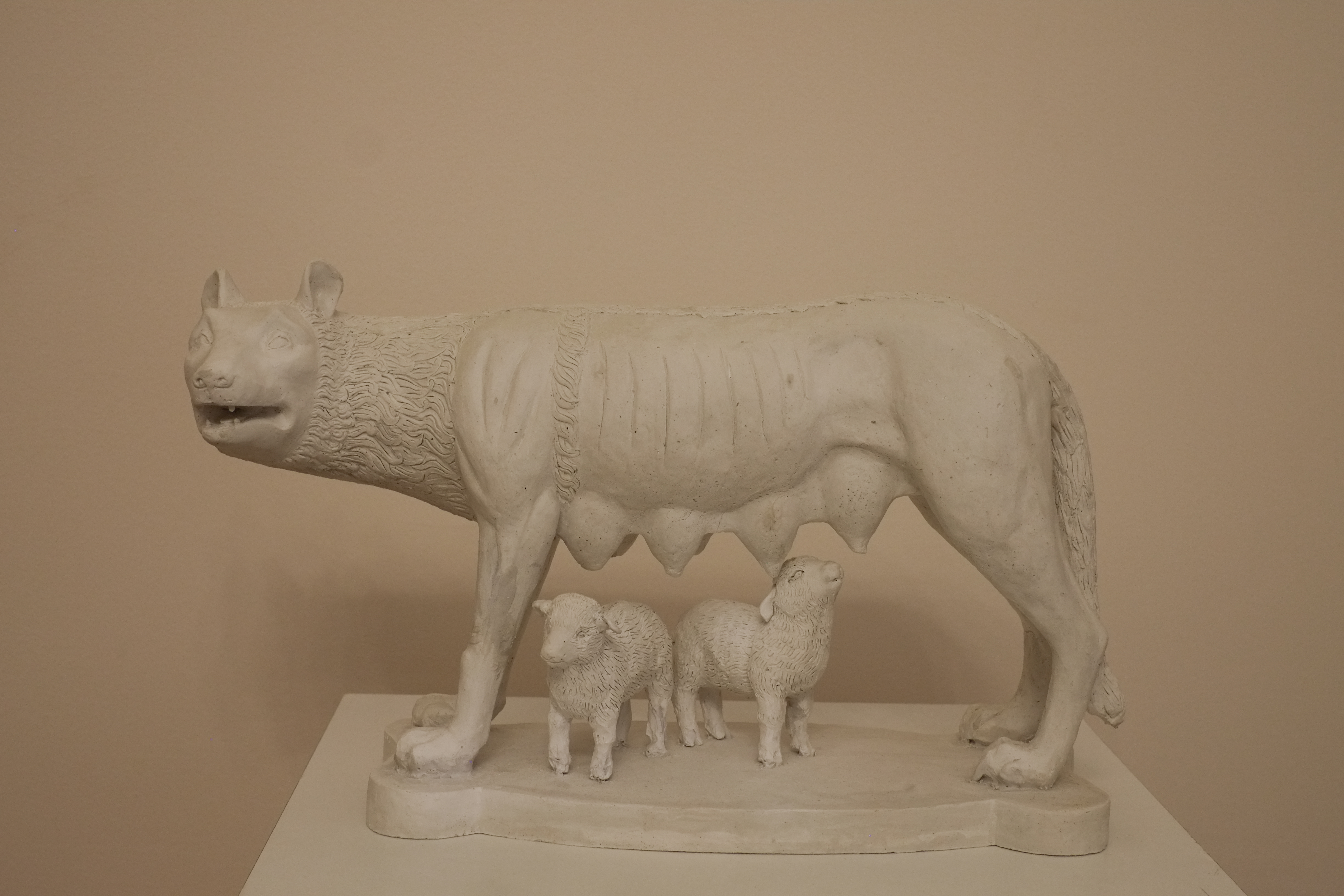
Выставка «Волки и овцы» — это совместный проект куратора Веры Погодиной и Государственного литературного музея в рамках цикла «Русский читатель».
Идея проекта предельно проста: все самые важные и актуальные проблемы современной жизни уже давно отражены в названиях произведений русской классической литературы XIX века.
Современное российское концептуальное искусство во многом связано с литературой и текстом, поэтому участие в проекте художников московской концептуальной школы выглядит вполне естественно. Государственный литературный музей ранее уже проводил выставки «Отцы и дети», «Горе от ума», «Мёртвые души». Несколько предыдущих проектов, таких как «Война и мир», были представлены в Центральном доме художника (ЦДХ).
На этот раз организаторы решили обратиться к творчеству Александра Островского (1823–1886) — драматурга, известного своими яркими и острыми театральными пьесами. Названия его произведений представляют собой настоящую энциклопедию афоризмов и крылатых выражений:
«На всякого мудреца довольно простоты» «Бедность не порок» «Свои люди — сочтёмся» «Не в свои сани не садись»
Мы выбрали пьесу «Волки и овцы». Именно это название, на наш взгляд, наиболее точно отражает то, что происходит в сегодняшней России. В пьесе практически нет положительных героев — случай для Островского редкий. Все персонажи, далеко не самые приятные, делятся на волков и овец. При этом волки остаются волками лишь до тех пор, пока на сцене не появляются более сильные и жестокие волки. Не случайно изначально пьеса называлась «Волк за добычей, но и сам добыча».
Как и в предыдущих проектах, художники представляют не иллюстрации сцен из пьесы XIX века, а собственное художественное осмысление заданной темы.
В выставке примут участие более тридцати современных московских художников разных поколений и мировоззрений. Это позволит зрителю увидеть весь спектр направлений и тенденций современного российского искусства.
Special Projects of the Fifth Moscow Biennale of Contemporary Art
Organizers: The State Literary Museum, VP Studio Curator: Vera Pogodina
The exhibition “Wolves and Sheep” is a joint project by curator Vera Pogodina and the State Literary Museum as part of the “Russian Reader” series.
The idea of the project is very simple: all the most important and pressing issues of contemporary life were already reflected long ago in the titles of works of 19th-century Russian classical literature.
Modern Russian conceptual art is closely connected with literature and text, which makes the participation of artists from the Moscow conceptual school in this project particularly natural. The State Literary Museum has previously organized exhibitions such as “Fathers and Sons”, “Woe from Wit”, and “Dead Souls”. Several earlier projects, including “War and Peace”, were held at the Central House of Artists (CHA) in Moscow.
This time, the organizers turned to the work of Alexander Ostrovsky (1823–1886), a playwright famous for his vivid and sharp theatrical plays. The titles of his works form a real encyclopedia of aphorisms and popular quotations:
“Enough Stupidity in Every Wise Man” “Poverty is No Vice” “Among Friends, We’ll Settle” (or “You Scratch My Back, I’ll Scratch Yours”) “Don’t Sit in Someone Else’s Sleigh”
We chose the play “Wolves and Sheep”. In our view, this title perfectly reflects what is happening in Russia today. The play contains almost no positive characters — a rarity for Ostrovsky. All the rather unpleasant characters are divided into wolves and sheep. Moreover, the wolves remain wolves only until stronger and meaner wolves appear on the scene. It is no coincidence that the play was originally titled “A Wolf in Pursuit of Prey, but Himself Also Prey”.
As in previous projects, the artists do not provide narrative illustrations of scenes from the 19th-century play, but rather their own artistic interpretation of the given theme.
The exhibition will feature works by more than thirty contemporary Moscow artists from different generations and with different worldviews. This will give viewers the opportunity to see the full spectrum of trends and directions in contemporary Russian art.
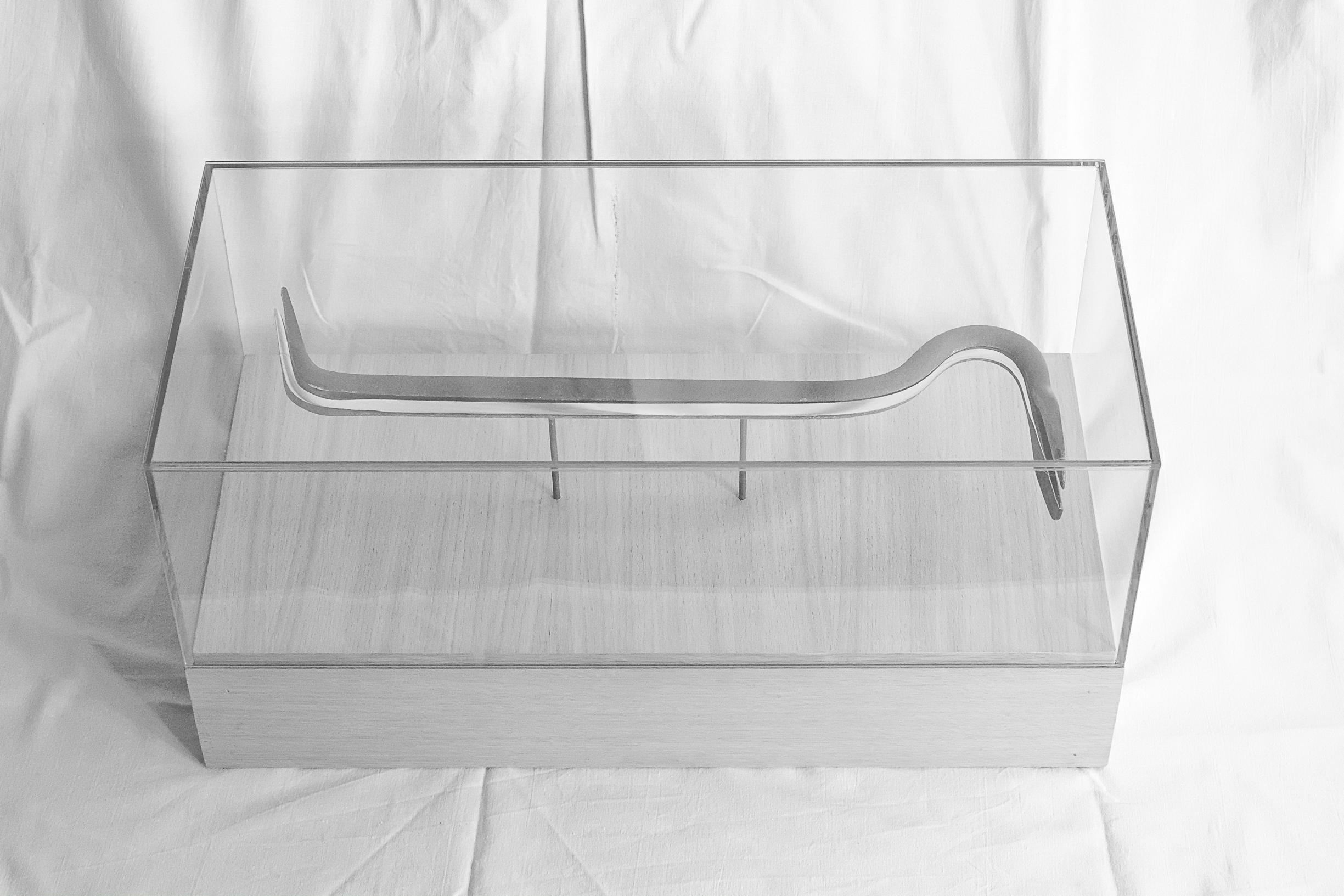
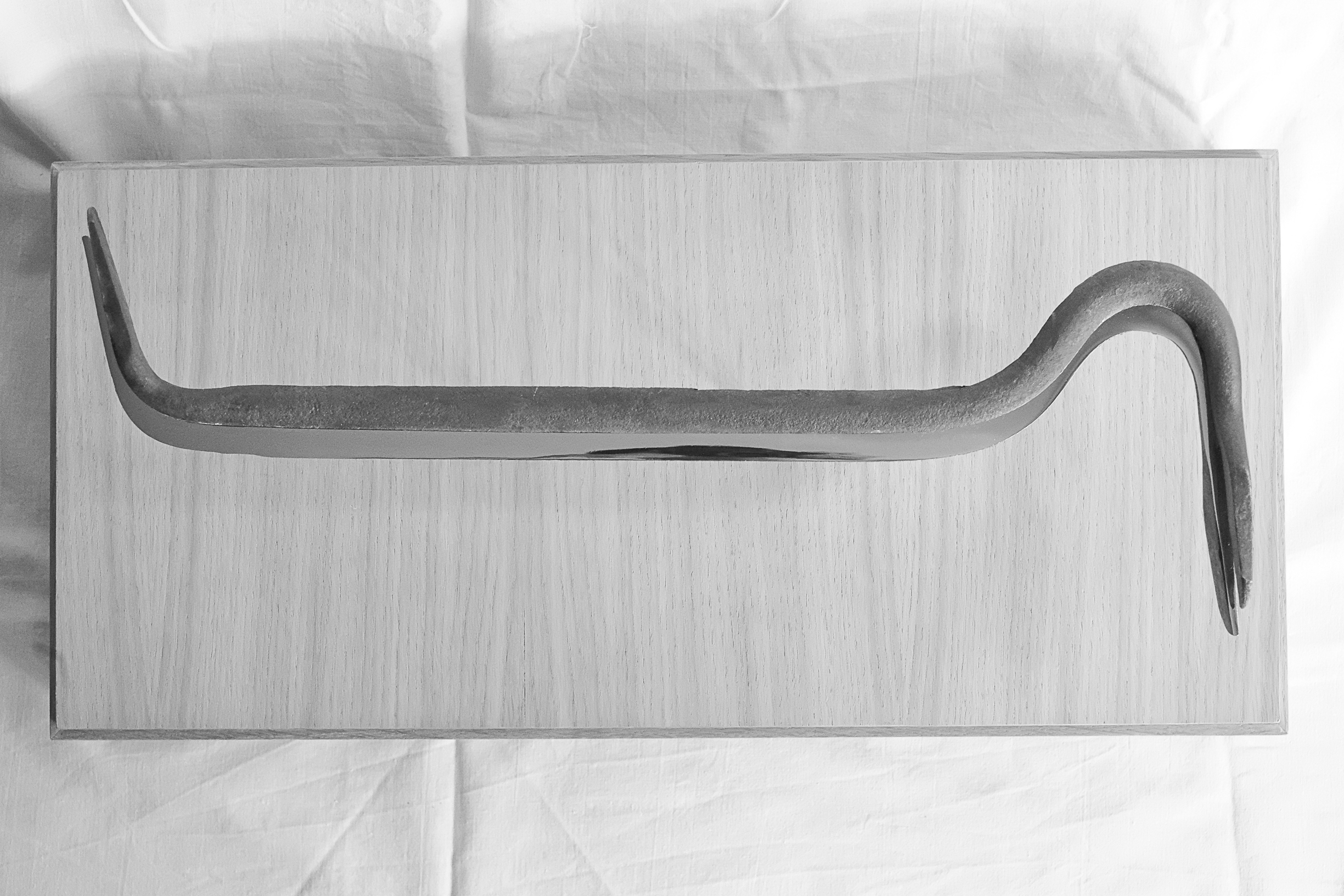
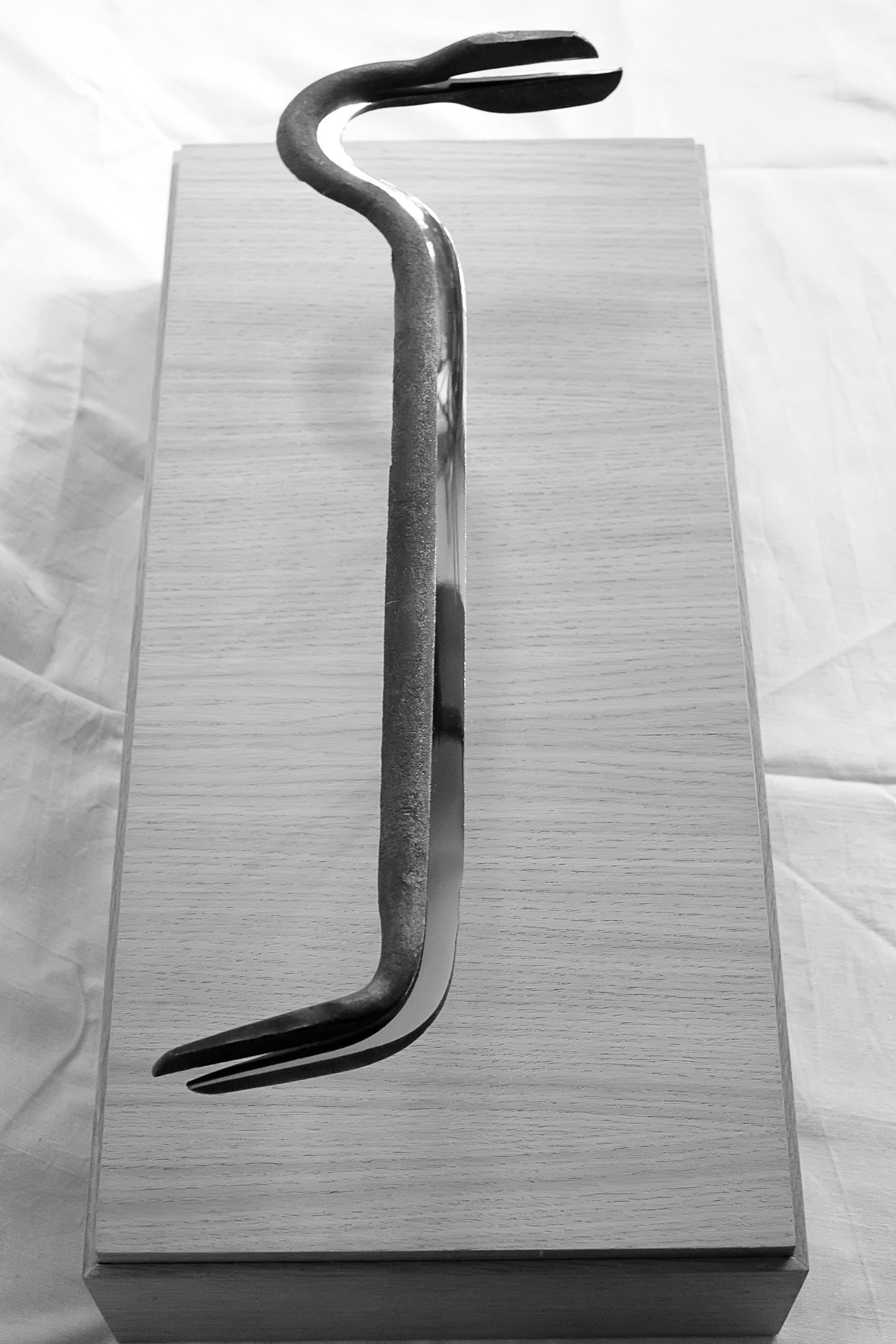
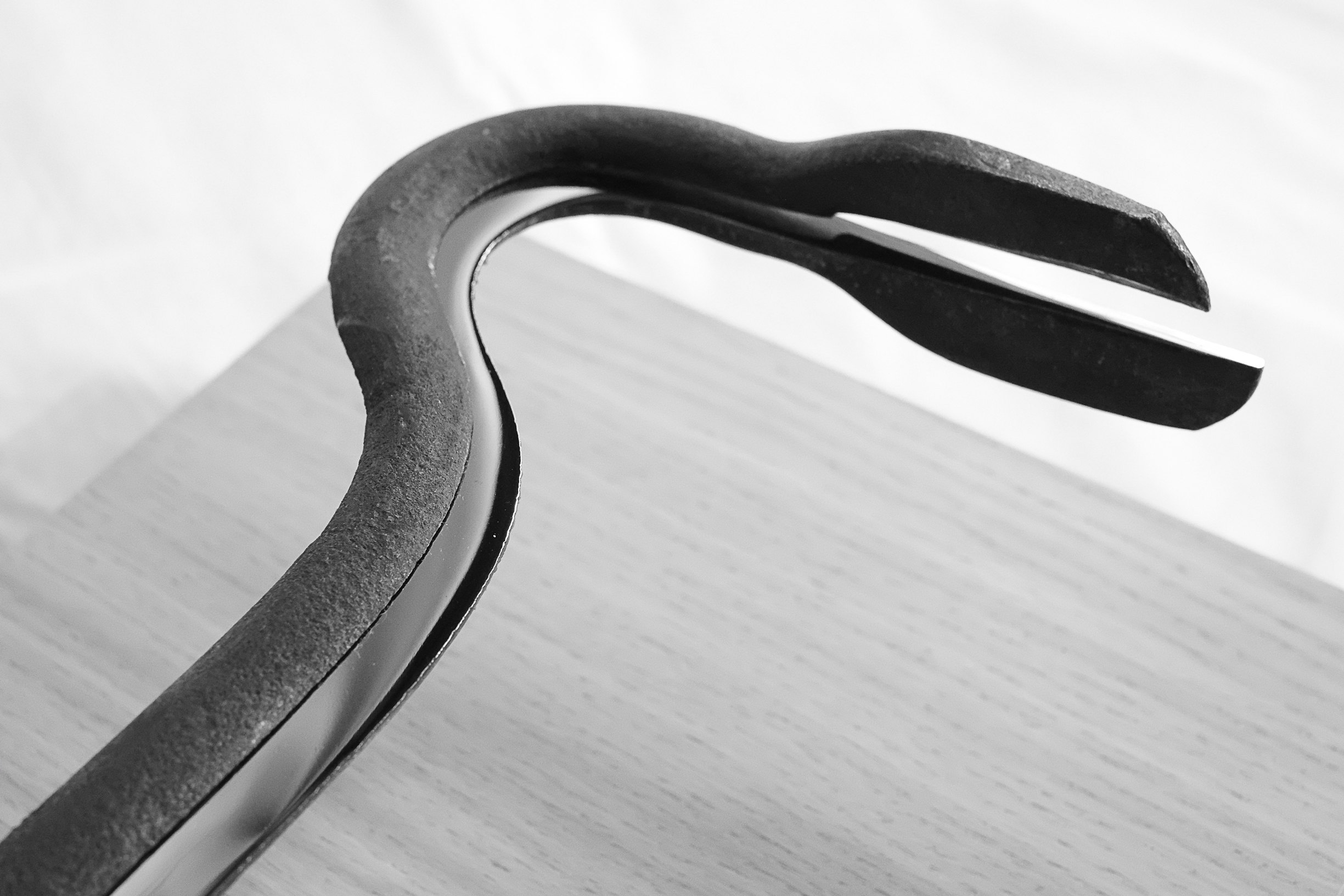
«Произведение труда» — это объект, который можно интерпретировать как камертон, настраивающий внимание зрителя на определённую эмоциональную волну восприятия. При этом автор сознательно избегает усложняющих понимание философских отсылок и сносок.
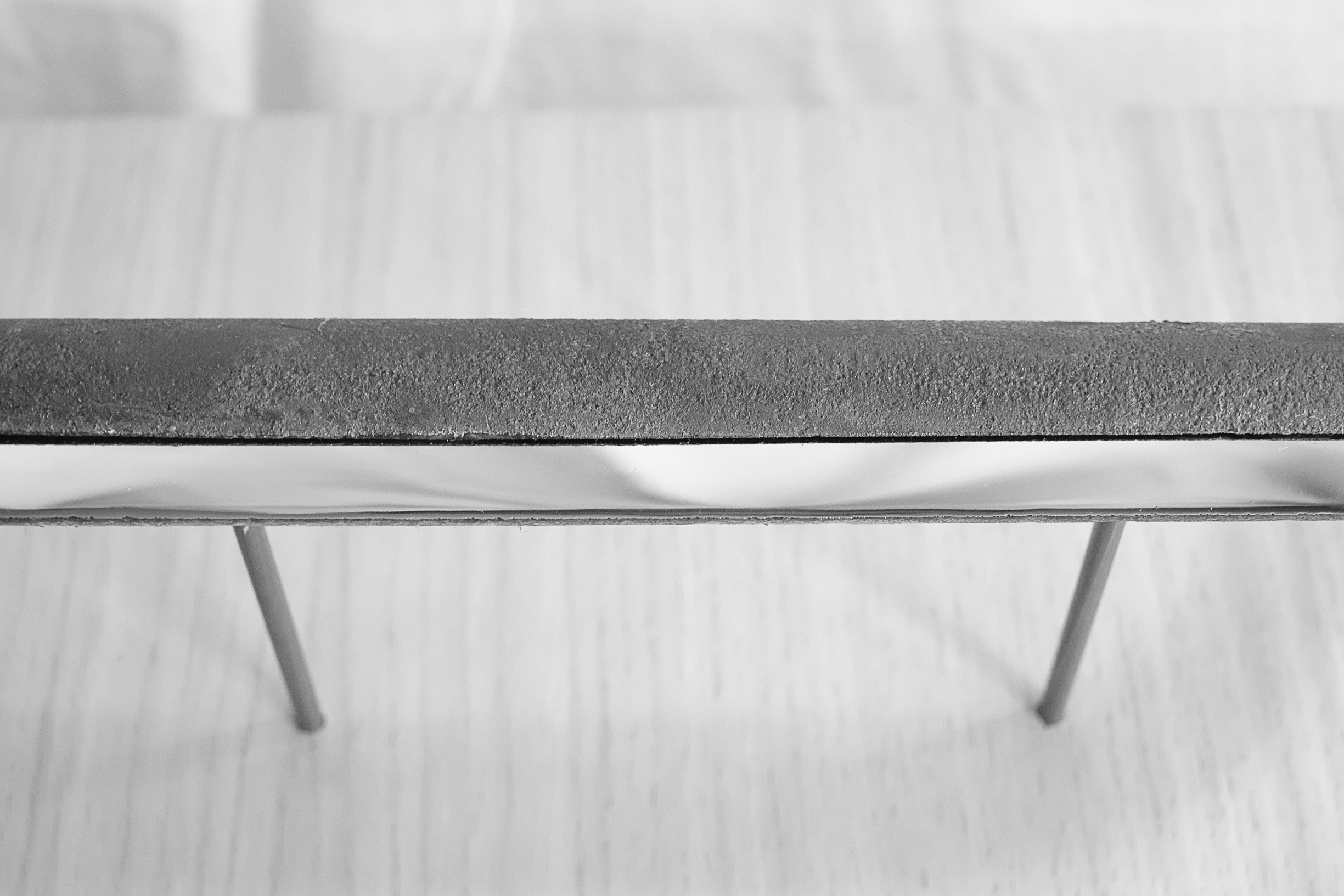
В течение нескольких месяцев автор методично распиливал обычный ломик-гвоздодёр, затем отполировал каждую деталь до зеркального блеска и снова соединил их воедино. В результате этой внешне простой, но крайне энергоёмкой работы объект ready-made полностью утратил свою исходную функцию орудия труда и превратился в «произведение труда» — а одновременно и в произведение искусства.
2012–2013Техника: сталь, дерево
“Work of Labour” (or “Product of Labour”)
«Work of Labour» is an object that can be interpreted as a tuning fork, setting the viewer’s attention to a specific emotional wavelength of perception. The artist deliberately avoids complicating the understanding with philosophical references or footnotes.
For several months, the author meticulously sawed apart an ordinary crowbar (wrecking bar), then polished every piece to a mirror shine and reassembled them. As a result of this seemingly simple yet extremely labour-intensive process, the ready-made object completely lost its original function as a tool and became a “work of labour” — and at the same time, a work of art.