ArchMoscow-2020
OCTOBER 8-11 GOSTINYI DVOR, Moscow
Photo by Polina Mogilina
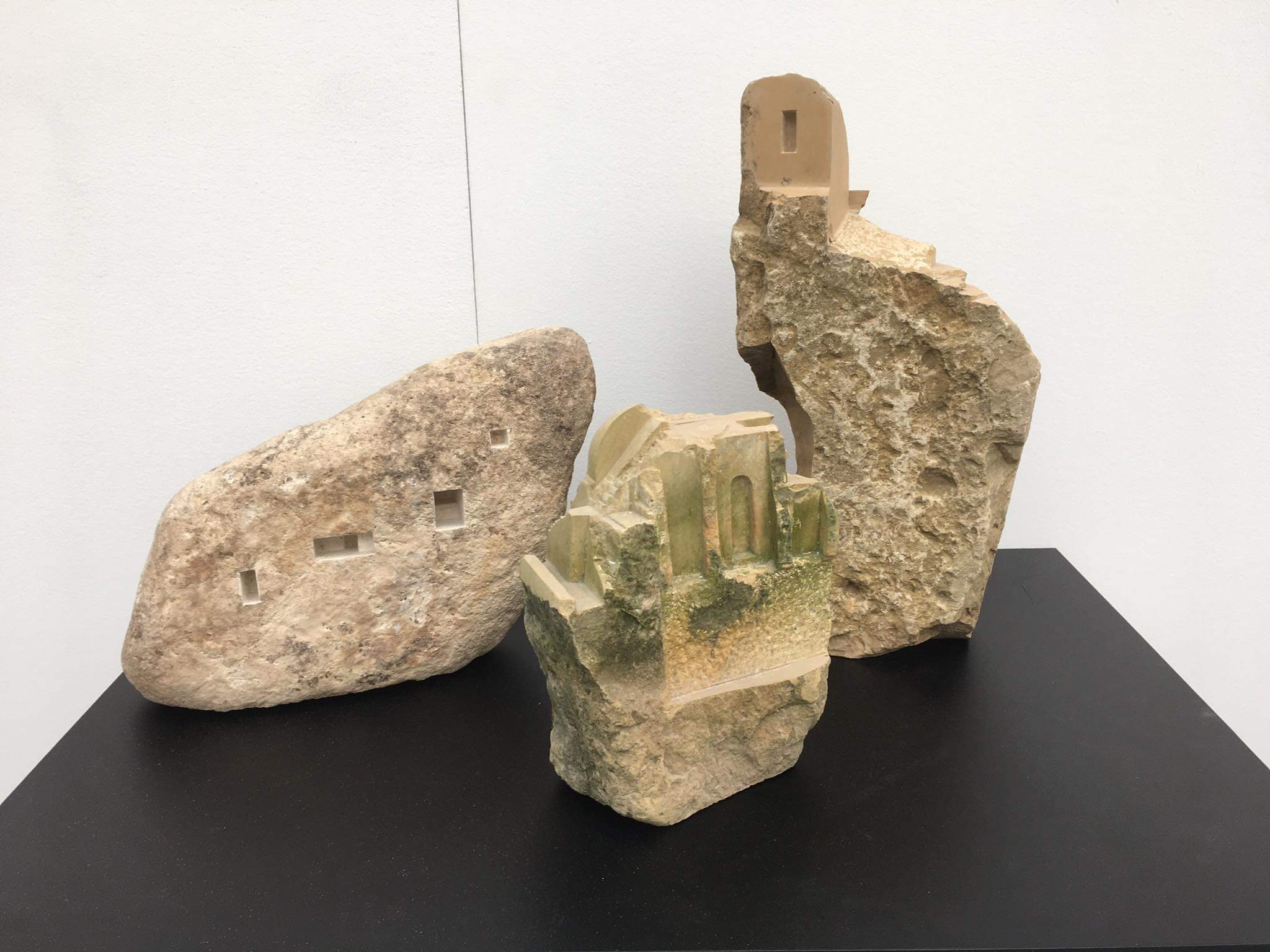
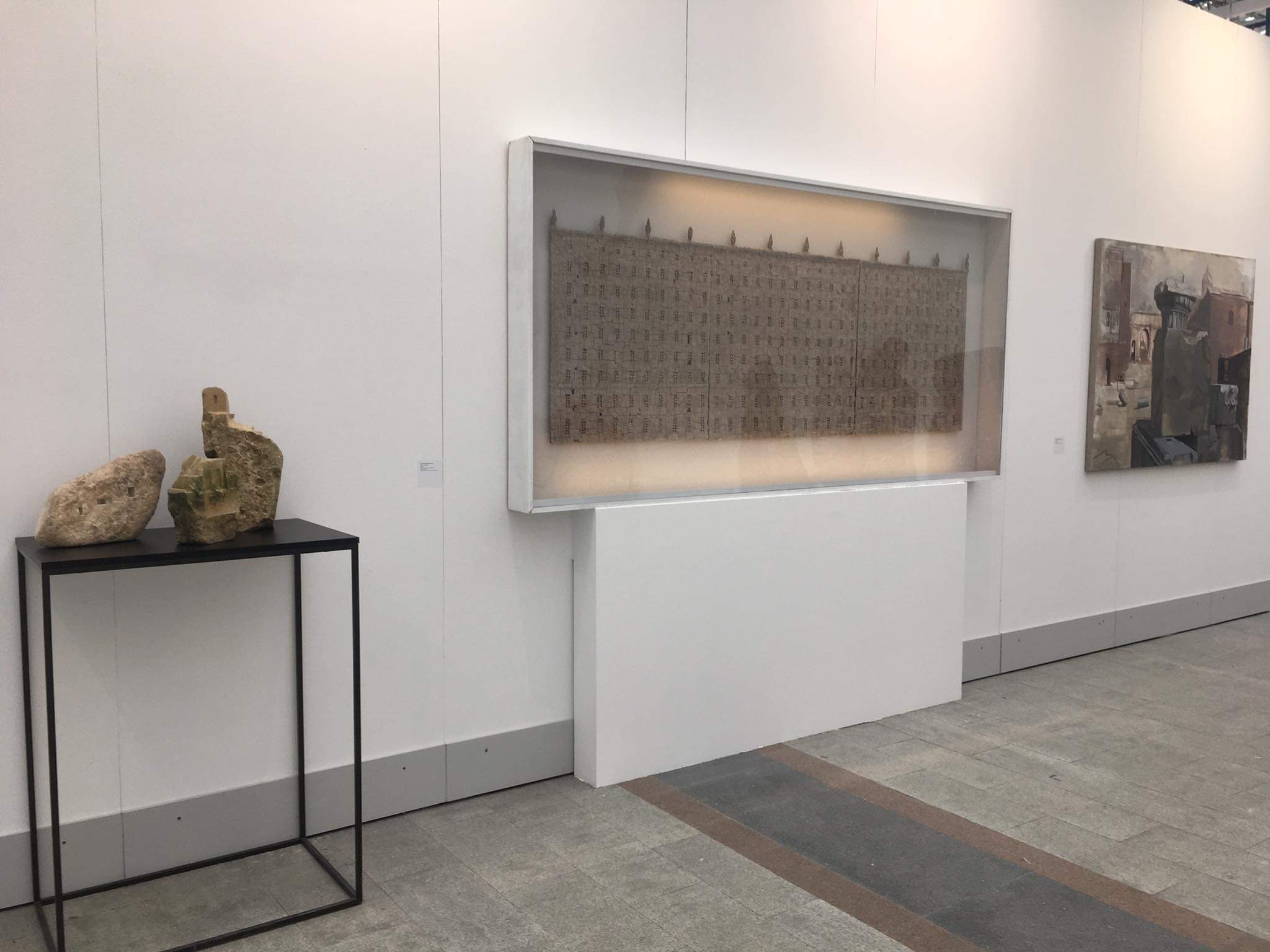
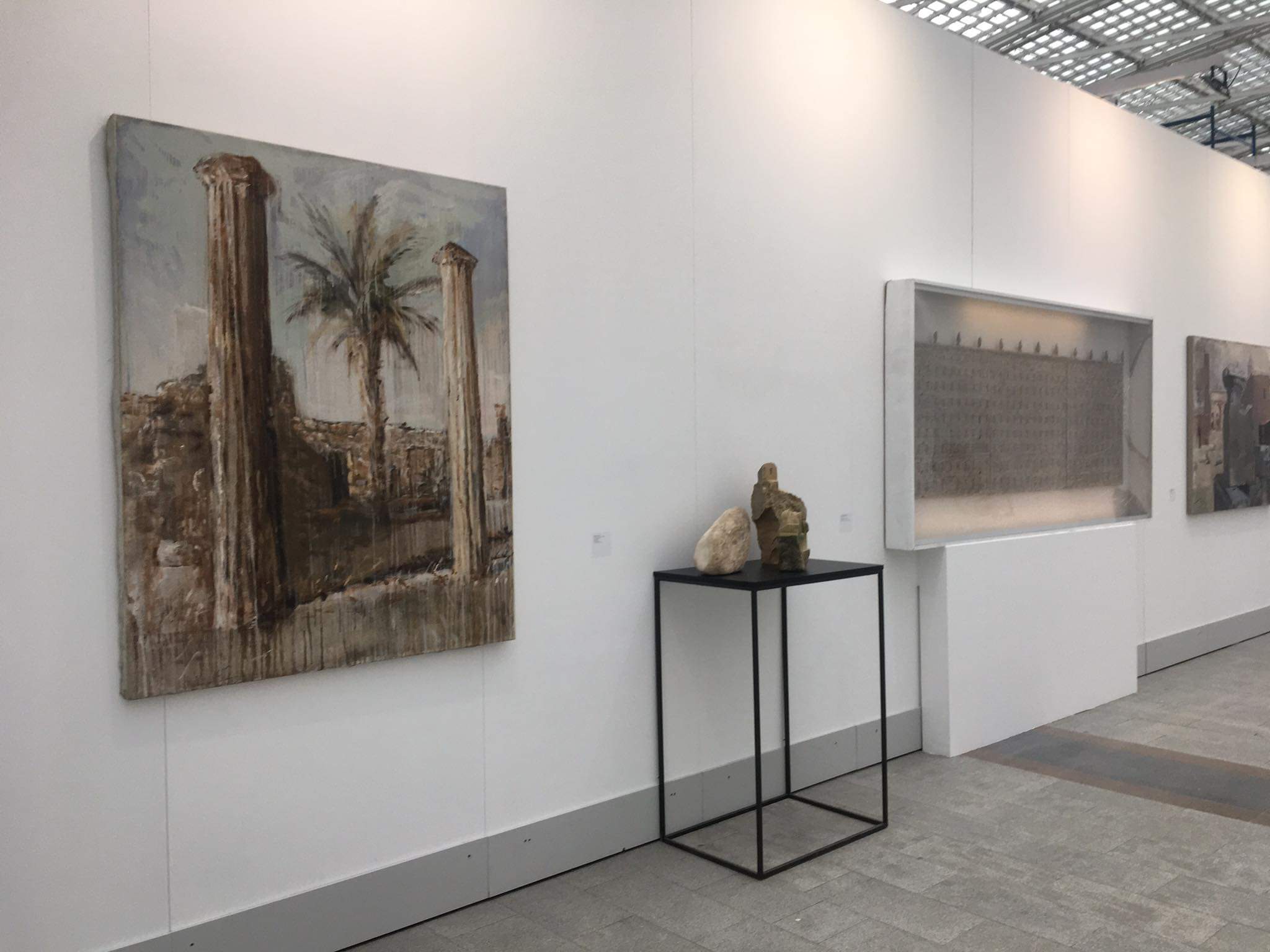
OCTOBER 8-11 GOSTINYI DVOR, Moscow
Photo by Polina Mogilina

Фото – Vladimir Peysikov
«Представьте, что вы видите сон, и в этом сне вы срываете цветок в раю, а затем просыпаетесь, и этот цветок — у вас в руке. О, что тогда?» (Макс Рихтер. Из фильма Натали Джонс «Сон Макса Рихтера», 2019).
Куда мы уходим каждую ночь, когда закрываем глаза и погружаемся в сон? В царство туманных грез? Блуждаем ли мы по извилистым дорогам нашего подсознания? Видим ли мы будущее или прошлое? Или, быть может, настоящее, существующее параллельно нашему «здесь и сейчас»? Что, если сны — это иная реальность, сосуществующая с той, которую мы знаем? И как можно считать незначительной целую треть жизни, пусть даже она проходит пассивно?
Сон — такая же важная часть жизни, как и бодрствование. Он влияет на наше восприятие реальности и на ту призрачную грань между объективной истиной и сюрреалистическим миром видений и фантазий. Природа сновидений до сих пор вызывает множество вопросов, а их изучение полно гипотез, которые еще только предстоит научно подтвердить или опровергнуть. Сон и его многогранные аспекты становятся предметом художественной рефлексии в пространстве выставки.
Экспозиция «Волна снов» объединяет работы 32 художников. Обращаясь к древней традиции толкования снов, одни участники находят в них предостережения и пророчества. Другие исследуют пограничное состояние между сном и явью как параноидальное чувство утраты связи с реальностью. В одних работах воспоминания о прошлом меняются местами со снами, словно проистекая друг из друга; в других — видения будущего проступают подобно повторяющимся тревожным снам. Иногда метафизические образы возникают как случайные озарения. Художники обращаются к архивам памяти, чувству дежавю и дневникам сновидений. Через эти произведения мы приглашаем зрителей войти в необычайный мир фантастических образов, кошмаров и ускользающих грез. «Волна снов» станет пограничной зоной между бодрствованием и сновидением, в которой объективная реальность перестает доминировать, уступая место иллюзии.
Куратор: Полина Могилина
“Imagine you’re dreaming, and in your dream you pick a flower in heaven, and then you wake up with the flower in your hand. Ah, what then?” (Max Richter, from Natalie Johns’ Max Richter’s Sleep, 2019)
Where do we go every night when we close our eyes and drift into sleep? To a realm of misty dreams? Do we walk the winding roads of our unconscious? Do we see the future or the past—or perhaps a present existing in parallel to the “here and now”? What if dreams are a different reality that coexists with the one we know? And how can a third of our lives, albeit passive, be deemed insignificant?
Sleep is as vital a part of life as wakefulness. It shapes our perception of reality and the phantom line between objective truth and the surreal world of visions and fantasies. The nature of dreaming still raises numerous questions; research is filled with hypotheses yet to be scientifically confirmed or disproved. In this exhibition, dreaming and its many facets are transformed into subjects of artistic reflection.
A Wave of Dreams unites the work of 32 artists. Referring to the ancient tradition of oneiromancy (dream interpretation), some participants find warnings and prophecies in their visions. Others explore the borderline state between sleep and waking as a paradoxical feeling of losing touch with reality. In some instances, memories of the past swap places with dreams, as if emerging from one another; in others, visions of the future bleed through like recurring stress dreams. At times, metaphysical images surface as accidental sightings.
The artists draw from memory archives, feelings of déjà vu, and dream journals. Through these works, we invite viewers to enter an extraordinary world of fantastical imagery, nightmares, and drifting reveries. A Wave of Dreams serves as a threshold between wakefulness and sleep—a border zone where objective reality no longer dominates, giving way to illusion.
Curator: Polina Mogilina
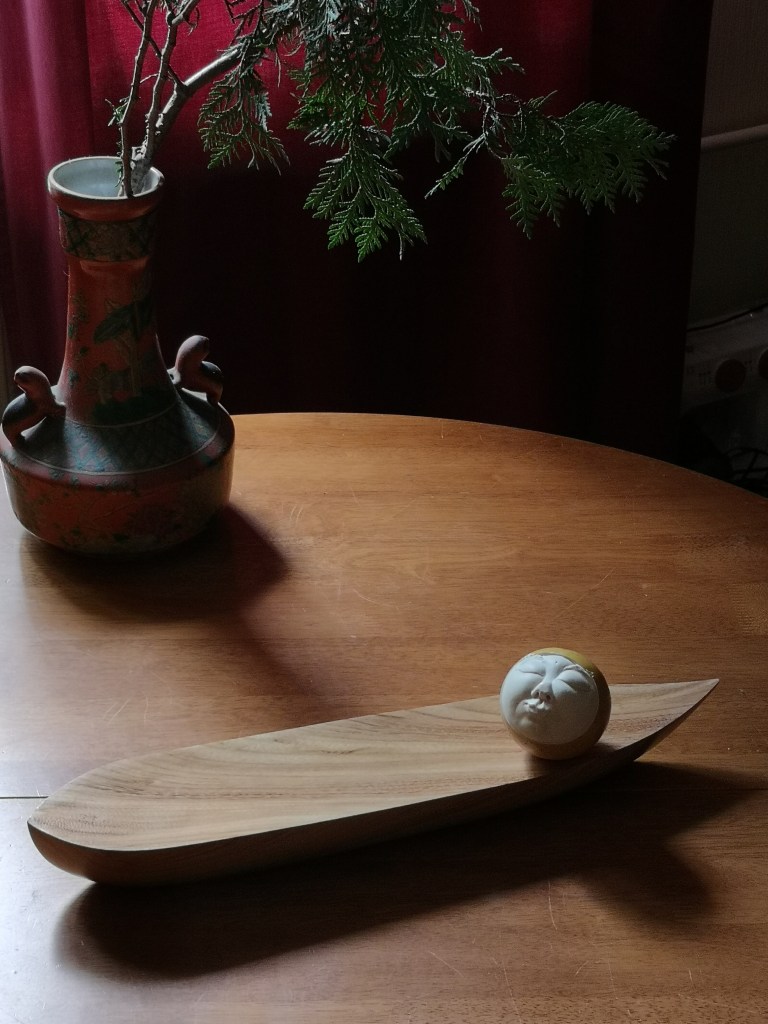
“Bodhichitta” – Лаосский полисандр, биллиардный шар, гравировка. Lao rosewood, billiard ball, carving. 2020
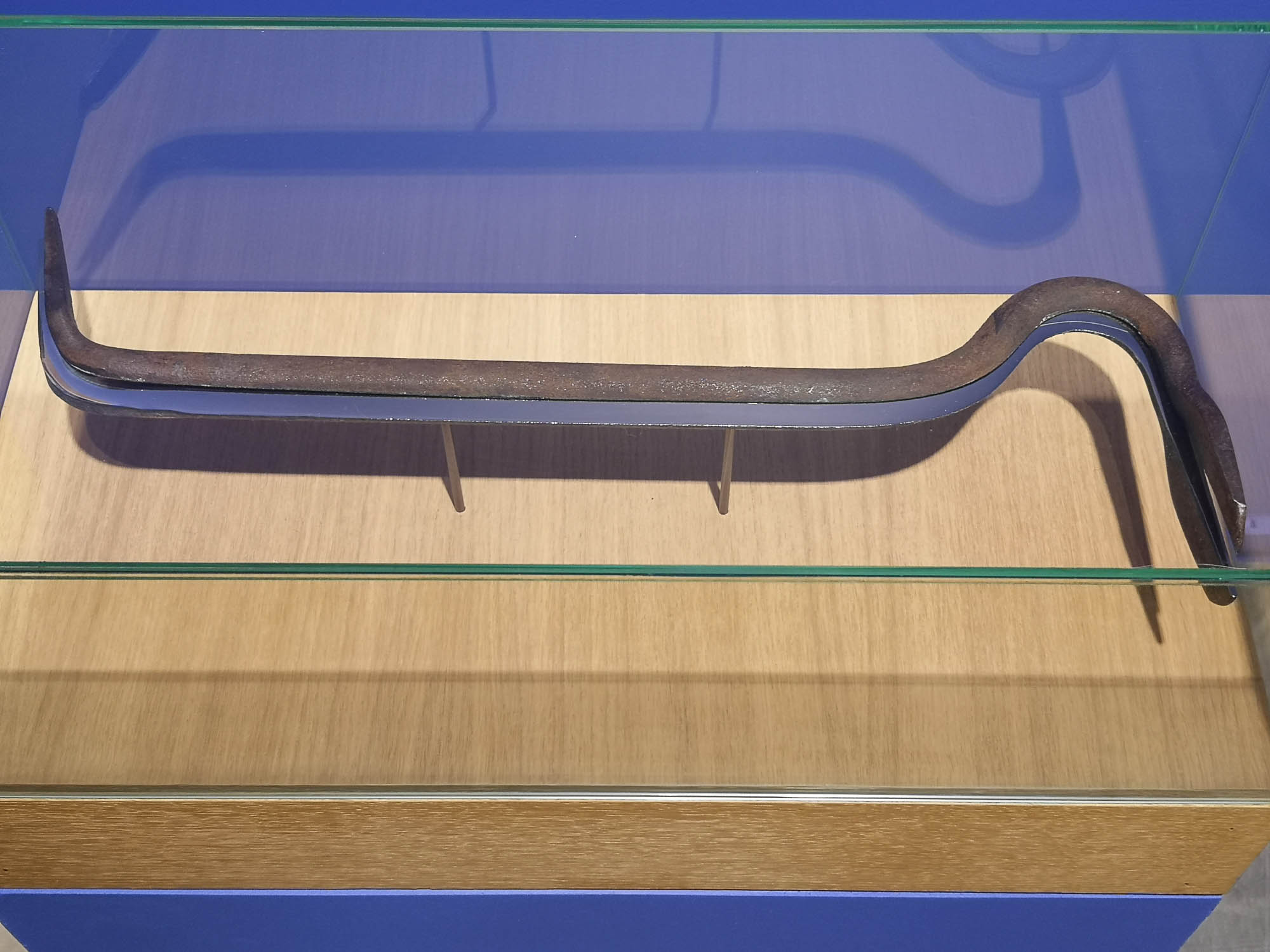

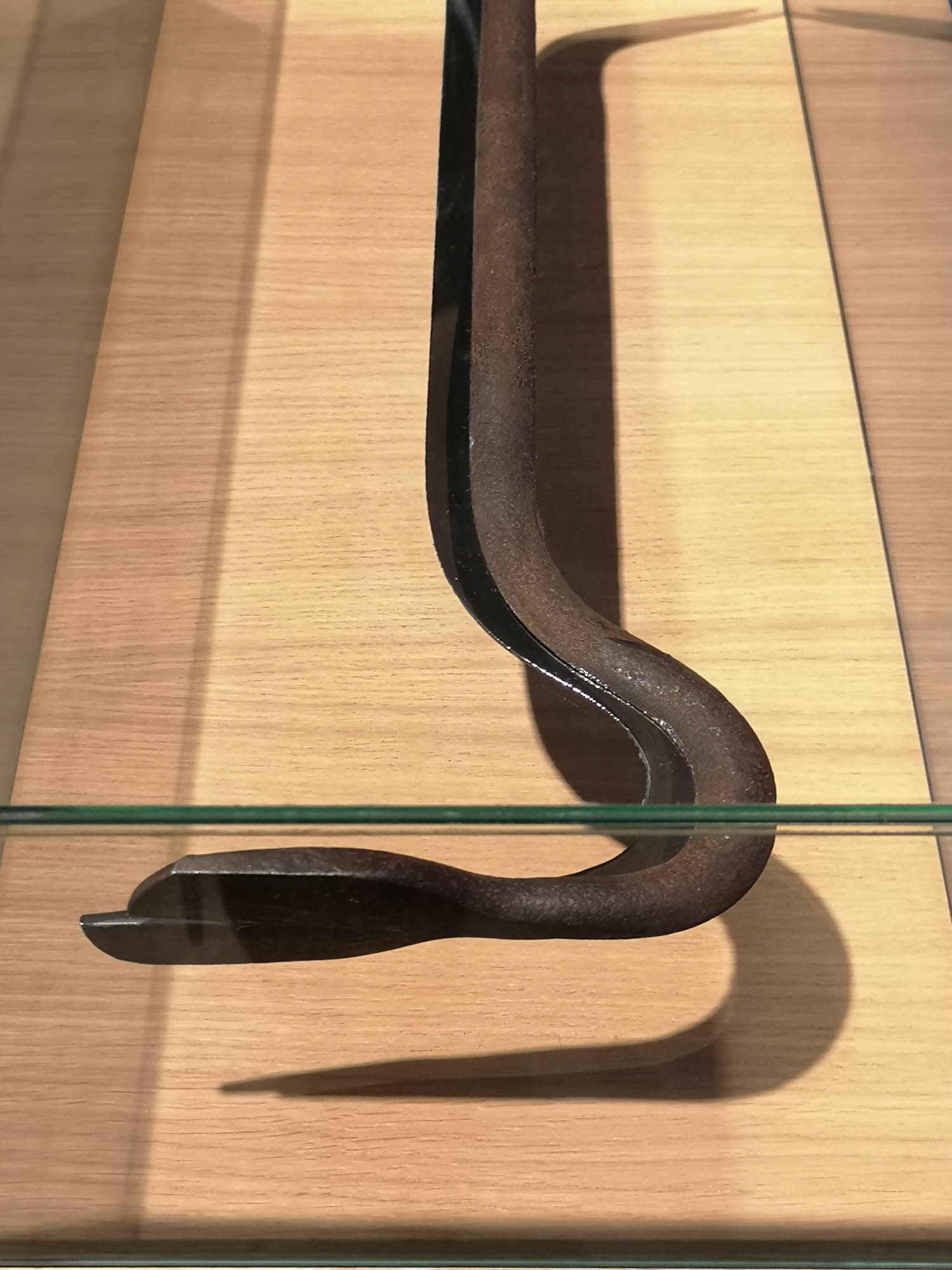

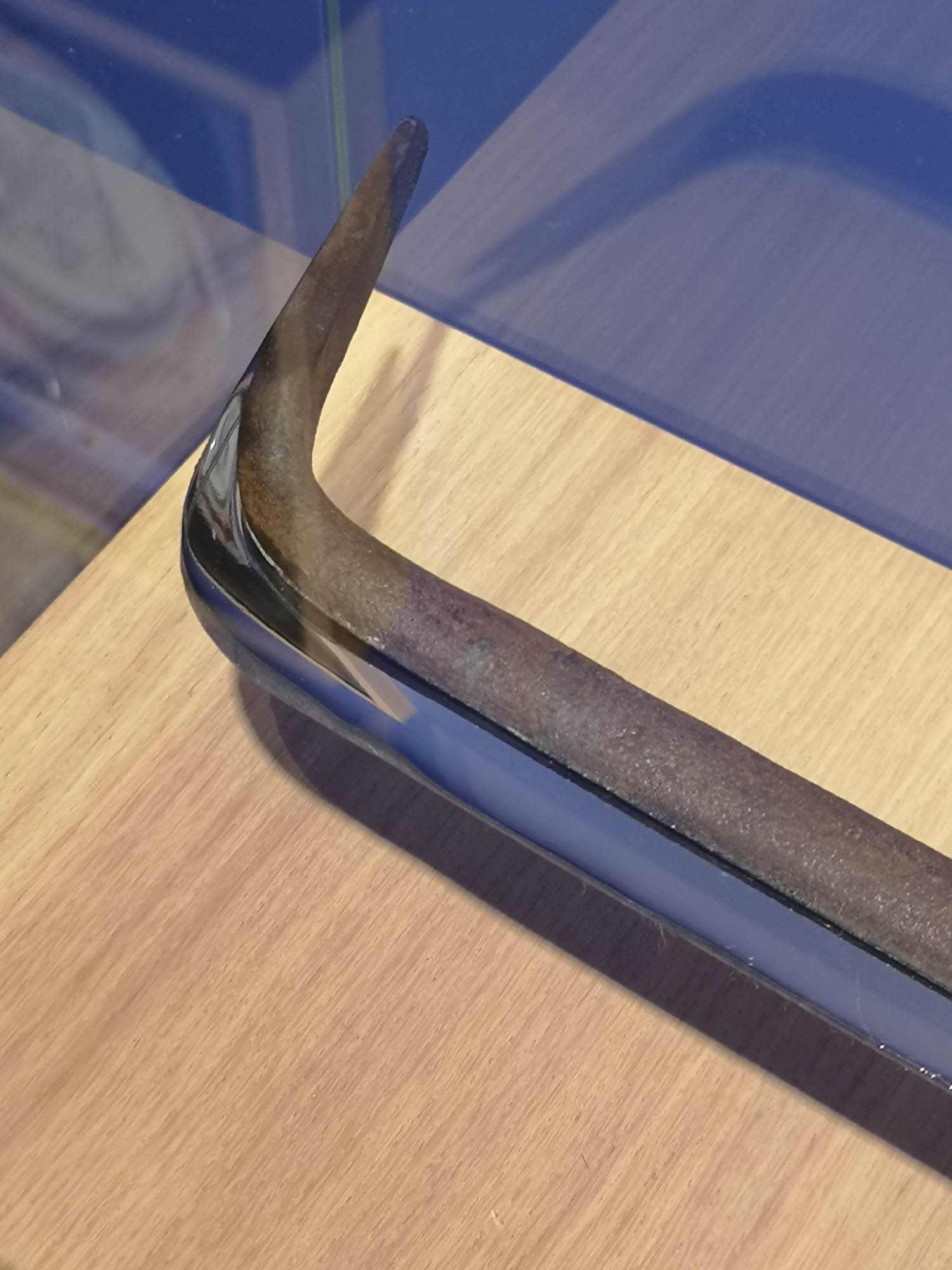
Произведение труда №1 2012-2013, Стальl, дерево, 24.5x53x25.5cm
«Произведение труда» — это объект, который можно интерпретировать как камертон, настраивающий внимание зрителя на определённую эмоциональную волну восприятия. При этом автор сознательно избегает усложняющих понимание философских отсылок и сносок.
В течение нескольких месяцев автор методично распиливал обычный ломик-гвоздодёр, затем отполировал каждую деталь до зеркального блеска и снова соединил их воедино. В результате этой внешне простой, но крайне энергоёмкой работы объект ready-made полностью утратил свою исходную функцию орудия труда и превратился в «произведение труда» — а одновременно и в произведение искусства.
2012–2013
“Work of Labor” is an object that can be interpreted as a tuning fork, aligning the viewer’s attention to a specific emotional wave of perception. In doing so, the author deliberately avoids complex philosophical references or footnotes that might obscure understanding.
Over several months, the artist methodically sawed a common crowbar into pieces, polished each part to a mirror-like shine, and then reassembled them. As a result of this seemingly simple yet incredibly labor-intensive process, the ready-made object completely lost its original function as a tool and was transformed into a “work of labor”—and, simultaneously, into a work of art.
2012–2013 Medium: steel, wood
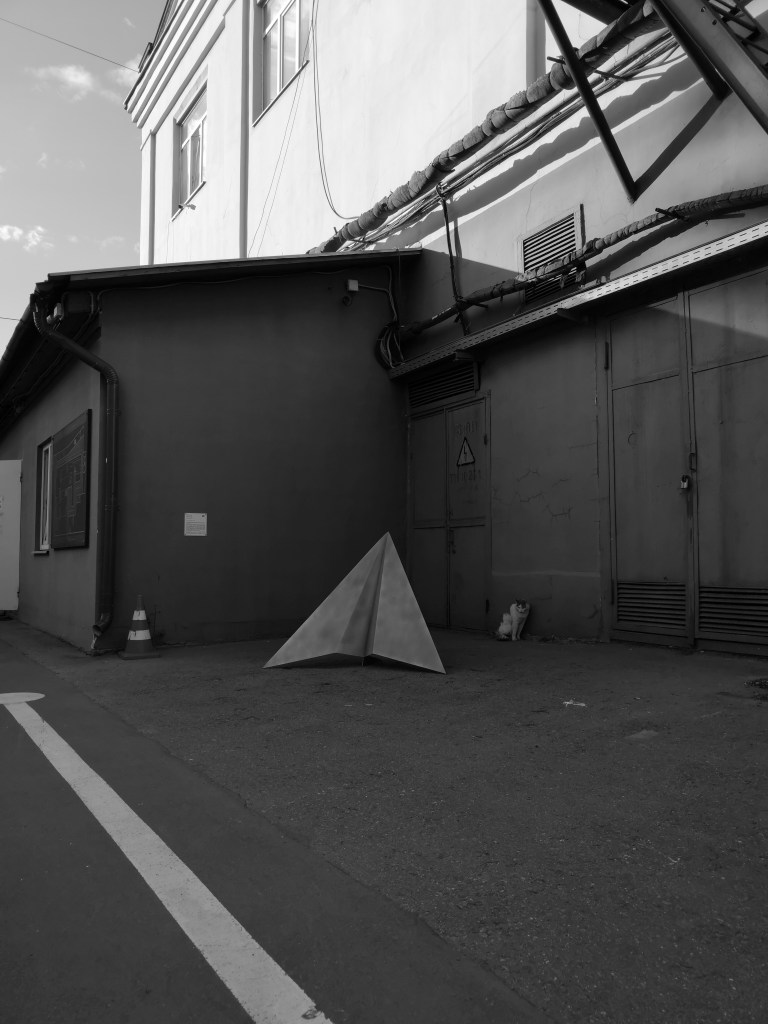
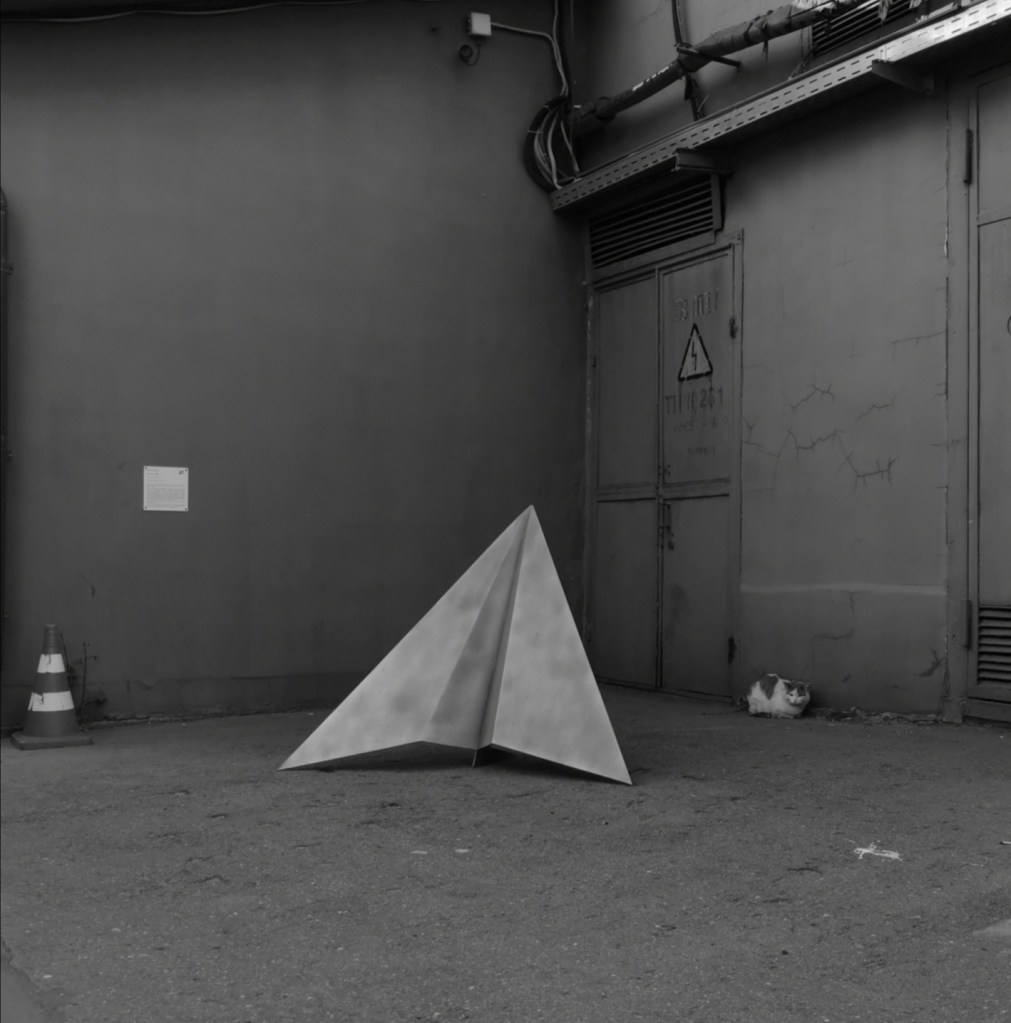
“Origami” Stainless steel.
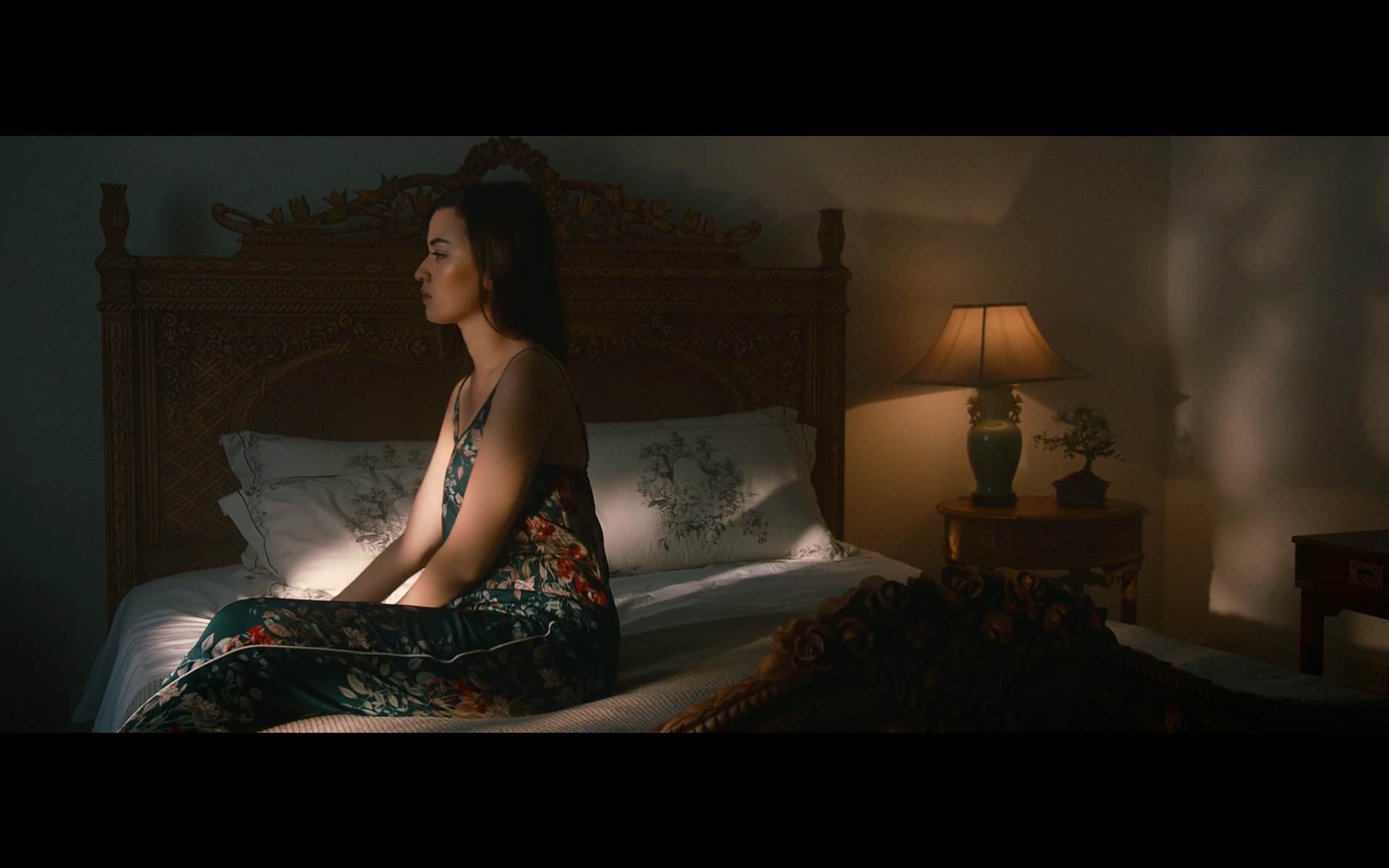
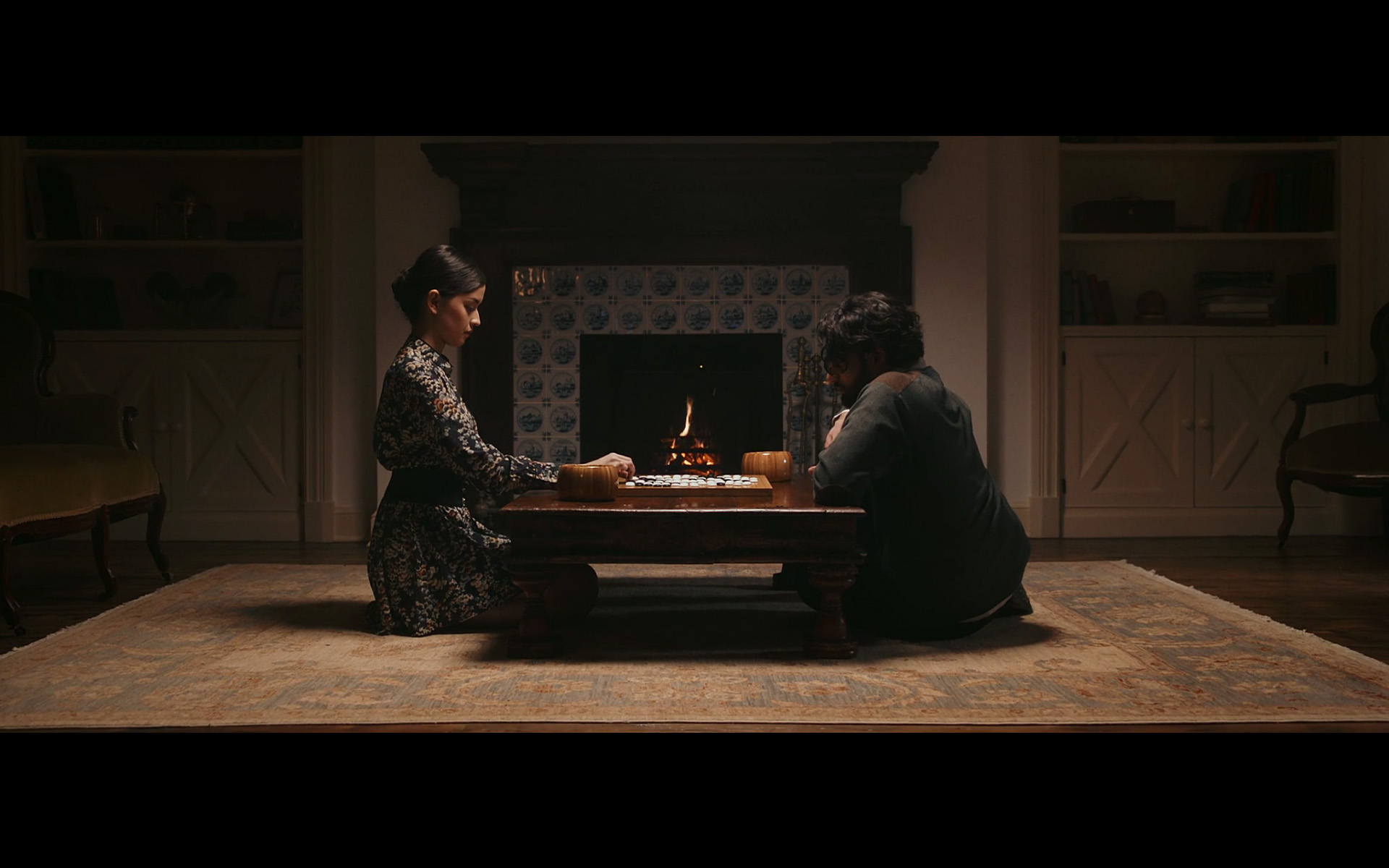
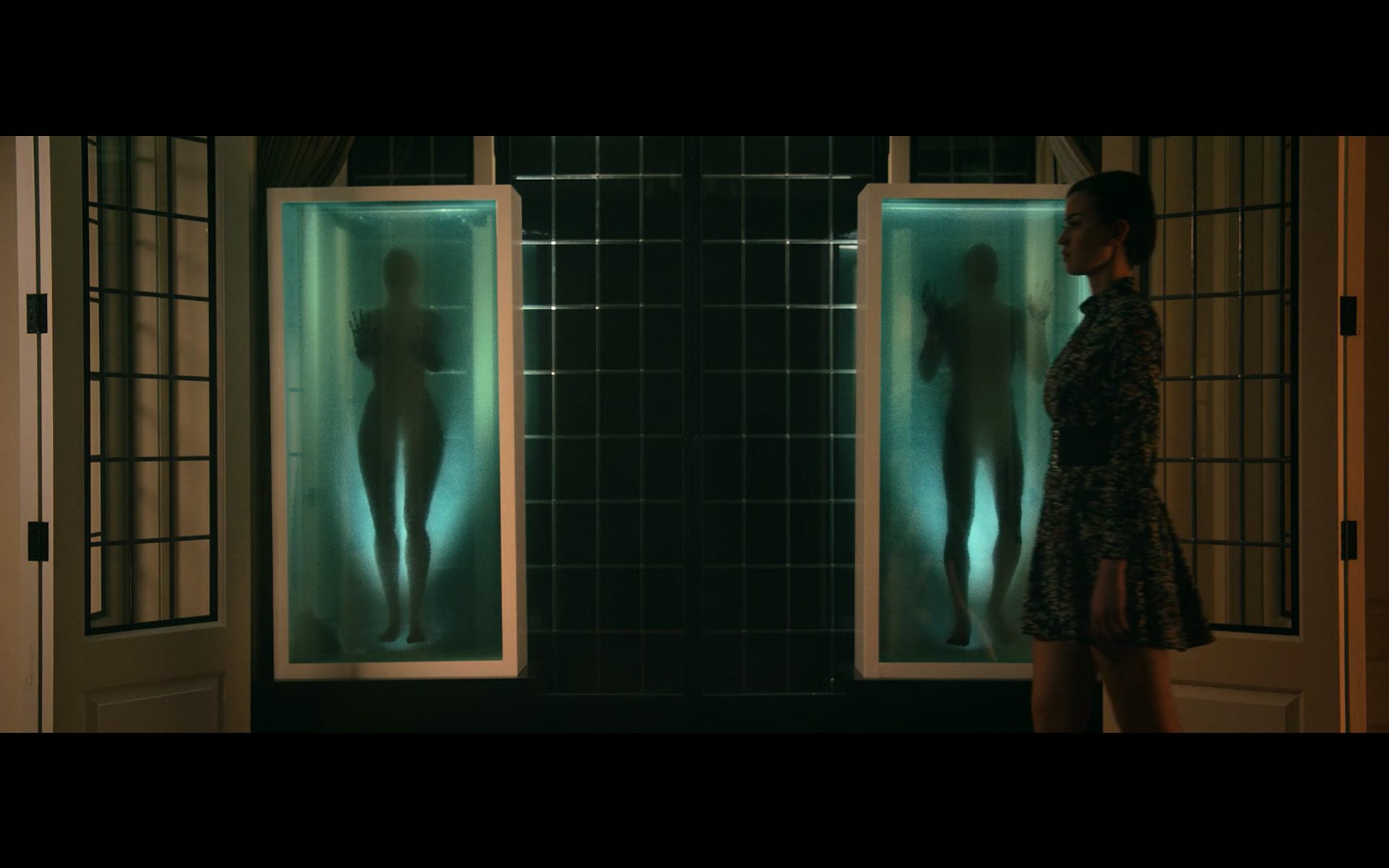
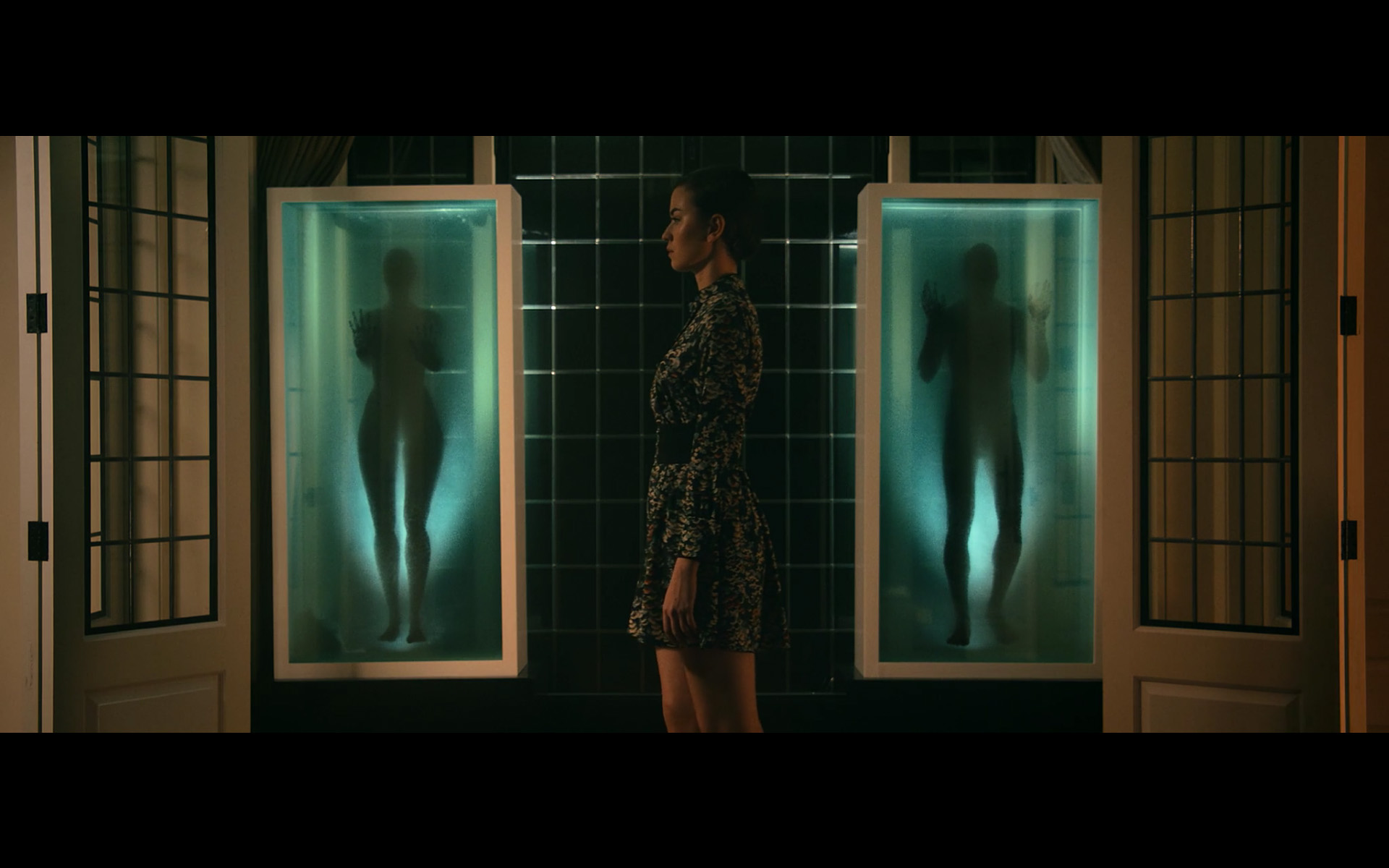
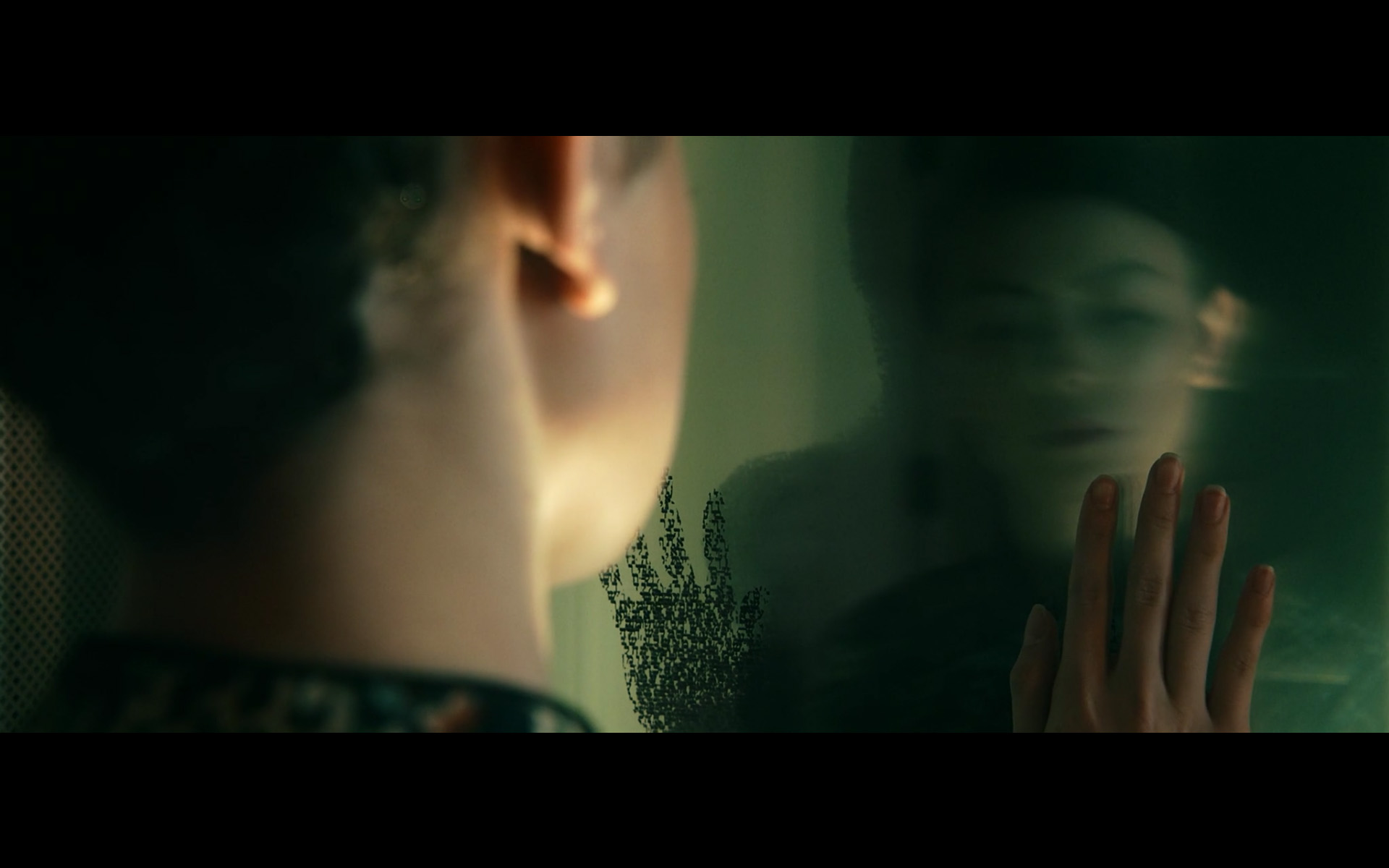
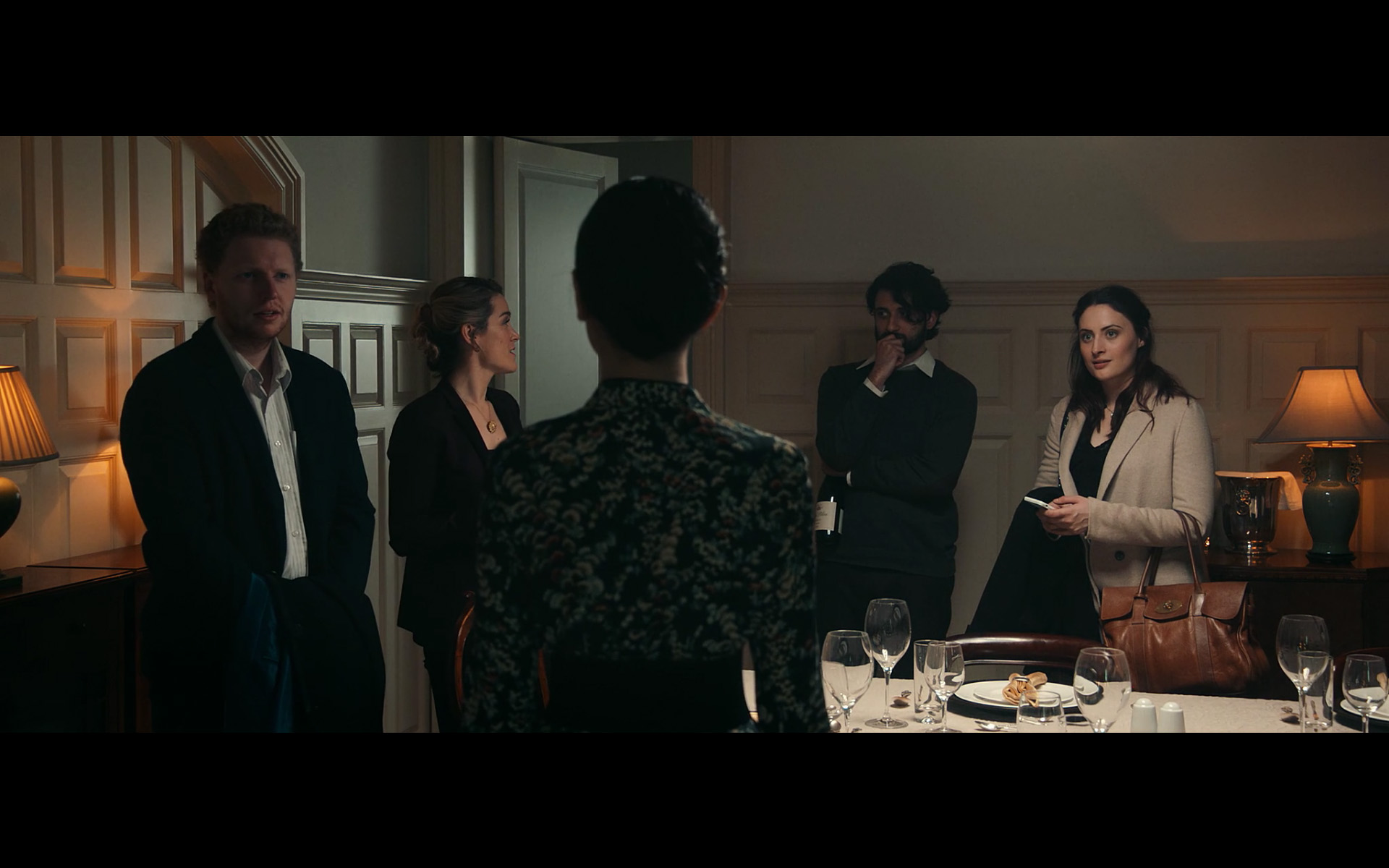
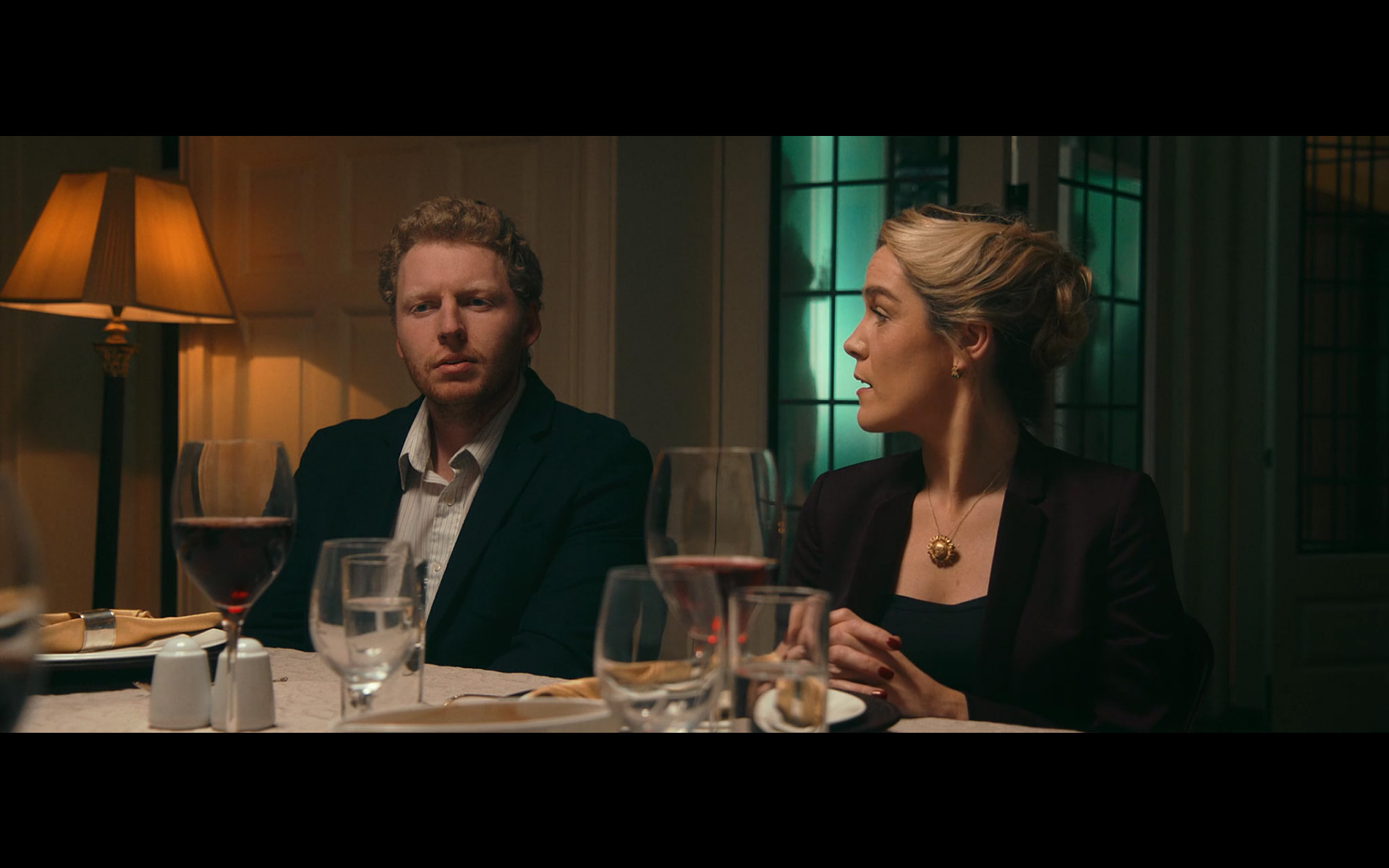
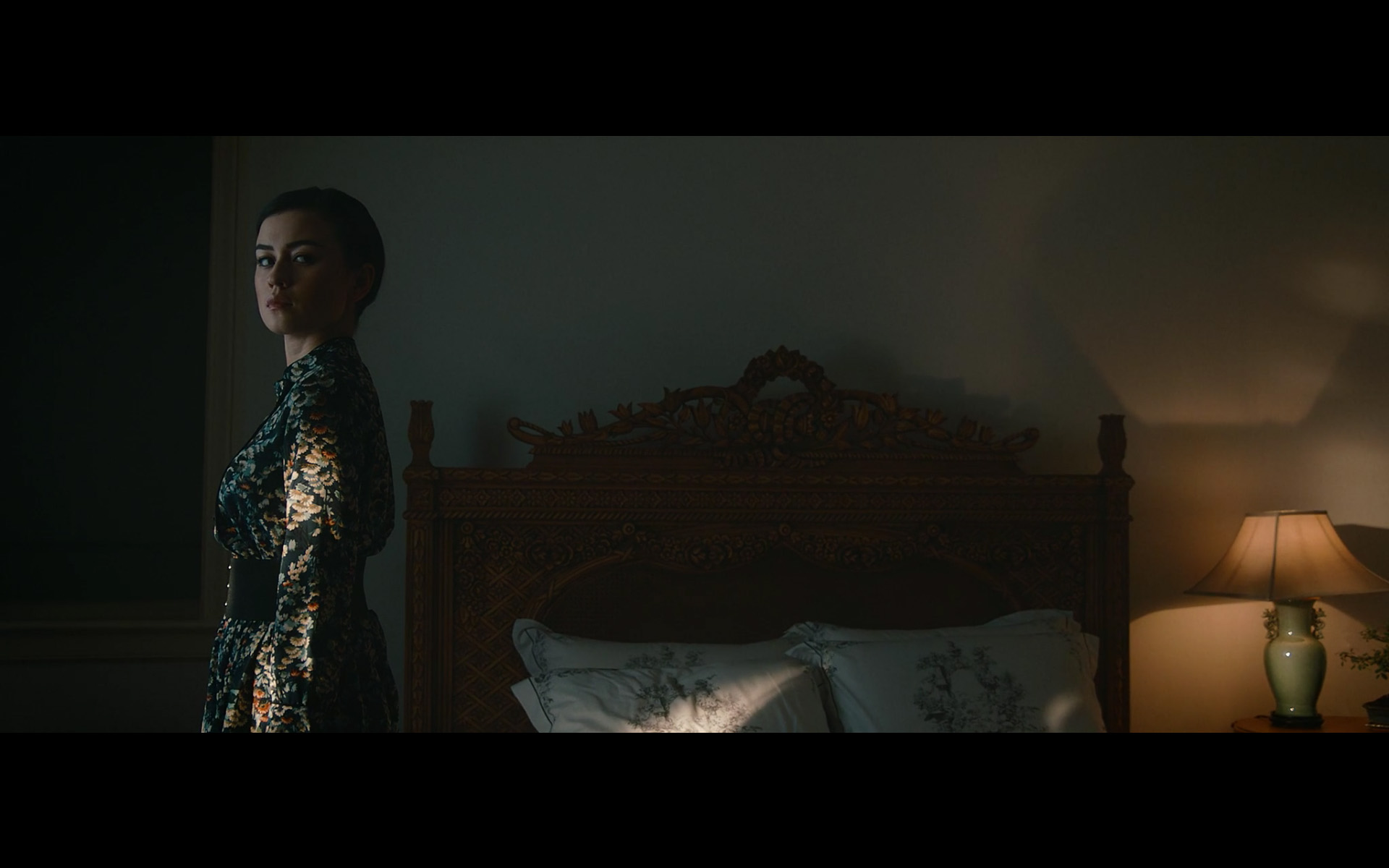
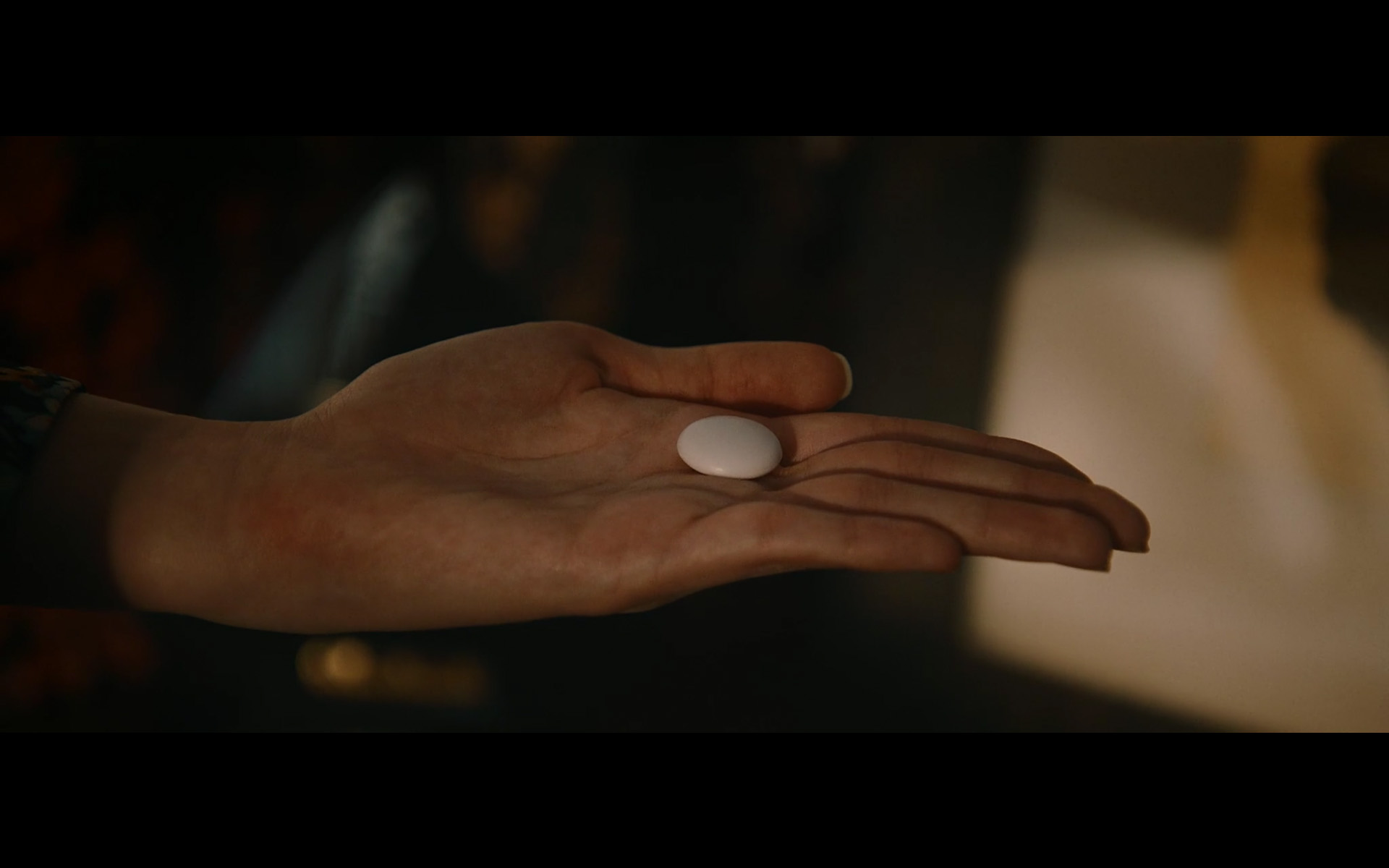
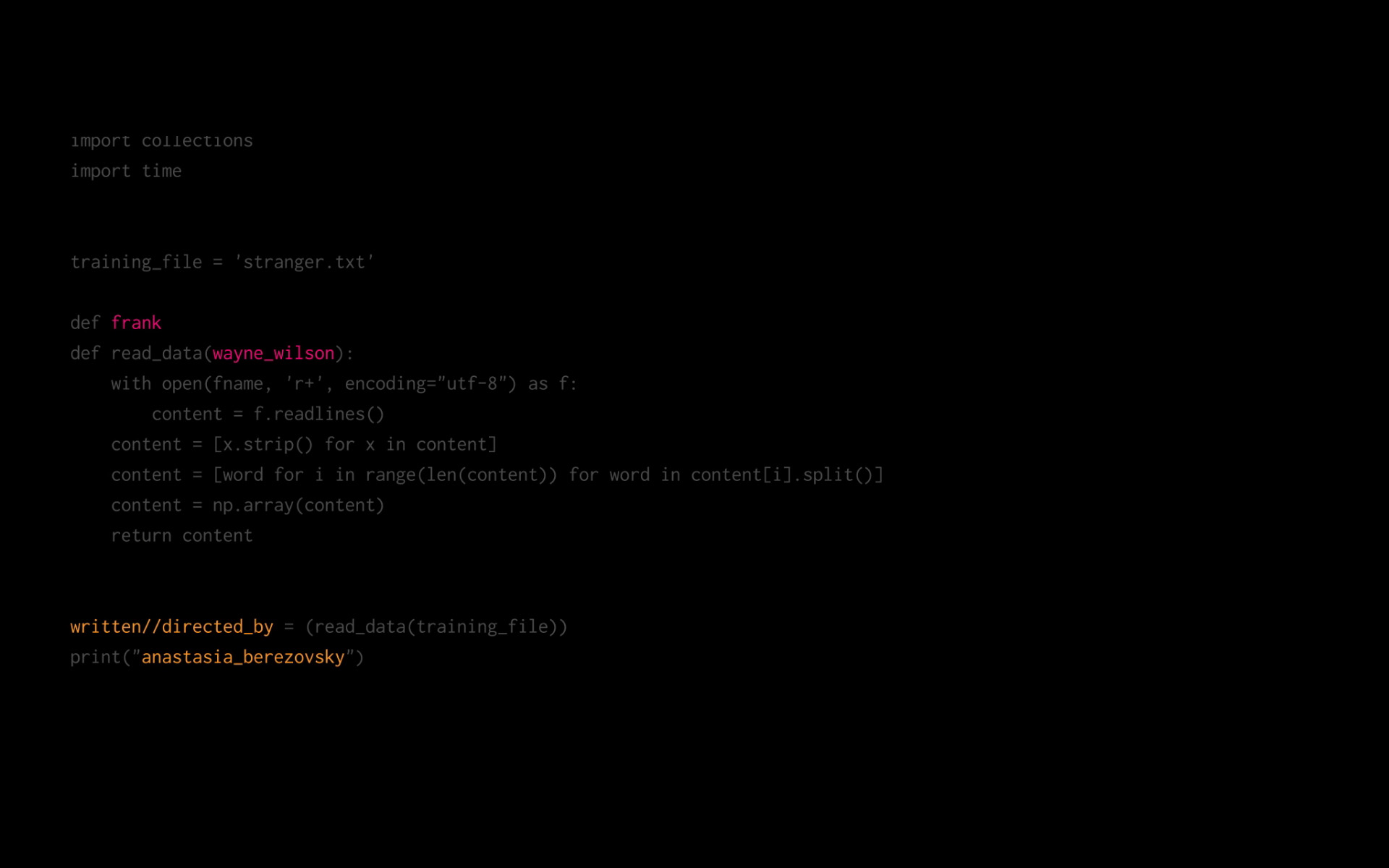
My objects from the series “Exile from Paradise” 2006\2007 in the film “AJI” directed by Anastasia Berezovsky, 2018
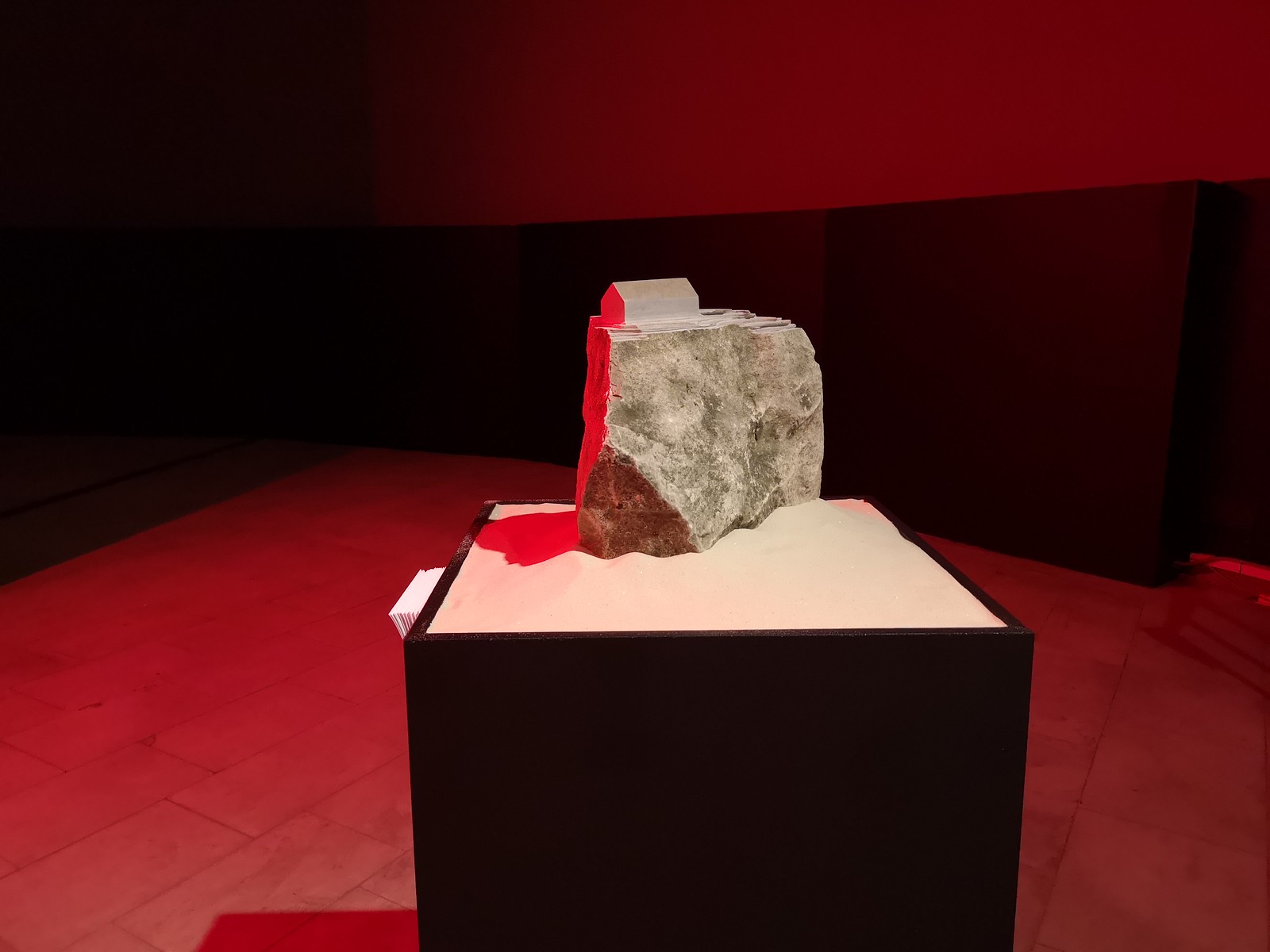
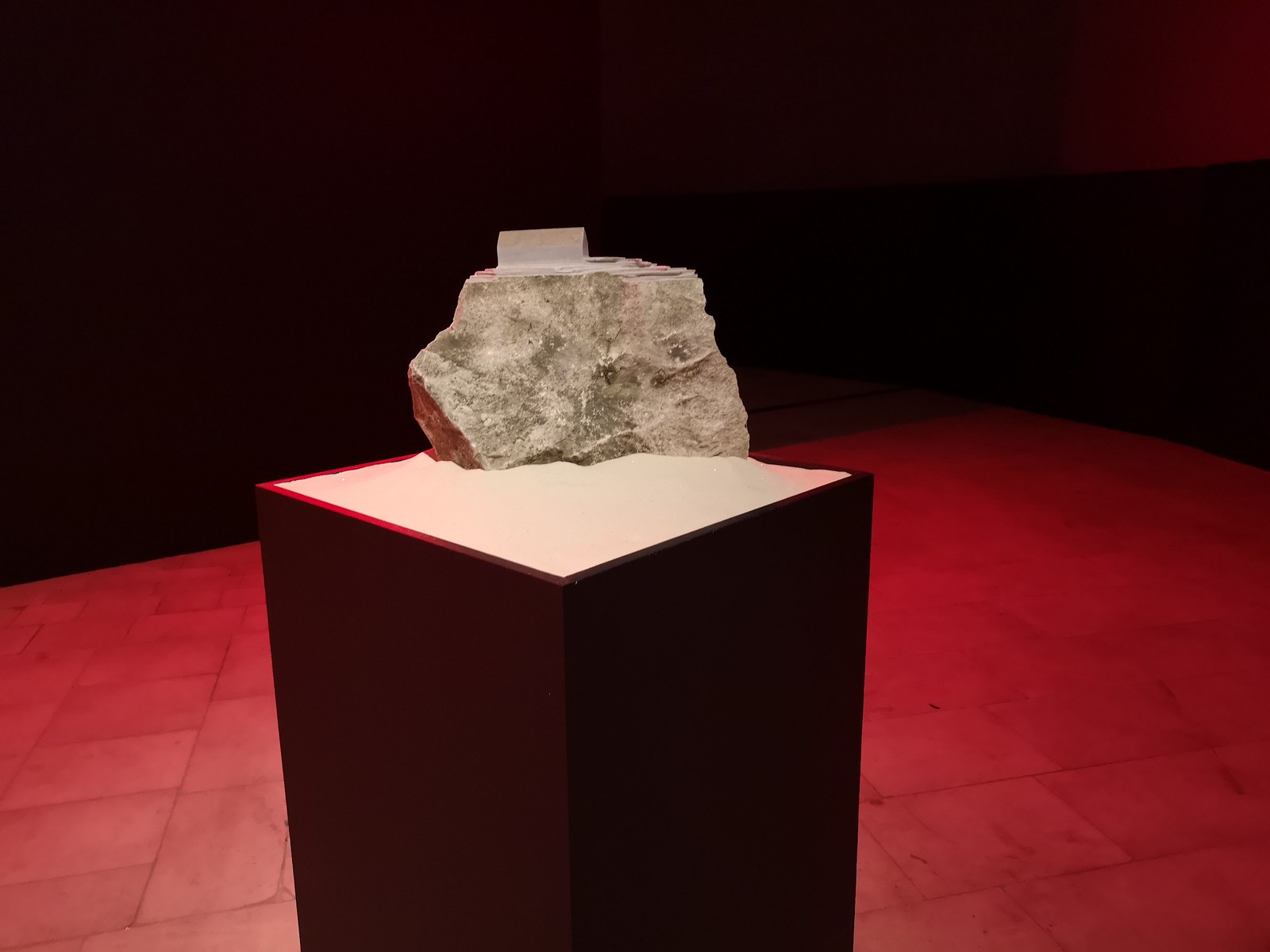
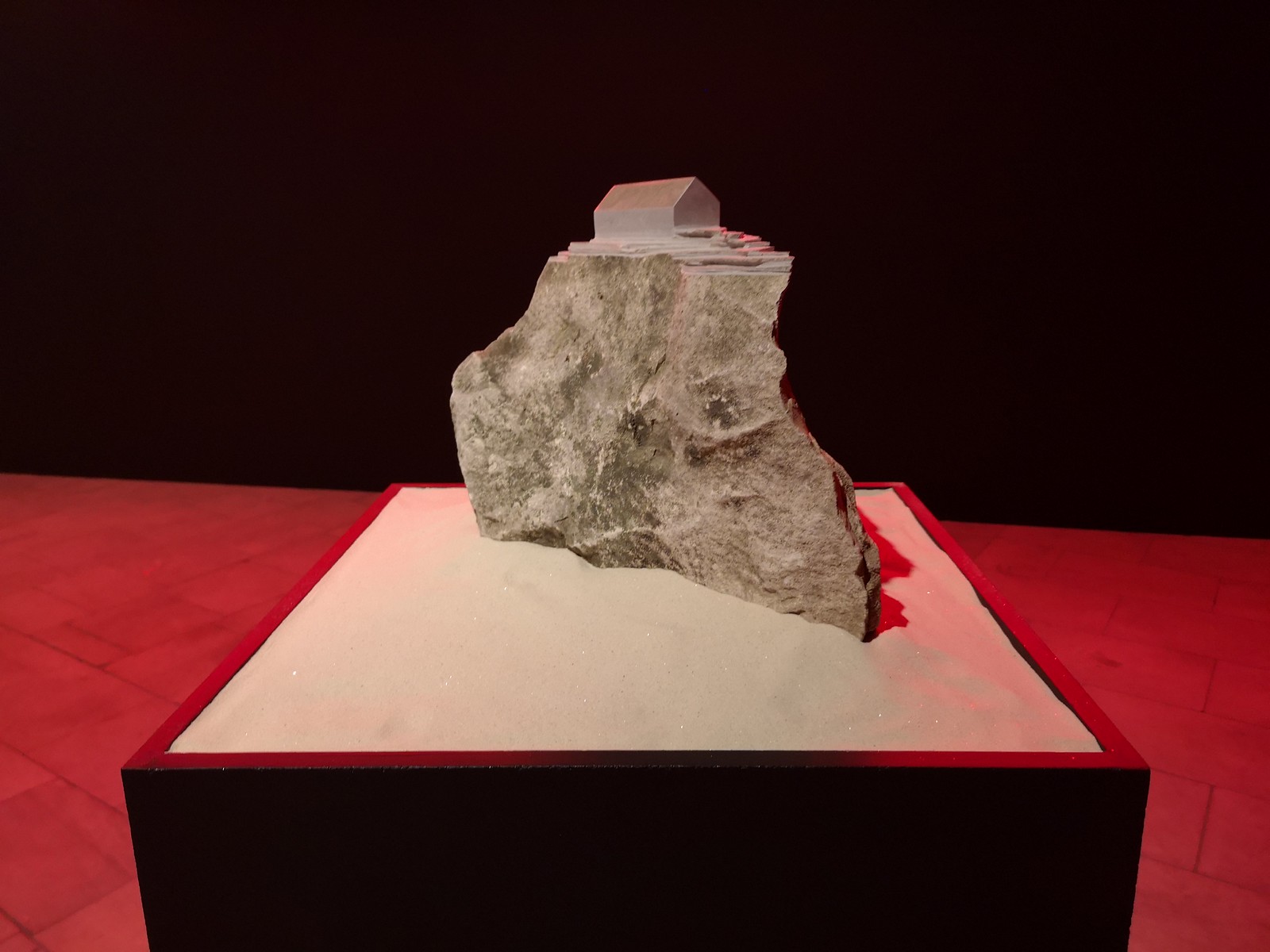
«Окраина» — выставка, организованная Отделом художественных исследований (Department of Research Arts), центром, специализирующимся на междисциплинарных проектах, сфокусированных на российской территории. Этот новый проект исследует жизнь на периферии и в пограничных регионах России, где «края» понимаются не только как государственные границы, но и как природные рубежи, ландшафтные разломы и пределы пространства.
Территории, которые исторически считались «удаленными», «оторванными» или «изолированными», обретают особую значимость в современном обществе, так как средства коммуникации стали органичной частью человеческой экосистемы и трансформировали наше восприятие пространства. Окраины стали ближе, чем когда-либо, но все еще остаются в некотором роде дистанцированными. Это могут быть как пространства внутри страны, так и приграничные области.
Связность пространства — как в России, так и во всем мире — неоднородна, что порождает современные формы географического неравенства. Эта неоднородность проявляется в том, что одни части страны хорошо изучены, в то время как другие остаются «белыми пятнами»; проект берет это несоответствие за отправную точку.
Выставка открывается документальными проектами, каждый из которых представляет интерпретацию архивных или документальных свидетельств (фотографий, официальных документов, эскизов, полевых заметок, видео), посвященных окраинным регионам.
Отдельную часть проекта составляет «постоянная экспозиция». В нее входят живопись и фотография, воссоздающие образ окраины с разной степенью визуальной детализации. Раздел дополнен библиотекой, позволяющей глубже изучить историю российского пространства и его ключевые социальные, философские и художественные концепции.
В третьей части экспозиции акустический опыт становится столь же важным, как и визуальный. Зритель погружается в пространство окраины через инсталляции и объекты.
Проект реализован при поддержке Фонда президентских грантов.
At the Fringes is an exhibition organized by the Department of Research Arts, a center for artistic research focused on the Russian landscape. This project explores life on the periphery and within Russia’s borderlands, where “fringes” are defined not only as state borders but also as natural boundaries, territorial divides, and the limits of physical space.
Areas historically viewed as “remote,” “disconnected,” or “isolated” have gained new relevance in today’s society. As communication technologies have become integrated into the human ecosystem, they have fundamentally transformed our perception of distance. These fringes—found both deep within the country’s interior and along its borders—are closer than ever, yet they retain a sense of profound detachment.
Spatial cohesiveness, both in Russia and globally, is non-uniform, giving rise to modern forms of geographic inequality. This disparity is evident in the contrast between well-documented regions and those that remain terra incognita; the project uses this gap as its conceptual starting point.
The exhibition opens with documentary-based projects, each offering an interpretation of archival records—photographs, official documents, sketches, field notes, and video—covering various fringe regions.
A distinct section of the project serves as its “core collection.” It comprises paintings and photography that reconstruct the imagery of the periphery with varying degrees of abstraction and detail. This is complemented by a library section offering insights into the history of Russian space and its landmark social, philosophical, and artistic concepts.
In the final part of the exposition, the acoustic experience is prioritized alongside the visual. The audience is immersed in the atmosphere of the fringes through multisensory installations and objects.
The project is supported by the Presidential Grants Foundation.
Evgeniya Buravleva, Sofya Gavrilova, Alexander Gronsky, Maria Gruzdeva, Olga Davydova, ZAPOVEDNIK research group, Elizaveta Konovalova, Taisia Korotkova, Alexey Korsi, Maxim Ksuta, Anton Kuznetsov, Alexander Morozov, Ivan Napreenko, Valeri Nistratov, Sergey Novikov, Nikolay Onischenko, Pavel Otdelnov, Alexander Povzner, Egor Plotnikov, Sergei Prokofiev, Igor Samolet, Maria Safronova, Maxim Sher, Natasha Timofeeva.
The project is about communication and relationships.
“With the world on a string”
Dear friends, I ask you to send me the segment of the thread of any length and color.
Thank you.
Location – in a personal message.

2011 (с)
Авторское высказывание
Этот проект родился из боли и бессилия. Я смотрел, как мой город теряет свою память -небольшие особняки XIX века, доходные дома с лепниной, деревянные флигели исчезали один за другим под напором коммерческой застройки. Сначала приходили бульдозеры, потом вырастали стеклянные коробки торговых центров и офисов. Москва пожирала саму себя.
Я не мог остановить это разрушение. Но я мог его зафиксировать, превратить в высказывание.
“Монументальная графика”,это портрет умирающего здания. Я взял швеллер и двутавр, сварил из них буквы и вставил в пустые оконные проемы. Каждое окно стало рамой для одного знака. Вместе они складываются в слово “Москва” – имя города, который разрушает свою историю собственными руками.
Геометрия букв жестка, конструктивна, это язык промышленности, которая пришла на смену старой архитектуре. Металл в окнах выглядит одновременно как протез, который пытается удержать здание от распада, и как клеймо, знак приговора. Буквы не украшают фасад, они его вскрывают, делают видимым то, что обычно скрыто за красивыми словами о “развитии” и “прогрессе”.
Черно-белая съемка была неизбежна. Цвет отвлекал бы, делал бы композицию живописной. А здесь нужна была графика – чистая, резкая, как гравюра. Осыпающаяся штукатура, текстура разрушения стали фоном для ясных линий металла. Контраст между хрупкостью стены и брутальностью конструкций усиливает ощущение насилия.
Это монументально не по размеру,это монументально по смыслу. Целый фасад превращается в носитель одного слова, одного имени. Москва, вписанная в собственные руины.
Я не знаю, можно ли назвать это протестом. Скорее, это фиксация. Свидетельство. Я ставлю буквы в пустые проемы, как ставят памятник на могиле -чтобы было что вспомнить, когда здание окончательно исчезнет.
Конструктивисты верили, что новая форма создаст новый мир. Я использую их язык, чтобы показать, как этот мир пожирает свое прошлое. Мои буквы, это алфавит утраты. Это то, что остается, когда город забывает, как выглядела его собственная память.
This project was born out of pain and helplessness. I watched my city lose its memory—small 19th-century mansions, income houses with stucco ornament, wooden outbuildings disappearing one after another under the pressure of commercial development. First came the bulldozers, then the glass boxes of shopping malls and office centers rose in their place. Moscow was devouring itself.
I couldn’t stop this destruction. But I could document it, turn it into a statement.
“Monumental Graphics” is a portrait of a dying building. I took channel steel and I-beams, welded them into letters, and inserted them into empty window openings. Each window became a frame for a single sign. Together, they form the word “Moscow”—the name of a city that is destroying its own history with its own hands.
The geometry of the letters is rigid, structural—it is the language of industry that has replaced old architecture. The metal in the windows looks both like a prosthesis trying to hold the building together and like a brand, a mark of condemnation. The letters do not decorate the façade; they expose it, making visible what is usually hidden behind beautiful words like “development” and “progress.”
Black-and-white photography was inevitable. Color would distract, make the composition painterly. What was needed here was graphics—pure, sharp, like an engraving. The crumbling plaster, the textures of decay became the background for the clarity of metal lines. The contrast between the fragility of the wall and the brutality of the structures intensifies the sense of violence.
This is monumental not in scale, but in meaning. An entire façade becomes the carrier of a single word, a single name. Moscow inscribed into its own ruins.
I don’t know if this can be called a protest. It is more a fixation. A testimony. I place letters into empty openings the way a monument is placed on a grave—so that there is something to remember when the building finally disappears.
The Constructivists believed that a new form would create a new world. I use their language to show how that world devours its past. My letters are an alphabet of loss. It is what remains when a city forgets what its own memory once looked like.
2015 — The exhibition “Russian Chrestomathy”
NCCA, Nizhny Novgorod, Arsenal. Curator: Vera Pogodina
2015 — The exhibition “Sound Moebius Strip” exhibition (Belyaevo Gallery)