Maxim Ksuta

russian artist, contemporary art, sculpture, installation, photography

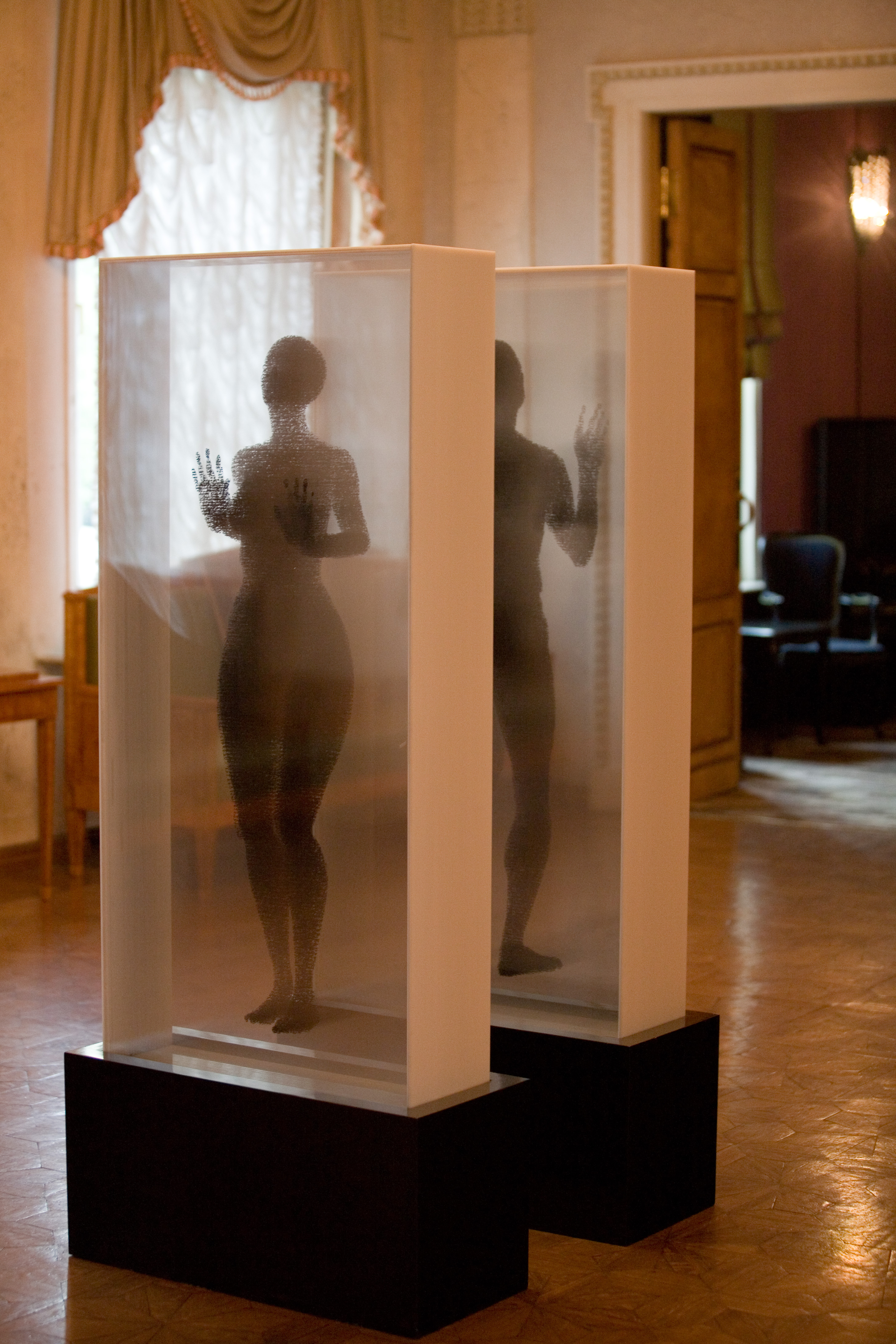
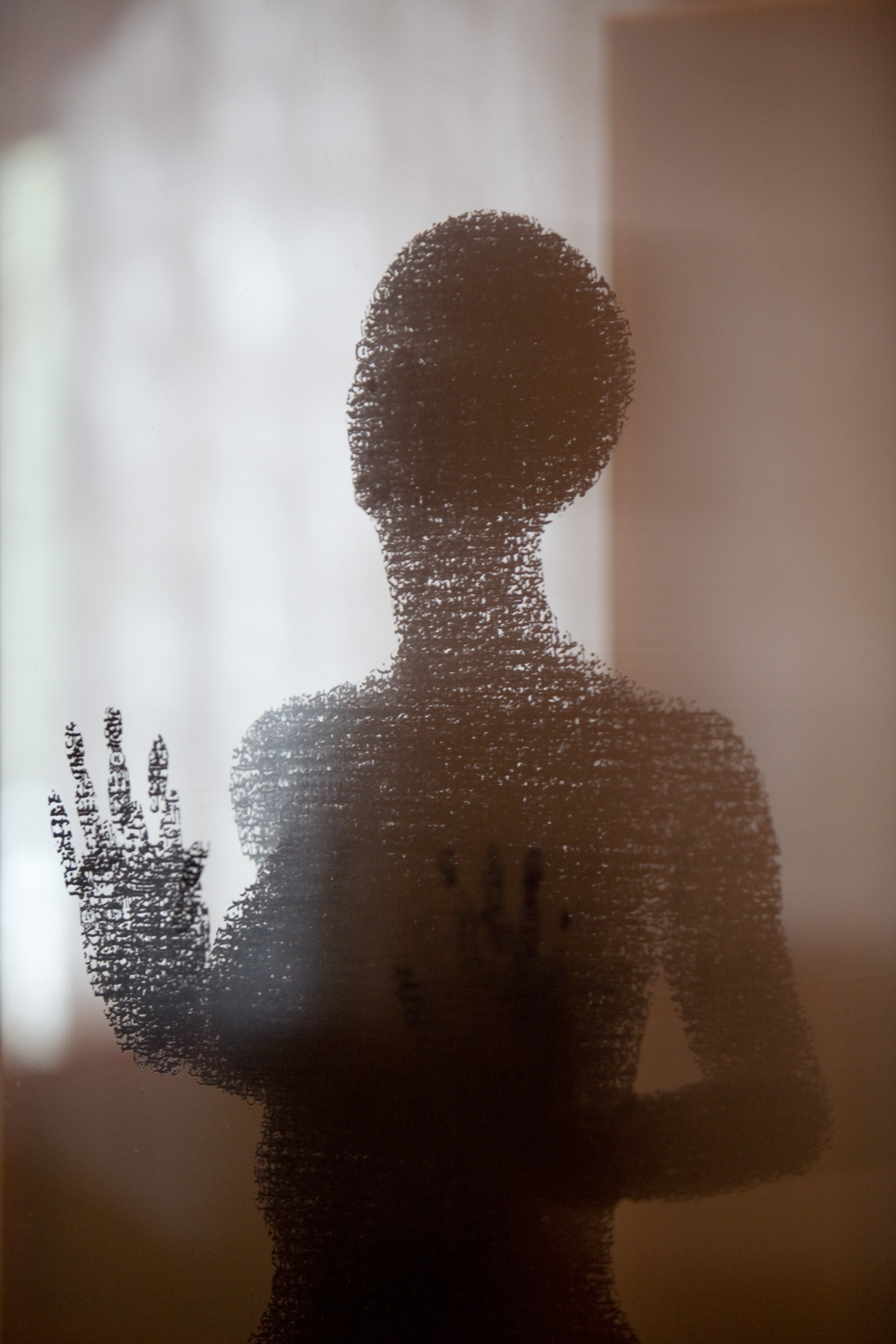
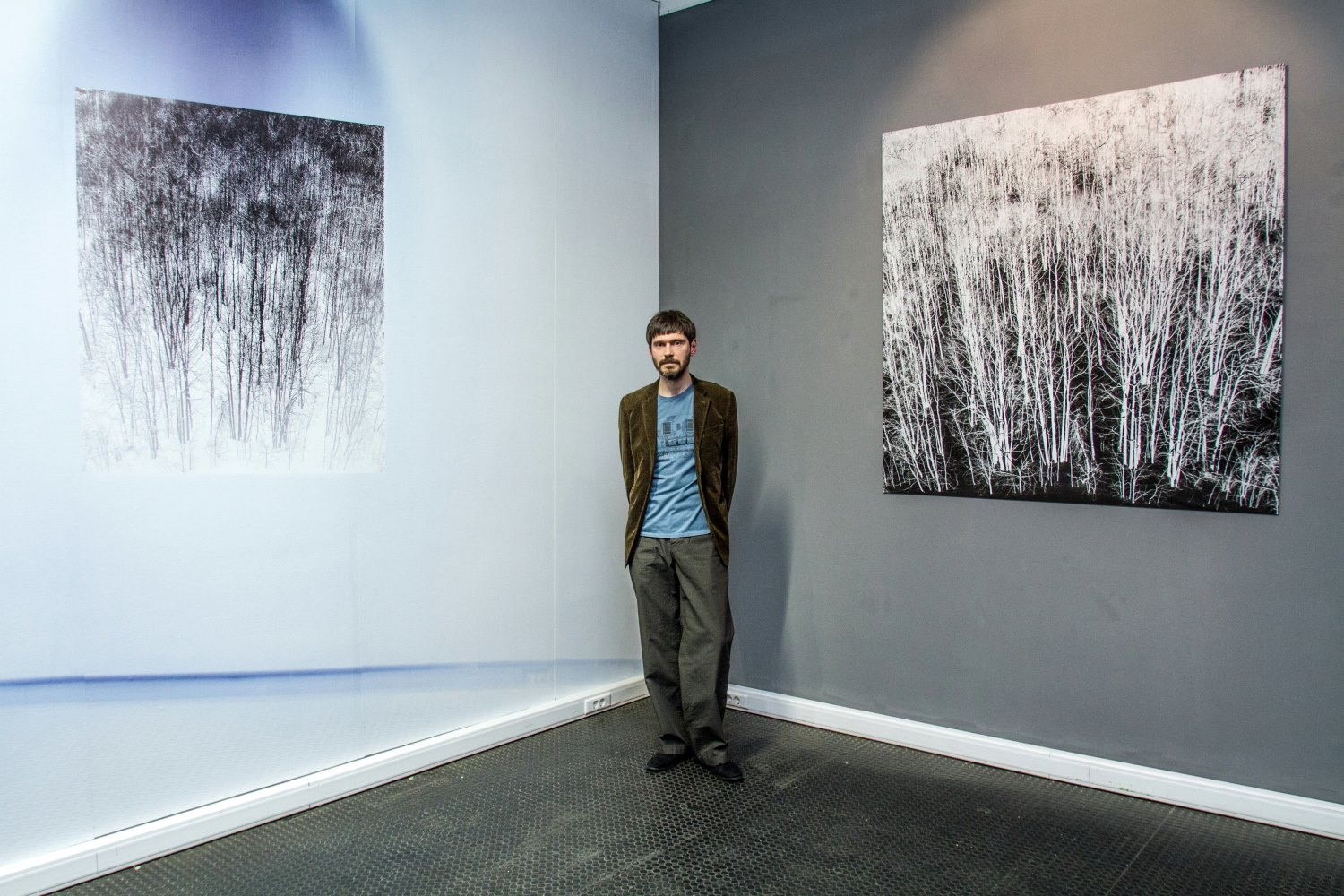
Maxim Ksuta “Topsy-Turvy”

10294328_872813042732665_7498481233311117290_n

I`am, Wolfgang Gantner, Ustina Yakovleva – my exhibition 15 may 2014 Triumph gallery

Horizon

Horizon

Whitey album … … … …

Topsy-Turvy 16.05.2014 – 01.06.2014, Triumph gallery

Topsy-Turvy
16.05.2014 – 01.06.2014, Triumph gallery


Максим Ксута, пожалуй, единственный российский художник, который от проекта к проекту последовательно исследует технические и технологические возможности фотографии: в центре его интереса находится не столько само фотографическое изображение (кажется, Ксута не о самом образе и его внушающей силе), сколько манипуляции с полученным изображением, разложение фотографического процесса на отдельные стадии и чрезвычайно разнообразные механические деконструкции изображения, чтобы затем из артефактов, возникающих в результате этой деконструкции, заново собрать целое, переупорядочить распавшиеся части и установить новые связи. Ксута играет с реальностью, используя её как своего рода конструктор, словно её можно подвергнуть базовой реконструкции по воле играющего; при этом им движет ещё одно важное обстоятельство, которое в той или иной форме проявлялось уже в самых ранних его работах. Ксута принципиально не согласен с видимой реальностью: не согласен в том смысле, что неизбежно стремится обнаружить в ней симметрию и порядок, визуальную логику, которая даже в своих несовершенствах позволяет нам увидеть красоту. Он постоянно ищет структуру, часто изобретает её, «навязывает» её пейзажам, людям, объектам; внедряет каркас в массу случайных зрительных впечатлений.

Аналогичным образом, в своём проекте для Triumph Gallery Ксута «очищает» реальность, демонстрируя в пространстве базовый фотографический принцип позитив/негатив. При этом он различает одно состояние от другого едва заметной, почти прозрачной границей. Для Ксуты образ границы, раздела, чрезвычайно важен — это особое пространство, вокруг и внутри которого сосредоточено всё существующее, и реальность (как будто столкнувшись с опасностью) приобретает предельно концентрированную форму; граница — это проявление сущности, её пересечение всегда является символическим актом изменения состояния, и Ксута умело работает с этим в пространстве галереи.

Проект «Topsy-Turvy» (ироничное название нисколько не умаляет серьёзности замысла) возвращает зрителя к ещё одному важному для истории фотографии вопросу: где начинается и где заканчивается её объективность и «правдивость», насколько различаются видимая и фотографическая реальности? Часто повторяющиеся сомнения в способности фотографии отражать происходящее или существующее (наиболее отчётливо это проявляется в работах художников дюссельдорфской школы) находят новое выражение в проекте Максима Ксуты. Он не стремится проникнуть в сущность реальности и не пытается уловить мимолётность движения или равновесие цвета; вместо этого он сосредотачивается на сущности самой фотографии, на фотографическом процессе, разлагая изображение на позитив и негатив, беспощадно обнажая его структуру. Ксуту не привлекает визионерское — его интересует лабораторный подход, использование серьёзного научного аппарата и соответствующих инструментов. И именно в этом проявляется подлинная этика художника — честность жеста, целостность программы, которая позволяет не только создавать новые фотографические серии, но и мыслить пространством, физическими объёмами, в которых происходят удивительные переходы и трансформации.

Екатерина Иноземцева


Мой проект полностью посвящён осмыслению удивительной технологии, открытой около 150 лет назад и ставшей в последнее время повседневной благодаря своему массовому распространению как удобного инструмента передачи информации. Я попытался выявить и обозначить выразительные семантические и пространственные акценты, формирующие как сам процесс, так и дискурс вокруг современной фотографии.

Серия работ следует принципу, согласно которому опыт современного искусства основан на противоречии, нонконформизме и тезисе, утверждающем, что каждый следующий шаг отвергает предыдущий. В связи с этим я продолжаю эксперимент по изменению «состояния равновесия фотографии», выводя её из сферы документального отражения событий в пространство атмосферного и сугубо чувственного.

Представляя проект как site-specific-инсталляцию, я стремлюсь вовлечь зрителя в пространство произведения, активизируя его чувствительность. «Граница раздела» — это основной концептуальный вектор, вокруг которого выстраивается композиция проекта. Конструктивными элементами выступают прямой негатив и крупномасштабные фотографические накопления. Почему именно «граница»?

Понятие «границы» открывает широкий спектр направлений и смысловых векторов. Граница и маргинальность — области, недостаточно глубоко исследованные в рамках фотографического процесса. Фотография столь объективна, что эта «сверхреальность» жёстко связывает нас со стереотипами интерпретации, сковывая воображение. Тем не менее именно граница между «негативом» и «позитивом» принципиально связывает понятия «до» и «после».

Ключевую роль в инсталляции играет разворачивающийся сюжет путешествия между реальностями, каждая из которых объективна, поскольку прошла через объектив и была зафиксирована, однако они качественно различаются по содержанию, будучи элементами мира и антимира — и кому или чему принадлежит та или иная сторона, предстоит решить зрителю.

Максим Ксута


Maxim Ksuta is perhaps the only Russian artist who, from project to project, consistently explores the technical and technological capacities of photography. His interest lies not so much in the photographic image itself (Ksuta is not concerned with the image and its suggestive qualities), but in the manipulation of the resulting image, in breaking the photographic process down into discrete stages, and in a wide range of mechanical deconstructions of the image. From the artifacts produced by this deconstruction, he reconstructs a new whole, reorders fragmented elements, and establishes new connections.

Ksuta plays with reality as if it were a construction set, something that can be fundamentally reassembled at will. At the same time, he is driven by another important impulse that can already be traced in his earliest works. Ksuta is fundamentally at odds with visible reality — in the sense that he persistently seeks symmetry and order within it, a visual logic that, even in its imperfections, reveals beauty. He is constantly searching for structure; often he invents it, “imposes” it upon landscapes, people, and objects, embedding a skeletal framework into the mass of случайных visual impressions.

In his project for Triumph Gallery, Ksuta similarly “purifies” reality, demonstrating in space the fundamental photographic principle of positive and negative. He distinguishes one state from another by means of an almost imperceptible, nearly transparent boundary. For Ksuta, the notion of a boundary or division is crucial: it is a special space within and around which everything exists, and where reality, as if under threat, acquires an intense, concentrated form. The boundary manifests essence; crossing it becomes a symbolic act of transformation, something Ksuta skillfully stages within the gallery space.

The project Topsy-Turvy (an ironic title that does not diminish the seriousness of the undertaking) returns the viewer to a key question in the history of photography: where do its objectivity and “truthfulness” begin and end? How far apart are visible reality and photographic reality? Persistent doubts about photography’s ability to represent what exists — most clearly articulated in the work of the Düsseldorf School — find a renewed expression in Ksuta’s project.

Rather than seeking the essence of reality or attempting to capture fleeting movement or chromatic balance, Ksuta focuses on the essence of photography itself — on the photographic process. He breaks the image down into positive and negative, relentlessly exposing its structure. He is not drawn to the visionary; instead, he is committed to a laboratory-based approach, employing precise technical apparatus and tools. It is precisely here that the artist’s ethic becomes evident: the honesty of the gesture and the coherence of the program, enabling not only the creation of new photographic series but also a mode of thinking through space — through physical volumes where remarkable transitions and transformations occur.

Ekaterina Inozemtseva


My project is entirely devoted to reflecting on a remarkable technology discovered approximately 150 years ago, which has recently become ubiquitous due to its widespread use as a convenient means of conveying information. I set out to identify and articulate the key semantic and spatial emphases that shape both the photographic process itself and the discourse surrounding contemporary photography.

The series follows the principle that the experience of modern art is grounded in contradiction, nonconformity, and the idea that each successive step negates the previous one. In this context, I continue my experiment in shifting the “state of equilibrium” of photography, moving it from the realm of documentary representation into the domain of the atmospheric and the purely sensory.

By presenting the project as a site-specific installation, I aim to involve the viewer within the spatial situation, thereby heightening perceptual sensitivity. The “boundary of division” serves as the central conceptual axis around which the composition is constructed. The primary structural elements are the direct negative and large-scale photographic accumulations. Why the “boundary”?

The concept of the boundary opens up a wide range of interpretive directions and conceptual vectors. Boundary and marginality remain insufficiently explored within photographic practice. Photography’s apparent objectivity creates a kind of “hyper-reality” that binds us to interpretive stereotypes, constraining the imagination. Yet it is precisely the boundary between negative and positive that fundamentally links the notions of “before” and “after.”

A key role in the installation is played by the unfolding narrative of a journey between realities. Each is objective, having passed through the lens and been recorded, yet they differ qualitatively in content, existing as elements of a world and an anti-world. Which side belongs to whom or to what is left for the viewer to determine.

Maxim Ksuta

Via … … … …

СONTEMPORARY DRAWING (Marble Palace)

Главная цель выставки — показать специфику функционирования рисунка в современном российском искусстве.

Основной раздел экспозиции объединяет произведения 1990–2000-х годов, однако представлены и более ранние материалы, преимущественно связанные с концептуализмом советского периода. Выставка демонстрирует различные способы актуализации искусства рисунка и его технической стороны.

Сегодня рисунок уже не ограничивается карандашом и бумагой, он выходит за рамки привычных норм — осваивает новые территории и экспериментирует с нетрадиционными материалами. Рисунок преодолевает узкие рамки традиционного понимания и, подобно новым медиа — фотографии и видео, — становится одним из универсальных языков современной культуры.

Экспозиция представляет следующие направления актуального рисунка:

  • Традиционный рисунок, связанный с новыми формами, выразительными средствами и ситуациями; манипуляции с выразительными приёмами академического учебного рисунка, увеличение до масштаба холста, включение в инсталляции.
  • Концептуальный рисунок, включая период становления этого направления (проект «Медицинская герменевтика», Д. Пригов, Н. Алексеев).
  • Постконцептуальный рисунок как реакция на виртуальную реальность (И. Разумов, Ю. Застава, М. Ша).
  • Расширение рисунка на территорию фотографии и активное взаимодействие с этим видом искусства (М. Ксута, Е. Гор, Г. Майофис, В. Мамышев-Монро).
  • Так называемый «другой рисунок», где карандаш и перо заменены ацетиленовой горелкой, лазером и точкой, линия — металлическим прутом, проволокой, иглами и ватой, а лист бумаги — стеной или реальным пространством (Д. Гутов, Т. Ахметгалиева, М. Арендт).
  • Рисунок, использующий традиции комикса (Ю. Александров, Г. Литичевский).
  • Современный социально-ориентированный рисунок — репортажи с митингов и судебных заседаний, граффити (В. Ломаско, В. Сальников, Паша 183).
  • Рисунок на чужеродных поверхностях (человеческое тело) (Танатос Банионис, программа ESCAPE, В. Айзенберг).
  • Рисунок, видео и компьютер: формы взаимодействия (Д. Тер-Оганян, В. Пушницкий).

Выставка поддержана Фондом Петра и Ирены Людвиг.


The main goal of the exhibition is to present the specific role and functioning of drawing in contemporary Russian art.

The core section of the show brings together works from the 1990s–2000s, while also including earlier materials, primarily connected with Soviet-era conceptualism. The exposition demonstrates various ways in which the art of drawing is being actualized today, as well as its technical aspects.

Nowadays, drawing is no longer limited to pencil and paper. It breaks free from conventional norms, conquers new territories and experiments with non-traditional materials. Drawing overcomes the narrow frameworks of traditional understanding and, like new media such as photography and video, becomes one of the universal languages of contemporary culture.

The exhibition presents the following approaches to contemporary drawing:

  • Traditional drawing connected with new forms, expressive means and situations; manipulation with the expressive techniques of academic drawing, scaling up to the size of a canvas, and inclusion in installations.
  • Conceptual drawing, including the period of the formation of this trend (Medical Hermeneutics Inspection project, D. Prigov, N. Alexeev).
  • Post-conceptual drawing as a reaction to virtual reality (I. Razumov, Yu. Zastava, M. Sha).
  • Expansion of drawing into the territory of photography and active interaction with this medium (M. Ksuta, E. Gor, G. Mayofis, V. Mamyshev-Monro).
  • So-called “Another Drawing”, where the pencil and quill are replaced by an acetylene welding torch, laser and point; the line — by a metal rod, wire, needles and cotton wool; and the sheet of paper — by a wall or real space (D. Gutov, T. Akhmetgalieva, M. Arendt).
  • Drawing that uses the traditions of the comic strip (Yu. Alexandrov, G. Litichevsky).
  • Contemporary socio-political drawing — reportages from rallies and court sessions, graffiti (V. Lomasko, V. Salnikov, Pasha 183).
  • Drawing on alien surfaces (the human body) (Tanatos Banionis, ESCAPE program, V. Aizenberg).
  • Drawing, video and computer: forms of interaction (D. Ter-Oganian, V. Pushnitsky).

The exhibition is supported by the Peter and Irene Ludwig Foundation.

Via … … … …

New Barbarians

New Barbarians by Maxim/Max/Ksuta

New Barbarians, a photo by Maxim/Max/Ksuta on Flickr.

Maxim Ksuta

.)

Mariya's avatarcontemporaryeasteurope

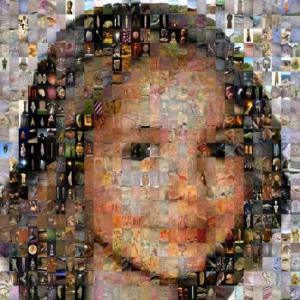
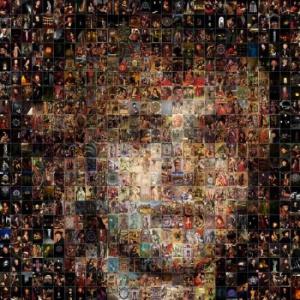
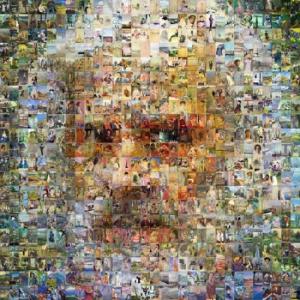
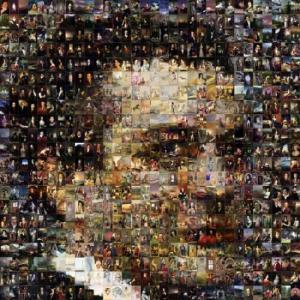
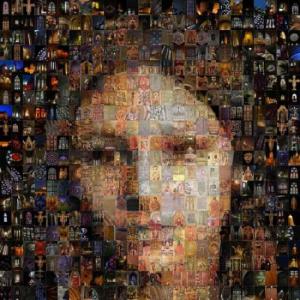
Using hundreds of small images of classic masterpieces, Russian collagist, portrait painter and historiographer, Maxim Ksuta, has created a series of unique portraits, called Art in Art.

According to English Russia, Maxim Ksuta believes some art forms have ceased to exist in the modern world, which is now getting ready to embrace something new. So he decided to give them new meaning and find a place for them by using tiny images of known artworks (paintings, sculptures, architectural motifs) dating from the antiquity and up to modern times, to create unique collage portraits of his friends.

http://maxim.ksuta.ru/

maksim-ksuta-550x550

maksim-ksuta7-550x550

maksim-ksuta4-550x550

maksim-ksuta2-550x550

maksim-ksuta6-550x550

View original post

My video 16072010 in “LUCIDA SPACE” Exhibition

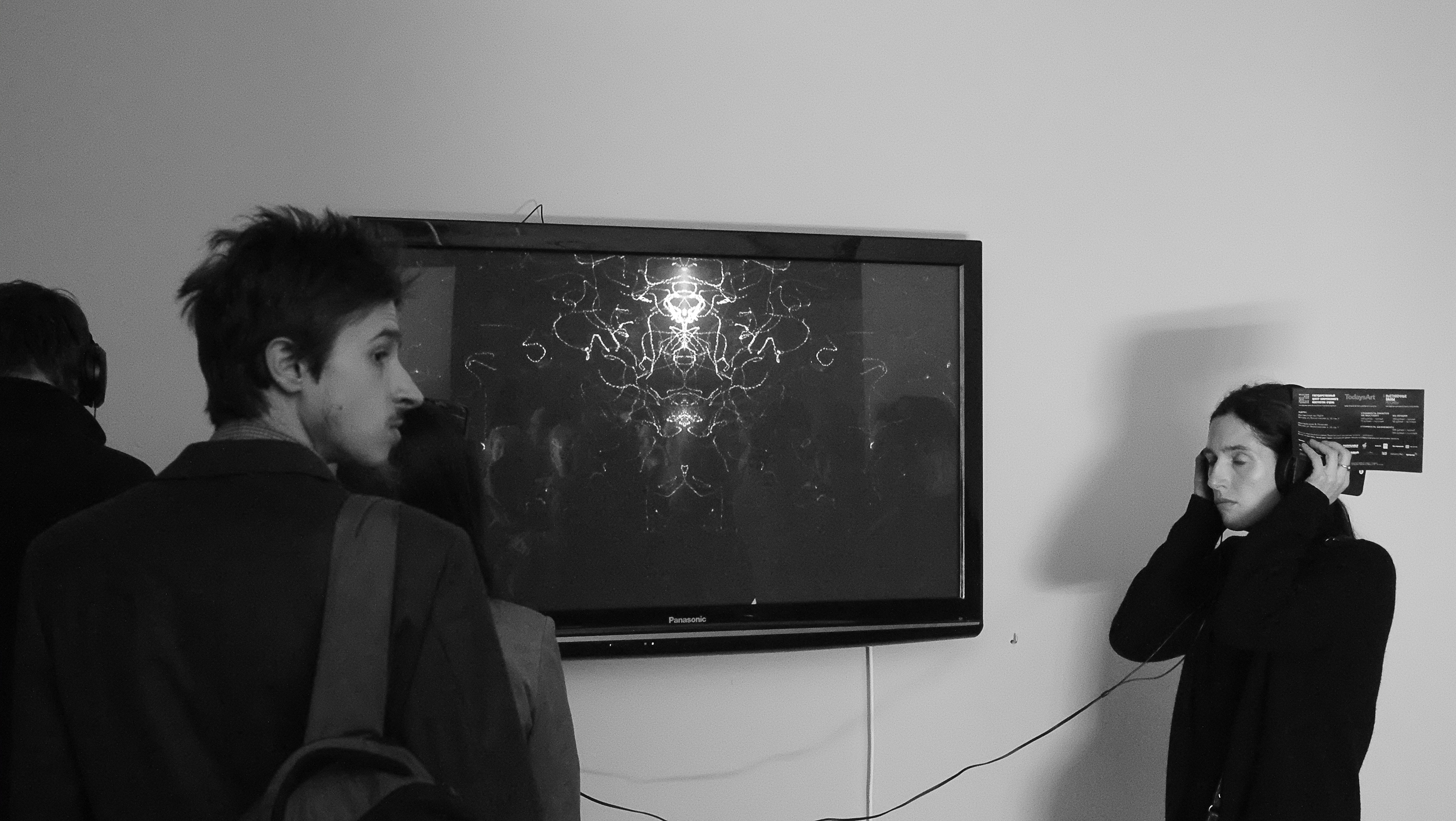
“16072010” – full HD video-installation

Национальный центр современного искусства (НЦСИ), Международный фестиваль TodaysArt и сеть московских городских галерей представляют проект LUCIDA Space — выставку, посвящённую феномену света в современной культуре.

Такой масштабный проект, полностью посвящённый свету, проводится в Москве впервые. «Мастера света» со всего мира представят свои работы на выставке LUCIDA Space. Участвующие художники обращаются к свету как к ключевому элементу своего художественного поиска, превращая его в уникальный творческий инструмент. В пространстве НЦСИ будут собраны арт-объекты, воплощающие самые разные световые техники и передающие неуловимую магию света. Каждый художник ведёт свой собственный диалог со светом — через звук и цвет, видео и цифровые технологии, кинематографические приёмы, живопись, фотографию и инсталляции.

Московская публика получит редкую возможность увидеть произведения известных художников из России, Австрии, Германии, Нидерландов и США, которые используют свет как основной творческий инструмент. Артисты активно работают с искусственным, технологическим светом, демонстрируя принципиальные изменения, происходящие в современной цивилизации. Образы искусственного света взаимодействуют с естественным освещением, открывая новые грани нашей жизни и культуры.

Проект проходит на четырёх площадках:

  • Национальный центр современного искусства (31 января — 16 марта)
  • Галерея «На Каширке» (14 февраля — 9 марта)
  • Галерея «Беляево» (27 февраля — 23 марта)
  • Галерея «Пересветов переулок» (6 — 30 марта)

Площадки сети московских городских галерей представят тематические выставки. В зале «На Каширке» будет показан феномен света в медиаформатах — кино, фотографии и концептуальных объектах. Выставка в «Пересветовом переулке» исследует эволюцию интерпретации света в искусстве — от живописи до новых медиа. Галерея «Беляево» построит свою экспозицию вокруг идеи Казимира Малевича о смене парадигм естественного света на технологический, когда искусственный свет начинает доминировать над природным.

Проект сопровождается образовательной программой: в НЦСИ пройдут лекции известных специалистов по визуальному искусству о формах использования света в медиа, моде, архитектуре и городском пространстве.

В рамках параллельной программы НЦСИ организует показы фильмов, связанных со световыми экспериментами, включая «One¹¹ with 103» Джона Кейджа и «Instructions for a Light and Sound Machine» режиссёра Петера Черкасского.

Из предисловия к каталогу выставки:

Свет в январе

Свет — это особая субстанция, оказывающая мощное воздействие на человека, на всех, кто его созерцает. Можно даже говорить о свете как о трансцендентной субстанции. Действительно, наше эстетическое восприятие придаёт огромное значение свету и его роли в искусстве.

Одно из самых сильных впечатлений моего детства — новогодняя ёлка, украшенная настоящими восковыми свечами. Я понимаю, что в памяти сохранился этот образ ещё и благодаря маленькому огоньку горящих свечей, но запомнился мне именно чудесный свет, а не огонь.

Это впечатление стало прелюдией к пунктирной линии других личных переживаний, уже связанных с искусством: Куинджи (ещё со школьных экскурсий в Третьяковскую галерею), Фальк, импрессионисты, Рембрандт, Жорж Руо, Одилон Редон, византийские мозаики, эксперименты Скрябина, Ласло Мохой-Надь, исследования Георгия Гидони и многое другое.

Обращаясь к истории искусства, эту смешанную коллекцию легко дополнить и систематизировать. Однако для настоящей выставки важнее поместить её в контекст современного искусства. Различные подходы к свету как определяющему фактору художественной стратегии можно найти в работах таких мастеров, как Дэн Флавин, Франсуа Морель, Кристиан Болтански, Дани Караван, Коити Танака, Кит Сонниер, Джеймс Таррелл и других. Для описания этого явления критики придумали специальную терминологию: light painting, light sculpture, luminous kinetic pictures, lumino-ambienta, laser painting, light graffiti, Light Art, которая пока ещё не получила широкого распространения в профессиональном русском лексиконе.

Интерес современного искусства к световым эффектам во многом был вдохновлён технологиями, архитектурой и урбанистикой XX века, и сейчас есть риск, что световое искусство будет ими поглощено — мы уже наблюдаем это в Нью-Йорке, Лондоне, Токио, Шанхае и теперь в Москве, где проходит данная выставка. Жажда ярких зрелищ и шоу, общая коммерциализация культуры не идут на пользу искусству. В то же время не могу не упомянуть, что мой девятилетний сын учится создавать световое граффити в детской художественной студии при Национальном центре современного искусства, который организовал эту выставку «Lucida Space». Искусство живо и будет жить сложной, интересной жизнью. Именно об этом и рассказывает выставка.

Леонид Бажанов Художественный руководитель НЦСИ

Организаторы: Национальный центр современного искусства (НЦСИ), Международный фестиваль TodaysArt Соорганизатор: Сеть московских городских галерей Партнёры: Институт Гёте, Посольство Королевства Нидерландов в России Спонсор: Mondriaan Fund При поддержке: New Art Foundation

Кураторы: Виталий Пацюков (НЦСИ), Olof van Winden (TodaysArt)

Художники: Татьяна Баданина, Эрик Булатов, Джон Кейдж, Марина Черникова, Anouk De Clercq, Mariska de Groot, Франциско Инфанте, Роман Инкелес, Илья Кабаков, Сергей Катран, Andreas Kaufmann, Анна Колейчук, Вячеслав Колейчук, Татьяна и Сергей Костриковы, Олег Кошелец, Максим Ксута, Александр Лысов, molitor&kuzmin (Владимир Кузьмин и Урсула Молитор), Matthijs Munnik, Антон Ольшванг, Александр Панкин, Александр Петтай, Владимир Потапов, Школа фотографии и мультимедиа им. Родченко (Москва), Михаил Рошняк, Сергей Шутов, Владимир Смоляр, Владимир Тарасов, Peter Tcherkassky, Gabey Tjon a Tham, Леонид Тишков, Алла Урбан, Янис Ксенакис, Мария Якунина, Сергей Загний


The National Centre for Contemporary Arts (NCCA), the International Festival TodaysArt and the Moscow City Galleries Network present LUCIDA Space — an exhibition dedicated to the phenomenon of light in contemporary culture.

This is the first large-scale project in Moscow entirely dedicated to light. “Masters of light” from around the world will present their works at LUCIDA Space. The participating artists turn to light as the central element of their artistic practice, transforming it into a unique creative tool. The exhibition spaces at NCCA will bring together art objects embodying a wide variety of light techniques, fully conveying the elusive magic of light. Each artist conducts their own dialogue with light — through sound and colour, video and digital technologies, cinematic methods, painting, photography, and installations.

Moscow audiences will have a rare opportunity to see works by renowned artists from Russia, Austria, Germany, the Netherlands and the USA who use light as their primary creative medium. The artists actively employ artificial and technological light, demonstrating the fundamental changes taking place in our civilization. Images of artificial light interact with natural light, revealing new aspects of our life and culture.

The project is hosted across four venues:

  • National Centre for Contemporary Arts (31 January – 16 March)
  • State Art Gallery “Na Kashirke” (14 February – 9 March)
  • State Exhibition Hall “Gallery Belyaevo” (27 February – 23 March)
  • State Exhibition Hall “Peresvetov Pereulok” (6 – 30 March)

The venues of the Moscow City Galleries Network will host thematic exhibitions. The “Na Kashirke” Hall will explore the phenomenon of light in media formats — film, photography and conceptual objects. The exhibition at “Peresvetov Pereulok” will examine the evolution of the interpretation of light in art, from painting to new media. The “Belyaevo” Gallery will build its exhibition around Kazimir Malevich’s idea of the shift from natural light paradigms to technological ones, in which artificial light begins to dominate natural light.

The project includes an extensive education programme: during the exhibition, NCCA will host lectures by leading experts in visual art on the use of light in media, fashion, architecture and urban space.

As part of the parallel programme, NCCA will screen films featuring light experiments, including John Cage’s One¹¹ with 103 and Peter Tscherkassky’s Instructions for a Light and Sound Machine.

From the foreword to the exhibition catalogue:

Light in January

Light is a very special substance that has a powerful impact on human beings and all who contemplate it. One can even speak of light as a transcendental substance. Indeed, our aesthetic perception attaches enormous importance to light and its role in art.

One of the strongest impressions of my childhood is a Christmas tree decorated with real wax candles. I realise that my memory retained this image also because of the small flame of the burning candles, yet what stayed with me was the wonderful light rather than the fire itself.

That impression became the prelude to a dotted line of other personal experiences already connected with art: Kuindzhi (from school excursions to the Tretyakov Gallery), Falk, the Impressionists, Rembrandt, Georges Rouault, Odilon Redon, Byzantine mosaics, Scriabin’s experiments, László Moholy-Nagy, Georgy Gidoni’s research, and much more.

Turning to the history of art, this mixed collection can easily be supplemented and systematised. However, for the present exhibition it is more important to place it in the context of contemporary art. Different approaches to light as a determining factor in artistic strategy can be found in the works of such masters as Dan Flavin, François Morel, Christian Boltanski, Dani Karavan, Koichi Tanaka, Keith Sonnier, James Turrell and others. Critics have invented special terminology to describe this phenomenon: light painting, light sculpture, luminous kinetic pictures, lumino-ambienta, laser painting, light graffiti, Light Art — terms that have not yet become widespread in professional Russian vocabulary.

Contemporary art’s interest in light effects has been largely inspired by 20th-century technologies, architecture and urban studies, and now risks being swallowed by them — a process we are already witnessing in New York, London, Tokyo, Shanghai and now in Moscow, where this exhibition is taking place. The thirst for bright spectacles and shows, and the general commercialisation of culture, do not benefit art. At the same time, I cannot help mentioning that my nine-year-old son is learning to create light graffiti at the children’s art studio of the National Centre for Contemporary Arts, the organiser of the “Lucida Space” exhibition. Art is alive and will continue to live a complex and interesting life. This is what the exhibition is all about.

Leonid Bazhanov Artistic Director, NCCA

Organizers: National Centre for Contemporary Arts (NCCA), International Festival TodaysArt Co-organizer: Moscow City Galleries Network Partners: Goethe Institute, Embassy of the Kingdom of the Netherlands in Russia Sponsor: Mondriaan Fund With the support of: New Art Foundation

Curators: Vitaly Patsyukov (NCCA), Olof van Winden (TodaysArt)

Artists: Tatyana Badanina, Eric Bulatov, John Cage, Marina Chernikova, Anouk De Clercq, Mariska de Groot, Francisco Infante, Roman Inkeles, Ilya Kabakov, Sergey Katran, Andreas Kaufmann, Anna Koleychuk, Vyacheslav Koleychuk, Tatyana and Sergey Kostrikov, Oleg Koshelets, Maxim Ksuta, Alexander Lysov, molitor&kuzmin (Vladimir Kuzmin and Ursula Molitor), Matthijs Munnik, Anton Olshvang, Alexander Pankin, Alexander Pettai, Vladimir Potapov, The Rodchenko School of Photography and Multimedia (Moscow), Mikhail Roshnyak, Sergey Shutov, Vladimir Smolyar, Vladimir Tarasov, Peter Tcherkassky, Gabey Tjon a Tham, Leonid Tishkov, Alla Urban, Iannis Xenakis, Maria Yakunina, Sergey Zagny

Exhibition photo album 

Via … … … …

“The Gifts” – Shchusev Architecture Museum

Фестиваль «Дары» приурочен к празднованию Рождества Христова и объединяет христианских художников. Организатором фестиваля выступает сообщество христианских художников «Артос».

В пространстве выставки органично сочетаются иконы, мозаики, шитьё, каменная резьба, скульптура, архитектурные проекты и макеты, каллиграфия, живопись и инсталляции.

«Подобно волхвам, мы стремимся принести свои дары Спасителю, родившемуся в мир, — говорит один из кураторов фестиваля Сергей Чапнин. — Каждый из нас приносит их в меру своего таланта и глубины понимания. Главное здесь — не только само приношение, но и намерение, сердечное устремление. Художественные языки, на которых мы говорим, очень разные, но тема высказывания одна — принесение даров для созидания и осмысления сакрального пространства, что и является целью фестиваля. В этом пространстве соседствуют иконописные образы, современная храмовая архитектура и искусство, которое выходит за литургические рамки, но при этом обращается к религиозным темам и поискам».

Диалогу между Церковью и современным искусством уже десять лет уделяет особое внимание другой куратор фестиваля — Гор Чахал. За это время он участвовал в организации серии круглых столов, в том числе в рамках выставки «Двоесловие» в храме святой Татьяны при МГУ (2010), специального проекта Государственной Третьяковской галереи «Хлеб Небесный» (2011), выставки Российской академии художеств «Искусство и религия в пространстве современной культуры» (2013) и других проектов.

Кураторы выставки «Дары» продолжают эту важную инициативу.

Искусствовед Ирина Языкова считает важным исследовать вопрос о том, насколько непроницаема граница между церковным и светским искусством и в чём заключается природа их связи. Многие вопросы ещё не имеют однозначного ответа, однако очевидно, что сегодня правильнее говорить не о возрождении иконописи, а о её возвращении и становлении современной иконописной традиции, внутри которой уже отчётливо просматриваются разные направления. Во-первых, в последние годы стилистические поиски иконописцев обрели большое разнообразие, гораздо большую свободу и смелость. Во-вторых, в работах русских художников заметен не только возврат к разным историческим стилям, но и появление индивидуальной манеры письма; рождается такое явление, как «авторская икона».

По мнению искусствоведа Сергея Хачатурова, представленные работы можно разделить на три категории. Первая — новые иконы, соответствующие иконографической программе почитаемых образов Восточно-христианской Церкви. Вторая — произведения на евангельские темы и образы, созданные с существенным отходом от принятой традиции и канона. Третья категория включает работы, которые откликаются на важнейшие образы мировой культуры, вдохновлённые христианством.

Новые иконы созданы Анатолием Этенейером, священником Андреем Давыдовым, Ольгой Шаламовой, Мариной Турновой, Александром Корноуховым, Ириной Зарон и другими. Работы выполнены в различных материалах и техниках. Общаться с ними интересно: при глубоком уважении к традиционной иконографии они отличаются чертой, которую можно назвать «общительностью» — открытостью к современному искусству, традициям модернизма (от экспрессионизма до неонаива и даже такого направления, как «информель» / «ташизм»). Эта черта способствует возникновению доверия — доверия к личному опыту постижения Веры и смирения перед её непостижимой Тайной.

Вторая группа работ чрезвычайно чутко реагирует на окружающий мир, она неклассическая и радикальная в преодолении границ разных видов и жанров искусства. Произведения Гора Чахала, Максима Ксуты, Алексея Дьякова, Александра Константинова, Татьяны Баданиной, Владимира Наседкина, Валерия Кошлякова, Анатолия Комелина, Ирины Затуловской, Андрея Колосова — это и есть то, что принято называть современным искусством. По законам существования такого искусства зритель должен быть не только сопереживающим (как требует классическая традиция), но и соучастником создания образа. Когда тайна Преображения воссоздаётся в работе Анатолия Комелина несколькими жёсткими абстрактными мазками, это включает мощь резонансной среды и заставляет задуматься: каким образом вся вселенная реагирует на событие священной истории через мельчайшие частицы; какие следы и тайные знаки тех событий запечатлены в, казалось бы, самых незначительных вещах и переживаниях. Для такого осмысления требуется ответственность, дисциплина мысли и смирение. Эти качества особенно отличают, например, работы Гора Чахала, посвящённые апофатическому богословию. Одна из них — видео, другая — картина, написанная акрилом на холсте. Оба произведения передают процесс рождения Логоса из Хаоса: из Безформенного рождается сияющая в Вечности Форма, бесконечно более совершенная, чем любые наши представления о ней. Все работы второй группы сложны для восприятия: за их кажущейся простотой скрывается необходимость личной работы ума и чувств каждого зрителя.

Третья категория объединяет произведения, которые свидетельствуют о щедром присутствии христианства в мировой культуре, освящающем и просвещающем её. Эти работы прошли через множество культурных текстов-фильтров. Инсталляции и живопись Ильи Пиганова, Юрия Аввакумова, Ольги Тобрелутс, Надежды Мухиной, группы «Бурсаки» («Семинаристы») с определённой долей условности можно определить как «необарокко» — настолько изыскан и притягателен их взгляд, настолько полифонична и даже эмблематична форма диалога со зрителем.

Экспозиция построена таким образом, что в каждом зале работы разных групп соседствуют друг с другом. В этом продуманном соседстве каждое отдельное произведение воспринимается как драгоценность и при этом максимально раскрывается в контексте других работ. Все три группы взаимосвязаны и взаимно поддерживают друг друга. Они соединены, но не смешаны.


The “Gifts” Festival is timed to coincide with the celebration of Christmas and brings together Christian artists. The festival is organized by the community of Christian artists “Artos”.

In the exhibition space, icons, mosaics, embroidery, stone carving, sculpture, architectural designs and models, calligraphy, paintings and installations are harmoniously combined.

“Just as the Magi sought to bring their gifts to the Savior born into the world, we too bring our own gifts,” says one of the festival’s curators, Sergei Chapnin. “Each of us offers them according to the measure of our talent and the depth of our understanding. What matters most is not only the offering itself, but also the intention and the desire of the heart. The artistic languages we speak are very different, yet the central theme of our utterance is the same — bringing gifts for the creation and comprehension of sacred space, which is the main purpose of the festival. In this space, iconographic images, contemporary church architecture, and art that goes beyond liturgical boundaries while addressing religious themes and quests coexist.”

For ten years, the dialogue between the Church and contemporary art has been a subject of special interest for another curator of the festival — Gor Chahal. During this time, he has participated in the organization of numerous roundtables, including those held as part of the exhibition “Dvoeslovie / Dialogue” in St. Tatiana’s Church at Moscow State University (2010), the special project of the State Tretyakov Gallery “Bread of Heaven” (2011), the exhibition of the Russian Academy of Arts “Art and Religion in the Space of Contemporary Culture” (2013), and others.

The curators of the “Gifts” exhibition continue this important initiative.

Art critic Irina Yazikova considers it essential to explore how impenetrable the boundary between church and secular art really is and what the nature of their connection is. Many questions still lack clear answers, but it is evident that today we should speak not so much about the revival of icon painting as about its return and the formation of a modern iconographic tradition, within which different trends are already clearly visible. Firstly, in recent years the stylistic searches of icon painters have gained great variety, along with a much greater degree of freedom and boldness. Secondly, in the works of Russian artists one can see not only a return to various historical styles, but also the emergence of an individual artistic handwriting; the phenomenon of the “author’s icon” is being born.

According to art critic Sergei Khachaturov, the exhibited works can be divided into three categories. The first consists of new icons that correspond to the iconographic program of venerated images of the Eastern Christian Church. The second includes works on Gospel themes and images created with a significant departure from the accepted tradition and canon. The third category comprises works that respond to the most important images of world culture inspired by Christianity.

New icons have been created by Anatoly Eteneier, Priest Andrey Davydov, Olga Shalamova, Marina Turnova, Alexander Kornoukhov, Irina Zaron and others. The works employ a wide variety of materials and techniques. They are interesting to engage with because, while showing deep respect for traditional iconography, they are distinguished by a quality that might be called “sociability” — an openness to contemporary art and the traditions of modernism (from expressionism to neo-naïve and even “informel” / “tachisme”). This quality fosters a sense of trust — trust in the personal experience of comprehending the Faith and humility before its unfathomable Mystery.

The second group of works is highly sensitive to the surrounding world; it is non-classical and radical in its overcoming of boundaries between different types and genres of art. The works of Gor Chahal, Maxim Ksuta, Alexey Dyakov, Alexander Konstantinov, Tatiana Badanina, Vladimir Nasedkin, Valery Koshlyakov, Anatoly Komelin, Irina Zatulovskaya, and Andrey Kolosov represent what is commonly called contemporary art. According to the laws of this art, the viewer is required not only to empathize (as demanded by the classical tradition), but also to become a co-creator of the image. When the mystery of the Transfiguration is recreated in Anatoly Komelin’s work through just a few stark abstract strokes, it activates the power of a resonant medium and prompts the question: how does the entire universe react to an event of sacred history through the smallest particles? What traces and secret signs of those events are captured in seemingly the most ordinary things and experiences? Such reflection demands responsibility, discipline of thought, and humility. These qualities particularly distinguish, for example, Gor Chahal’s works dedicated to apophatic theology. One is a video piece, the other a painting in acrylic on canvas. Both convey the process of the birth of the Logos from Chaos: out of the Formless emerges a Form radiant in Eternity — infinitely more perfect than any of our ideas about it. All works in the second group are complex to perceive: behind their apparent simplicity lies the need for personal intellectual and emotional work on the part of each viewer.

The third category unites works that testify to the generous presence of Christianity in world culture, sanctifying and enlightening it. These works have passed through many cultural “text-filters.” Installations and paintings by Ilya Piganov, Yuri Avvakumov, Olga Tobreluts, Nadezhda Mukhina, and the group “Bursaki” (“Seminarians”) can, with some reservation, be defined as “neo-baroque” — so intricate and inviting is their gaze, so polyphonic and even emblematic is their form of dialogue with the audience.

The exhibition is arranged so that within each room works from different groups are placed next to one another. In this thoughtful proximity, each individual work is perceived as a jewel and reveals itself as fully as possible in the context of the others. All three groups are interconnected and mutually supportive. They are combined without merging.

Lupa Capitolina – bronze sculpture

Process is completed… On the photo my assistant – Sasha.

Production of the bronze sculpture – Lupa Capitolina

30102013-6

Wax model … … … …