“The Gifts” – Shchusev Architecture Museum


Фестиваль «Дары» приурочен к празднованию Рождества Христова и объединяет христианских художников. Организатором фестиваля выступает сообщество христианских художников «Артос».
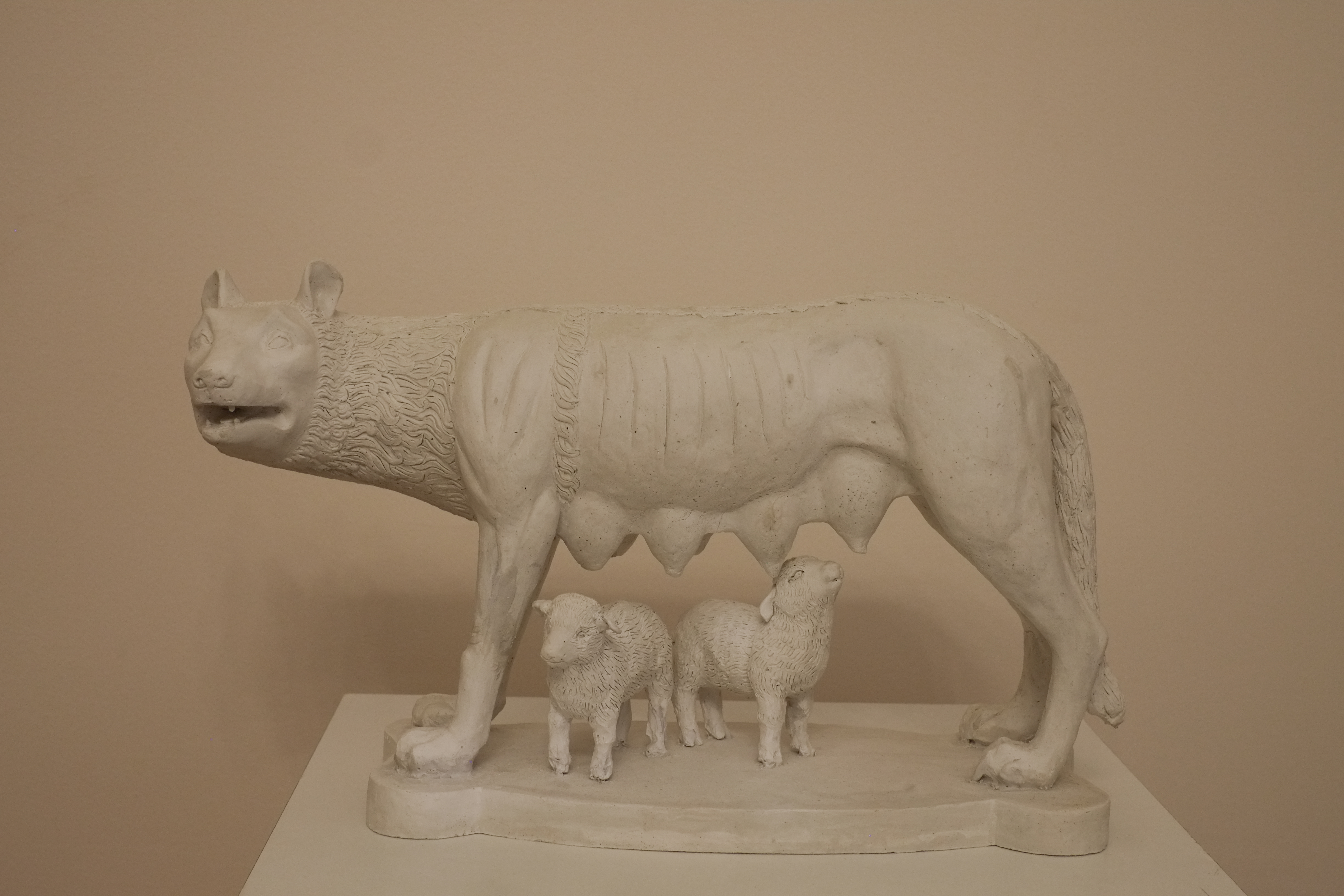
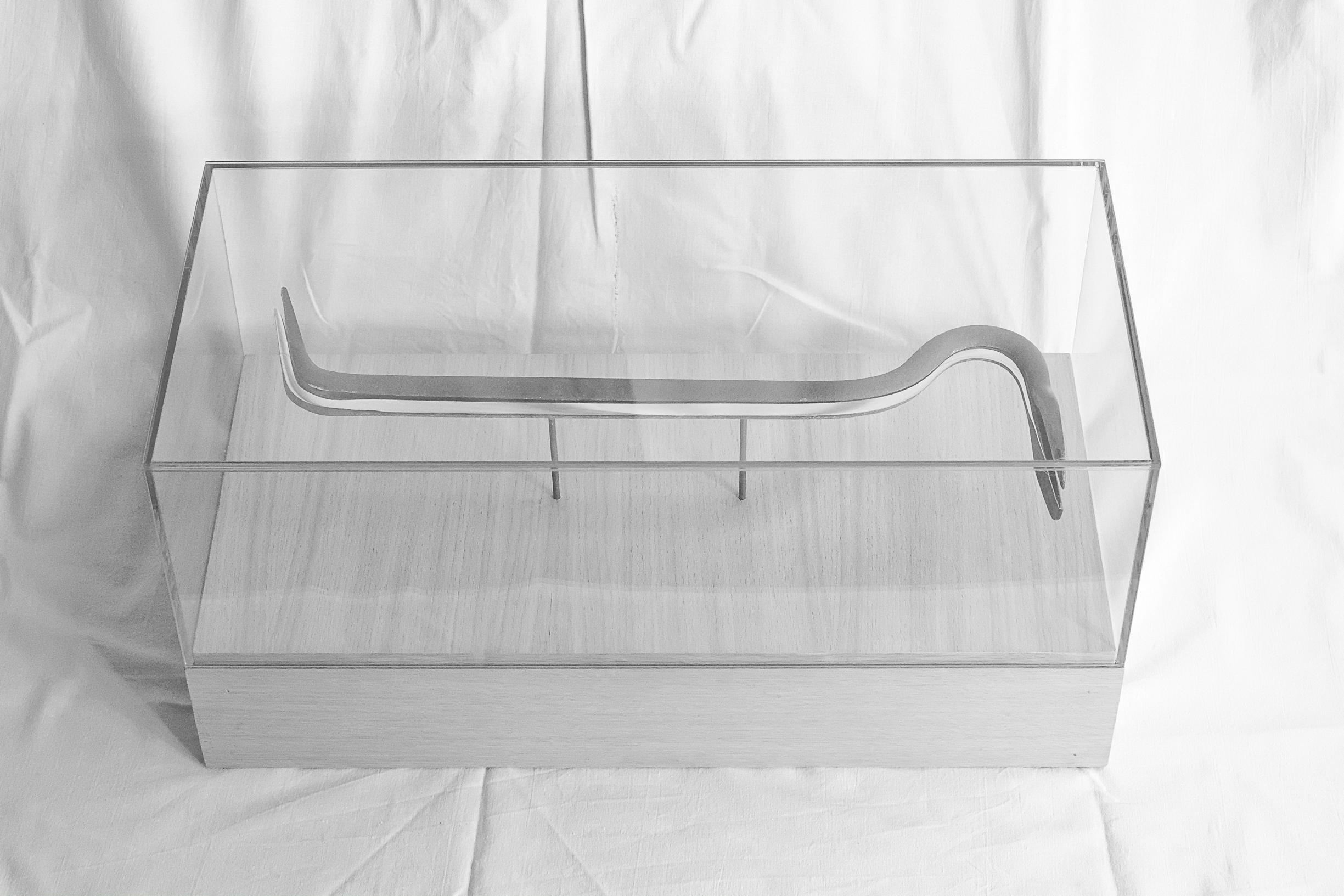
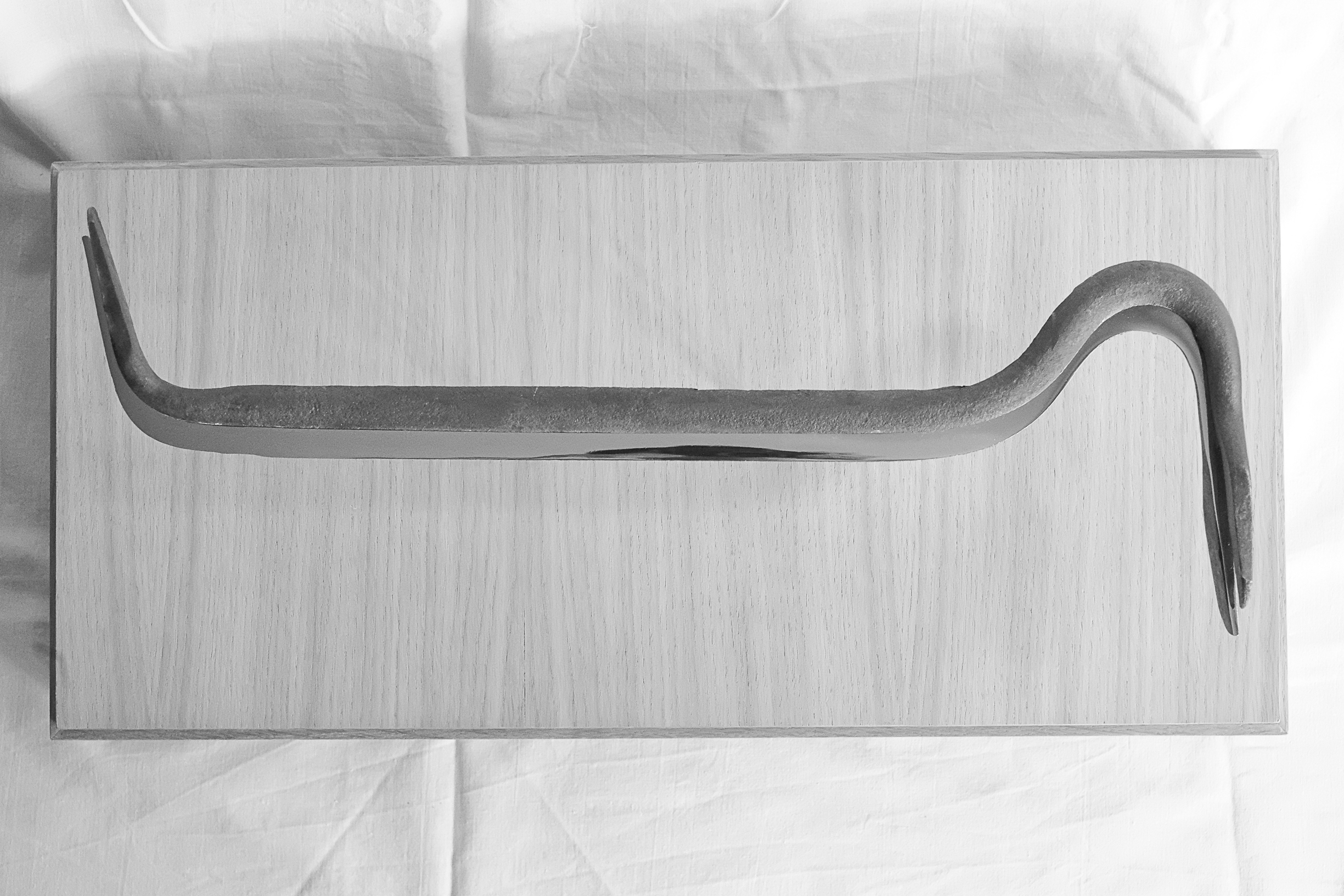
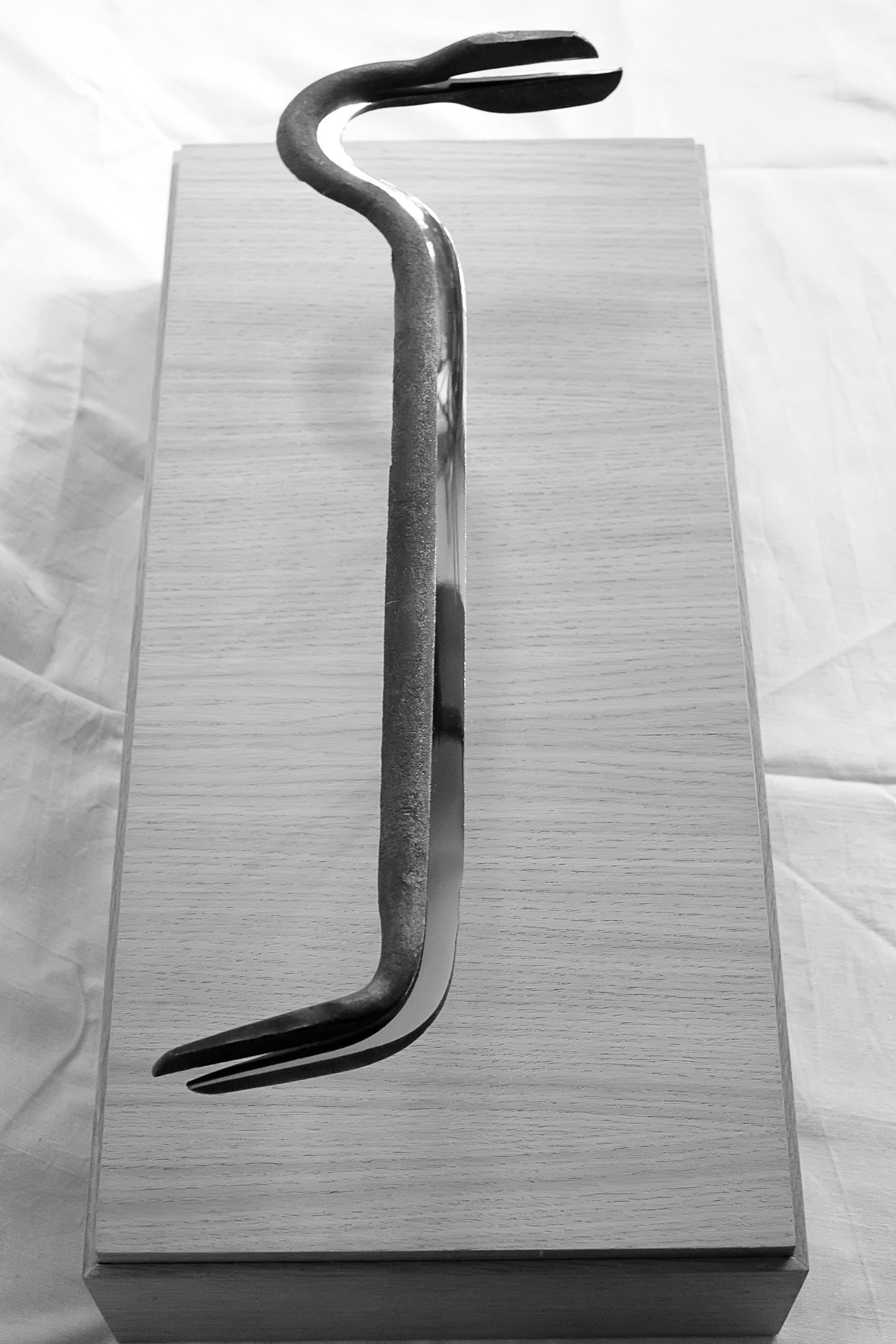
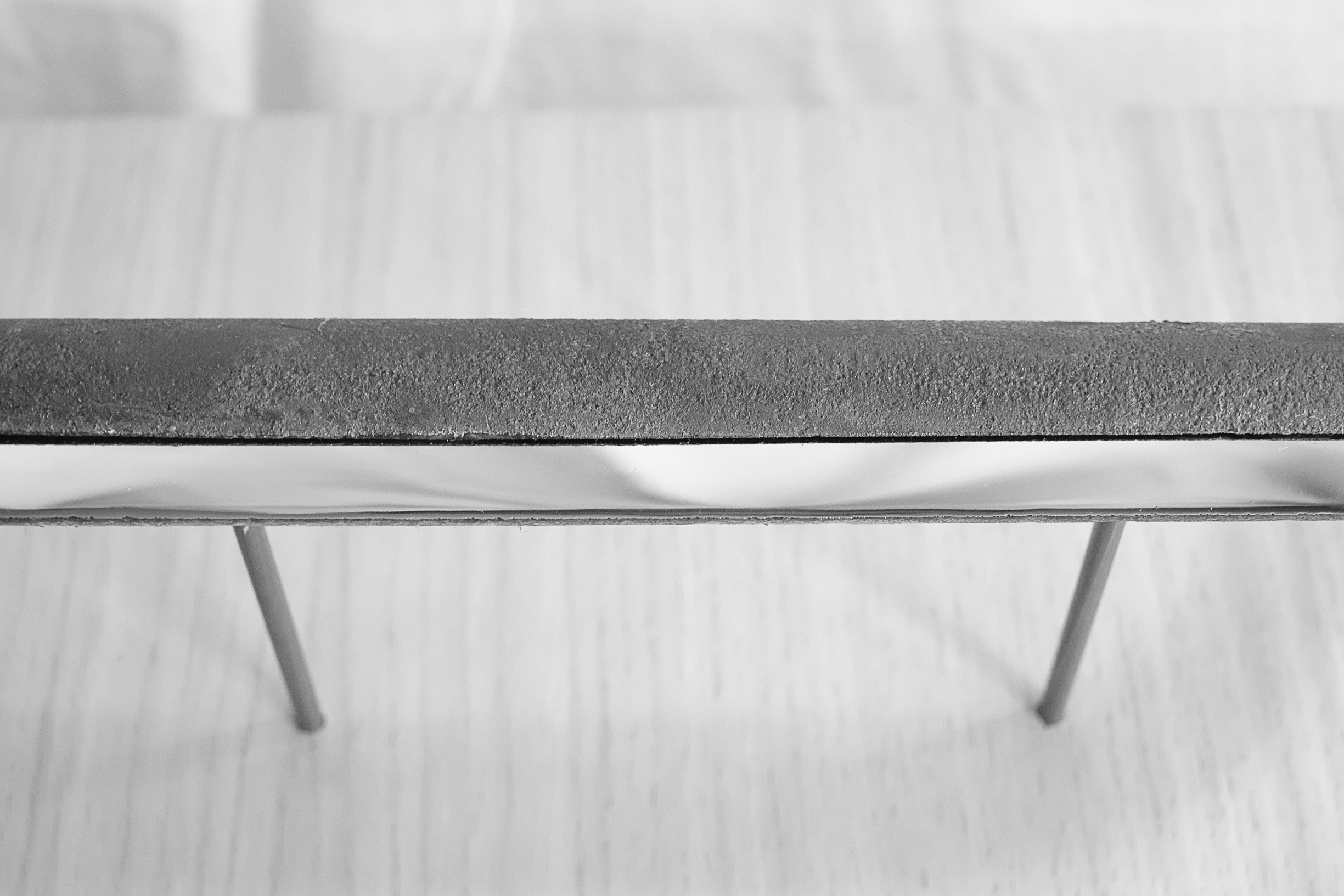
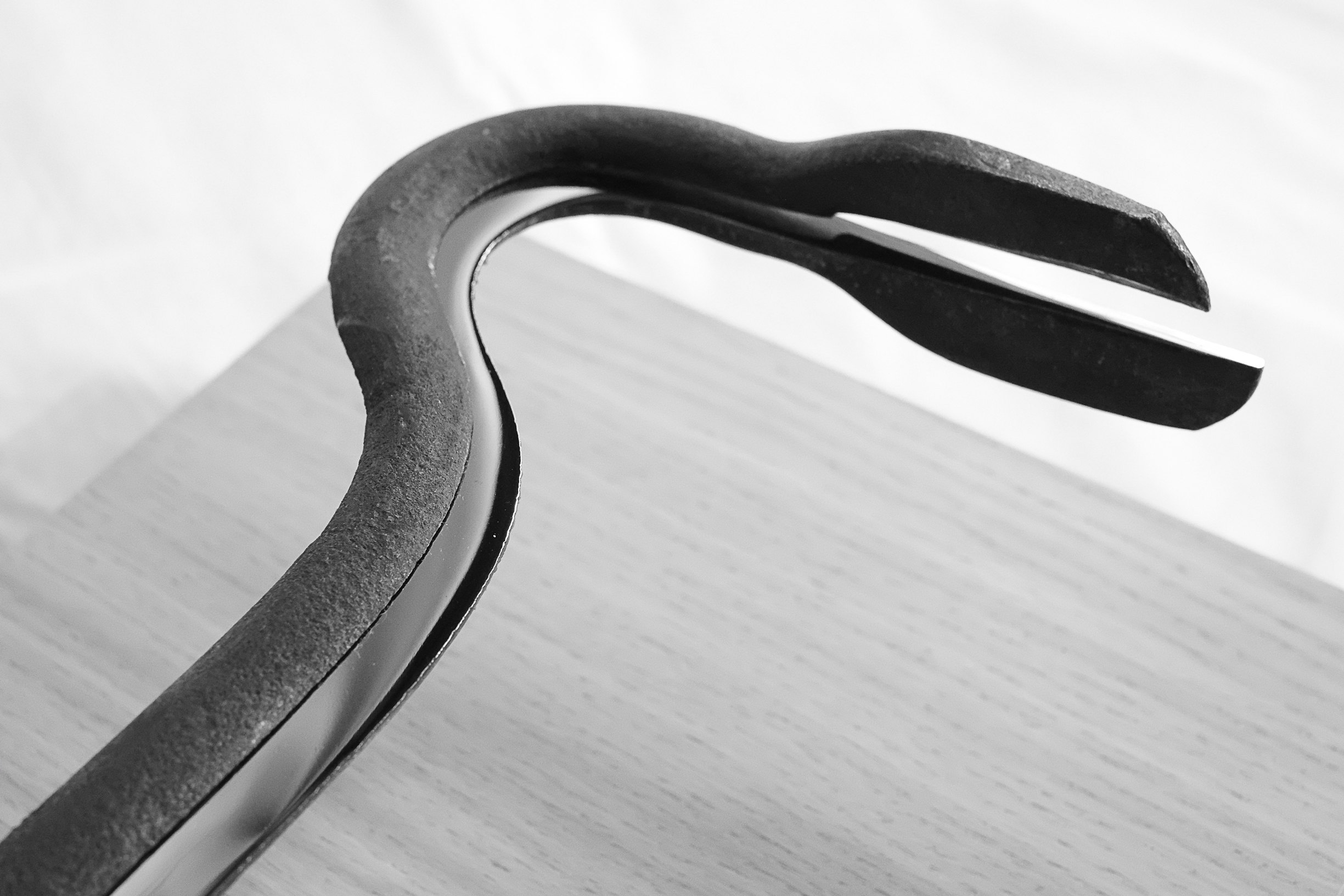
В пространстве выставки органично сочетаются иконы, мозаики, шитьё, каменная резьба, скульптура, архитектурные проекты и макеты, каллиграфия, живопись и инсталляции.
«Подобно волхвам, мы стремимся принести свои дары Спасителю, родившемуся в мир, — говорит один из кураторов фестиваля Сергей Чапнин. — Каждый из нас приносит их в меру своего таланта и глубины понимания. Главное здесь — не только само приношение, но и намерение, сердечное устремление. Художественные языки, на которых мы говорим, очень разные, но тема высказывания одна — принесение даров для созидания и осмысления сакрального пространства, что и является целью фестиваля. В этом пространстве соседствуют иконописные образы, современная храмовая архитектура и искусство, которое выходит за литургические рамки, но при этом обращается к религиозным темам и поискам».
Диалогу между Церковью и современным искусством уже десять лет уделяет особое внимание другой куратор фестиваля — Гор Чахал. За это время он участвовал в организации серии круглых столов, в том числе в рамках выставки «Двоесловие» в храме святой Татьяны при МГУ (2010), специального проекта Государственной Третьяковской галереи «Хлеб Небесный» (2011), выставки Российской академии художеств «Искусство и религия в пространстве современной культуры» (2013) и других проектов.
Кураторы выставки «Дары» продолжают эту важную инициативу.
Искусствовед Ирина Языкова считает важным исследовать вопрос о том, насколько непроницаема граница между церковным и светским искусством и в чём заключается природа их связи. Многие вопросы ещё не имеют однозначного ответа, однако очевидно, что сегодня правильнее говорить не о возрождении иконописи, а о её возвращении и становлении современной иконописной традиции, внутри которой уже отчётливо просматриваются разные направления. Во-первых, в последние годы стилистические поиски иконописцев обрели большое разнообразие, гораздо большую свободу и смелость. Во-вторых, в работах русских художников заметен не только возврат к разным историческим стилям, но и появление индивидуальной манеры письма; рождается такое явление, как «авторская икона».
По мнению искусствоведа Сергея Хачатурова, представленные работы можно разделить на три категории. Первая — новые иконы, соответствующие иконографической программе почитаемых образов Восточно-христианской Церкви. Вторая — произведения на евангельские темы и образы, созданные с существенным отходом от принятой традиции и канона. Третья категория включает работы, которые откликаются на важнейшие образы мировой культуры, вдохновлённые христианством.
Новые иконы созданы Анатолием Этенейером, священником Андреем Давыдовым, Ольгой Шаламовой, Мариной Турновой, Александром Корноуховым, Ириной Зарон и другими. Работы выполнены в различных материалах и техниках. Общаться с ними интересно: при глубоком уважении к традиционной иконографии они отличаются чертой, которую можно назвать «общительностью» — открытостью к современному искусству, традициям модернизма (от экспрессионизма до неонаива и даже такого направления, как «информель» / «ташизм»). Эта черта способствует возникновению доверия — доверия к личному опыту постижения Веры и смирения перед её непостижимой Тайной.
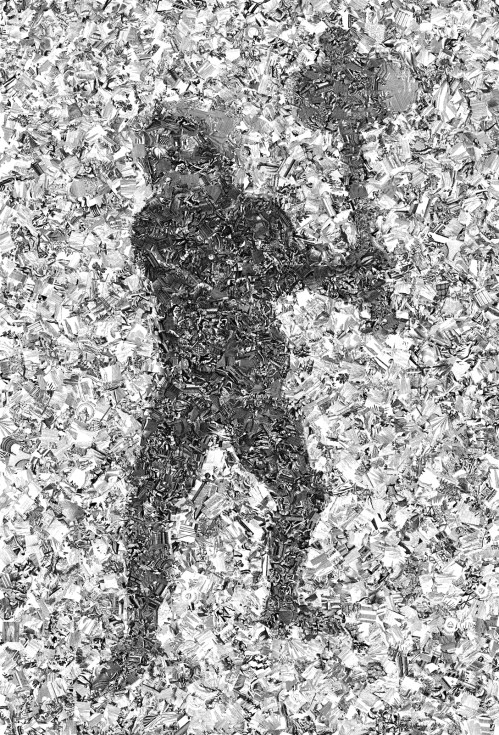
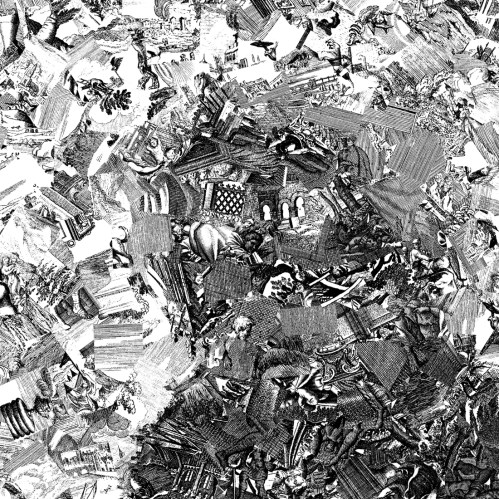
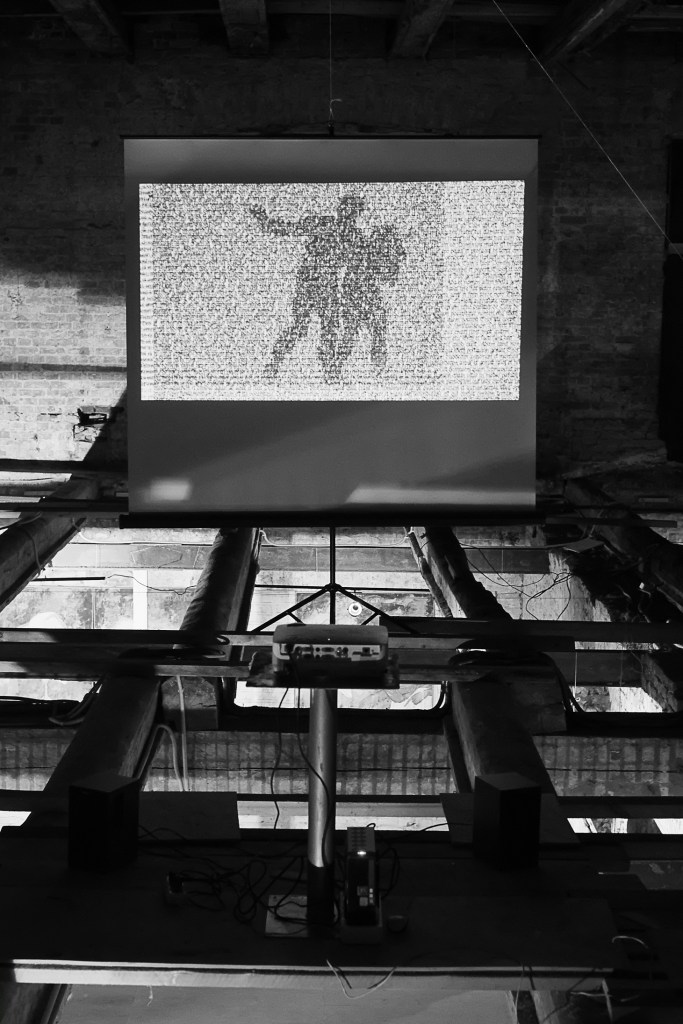
Вторая группа работ чрезвычайно чутко реагирует на окружающий мир, она неклассическая и радикальная в преодолении границ разных видов и жанров искусства. Произведения Гора Чахала, Максима Ксуты, Алексея Дьякова, Александра Константинова, Татьяны Баданиной, Владимира Наседкина, Валерия Кошлякова, Анатолия Комелина, Ирины Затуловской, Андрея Колосова — это и есть то, что принято называть современным искусством. По законам существования такого искусства зритель должен быть не только сопереживающим (как требует классическая традиция), но и соучастником создания образа. Когда тайна Преображения воссоздаётся в работе Анатолия Комелина несколькими жёсткими абстрактными мазками, это включает мощь резонансной среды и заставляет задуматься: каким образом вся вселенная реагирует на событие священной истории через мельчайшие частицы; какие следы и тайные знаки тех событий запечатлены в, казалось бы, самых незначительных вещах и переживаниях. Для такого осмысления требуется ответственность, дисциплина мысли и смирение. Эти качества особенно отличают, например, работы Гора Чахала, посвящённые апофатическому богословию. Одна из них — видео, другая — картина, написанная акрилом на холсте. Оба произведения передают процесс рождения Логоса из Хаоса: из Безформенного рождается сияющая в Вечности Форма, бесконечно более совершенная, чем любые наши представления о ней. Все работы второй группы сложны для восприятия: за их кажущейся простотой скрывается необходимость личной работы ума и чувств каждого зрителя.
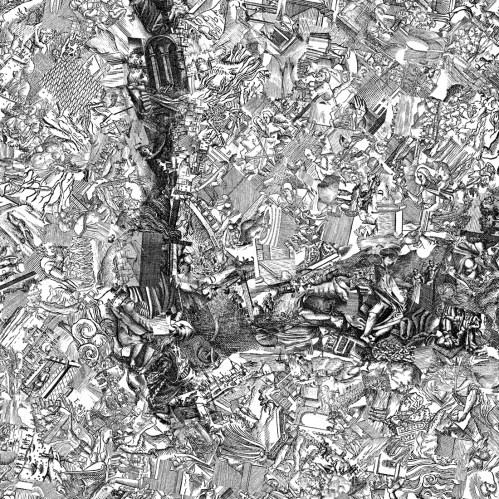
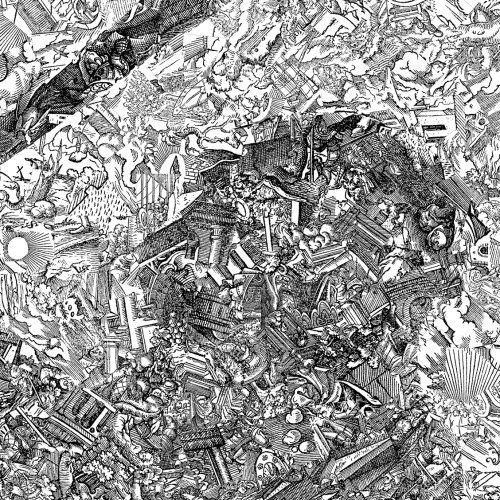
Третья категория объединяет произведения, которые свидетельствуют о щедром присутствии христианства в мировой культуре, освящающем и просвещающем её. Эти работы прошли через множество культурных текстов-фильтров. Инсталляции и живопись Ильи Пиганова, Юрия Аввакумова, Ольги Тобрелутс, Надежды Мухиной, группы «Бурсаки» («Семинаристы») с определённой долей условности можно определить как «необарокко» — настолько изыскан и притягателен их взгляд, настолько полифонична и даже эмблематична форма диалога со зрителем.
Экспозиция построена таким образом, что в каждом зале работы разных групп соседствуют друг с другом. В этом продуманном соседстве каждое отдельное произведение воспринимается как драгоценность и при этом максимально раскрывается в контексте других работ. Все три группы взаимосвязаны и взаимно поддерживают друг друга. Они соединены, но не смешаны.
The “Gifts” Festival is timed to coincide with the celebration of Christmas and brings together Christian artists. The festival is organized by the community of Christian artists “Artos”.
In the exhibition space, icons, mosaics, embroidery, stone carving, sculpture, architectural designs and models, calligraphy, paintings and installations are harmoniously combined.
“Just as the Magi sought to bring their gifts to the Savior born into the world, we too bring our own gifts,” says one of the festival’s curators, Sergei Chapnin. “Each of us offers them according to the measure of our talent and the depth of our understanding. What matters most is not only the offering itself, but also the intention and the desire of the heart. The artistic languages we speak are very different, yet the central theme of our utterance is the same — bringing gifts for the creation and comprehension of sacred space, which is the main purpose of the festival. In this space, iconographic images, contemporary church architecture, and art that goes beyond liturgical boundaries while addressing religious themes and quests coexist.”
For ten years, the dialogue between the Church and contemporary art has been a subject of special interest for another curator of the festival — Gor Chahal. During this time, he has participated in the organization of numerous roundtables, including those held as part of the exhibition “Dvoeslovie / Dialogue” in St. Tatiana’s Church at Moscow State University (2010), the special project of the State Tretyakov Gallery “Bread of Heaven” (2011), the exhibition of the Russian Academy of Arts “Art and Religion in the Space of Contemporary Culture” (2013), and others.
The curators of the “Gifts” exhibition continue this important initiative.
Art critic Irina Yazikova considers it essential to explore how impenetrable the boundary between church and secular art really is and what the nature of their connection is. Many questions still lack clear answers, but it is evident that today we should speak not so much about the revival of icon painting as about its return and the formation of a modern iconographic tradition, within which different trends are already clearly visible. Firstly, in recent years the stylistic searches of icon painters have gained great variety, along with a much greater degree of freedom and boldness. Secondly, in the works of Russian artists one can see not only a return to various historical styles, but also the emergence of an individual artistic handwriting; the phenomenon of the “author’s icon” is being born.
According to art critic Sergei Khachaturov, the exhibited works can be divided into three categories. The first consists of new icons that correspond to the iconographic program of venerated images of the Eastern Christian Church. The second includes works on Gospel themes and images created with a significant departure from the accepted tradition and canon. The third category comprises works that respond to the most important images of world culture inspired by Christianity.
New icons have been created by Anatoly Eteneier, Priest Andrey Davydov, Olga Shalamova, Marina Turnova, Alexander Kornoukhov, Irina Zaron and others. The works employ a wide variety of materials and techniques. They are interesting to engage with because, while showing deep respect for traditional iconography, they are distinguished by a quality that might be called “sociability” — an openness to contemporary art and the traditions of modernism (from expressionism to neo-naïve and even “informel” / “tachisme”). This quality fosters a sense of trust — trust in the personal experience of comprehending the Faith and humility before its unfathomable Mystery.
The second group of works is highly sensitive to the surrounding world; it is non-classical and radical in its overcoming of boundaries between different types and genres of art. The works of Gor Chahal, Maxim Ksuta, Alexey Dyakov, Alexander Konstantinov, Tatiana Badanina, Vladimir Nasedkin, Valery Koshlyakov, Anatoly Komelin, Irina Zatulovskaya, and Andrey Kolosov represent what is commonly called contemporary art. According to the laws of this art, the viewer is required not only to empathize (as demanded by the classical tradition), but also to become a co-creator of the image. When the mystery of the Transfiguration is recreated in Anatoly Komelin’s work through just a few stark abstract strokes, it activates the power of a resonant medium and prompts the question: how does the entire universe react to an event of sacred history through the smallest particles? What traces and secret signs of those events are captured in seemingly the most ordinary things and experiences? Such reflection demands responsibility, discipline of thought, and humility. These qualities particularly distinguish, for example, Gor Chahal’s works dedicated to apophatic theology. One is a video piece, the other a painting in acrylic on canvas. Both convey the process of the birth of the Logos from Chaos: out of the Formless emerges a Form radiant in Eternity — infinitely more perfect than any of our ideas about it. All works in the second group are complex to perceive: behind their apparent simplicity lies the need for personal intellectual and emotional work on the part of each viewer.
The third category unites works that testify to the generous presence of Christianity in world culture, sanctifying and enlightening it. These works have passed through many cultural “text-filters.” Installations and paintings by Ilya Piganov, Yuri Avvakumov, Olga Tobreluts, Nadezhda Mukhina, and the group “Bursaki” (“Seminarians”) can, with some reservation, be defined as “neo-baroque” — so intricate and inviting is their gaze, so polyphonic and even emblematic is their form of dialogue with the audience.
The exhibition is arranged so that within each room works from different groups are placed next to one another. In this thoughtful proximity, each individual work is perceived as a jewel and reveals itself as fully as possible in the context of the others. All three groups are interconnected and mutually supportive. They are combined without merging.